
Introduction to the immune system Vivekanandan Perumal vperumalbioschool
Introduction to the immune system Vivekanandan Perumal vperumal@bioschool. iitd. ac. in 011 -26597532 Office hours Wednesday and Friday 5 -6 pm
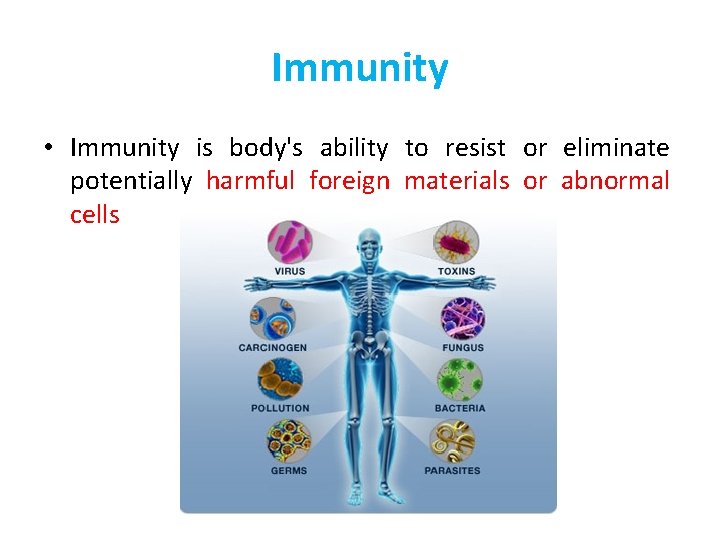
Immunity • Immunity is body's ability to resist or eliminate potentially harmful foreign materials or abnormal cells
History: what imparts Immunity? • Emil von Behring and Kitasato (1890) – Serum from vaccinated animals was protective (diptheria) • Metchinkoff (1880) – Cell based Immunity • Merrill Chase (1940)- Transfer of WBC (immunity to tuberculosis) Both serum and cells contribute to immunity
Immunology- nobel prizes • Since 1901 there have been 19 Nobel Prizes for immunology-related research.
The immune system A functional system – NOT an organ system: Complex system – includes • Skin – physical barrier • Lining of mucus membranes – physical barrier • Secretions – tears, mucus etc - antimicrobial • Blood cells and vasculature – WBCs • Bone marrow • Liver – makes complement proteins • Lymphatic system and lymphoid organs • Most tissues – have resident immune cells
Immunity • Immunity (immunis- Latin-exempt, state of protection from infectious diseases) • Immunity is body's ability to resist or eliminate potentially harmful foreign materials or abnormal cells • consists of following activities: – Defense against invading pathogens (viruses & bacteria) – Removal of 'worn-out' cells (e. g. , old RBCs) & tissue debris (e. g. , from injury or disease) – Identification & destruction of abnormal or mutant cells (primary defense against cancer) – Rejection of 'foreign' cells (e. g. , organ transplant) – Inappropriate responses: • Allergies - response to normally harmless substances • Autoimmune diseases
The Immune System
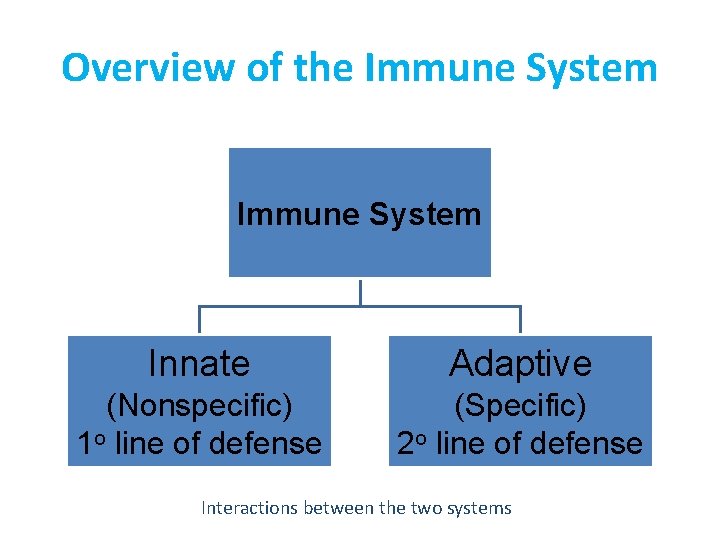
Overview of the Immune System Innate Adaptive (Nonspecific) 1 o line of defense (Specific) 2 o line of defense Interactions between the two systems
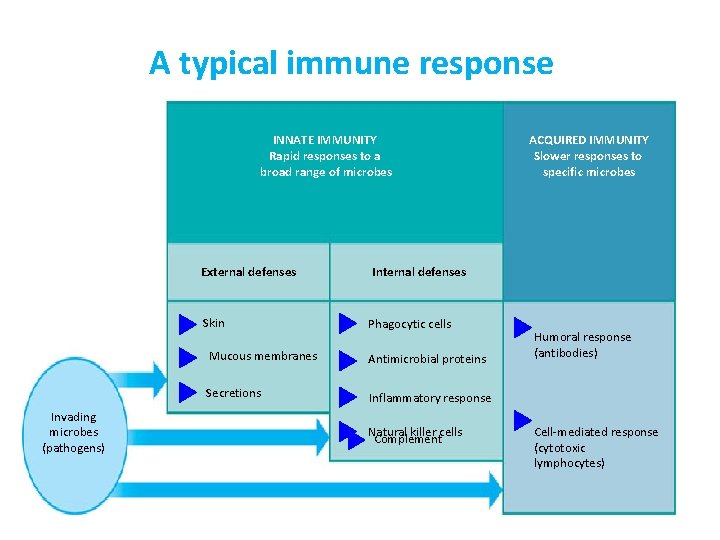
A typical immune response INNATE IMMUNITY Rapid responses to a broad range of microbes Invading microbes (pathogens) External defenses Internal defenses Skin Phagocytic cells Mucous membranes Antimicrobial proteins Secretions Inflammatory response Natural killer cells Complement ACQUIRED IMMUNITY Slower responses to specific microbes Humoral response (antibodies) Cell-mediated response (cytotoxic lymphocytes)
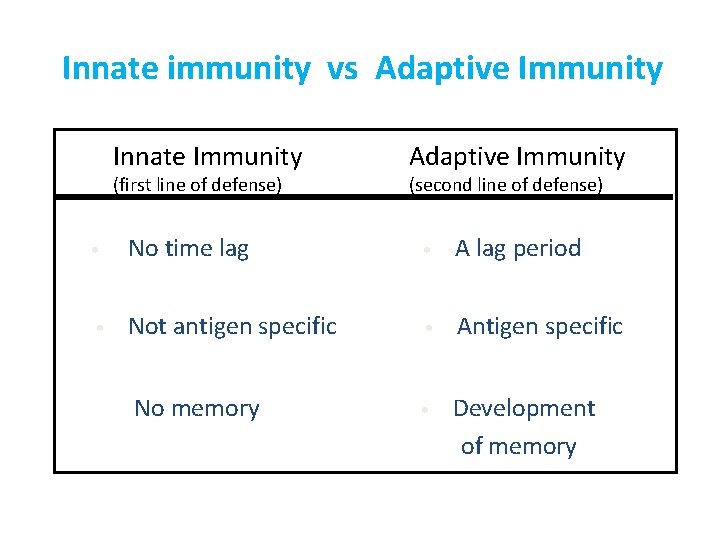
Innate immunity vs Adaptive Immunity Innate Immunity (first line of defense) Adaptive Immunity (second line of defense) • No time lag • A lag period • Not antigen specific • Antigen specific • Development of memory No memory
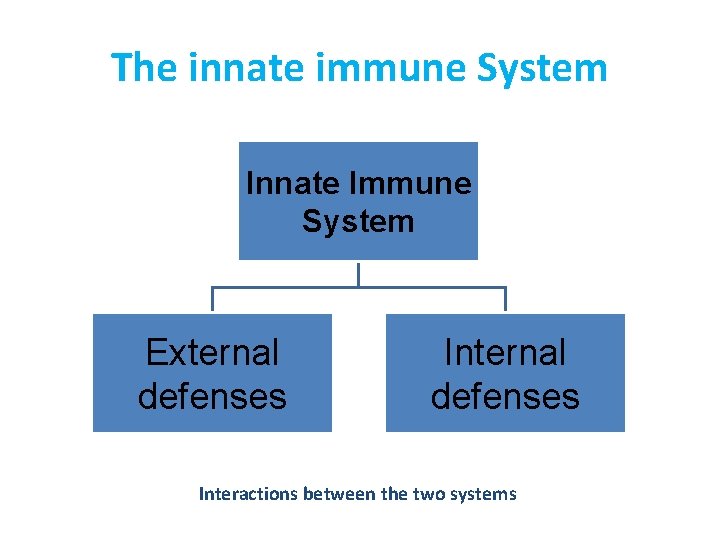
The innate immune System Innate Immune System External defenses Interactions between the two systems
Innate immune system External defenses
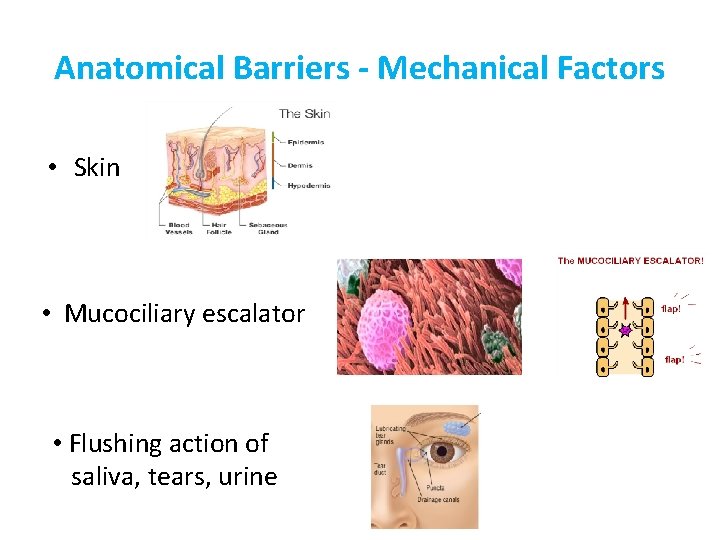
Anatomical Barriers - Mechanical Factors • Skin • Mucociliary escalator • Flushing action of saliva, tears, urine
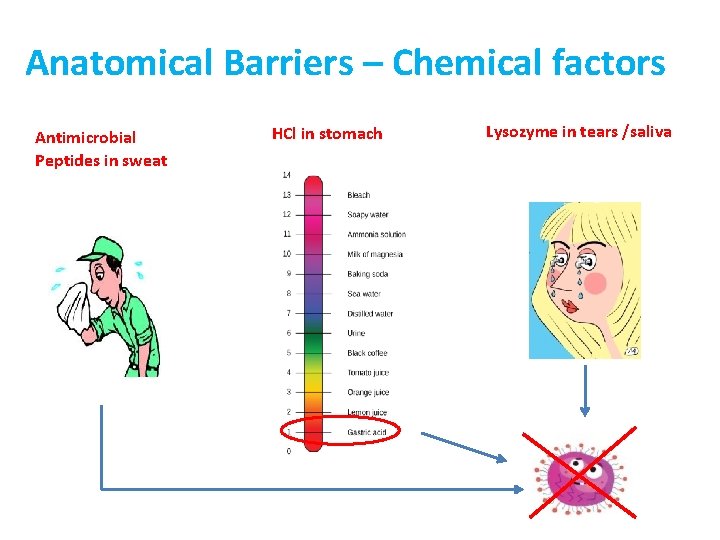
Anatomical Barriers – Chemical factors Antimicrobial Peptides in sweat HCl in stomach Lysozyme in tears /saliva
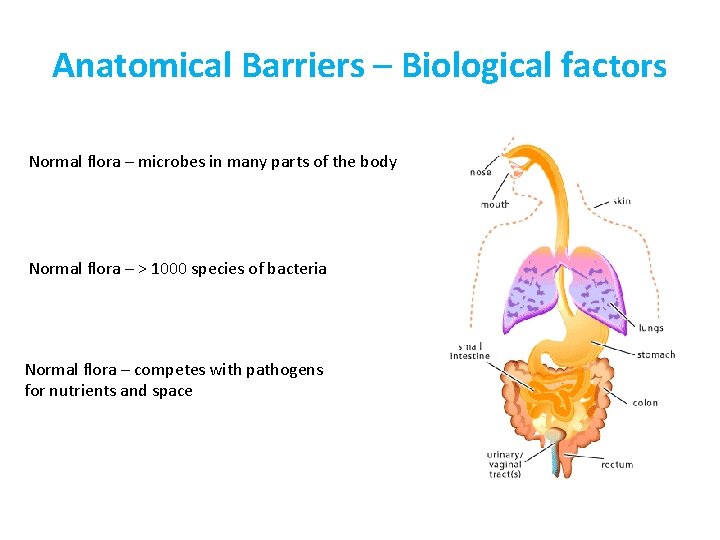
Anatomical Barriers – Biological factors Normal flora – microbes in many parts of the body Normal flora – > 1000 species of bacteria Normal flora – competes with pathogens for nutrients and space
Innate immune system internal defenses
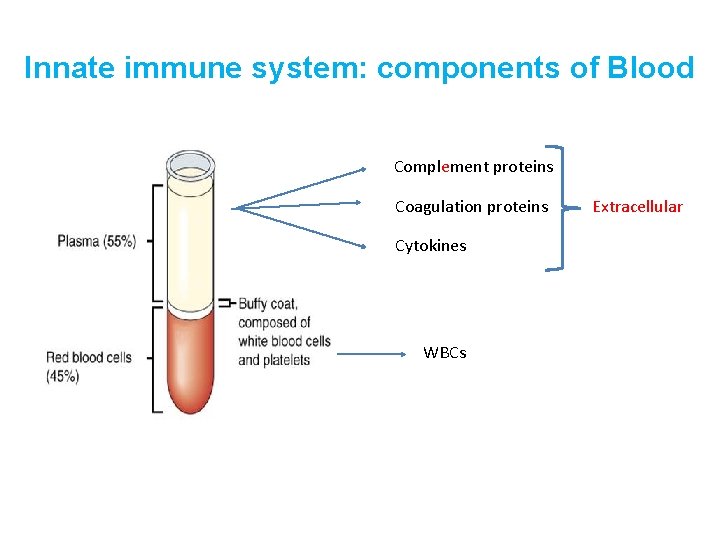
Innate immune system: components of Blood Complement proteins Coagulation proteins Cytokines WBCs Extracellular
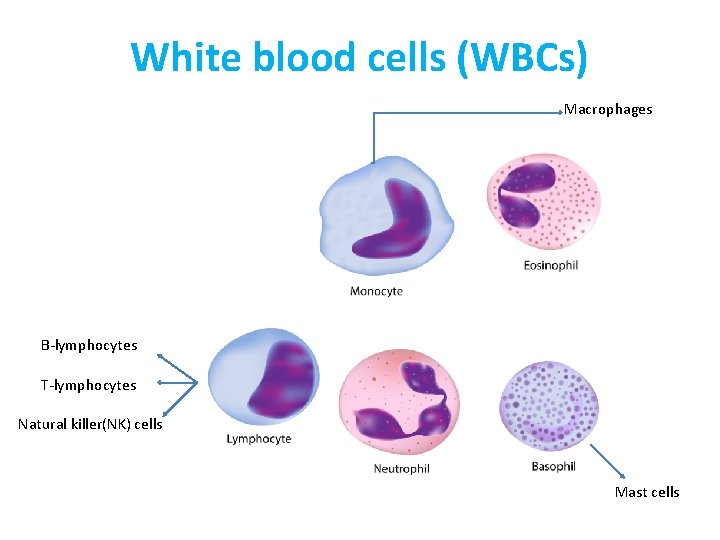
White blood cells (WBCs) Macrophages B-lymphocytes T-lymphocytes Natural killer(NK) cells Mast cells
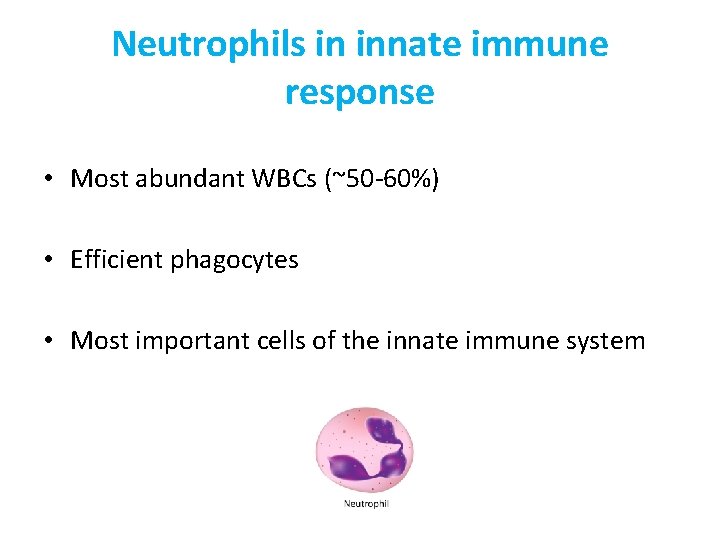
Neutrophils in innate immune response • Most abundant WBCs (~50 -60%) • Efficient phagocytes • Most important cells of the innate immune system
Phagocytosis • Phago = to eat • Cyte = cell • WBCs (eg. Neutrophils) – find, eat and digest microbes !
How do neutrophils find microbes ? • https: //youtu. be/I_xh-bkiv_c • https: //www. youtube. com/watch? v=ZUUfd. P 8 7 Ssg
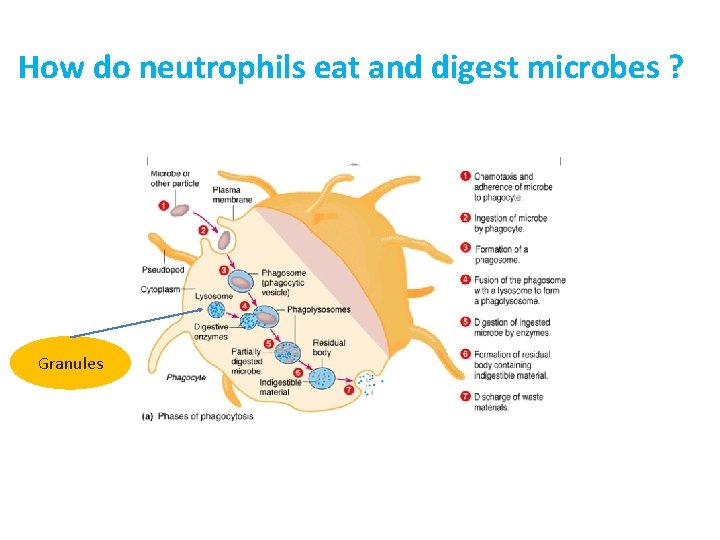
How do neutrophils eat and digest microbes ? Granules
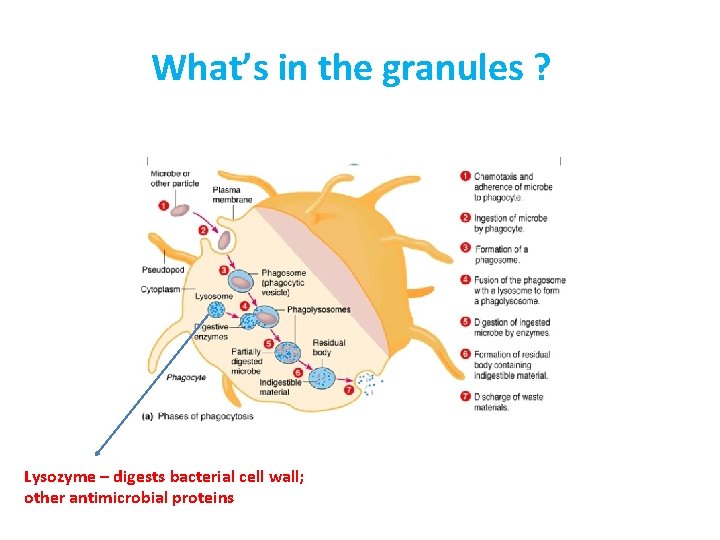
What’s in the granules ? Lysozyme – digests bacterial cell wall; other antimicrobial proteins
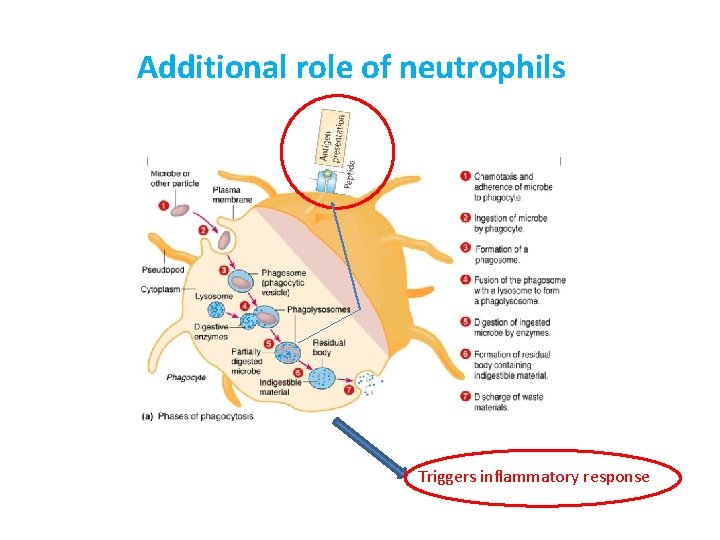
Additional role of neutrophils Triggers inflammatory response
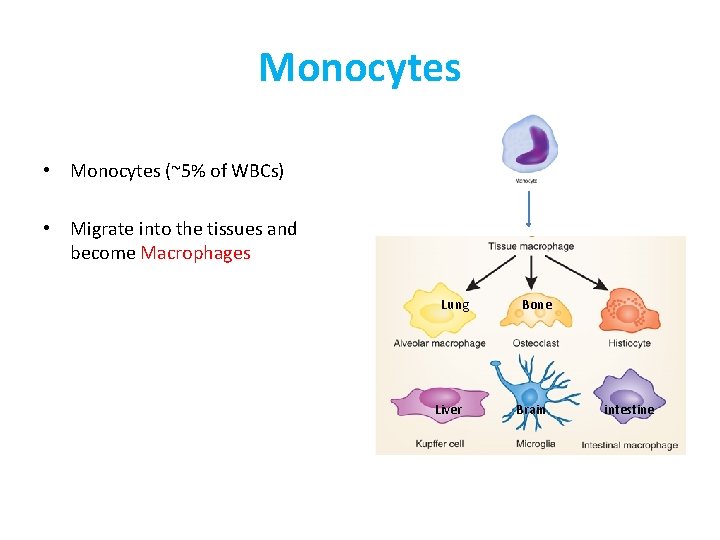
Monocytes • Monocytes (~5% of WBCs) • Migrate into the tissues and become Macrophages Lung Bone Liver Brain intestine
Macrophages • “Big eaters” • Phagocytosis of microbes in tissue (neutrophils are present only in blood) • Antigen presentation
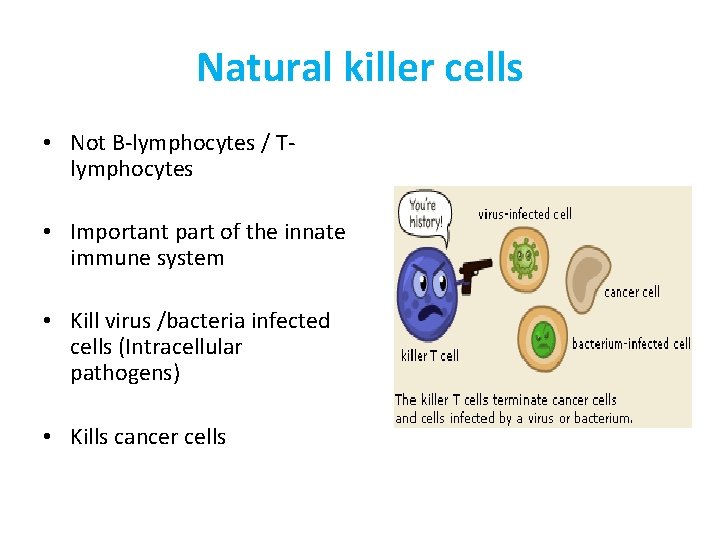
Natural killer cells • Not B-lymphocytes / Tlymphocytes • Important part of the innate immune system • Kill virus /bacteria infected cells (Intracellular pathogens) • Kills cancer cells
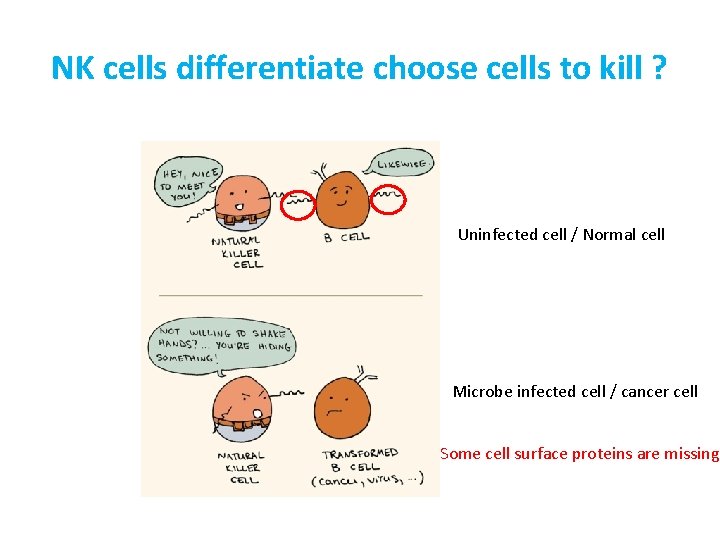
NK cells differentiate choose cells to kill ? Uninfected cell / Normal cell Microbe infected cell / cancer cell Some cell surface proteins are missing
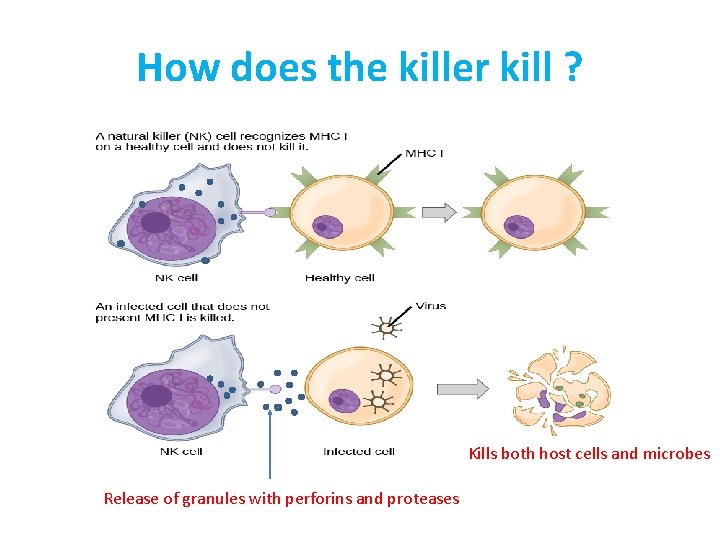
How does the killer kill ? Kills both host cells and microbes Release of granules with perforins and proteases
Toll-like receptors (TLRs) • Transmembrane proteins • Present on macrophages / few other cells • Conserved across vertebrates • Important part of innate immune system
TLRs – What do they do ? They look out for microbes (or their components) They bind to the microbes (or their components) They trigger a cascade of events to kill or protect against pathogens THEY ARE INNATE IMMUNE SENSORS
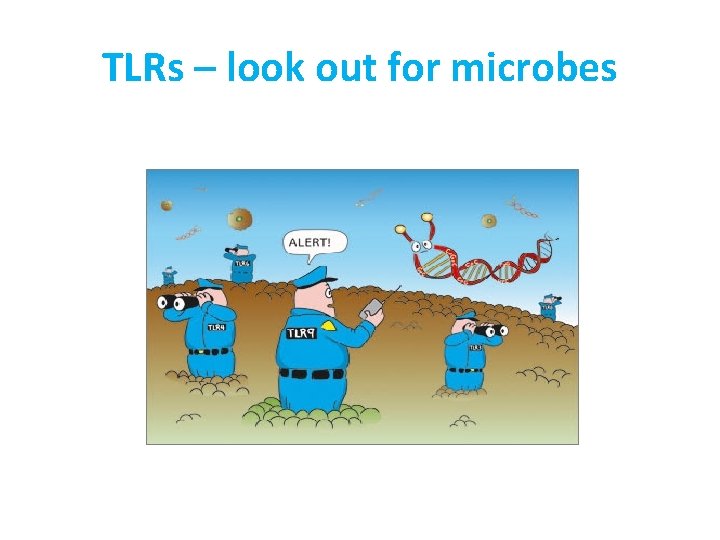
TLRs – look out for microbes
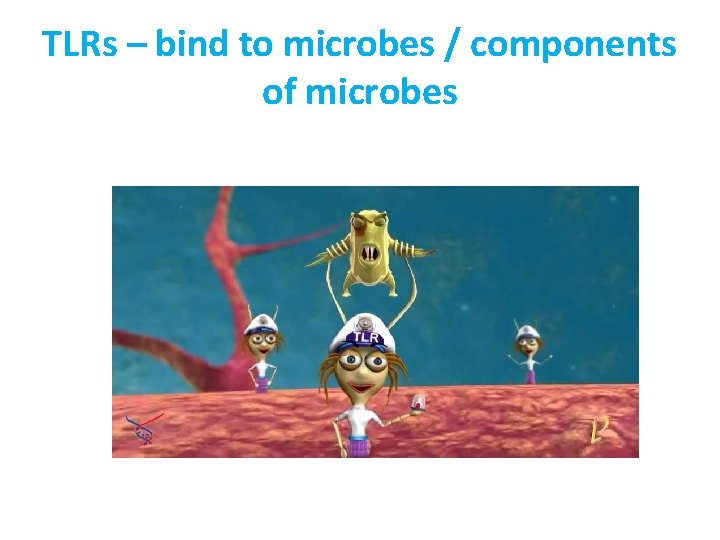
TLRs – bind to microbes / components of microbes
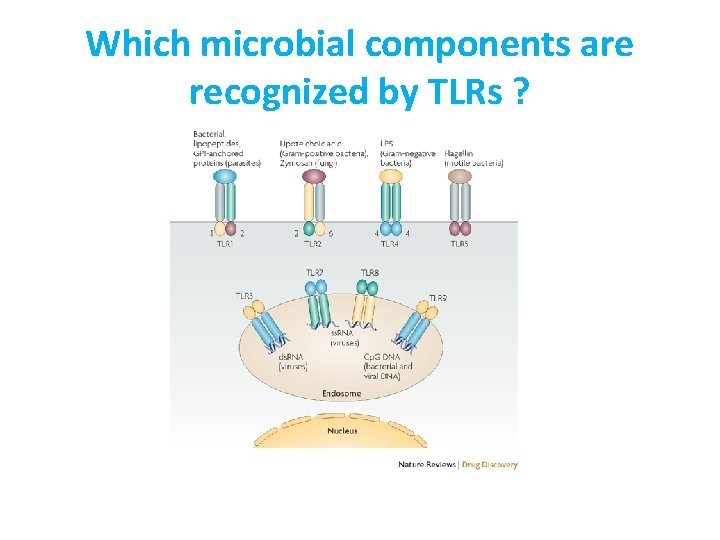
Which microbial components are recognized by TLRs ?
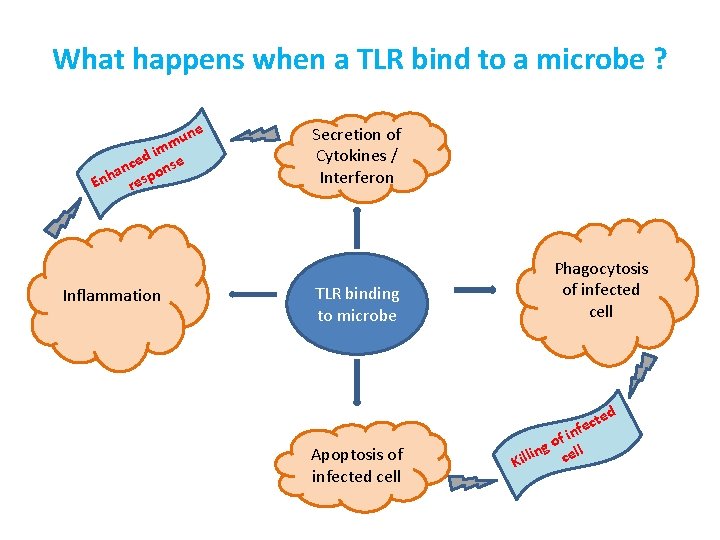
What happens when a TLR bind to a microbe ? ne u imm d ce nse n a o Enh resp Inflammation Secretion of Cytokines / Interferon TLR binding to microbe Phagocytosis of infected cell ed Apoptosis of infected cell t fec n i of l g in cel Kill
Summary: innate response – internal defenses – Cellular (WBCs) Come into play when the external defenses are breached • Neutrophils • Monocytes /macrophages • NK cells • TLRs
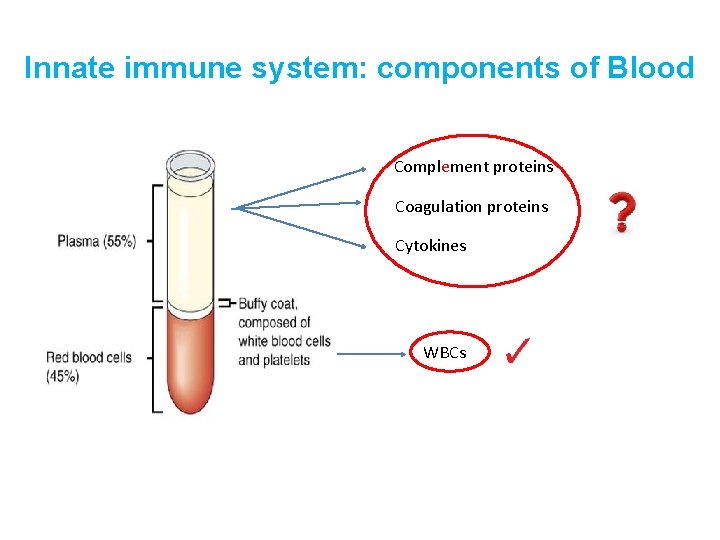
Innate immune system: components of Blood Complement proteins Coagulation proteins Cytokines WBCs
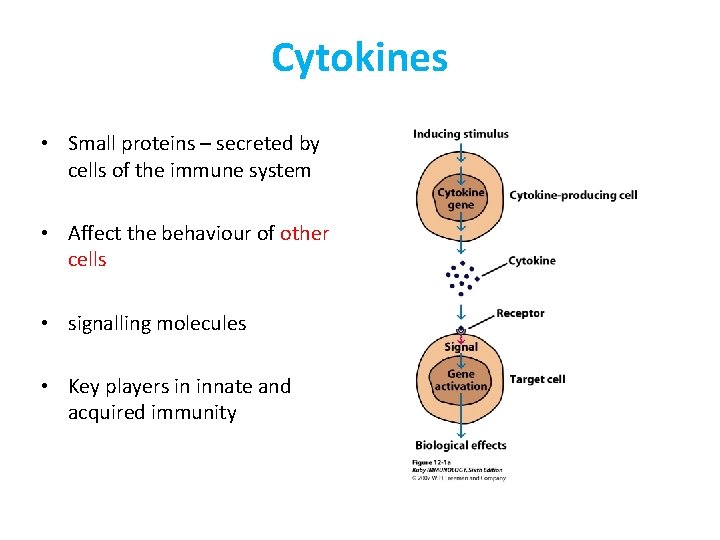
Cytokines • Small proteins – secreted by cells of the immune system • Affect the behaviour of other cells • signalling molecules • Key players in innate and acquired immunity
Which cells release cytokines ? Cells of the immune system: • Neutrophils – when they encounter a pathogen • Macrophages – when they encounter a pathogen • TLRs – bind to microbe / components of a microbe • NK cells – on encountering a microbe infected cell /tumour cell • Lymphocytes – when they are activated
Examples of cytokines • Interferons • Interleukins • Tumour necrosis factor (TNF)
Interferons (IFN) • Signalling proteins produced by by virus infected monocytes and lymphocytes • Secreted proteins – Key anti-viral proteins • “Interfere” with virus replication • Warn the neighbouring cells that a virus is around. . . • If we did not have IFNs – most of us may die of influenza virus infection
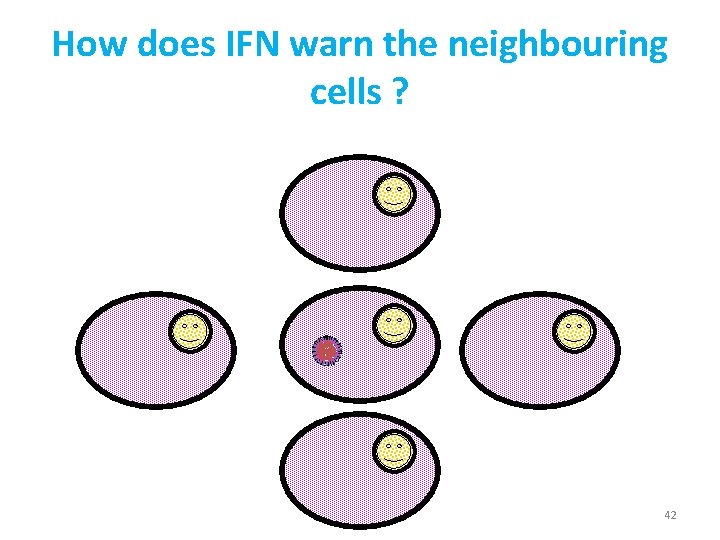
How does IFN warn the neighbouring cells ? 42
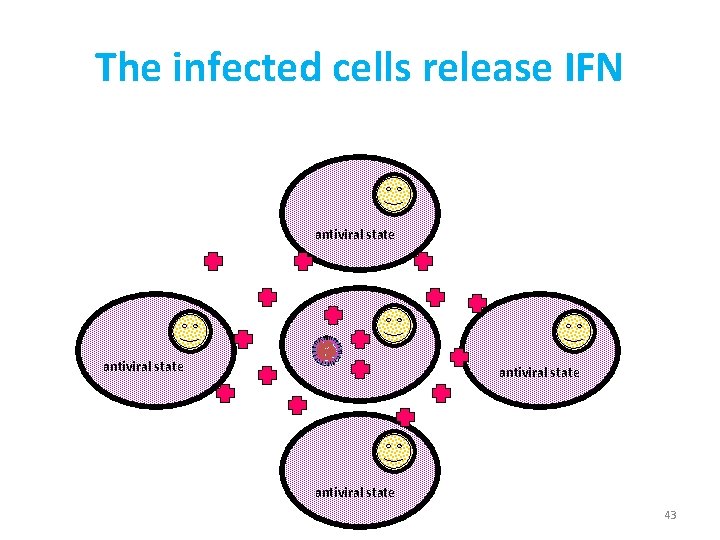
The infected cells release IFN antiviral state 43
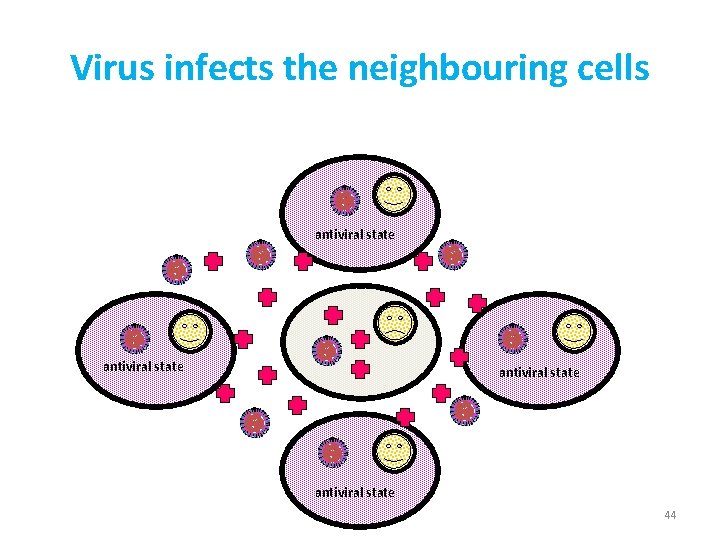
Virus infects the neighbouring cells antiviral state 44
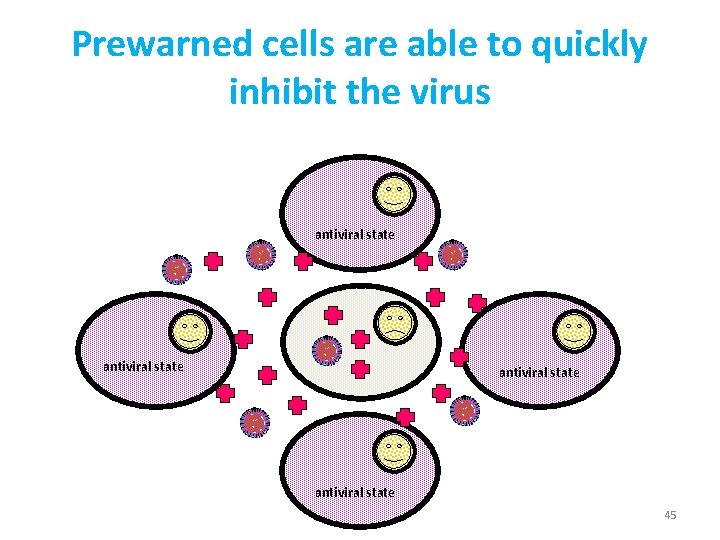
Prewarned cells are able to quickly inhibit the virus antiviral state 45
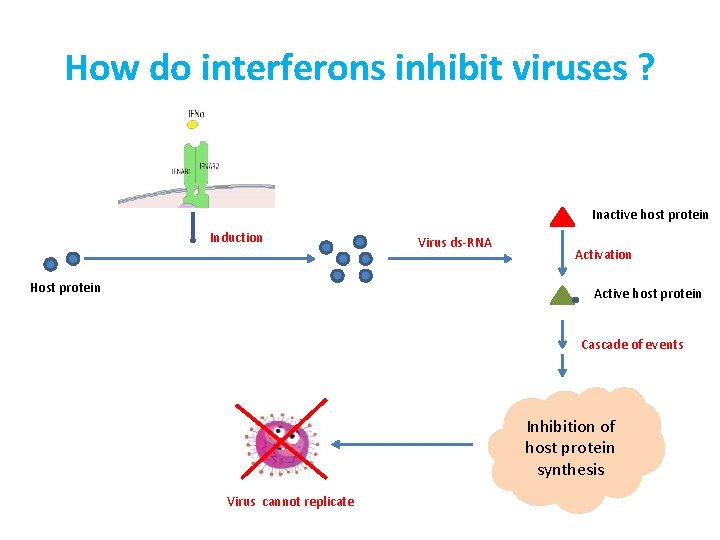
How do interferons inhibit viruses ? Inactive host protein Induction Host protein Virus ds-RNA Activation Active host protein Cascade of events Inhibition of host protein synthesis Virus cannot replicate
Interleukins • Interleukins – 1 -37 • Not stored inside cells • Quickly synthesized and secreted in response to infection • Key modulators of behaviour of immune cells • Mostly secreted by T-lymphocytes & macrophages
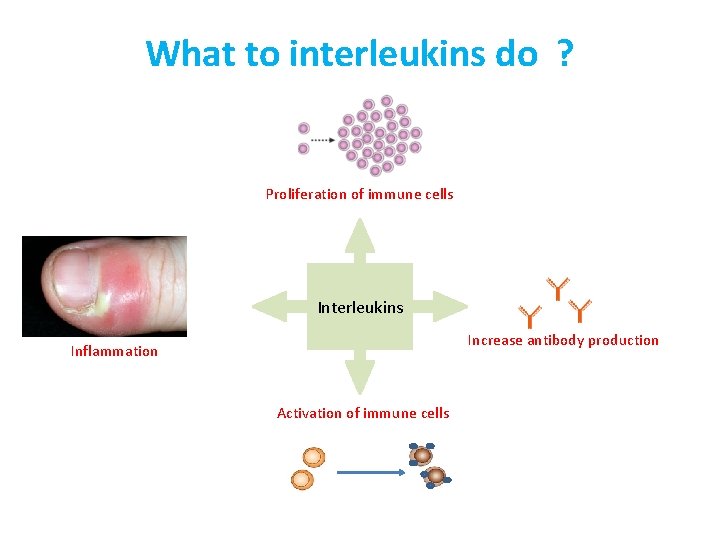
What to interleukins do ? Proliferation of immune cells Interleukins Increase antibody production Inflammation Activation of immune cells
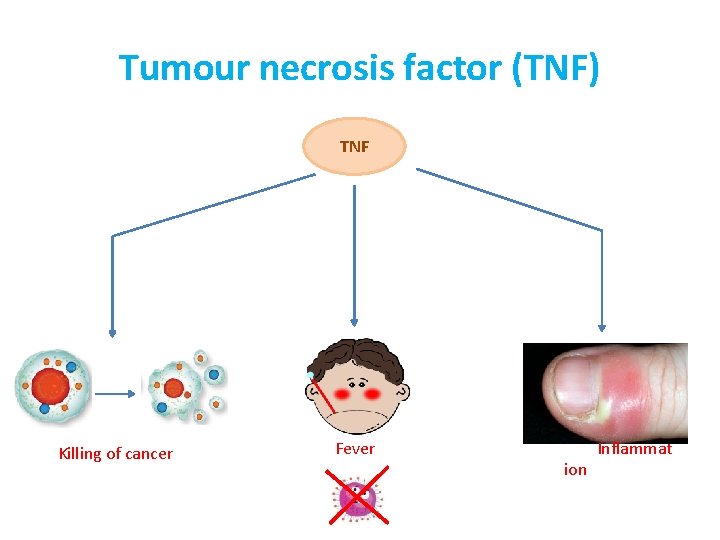
Tumour necrosis factor (TNF) TNF Killing of cancer Fever Inflammat ion
Complement (C`) • a large number of distinct plasma proteins that react with one another (C 1 thro’ C 9) • Complement can bind to microbes and coat the microbes • Essential part of innate immune response • Enhances adaptive immune resposne (taught later)
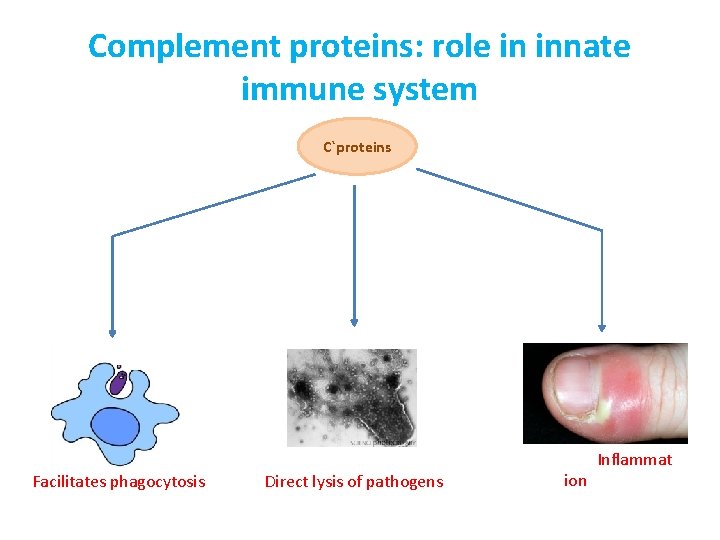
Complement proteins: role in innate immune system C`proteins Facilitates phagocytosis Direct lysis of pathogens Inflammat ion
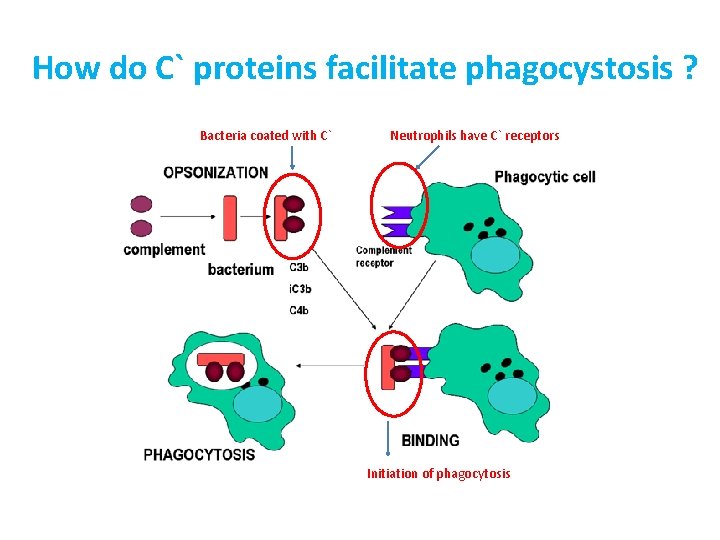
How do C` proteins facilitate phagocystosis ? Bacteria coated with C` Neutrophils have C` receptors Initiation of phagocytosis
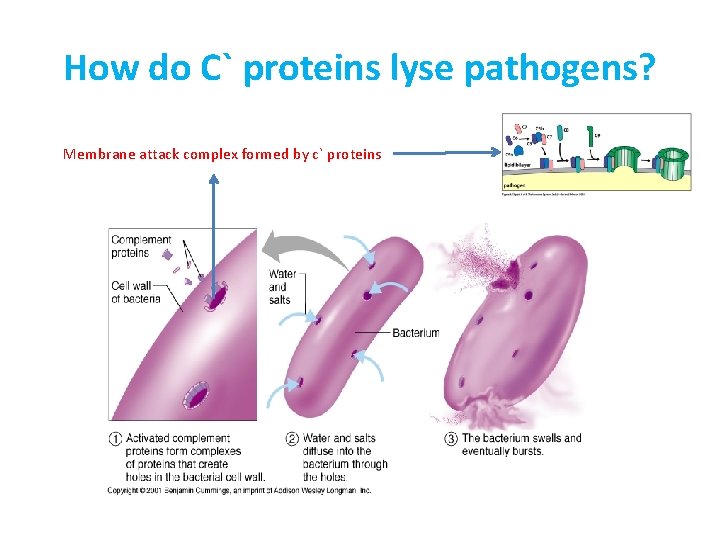
How do C` proteins lyse pathogens? Membrane attack complex formed by c` proteins
Coagulation proteins • Coagulation: mechanism to stop bleeding after injury to blood vessels Complex pathway involves • Platelets • Coagulation factors • Vitamin K
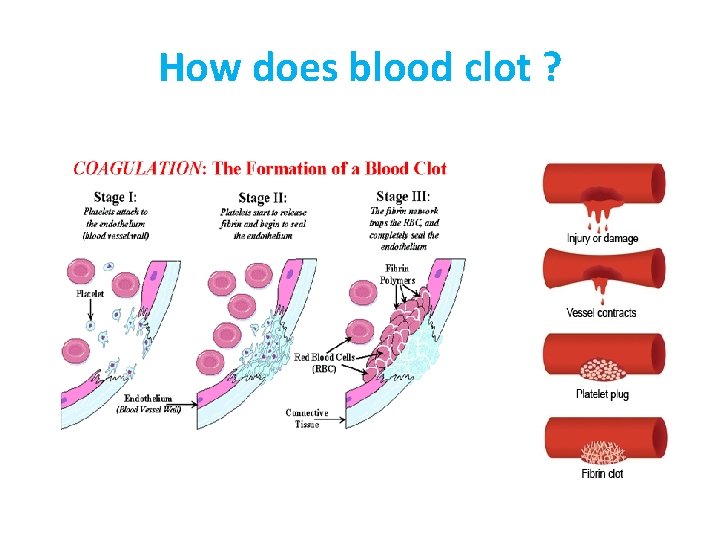
How does blood clot ?
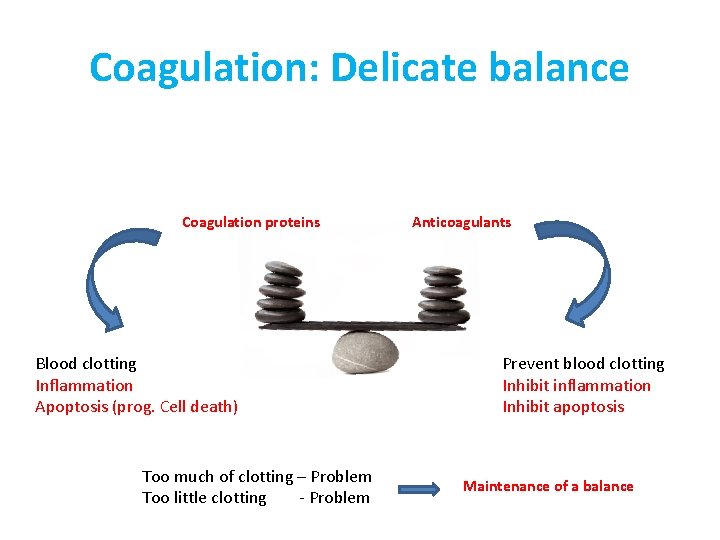
Coagulation: Delicate balance Coagulation proteins Blood clotting Inflammation Apoptosis (prog. Cell death) Too much of clotting – Problem Too little clotting - Problem Anticoagulants Prevent blood clotting Inhibit inflammation Inhibit apoptosis Maintenance of a balance
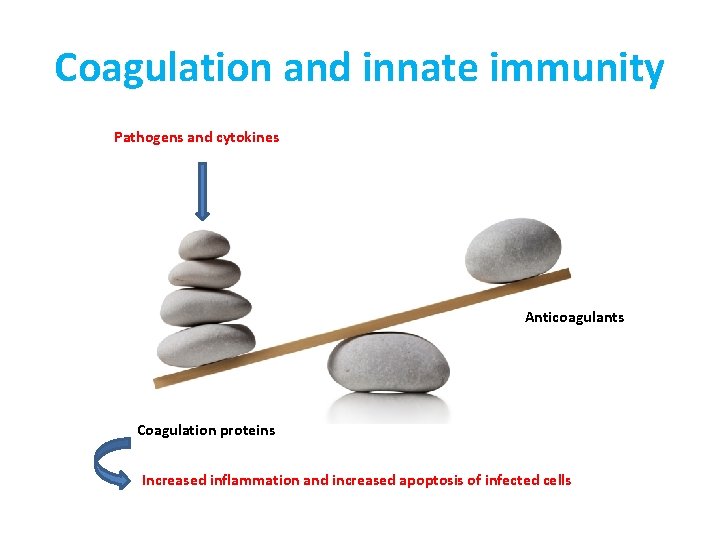
Coagulation and innate immunity Pathogens and cytokines Anticoagulants Coagulation proteins Increased inflammation and increased apoptosis of infected cells
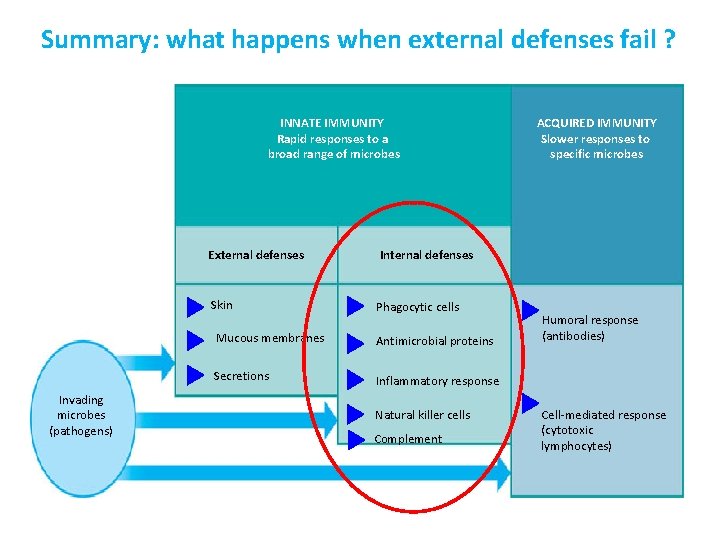
Summary: what happens when external defenses fail ? INNATE IMMUNITY Rapid responses to a broad range of microbes Invading microbes (pathogens) External defenses Internal defenses Skin Phagocytic cells Mucous membranes Antimicrobial proteins Secretions Inflammatory response Natural killer cells Complement ACQUIRED IMMUNITY Slower responses to specific microbes Humoral response (antibodies) Cell-mediated response (cytotoxic lymphocytes)
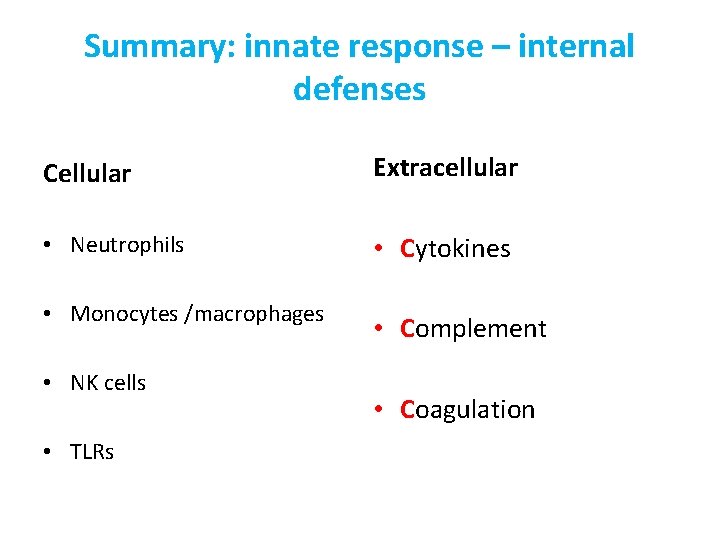
Summary: innate response – internal defenses Cellular Extracellular • Neutrophils • Cytokines • Monocytes /macrophages • NK cells • TLRs • Complement • Coagulation
Introduction to the immune system Vivekanandan Perumal vperumal@bioschool. iitd. ac. in 011 -26597532 Office hours Wednesday and Friday 5 -6 pm
Immunology: lecture 3 Inflammation Antigens Antibody
Inflammation • Complex biological process by which body responds to pathogens and irritants • Associated with swelling of tissue • Key player in innate immune repsone
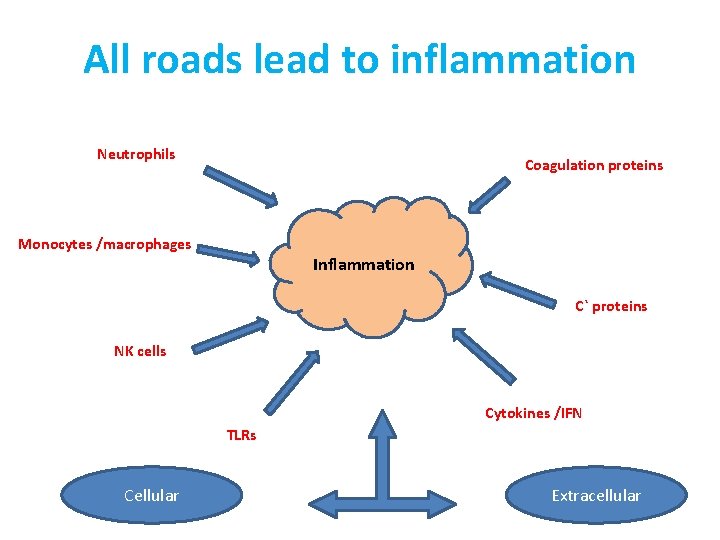
All roads lead to inflammation Neutrophils Coagulation proteins Monocytes /macrophages Inflammation C` proteins NK cells Cytokines /IFN TLRs Cellular Extracellular
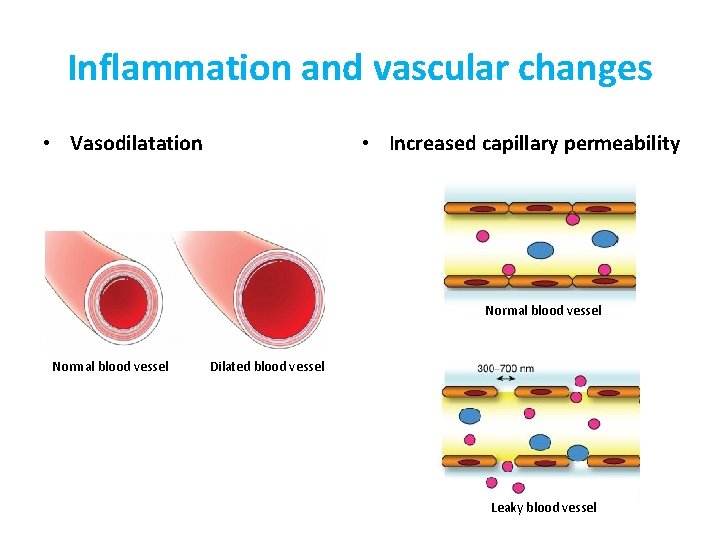
Inflammation and vascular changes • Vasodilatation • Increased capillary permeability Normal blood vessel Dilated blood vessel Leaky blood vessel
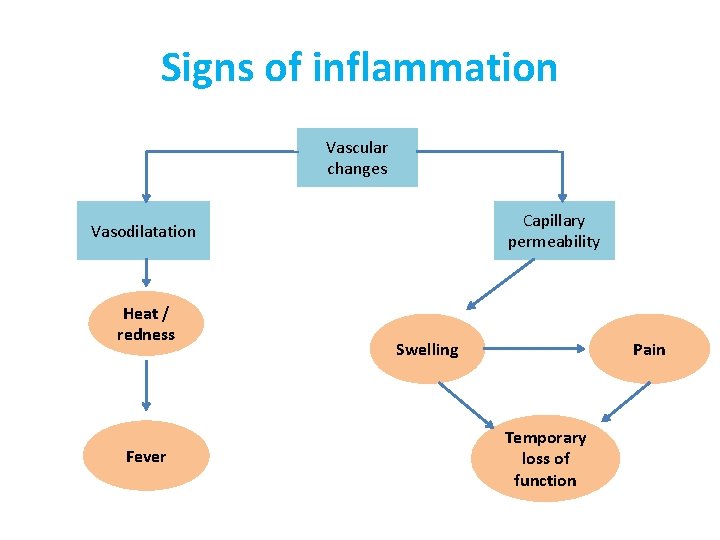
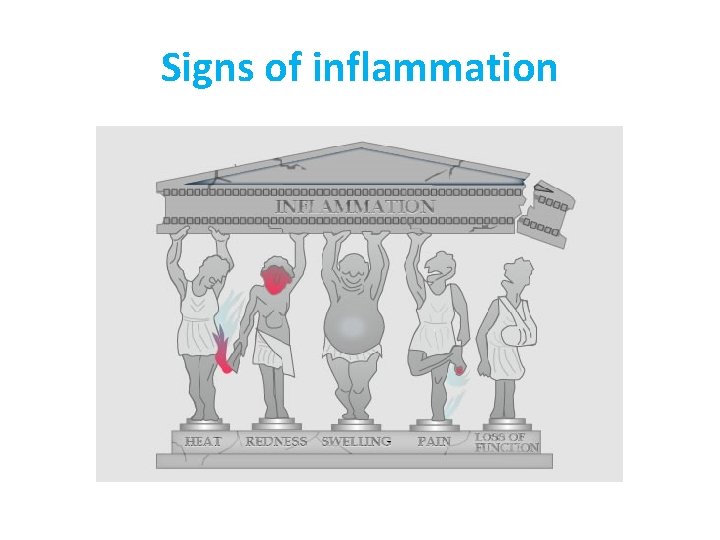
Signs of inflammation Vascular changes Capillary permeability Vasodilatation Heat / redness Fever Swelling Pain Temporary loss of function
Signs of inflammation
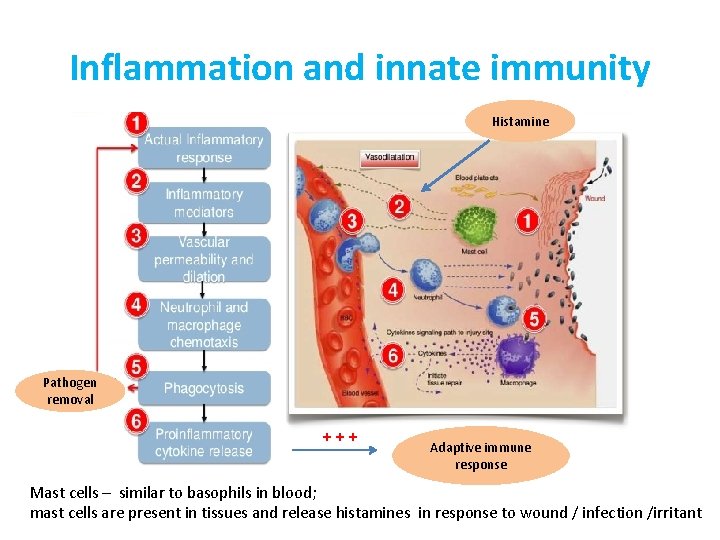
Inflammation and innate immunity Histamine Pathogen removal +++ Adaptive immune response Mast cells – similar to basophils in blood; mast cells are present in tissues and release histamines in response to wound / infection /irritant
Summary: role of Inflammation in innate immunity • Initiation of phagocytosis – killing of pathogen • Limiting the spread of infection • Stimulate adaptive immune response • Initiate tissue repair
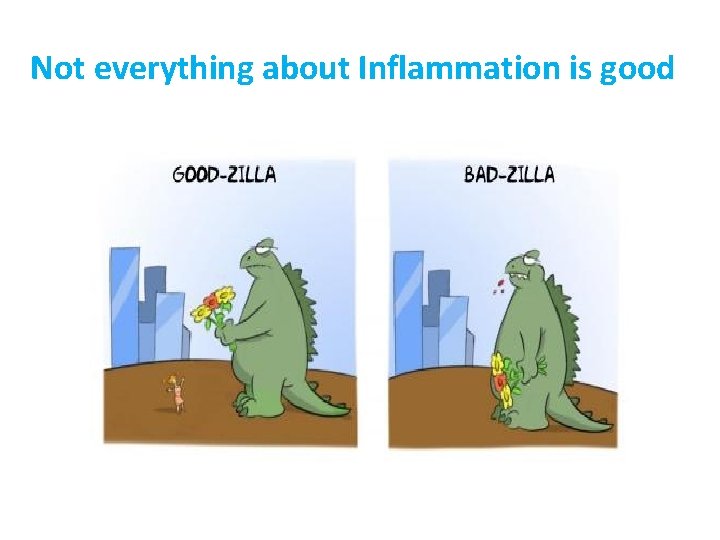
Not everything about Inflammation is good
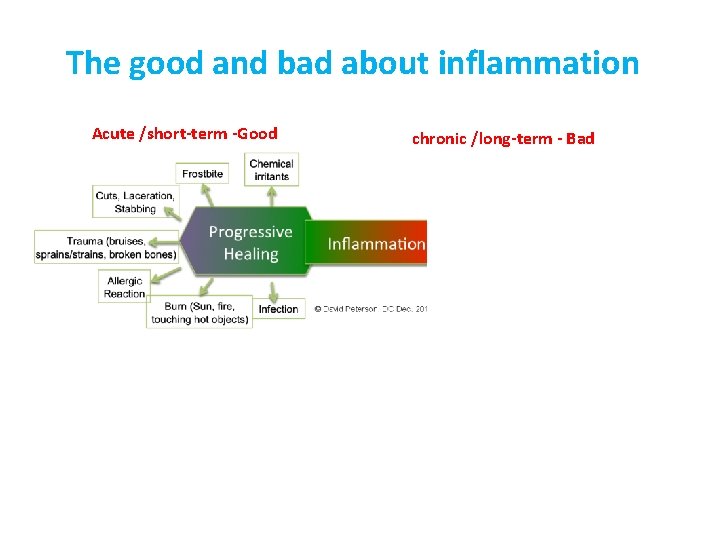
The good and bad about inflammation Acute /short-term -Good chronic /long-term - Bad
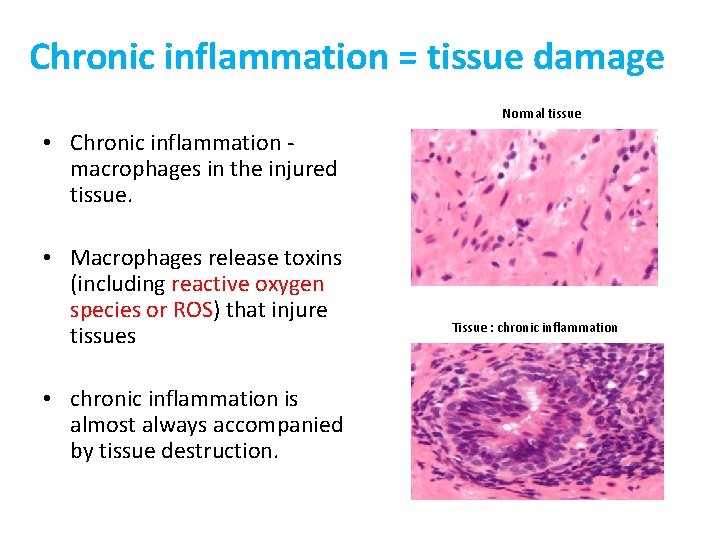
Chronic inflammation = tissue damage Normal tissue • Chronic inflammation - macrophages in the injured tissue. • Macrophages release toxins (including reactive oxygen species or ROS) that injure tissues • chronic inflammation is almost always accompanied by tissue destruction. Tissue : chronic inflammation
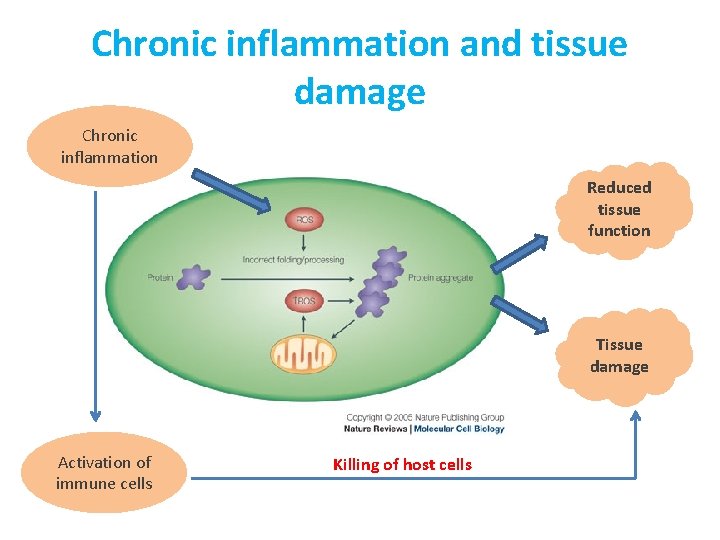
Chronic inflammation and tissue damage Chronic inflammation Reduced tissue function Tissue damage Activation of immune cells Killing of host cells
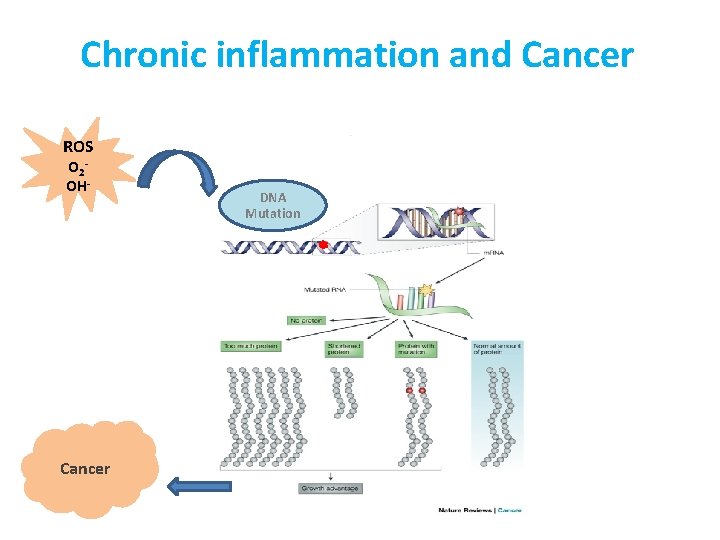
Chronic inflammation and Cancer ROS O 2 OH- Cancer DNA Mutation
Immunogens / Antigens

Immunogens and antigens • Immunogen / antigen: a substance that elicits an immune response [i. e. a humoral (antibody response) or cell-mediated immune response] Immune response generator Though the two terms are used interchangeably – there are differences between the two
Epitope • Epitope: the portion of an antigen that is recognized and bound by an antibody (Ab) or a T-cell receptor (TCR) • epitope = antigenic determinant
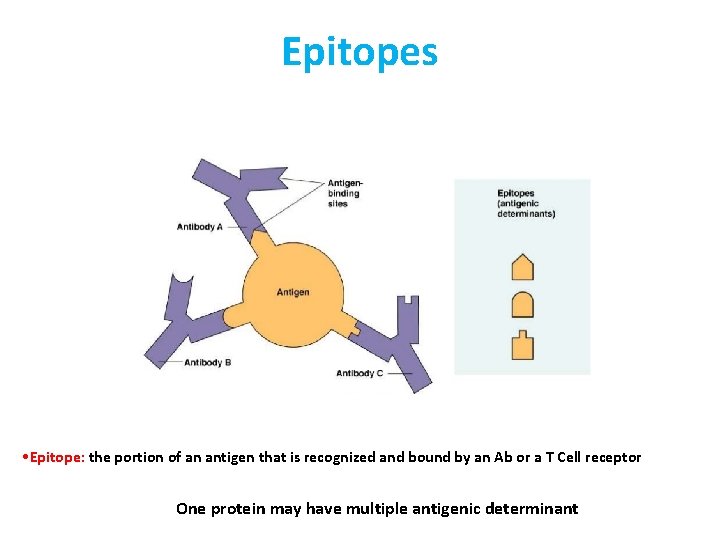
Epitopes • Epitope: the portion of an antigen that is recognized and bound by an Ab or a T Cell receptor One protein may have multiple antigenic determinant
Epitopes • B-cell Epitopes – recognized by B-cells • T-cell Epitopes – recognized by T cells
Immunogenicity • Immunogencity: is the ability to induce a humoral (antibody) and/or cell-mediated immune response. • Weak immunogens • Strong immunogens
What determines immunogenicity ? • Foreignness: essential for immunogenicity (self-responsive immune cells are eliminated during lymphocyte development) • Size: Bigger>Smaller • Chemical composition: Proteins > nucleic acids / polysaccharides / lipids • Structure: Primary /secondary /tertiary structures play a role • Physical form: Particulate> Soluble
Host factors affecting immunogencity • Difference across species (interspecies) • Differences within a species (intraspecies) - Responders / non-responders to vaccine - differences in disease severity in epidemics Genetics Age
Isoantigens • Isoantigens: Antigens present in some but not all members of a species • Blood group antigens – basis of blood grouping • MHC (major histocompatibility complex)- cell surface glycoproteins
Autoantigens • Autoantigens are substances capable of immunizing the host from which they are obtained. • Self antigens are ordinarily non-antigenic • Modifications of self-antigens are capable of eliciting an immune response
Haptens • Haptens are small molecules which are nonimmunogenic, thus could never induce an immune response by themselves.
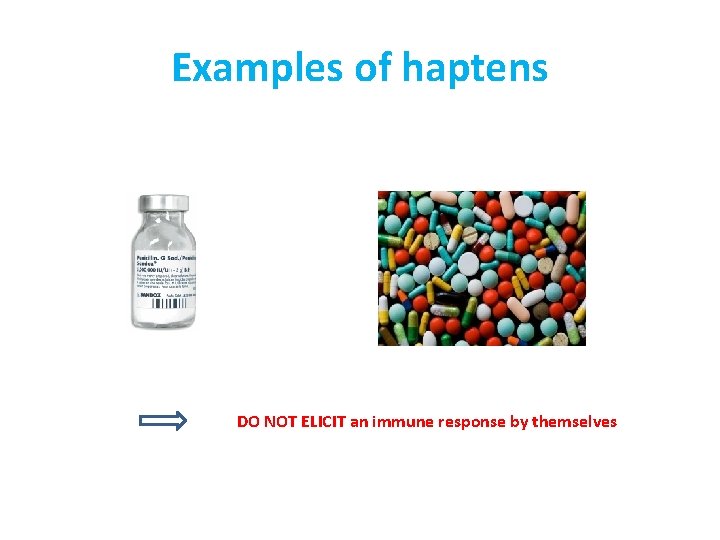
Examples of haptens DO NOT ELICIT an immune response by themselves
Immunogens / Antigens
What is an antibody? • Produced by Plasma cell (B-lymphocytes producing Ab) • Essential part of adaptive immunity • Specifically bind a unique antigenic epitope (also called an antigenic determinant) • Possesses antigen binding sites • Members of the class of proteins called immunoglobulins
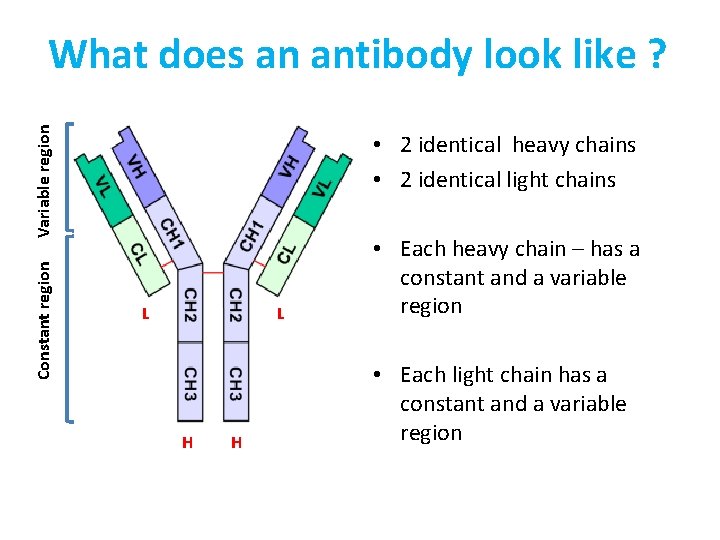
Constant region Variable region What does an antibody look like ? • 2 identical heavy chains • 2 identical light chains L L H H • Each heavy chain – has a constant and a variable region • Each light chain has a constant and a variable region
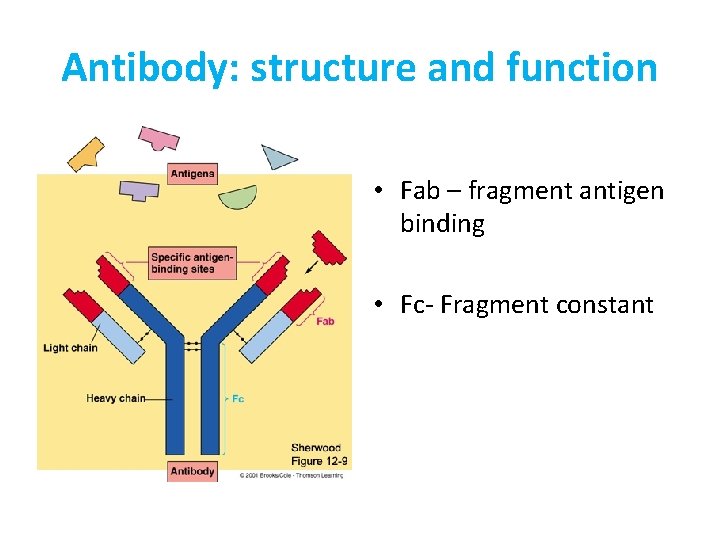
Antibody: structure and function • Fab – fragment antigen binding • Fc- Fragment constant
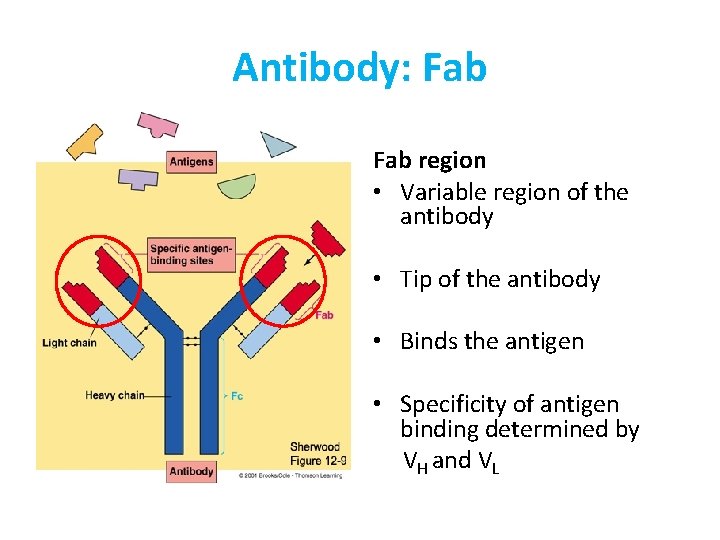
Antibody: Fab region • Variable region of the antibody • Tip of the antibody • Binds the antigen • Specificity of antigen binding determined by VH and VL
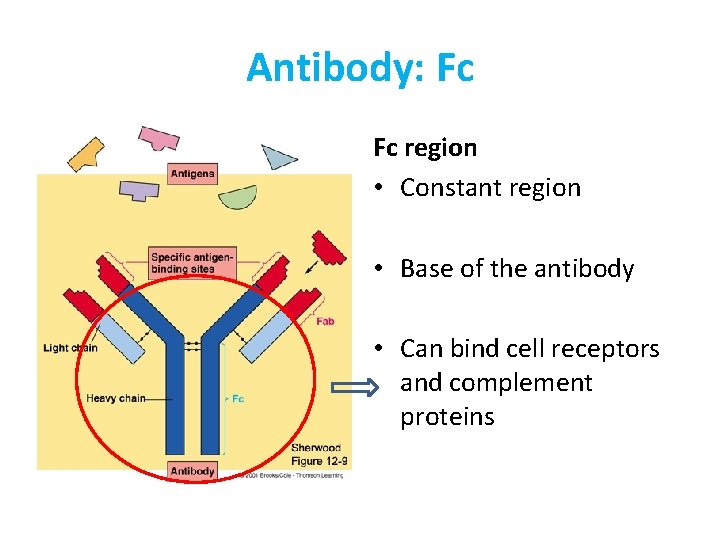
Antibody: Fc Fc region • Constant region • Base of the antibody • Can bind cell receptors and complement proteins
Antibodies exist in two forms • Antibodies occur in 2 forms – Soluble Ag: secreted in blood and tissue – Membrane-bound Ag: found on surface of B-cell, also known as a B-cell receptor (BCR)
- Slides: 92