
Introduction to Teaching Pronunciation UCI Extension TEFL Programs


- Slides: 18
Introduction to Teaching Pronunciation UCI Extension TEFL Programs TEFL Workshop • June 27, 2012 Marla Yoshida http: //teachingpronunciation. weebly. com
What do you need to know when you teach pronunciation? • You need to know about pronunciation. • You need to understand the problems your students might have. • You need to know how to teach these things to your students and help them practice effectively.
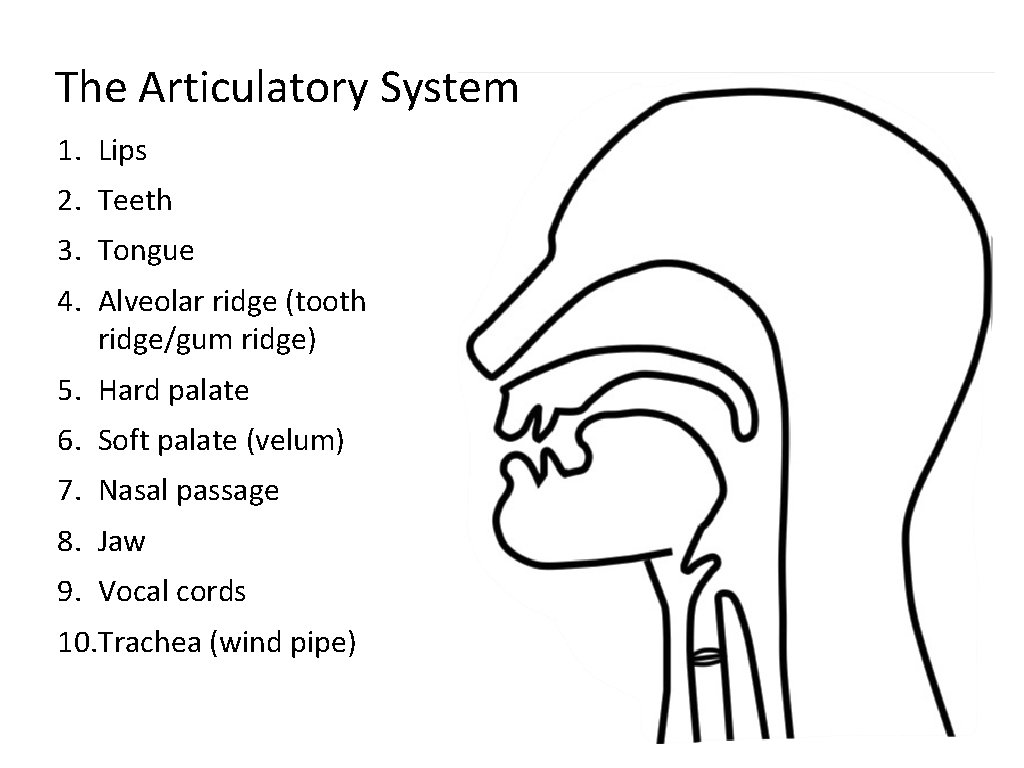
The Articulatory System 1. Lips 2. Teeth 3. Tongue 4. Alveolar ridge (tooth ridge/gum ridge) 5. Hard palate 6. Soft palate (velum) 7. Nasal passage 8. Jaw 9. Vocal cords 10. Trachea (wind pipe)
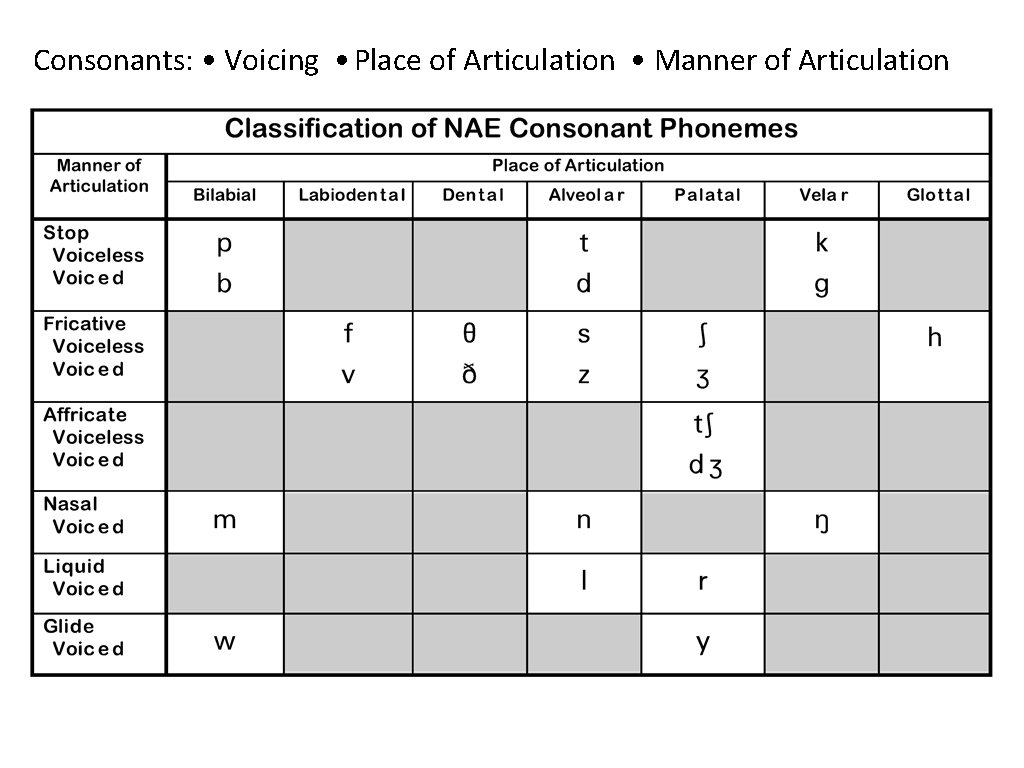
Consonants: • Voicing • Place of Articulation • Manner of Articulation
Vowels: • Tongue position • Lip rounding • Tense vs. lax • Simple vowels, glided vowels, and diphthongs
How can we teach pronunciation effectively? • We need to do more than simply teach rules and use mechanical drills. • Individual sounds vs. the musical aspects of pronunciation (Intonation, stress, rhythm) • Simple repetition is fine, but we also need meaningful or communicative activities • Use a wide range of techniques and activities.
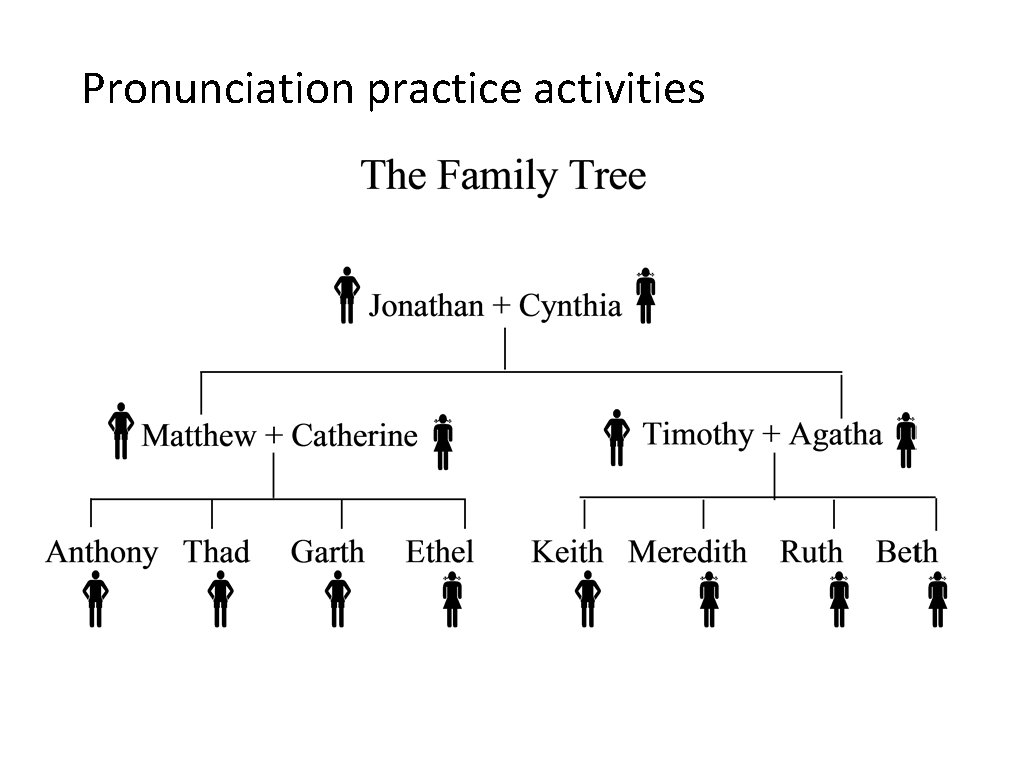
Pronunciation practice activities
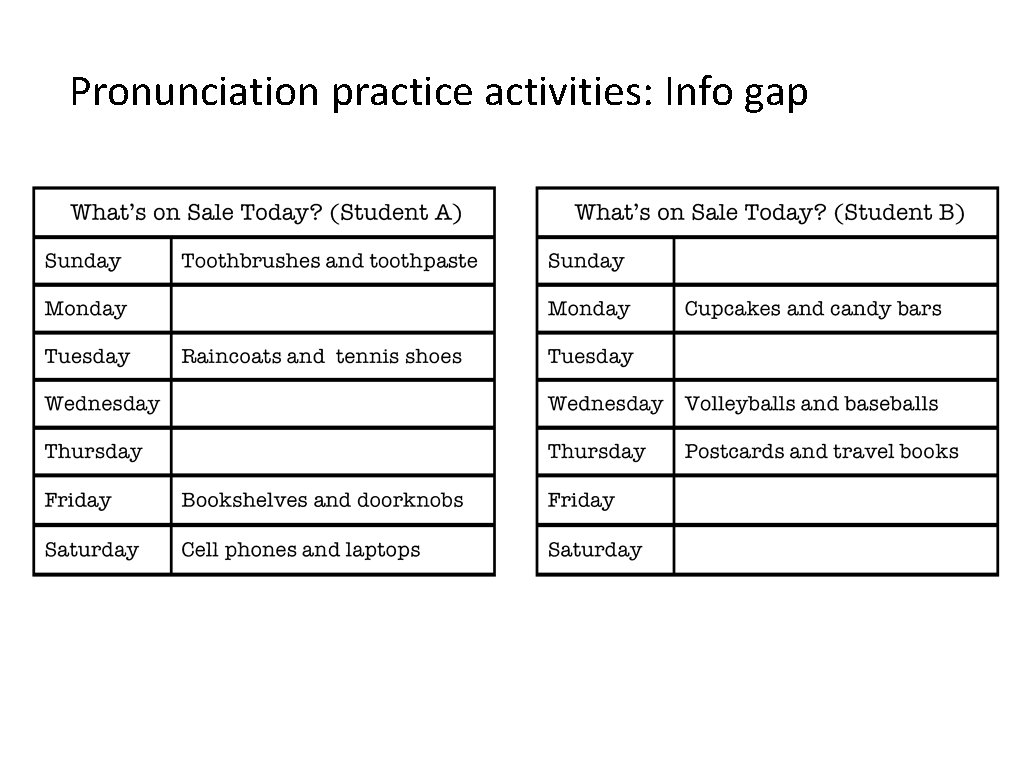
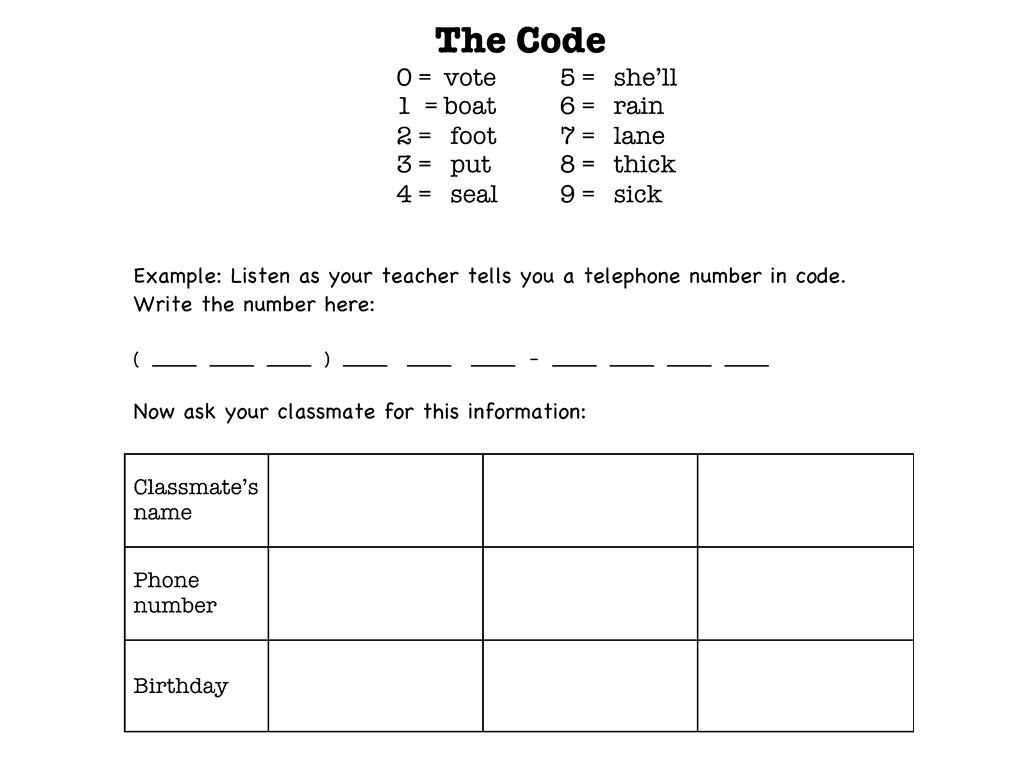
Pronunciation practice activities: Info gap
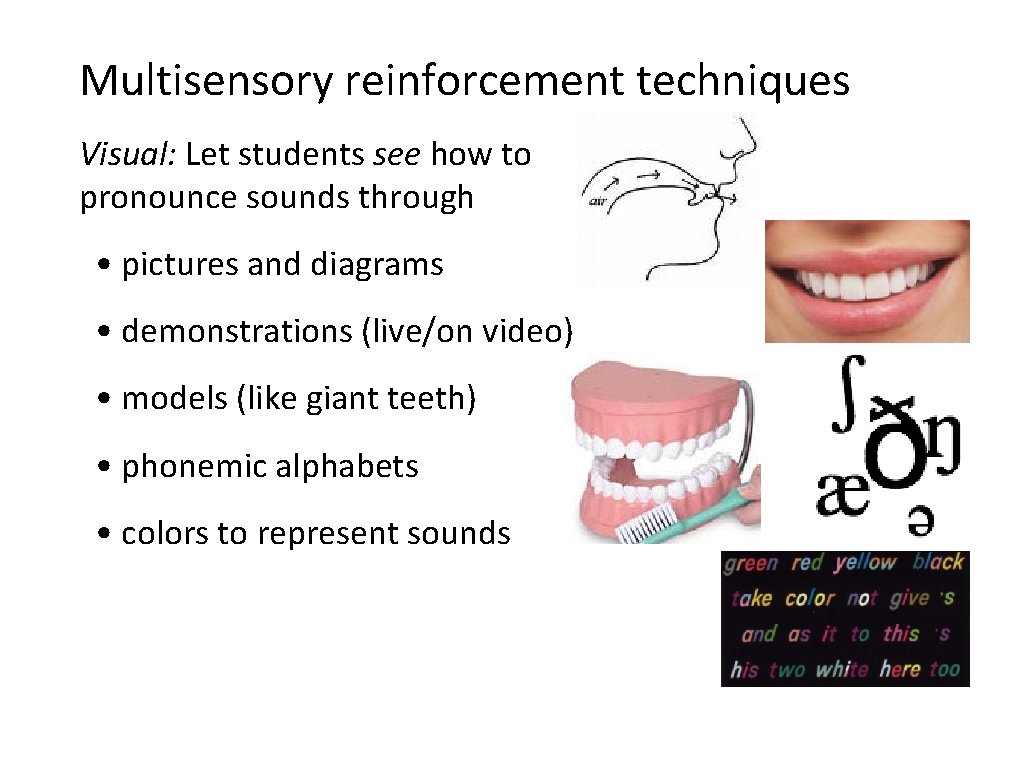
Multisensory reinforcement techniques Visual: Let students see how to pronounce sounds through • pictures and diagrams • demonstrations (live/on video) • models (like giant teeth) • phonemic alphabets • colors to represent sounds
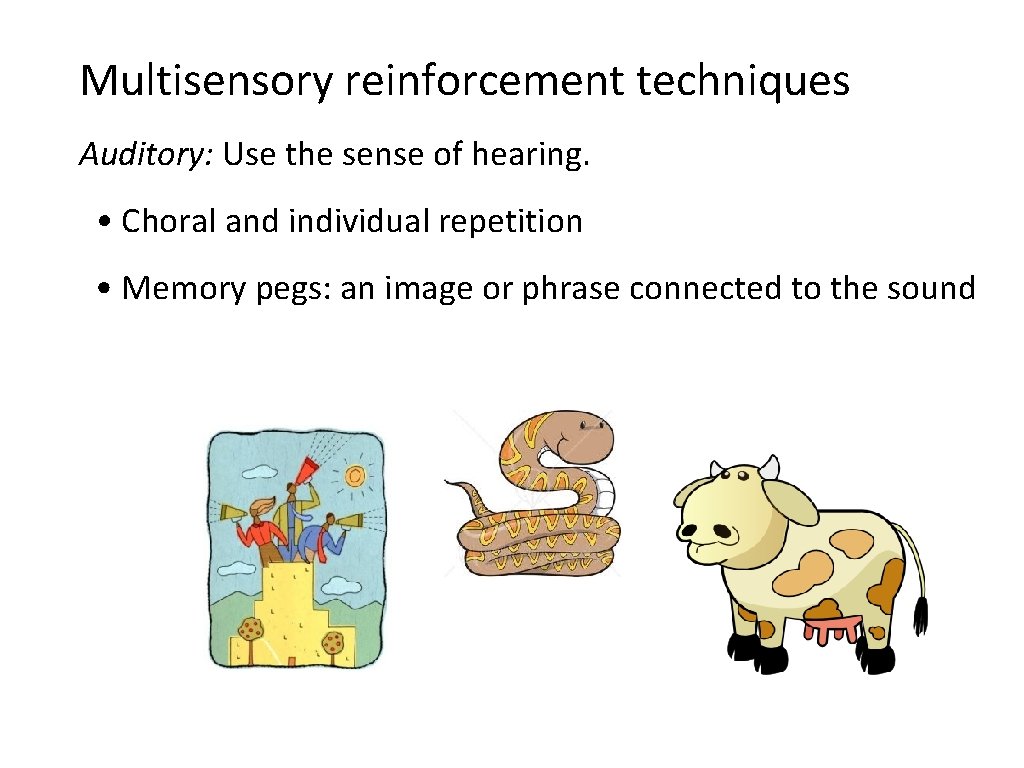
Multisensory reinforcement techniques Auditory: Use the sense of hearing. • Choral and individual repetition • Memory pegs: an image or phrase connected to the sound
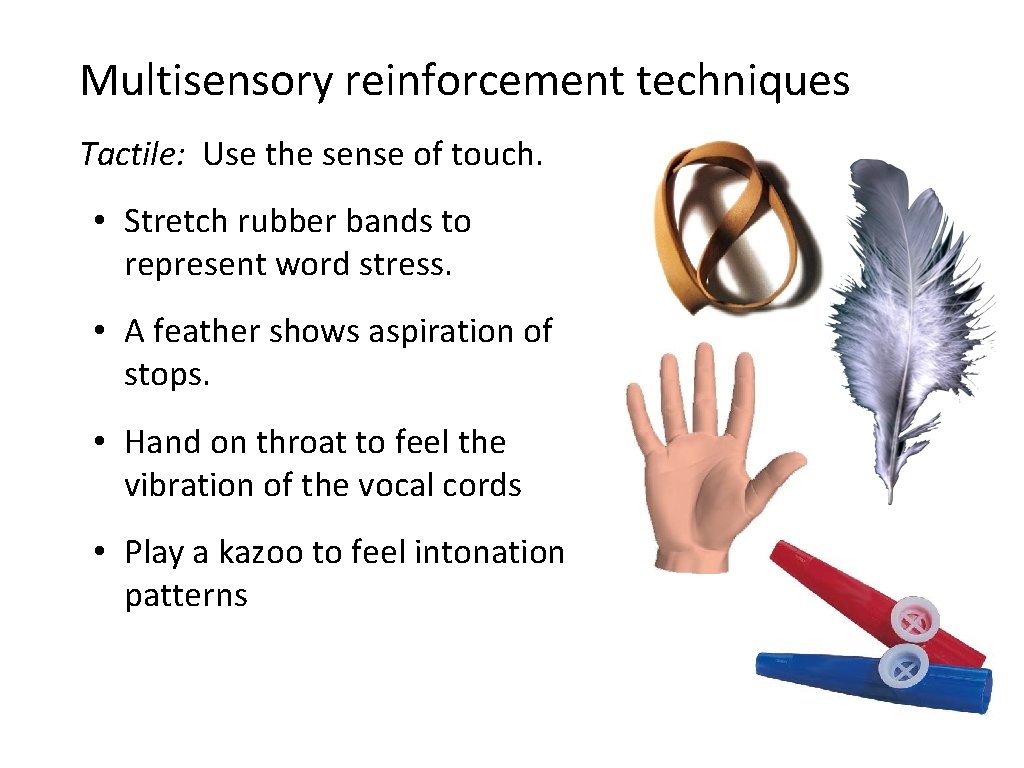
Multisensory reinforcement techniques Tactile: Use the sense of touch. • Stretch rubber bands to represent word stress. • A feather shows aspiration of stops. • Hand on throat to feel the vibration of the vocal cords • Play a kazoo to feel intonation patterns
Multisensory reinforcement techniques Kinesthetic: Hand body movements to help learners understand how pronunciation works. Body movements can be used to represent sounds and suprasegmental features. Marsha Chan: Using Your Hands to Teach Pronunciation Millicent Alexander: Pronouncercizing
Drama Techniques • Plays, skits, role plays, puppets • Many students feel more comfortable trying out new sounds or intonation patterns when they’re pretending to be someone else.
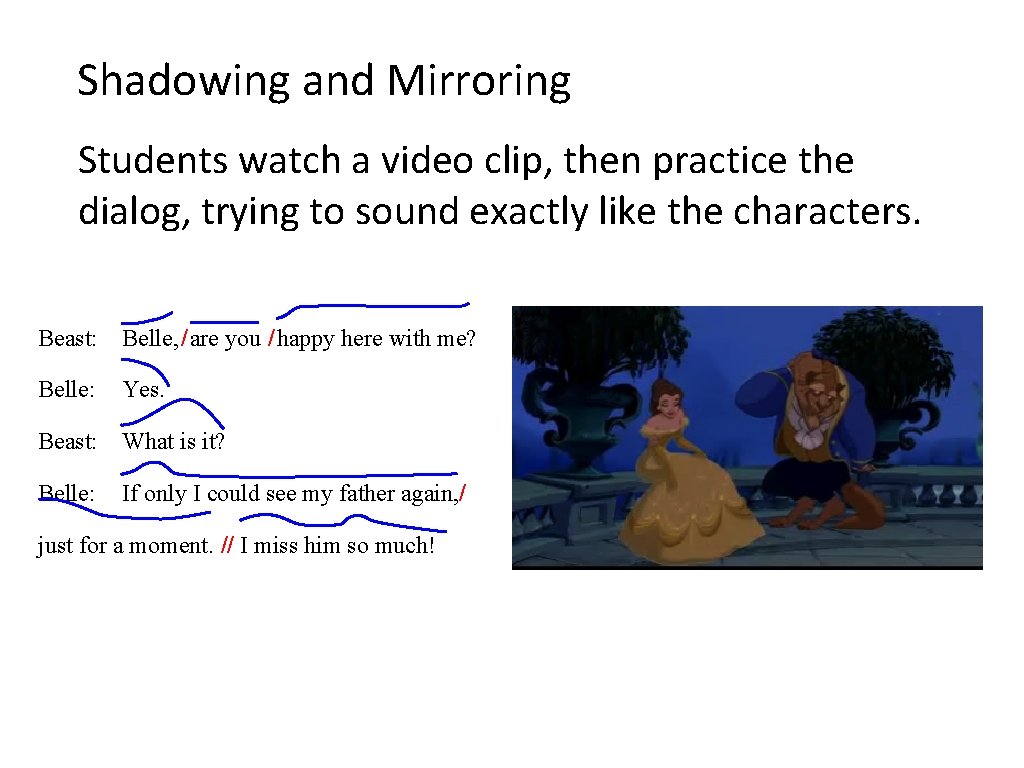
Shadowing and Mirroring Students watch a video clip, then practice the dialog, trying to sound exactly like the characters. Beast: Belle, / are you / happy here with me? Belle: Yes. Beast: What is it? Belle: If only I could see my father again, / just for a moment. // I miss him so much!
Use your imagination to find new ways to teach pronunciation communicatively and effectively. For more ideas and tutorials on teaching pronunciation: http: //teachingpronunciation. weebly. com
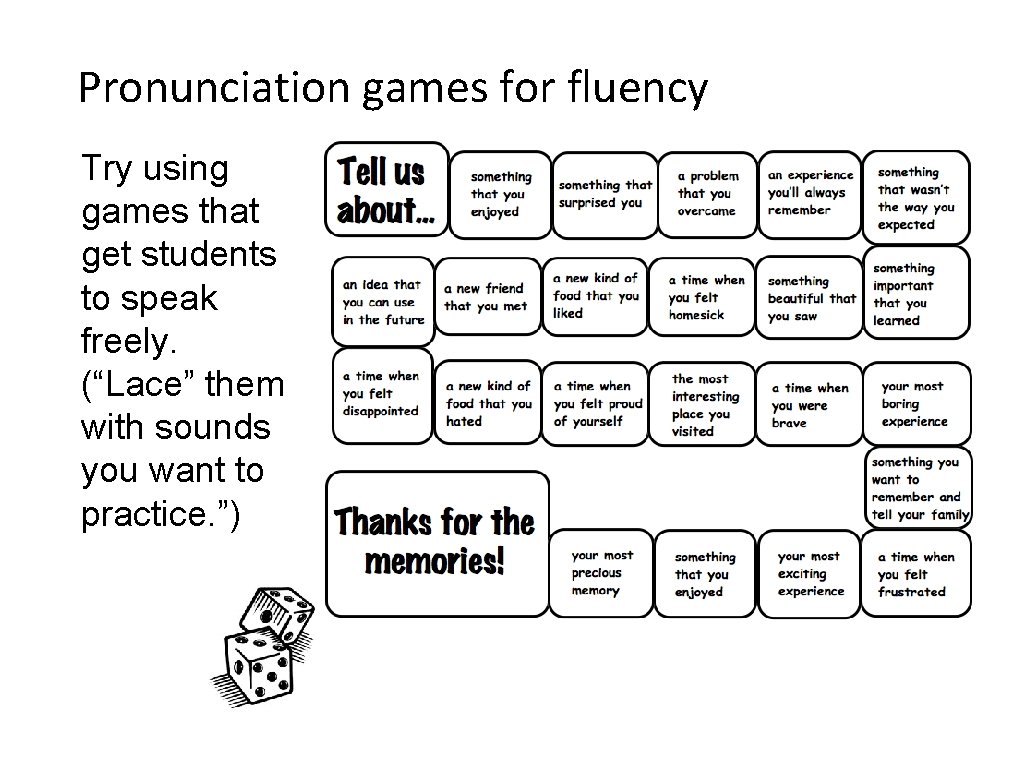
Pronunciation games for fluency Try using games that get students to speak freely. (“Lace” them with sounds you want to practice. ”)
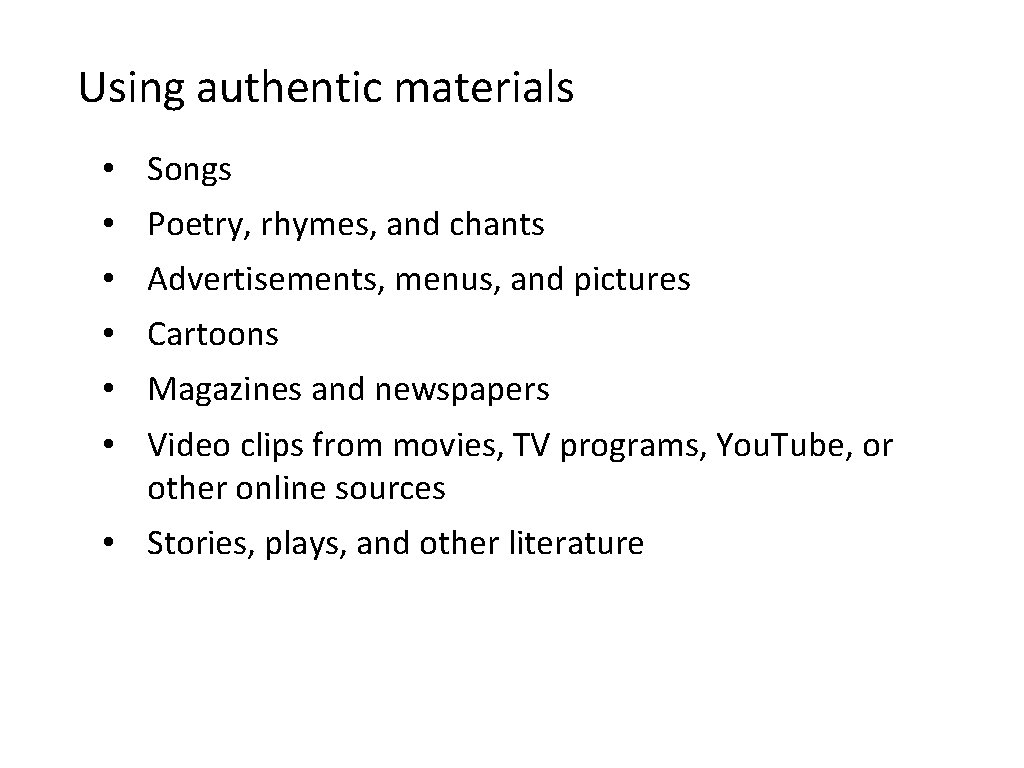
Using authentic materials • Songs • Poetry, rhymes, and chants • Advertisements, menus, and pictures • Cartoons • Magazines and newspapers • Video clips from movies, TV programs, You. Tube, or other online sources • Stories, plays, and other literature