
Introduction to Taxonomy Domains and Kingdoms What is
- Slides: 20
Introduction to Taxonomy Domains and Kingdoms
What is taxonomy? • Taxonomy is the field of biology that is concerned with classifying organisms. • So, just how many different organisms (species) exist today? The truth is that we don’t know for sure. It is estimated that there are between 10 million – 100 million species. Many organisms, especially insects, are being newly discovered all the time.
The History of Taxonomy • Aristotle, the Greek philosopher, created one of the first classification system. • He divided life into two categories: – Plants – Animals • Animals were then divided into categories according to their means of locomotion: walking, flying, or swimming.
CAROLUS LINNAEUS The father of Taxonomy • In the 18 th century, Carolus Linnaeus, a Swedish scientist began to classify plants and animals according to structural similarities. • His classification system is still used today; however, we use a 5 kingdom system. Linnaeus’s kingdoms were plants and animals.
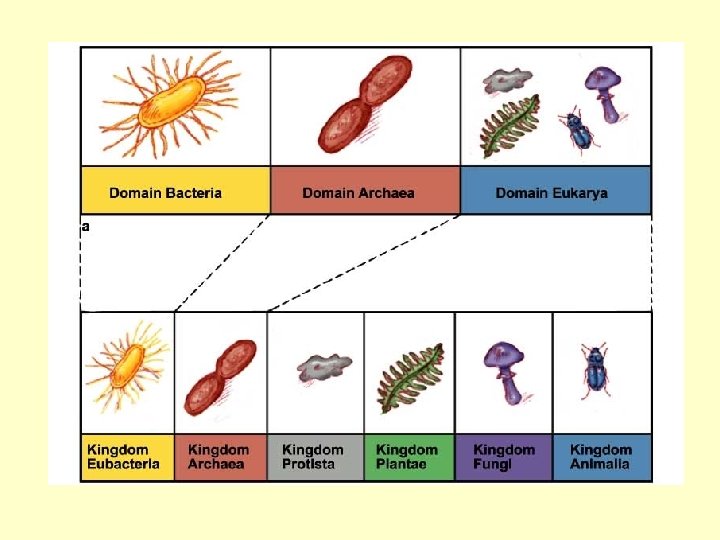
The Five Kingdoms
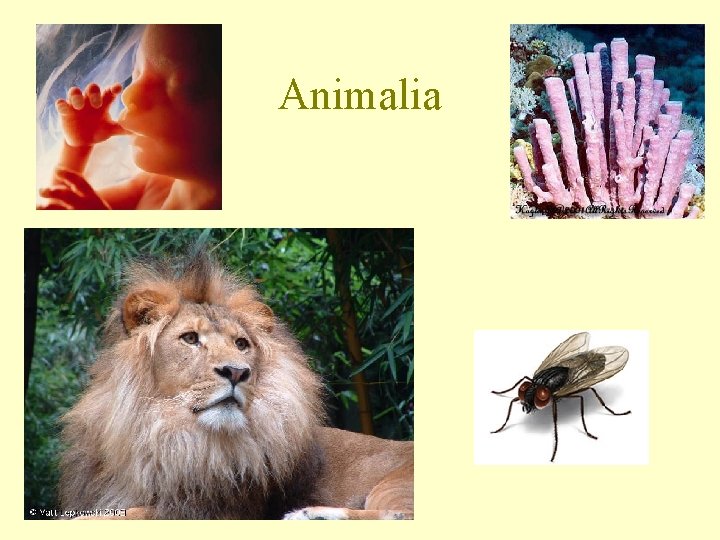
Animalia
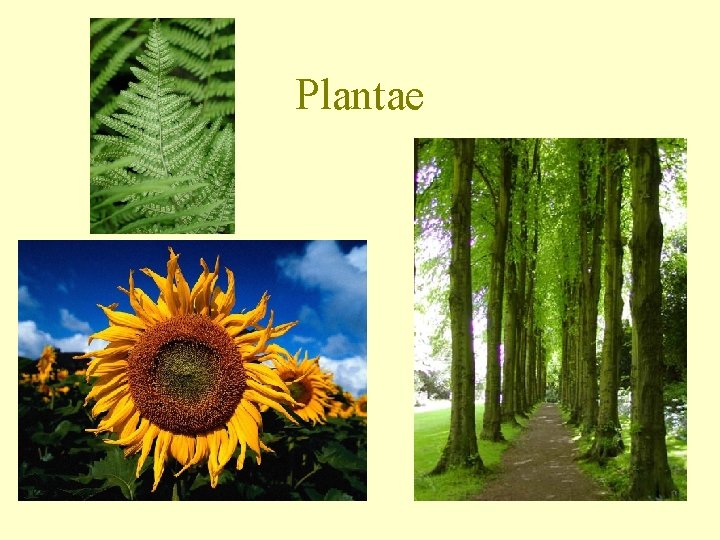
Plantae
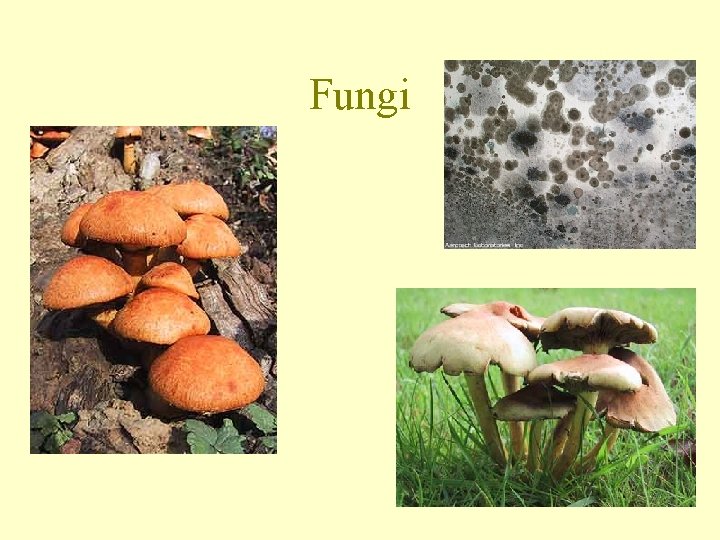
Fungi
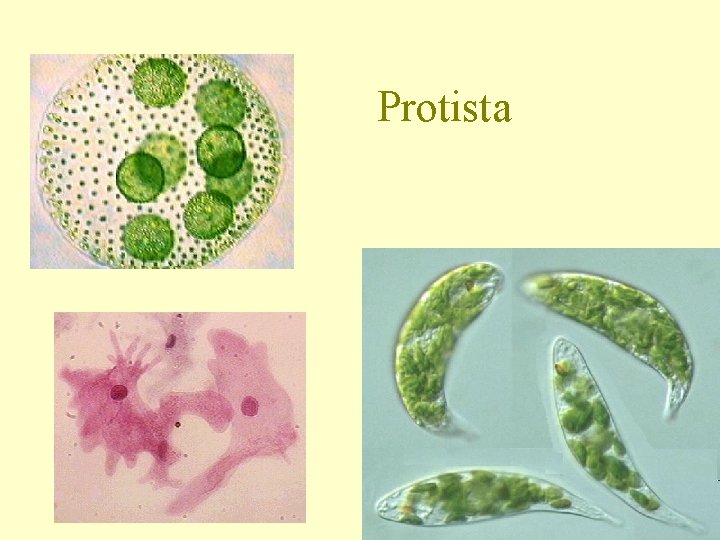
Protista
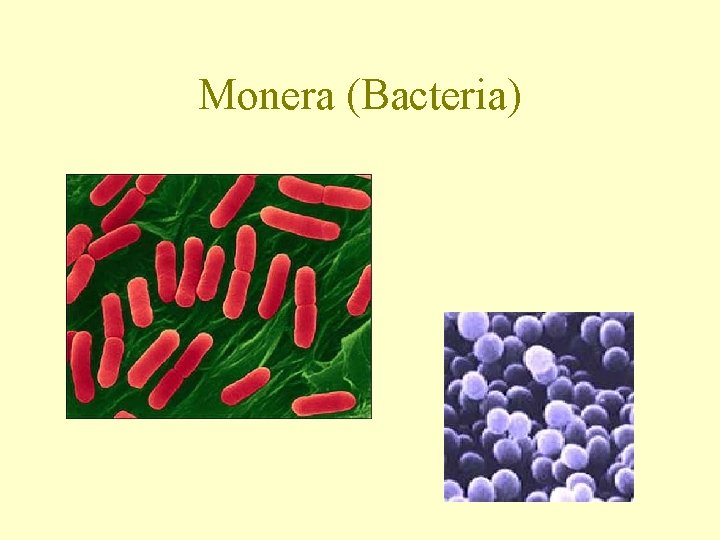
Monera (Bacteria)
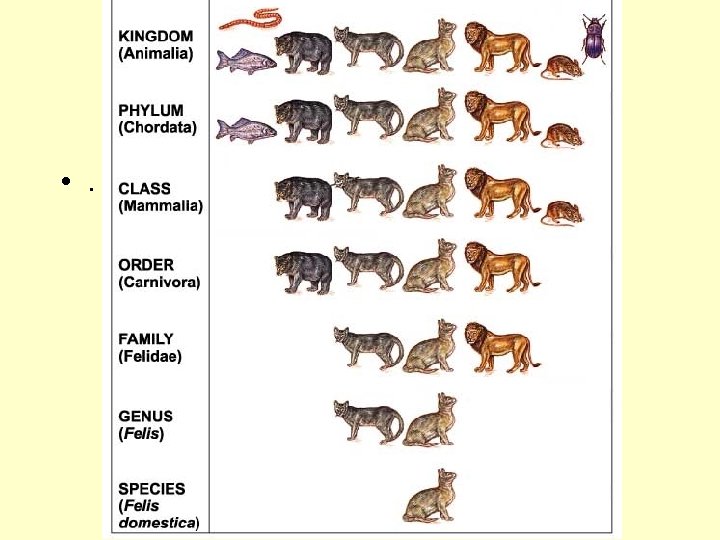
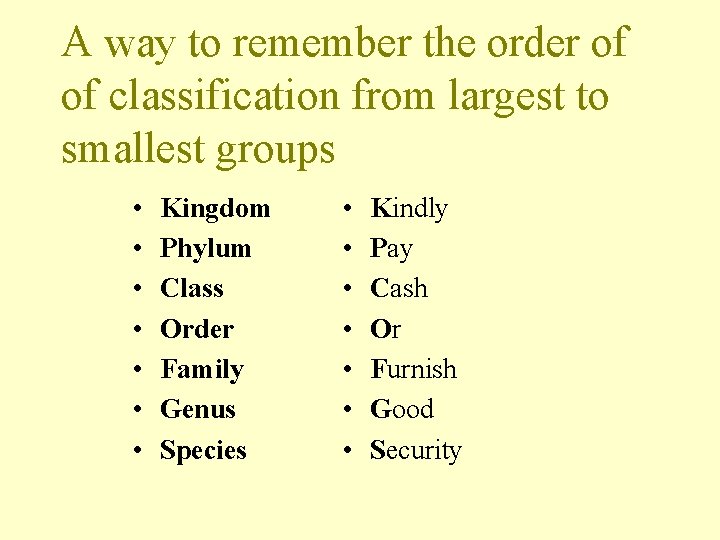
A way to remember the order of of classification from largest to smallest groups • • Kingdom Phylum Class Order Family Genus Species • • Kindly Pay Cash Or Furnish Good Security
Scientific Names • Linnaeus also designed a system of naming organisms called binomial ("two names") nomenclature ("system of naming") which gave each organism 2 names - genus and species names. • Genus is always capitalized while species is never capitalized. To be written correctly, the scientific name must be either underlined or written in italics. • Based on Carolus Linnaeus binomial nomenclature system, each organism is given a 2 -part scientific name. An organism may have more than one common name, but will only have one scientific name.
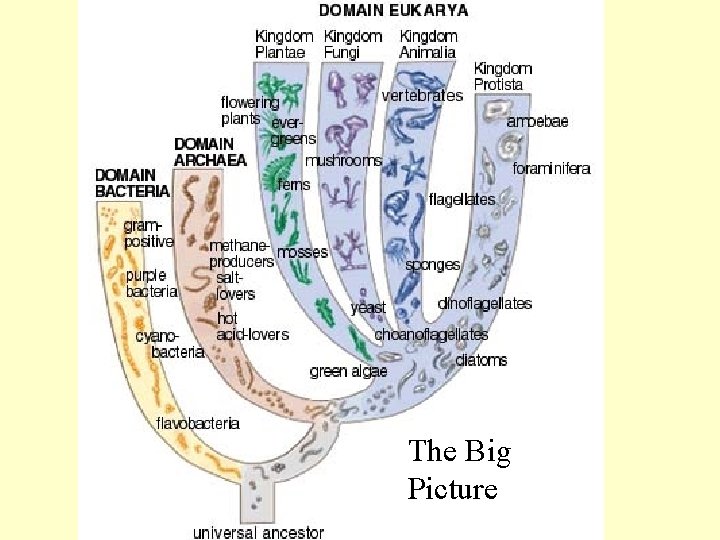
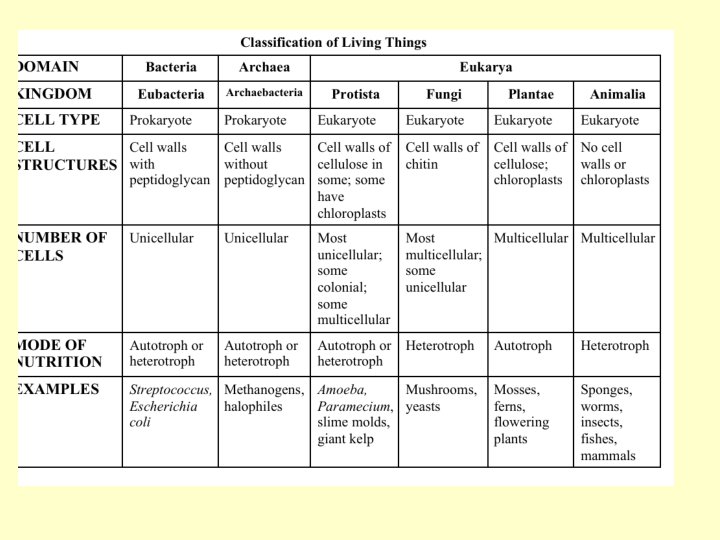
Modern Taxonomy Modern taxonomy adds a level of classification above that of kingdoms, this additional level is called the domain. There are three domains: Archaea, Bacteria, and Eukarya
The Big Picture
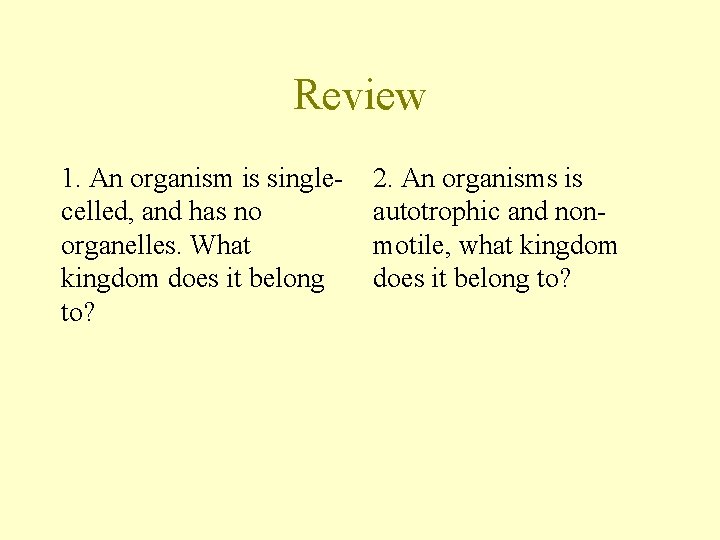
Review 1. An organism is singlecelled, and has no organelles. What kingdom does it belong to? 2. An organisms is autotrophic and nonmotile, what kingdom does it belong to?
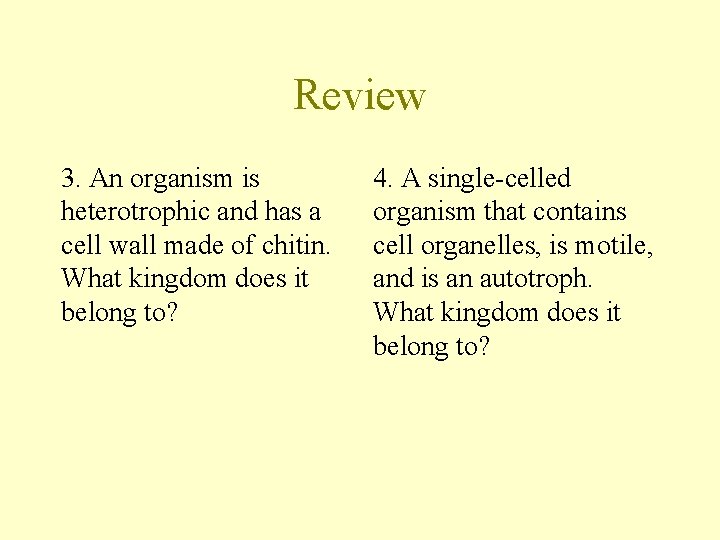
Review 3. An organism is heterotrophic and has a cell wall made of chitin. What kingdom does it belong to? 4. A single-celled organism that contains cell organelles, is motile, and is an autotroph. What kingdom does it belong to?
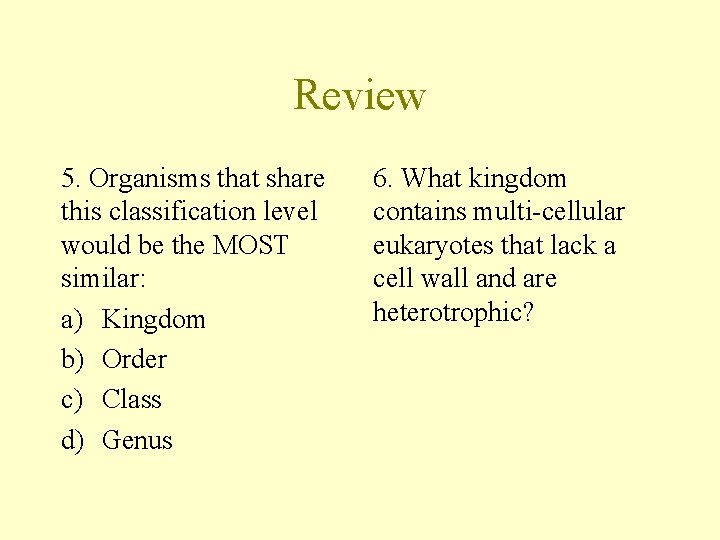
Review 5. Organisms that share this classification level would be the MOST similar: a) Kingdom b) Order c) Class d) Genus 6. What kingdom contains multi-cellular eukaryotes that lack a cell wall and are heterotrophic?