
INTRODUCTION TO SCIENCE Safety Contract No playing around
- Slides: 27
INTRODUCTION TO SCIENCE
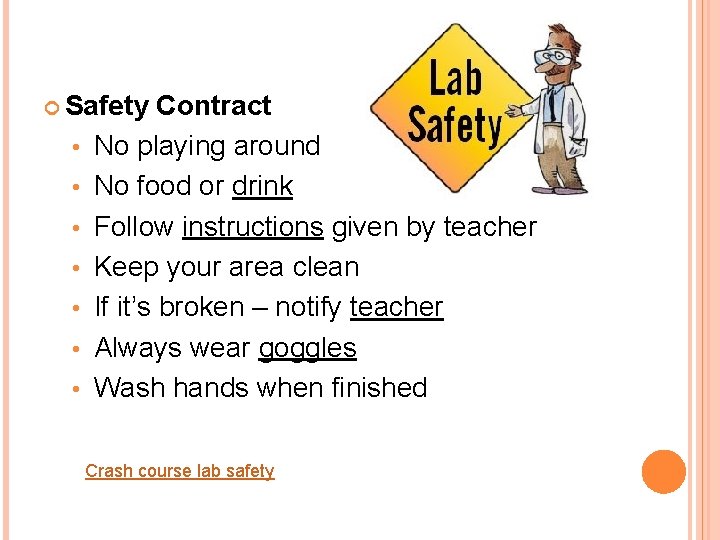
Safety • • Contract No playing around No food or drink Follow instructions given by teacher Keep your area clean If it’s broken – notify teacher Always wear goggles Wash hands when finished Crash course lab safety
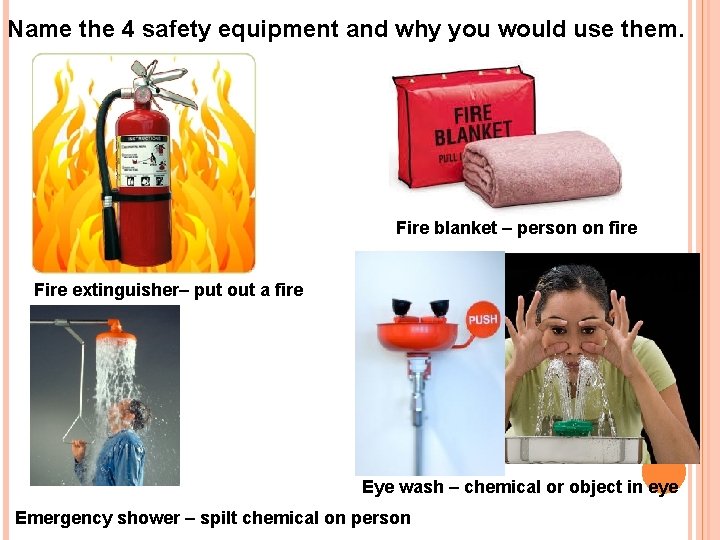
Name the 4 safety equipment and why you would use them. Fire blanket – person on fire Fire extinguisher– put out a fire Eye wash – chemical or object in eye Emergency shower – spilt chemical on person
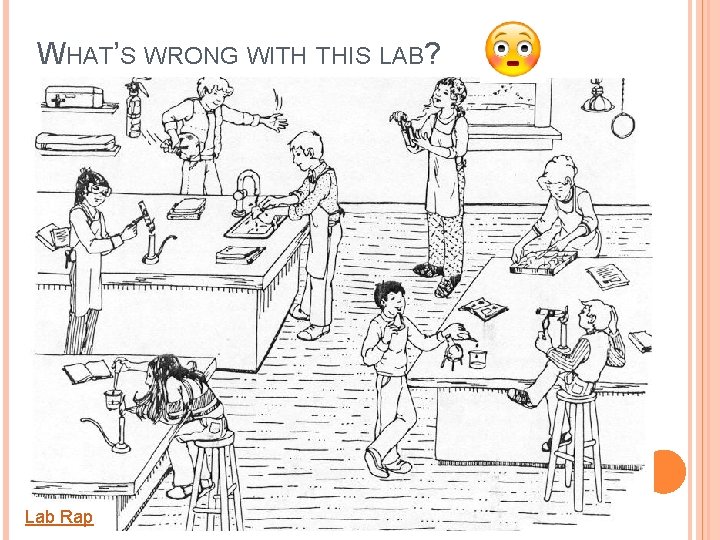
WHAT’S WRONG WITH THIS LAB? Lab Rap
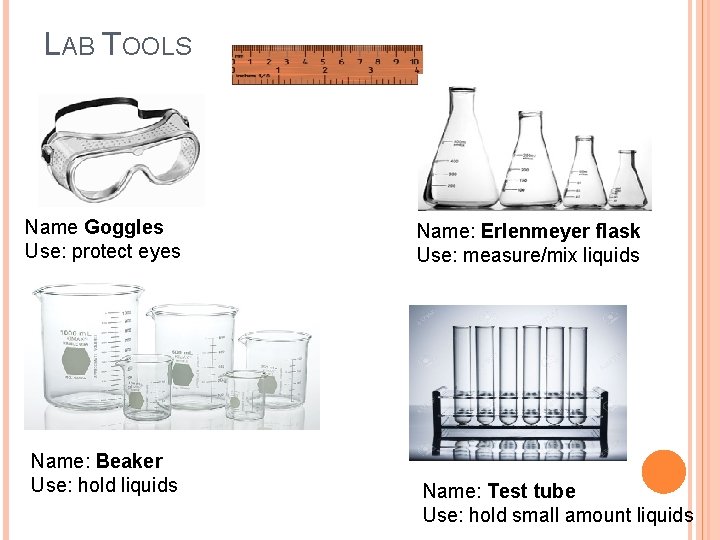
LAB TOOLS Name Goggles Use: protect eyes Name: Beaker Use: hold liquids Name: Erlenmeyer flask Use: measure/mix liquids Name: Test tube Use: hold small amount liquids
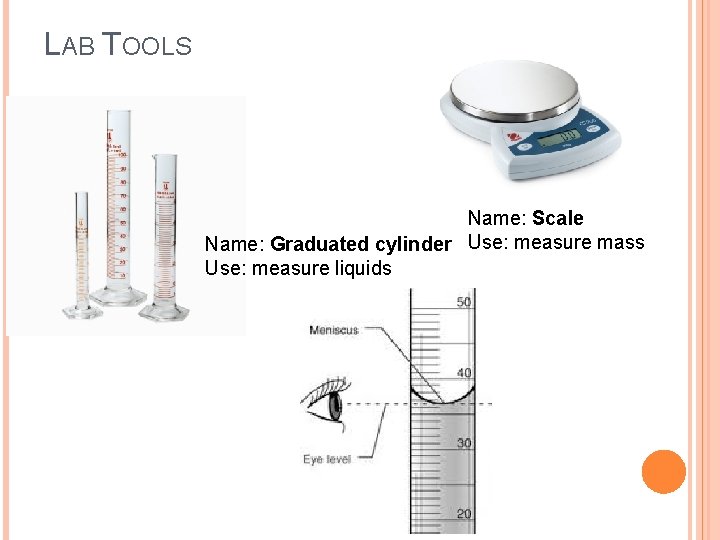
LAB TOOLS Name: Scale Name: Graduated cylinder Use: measure mass Use: measure liquids
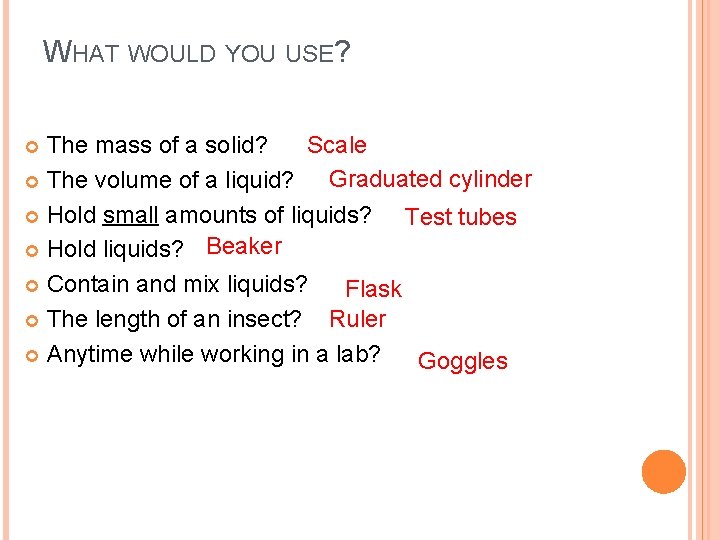
WHAT WOULD YOU USE? The mass of a solid? Scale Graduated cylinder The volume of a liquid? Hold small amounts of liquids? Test tubes Hold liquids? Beaker Contain and mix liquids? Flask The length of an insect? Ruler Anytime while working in a lab? Goggles
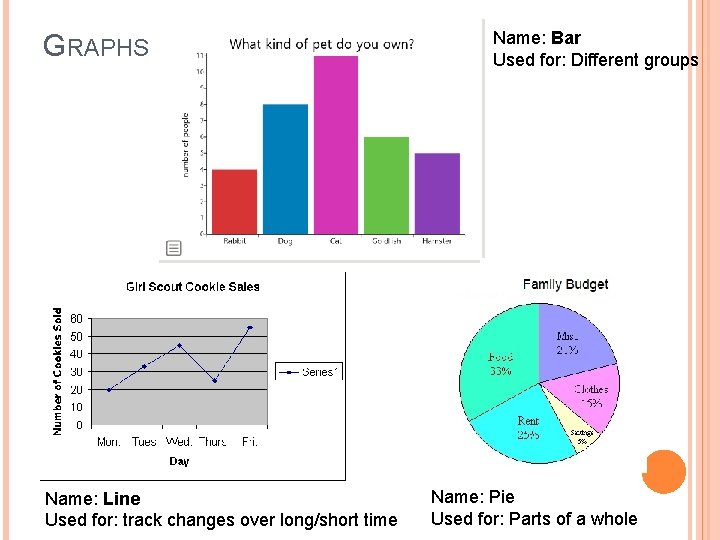
GRAPHS Name: Line Used for: track changes over long/short time Name: Bar Used for: Different groups Name: Pie Used for: Parts of a whole
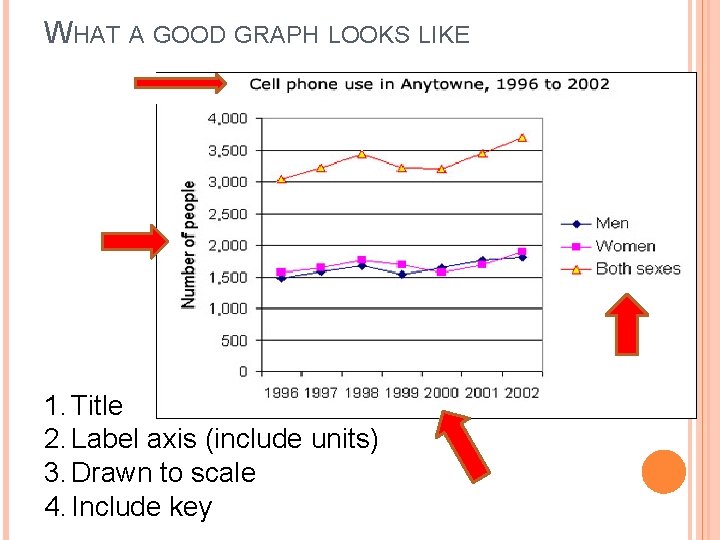
WHAT A GOOD GRAPH LOOKS LIKE 1. Title 2. Label axis (include units) 3. Drawn to scale 4. Include key
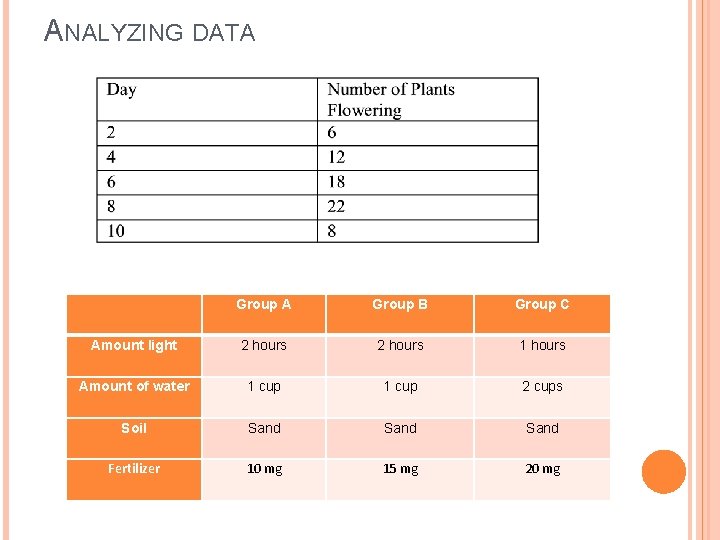
ANALYZING DATA Group B Group C Amount light 2 hours 1 hours Amount of water 1 cup 2 cups Soil Sand Fertilizer 10 mg 15 mg 20 mg
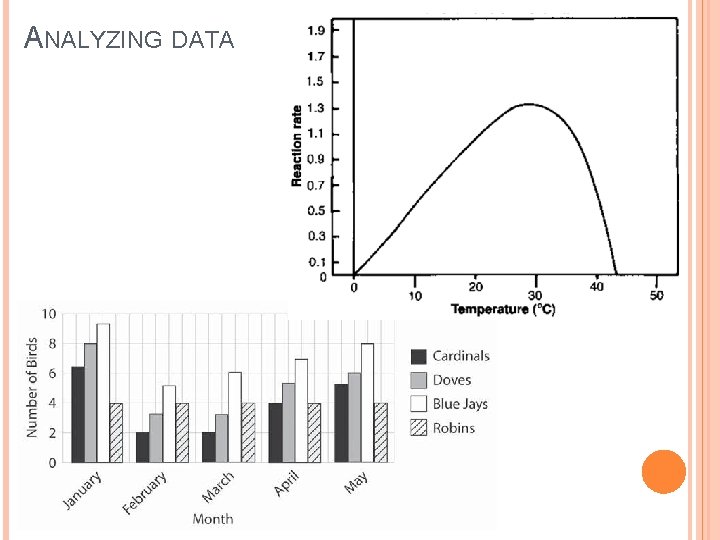
ANALYZING DATA
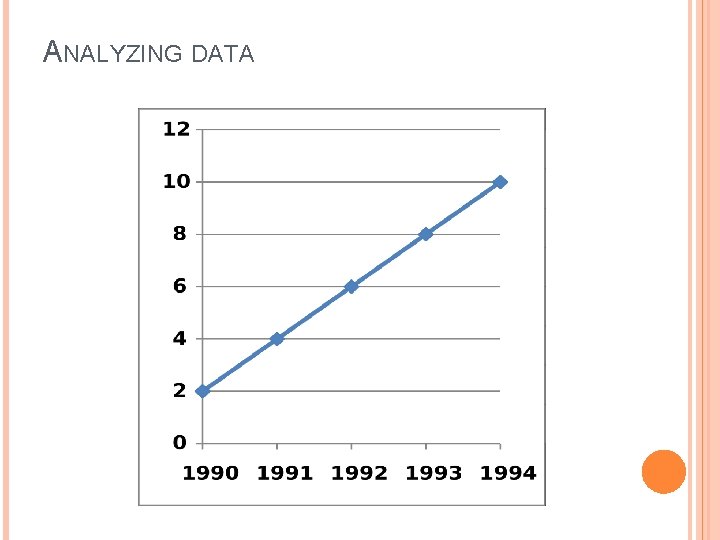
ANALYZING DATA
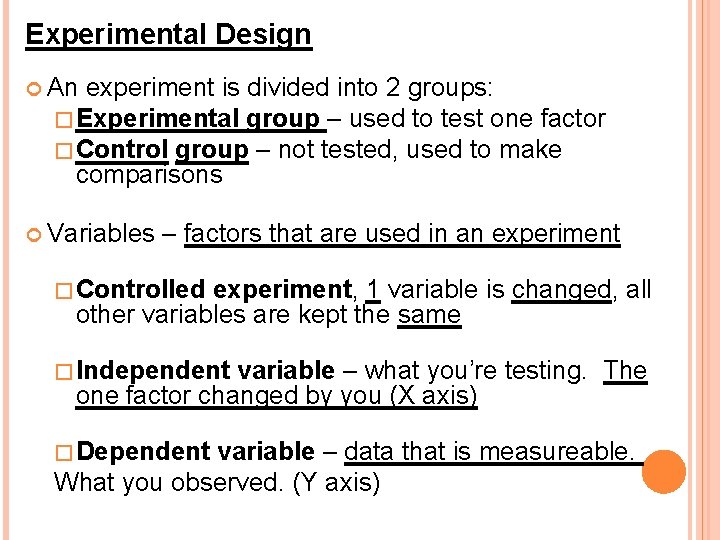
Experimental Design An experiment is divided into 2 groups: �Experimental group – used to test one factor �Control group – not tested, used to make comparisons Variables – factors that are used in an experiment �Controlled experiment, 1 variable is changed, all other variables are kept the same �Independent variable – what you’re testing. The one factor changed by you (X axis) �Dependent variable – data that is measureable. What you observed. (Y axis)
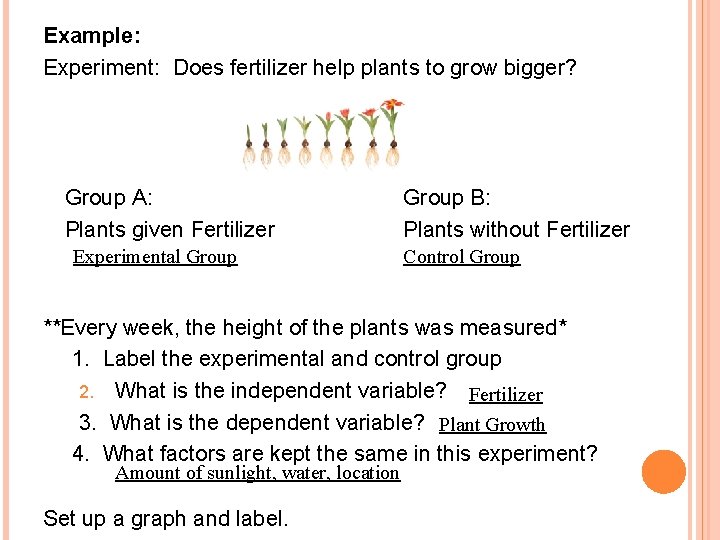
Example: Experiment: Does fertilizer help plants to grow bigger? Group A: Plants given Fertilizer Experimental Group B: Plants without Fertilizer Control Group **Every week, the height of the plants was measured* 1. Label the experimental and control group 2. What is the independent variable? Fertilizer 3. What is the dependent variable? Plant Growth 4. What factors are kept the same in this experiment? Amount of sunlight, water, location Set up a graph and label.
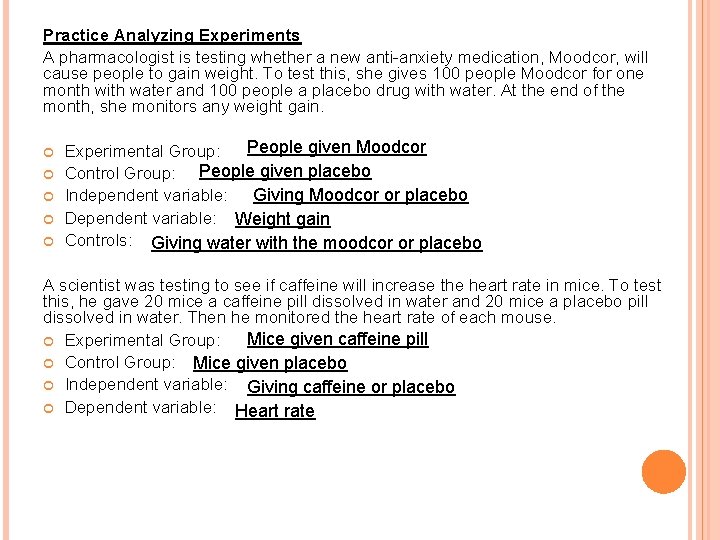
Practice Analyzing Experiments A pharmacologist is testing whether a new anti-anxiety medication, Moodcor, will cause people to gain weight. To test this, she gives 100 people Moodcor for one month with water and 100 people a placebo drug with water. At the end of the month, she monitors any weight gain. People given Moodcor Experimental Group: Control Group: People given placebo Independent variable: Giving Moodcor or placebo Dependent variable: Weight gain Controls: Giving water with the moodcor or placebo A scientist was testing to see if caffeine will increase the heart rate in mice. To test this, he gave 20 mice a caffeine pill dissolved in water and 20 mice a placebo pill dissolved in water. Then he monitored the heart rate of each mouse. Mice given caffeine pill Experimental Group: Control Group: Mice given placebo Independent variable: Giving caffeine or placebo Dependent variable: Heart rate
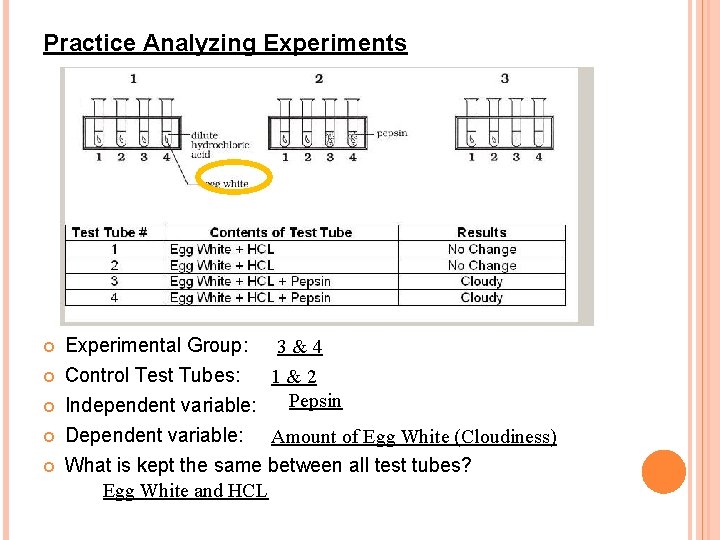
Practice Analyzing Experiments Experimental Group: 3 & 4 Control Test Tubes: 1&2 Pepsin Independent variable: Dependent variable: Amount of Egg White (Cloudiness) What is kept the same between all test tubes? Egg White and HCL
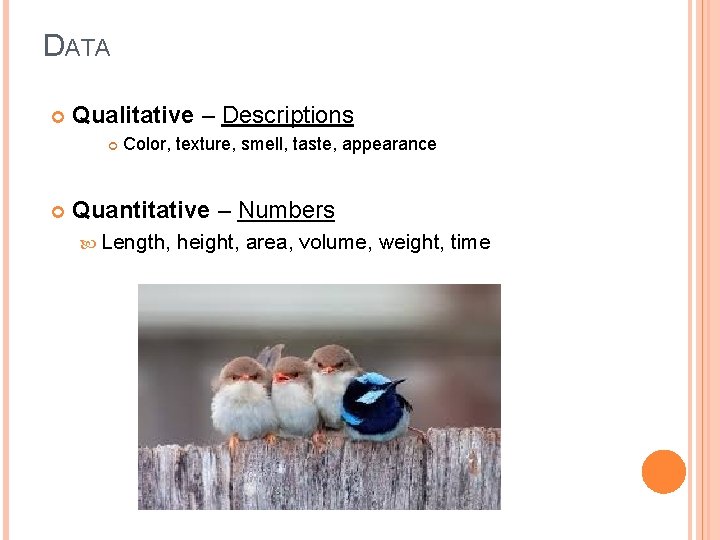
DATA Qualitative – Descriptions Color, texture, smell, taste, appearance Quantitative – Numbers Length, height, area, volume, weight, time
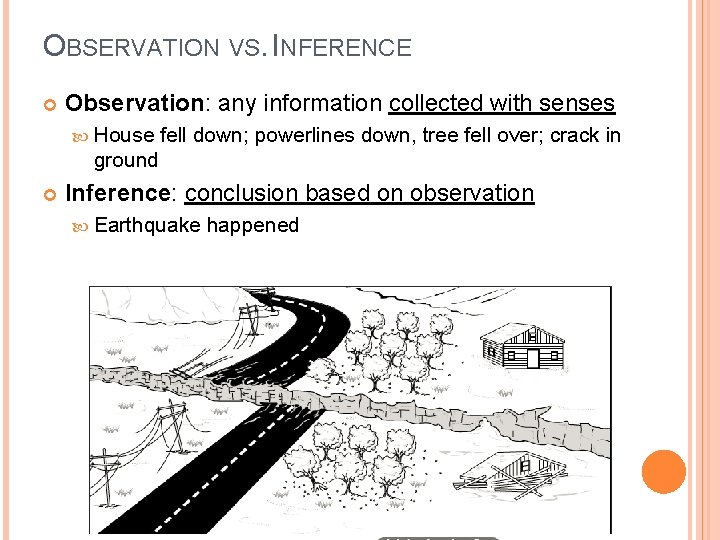
OBSERVATION VS. INFERENCE Observation: any information collected with senses House fell down; powerlines down, tree fell over; crack in ground Inference: conclusion based on observation Earthquake happened
How to think like a Scientist? Be Curious – look around ask questions about things. How do I get energy from the sun? Be Skeptical – don’t always believe the first thing you hear. Look for many possible explanation and pick the best one. Do you believe in UFO’s? (This may be true but is there evidence now to support it) Be Flexible – even after you found one explanation, keep looking! Don’t be afraid to give up old ideas for new ones, as long as they pass the skepticism test. All of this adds up to CRITICAL THINKING
How Observant are you? Without looking down, what color socks are you wearing? When you fold your arms, which arm do you put on top? When you clasp your hands in front of you, which thumb is on top? Are you ears attached or unattached? How many sides does a pencil have? What How In color is the top light on a traffic light? many sides does a stop sign have? the kitchen or bathroom sink, on which side of the faucet is the hot water knob?
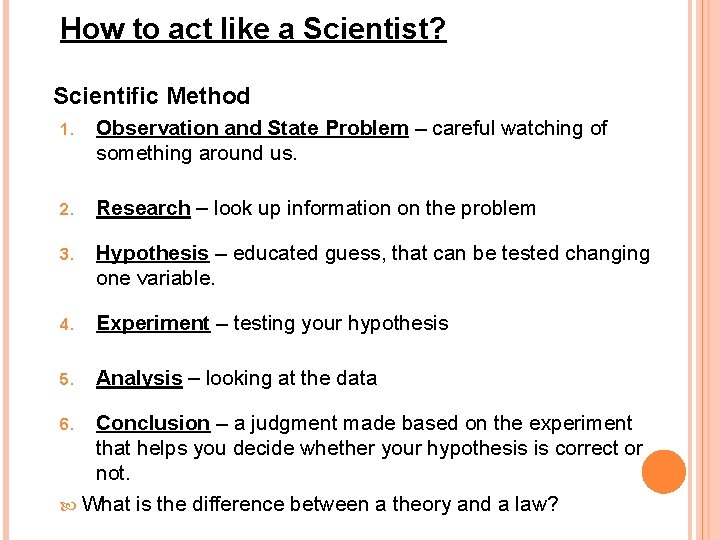
How to act like a Scientist? Scientific Method 1. Observation and State Problem – careful watching of something around us. 2. Research – look up information on the problem 3. Hypothesis – educated guess, that can be tested changing one variable. 4. Experiment – testing your hypothesis 5. Analysis – looking at the data Conclusion – a judgment made based on the experiment that helps you decide whether your hypothesis is correct or not. What is the difference between a theory and a law? 6.
Think Creatively? How would you solve the following problems? Can you tip a glass of water over without spilling it? you empty a glass of water without touching it or the table it is on?
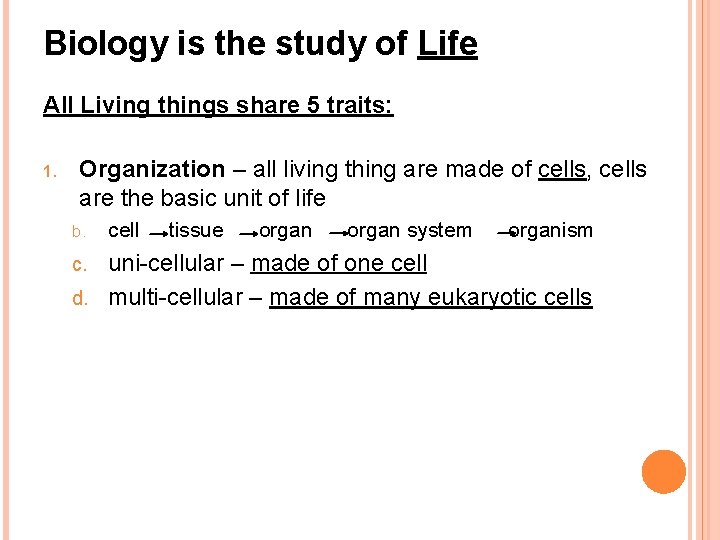
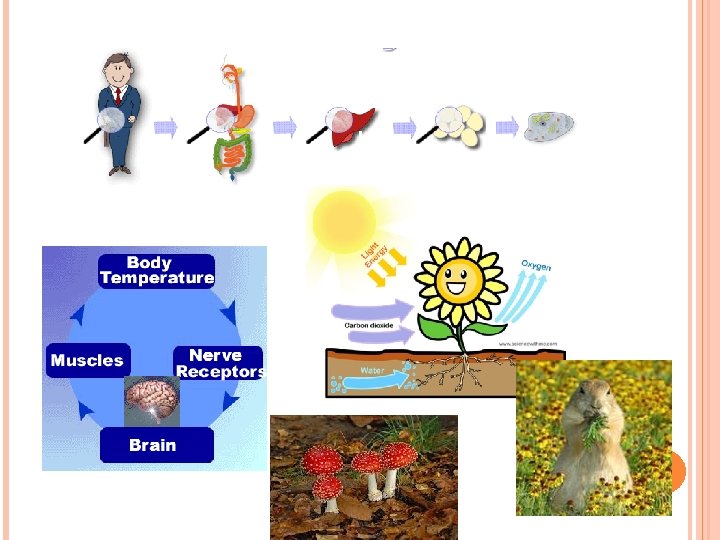
Biology is the study of Life All Living things share 5 traits: 1. Organization – all living thing are made of cells, cells are the basic unit of life b. cell tissue organ system organism uni-cellular – made of one cell d. multi-cellular – made of many eukaryotic cells c.
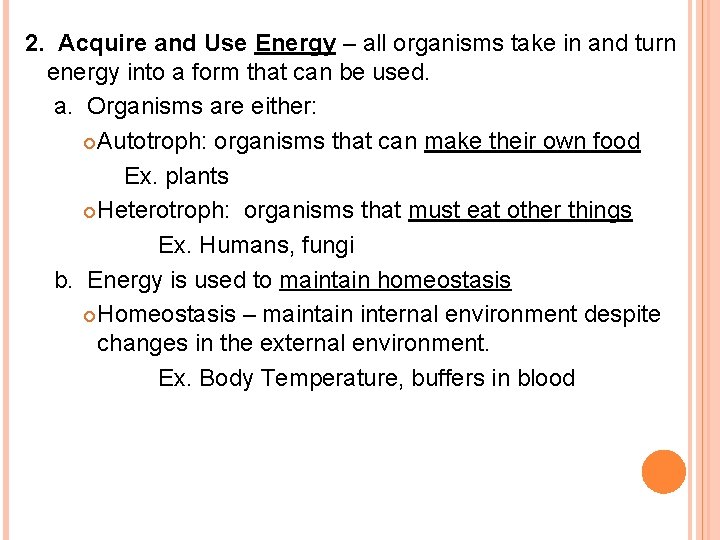
2. Acquire and Use Energy – all organisms take in and turn energy into a form that can be used. a. Organisms are either: Autotroph: organisms that can make their own food Ex. plants Heterotroph: organisms that must eat other things Ex. Humans, fungi b. Energy is used to maintain homeostasis Homeostasis – maintain internal environment despite changes in the external environment. Ex. Body Temperature, buffers in blood
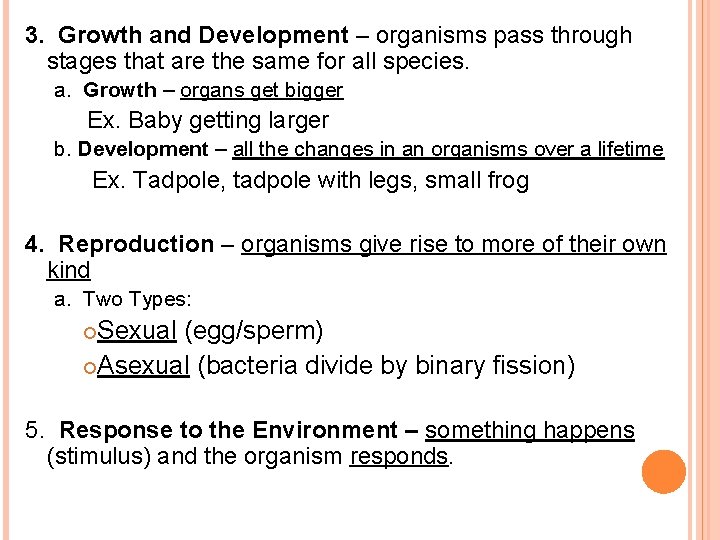
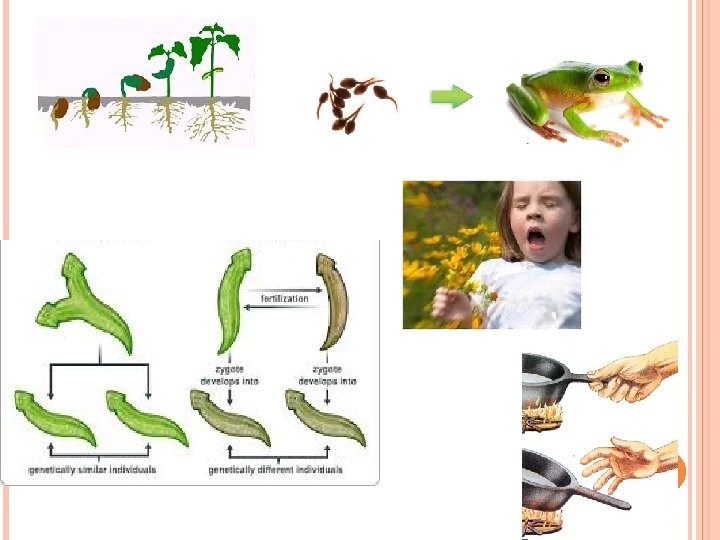
3. Growth and Development – organisms pass through stages that are the same for all species. a. Growth – organs get bigger Ex. Baby getting larger b. Development – all the changes in an organisms over a lifetime Ex. Tadpole, tadpole with legs, small frog 4. Reproduction – organisms give rise to more of their own kind a. Two Types: Sexual (egg/sperm) Asexual (bacteria divide by binary fission) 5. Response to the Environment – something happens (stimulus) and the organism responds.