
Introduction to QED Quantum Electrodynamics Part II Recap
- Slides: 23
Introduction to QED Quantum Electrodynamics Part II
Recap • Describes what happens, not why • Light behaves like particles, not waves • Only probability can be calculated • Little arrows (“probability amplitudes”)
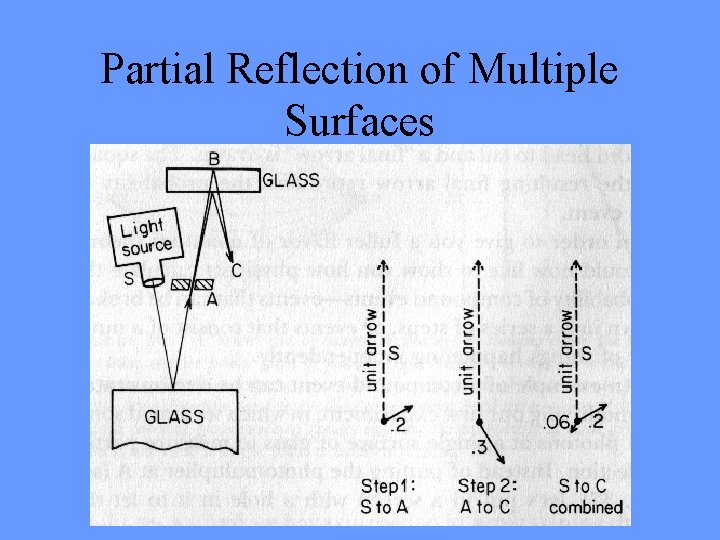
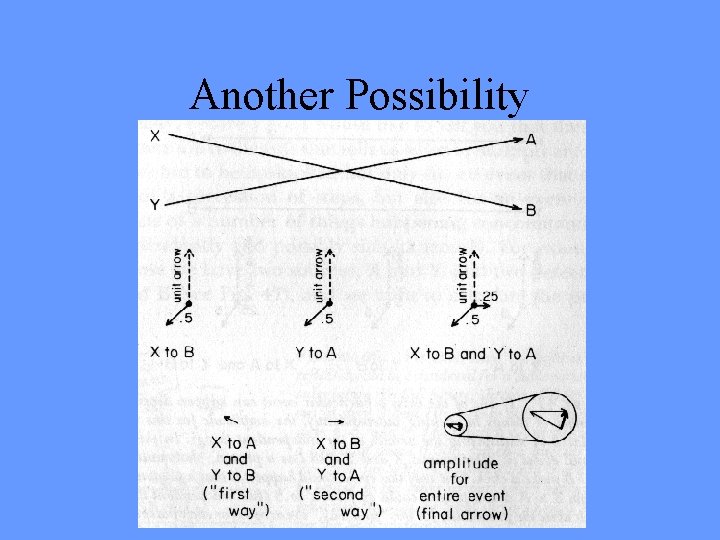
General Principle of Quantum Theory The probability that a particular event occurs is the square of a final arrow (probability amplitude) that is found by drawing an arrow for each way the event could happen, and then combining (adding) the arrows.
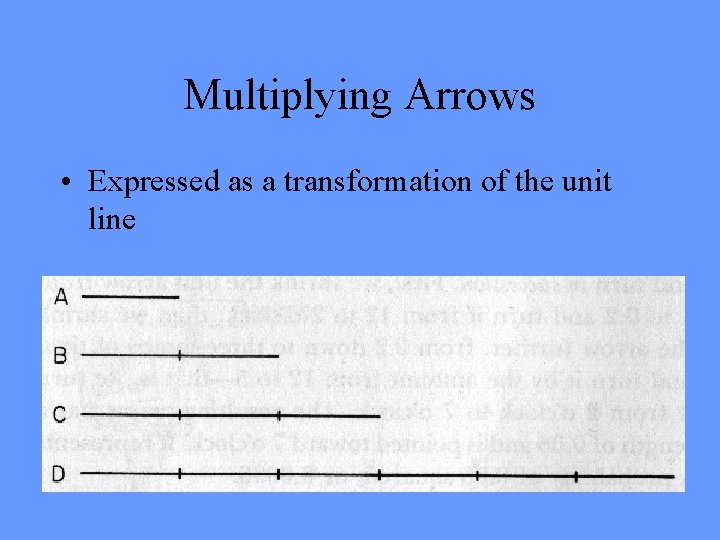
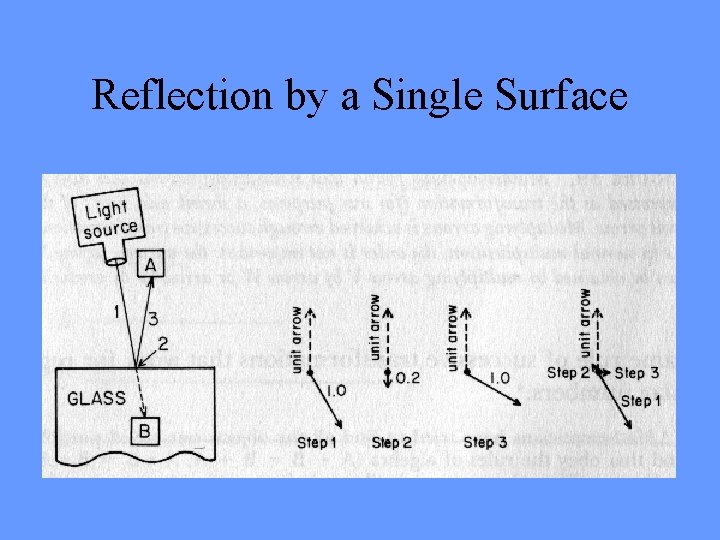
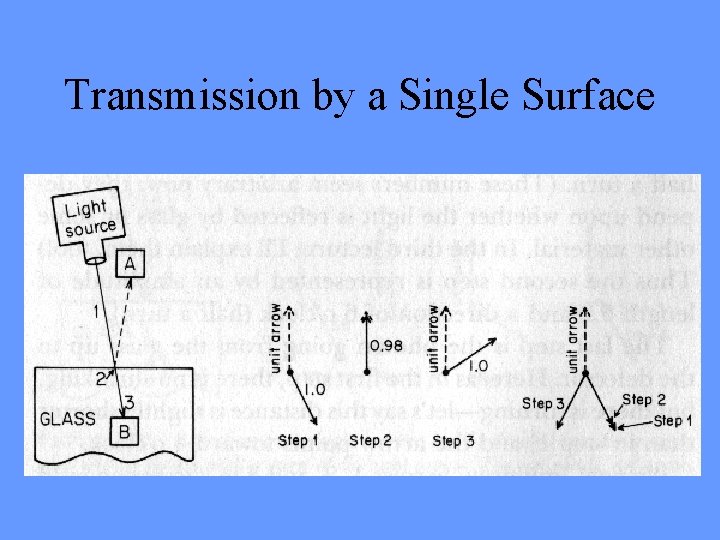
Compound Events • Events that can be broken down into a series of steps, or events that consist of a number of things happening independently • Multiplication of probability amplitudes • “turning and shrinking”
Partial Reflection of Multiple Surfaces
Multiplying Arrows • Expressed as a transformation of the unit line
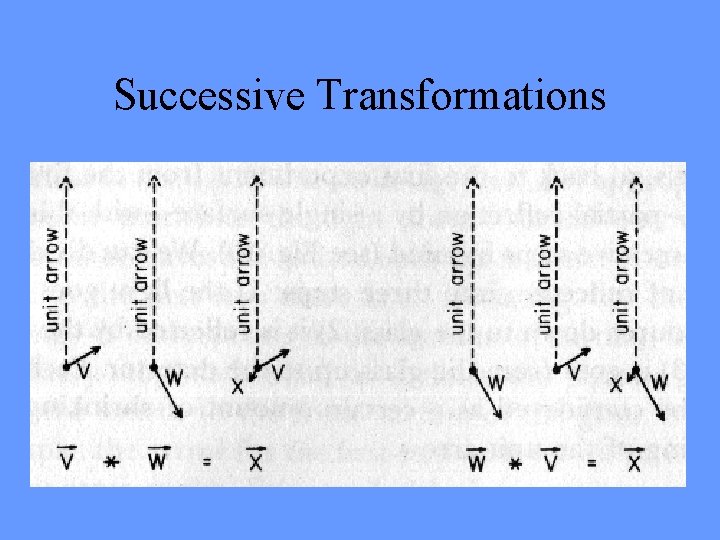
Successive Transformations • Transformations can be applied in succession • Work just like the rules for numbers
Successive Transformations
Reflection by a Single Surface
Transmission by a Single Surface
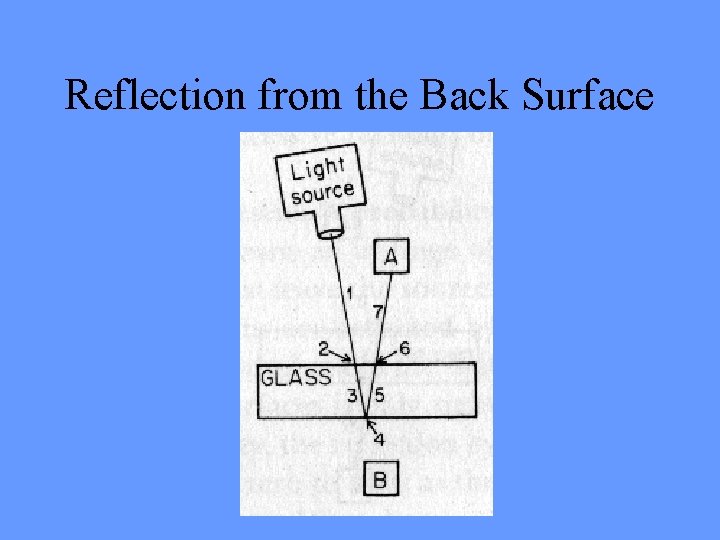
Reflection from the Back Surface
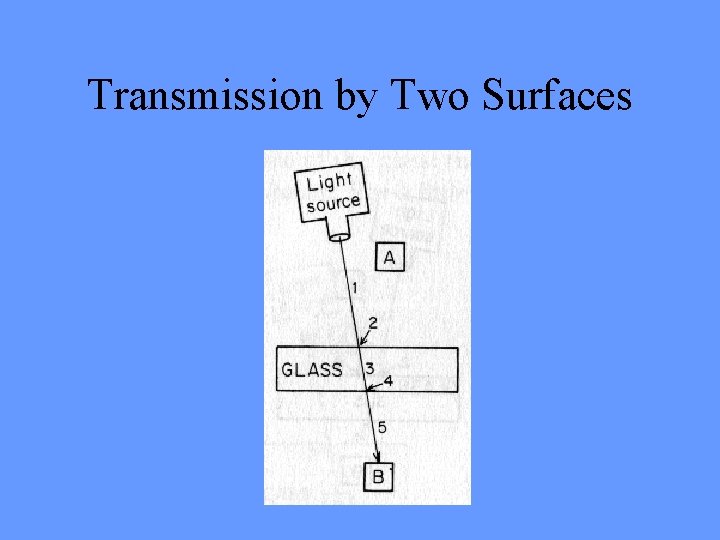
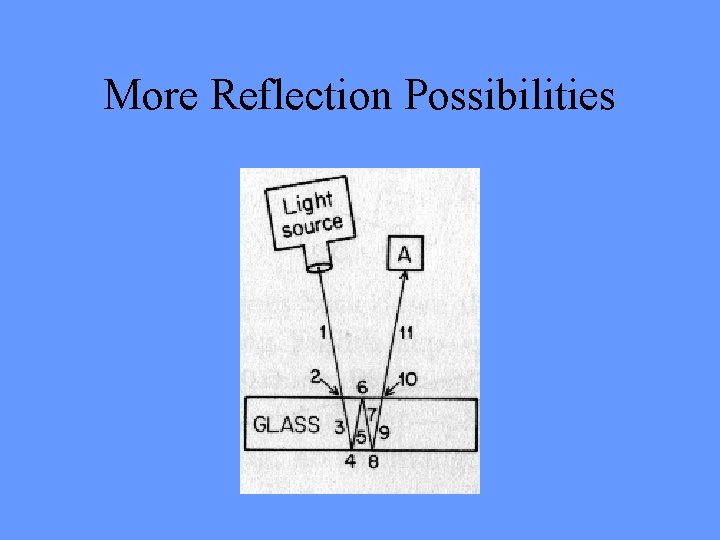
Reflection by Two Surfaces • Average of 8% (4% each for front and back surfaces) • Fluctuates between 0% and 16%, depending on the thickness of the glass • The rest are transmitted
Transmission by Two Surfaces
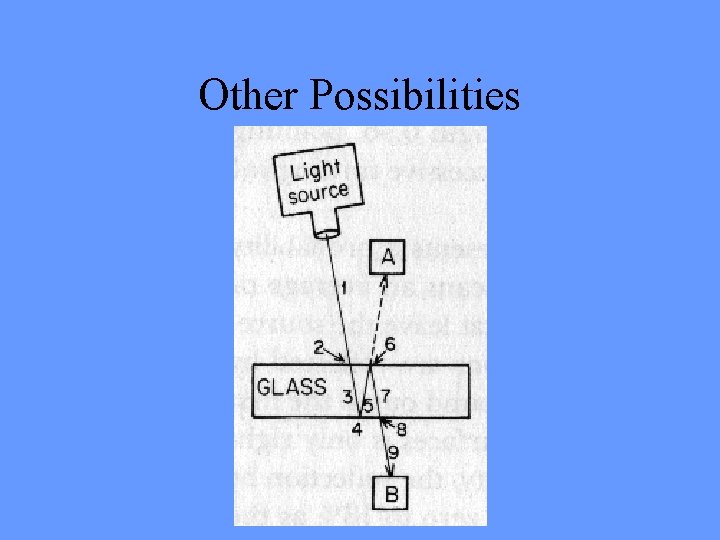
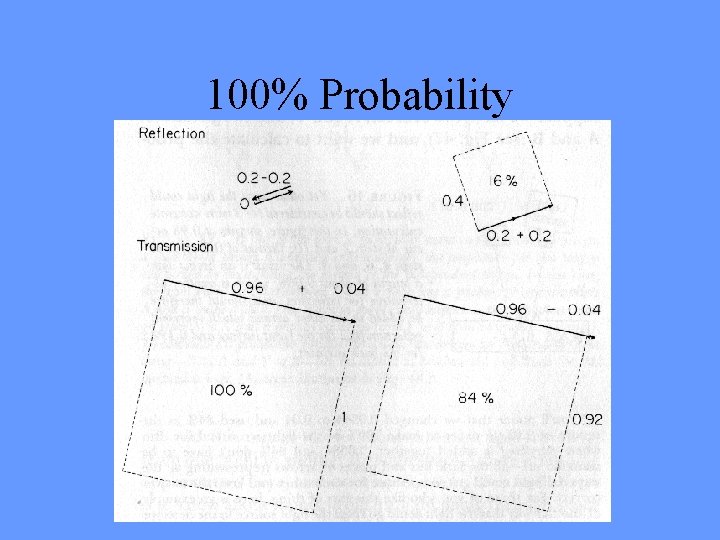
Making the Sum Probabilities 100% • When reflection is 0%, sum is 92% • When reflection is 16%, sum is 108% • Compensate by considering all possibilities
Other Possibilities
100% Probability
More Reflection Possibilities
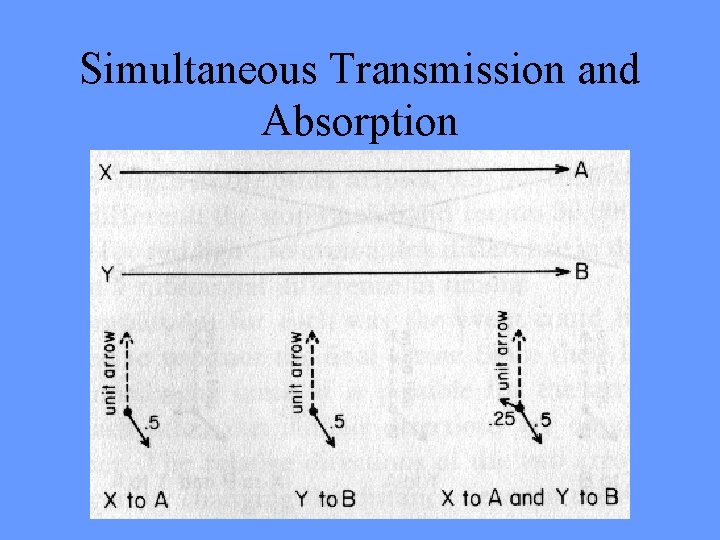
Independent Events • If one of the ways a particular event can happen depends on a number of things happening independently, the amplitude for this way is calculated by multiplying the arrows of the independent things.
Simultaneous Transmission and Absorption
Another Possibility
Coming Soon… • Electron interactions • Feynman Diagrams
Diagrams: Feynman, Richard P. QED: The Strange Theory of Light and Matter. Princeton University Press. Princeton, NJ, 1988.
Questions?