
Introduction to Positive Behavior Support October 12 2011
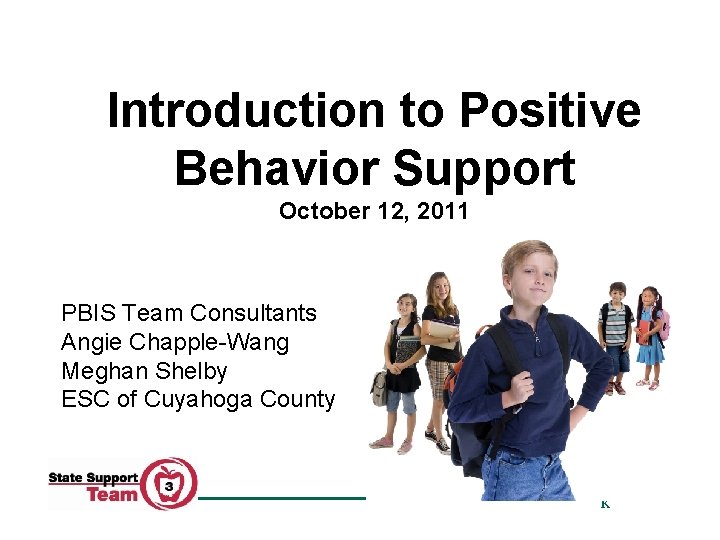
Introduction to Positive Behavior Support October 12, 2011 PBIS Team Consultants Angie Chapple-Wang Meghan Shelby ESC of Cuyahoga County Ohio PBIS Networ k
Objectives: • Why: Learn the reasons for implementing a positive behavior support program • What: Learn about basic components of PBS • How: Learn how to get started in implementing school-wide PBS Ohio PBIS Networ k
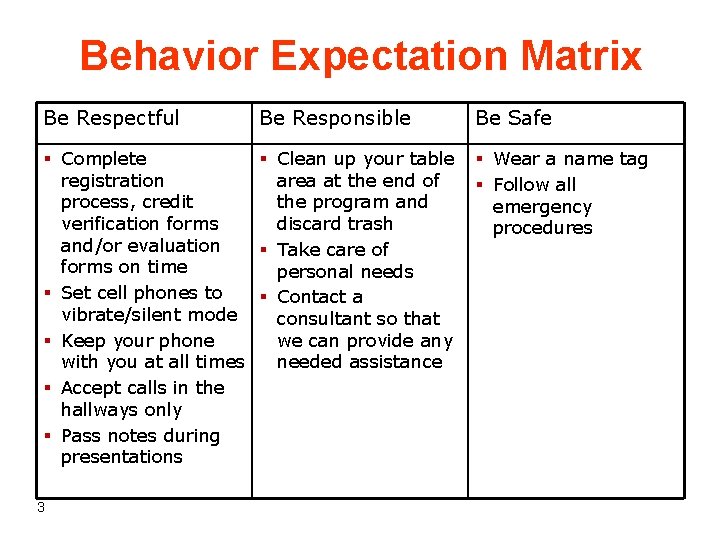
Behavior Expectation Matrix Be Respectful Be Responsible § Complete § Clean up your table registration area at the end of process, credit the program and verification forms discard trash and/or evaluation § Take care of forms on time personal needs § Set cell phones to § Contact a vibrate/silent mode consultant so that we can provide any § Keep your phone needed assistance with you at all times § Accept calls in the hallways only § Pass notes during presentations 3 Be Safe § Wear a name tag § Follow all emergency procedures
Best Memory / Worst Memory Think of the worst memory of an interaction you had with an adult in a school-related activity. Think of the best memory of an interaction you had with an adult in a school-related activity. 4
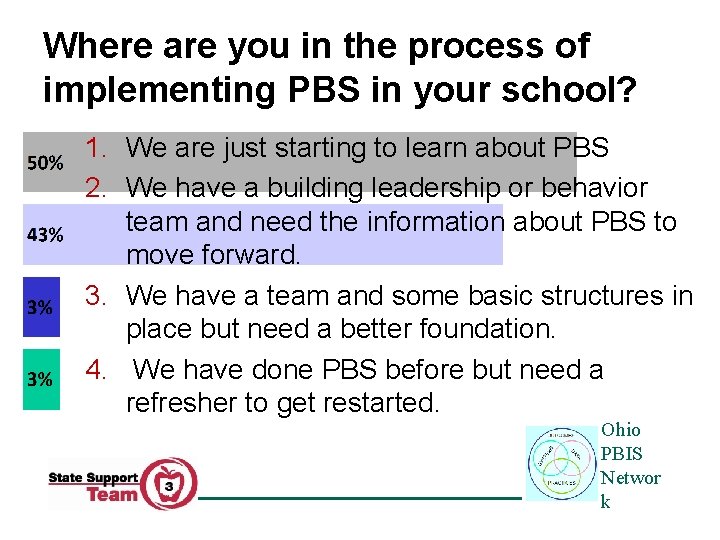
Where are you in the process of implementing PBS in your school? 1. We are just starting to learn about PBS 2. We have a building leadership or behavior team and need the information about PBS to move forward. 3. We have a team and some basic structures in place but need a better foundation. 4. We have done PBS before but need a refresher to get restarted. Ohio PBIS Networ k
PBIS Practices • Take out Handout, “Introduction to Positive Behavior Support: Current Practices and Needs” • As we go through the day, write down which PBS practices your district currently has in place, and… • Those practices that your district still needs to implement. Ohio PBIS Networ k
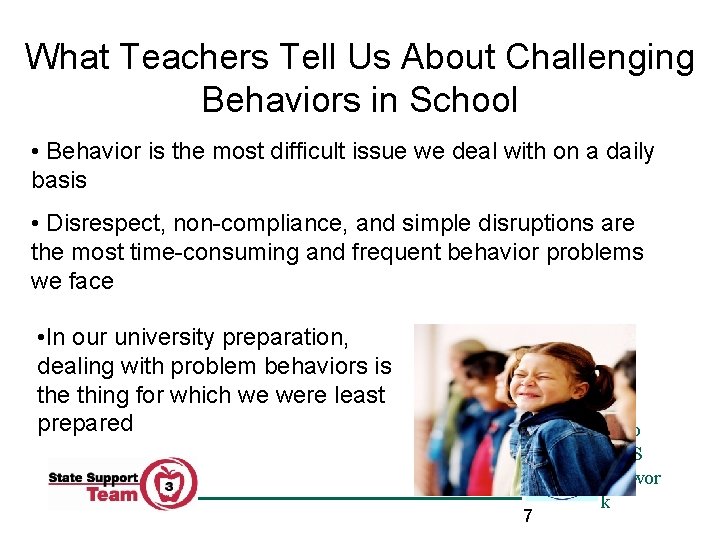
What Teachers Tell Us About Challenging Behaviors in School • Behavior is the most difficult issue we deal with on a daily basis • Disrespect, non-compliance, and simple disruptions are the most time-consuming and frequent behavior problems we face • In our university preparation, dealing with problem behaviors is the thing for which we were least prepared Scott, 2002 7 Ohio PBIS Networ k
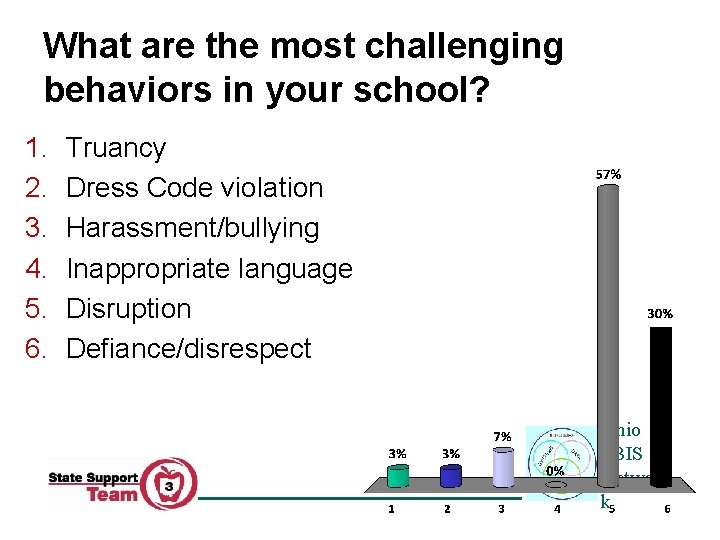
What are the most challenging behaviors in your school? 1. 2. 3. 4. 5. 6. Truancy Dress Code violation Harassment/bullying Inappropriate language Disruption Defiance/disrespect Ohio PBIS Networ k
Anti-Harassment and Bullying Policy In 2004, Ohio’s State Board of Education directed the Ohio Dept of Education to: “. . . Provide schools with model policies and strategies that eliminate negative behaviors, recognize positive behaviors that promote safe and secure learning environments of all students and staff, and provide information to schools that helps identify and address issues such as bullying, intimidation, and harassment that occurs between students, groups of students, and Ohio school personnel…” 9 PBIS Networ k
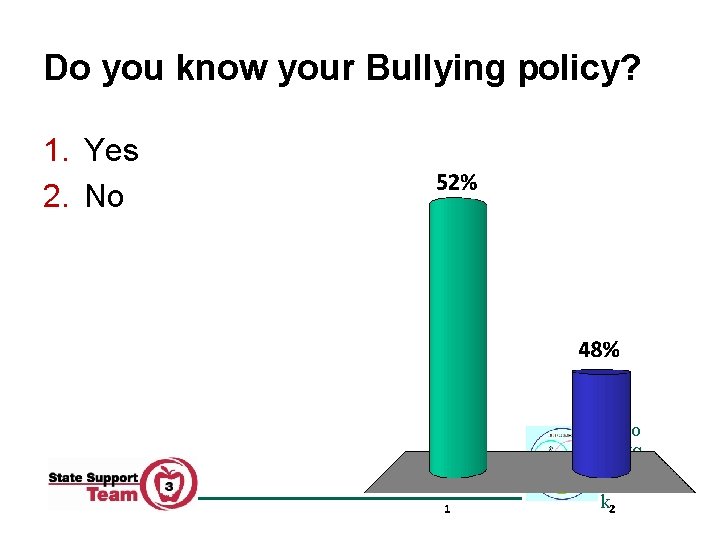
Do you know your Bullying policy? 1. Yes 2. No Ohio PBIS Networ k
IDEA ‘ 04 For a child with a disability or suspected disability whose behavior impedes his or her learning or the learning of others: § Consider positive behavior intervention strategies and supports § Have the regular education teacher participate in determination of appropriate positive behavior interventions… 614 (d)(3)(B)(i) in the case of a child whose behavior impedes the child’s learning or that of others, consider the use of positive behavioral interventions and Ohio supports, and other strategies to address that behavior. PBIS Networ k 11
ESEA - No Child Left Behind Major focus - …provide all children with fair, equal and significant opportunity to obtain a high quality education …closing the achievement gap between high and low-performing children, especially the achievement gaps between minority and nonminority students, and between disadvantaged children and their more Ohio advantaged peers. 12 PBIS Networ k
We have a problem: § Current practices in schools are not adequately addressing the educational needs of students from culturally and linguistically diverse backgrounds 13 Ohio PBIS Networ k
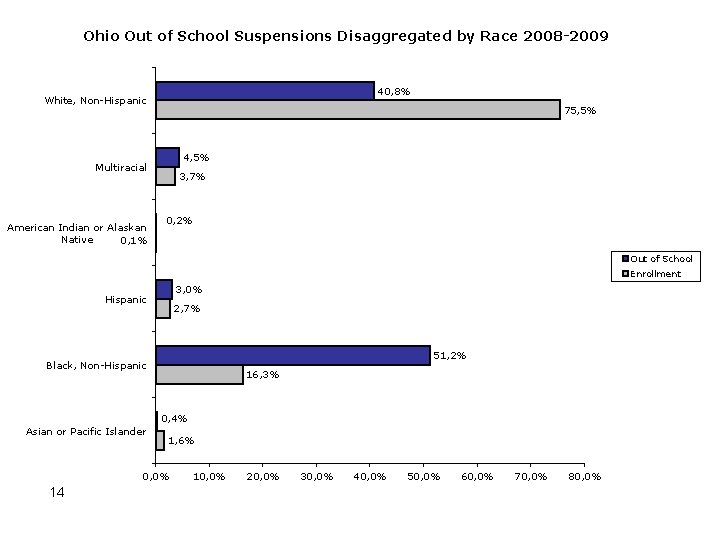
Ohio Out of School Suspensions Disaggregated by Race 2008 -2009 40, 8% White, Non-Hispanic 75, 5% 4, 5% Multiracial American Indian or Alaskan Native 0, 1% 3, 7% 0, 2% Out of School Enrollment 3, 0% Hispanic 2, 7% 51, 2% Black, Non-Hispanic 16, 3% 0, 4% Asian or Pacific Islander 1, 6% 0, 0% 14 10, 0% 20, 0% 30, 0% 40, 0% 50, 0% 60, 0% 70, 0% 80, 0%
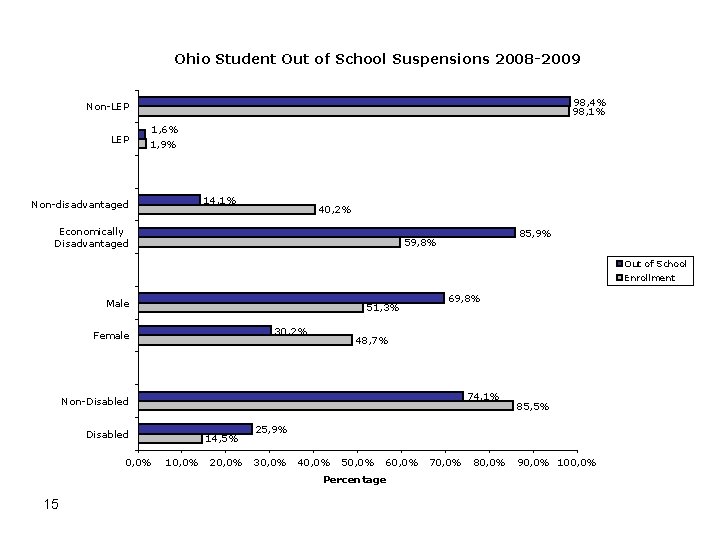
Ohio Student Out of School Suspensions 2008 -2009 98, 4% 98, 1% Non-LEP 1, 6% 1, 9% 14, 1% Non-disadvantaged 40, 2% Economically Disadvantaged 85, 9% 59, 8% Out of School Enrollment Male 51, 3% 30, 2% Female 69, 8% 48, 7% 74, 1% Non-Disabled 0, 0% 14, 5% 10, 0% 25, 9% 30, 0% 40, 0% 50, 0% 60, 0% Percentage 15 85, 5% 70, 0% 80, 0% 90, 0% 100, 0%
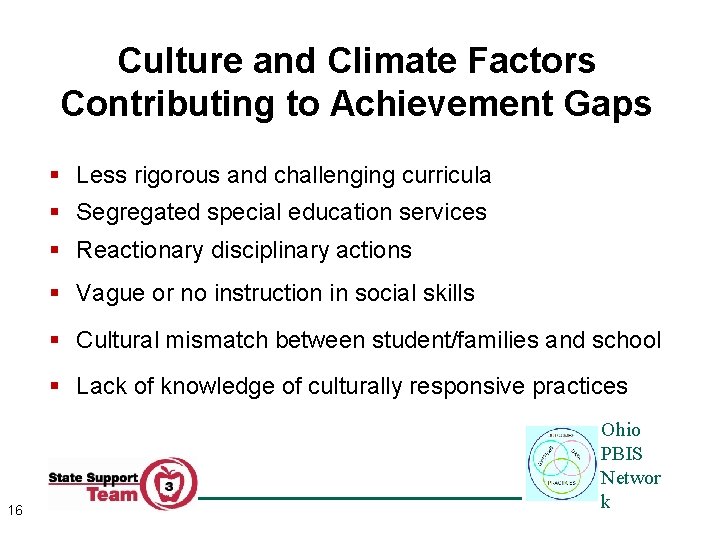
Culture and Climate Factors Contributing to Achievement Gaps § Less rigorous and challenging curricula § Segregated special education services § Reactionary disciplinary actions § Vague or no instruction in social skills § Cultural mismatch between student/families and school § Lack of knowledge of culturally responsive practices 16 Ohio PBIS Networ k
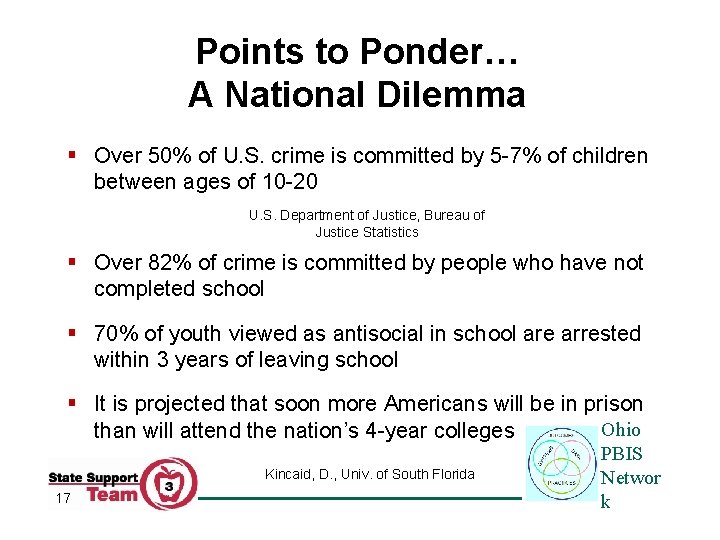
Points to Ponder… A National Dilemma § Over 50% of U. S. crime is committed by 5 -7% of children between ages of 10 -20 U. S. Department of Justice, Bureau of Justice Statistics § Over 82% of crime is committed by people who have not completed school § 70% of youth viewed as antisocial in school are arrested within 3 years of leaving school § It is projected that soon more Americans will be in prison Ohio than will attend the nation’s 4 -year colleges Kincaid, D. , Univ. of South Florida 17 PBIS Networ k
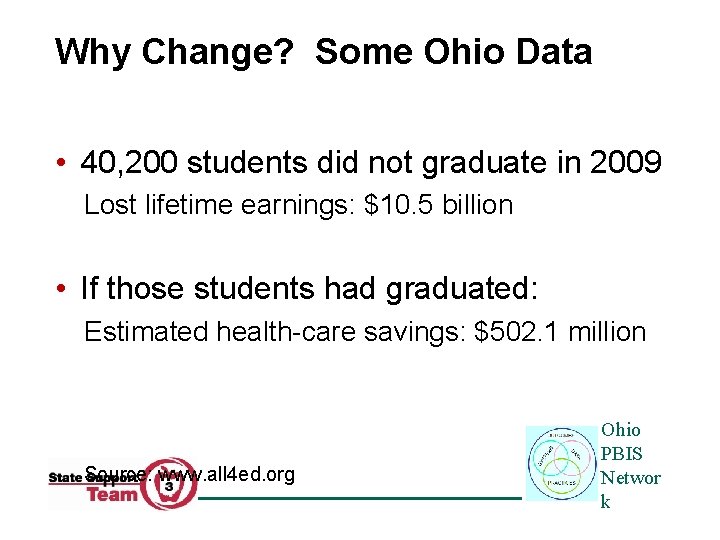
Why Change? Some Ohio Data • 40, 200 students did not graduate in 2009 Lost lifetime earnings: $10. 5 billion • If those students had graduated: Estimated health-care savings: $502. 1 million Source: www. all 4 ed. org Ohio PBIS Networ k
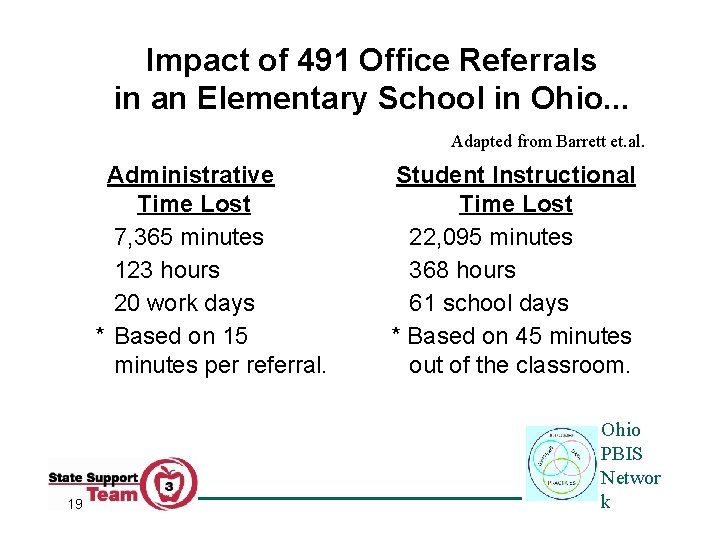
Impact of 491 Office Referrals in an Elementary School in Ohio. . . Adapted from Barrett et. al. Administrative Time Lost 7, 365 minutes 123 hours 20 work days * Based on 15 minutes per referral. 19 Student Instructional Time Lost 22, 095 minutes 368 hours 61 school days * Based on 45 minutes out of the classroom. Ohio PBIS Networ k
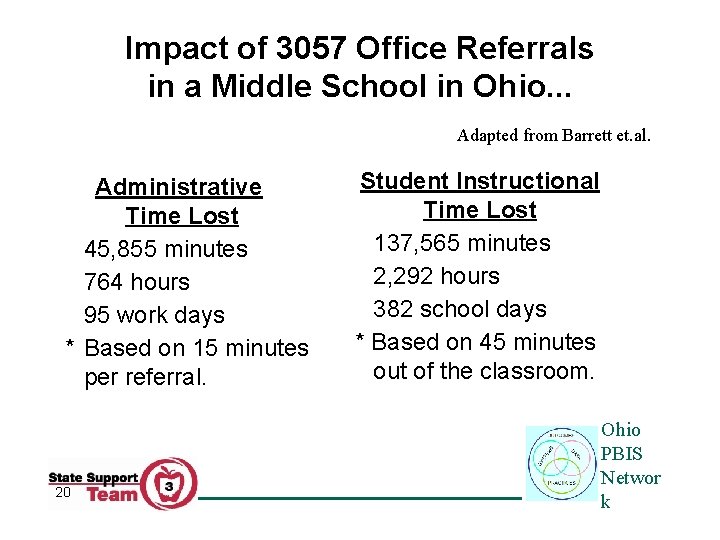
Impact of 3057 Office Referrals in a Middle School in Ohio. . . Adapted from Barrett et. al. Administrative Time Lost 45, 855 minutes 764 hours 95 work days * Based on 15 minutes per referral. 20 Student Instructional Time Lost 137, 565 minutes 2, 292 hours 382 school days * Based on 45 minutes out of the classroom. Ohio PBIS Networ k
21
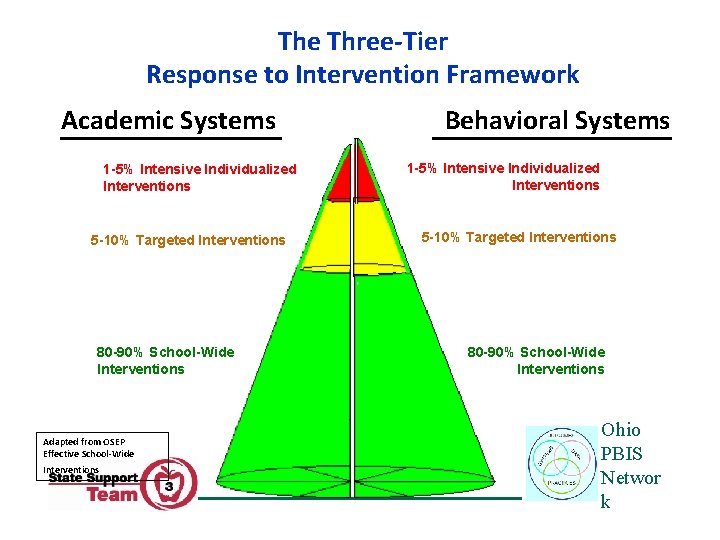
The Three-Tier Response to Intervention (Rt. I) Framework • Brings together general, special, compensatory and gifted education • Provides a comprehensive, proactive and unified system • Meets the academic and social-behavioral needs of ALL students. 22
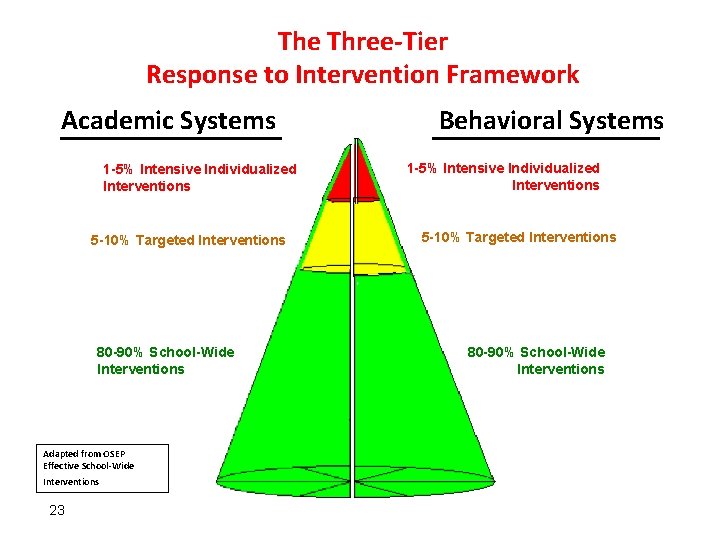
The Three-Tier Response to Intervention Framework Academic Systems 1 -5% Intensive Individualized Interventions 5 -10% Targeted Interventions 80 -90% School-Wide Interventions Adapted from OSEP Effective School-Wide Interventions 23 Behavioral Systems 1 -5% Intensive Individualized Interventions 5 -10% Targeted Interventions 80 -90% School-Wide Interventions
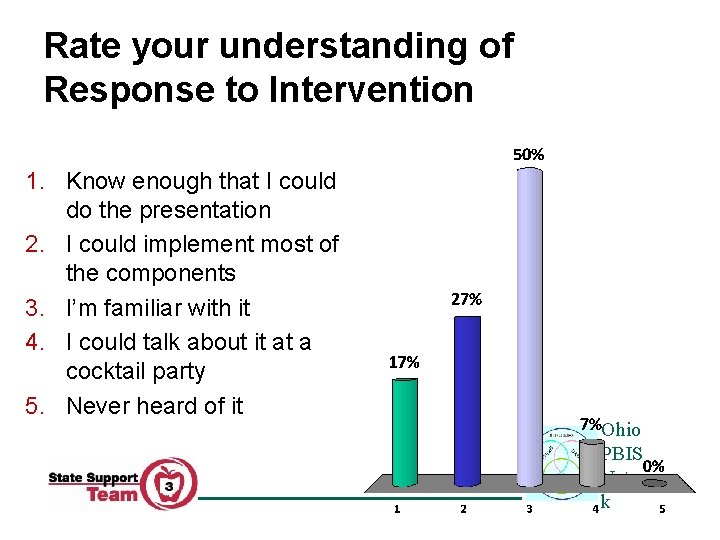
Rate your understanding of Response to Intervention 1. Know enough that I could do the presentation 2. I could implement most of the components 3. I’m familiar with it 4. I could talk about it at a cocktail party 5. Never heard of it Ohio PBIS Networ k
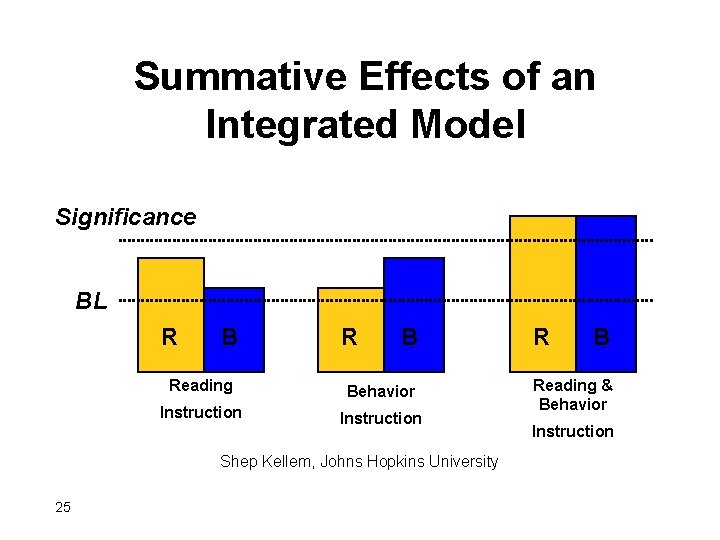
Summative Effects of an Integrated Model Significance BL R B Reading Behavior Instruction Shep Kellem, Johns Hopkins University 25 R B Reading & Behavior Instruction
PBIS is a systemic approach to teaching important social and academic skills while preventing problem behavior. 26 Ohio PBIS Networ k
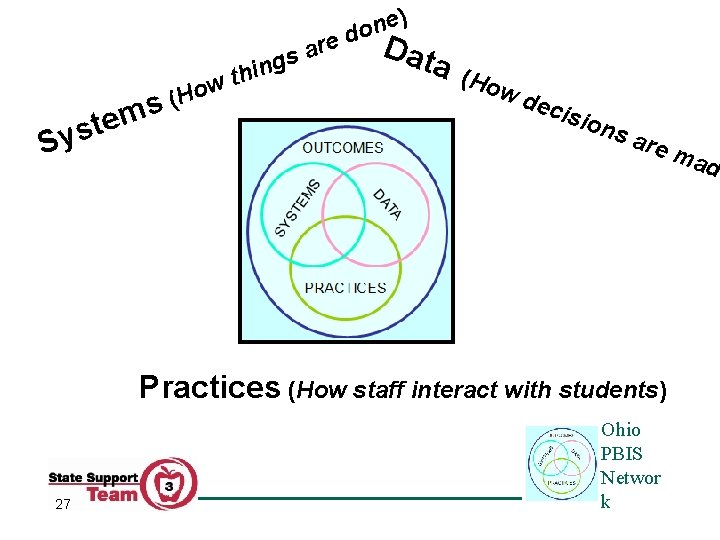
e) n o ed s m te s y S w ( Ho r a s g n i h t Dat a (Ho wd ecis ion s ar em Practices (How staff interact with students) 27 Ohio PBIS Networ k ade
Basic Principles § Student behavior can be taught § Environments can be created to change behavior § Changing environments requires change in adult behavior § Adult behavior must change in a consistent and systematic manner § Systems of support are necessary for both students and adults 28 Ohio PBIS Networ k
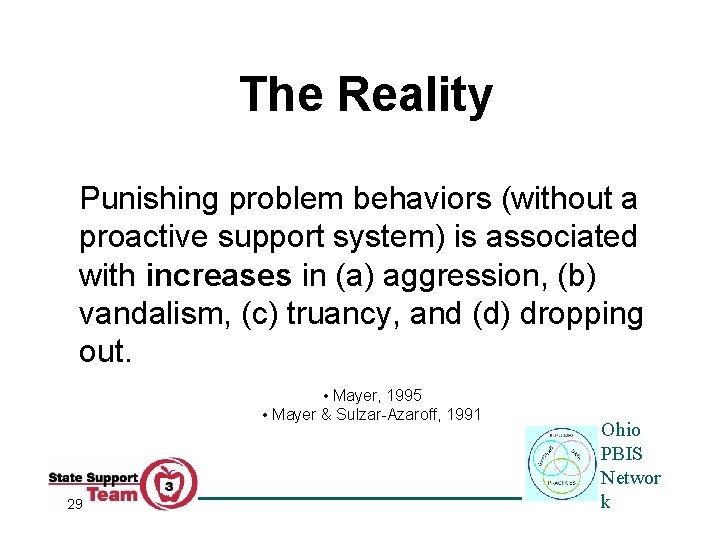
The Reality Punishing problem behaviors (without a proactive support system) is associated with increases in (a) aggression, (b) vandalism, (c) truancy, and (d) dropping out. • Mayer, 1995 • Mayer & Sulzar-Azaroff, 1991 29 Ohio PBIS Networ k
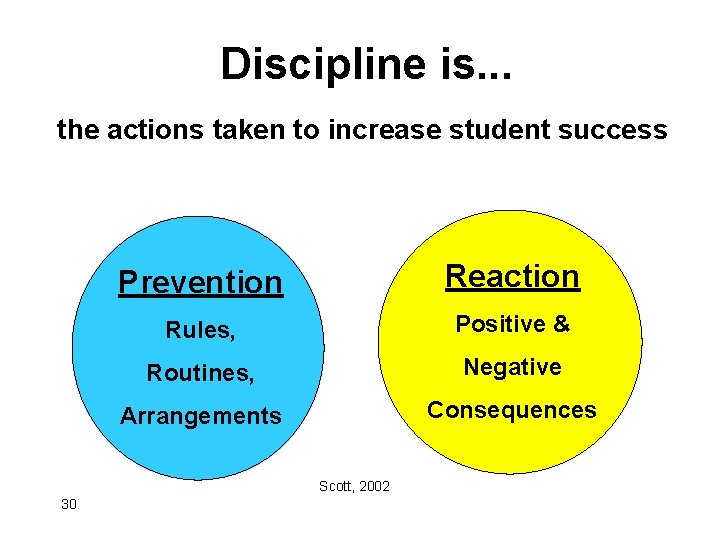
Discipline is. . . the actions taken to increase student success Prevention Reaction Rules, Positive & Routines, Negative Arrangements Consequences Scott, 2002 30
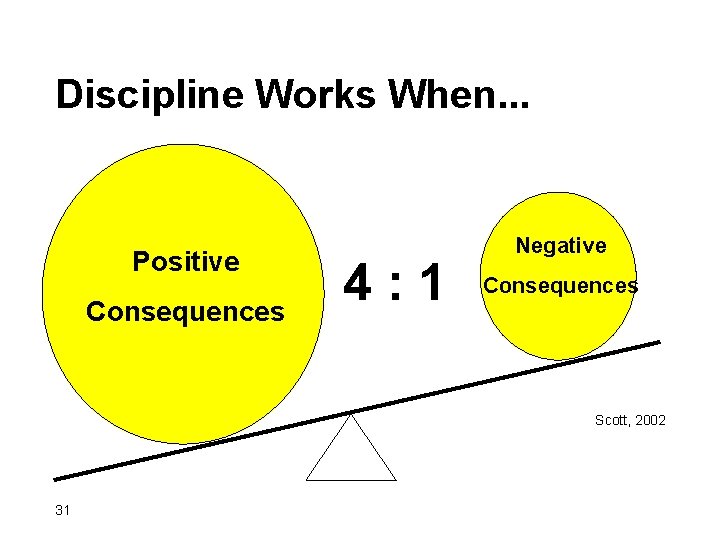
Discipline Works When. . . Positive Consequences 4: 1 Negative Consequences Scott, 2002 31
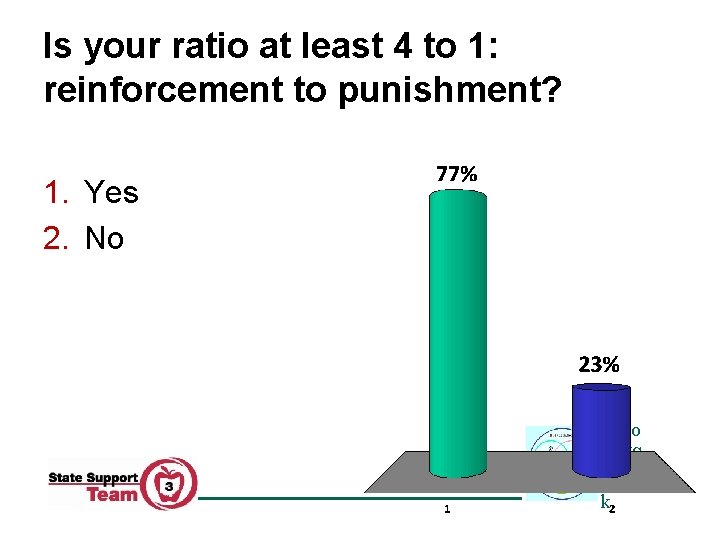
Is your ratio at least 4 to 1: reinforcement to punishment? 1. Yes 2. No Ohio PBIS Networ k
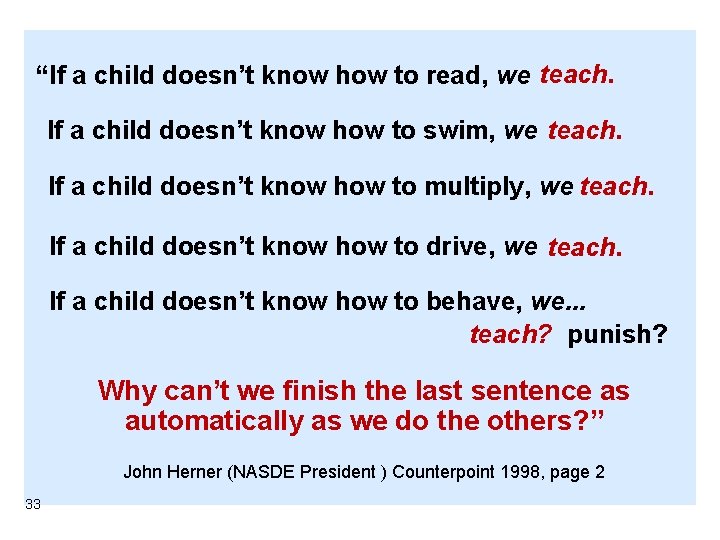
“If a child doesn’t know how to read, we teach. If a child doesn’t know how to swim, we teach. If a child doesn’t know how to multiply, we teach. If a child doesn’t know how to drive, we teach. If a child doesn’t know how to behave, we. . . teach? punish? Why can’t we finish the last sentence as automatically as we do the others? ” John Herner (NASDE President ) Counterpoint 1998, page 2 33
Positive Behavior Support Universal Systems of Support Ohio PBIS Networ k
The Three-Tier Response to Intervention Framework Academic Systems 1 -5% Intensive Individualized Interventions 5 -10% Targeted Interventions 80 -90% School-Wide Interventions Adapted from OSEP Effective School-Wide Interventions Behavioral Systems 1 -5% Intensive Individualized Interventions 5 -10% Targeted Interventions 80 -90% School-Wide Interventions Ohio PBIS Networ k
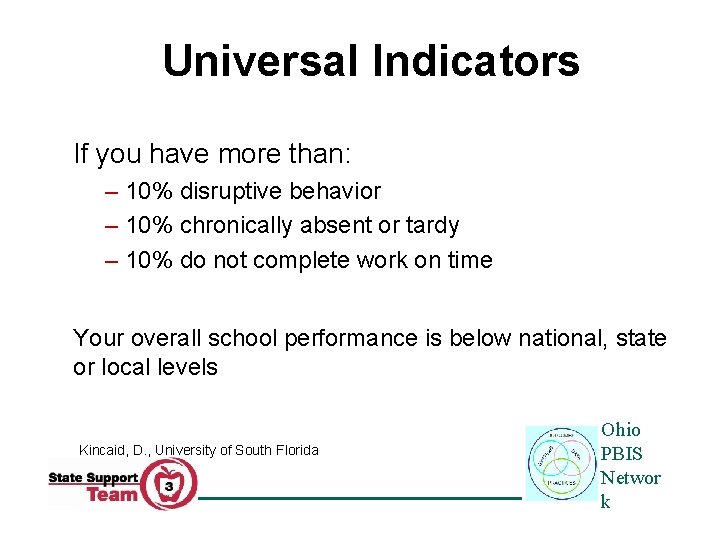
Universal Indicators If you have more than: – 10% disruptive behavior – 10% chronically absent or tardy – 10% do not complete work on time Your overall school performance is below national, state or local levels Kincaid, D. , University of South Florida Ohio PBIS Networ k
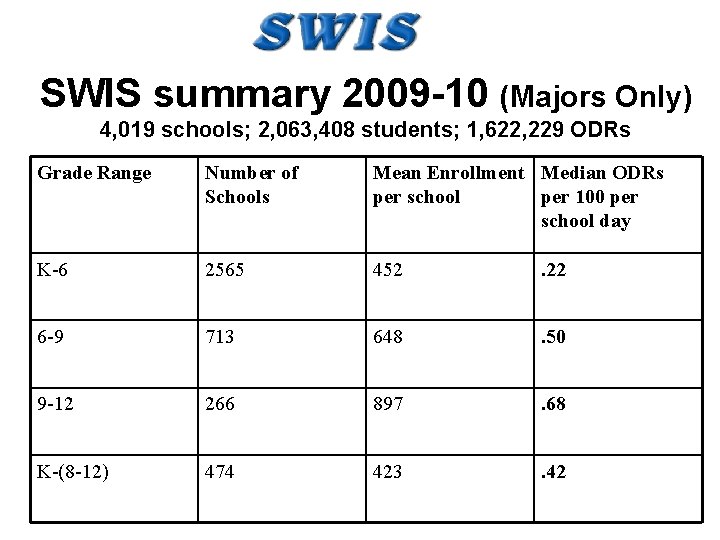
SWIS summary 2009 -10 (Majors Only) 4, 019 schools; 2, 063, 408 students; 1, 622, 229 ODRs Grade Range Number of Schools Mean Enrollment Median ODRs per school per 100 per school day K-6 2565 452 . 22 6 -9 713 648 . 50 9 -12 266 897 . 68 K-(8 -12) 474 423 . 42 Ohio PBIS Networ k
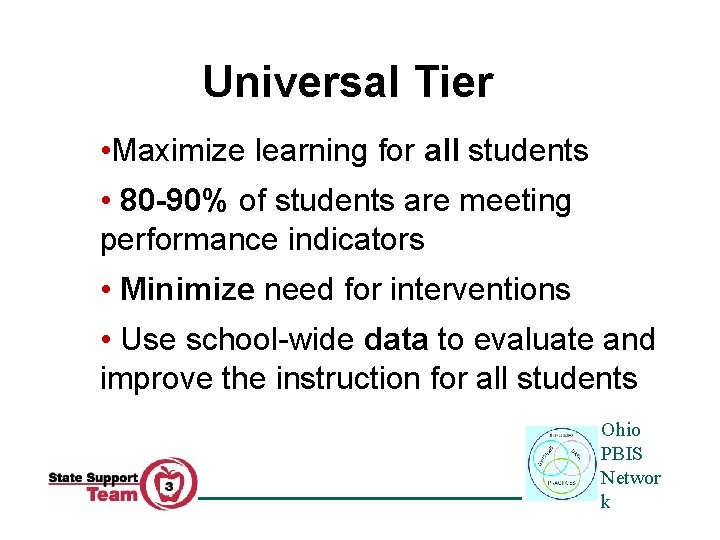
Universal Tier • Maximize learning for all students • 80 -90% of students are meeting performance indicators • Minimize need for interventions • Use school-wide data to evaluate and improve the instruction for all students Ohio PBIS Networ k
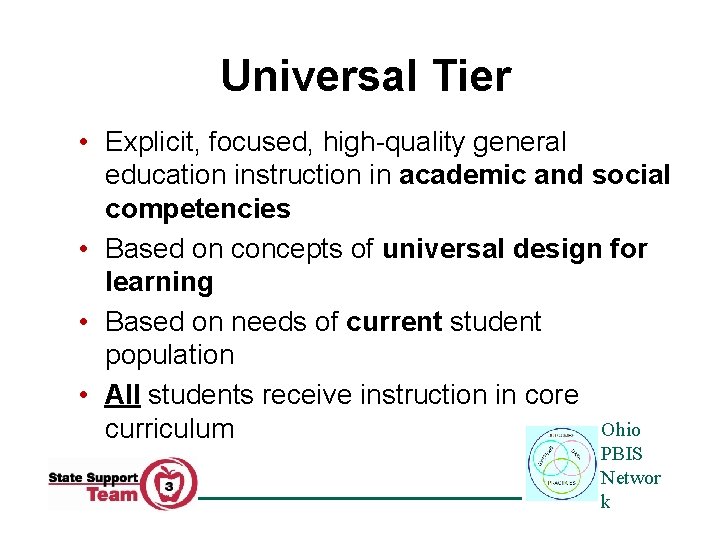
Universal Tier • Explicit, focused, high-quality general education instruction in academic and social competencies • Based on concepts of universal design for learning • Based on needs of current student population • All students receive instruction in core Ohio curriculum PBIS Networ k
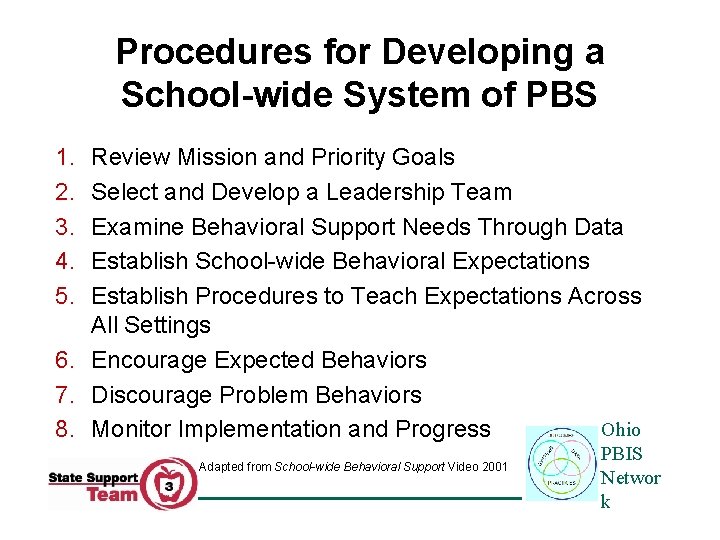
Procedures for Developing a School-wide System of PBS 1. 2. 3. 4. 5. Review Mission and Priority Goals Select and Develop a Leadership Team Examine Behavioral Support Needs Through Data Establish School-wide Behavioral Expectations Establish Procedures to Teach Expectations Across All Settings 6. Encourage Expected Behaviors 7. Discourage Problem Behaviors Ohio 8. Monitor Implementation and Progress Adapted from School-wide Behavioral Support Video 2001 PBIS Networ k
1. Set Priority and Mission VIDEO Ohio PBIS Networ k
1. Review Mission and Priority Goals • Behavior set as priority goal or strategy • Not a separate new initiative • Behavior issues identified by DLT/BLT Ohio PBIS Networ k
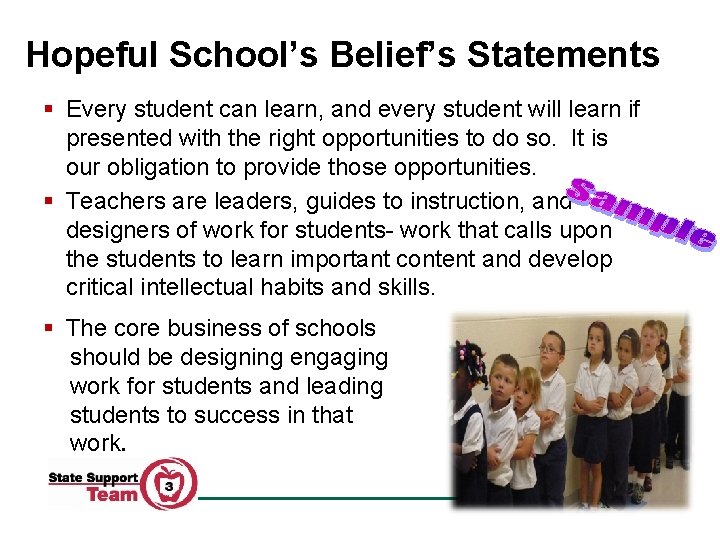
Hopeful School’s Belief’s Statements § Every student can learn, and every student will learn if presented with the right opportunities to do so. It is our obligation to provide those opportunities. § Teachers are leaders, guides to instruction, and designers of work for students- work that calls upon the students to learn important content and develop critical intellectual habits and skills. § The core business of schools should be designing engaging work for students and leading students to success in that work. Ohio PBIS Networ k
School Mission Statement We, the staff of Polar Bear Elementary, are committed to providing students with the behavioral and academic skills necessary to reach their fullest potential and to become responsible life-long learners. Ohio Randy Sprick, 1998 PBIS Networ k
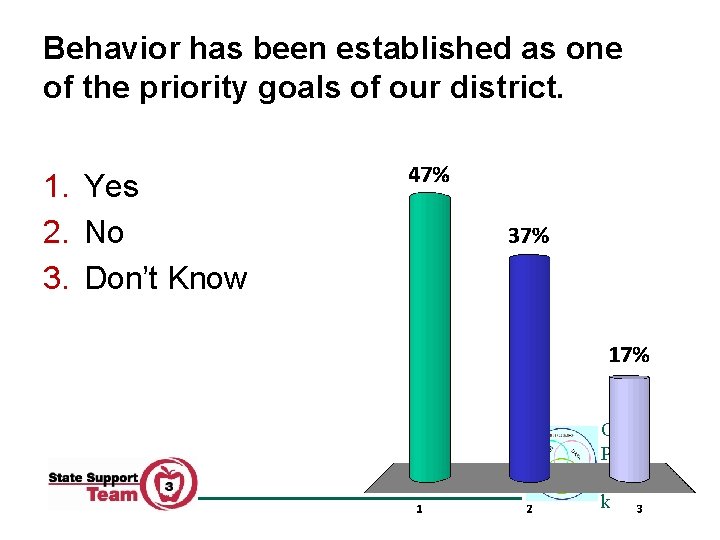
Behavior has been established as one of the priority goals of our district. 1. Yes 2. No 3. Don’t Know Ohio PBIS Networ k
What are the current district/school goals? What other initiatives are being implemented? What are the current behavioral issues in your school? What is the history of discipline in your school? What is the school mission statement? TEAM TIME: MISSION AND PRIORITY GOALS Ohio PBIS Networ k
2. Select and Develop a Leadership Team VIDEO Ohio PBIS Networ k
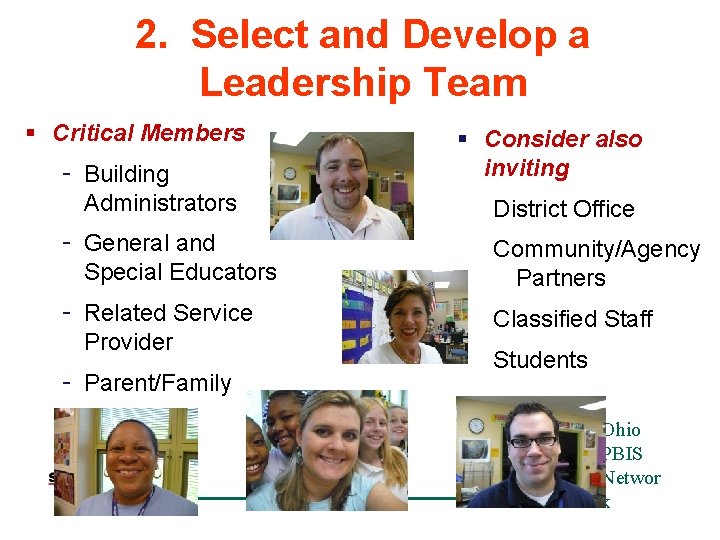
2. Select and Develop a Leadership Team § Critical Members - Building Administrators § Consider also inviting District Office - General and Special Educators Community/Agency Partners - Related Service Provider Classified Staff - Parent/Family Students Ohio PBIS Networ k
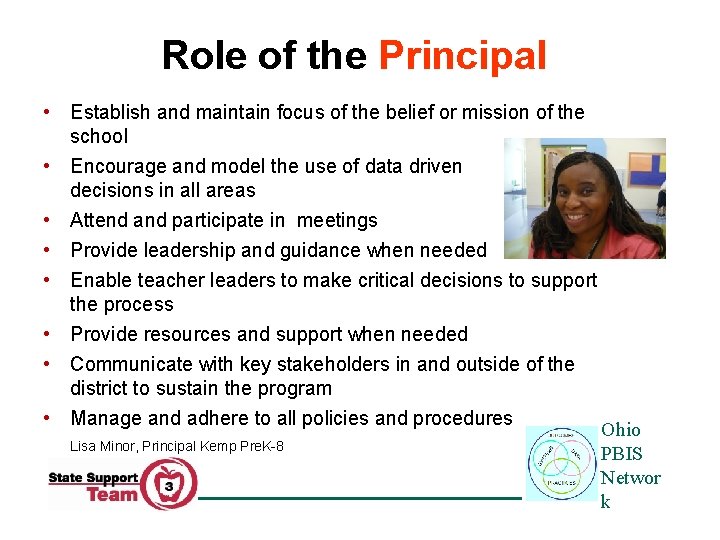
Role of the Principal • Establish and maintain focus of the belief or mission of the school • Encourage and model the use of data driven decisions in all areas • Attend and participate in meetings • Provide leadership and guidance when needed • Enable teacher leaders to make critical decisions to support the process • Provide resources and support when needed • Communicate with key stakeholders in and outside of the district to sustain the program • Manage and adhere to all policies and procedures Lisa Minor, Principal Kemp Pre. K-8 Ohio PBIS Networ k
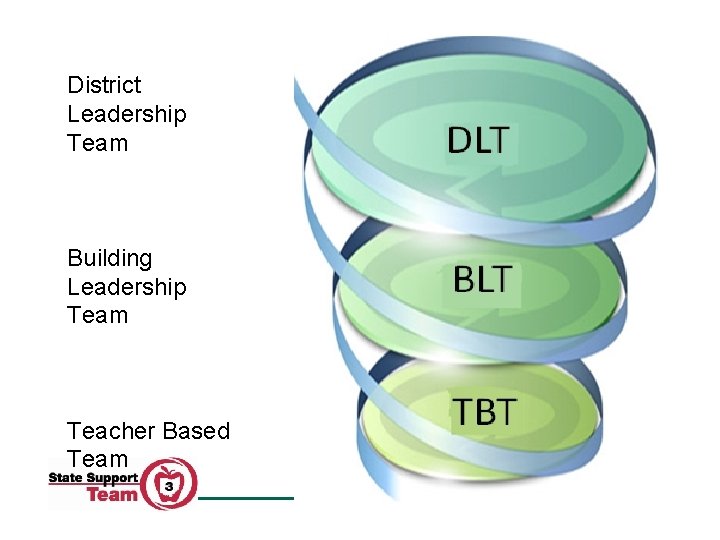
District Leadership Team Building Leadership Team Teacher Based Team Ohio PBIS Networ k
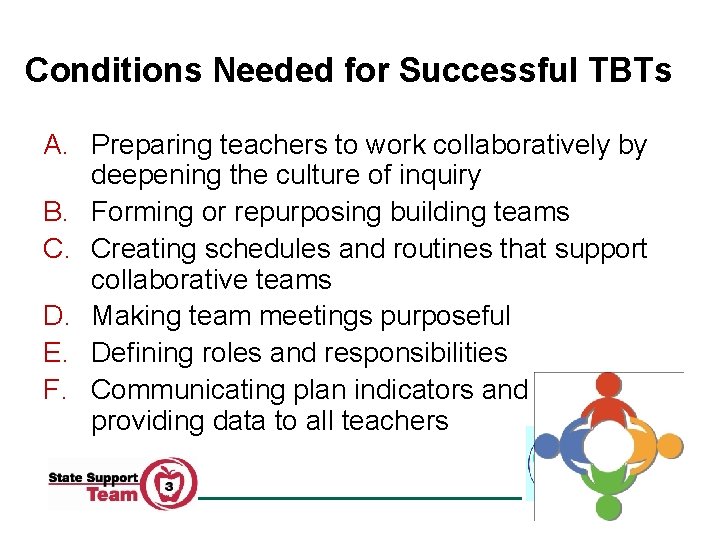
Conditions Needed for Successful TBTs A. Preparing teachers to work collaboratively by deepening the culture of inquiry B. Forming or repurposing building teams C. Creating schedules and routines that support collaborative teams D. Making team meetings purposeful E. Defining roles and responsibilities F. Communicating plan indicators and providing data to all teachers Ohio PBIS Networ k
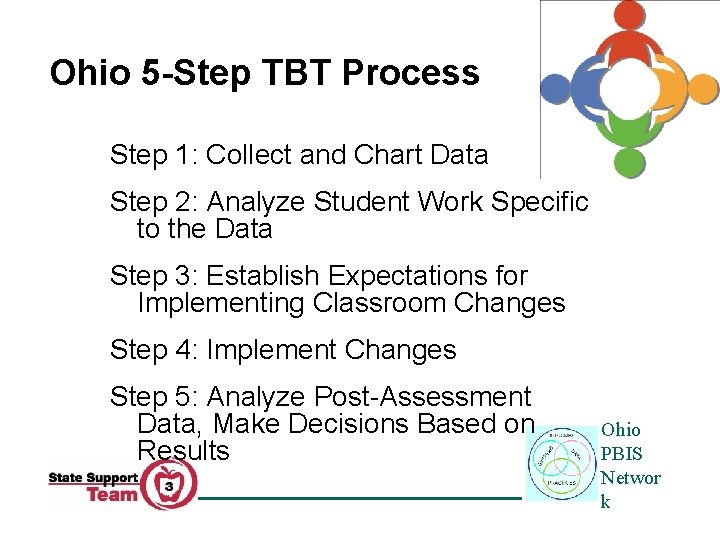
Ohio 5 -Step TBT Process Step 1: Collect and Chart Data Step 2: Analyze Student Work Specific to the Data Step 3: Establish Expectations for Implementing Classroom Changes Step 4: Implement Changes Step 5: Analyze Post-Assessment Data, Make Decisions Based on Results Ohio PBIS Networ k
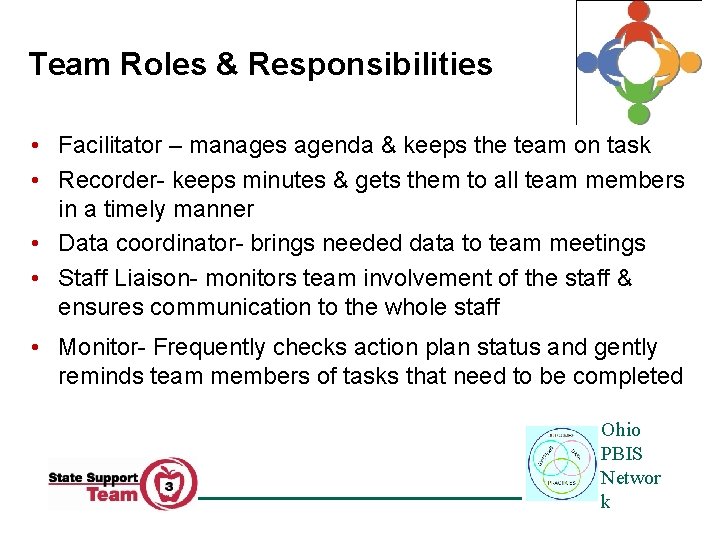
Team Roles & Responsibilities • Facilitator – manages agenda & keeps the team on task • Recorder- keeps minutes & gets them to all team members in a timely manner • Data coordinator- brings needed data to team meetings • Staff Liaison- monitors team involvement of the staff & ensures communication to the whole staff • Monitor- Frequently checks action plan status and gently reminds team members of tasks that need to be completed Ohio PBIS Networ k
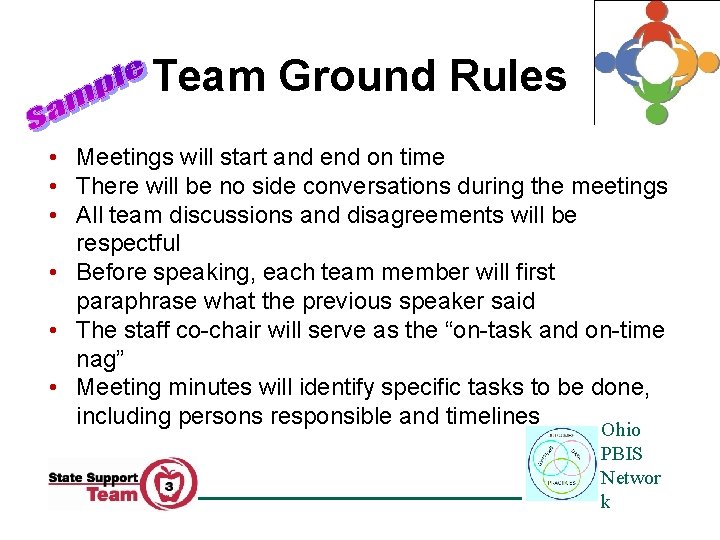
Team Ground Rules • Meetings will start and end on time • There will be no side conversations during the meetings • All team discussions and disagreements will be respectful • Before speaking, each team member will first paraphrase what the previous speaker said • The staff co-chair will serve as the “on-task and on-time nag” • Meeting minutes will identify specific tasks to be done, including persons responsible and timelines Ohio PBIS Networ k
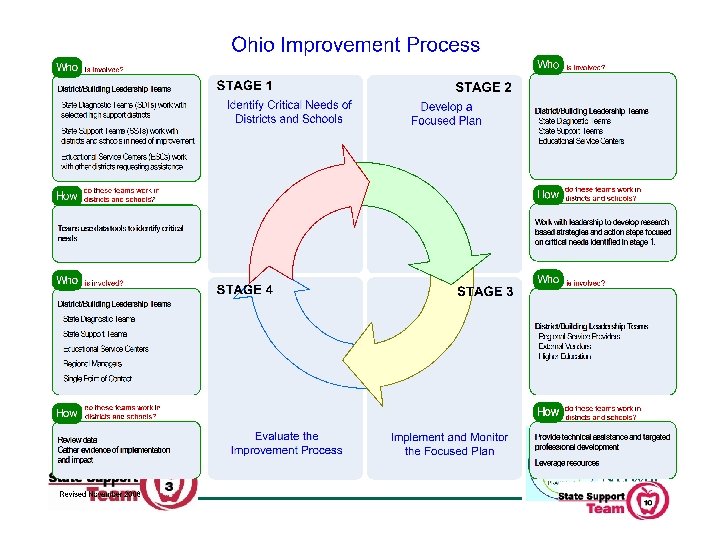
Ohio PBIS Networ k
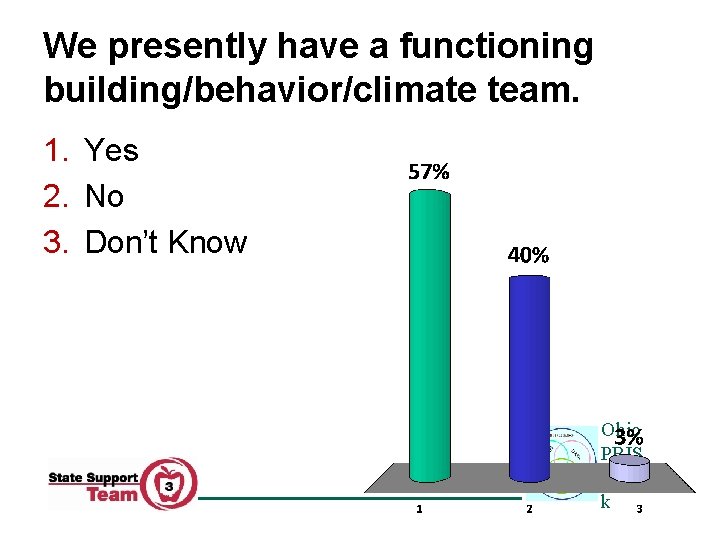
We presently have a functioning building/behavior/climate team. 1. Yes 2. No 3. Don’t Know Ohio PBIS Networ k
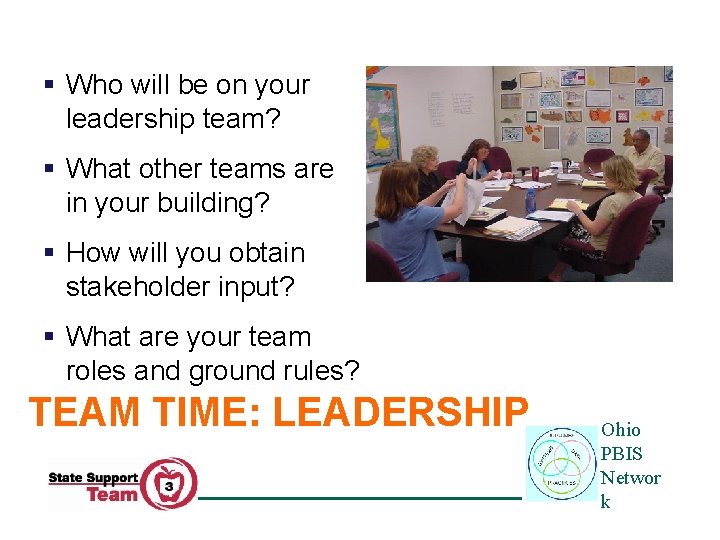
§ Who will be on your leadership team? § What other teams are in your building? § How will you obtain stakeholder input? § What are your team roles and ground rules? TEAM TIME: LEADERSHIP Ohio PBIS Networ k
Future PBIS Workshops • Universal Level of PBIS – Part Two: November 10, 2011 – Part Three: December 6, 2011 Register on STARS Ohio PBIS Networ k
Thank You!! For Information Contact: Your SST Consultants The Educational Service Center of Cuyahoga County 216 -524 -3000 Or email us at First. last@esc-cc. org Ohio PBIS Networ k
- Slides: 59