
INTRODUCTION TO PORT DESIGN Importance of Ports to



- Slides: 41
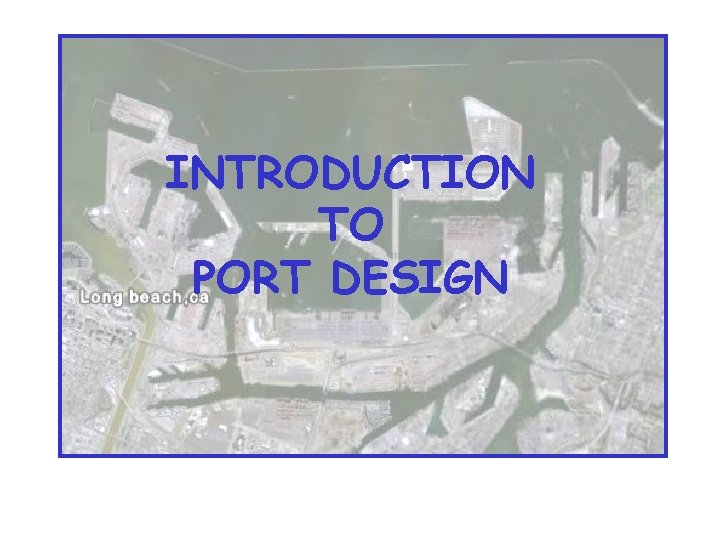
INTRODUCTION TO PORT DESIGN
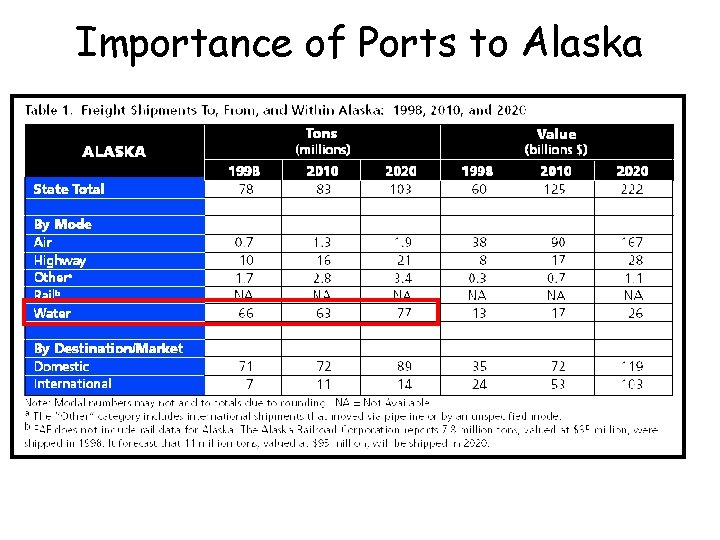
Importance of Ports to Alaska
Port – Definition • A location for transfer of cargo between ships and shore. • A port normally includes docks, uplands and infrastructure necessary for commercial activity.
Small Boat Harbor - Definition • A location for permanent or temporary moorage of small unattended vessels. • Moorings normally consist of floating docks protected by a breakwater. • Vessel size in small boat harbors generally vary from about 18 foot skiffs up to about 150 foot commercial fishing boats.
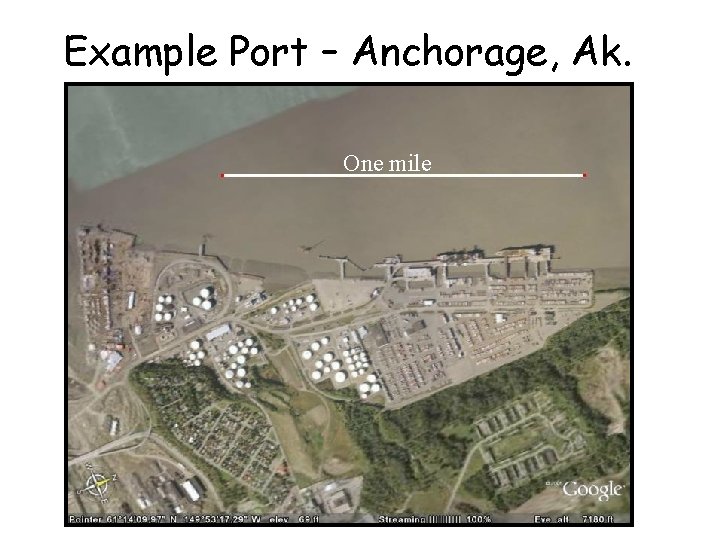
Example Port – Anchorage, Ak. One mile
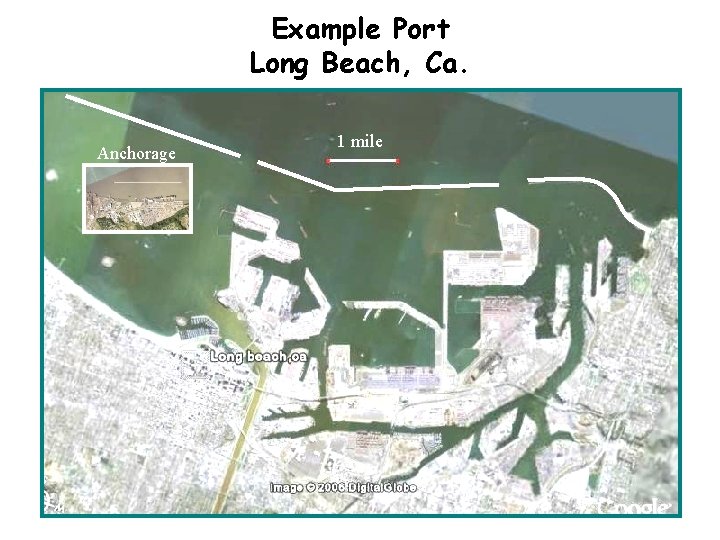
Example Port Long Beach, Ca. Anchorage 1 mile
Port Characteristics • Normally Accommodates vessels ranging from about 150 feet to over 900 feet. • Dock structures are generally fixed (not floating) and vessels are attended at all times. (Note: Areas of high tidal ranges require constant attention to mooring lines or use self tensioning winches). • Port Design includes Dock structures, uplands, and associated infrastructure. • May or may not include a protective Breakwater.
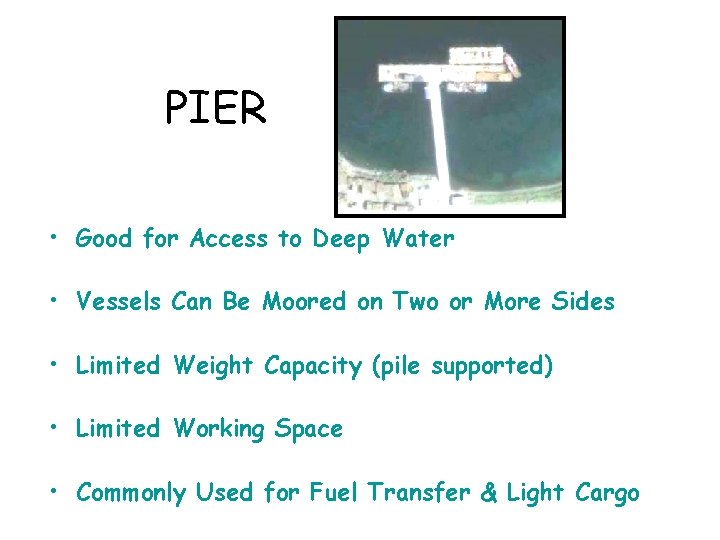
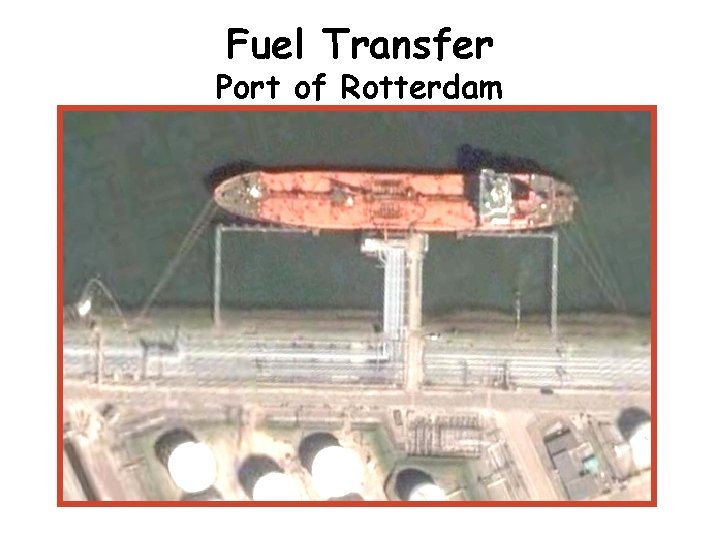
PIER • Good for Access to Deep Water • Vessels Can Be Moored on Two or More Sides • Limited Weight Capacity (pile supported) • Limited Working Space • Commonly Used for Fuel Transfer & Light Cargo
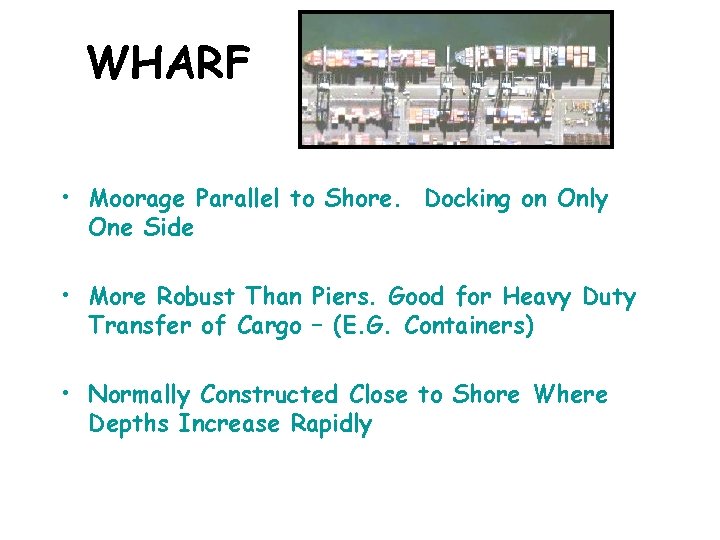
WHARF • Moorage Parallel to Shore. Docking on Only One Side • More Robust Than Piers. Good for Heavy Duty Transfer of Cargo – (E. G. Containers) • Normally Constructed Close to Shore Where Depths Increase Rapidly
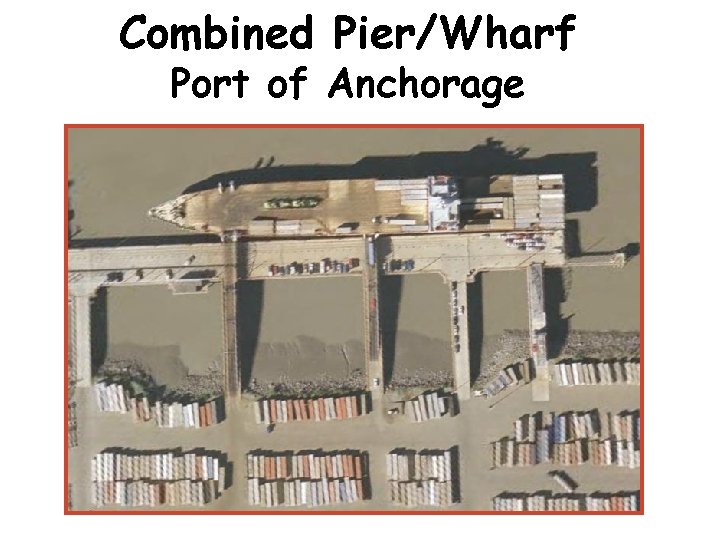
Combined Pier/Wharf Port of Anchorage
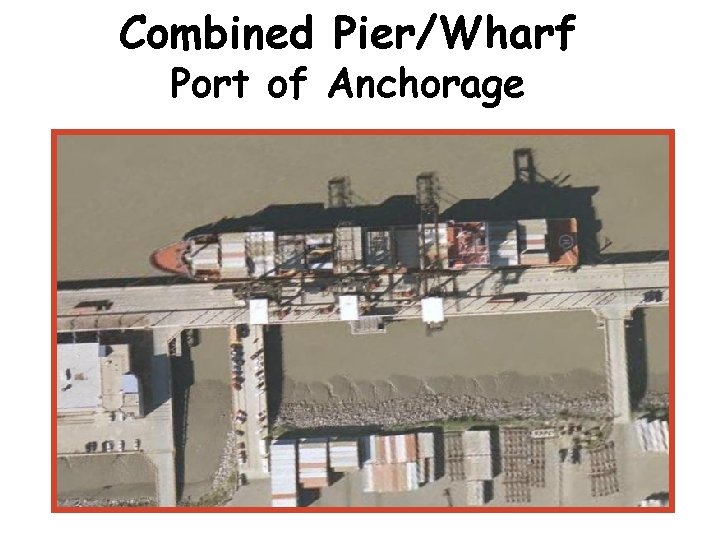
Combined Pier/Wharf Port of Anchorage
Fuel Transfer Port of Rotterdam
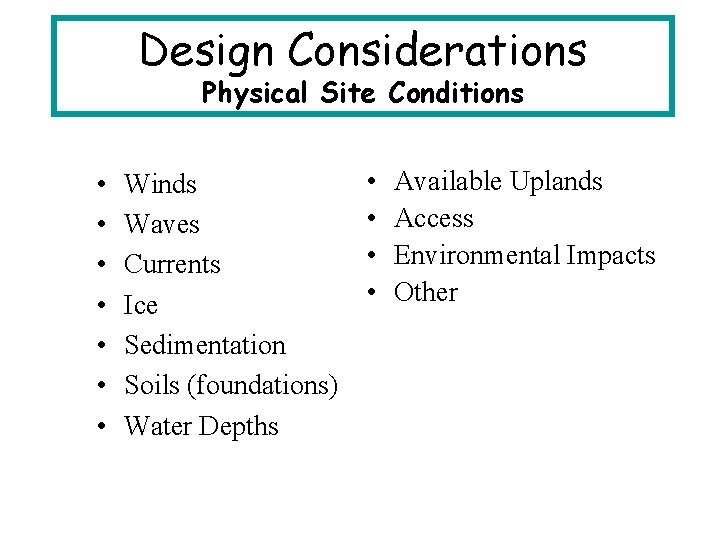
Design Considerations Physical Site Conditions • • Winds Waves Currents Ice Sedimentation Soils (foundations) Water Depths • • Available Uplands Access Environmental Impacts Other
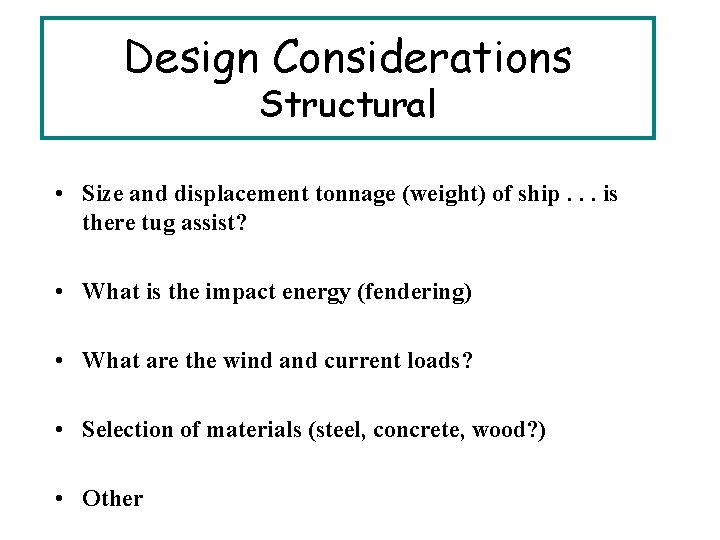
Design Considerations Structural • Size and displacement tonnage (weight) of ship. . . is there tug assist? • What is the impact energy (fendering) • What are the wind and current loads? • Selection of materials (steel, concrete, wood? ) • Other
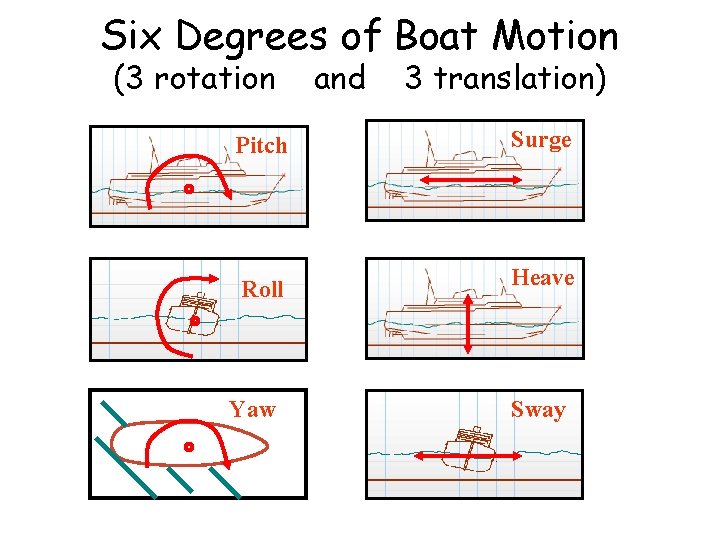
Six Degrees of Boat Motion (3 rotation and 3 translation) Pitch Surge Roll Heave Yaw Sway
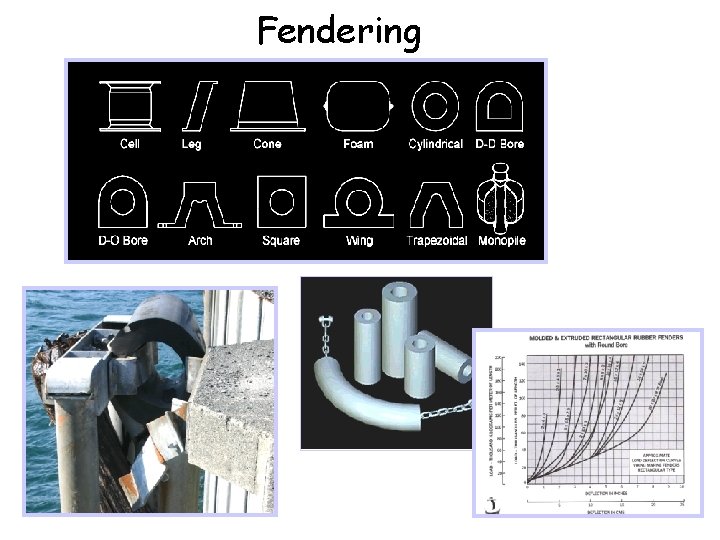
Fendering
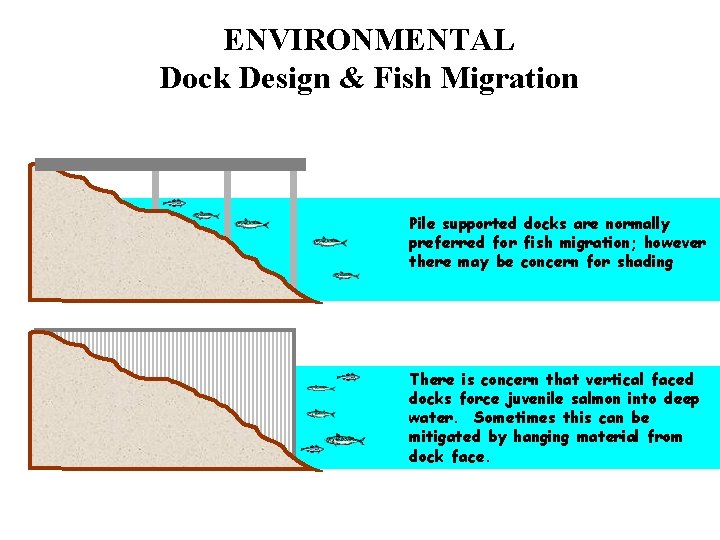
ENVIRONMENTAL Dock Design & Fish Migration Pile supported docks are normally preferred for fish migration; however there may be concern for shading There is concern that vertical faced docks force juvenile salmon into deep water. Sometimes this can be mitigated by hanging material from dock face.
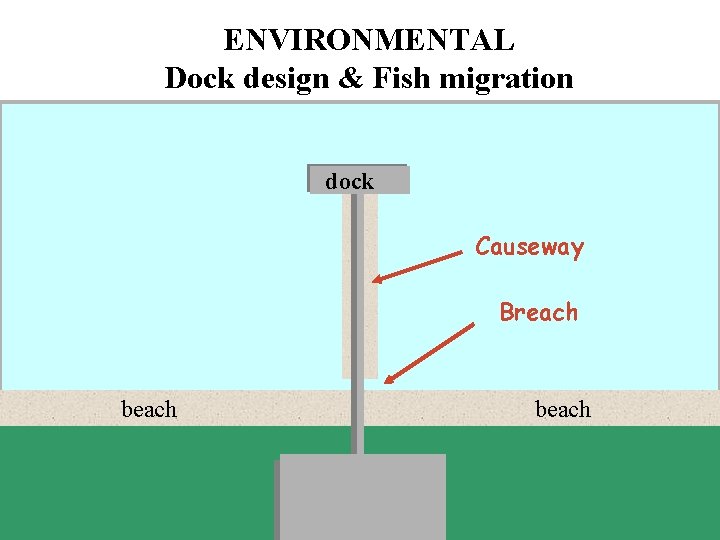
ENVIRONMENTAL Dock design & Fish migration dock Causeway Breach beach
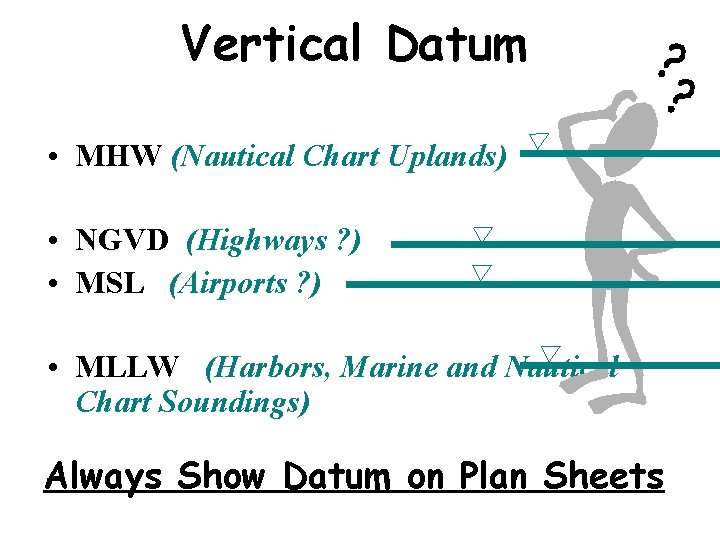
Vertical Datum • MHW (Nautical Chart Uplands) • NGVD (Highways ? ) • MSL (Airports ? ) • MLLW (Harbors, Marine and Nautical Chart Soundings) Always Show Datum on Plan Sheets
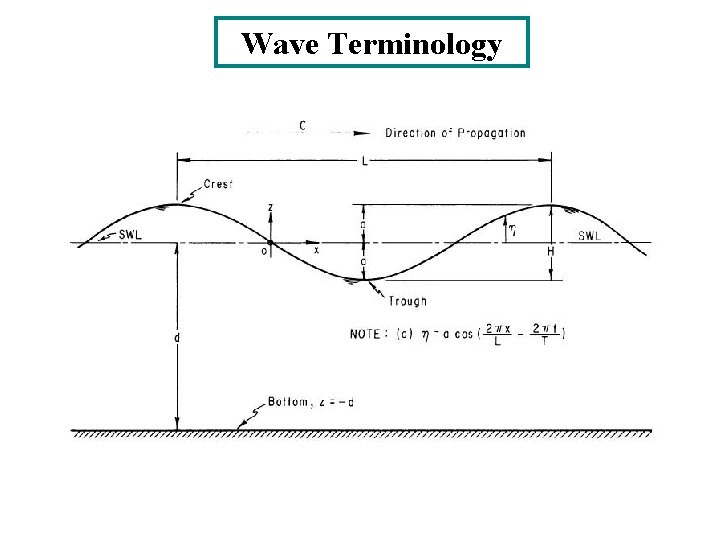
Wave Terminology
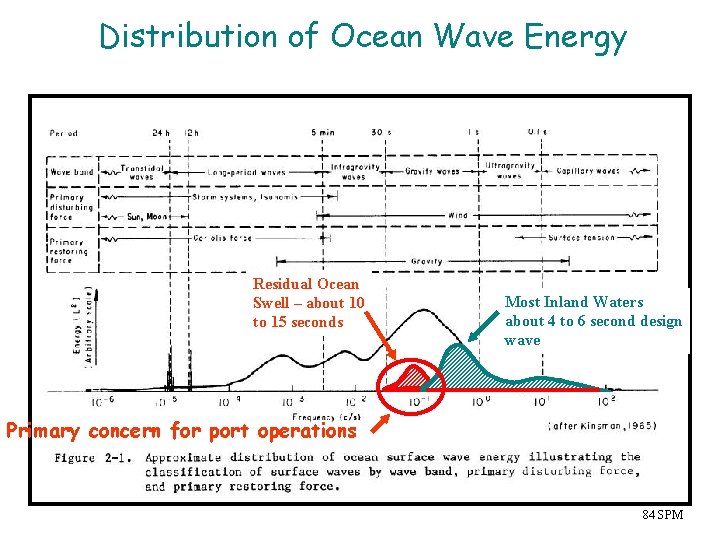
Distribution of Ocean Wave Energy Residual Ocean Swell – about 10 to 15 seconds Most Inland Waters about 4 to 6 second design wave Primary concern for port operations 84 SPM
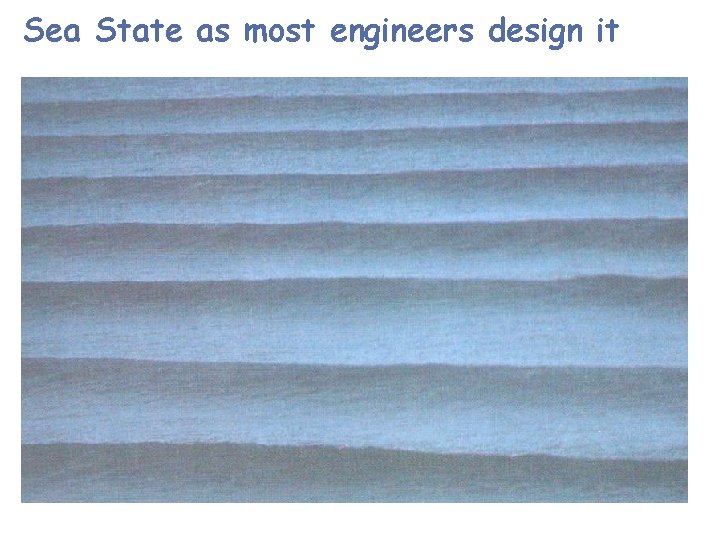
Sea State as most engineers design it
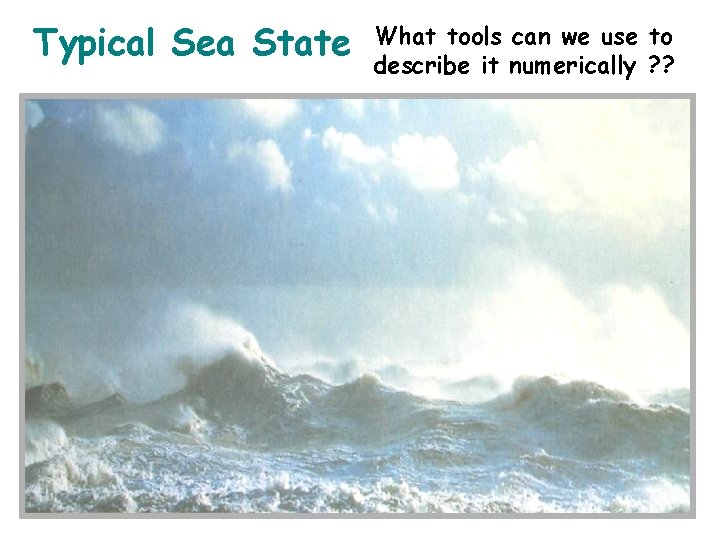
Typical Sea State What tools can we use to describe it numerically ? ?
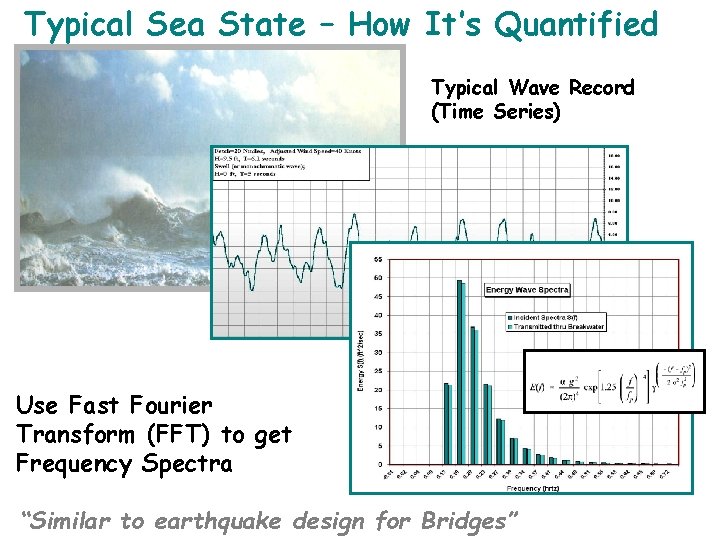
Typical Sea State – How It’s Quantified Typical Wave Record (Time Series) Use Fast Fourier Transform (FFT) to get Frequency Spectra “Similar to earthquake design for Bridges”
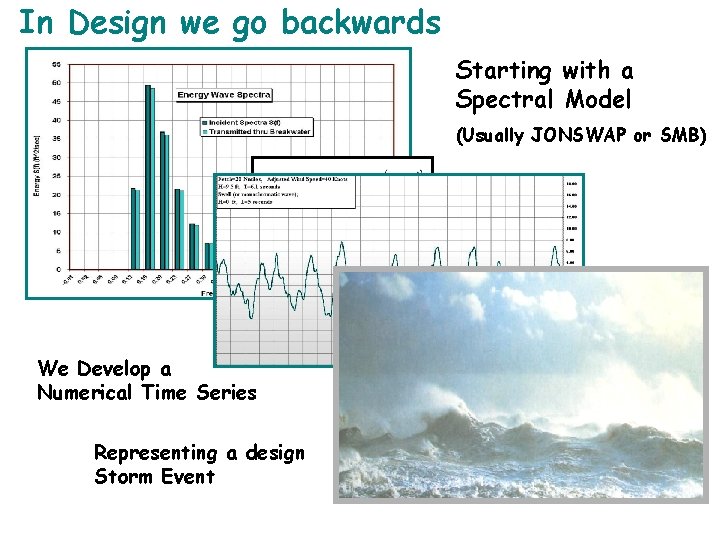
In Design we go backwards Starting with a Spectral Model (Usually JONSWAP or SMB) We Develop a Numerical Time Series Representing a design Storm Event
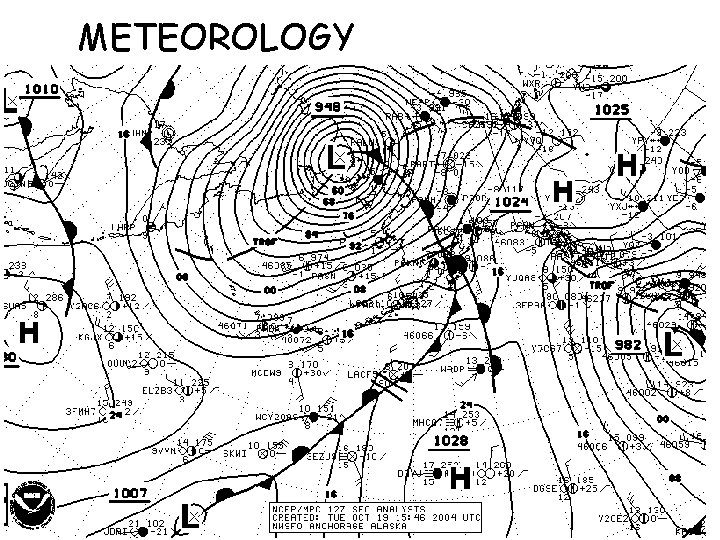
METEOROLOGY
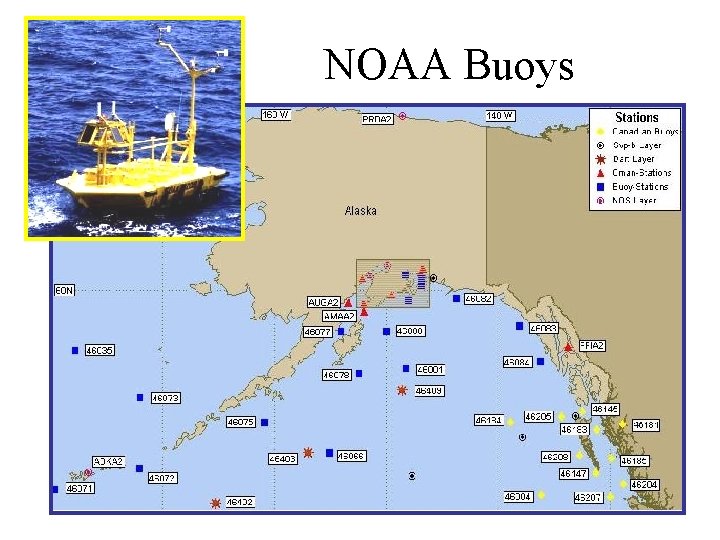
NOAA Buoys
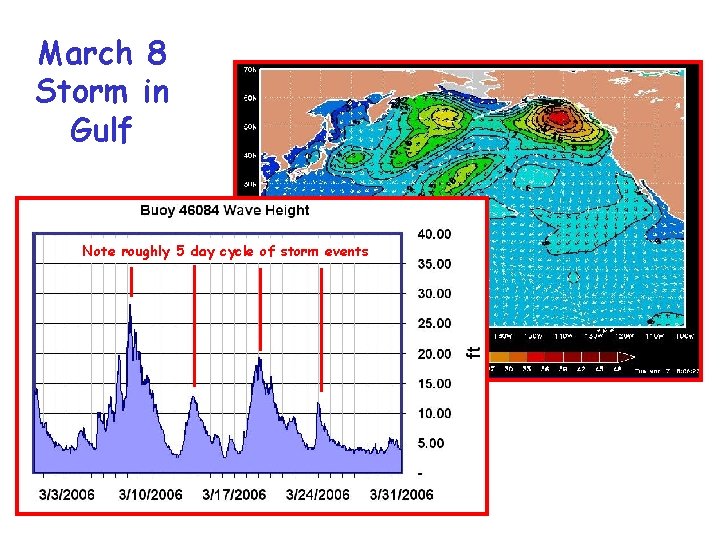
March 8 Storm in Gulf Note roughly 5 day cycle of storm events
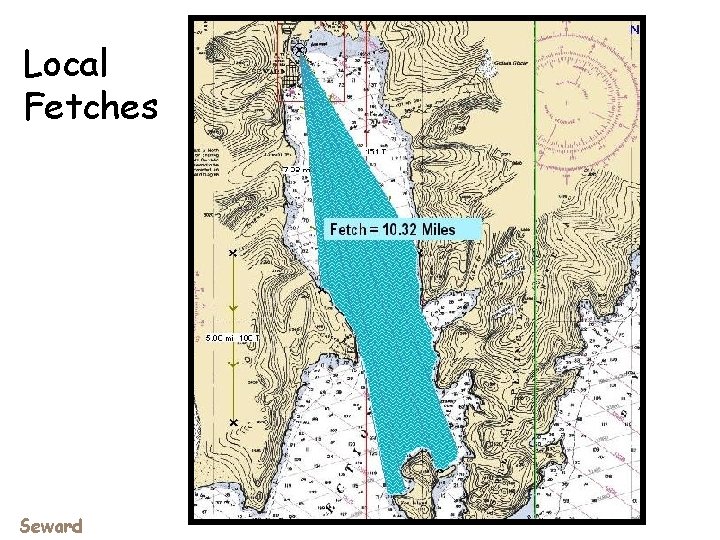
Local Fetches Seward
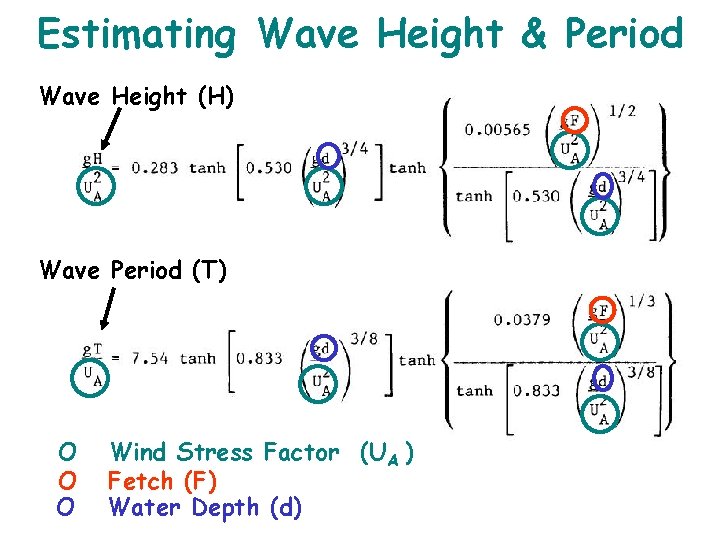
Estimating Wave Height & Period Wave Height (H) Wave Period (T) O O O Wind Stress Factor (UA ) Fetch (F) Water Depth (d)
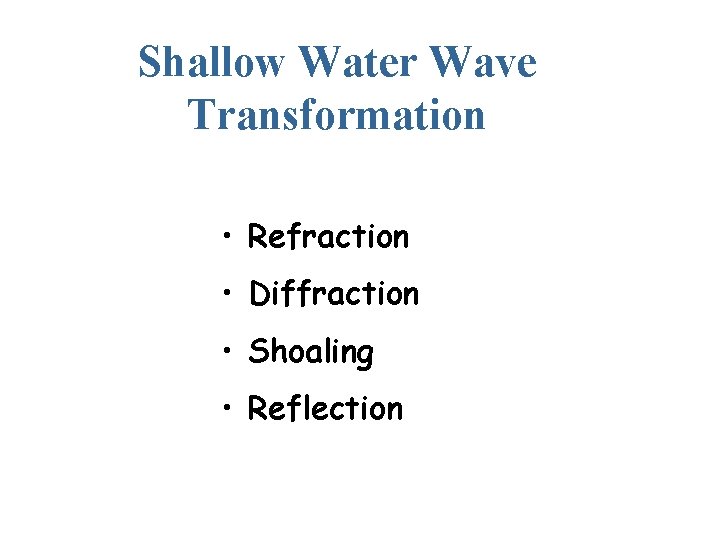
Shallow Water Wave Transformation • Refraction • Diffraction • Shoaling • Reflection
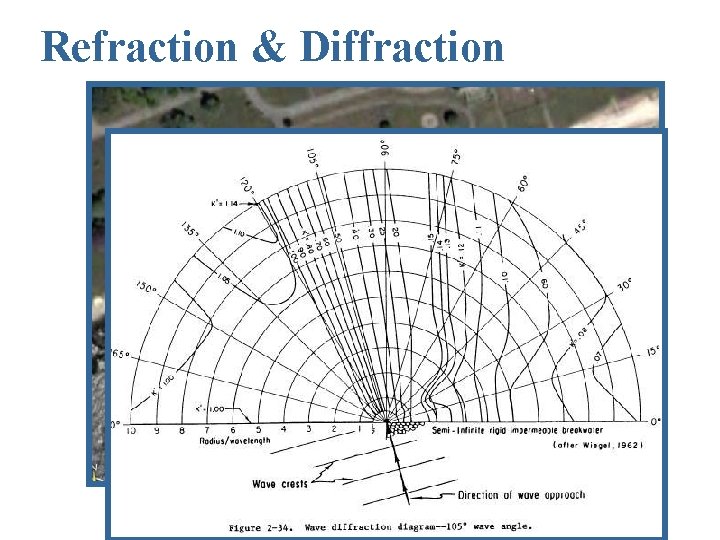
Refraction & Diffraction
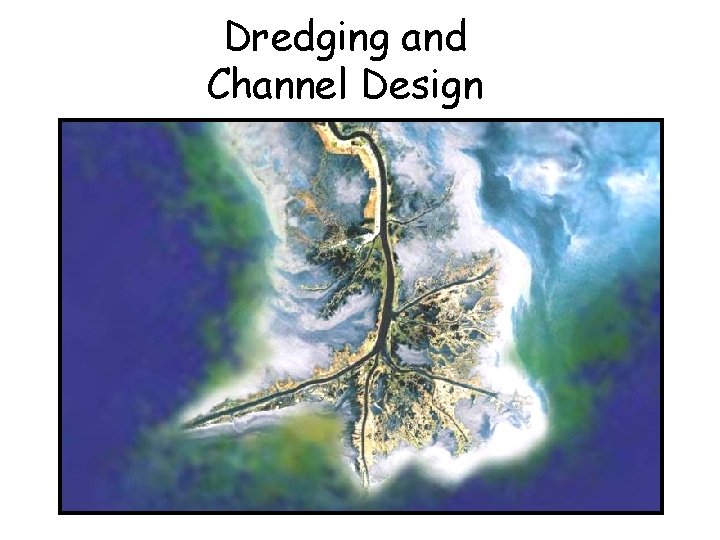
Dredging and Channel Design
e end. End Th. The
Small Boat Harbors • A location for permanent or temporary moorage of small unattended vessels. • Moorings normally consist of floating docks. • The vessel size in harbors generally vary from about 18 foot skiffs up to about 150 foot commercial fishing boats. • Larger boats are more often associated with ports and movement of cargo.
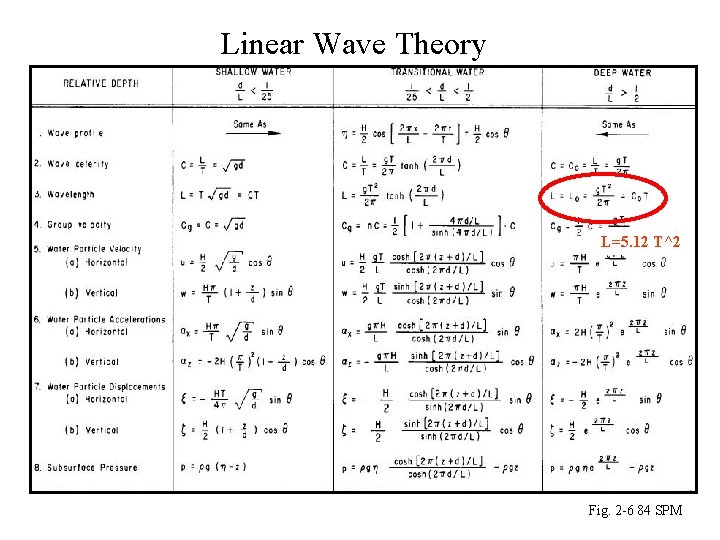
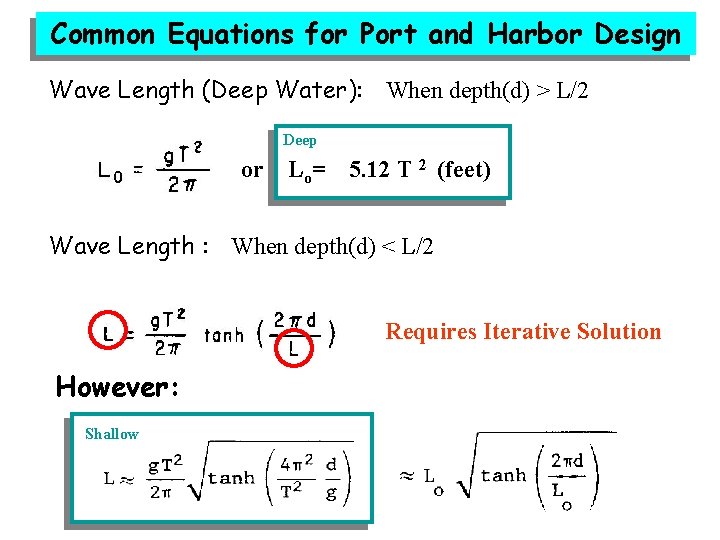
Linear Wave Theory L=5. 12 T^2 Fig. 2 -6 84 SPM
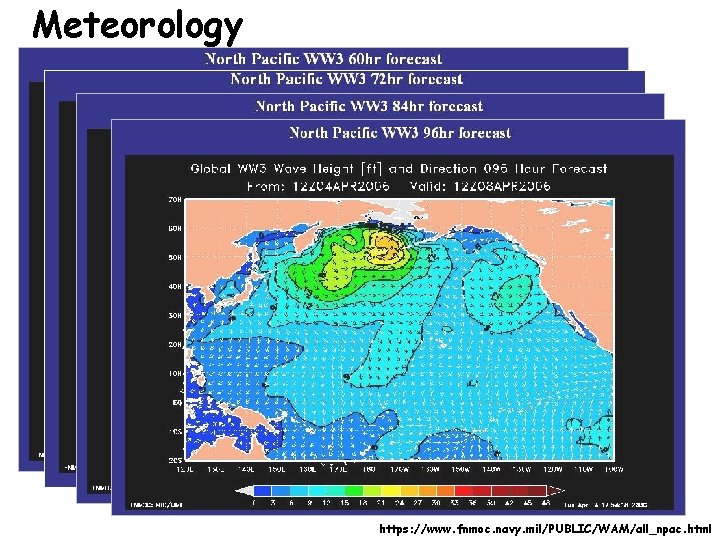
Meteorology https: //www. fnmoc. navy. mil/PUBLIC/WAM/all_npac. html
Common Equations for Port and Harbor Design Wave Length (Deep Water): When depth(d) > L/2 Deep or Lo= 5. 12 T 2 (feet) Wave Length : When depth(d) < L/2 Requires Iterative Solution However: Shallow