
Introduction to Plate Tectonics and Mountain Building Process
Introduction to Plate Tectonics and Mountain Building Process BSc 4 th Semester (OPEN ELECTIVE) Other than Geology Main students Dr Abdullah Khan Associate Professor Department of Geology, AMU, Aligarh
Plate tectonics (By James Tuzo Wilson in 1967) • According to theory of plate tectonics, Earth’s rigid outer shell (lithosphere) is broken into numerous slabs called lithospheric plates, which are in continual motion. • Lithosphere includes crust and upper brittle part of mantle. • Major, Intermediate and minor lithospheric plates
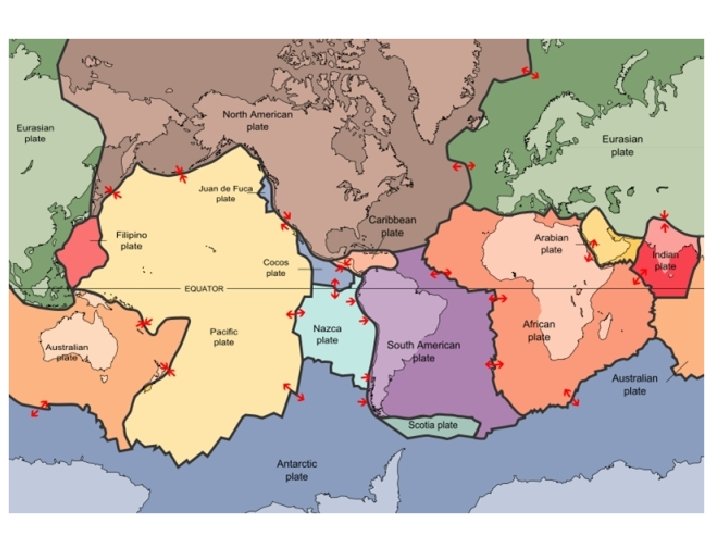
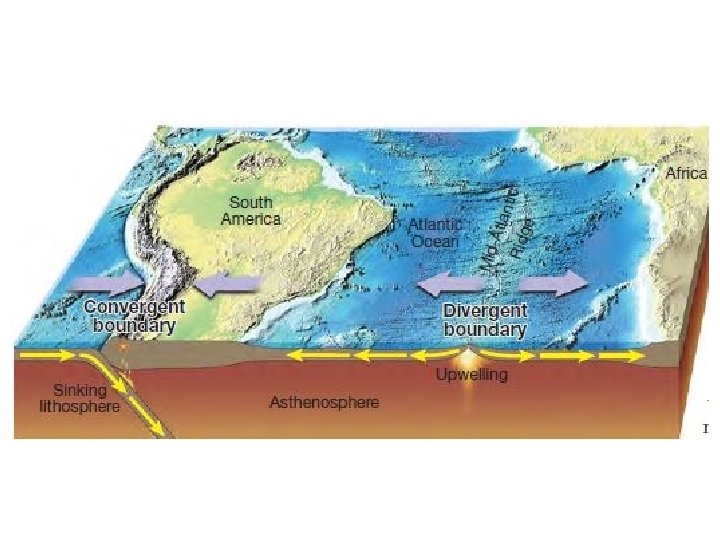
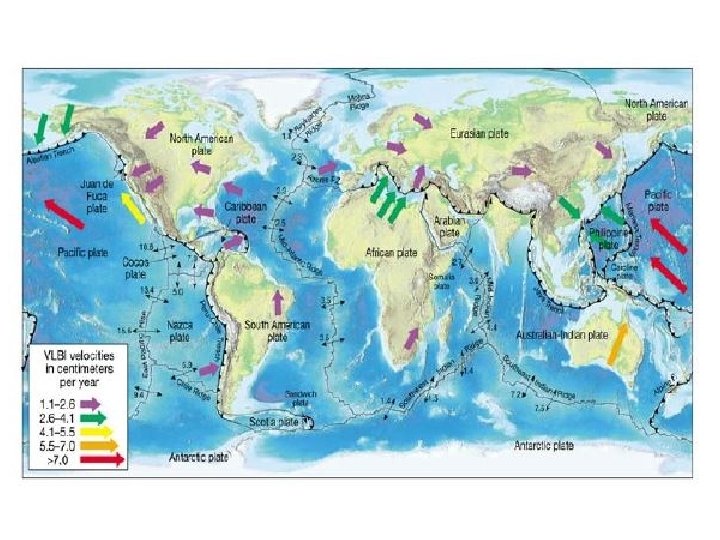
• Plate Motion is driven by the unequal distribution of heat within our planet. • Lithospheric plates move relative to each other at a very slow but continuous rate that averages about 5 centimetres per year—about as fast as your fingernails grow. • As plates move as coherent units relative to all other plates, they interact along their margins.
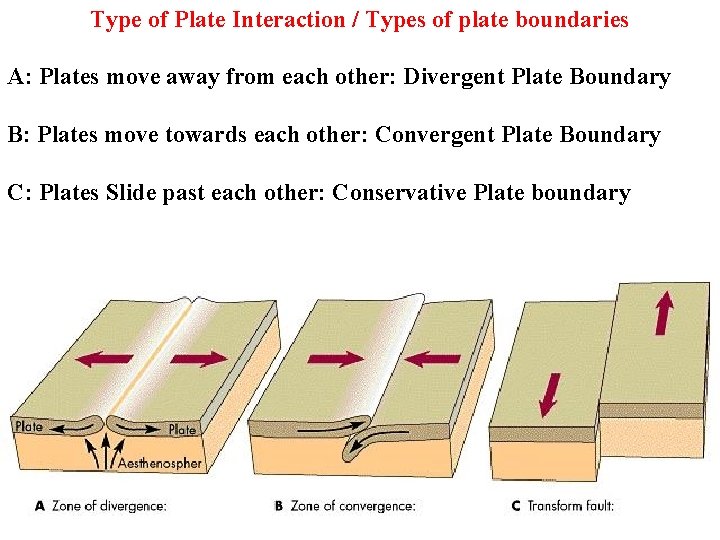
Type of Plate Interaction / Types of plate boundaries A: Plates move away from each other: Divergent Plate Boundary B: Plates move towards each other: Convergent Plate Boundary C: Plates Slide past each other: Conservative Plate boundary
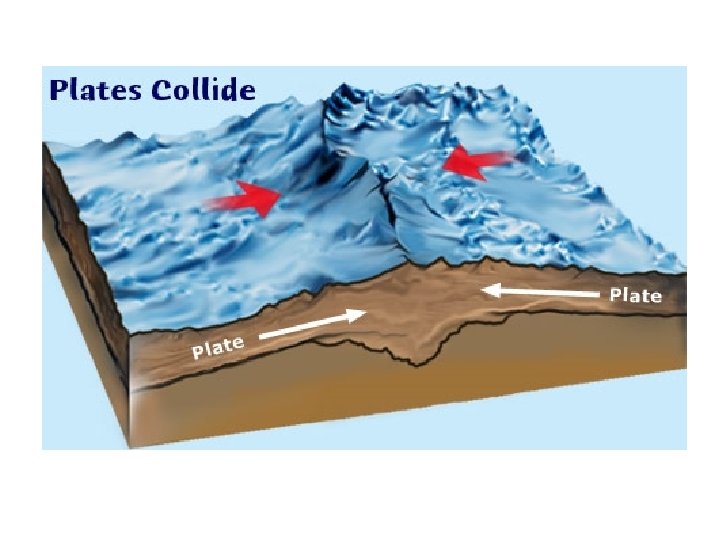
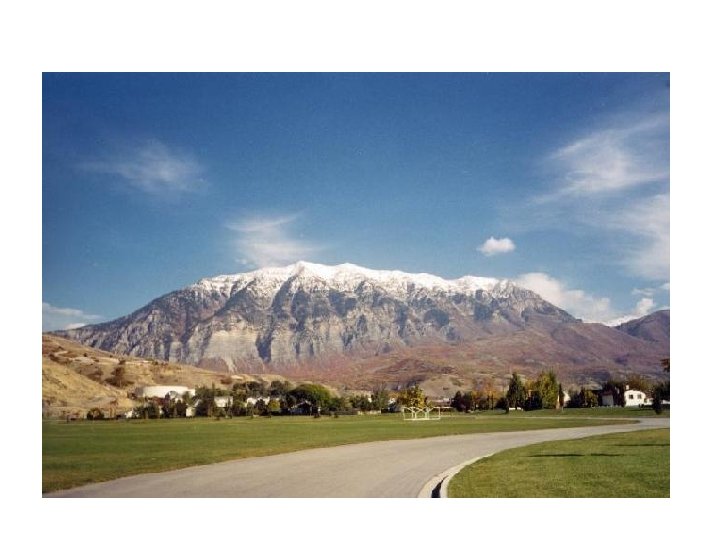
MOUNTAIN BUILDING PROCESS • A mountain is a large terrain feature that rises abruptly from surrounding levels. • A mountain range is a group of closely spaced mountains or parallel ridges. • They are formed through tectonic forces or volcanism. • When two plates of earth’s crust smash into each other, and the land is push upwards, forming mountains. • Sides of the plates crumple like cars in a crash, which can form mountain ranges.
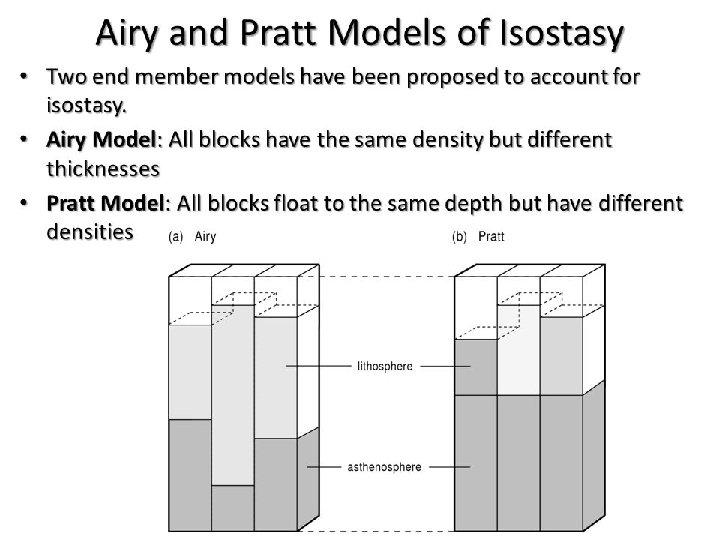
Isostasy • The lighter crust floats on the denser underlying mantle. • Isostatic uplift also compensates for the erosion of mountains. • When large amounts of material are carried away from a region, the land will rebound upwards to be eroded further.
- Slides: 12