
Introduction to Plants Evolution Characteristics and Life Cycle





- Slides: 24
Introduction to Plants: Evolution, Characteristics and Life Cycle BIOL 1407
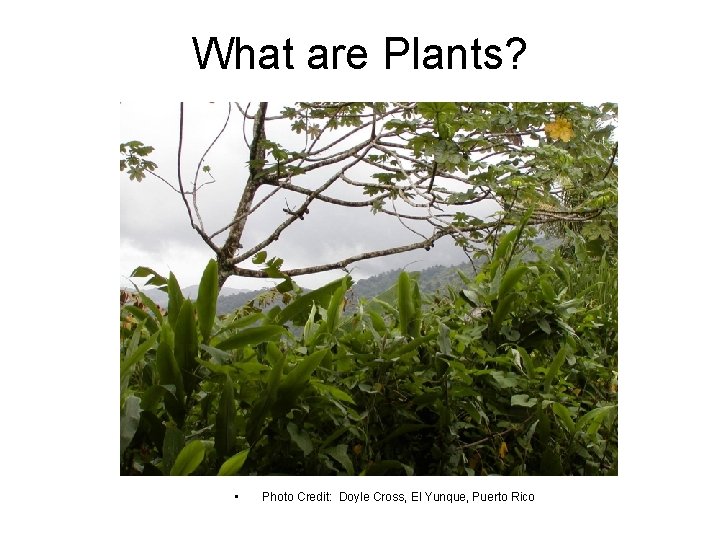
What are Plants? • Photo Credit: Doyle Cross, El Yunque, Puerto Rico
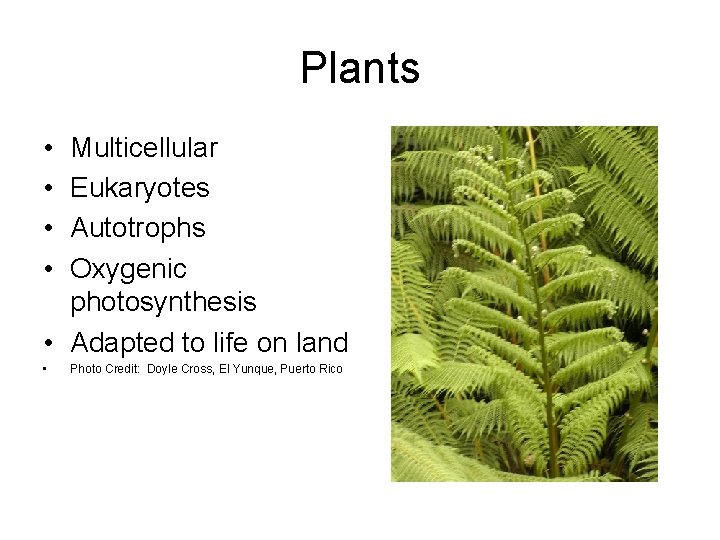
Plants • • Multicellular Eukaryotes Autotrophs Oxygenic photosynthesis • Adapted to life on land • Photo Credit: Doyle Cross, El Yunque, Puerto Rico
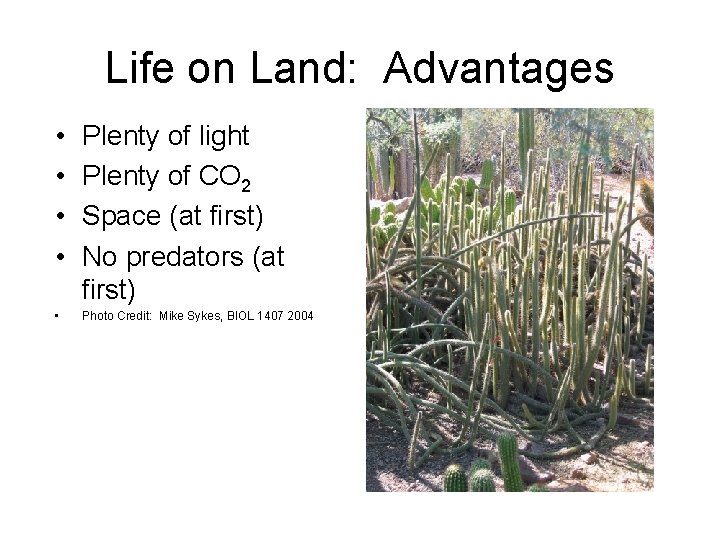
Life on Land: Advantages • • Plenty of light Plenty of CO 2 Space (at first) No predators (at first) • Photo Credit: Mike Sykes, BIOL 1407 2004
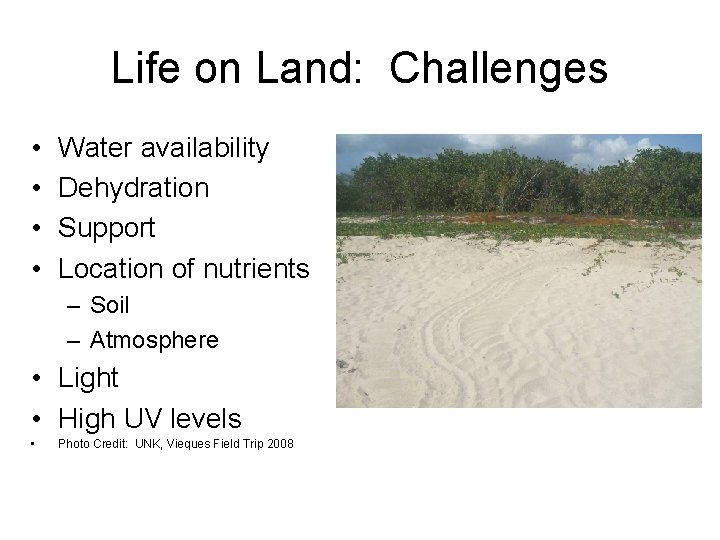
Life on Land: Challenges • • Water availability Dehydration Support Location of nutrients – Soil – Atmosphere • Light • High UV levels • Photo Credit: UNK, Vieques Field Trip 2008
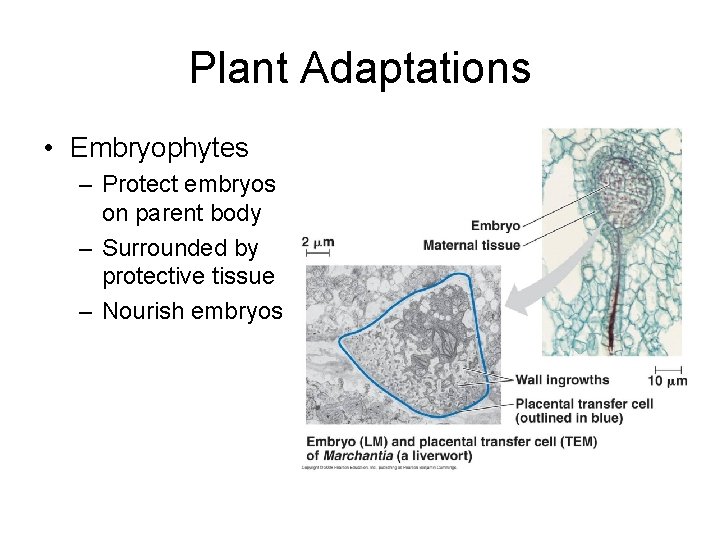
Plant Adaptations • Embryophytes – Protect embryos on parent body – Surrounded by protective tissue – Nourish embryos
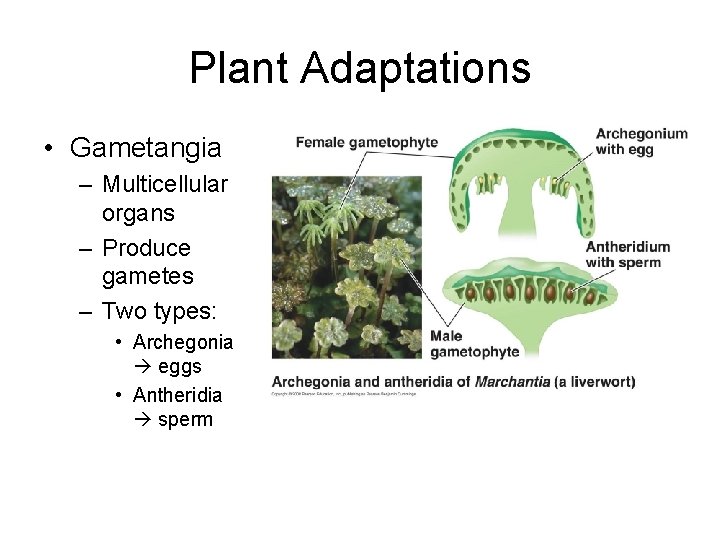
Plant Adaptations • Gametangia – Multicellular organs – Produce gametes – Two types: • Archegonia eggs • Antheridia sperm
Plant Adaptations • Sporangia – Multicellular organs – Produce spores
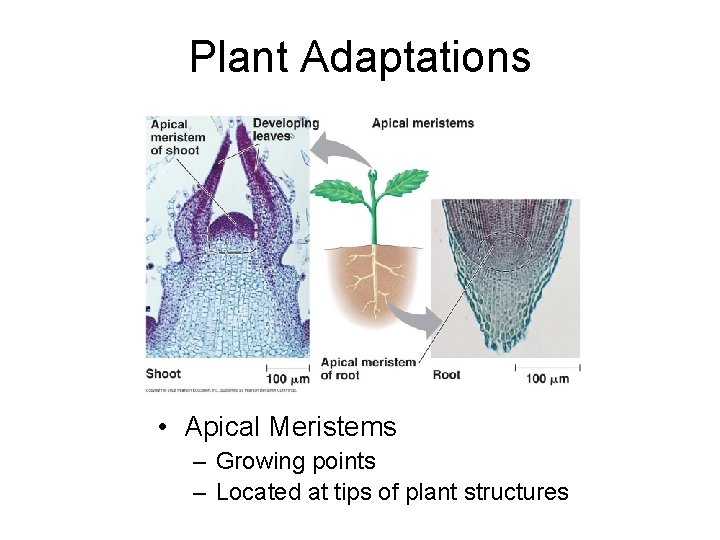
Plant Adaptations • Apical Meristems – Growing points – Located at tips of plant structures
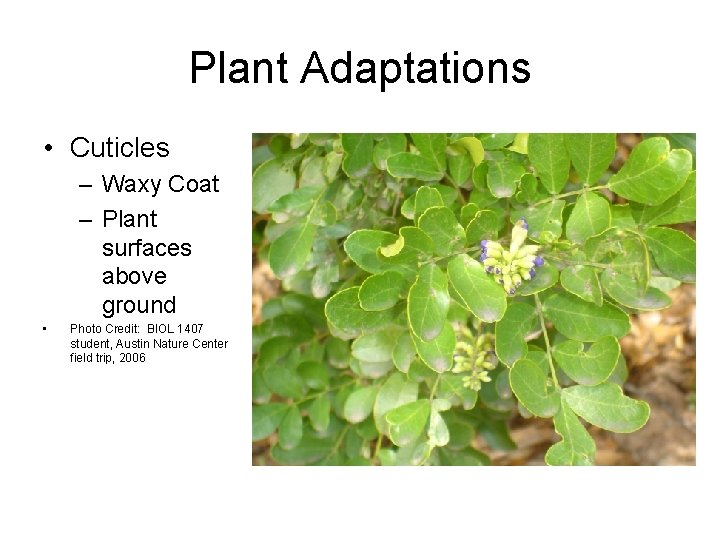
Plant Adaptations • Cuticles – Waxy Coat – Plant surfaces above ground • Photo Credit: BIOL 1407 student, Austin Nature Center field trip, 2006
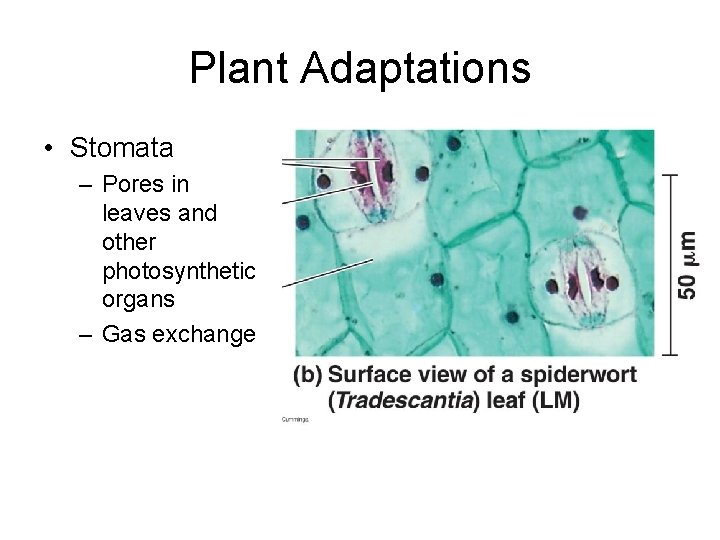
Plant Adaptations • Stomata – Pores in leaves and other photosynthetic organs – Gas exchange
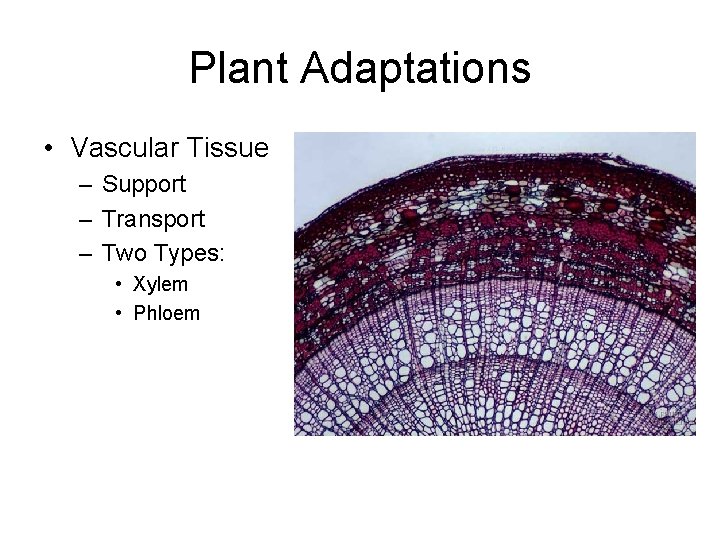
Plant Adaptations • Vascular Tissue – Support – Transport – Two Types: • Xylem • Phloem
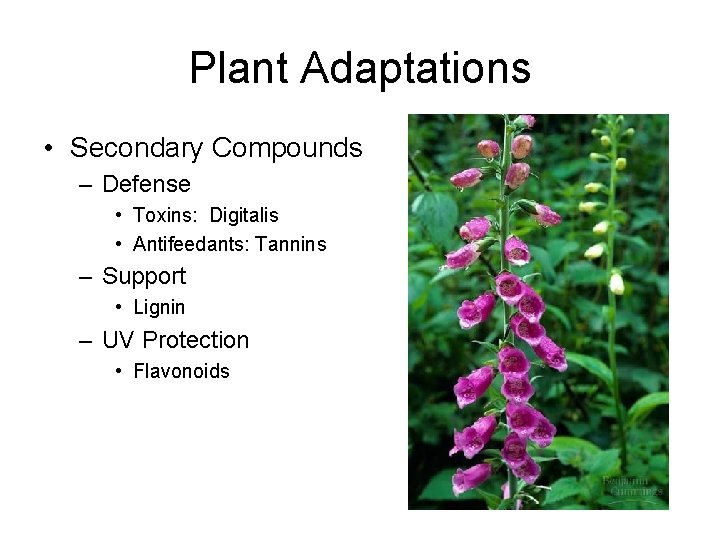
Plant Adaptations • Secondary Compounds – Defense • Toxins: Digitalis • Antifeedants: Tannins – Support • Lignin – UV Protection • Flavonoids
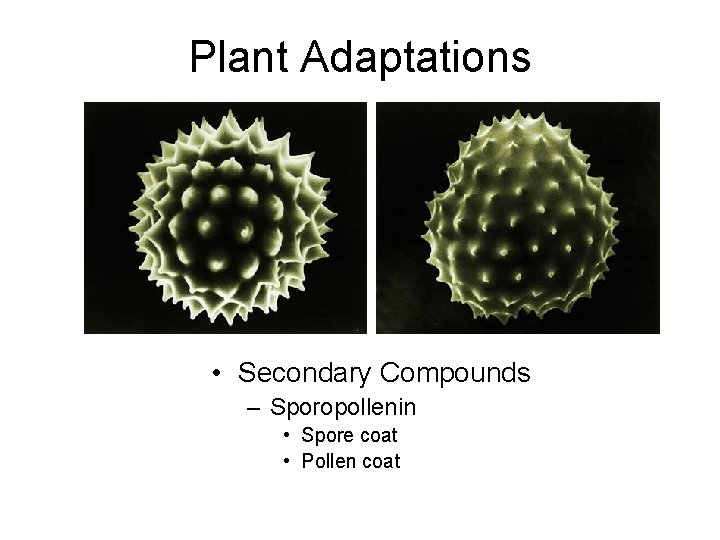
Plant Adaptations • Secondary Compounds – Sporopollenin • Spore coat • Pollen coat
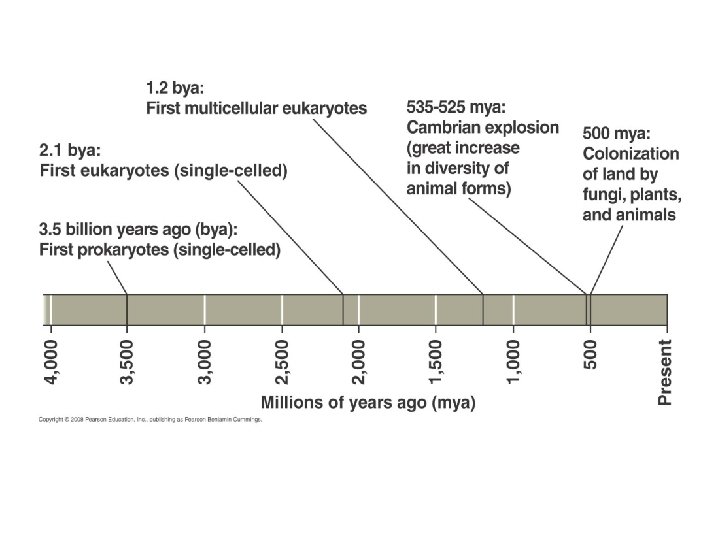
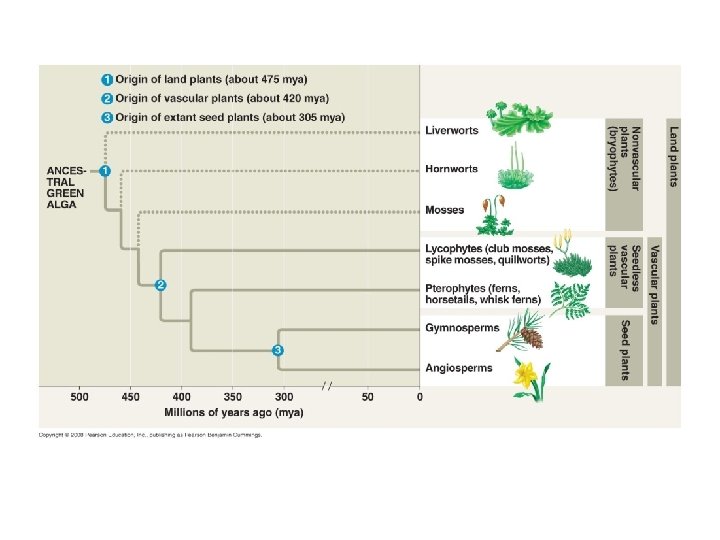
Plant Evolution • Earliest body fossils of plants – 475 mya – Plant spores in plant sporophyte tissues
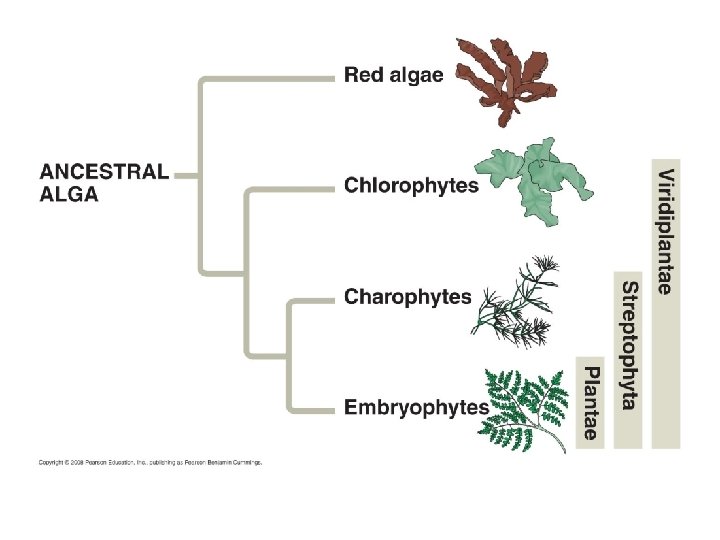
Charophyceans • Sister taxon • Molecular evidence – Nuclear DNA – Chloroplast DNA • Photo Credit: Lamiot, 2008, Wikimedia Commons
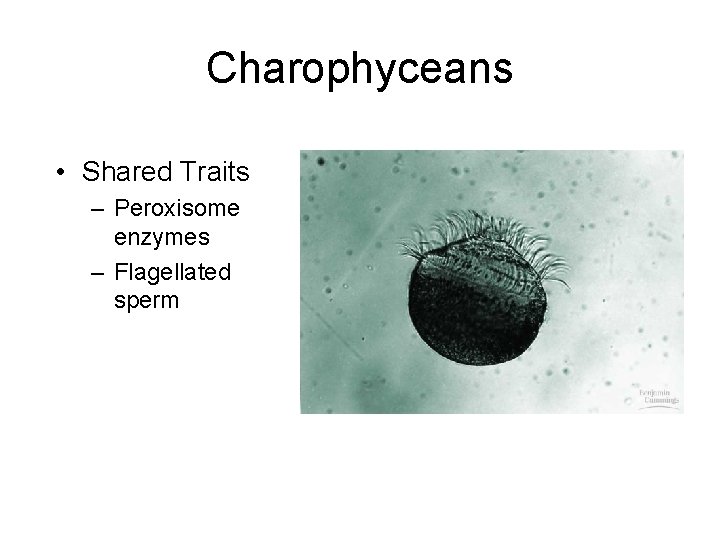
Charophyceans • Shared Traits – Peroxisome enzymes – Flagellated sperm
Charophyceans • Shared Traits – Phragmoplasts
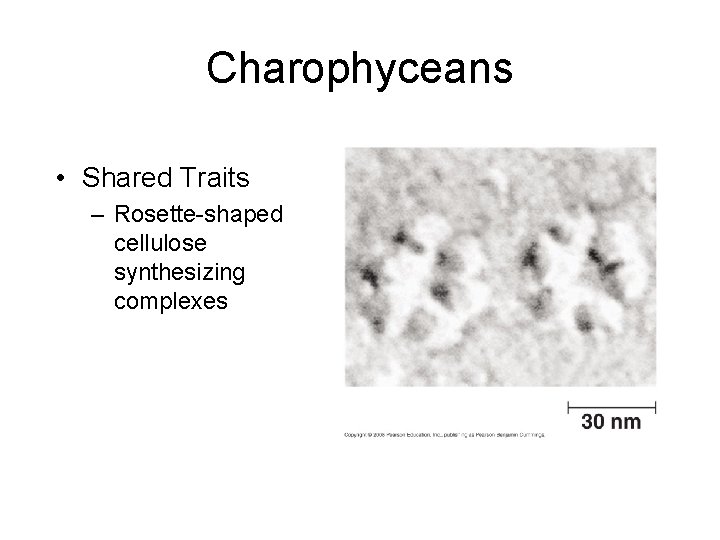
Charophyceans • Shared Traits – Rosette-shaped cellulose synthesizing complexes
The End Unless otherwise specified, all images in this presentation came from: Campbell, et al. 2008. Biology, 8 th ed. Pearson Benjamin Cummings.