
INTRODUCTION TO PHYSICAL GEOGRAPHY Chapter 1 The spheres

- Slides: 14
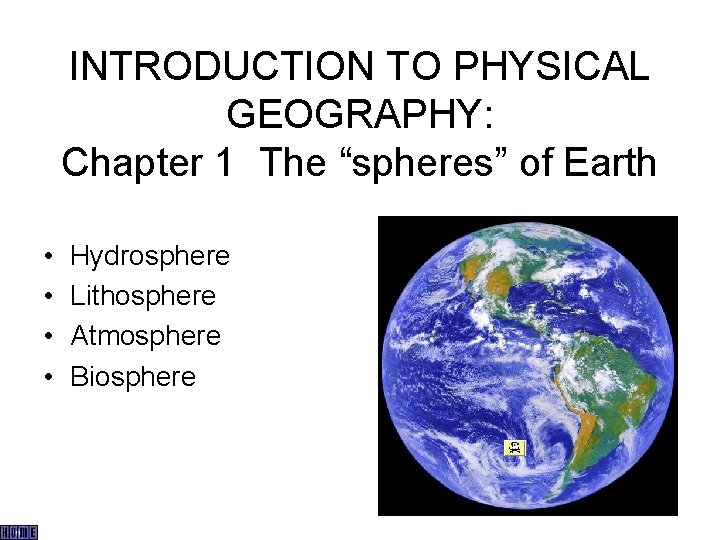
INTRODUCTION TO PHYSICAL GEOGRAPHY: Chapter 1 The “spheres” of Earth • • Hydrosphere Lithosphere Atmosphere Biosphere
Lines of latitude to know: • • • Equator (O°) starting point to number parallels Tropic of Cancer (23. 5° N) Tropic of Capricorn (23. 5° S) Arctic Circle (66. 5° N) Antarctic Circle (66. 5° S)
Isoline Mapping uses lines of equal value Examples: 1. Topographic maps: lines of equal elevation 2. Isotherm maps: lines of = temperature 3. Isohyet maps: lines of = precipitation 4. Isobar maps: lines of = pressure
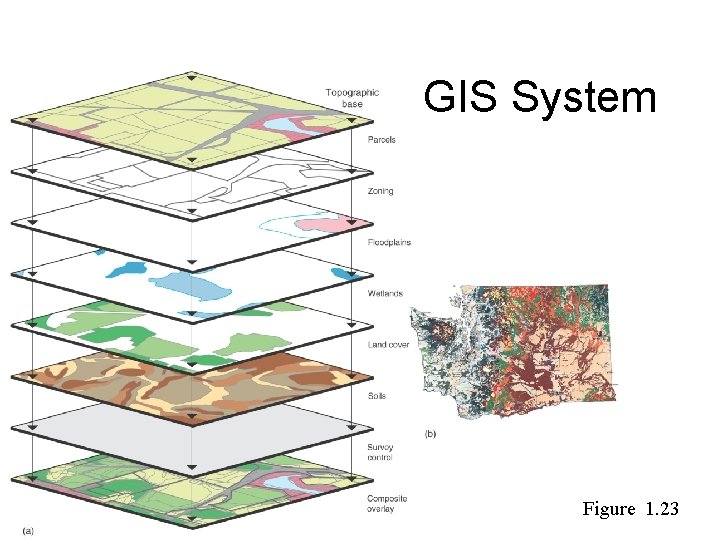
Geographic Information Systems (GIS) GIS is defined as any system which facilitates the analysis of multiple layers of spatial data (maps of specific themes)
GIS System Figure 1. 23
The Science of Geography • Geography is – methods, not just a body of knowledge – holistic – eclectic
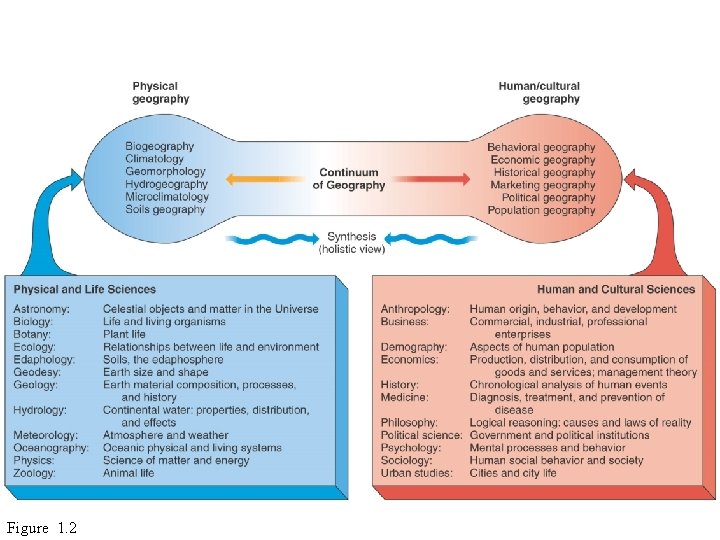
Geography is: • The science that studies the relationships among – natural systems, – geographic areas, – societies, – cultural activities, – and the interdependence of all of these over space.
Physical Geography is • The spatial analysis of all the physical elements and processes that make up the environment.
Figure 1. 2
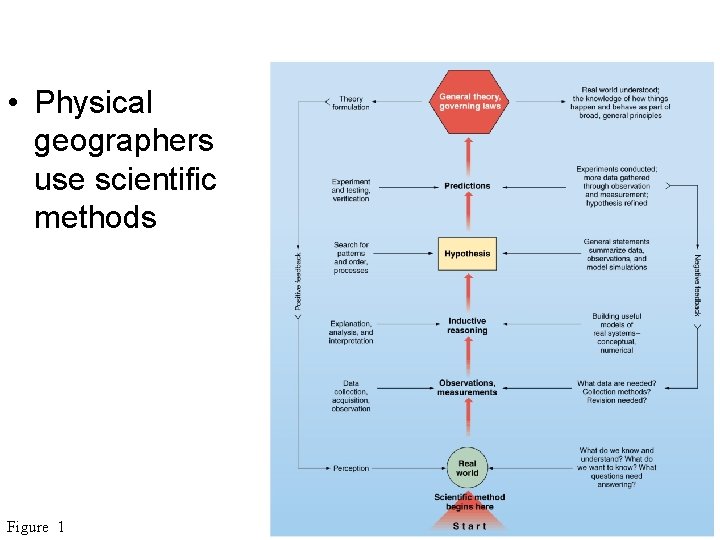
• Physical geographers use scientific methods Figure 1
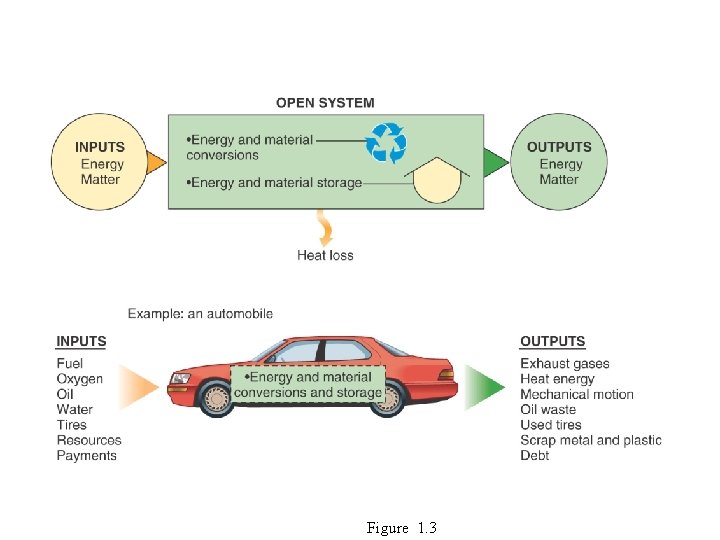
Earth Systems Concepts • System: an ordered, interrelated set of things & their attributes, linked by flows of energy & matter, that is distinct from the surrounding environment • Open systems have inputs and outputs of energy and matter • System feedback: when outputs influence continuing system outputs via feedback loops • System equilibrium: when rates of inputs and outputs are equal and amounts of energy and matter in storage are fairly constant
Figure 1. 3
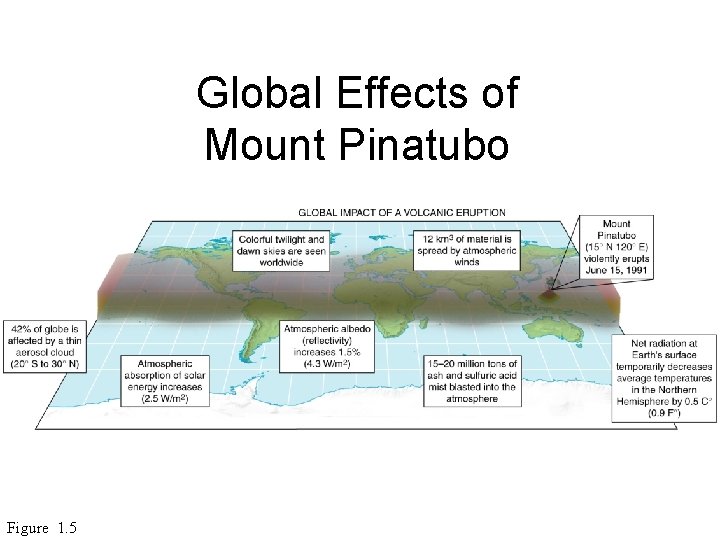
Global Effects of Mount Pinatubo Figure 1. 5