
Introduction to Photovoltaic System Photovoltaics PV Applications PV
- Slides: 19
Introduction to Photovoltaic System Photovoltaics PV Applications PV Industry Solar Energy Technologies
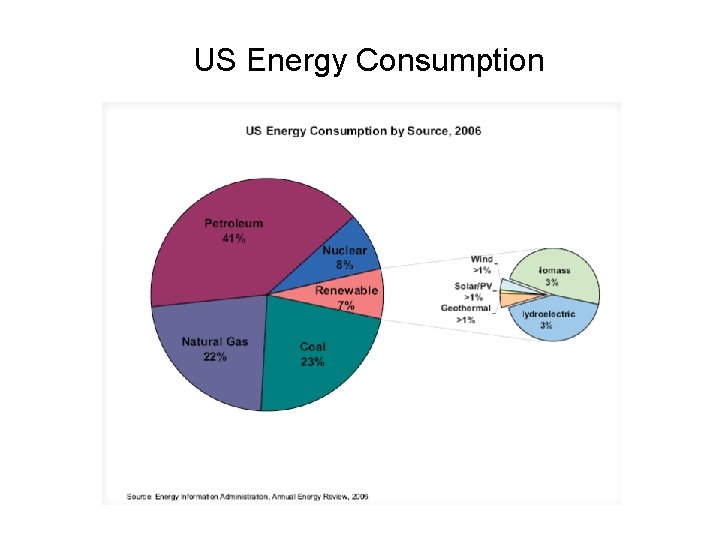
US Energy Consumption
Why Renewable Energy? • Pollution from fossil fuel causes an increase in greenhouse gases such as CO 2 which will lead to global warming and cause significant changes in the world's climate system such as a rise in sea level and disruption of agriculture and ecosystems. • In 2005 the U. S. emitted 2, 513, 609 metric tons of carbon dioxide, 10, 340 metric tons of sulfur dioxide, and 3, 961 metric tons of nitrogen oxides from its power plants.
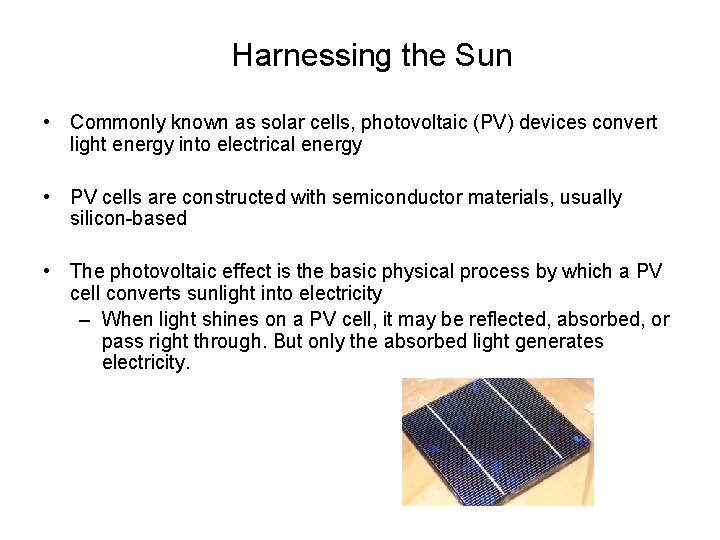
Harnessing the Sun • Commonly known as solar cells, photovoltaic (PV) devices convert light energy into electrical energy • PV cells are constructed with semiconductor materials, usually silicon-based • The photovoltaic effect is the basic physical process by which a PV cell converts sunlight into electricity – When light shines on a PV cell, it may be reflected, absorbed, or pass right through. But only the absorbed light generates electricity.
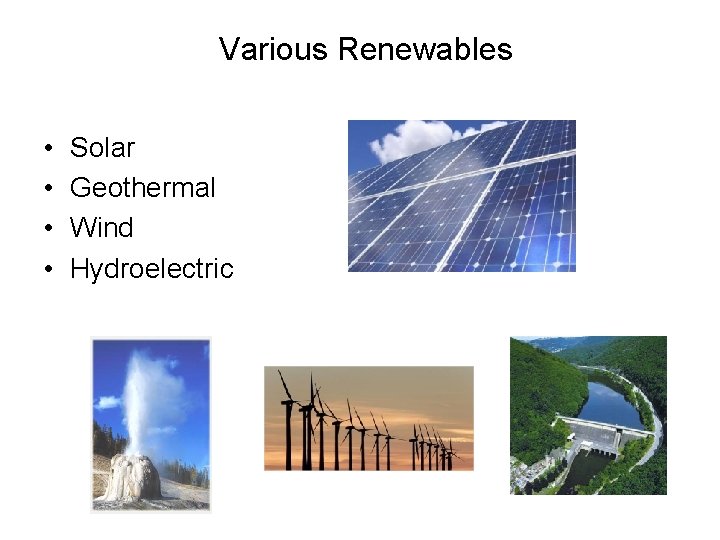
Various Renewables • • Solar Geothermal Wind Hydroelectric
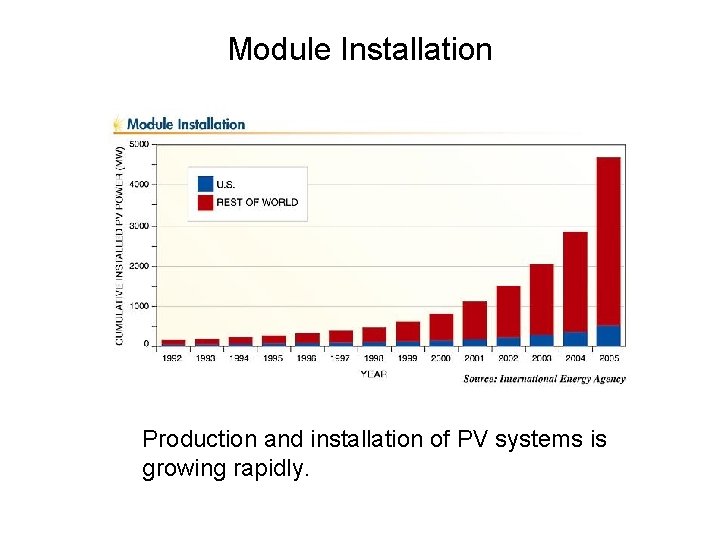
Today’s Solar Picture • Germany leads solar production (over 4. 5 times more then US production) – Japan is 2 nd (nearly 3 times more then US production) – this is mainly due to incentives • Financial Incentives – Investment subsidies: cost of installation of a system is subsidized – Net metering: the electricity utility buys PV electricity from the producer under a multiyear contract at a guaranteed rate – Renewable Energy Certificates ("RECs")
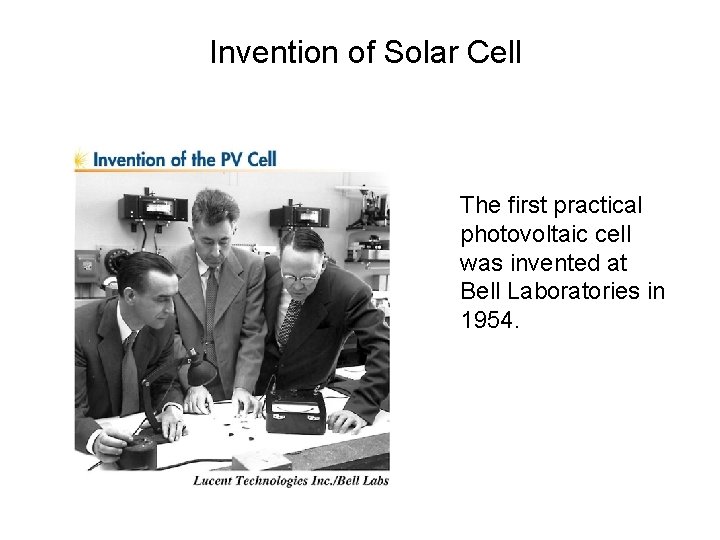
Invention of Solar Cell The first practical photovoltaic cell was invented at Bell Laboratories in 1954.
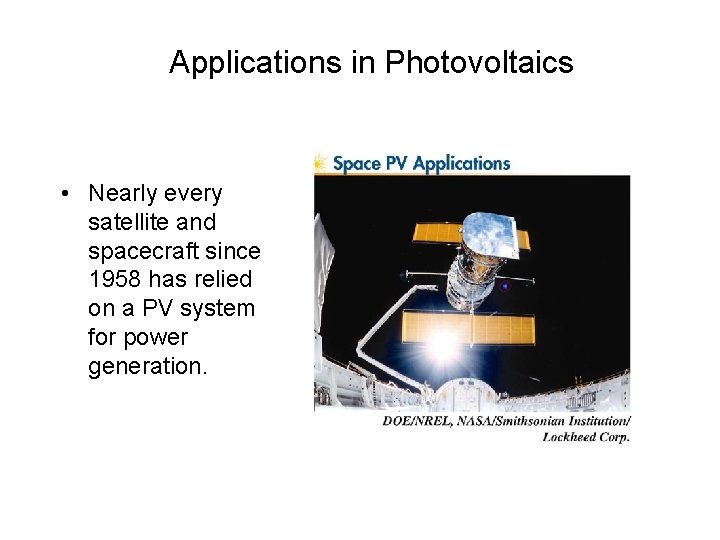
Applications in Photovoltaics • Nearly every satellite and spacecraft since 1958 has relied on a PV system for power generation.
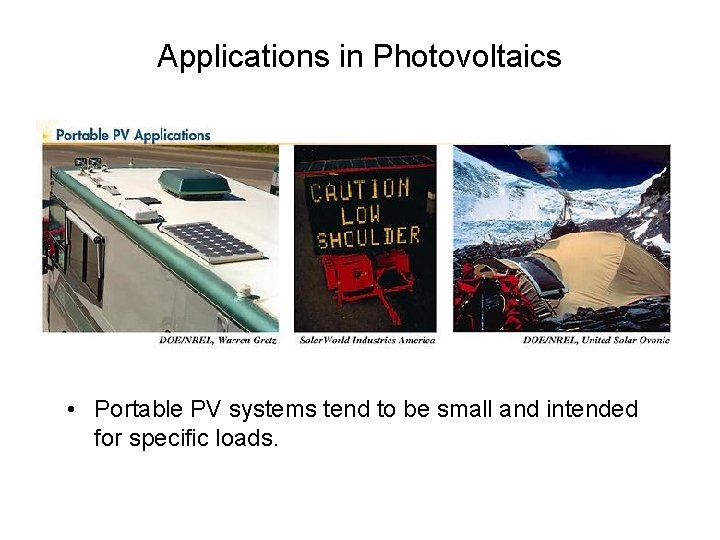
Applications in Photovoltaics • Portable PV systems tend to be small and intended for specific loads.
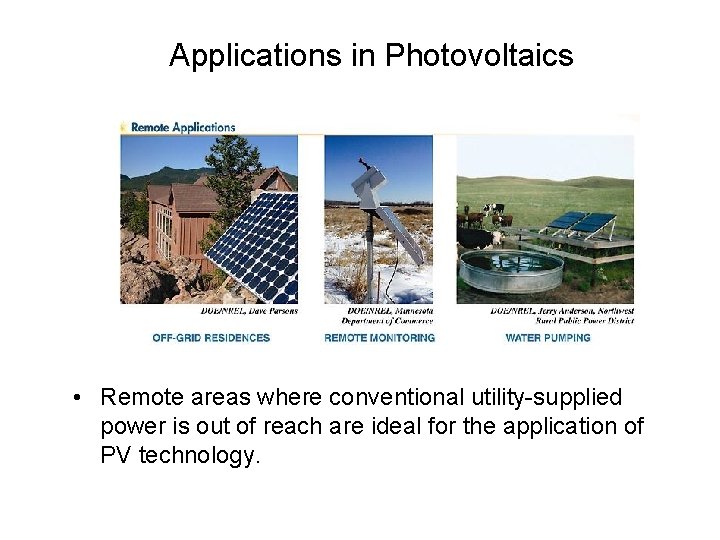
Applications in Photovoltaics • Remote areas where conventional utility-supplied power is out of reach are ideal for the application of PV technology.
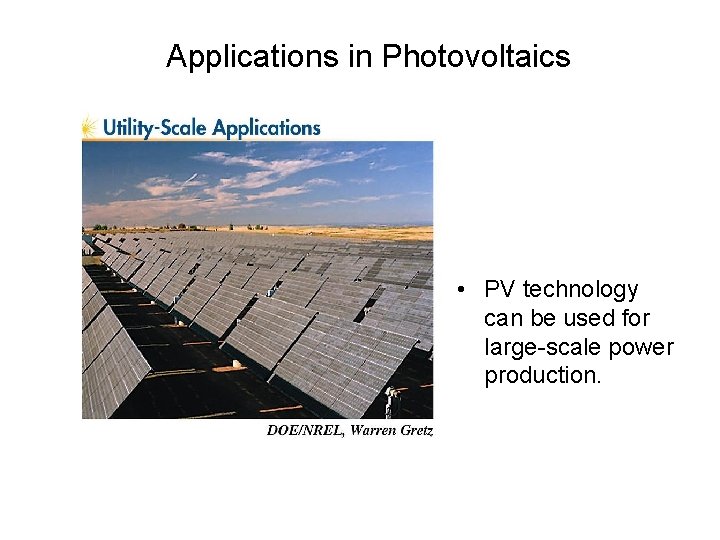
Applications in Photovoltaics • PV technology can be used for large-scale power production.
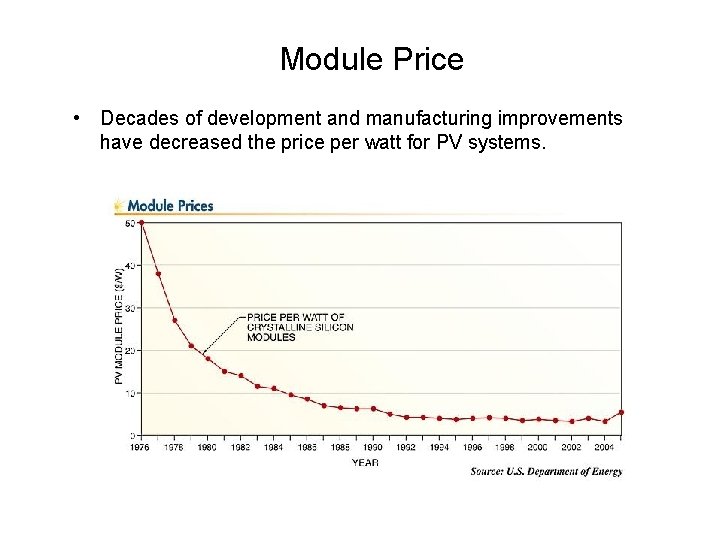
Module Price • Decades of development and manufacturing improvements have decreased the price per watt for PV systems.
Module Installation Production and installation of PV systems is growing rapidly.
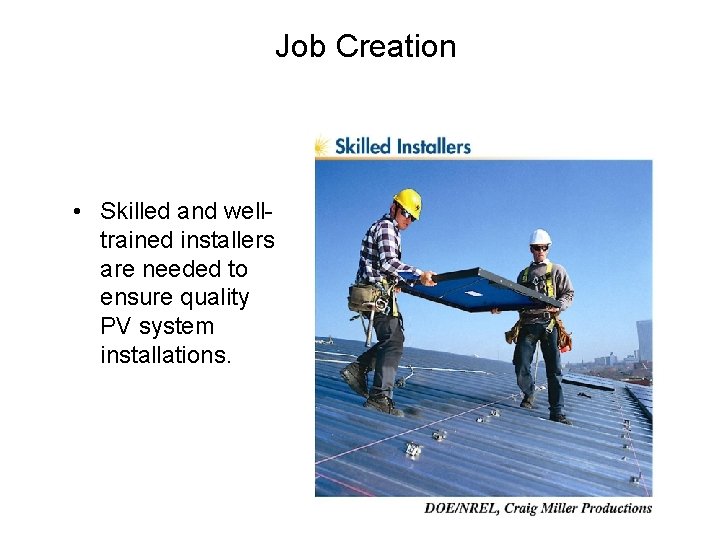
Job Creation • Skilled and welltrained installers are needed to ensure quality PV system installations.
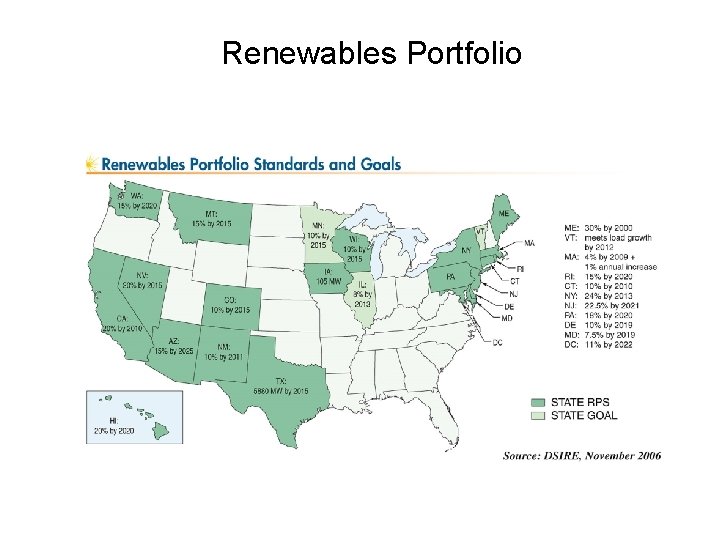
Renewables Portfolio
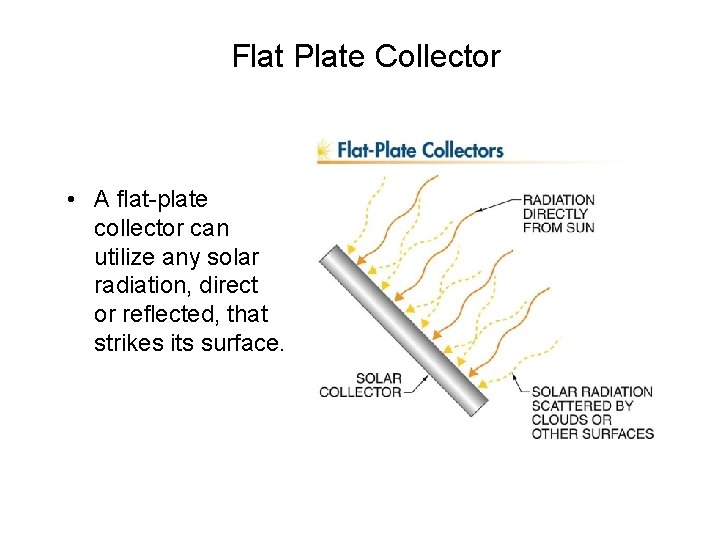
Flat Plate Collector • A flat-plate collector can utilize any solar radiation, direct or reflected, that strikes its surface.
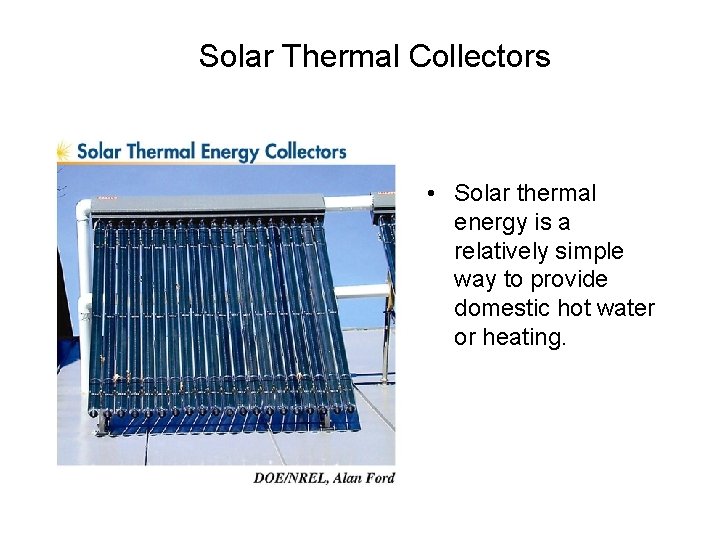
Solar Thermal Collectors • Solar thermal energy is a relatively simple way to provide domestic hot water or heating.
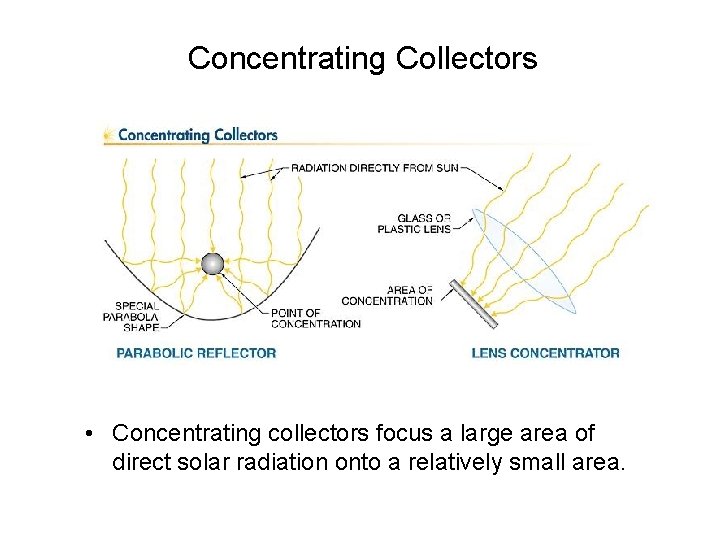
Concentrating Collectors • Concentrating collectors focus a large area of direct solar radiation onto a relatively small area.
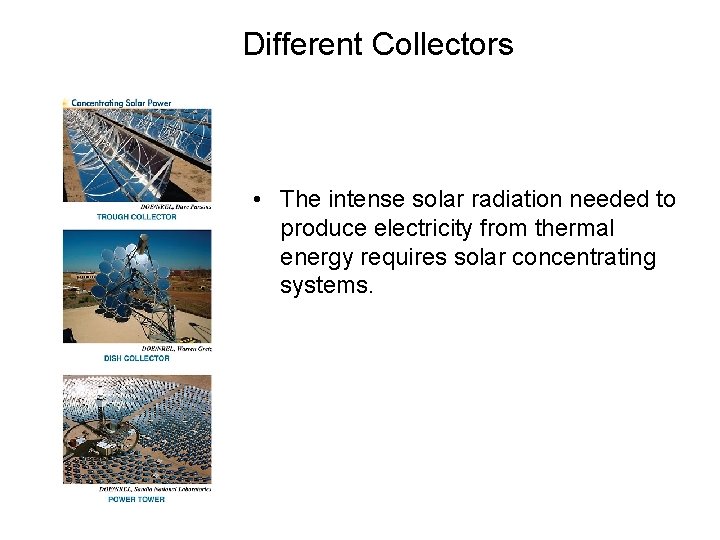
Different Collectors • The intense solar radiation needed to produce electricity from thermal energy requires solar concentrating systems.