
Introduction to Performance and Development Reviews Purpose of


- Slides: 33
Introduction to Performance and Development Reviews
Purpose of the Workshop § An overview of the Performance and Development Review System (PDRs) in UL § The process involved – from a Reviewee perspective § Reviewer Sessions – available separately
Purpose of the Workshop § Aligning University/Faculty/Division/Team/Individual Objectives. § Promoting a culture of continuous Improvement. § Understanding roles and expectations. § Supporting personal development. § Developing critical competencies – Competency Framework and Role Profiles.
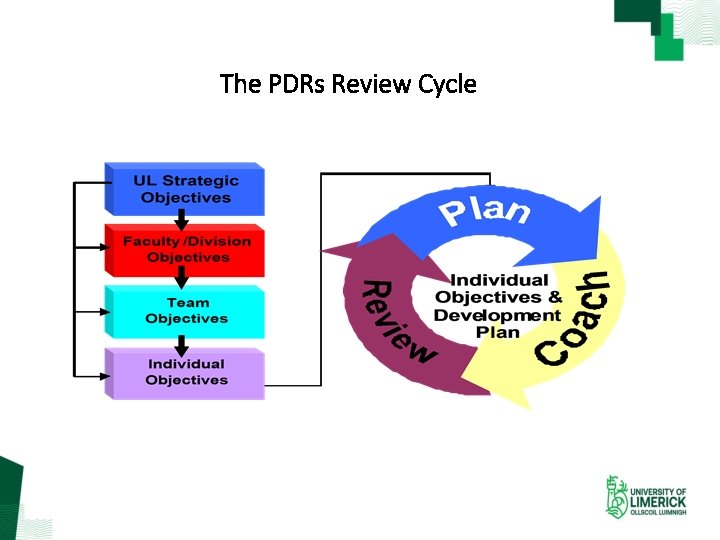
The PDRs Review Cycle
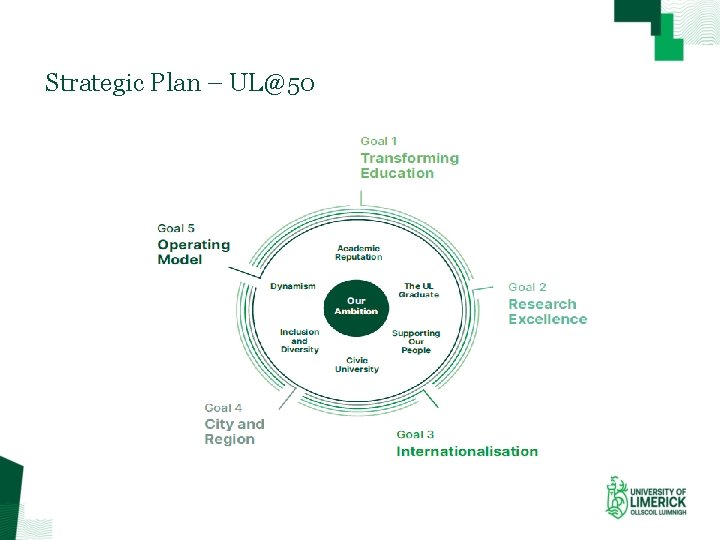
Strategic Plan – UL@50
Purpose of PDRs • Recognise Achievements • Promote Communication • Good management practice • Set goals • Aid to performance • Provide clarity • Have consistent management practices.
Three Stages 1. Prior to the review. Preparation and documentation. 2. The review meeting. 3. Post review follow through and implementation. • Looking back and looking forward. • The first meeting is a planning meeting.
Objectives of the Review Stage § Formally review performance of previous 12 months on targets and competencies. § Discussion based on achievement of Targets and display of competencies § Agree targets for following 12 months. § Agree changes to competencies (if necessary). § Agree training and development plan for next cycle.
Exercise What are the benefits of an effective PDRS to: The organisation? The manager? The individual?
Benefits • • • • • Communication Increased awareness Provides an overview Aligns personal and departmental objectives Highlights problems Identifies training needs Increases efficiency Improves morale Improves quality of services Permission to change culture
Challenges?
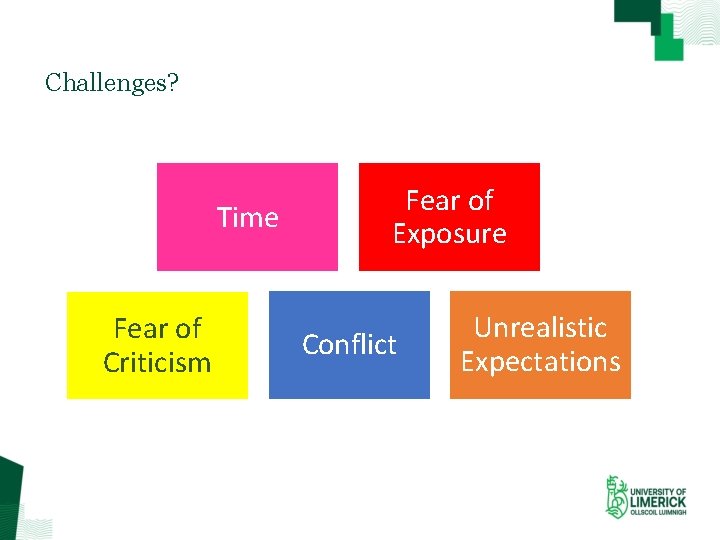
Challenges? Time Fear of Criticism Fear of Exposure Conflict Unrealistic Expectations
Who? • All staff with the exception of those who will be retiring within one year. • Who Will Conduct the Review? - Deans or Head of Department - Division Director, Department Manager/Supervisor – i. e. the person you report directly to. - Other appropriate nominated reviewers
Number of Meetings One Formal Meeting per annum Year 1 - Planning Meeting – Looking Forward Year 2 – Review of Performance against agreed objectives and agreement on objectives for year ahead- Look back & forward. Development Plan reviewed and new plan agreed.
Role of the Reviewer § Appeal to the Head of Department or the next most senior member of staff i. e. The reviewer is your Manager’s Manager and may be involved in your 1 -1 meeting if required. § Requested in place of the Manager where there is a specific problem. § Reviewee and Reviewer cannot agree objectives- Reviewer can help the manager and jobholder reach agreement if necessary (i. e. act as a mediator). § Remain objective in the process.
Exercise Identify what you feel are the responsibilities of the following people, to ensure the effective implementation and use of the PDRs process: § Responsibilities of the Jobholder § Responsibilities of the Manager
Individual • • • Be positive about PDR system Be actively involved in the process Be assertive but not aggressive Define your own job clearly Be clear on what is expected of you in your role Identify your own development requirements Review your own progress on an ongoing basis Show initiative Be flexible and open to change Communicate openly with colleagues & managers
Manager • Be positive about PDR system • Encourage an open supportive climate – promote two way communication • Be assertive • Work with staff to develop the department/team work plan • Clearly communicate the team objectives • Complete and agree performance and development plans with individuals • Prepare an overall training and development plan for the section • Monitor progress, coach and support their staff • Maintain up to date documentation/records supporting the process • Involve team in agreeing Division/Department plans • Negotiate time and budget for development of staff.
The Form
What Needs to be in Place Before Embarking on the Planning Process? - A Faculty/Division Plan which has been translated into Section Plans - A commitment to the PDRs process by the management team and staff - An environment of participative consultative management - A thorough understanding of the PDRs process by all staff and management
Why Set Goals? • To deliver organisation performance • To stretch and challenge individuals • To link an individual's performance to the achievement of higher goals. • To promote a means for measuring progress • To focus behaviours • To motivate and develop the individual • Focus on the outcome, not the activity. • Difference between goals and objectives.
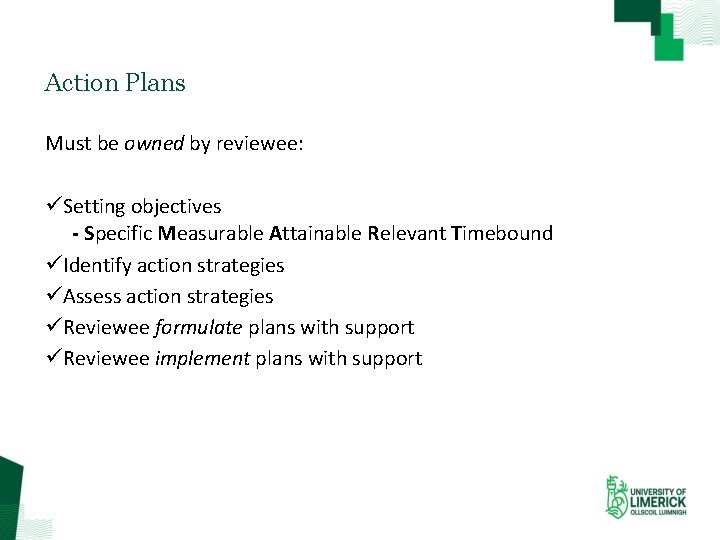
Action Plans Must be owned by reviewee: üSetting objectives - Specific Measurable Attainable Relevant Timebound üIdentify action strategies üAssess action strategies üReviewee formulate plans with support üReviewee implement plans with support
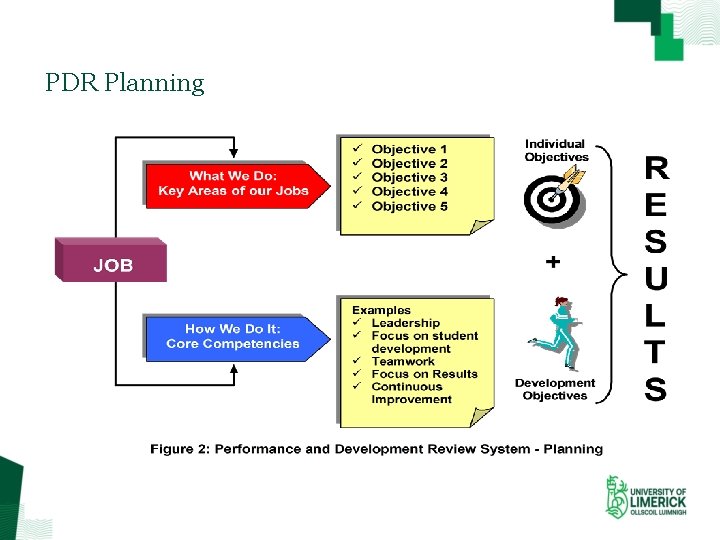
PDR Planning
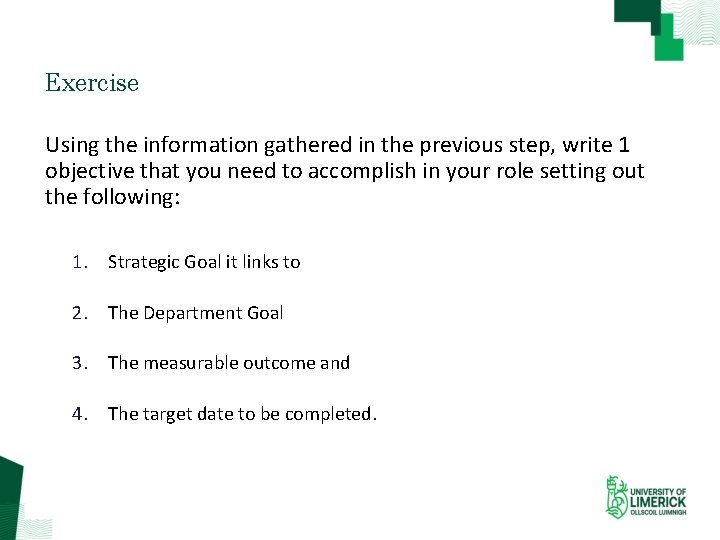
Exercise Using the information gathered in the previous step, write 1 objective that you need to accomplish in your role setting out the following: 1. Strategic Goal it links to 2. The Department Goal 3. The measurable outcome and 4. The target date to be completed.
What Should an Effective PDR Meeting Look Like? Research Student Pathway
What Should a Good PDR Meeting Look Like? • • • Good body language 2 way communication Honest & Truthful Private meeting place – adequate time & space Both parties prepared Neutral venue Structured Clarity, no vagueness Conflict – dealt with honestly, openly & constructively • Be prepared to take and give feedback. • Have an agenda • Set ground rules • Draft documents circulated in advance • Shouldn’t be negative/personalised • Focused – keep to the point • Sincere – both sides willing to engage
In Advance of the Meeting • Set time aside in advance of the review meeting. • Complete a self review and draft form setting out progress made on targets. • Where satisfactory progress has not been made, honestly review the reasons for lack of progress. • Review whether you have displayed the competencies required for the job. • Be clear on your department’s objectives. • Consider specific objectives that you would be seeking to achieve in your job to contribute to the department meeting those goals, and what you may need from your manager to enable you to meet these objectives. • Think about your own development – what do you need and what are the best strategies for this development?
Competency Frameworks and Role Profiles A common definition is that competencies are: • Clusters of behaviours, skills and knowledge which are needed to undertake a job effectively. • Competencies are a signal from the organisation to the individual of the expected important areas and levels of performance. • They provide the individual with a map or indication of the behaviours that will be valued • They provide a transparent process where differences between grades are transparent.
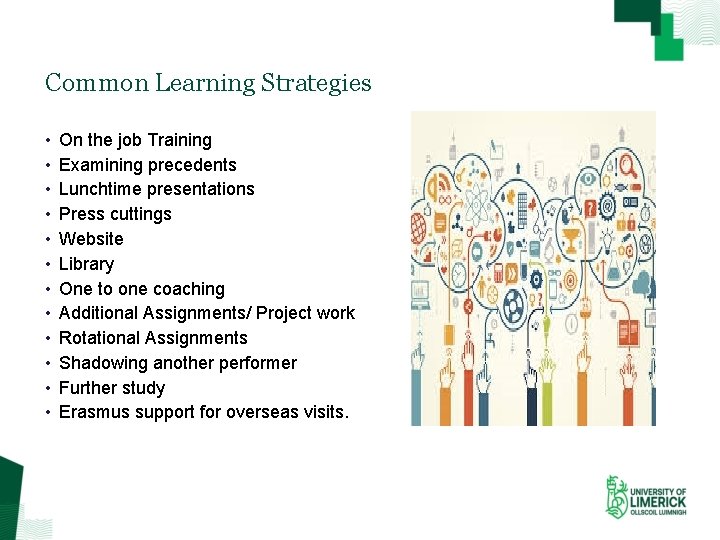
Common Learning Strategies • • • On the job Training Examining precedents Lunchtime presentations Press cuttings Website Library One to one coaching Additional Assignments/ Project work Rotational Assignments Shadowing another performer Further study Erasmus support for overseas visits.
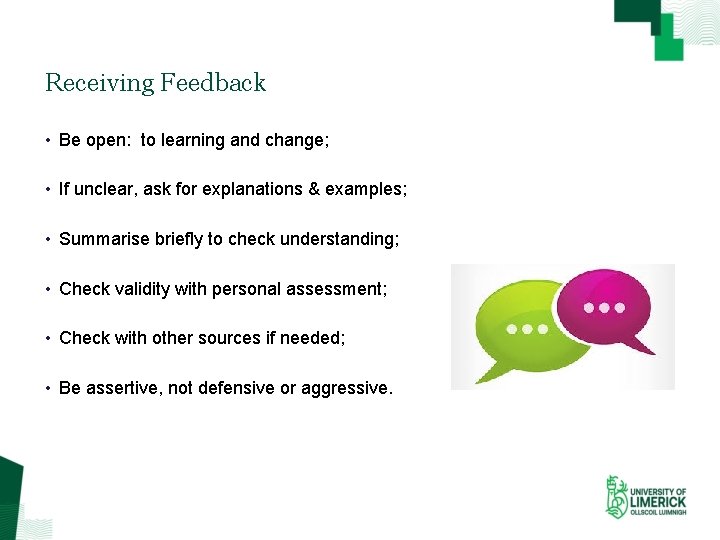
Receiving Feedback • Be open: to learning and change; • If unclear, ask for explanations & examples; • Summarise briefly to check understanding; • Check validity with personal assessment; • Check with other sources if needed; • Be assertive, not defensive or aggressive.
After the Meeting • If unhappy with the process be proactive in addressing it. • Book development plans items into your diary and book agreed formal training programmes. • Review your objectives and develop plans as to how you will go about attaining these objectives • Follow through on any commitment given during the planning meeting. • Documentation is held between you and your manager. Development objectives are returned to HR.
Remember…. • You are entitled to this time for a 1 -1 meeting with your manager • You are entitled to expect open and honest feedback • Your meeting should be conducted in a professional and appropriate manner • Issues – refer to Dean/HOD or HR. • Information http: www. ul. ie/hr - Learning and Development • ANY QUESTIONS?