
Introduction to New Media Social Media and Social

- Slides: 29
Introduction to New Media Social Media and Social networking Types / Honeycomb Framework
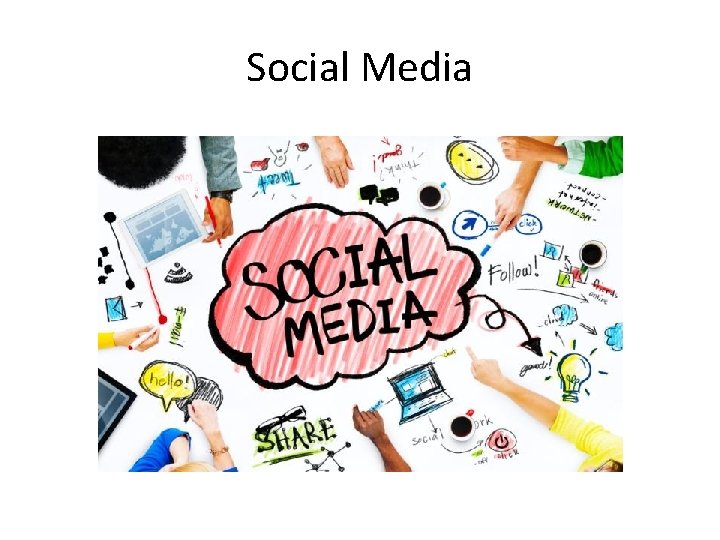
Social Media
“Websites and applications that enable users to create and share content or to participate in social networking. ”
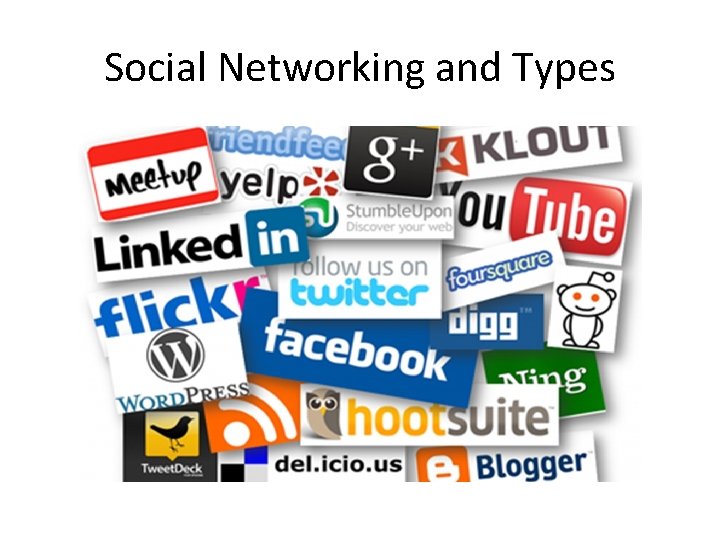
Social Networking and Types
“Services that allow you to connect with other people of similar interests and background. Usually they consist of a profile, various ways to interact with other users, ability to setup groups, etc. ”
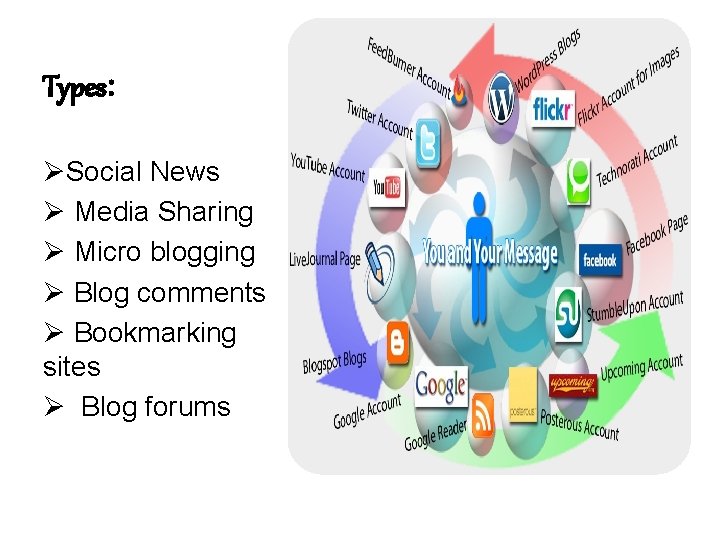
Types: ØSocial News Ø Media Sharing Ø Micro blogging Ø Blog comments Ø Bookmarking sites Ø Blog forums
Bookmarking Sites Services that allow you to save, organize and manage links to various websites and resources around the internet. Most allow you to “tag” your links to make them easy to search and share. The most popular are Delicious and Stumble Upon.
Social News Services that allow people to post various news items or links to outside articles and then allows its users to vote on the items. The voting is the core social aspect as the items that get the most votes are displayed the most prominently. The community decides which news items get seen by more people. The most popular are Digg and Reddit.
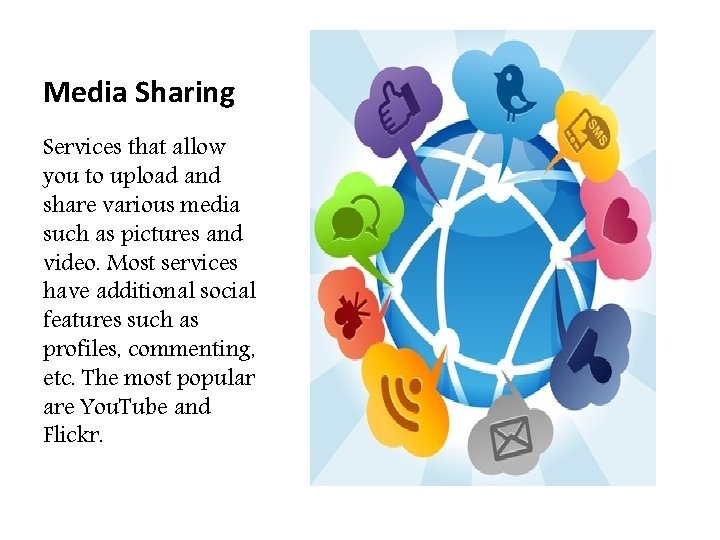
Media Sharing Services that allow you to upload and share various media such as pictures and video. Most services have additional social features such as profiles, commenting, etc. The most popular are You. Tube and Flickr.
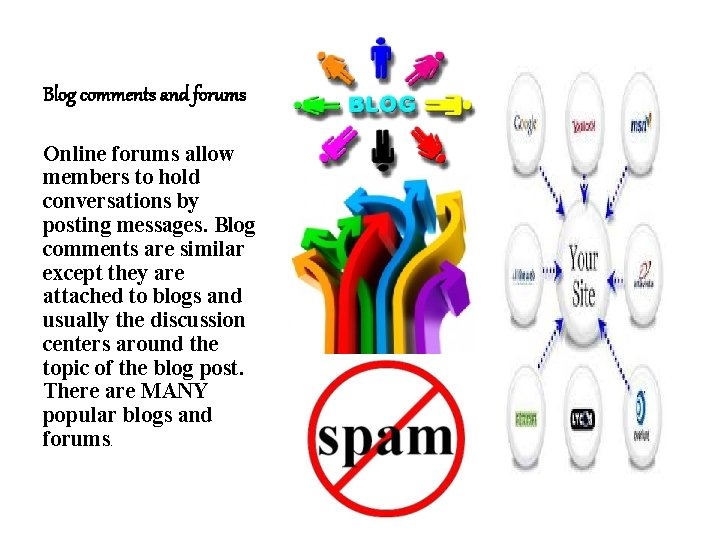
Blog comments and forums Online forums allow members to hold conversations by posting messages. Blog comments are similar except they are attached to blogs and usually the discussion centers around the topic of the blog post. There are MANY popular blogs and forums.
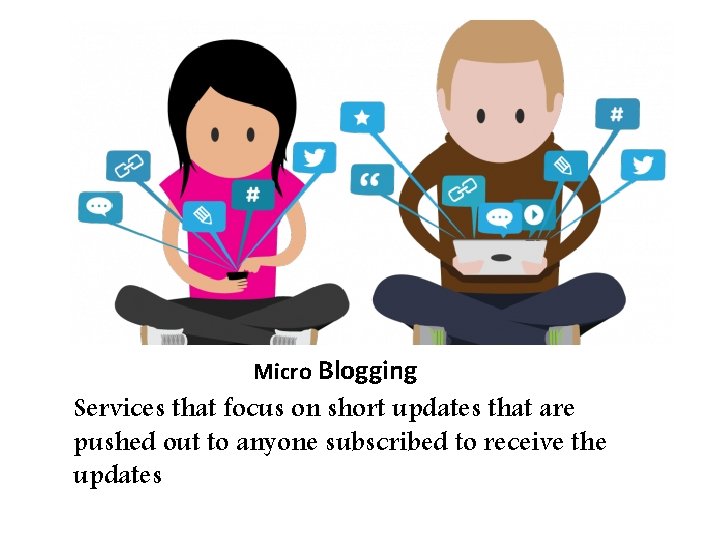
Micro Blogging Services that focus on short updates that are pushed out to anyone subscribed to receive the updates
Honeycomb Framework
To help make sense of the complexity of Social Media, honeycomb framework of seven social media building blocks is presented: identity, conversations, sharing, presence, relationships, reputation, and groups.
Identity building block
Content that focuses on personal information and stories often relate to users at the identity level. Common CTAs that encourage users to “share their story” are often working on this functional block.
Conversation Building Block
Arguably, this is the most basic CTA of all social media: “Comment”, “Tweet”, “Email”, etc. Since social media is all about communication, most CTAs encourage conversation in one form or another.
Relationship Building Block
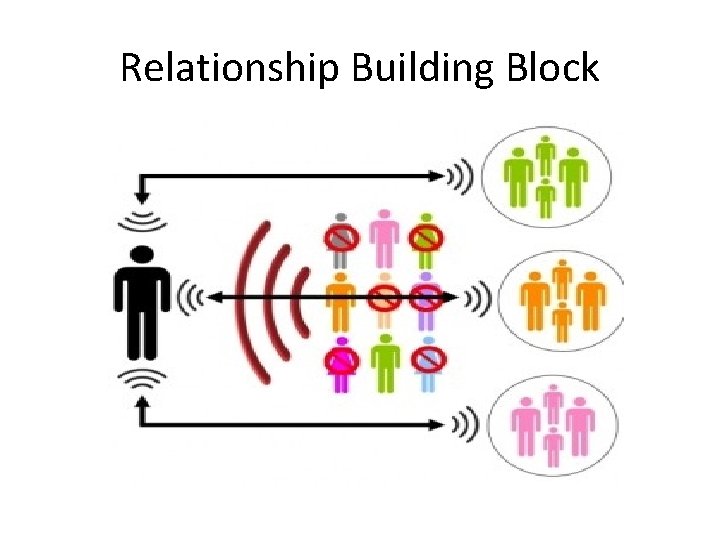
Encouraging users to form bonds with each other at the individual level has been a corner stone of several virtual communities. In the beginning at least, this was the very idea of Facebook's purpose. “Invite a friend” CTAs are very typical for this functional block.
Group Building Block
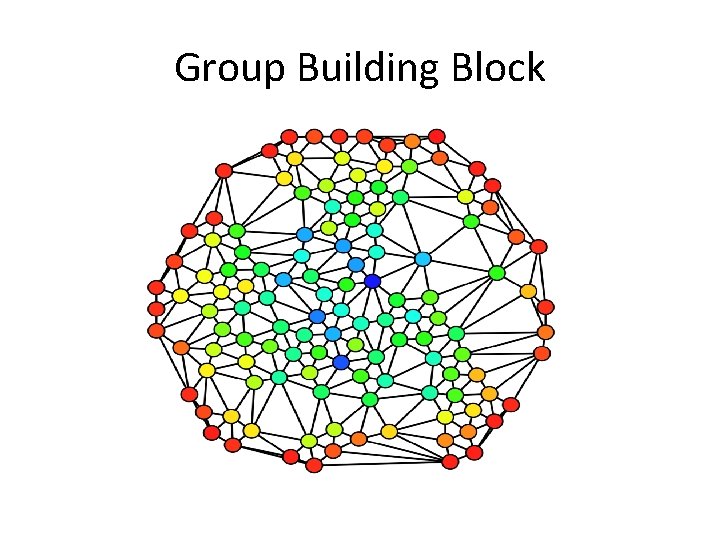
The difference between this functional block and the relationship block is the scale of the user connecting with other users. CTAs that invite users to join a larger community (i. e. a Facebook page) take the relationship building to a whole different level.
Sharing Building Block
Much like the conversations block, this functional block is also primary function of social media. Most CTAs in this block will even use the word “share” to promote the exchange and flow of digital content.
Presence Building Block
The typical call for a status update isn’t as common as other forms of CTAs, but can be highly effective for physical locations and virtual communities. This functional block is often enhanced with “check in” types of CTAs.
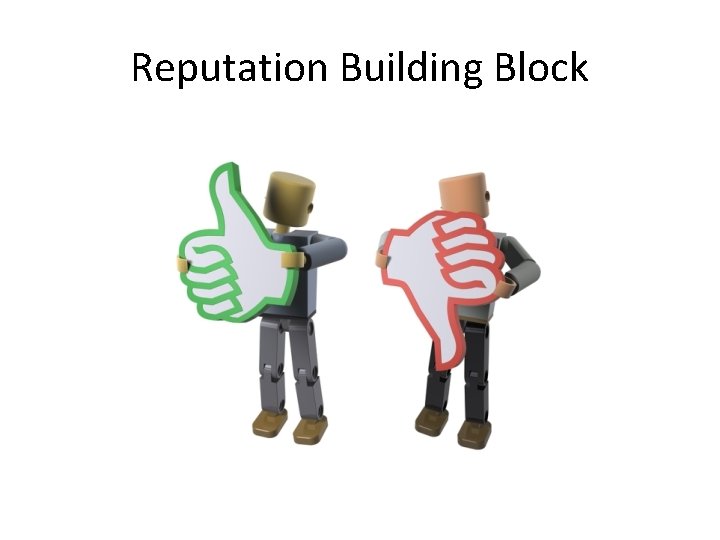
Reputation Building Block
Have you ever wondered why so many Facebook games have you share your score with your friends? It’s because sharing results, scores, or level accomplishments is a great CTA for enhancing the reputation building aspect of social media.
Conclusion By analyzing the Social Media Honeycomb’s seven building blocks firms can monitor and understand how social media activities vary in terms of their function and impact, so as to develop a congruent social media strategy based on the appropriate balance of building blocks for their community
Thank you