
Introduction to Music Romantic Era Overview Romantic Era
- Slides: 14
Introduction to Music Romantic Era Overview
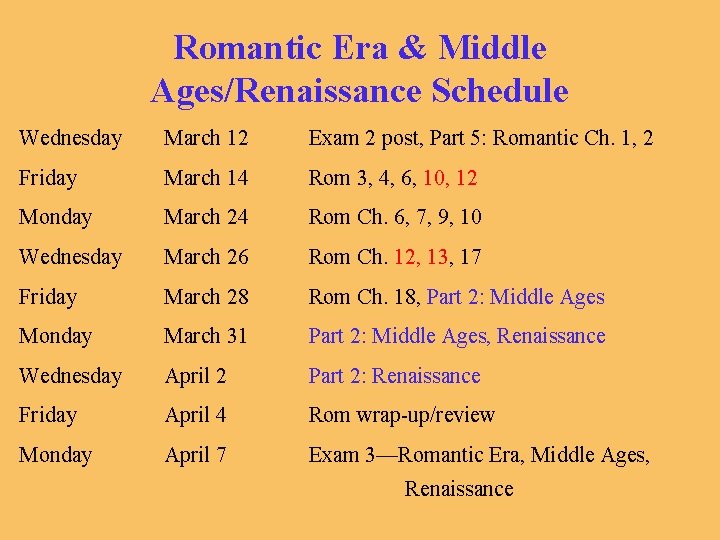
Romantic Era & Middle Ages/Renaissance Schedule Wednesday March 12 Exam 2 post, Part 5: Romantic Ch. 1, 2 Friday March 14 Rom 3, 4, 6, 10, 12 Monday March 24 Rom Ch. 6, 7, 9, 10 Wednesday March 26 Rom Ch. 12, 13, 17 Friday March 28 Rom Ch. 18, Part 2: Middle Ages Monday March 31 Part 2: Middle Ages, Renaissance Wednesday April 2 Part 2: Renaissance Friday April 4 Rom wrap-up/review Monday April 7 Exam 3—Romantic Era, Middle Ages, Renaissance
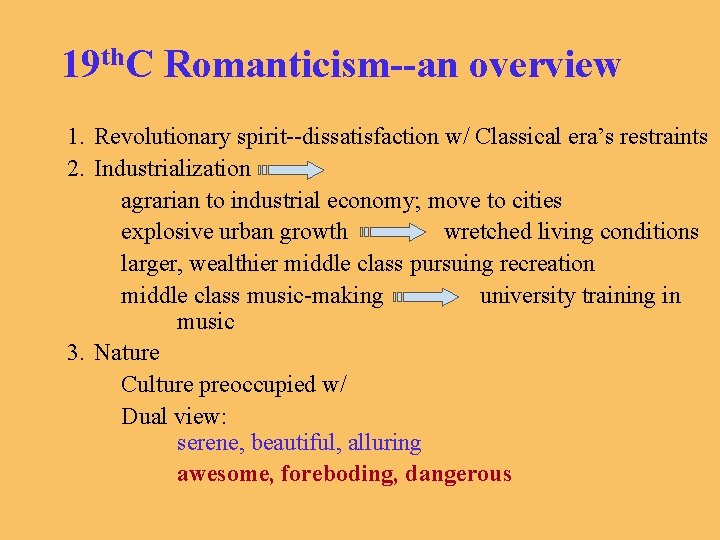
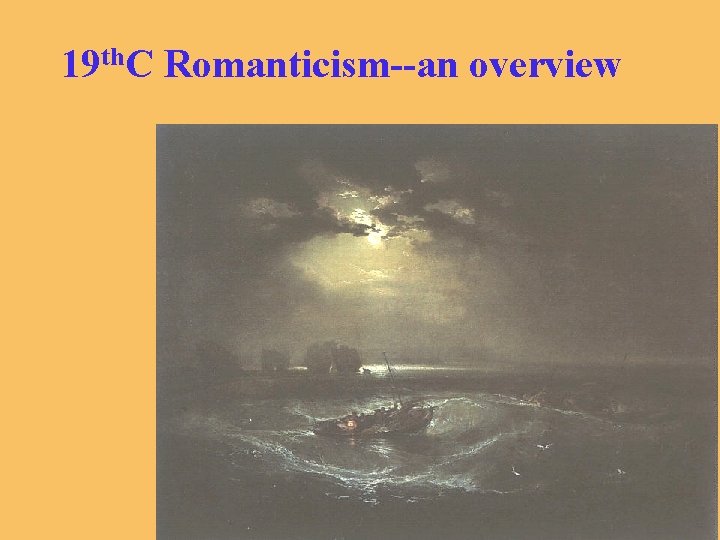
19 th. C Romanticism--an overview 1. Revolutionary spirit--dissatisfaction w/ Classical era’s restraints 2. Industrialization agrarian to industrial economy; move to cities explosive urban growth wretched living conditions larger, wealthier middle class pursuing recreation middle class music-making university training in music 3. Nature Culture preoccupied w/ Dual view: serene, beautiful, alluring awesome, foreboding, dangerous
19 th. C Romanticism--an overview
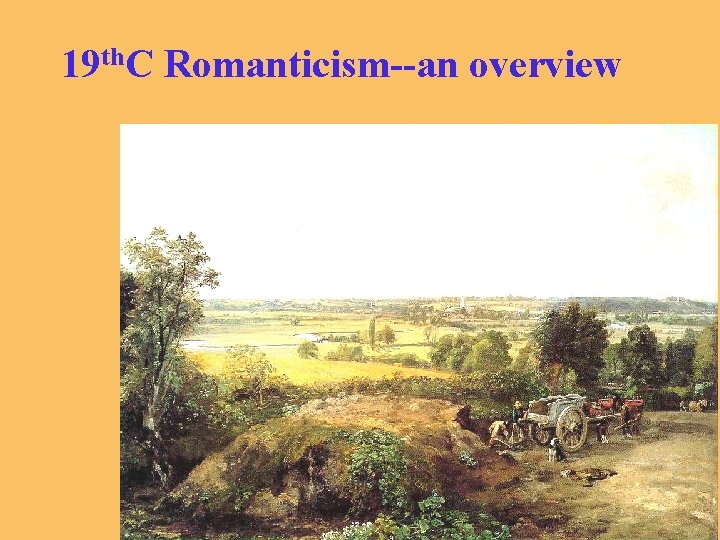
19 th. C Romanticism--an overview
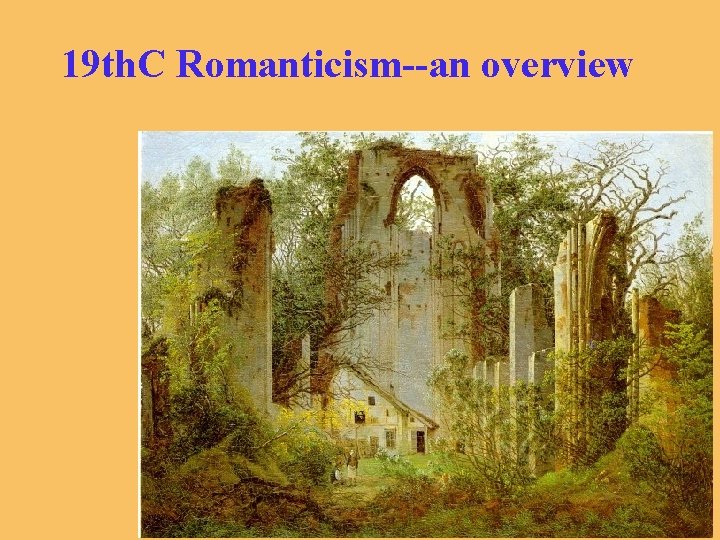
19 th. C Romanticism--an overview 4. Artists, musicians, writers drawn to fantasy world & fascination with: the past (esp. middle ages) grotesque, ugly, evil n Mary Shelley n n Sir Walter Scott n n Frankenstein Ivanhoe Victor Hugo n The Hunchback of Notre Dame
19 th. C Romanticism--an overview
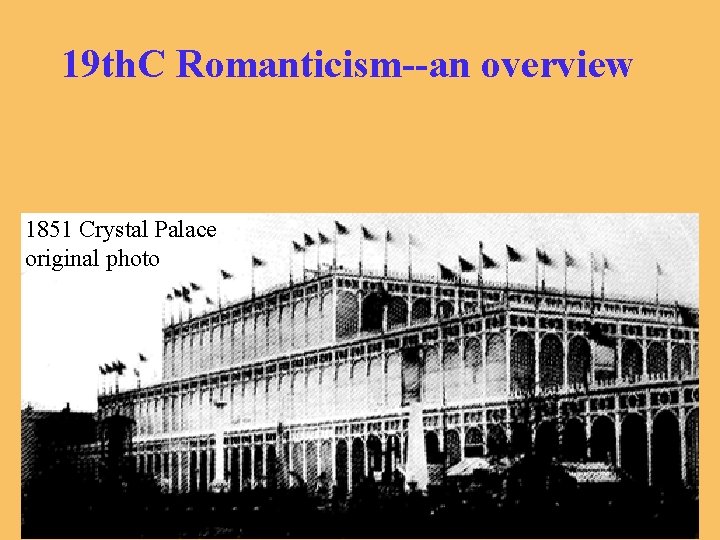
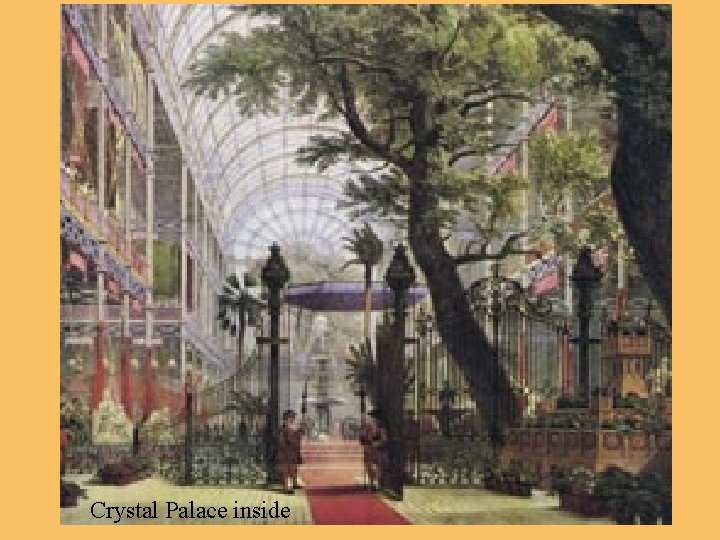
19 th. C Romanticism--an overview 5. Age of : emotionalism grandiose, monumental (Eiffel Tower, Crystal Palace, etc. ) miniature (short story, tiny art works)
19 th. C Romanticism--an overview 1851 Crystal Palace original photo
Crystal Palace inside
The th 19 C Music Business 1. Patronage gone Beethoven--some contributors, but NO patrons Schubert—entirely in free market 2. Music journalism = big business 3. Musical celebrities, “stars, ” tour Europe, entertain middle class audiences. What is the connection with journalism? 4. Th/f much music is extremely difficult--for virtuosos 5. Piano = most popular instrument (Every home has a piano!) 6. Instrumental > vocal music
19 th. C Music 1. Primary function of music = Evocation of powerful EMOTION Th/f “Message” = more important than forms = looser formal “grammar, ” i. e. , forms are not as clear and precise as in classical era 2. Individualism = VIMP Th/f composers develop unique styles 3. Program music popular—chic! 4. Nationalism-- “music with an ethnic flavor” How might a composer achieve this? 5. Exoticism--interest in the unknown, foreign, wild
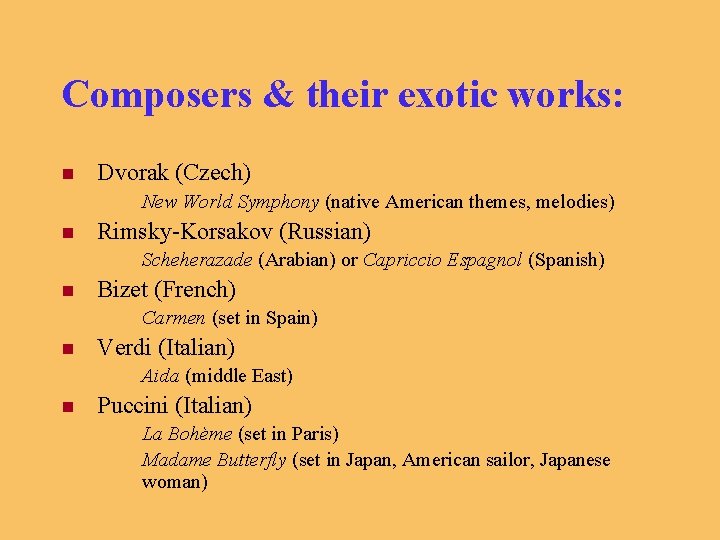
Composers & their exotic works: n Dvorak (Czech) n n Rimsky-Korsakov (Russian) n n Carmen (set in Spain) Verdi (Italian) n n Scheherazade (Arabian) or Capriccio Espagnol (Spanish) Bizet (French) n n New World Symphony (native American themes, melodies) Aida (middle East) Puccini (Italian) n n La Bohème (set in Paris) Madame Butterfly (set in Japan, American sailor, Japanese woman)
For a GREAT overview of the Romantic, aka “Victorian, ” era: Www. victorianstation. com