
Introduction to Marketing Chapter 5 1 What is
- Slides: 30
Introduction to Marketing Chapter 5 1
What is marketing? ‘Marketing is the management process that identifies, expects and satisfies customer requirements profitably’. Ø ‘The right product, in the right place, at the right time, and at the right price’
The Goal of Marketing is: To attract new customer by ensuring superior value, and to keep current customers by delivering satisfaction. 3
n n Marketing, more than any other business function, deals with customers. Creating customer value and satisfaction are at the very heart of modern marketing thinking and practice. 4
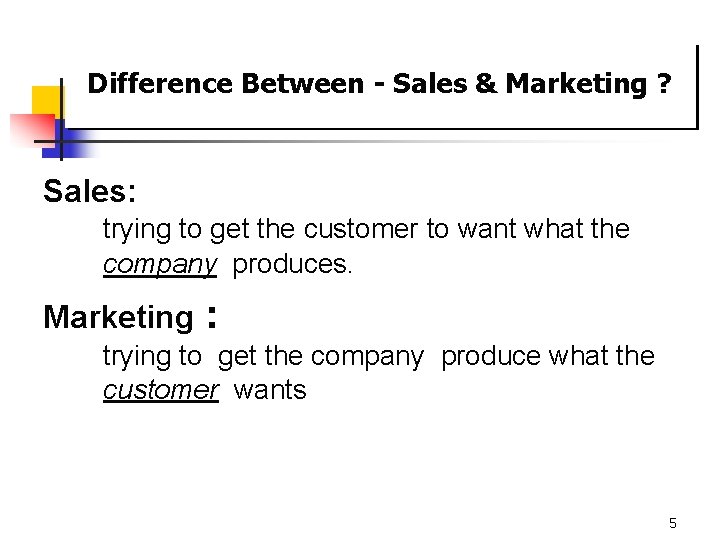
Difference Between - Sales & Marketing ? Sales: trying to get the customer to want what the company produces. Marketing : trying to get the company produce what the customer wants 5
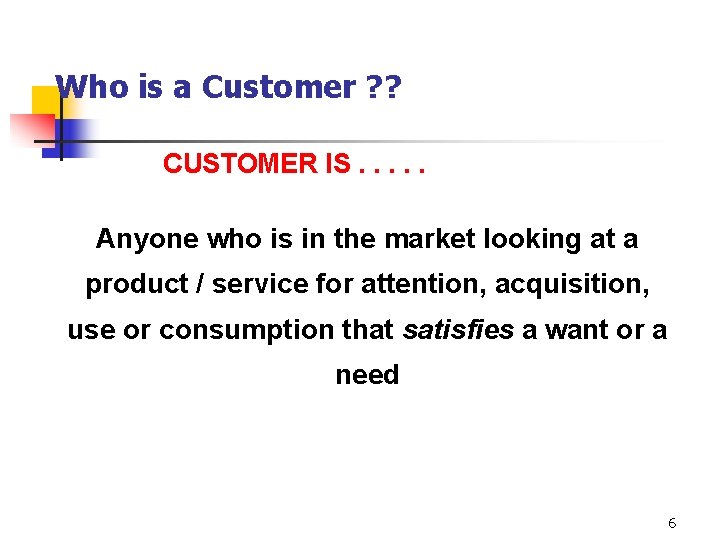
Who is a Customer ? ? CUSTOMER IS. . . Anyone who is in the market looking at a product / service for attention, acquisition, use or consumption that satisfies a want or a need 6
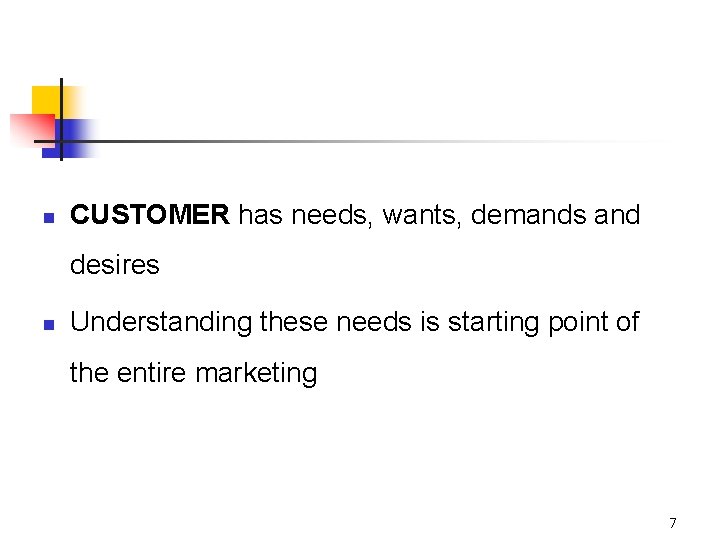
n CUSTOMER has needs, wants, demands and desires n Understanding these needs is starting point of the entire marketing 7
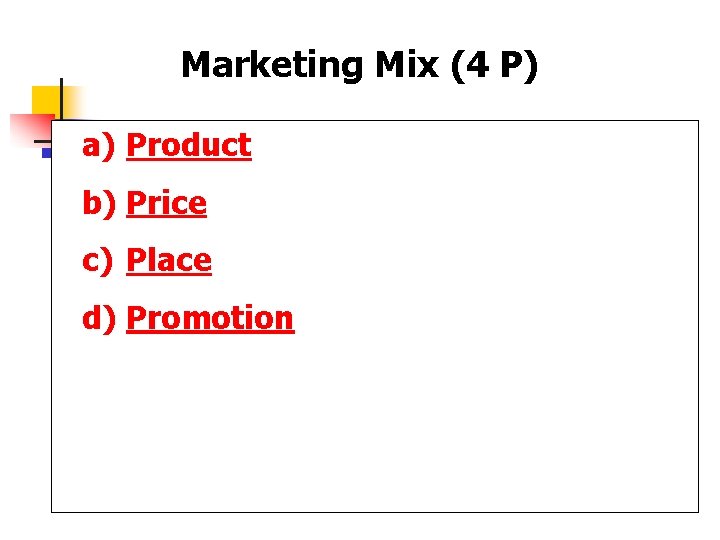
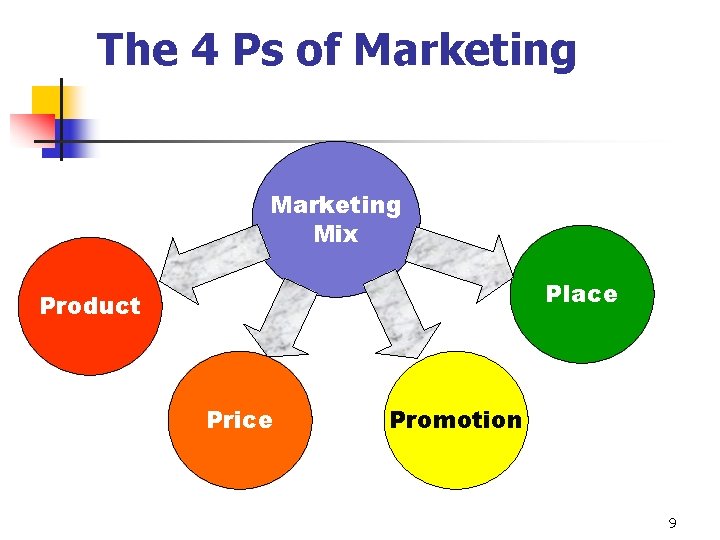
Marketing Mix (4 P) a) Product b) Price c) Place d) Promotion
The 4 Ps of Marketing Mix Place Product Price Promotion 9
a. Product is. . . Anything that is offered to the market for attention, purchase, or use that satisfies a want or a need 10
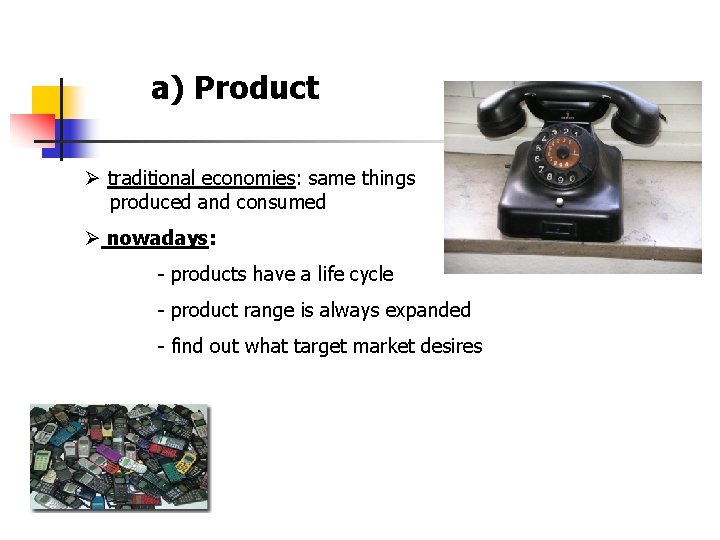
a) Product Ø traditional economies: same things produced and consumed Ø nowadays: - products have a life cycle - product range is always expanded - find out what target market desires
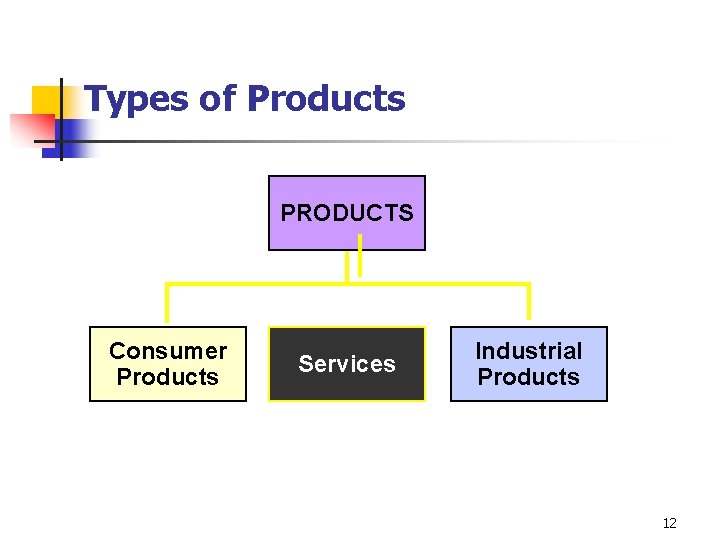
Types of Products PRODUCTS Consumer Products Services Industrial Products 12
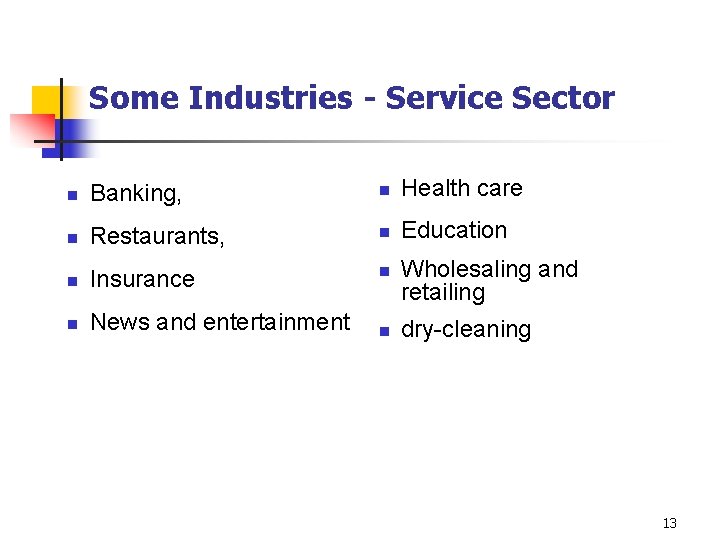
Some Industries - Service Sector n Banking, n Health care n Restaurants, n Education n Insurance n n News and entertainment n Wholesaling and retailing dry-cleaning 13
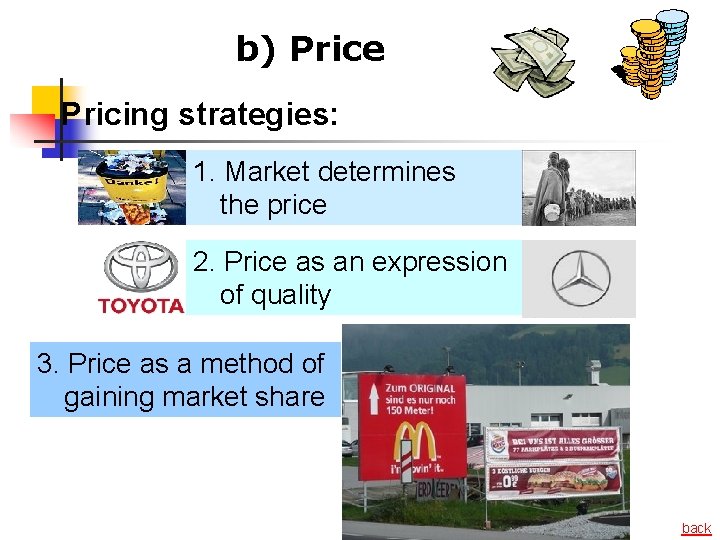
b) Price Pricing strategies: 1. Market determines the price 2. Price as an expression of quality 3. Price as a method of gaining market share back
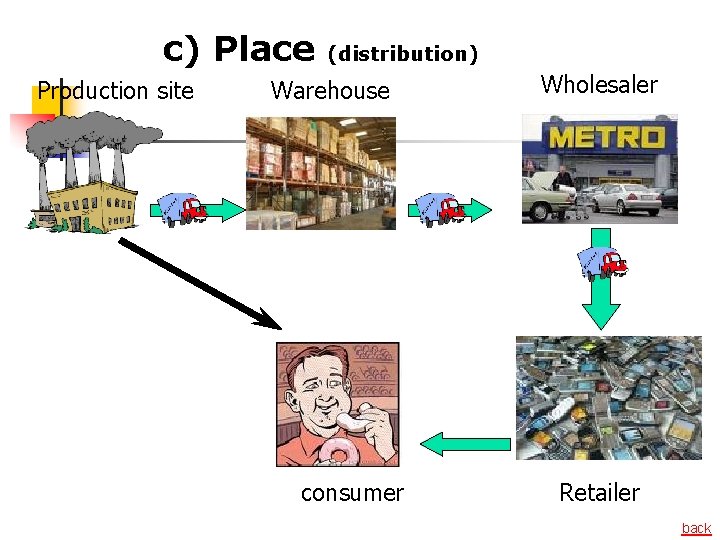
c) Place Production site (distribution) Warehouse consumer Wholesaler Retailer back
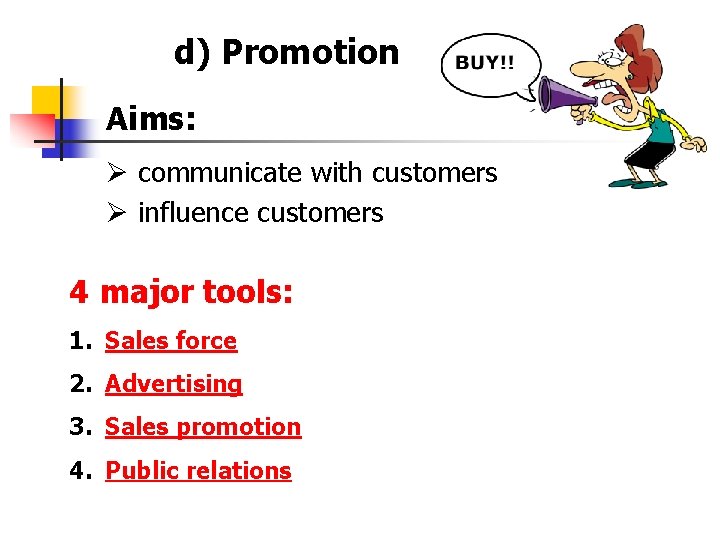
d) Promotion Aims: Ø communicate with customers Ø influence customers 4 major tools: 1. Sales force 2. Advertising 3. Sales promotion 4. Public relations
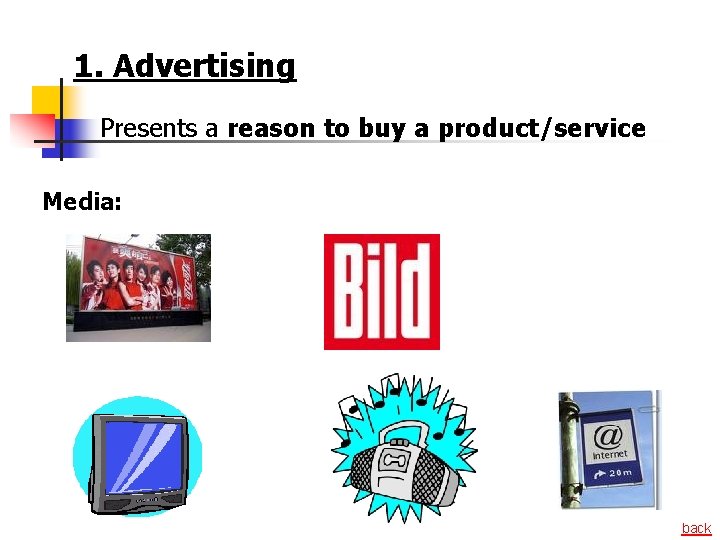
1. Advertising Presents a reason to buy a product/service Media: back
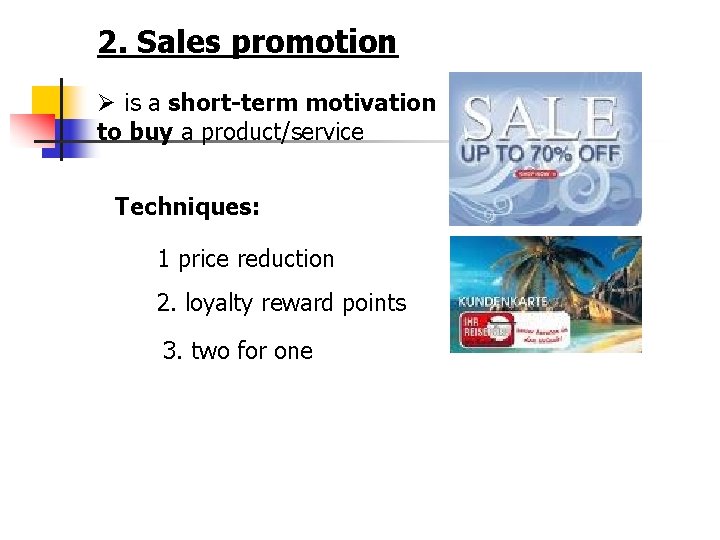
2. Sales promotion Ø is a short-term motivation to buy a product/service Techniques: 1 price reduction 2. loyalty reward points 3. two for one
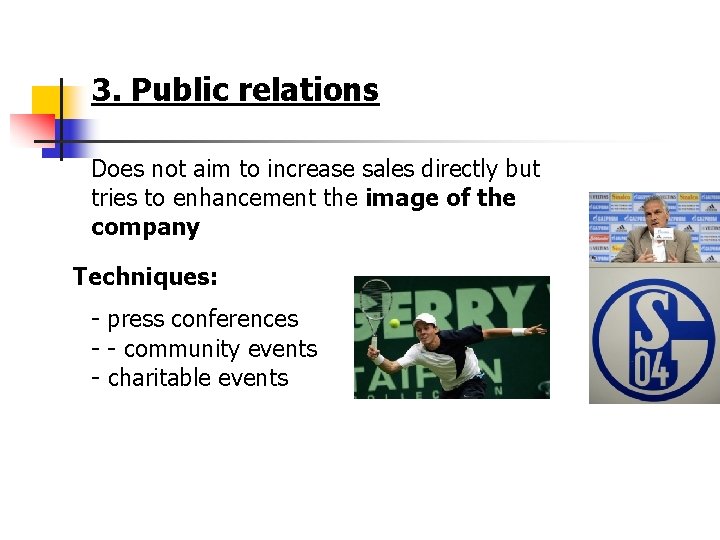
3. Public relations Does not aim to increase sales directly but tries to enhancement the image of the company Techniques: - press conferences - - community events - charitable events
The Marketing Plan n A written document that acts as a guidebook of marketing activities for the marketing manager 21
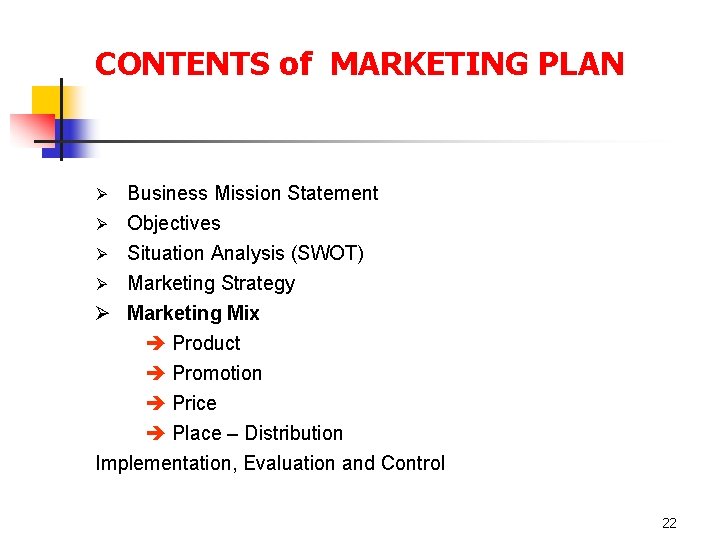
CONTENTS of MARKETING PLAN Ø Ø Ø Business Mission Statement Objectives Situation Analysis (SWOT) Marketing Strategy Marketing Mix è Product è Promotion è Price è Place – Distribution Implementation, Evaluation and Control 22
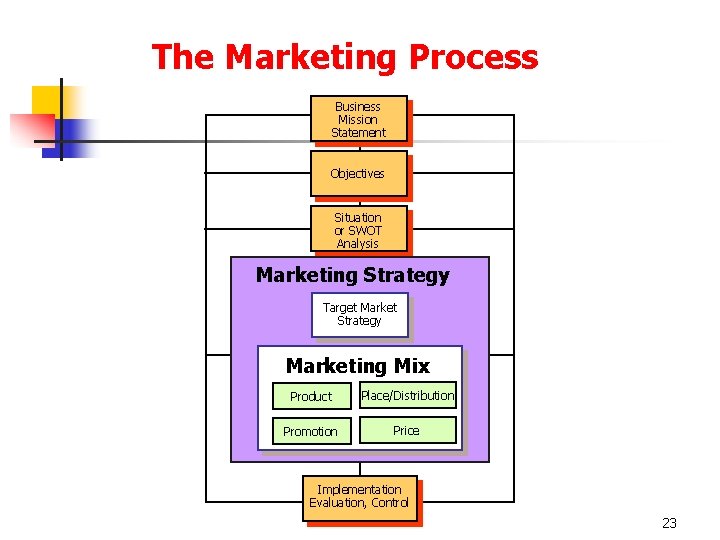
The Marketing Process Business Mission Statement Objectives Situation or SWOT Analysis Marketing Strategy Target Market Strategy Marketing Mix Product Place/Distribution Promotion Price Implementation Evaluation, Control 23
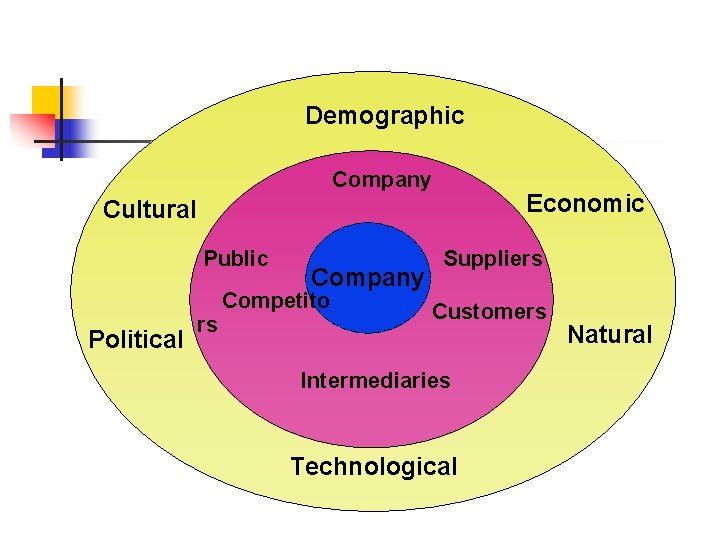
Marketing Environment n All the forces influencing the company’s ability to conduct business effectively with it’s target market.
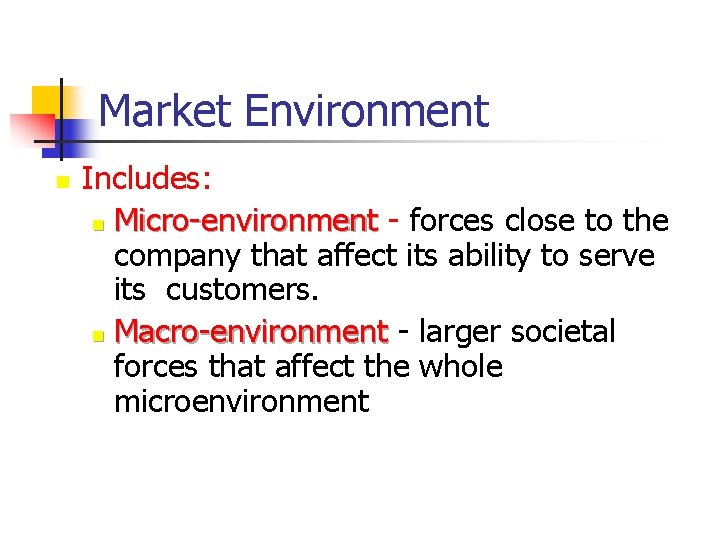
Market Environment n Includes: n Micro-environment - forces close to the company that affect its ability to serve its customers. n Macro-environment - larger societal forces that affect the whole microenvironment
Demographic Company Economic Cultural Public Political rs Company Competito Suppliers Customers Intermediaries Technological Natural
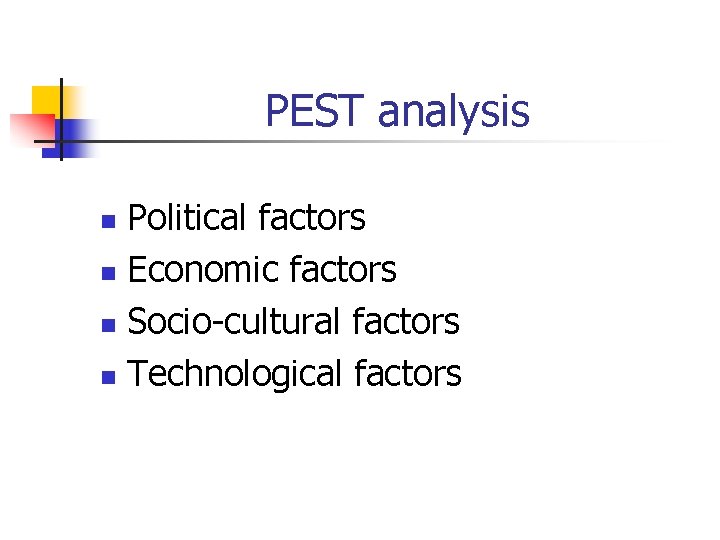
PEST analysis Political factors n Economic factors n Socio-cultural factors n Technological factors n
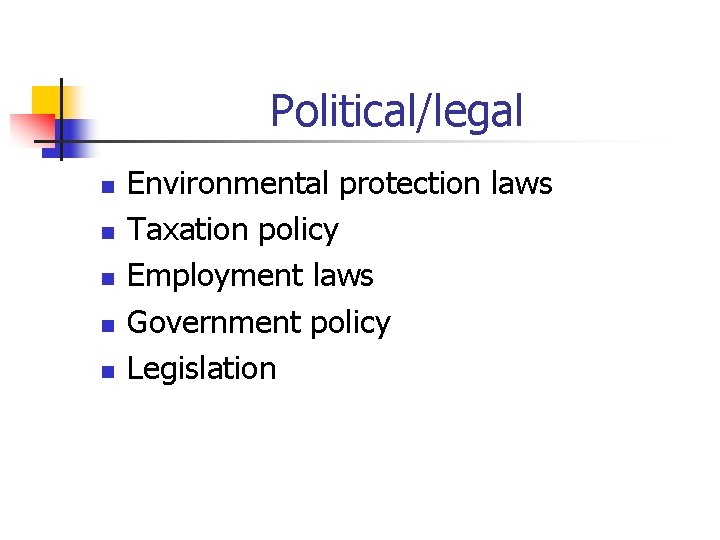
Political/legal n n n Environmental protection laws Taxation policy Employment laws Government policy Legislation
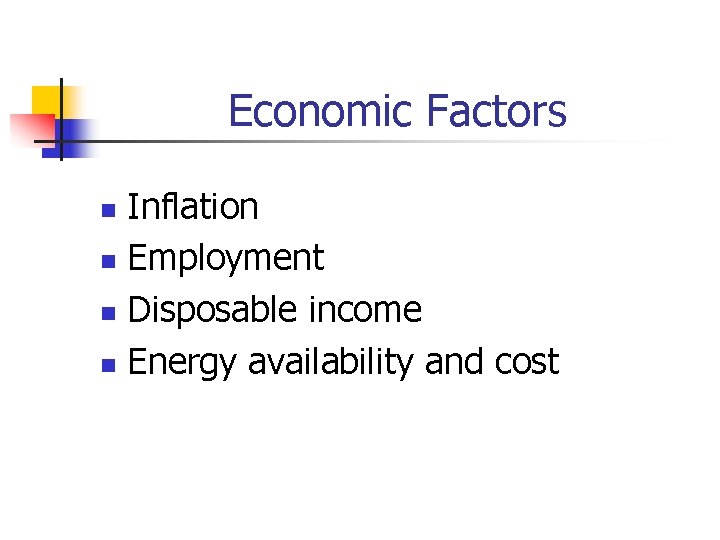
Economic Factors Inflation n Employment n Disposable income n Energy availability and cost n
Sociocultural factors n n n Demographics Distribution of income Social mobility Lifestyle changes Levels of education
Technological n n New discoveries and innovations Speed of technology transfer Internet Information technology