
INTRODUCTION to JAPAN How did geography impact the





- Slides: 34
INTRODUCTION to JAPAN: How did geography impact the history and religious beliefs Japan?
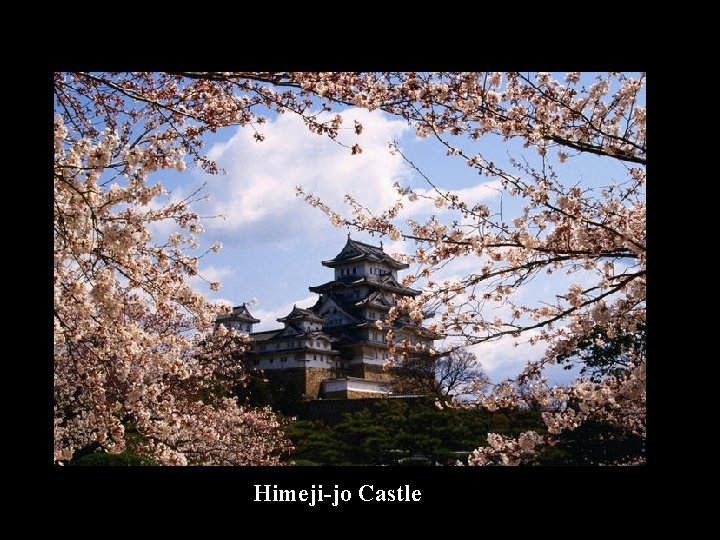
Himeji-jo Castle
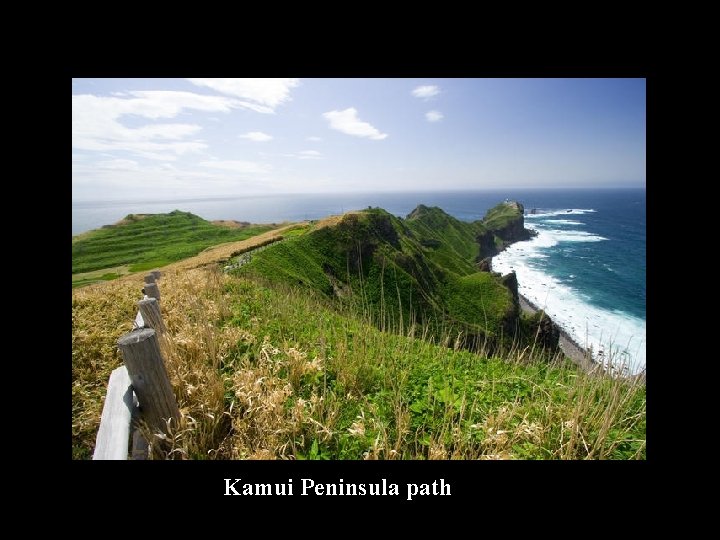
Kamui Peninsula path
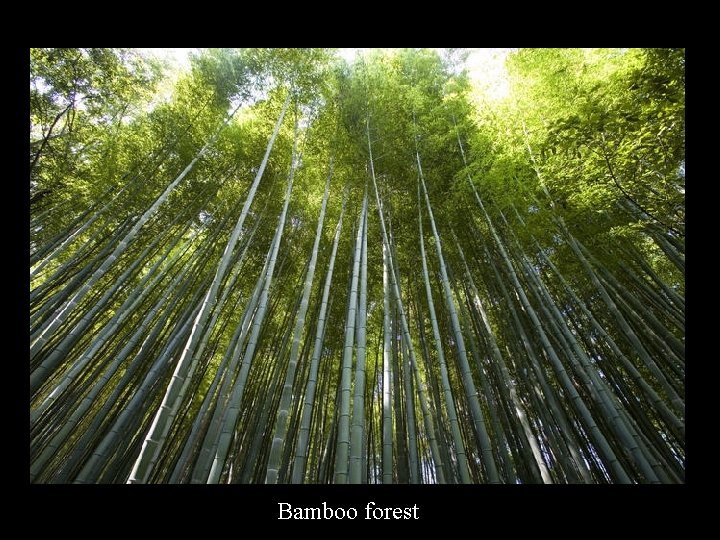
Bamboo forest
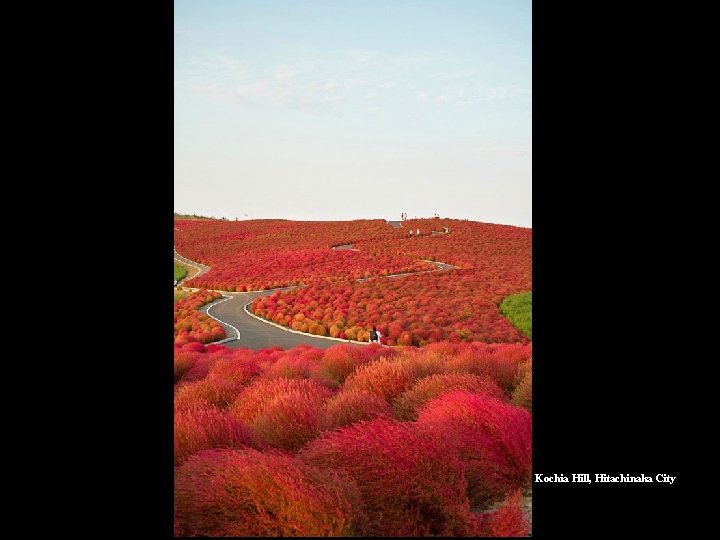
Kochia Hill, Hitachinaka City
Ashikaga Flower Park
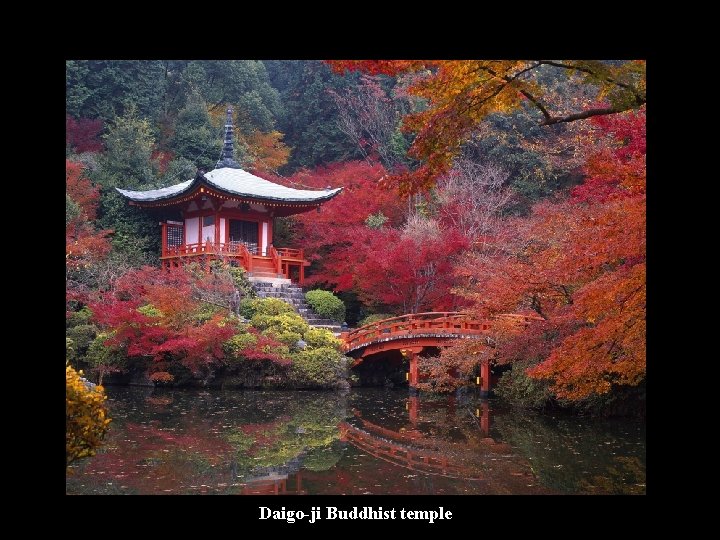
Daigo-ji Buddhist temple
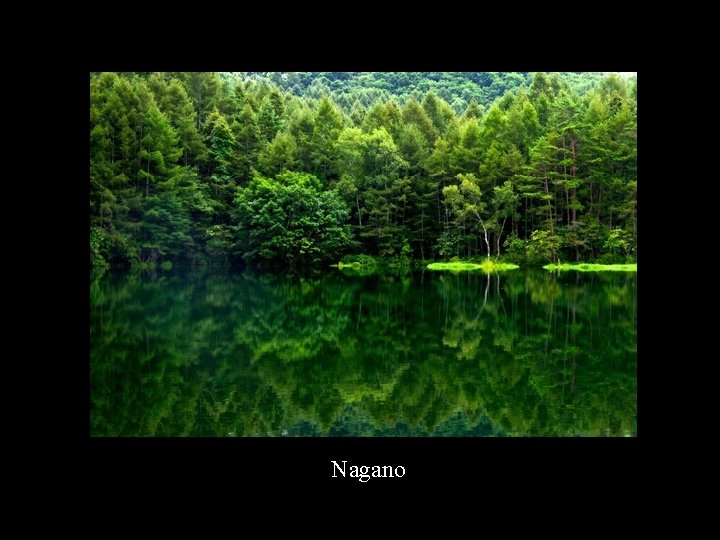
Nagano
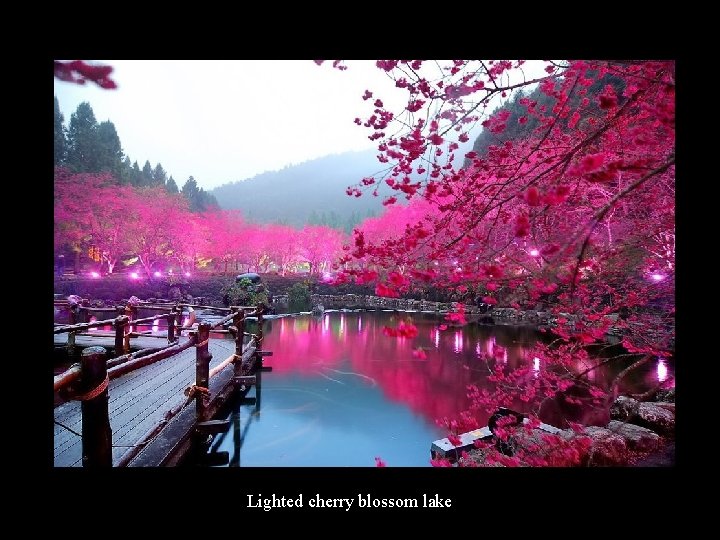
Lighted cherry blossom lake
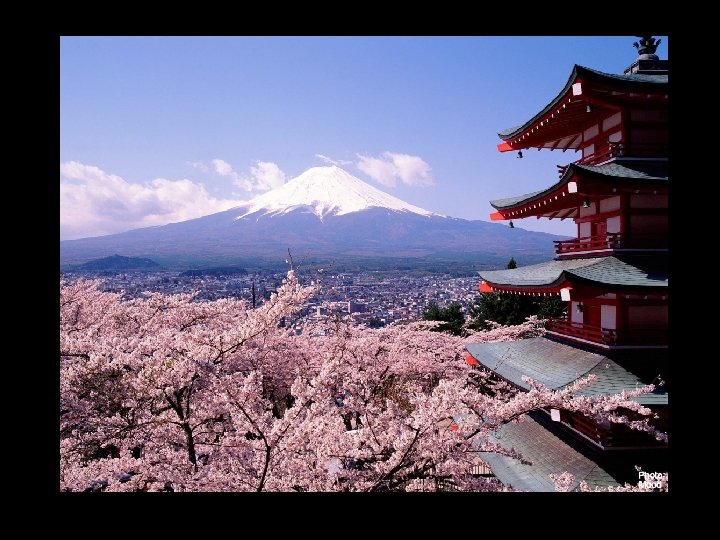
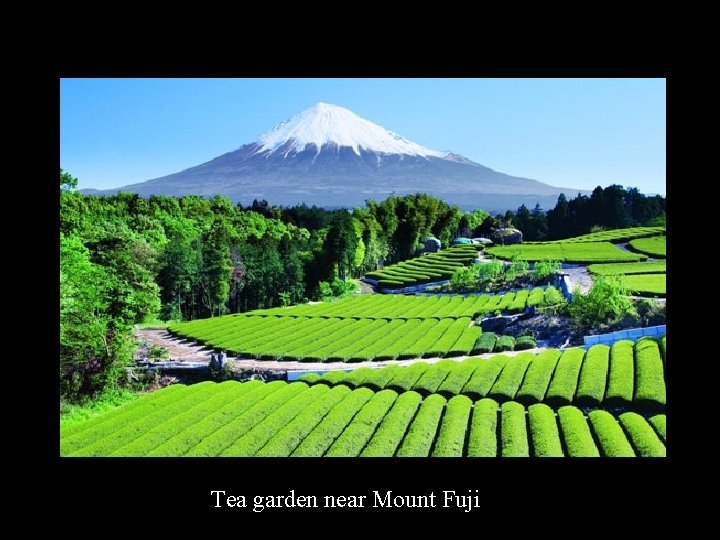
Tea garden near Mount Fuji
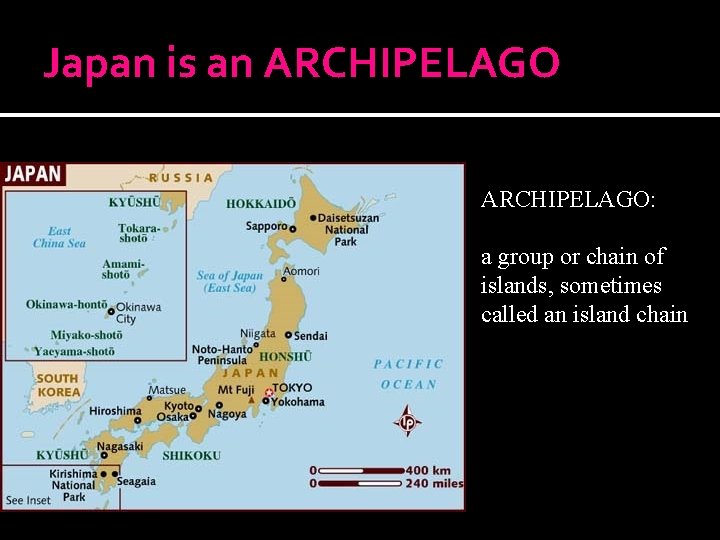
Japan is an ARCHIPELAGO: a group or chain of islands, sometimes called an island chain
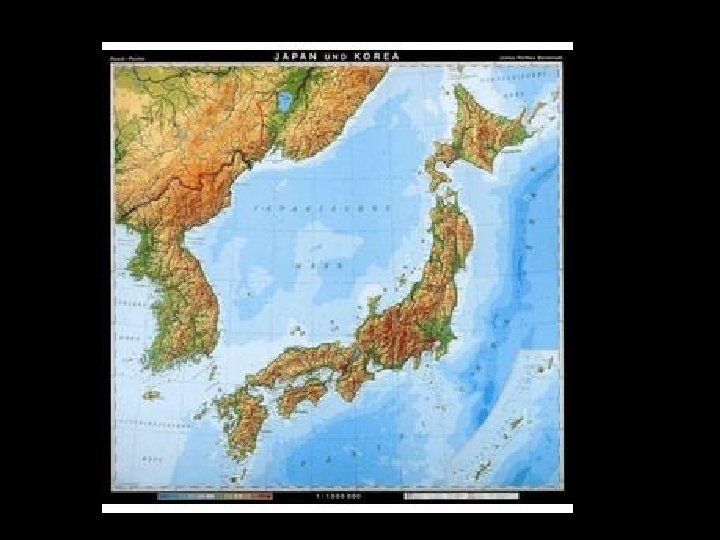
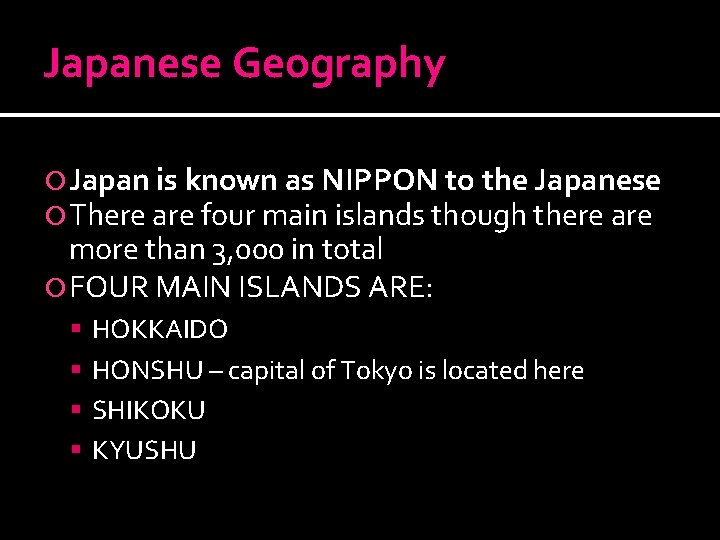
Japanese Geography Japan is known as NIPPON to the Japanese There are four main islands though there are more than 3, 000 in total FOUR MAIN ISLANDS ARE: HOKKAIDO HONSHU – capital of Tokyo is located here SHIKOKU KYUSHU
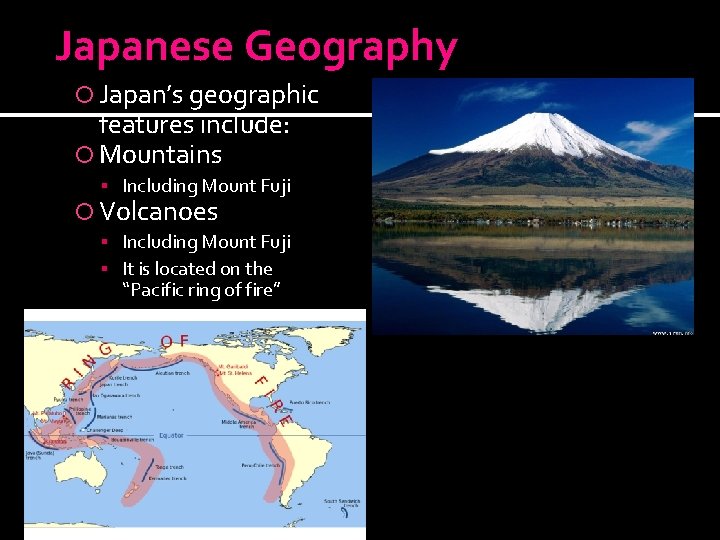
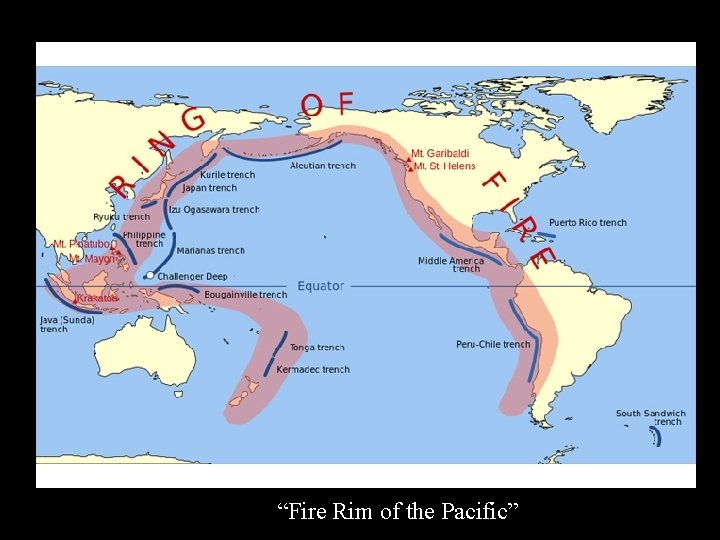
Japanese Geography Japan’s geographic features include: Mountains Including Mount Fuji Volcanoes Including Mount Fuji It is located on the “Pacific ring of fire”
“Fire Rim of the Pacific”
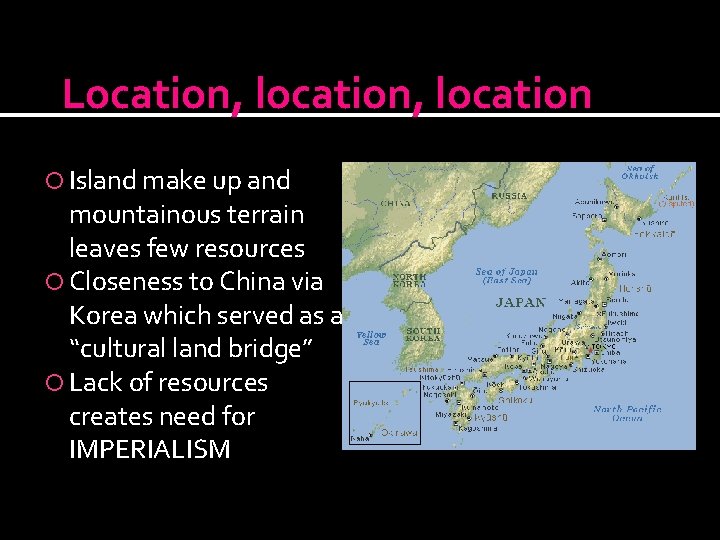
Location, location Island make up and mountainous terrain leaves few resources Closeness to China via Korea which served as a “cultural land bridge” Lack of resources creates need for IMPERIALISM
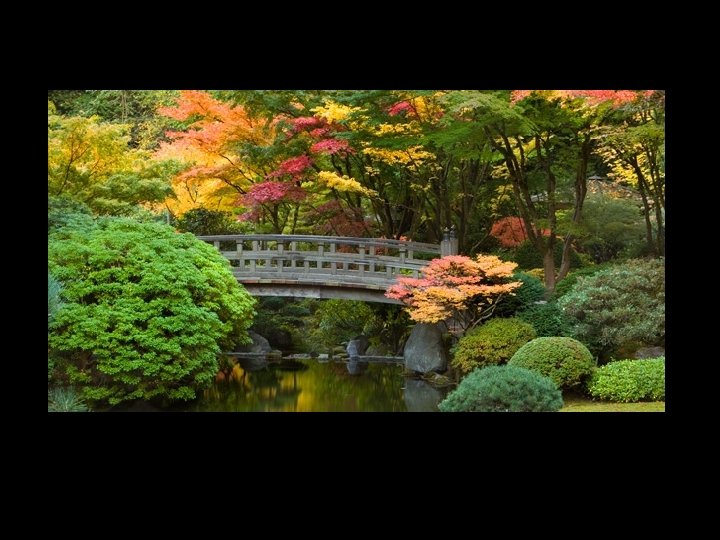
How does Japanese culture reflect balance and nature?
Japanese Religions Shintoism “the way of the Gods” Belief that nature held kami – spirits of gods
Shinto and Sumo Wrestling
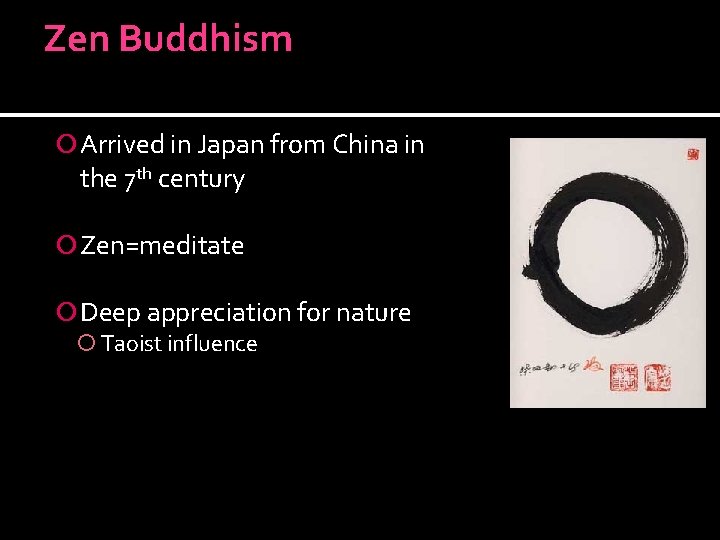
Zen Buddhism Arrived in Japan from China in the 7 th century Zen=meditate Deep appreciation for nature Taoist influence
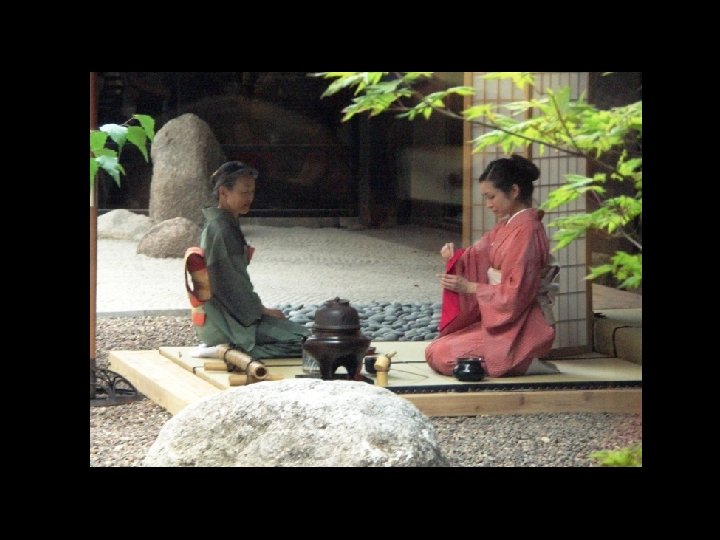
"reaching far beyond the temple and entering into cultural and social areas of all kinds, including gardening, ink painting, calligraphy, the tea ceremony, and even military strategies. “ -Scott Rutherford
How did the early dynasties keep their power? Japanese History:
DYNASTIES and CLANS A dynasty is a ruling family where power is passed from father to son A clan is a regional ruling group, sometimes a family The CLANS of Japan were divided by the area they were from and the gods they worshipped In the 400 s the YAMATO clan rose to power
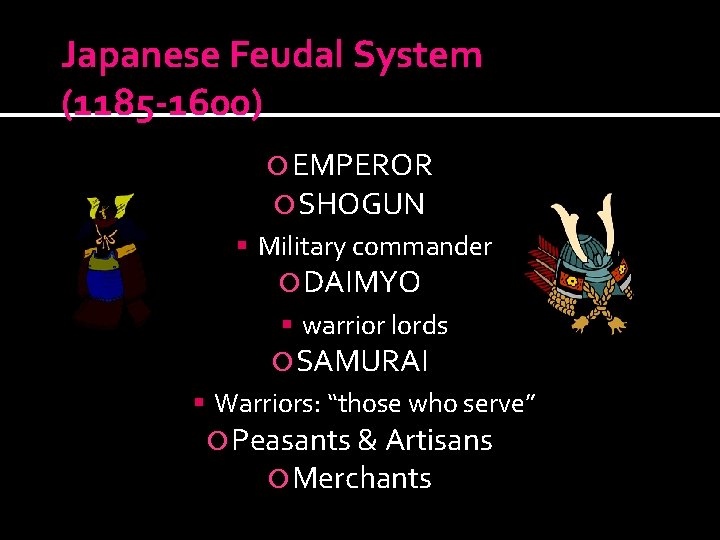
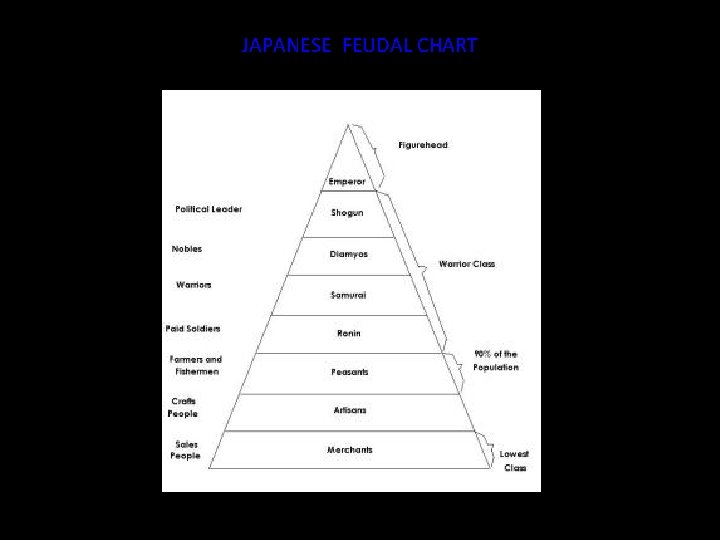
Japanese Feudal System (1185 -1600) EMPEROR SHOGUN Military commander DAIMYO warrior lords SAMURAI Warriors: “those who serve” Peasants & Artisans Merchants
The SHOGUNATE The SHOGUN of the Japanese feudal system had more power politically than the EMPEROR The Daimyo and Samurai swore their loyalty to the Shogun Many SHOGUNATES existed in Japan but the most powerful was the TOKUGAWA
JAPANESE FEUDAL CHART
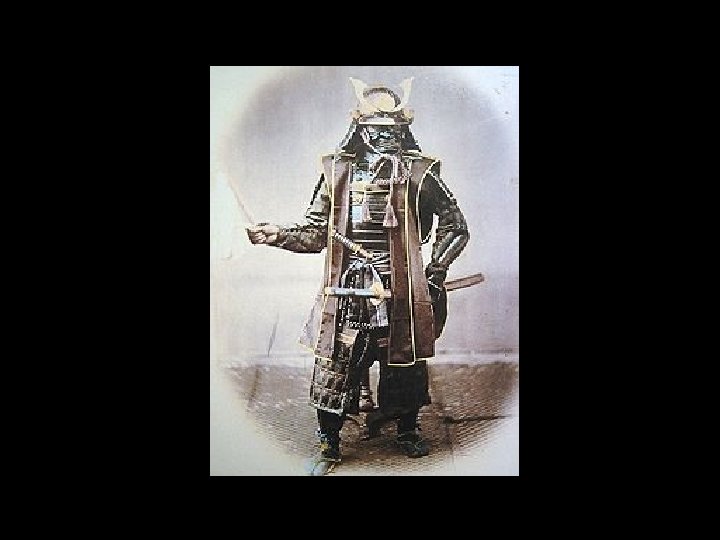
Samurai Code of Bushido Way of the Warrior No fear of death Bravery, honor and absolute loyalty to lord Rather die than be dishonored a samurai would commit seppuku = ritual suicide Tale of the Ronin Story that tells of loyal samurai warriors
Tokugawa Shogunate 17 th century – 19 th century GOLDEN AGE for JAPAN Most successful of the shogunates Peace and stability Economic prosperity Agriculture and trade improved
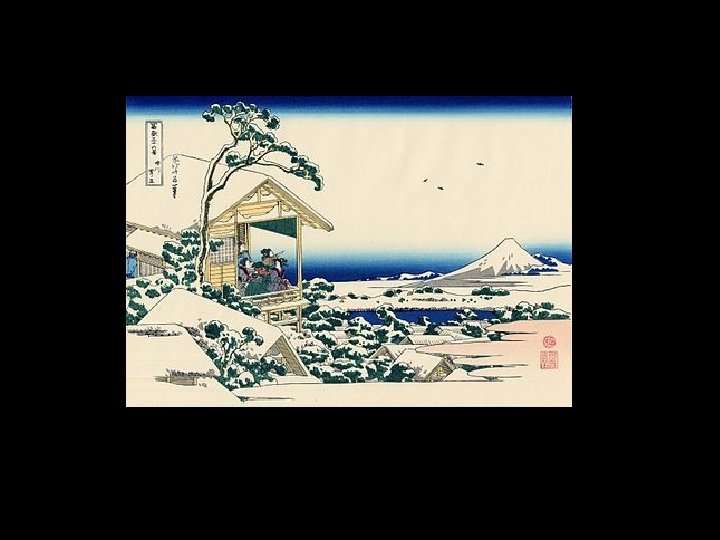
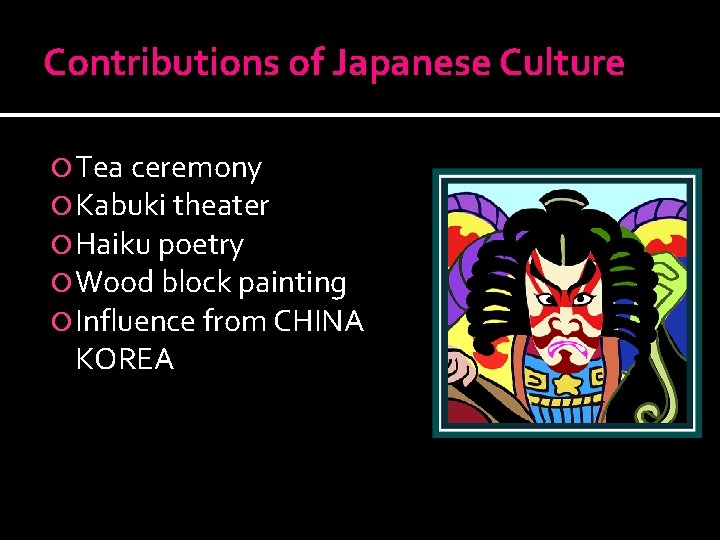
Contributions of Japanese Culture Tea ceremony Kabuki theater Haiku poetry Wood block painting Influence from CHINA KOREA and