
INTRODUCTION TO IMPLEMENTATION SCIENCE PART I Heather Schacht








![HYBRID DESIGNS Curran et al, Medical Care, 2012. For more info [search “hybrid”]: http:](https://slidetodoc.com/presentation_image_h2/54fb2d7a829f4e8073c75f7411a5fcdb/image-28.jpg "HYBRID DESIGNS Curran et al, Medical Care, 2012. For more info [search “hybrid”]: http:")




- Slides: 37
INTRODUCTION TO IMPLEMENTATION SCIENCE: PART I Heather Schacht Reisinger, Ph. D Associate Professor, General Internal Medicine, University of Iowa Associate Director for Engagement, Integration, and Implementation, Institute for Clinical and Translation Science (ICTS), University of Iowa Core Investigator, Center for Access and Delivery Research and Evaluation (CADRE), Iowa City VAHCS
MY BACKGROUND Medical anthropologist https: //cancercontrol. cancer. gov/IS/docs/NCIDCCPS-Implementation. Science. White. Paper. pdf VA health services and implementation researcher for past 14 years Founding director of the qualitative core at CADRE; Served as the Center’s Associate Director for 3 years Member of NCI’s Qualitative Methods in Implementation Science Working Group PI on two VA Quality Enhancement Research Initiative (QUERI) grants Developing the Engagement, Integration, and Implementation
HOW LONG DOES IT TAKE FOR BIOMEDICAL RESEARCH TO GET INTO ROUTINE CLINICAL PRACTICE?
THE PROBLEM
EXAMPLE OF TIME-LAG IN ASP 1957 NEJM report: 52. 5% of antibiotics were not indicated 1981 2 single-center studies showed costsavings from restricting cephalosporins 1997, 2001 2 RCTs show that audit-and-feedback can reduce unnecessary antibiotic use 1988 IDSA publishes “Guidelines for Improving the Use of Antimicrobial Agents in Hospitals” 2015 NHSN survey: All 7 core elements present at 48% of hospitals 1995 CDC’s National Campaign for Appropriate Antibiotic Use in the Community Thank Newland JG, you, et al. Dan ICHE Livorsi! 2014; 35(3): 265 -71; O’Leary E, et al. Clin Infect Dis 2017; 65: 1748 -40. Thank you to Dan Livorsi for putting together timeline. 2017 Joint Commission mandate 2011 Survey of children’s hospitals: Only 38% had an ASP
WHAT HAVE OUR RESPONSE S IN THE SCIENTIFIC COMMUNIT Y BEEN TO THIS TIME LAG?
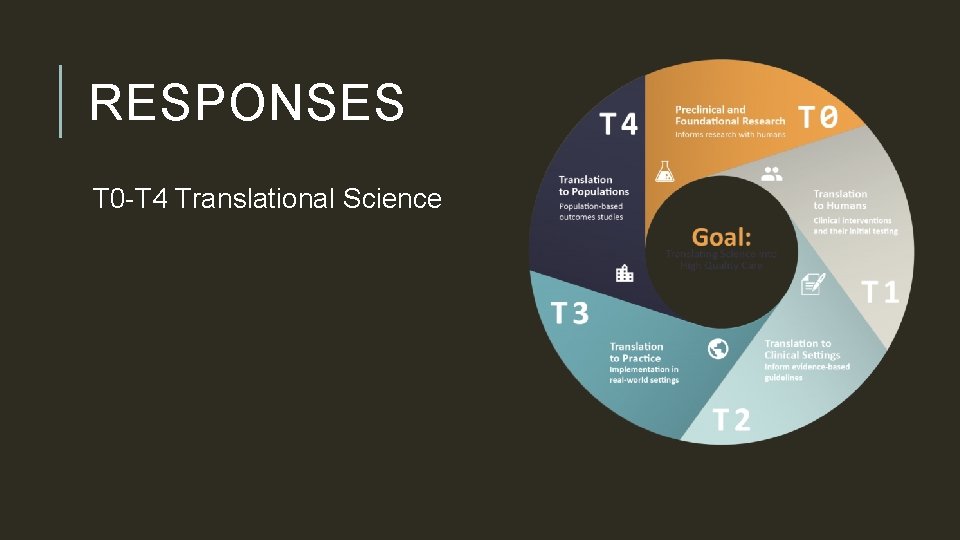
RESPONSES T 0 -T 4 Translational Science https: //cpce. research. chop. edu/research-methods-approaches/translational-research
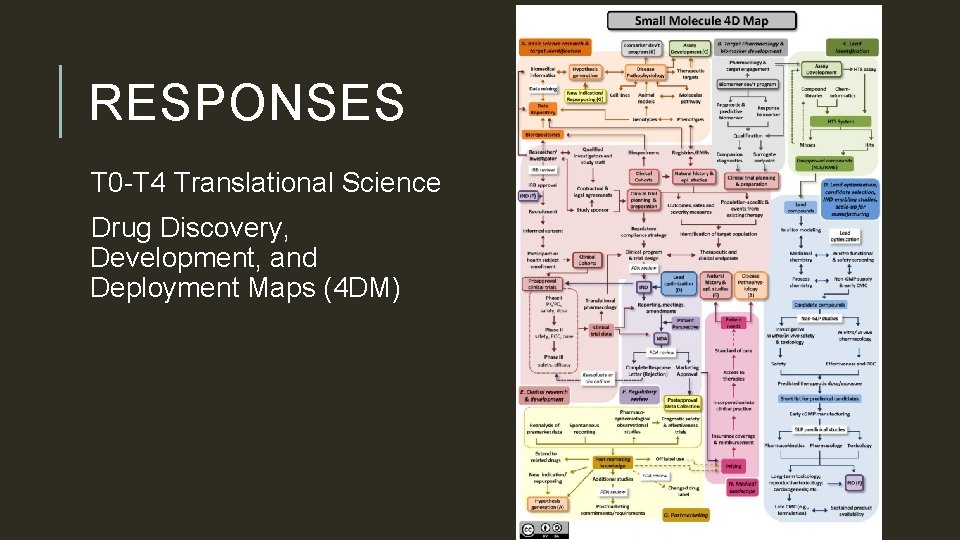
RESPONSES T 0 -T 4 Translational Science Drug Discovery, Development, and Deployment Maps (4 DM) Image: https: //ncats. nih. gov/translation/maps
RESPONSES T 0 -T 4 Translational Science Drug Discovery, Development, and Deployment Maps (4 DM) Clinical and Translational Science Awards (CTSAs) Image: https: //ncats. nih. gov/files/translation-factsheet. pdf
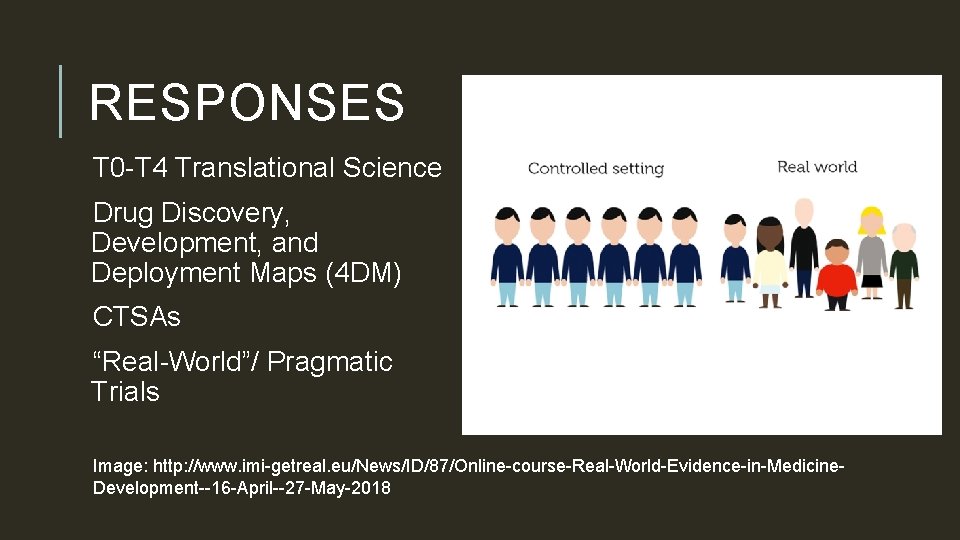
RESPONSES T 0 -T 4 Translational Science Drug Discovery, Development, and Deployment Maps (4 DM) CTSAs “Real-World”/ Pragmatic Trials Image: http: //www. imi-getreal. eu/News/ID/87/Online-course-Real-World-Evidence-in-Medicine. Development--16 -April--27 -May-2018
RESPONSES T 0 -T 4 Translational Science Drug Discovery, Development, and Deployment Maps (4 DM) CTSAs “Real-World”/ Pragmatic Trials Patient and Community Engagement
RESPONSES T 0 -T 4 Translational Science Drug Discovery, Development, and Deployment Maps (4 DM) CTSAs “Real-World”/ Pragmatic Trials Patient and Community Engagement Implementation Science (IS) Step 1 Step 2 Step 3 Step 4 Step 5 Step 6
WHAT IF WE FLIP THE QUESTION?
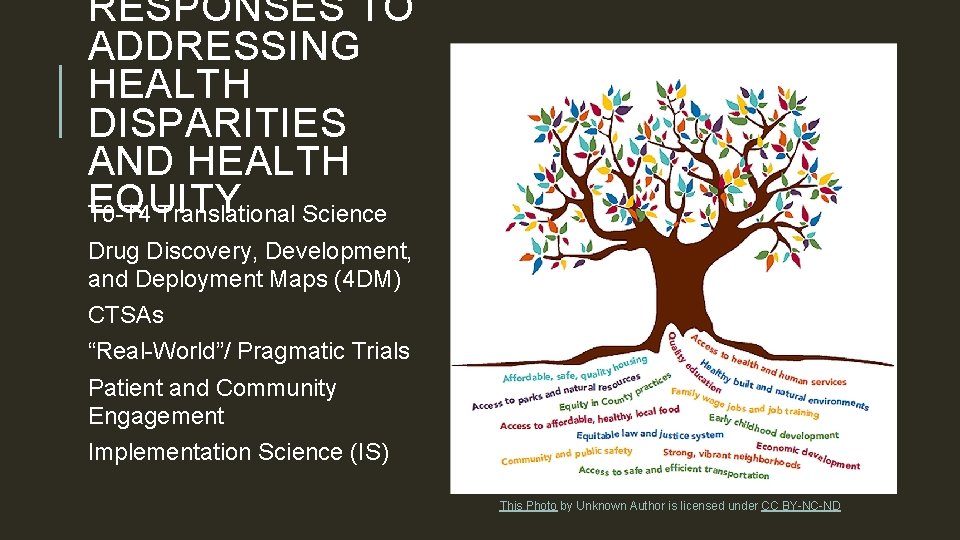
RESPONSES TO ADDRESSING HEALTH DISPARITIES AND HEALTH EQUITY T 0 -T 4 Translational Science Drug Discovery, Development, and Deployment Maps (4 DM) CTSAs “Real-World”/ Pragmatic Trials Patient and Community Engagement Implementation Science (IS) This Photo by Unknown Author is licensed under CC BY-NC-ND
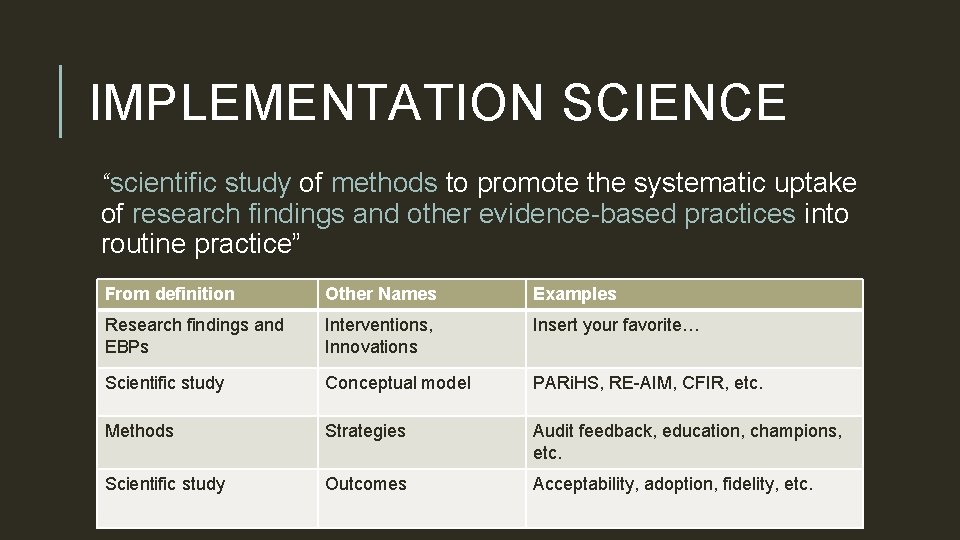
IMPLEMENTATION SCIENCE “the scientific study of methods to promote the systematic uptake of research findings and other evidence-based practices into routine practice, and, hence, to improve the quality and effectiveness of health services” 2006; 1: 1 Eccles MP, Mittman BS. Implement Sci
IMPLEMENTATION SCIENCE “scientific study of methods to promote the systematic uptake of proven clinical treatments, practices, organizational, and management interventions into routine practice, and hence to improve health” Implementation Science website, 12/7/2020
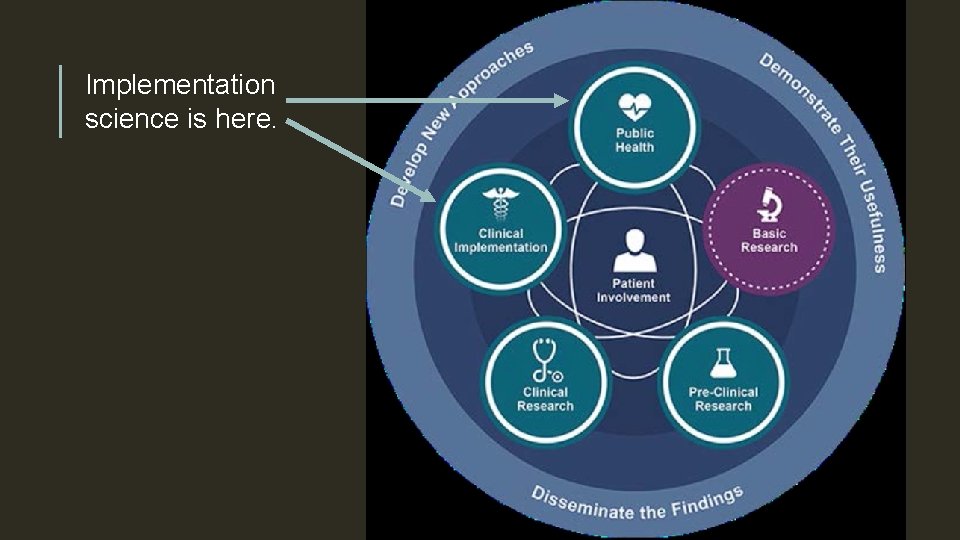
Implementation science is here.
INTERDISCIPLINARY SCIENCE Health Services Researchers Organizational Psychologists Behavioral Psychologists Economists Anthropologists …joined the nurses and And others physicians already tackling the research-practice gap.
IMPLEMENTATION SCIENCE “scientific study of methods to promote the systematic uptake of research findings and other evidence-based practices into routine practice” From definition Other Names Examples Research findings and EBPs Interventions, Innovations Insert your favorite… Scientific study Conceptual model PARi. HS, RE-AIM, CFIR, etc. Methods Strategies Audit feedback, education, champions, etc. Scientific study Outcomes Acceptability, adoption, fidelity, etc.
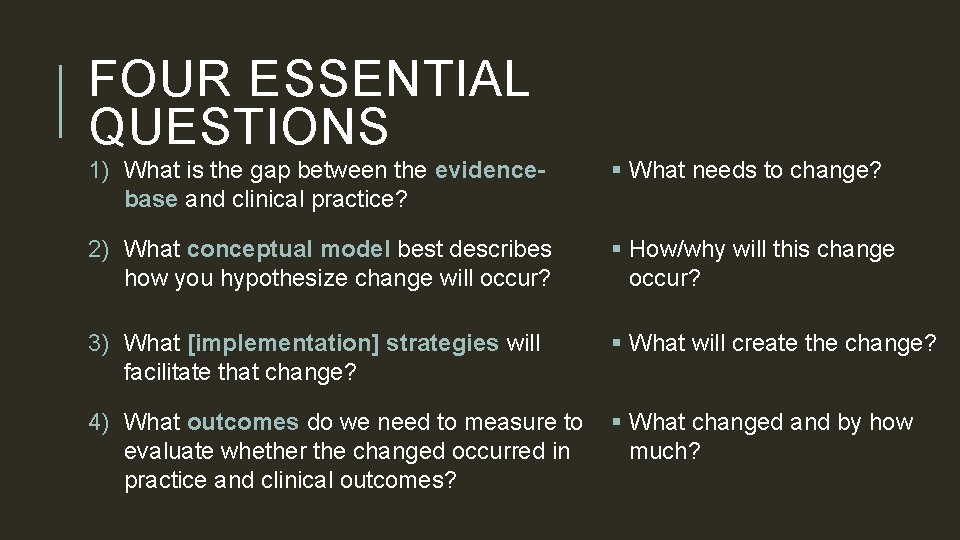
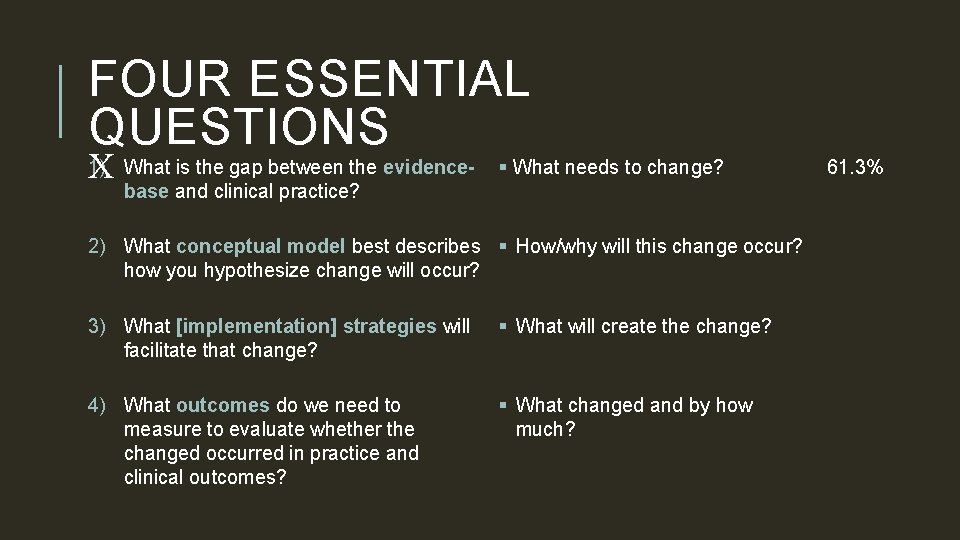
FOUR ESSENTIAL QUESTIONS 1) What is the gap between the evidencebase and clinical practice? § What needs to change? 2) What conceptual model best describes how you hypothesize change will occur? § How/why will this change occur? 3) What [implementation] strategies will facilitate that change? § What will create the change? 4) What outcomes do we need to measure to evaluate whether the changed occurred in practice and clinical outcomes? § What changed and by how much?
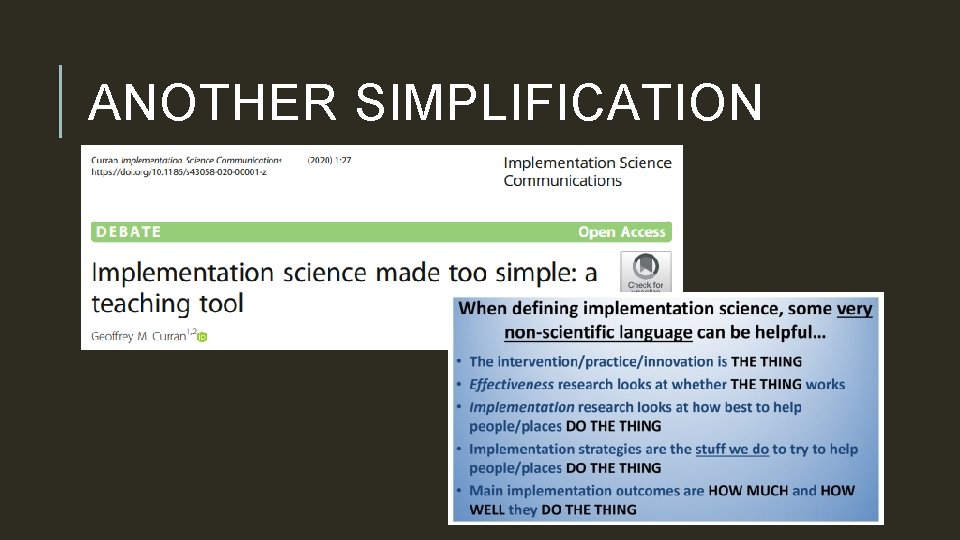
ANOTHER SIMPLIFICATION
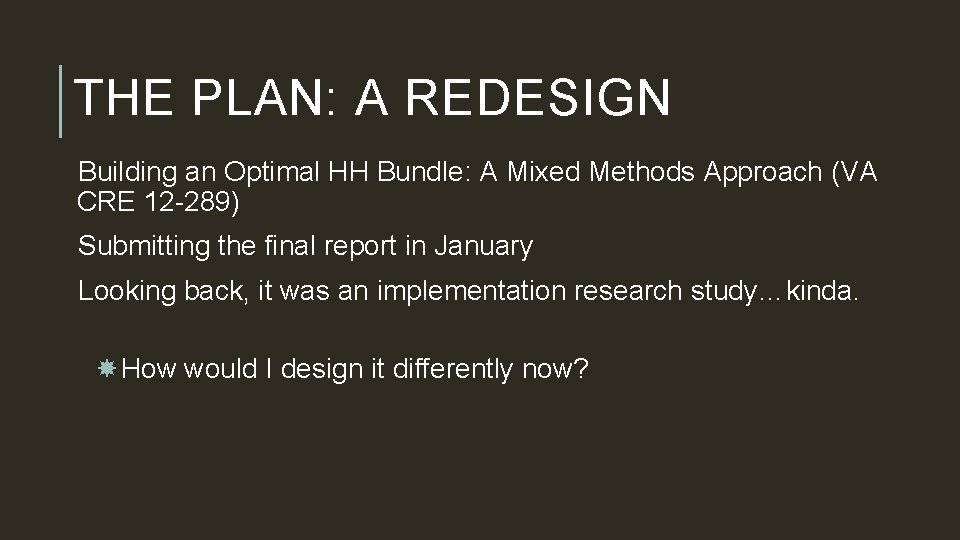
THE PLAN: A REDESIGN Building an Optimal HH Bundle: A Mixed Methods Approach (VA CRE 12 -289) Submitting the final report in January Looking back, it was an implementation research study…kinda. How would I design it differently now?
REDESIGN The Case Study
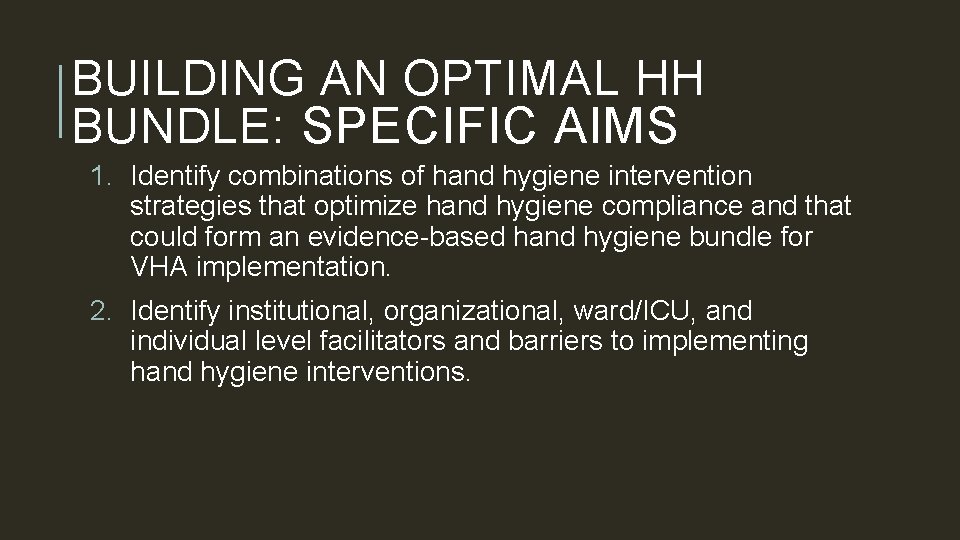
BUILDING AN OPTIMAL HH BUNDLE: SPECIFIC AIMS 1. Identify combinations of hand hygiene intervention strategies that optimize hand hygiene compliance and that could form an evidence-based hand hygiene bundle for VHA implementation. 2. Identify institutional, organizational, ward/ICU, and individual level facilitators and barriers to implementing hand hygiene interventions.
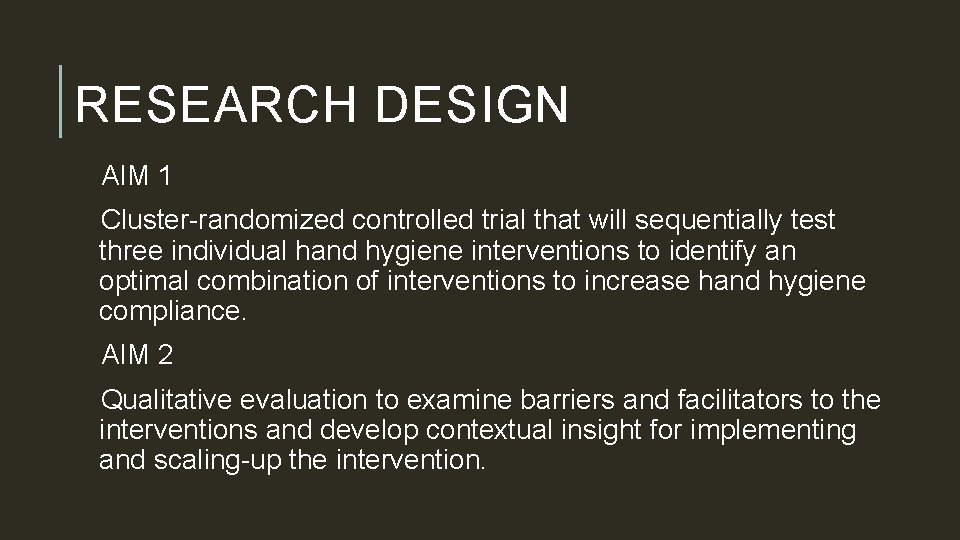
RESEARCH DESIGN AIM 1 Cluster-randomized controlled trial that will sequentially test three individual hand hygiene interventions to identify an optimal combination of interventions to increase hand hygiene compliance. AIM 2 Qualitative evaluation to examine barriers and facilitators to the interventions and develop contextual insight for implementing and scaling-up the intervention.
STUDY DESIGNS Effectiveness and Implementation Hybrids
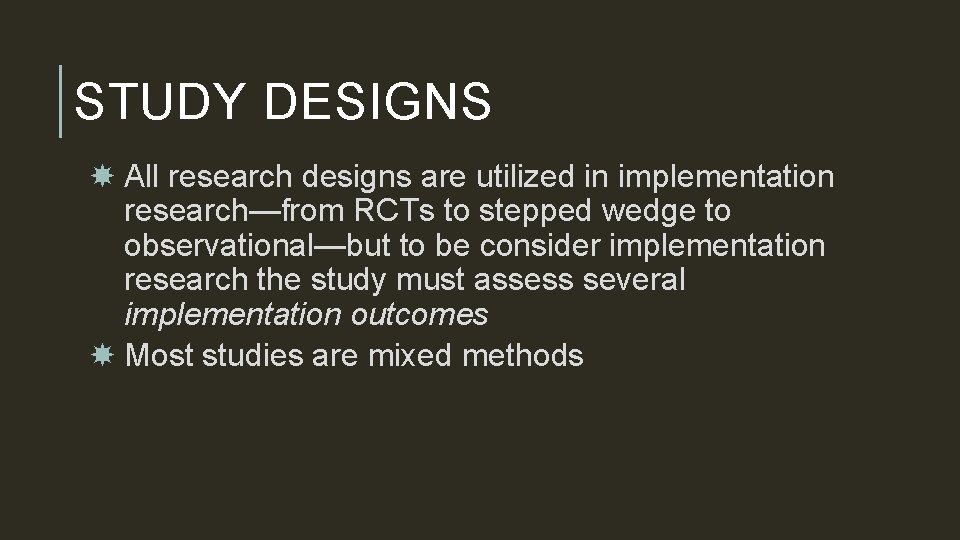
STUDY DESIGNS All research designs are utilized in implementation research—from RCTs to stepped wedge to observational—but to be consider implementation research the study must assess several implementation outcomes Most studies are mixed methods
HYBRID DESIGNS Curran et al, Medical Care, 2012. For more info [search “hybrid”]: http: //www. hsrd. rese arch. va. gov/cyberse minars/catalogarchive. cfm
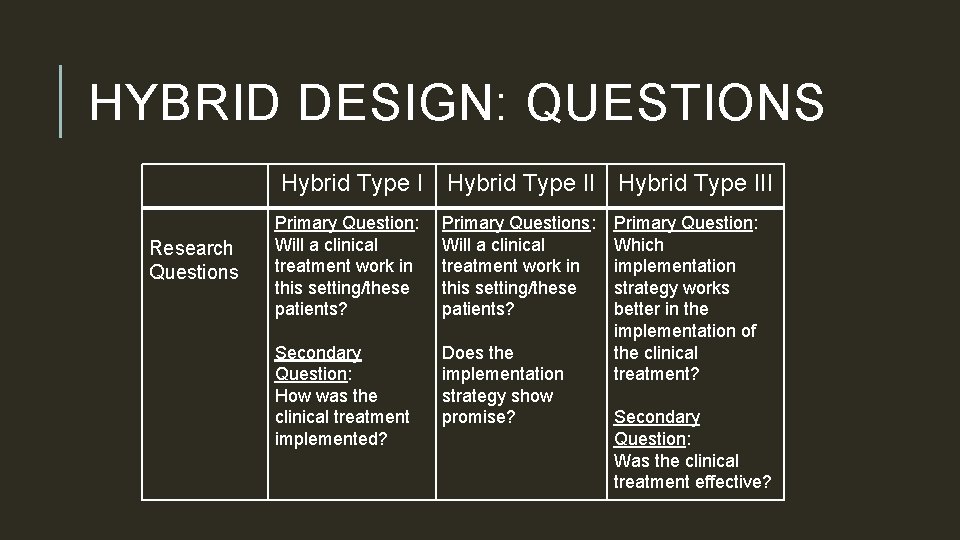
HYBRID DESIGN: QUESTIONS Hybrid Type III Research Questions Primary Question: Will a clinical treatment work in this setting/these patients? Primary Questions: Will a clinical treatment work in this setting/these patients? Secondary Question: How was the clinical treatment implemented? Does the implementation strategy show promise? Primary Question: Which implementation strategy works better in the implementation of the clinical treatment? Secondary Question: Was the clinical treatment effective?
REDESIGN: STEP ONE Hybrid Type III
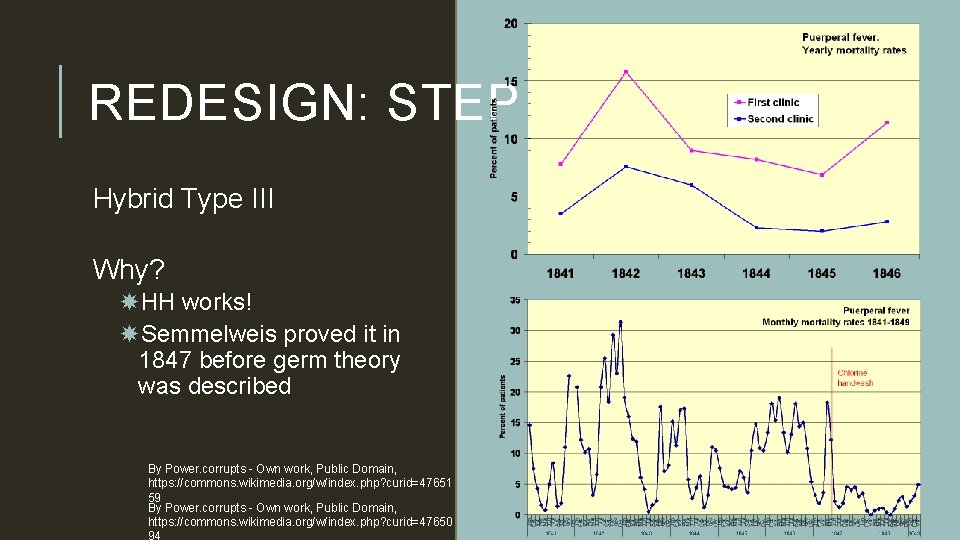
REDESIGN: STEP ONE Hybrid Type III Why? HH works! Semmelweis proved it in 1847 before germ theory was described By Power. corrupts - Own work, Public Domain, https: //commons. wikimedia. org/w/index. php? curid=47651 59 By Power. corrupts - Own work, Public Domain, https: //commons. wikimedia. org/w/index. php? curid=47650
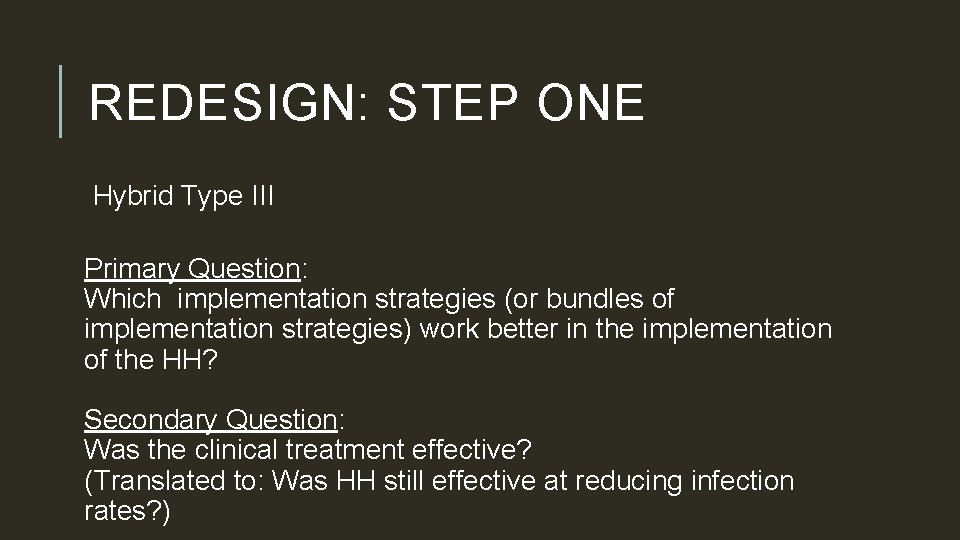
REDESIGN: STEP ONE Hybrid Type III Primary Question: Which implementation strategies (or bundles of implementation strategies) work better in the implementation of the HH? Secondary Question: Was the clinical treatment effective? (Translated to: Was HH still effective at reducing infection rates? )
PAUSE Discussion of behavioral interventions.
THE GAP What needs to change?
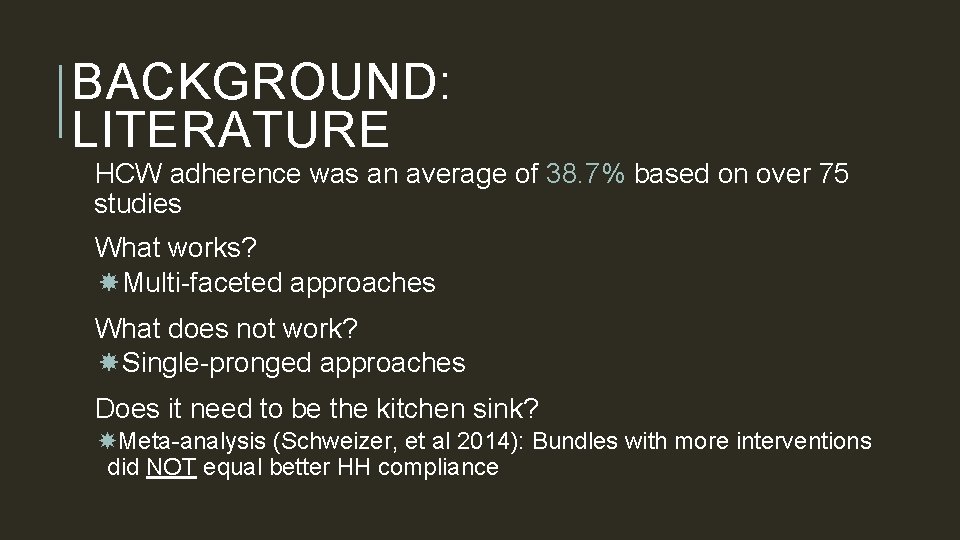
BACKGROUND: LITERATURE HCW adherence was an average of 38. 7% based on over 75 studies What works? Multi-faceted approaches What does not work? Single-pronged approaches Does it need to be the kitchen sink? Meta-analysis (Schweizer, et al 2014): Bundles with more interventions did NOT equal better HH compliance
FOUR ESSENTIAL QUESTIONS 1) What is the gap between the evidence. X § What needs to change? base and clinical practice? 2) What conceptual model best describes § How/why will this change occur? how you hypothesize change will occur? 3) What [implementation] strategies will facilitate that change? § What will create the change? 4) What outcomes do we need to measure to evaluate whether the changed occurred in practice and clinical outcomes? § What changed and by how much? 61. 3%
QUESTION S? This Photo by Unknown Author is licensed under CC BY-SA-NC