
Introduction to Implementation Science Concepts two frameworks and

- Slides: 23
Introduction to Implementation Science: Concepts, two frameworks and a dose of pragmatism Sue Flocke, Ph. D Department of Family Medicine February 27, 2020
Goals § Orientation to Implementation § § Science Definitions Contrast to efficacy and effectiveness studies PRECIS and Knowledge to Action framework Resources
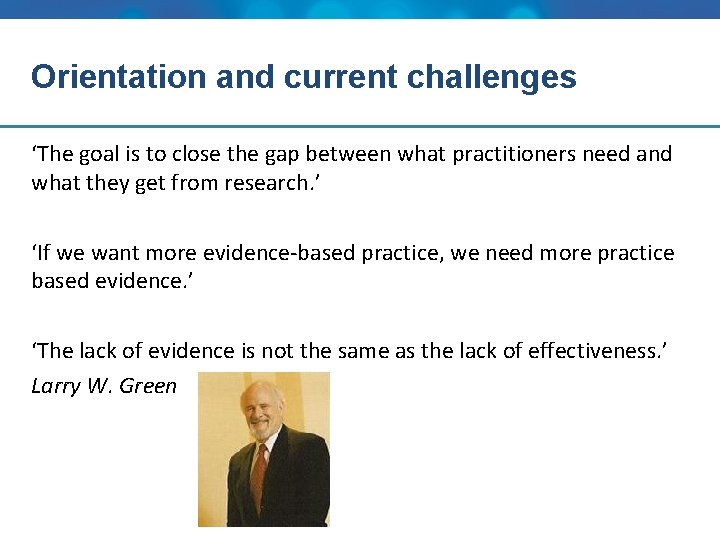
Orientation and current challenges ‘The goal is to close the gap between what practitioners need and what they get from research. ’ ‘If we want more evidence-based practice, we need more practice based evidence. ’ ‘The lack of evidence is not the same as the lack of effectiveness. ’ Larry W. Green
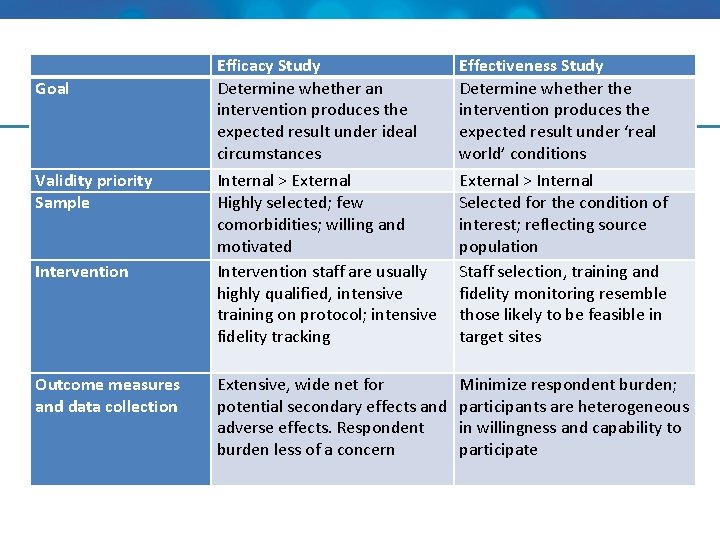
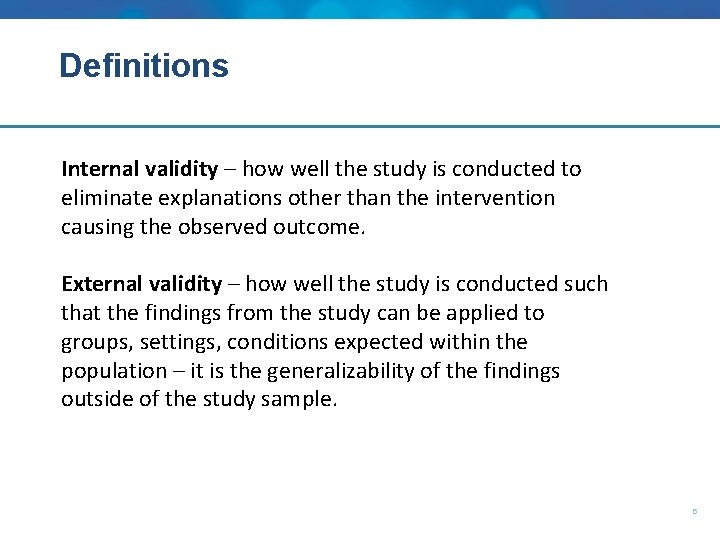
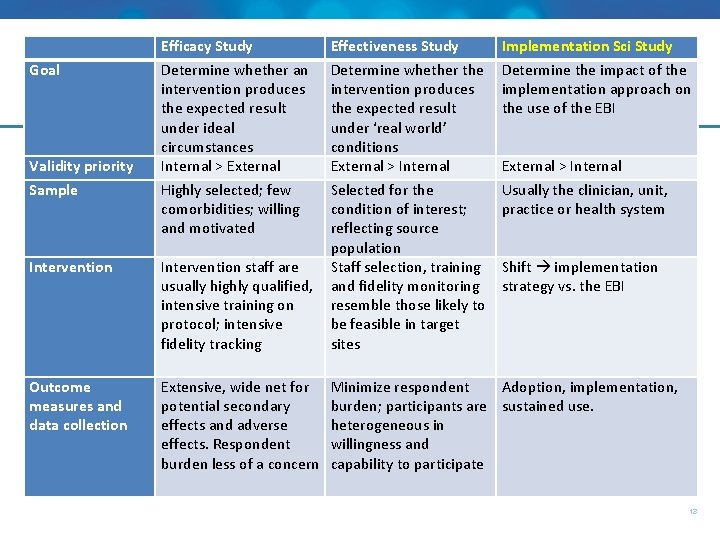
Goal Validity priority Sample Intervention Outcome measures and data collection Efficacy Study Determine whether an intervention produces the expected result under ideal circumstances Internal > External Highly selected; few comorbidities; willing and motivated Intervention staff are usually highly qualified, intensive training on protocol; intensive fidelity tracking Effectiveness Study Determine whether the intervention produces the expected result under ‘real world’ conditions External > Internal Selected for the condition of interest; reflecting source population Staff selection, training and fidelity monitoring resemble those likely to be feasible in target sites Extensive, wide net for potential secondary effects and adverse effects. Respondent burden less of a concern Minimize respondent burden; participants are heterogeneous in willingness and capability to participate
Definitions Internal validity – how well the study is conducted to eliminate explanations other than the intervention causing the observed outcome. External validity – how well the study is conducted such that the findings from the study can be applied to groups, settings, conditions expected within the population – it is the generalizability of the findings outside of the study sample. 5
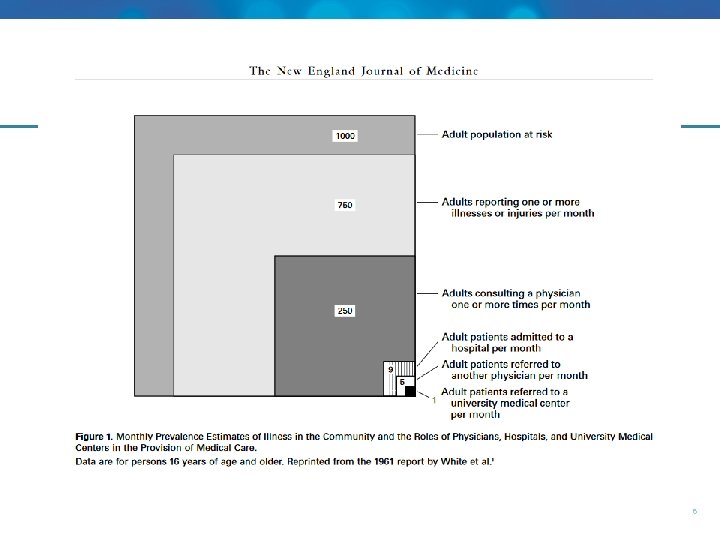
6
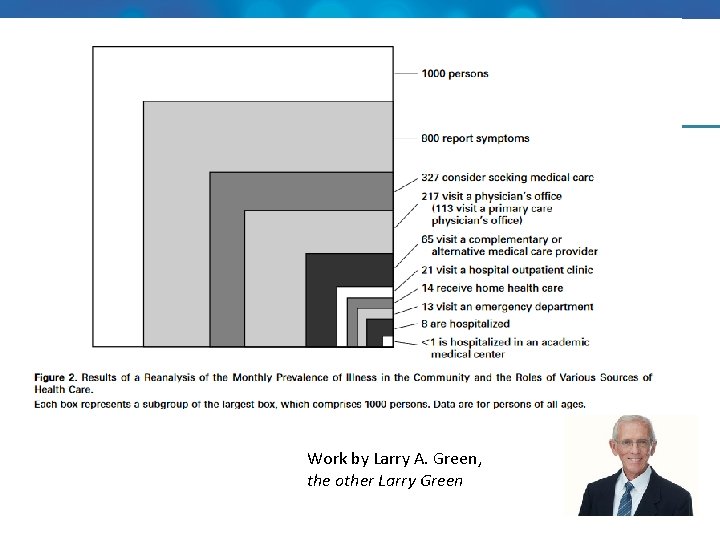
Work by Larry A. Green, the other Larry Green 7
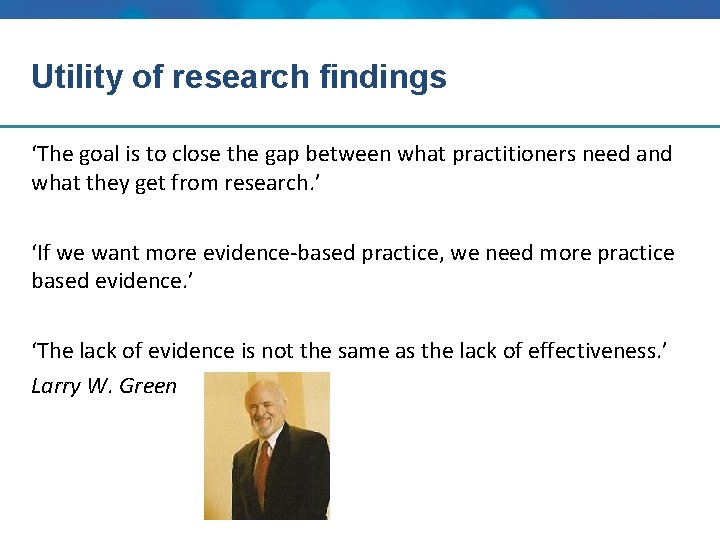
Utility of research findings ‘The goal is to close the gap between what practitioners need and what they get from research. ’ ‘If we want more evidence-based practice, we need more practice based evidence. ’ ‘The lack of evidence is not the same as the lack of effectiveness. ’ Larry W. Green
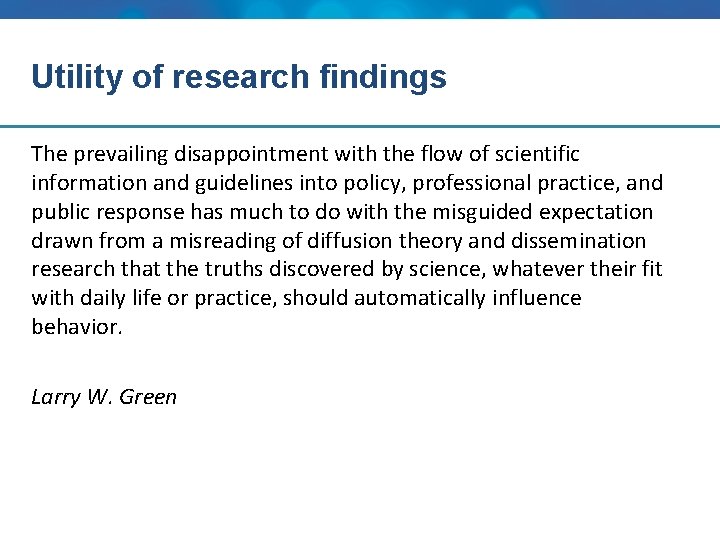
Utility of research findings The prevailing disappointment with the flow of scientific information and guidelines into policy, professional practice, and public response has much to do with the misguided expectation drawn from a misreading of diffusion theory and dissemination research that the truths discovered by science, whatever their fit with daily life or practice, should automatically influence behavior. Larry W. Green
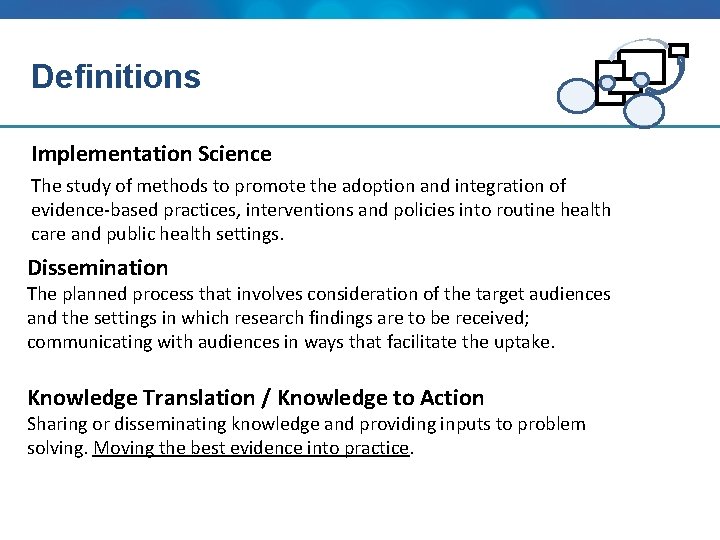
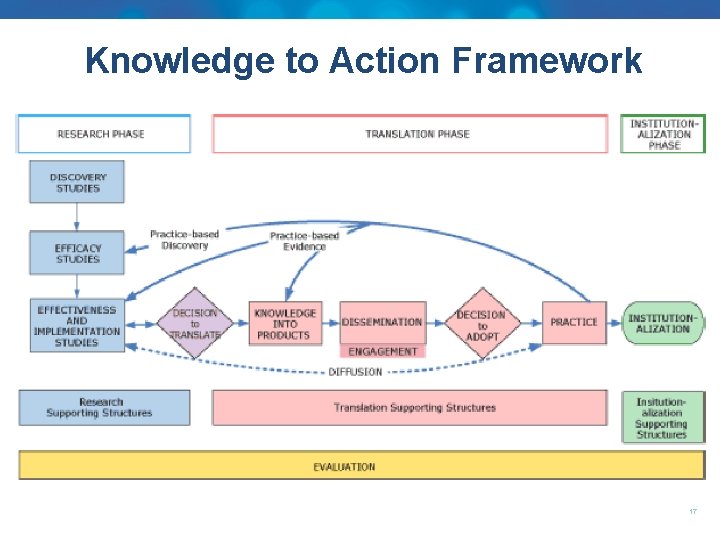
Definitions Implementation Science The study of methods to promote the adoption and integration of evidence-based practices, interventions and policies into routine health care and public health settings. Dissemination The planned process that involves consideration of the target audiences and the settings in which research findings are to be received; communicating with audiences in ways that facilitate the uptake. Knowledge Translation / Knowledge to Action Sharing or disseminating knowledge and providing inputs to problem solving. Moving the best evidence into practice.
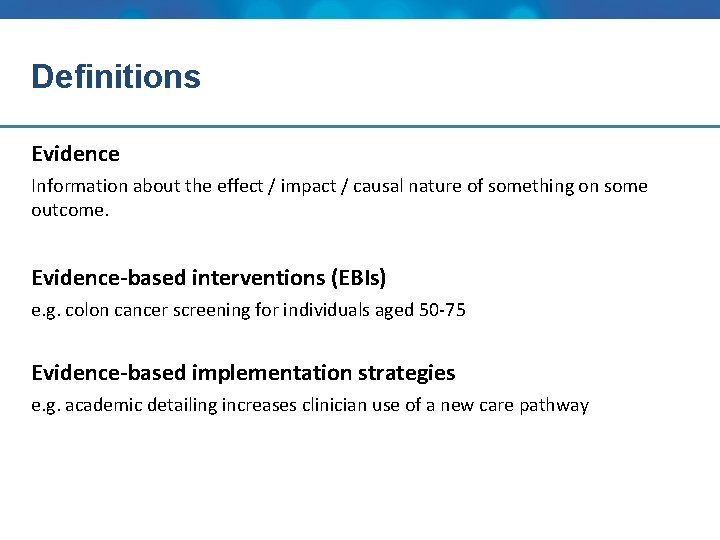
Definitions Evidence Information about the effect / impact / causal nature of something on some outcome. Evidence-based interventions (EBIs) e. g. colon cancer screening for individuals aged 50 -75 Evidence-based implementation strategies e. g. academic detailing increases clinician use of a new care pathway
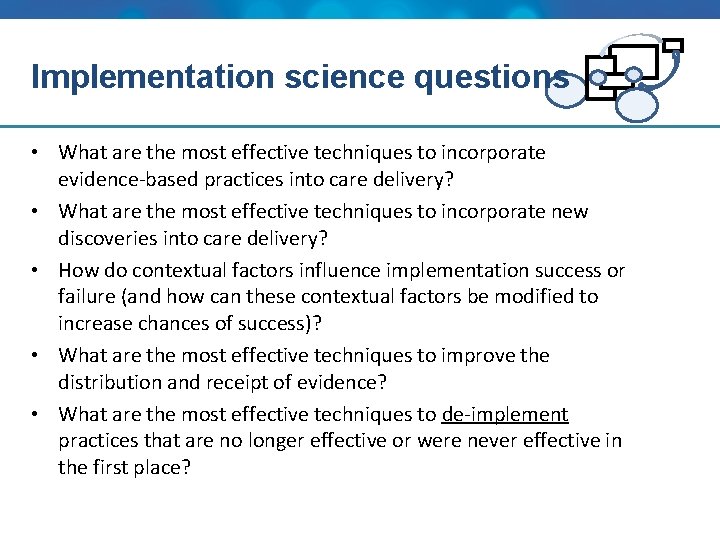
Implementation science questions • What are the most effective techniques to incorporate evidence-based practices into care delivery? • What are the most effective techniques to incorporate new discoveries into care delivery? • How do contextual factors influence implementation success or failure (and how can these contextual factors be modified to increase chances of success)? • What are the most effective techniques to improve the distribution and receipt of evidence? • What are the most effective techniques to de-implement practices that are no longer effective or were never effective in the first place?
Intervention staff are usually highly qualified, intensive training on protocol; intensive fidelity tracking Effectiveness Study Determine whether the intervention produces the expected result under ‘real world’ conditions External > Internal Selected for the condition of interest; reflecting source population Staff selection, training and fidelity monitoring resemble those likely to be feasible in target sites Outcome measures and data collection Extensive, wide net for potential secondary effects and adverse effects. Respondent burden less of a concern Minimize respondent Adoption, implementation, burden; participants are sustained use. heterogeneous in willingness and capability to participate Goal Validity priority Sample Efficacy Study Determine whether an intervention produces the expected result under ideal circumstances Internal > External Highly selected; few comorbidities; willing and motivated Implementation Sci Study Determine the impact of the implementation approach on the use of the EBI External > Internal Usually the clinician, unit, practice or health system Shift implementation strategy vs. the EBI 13
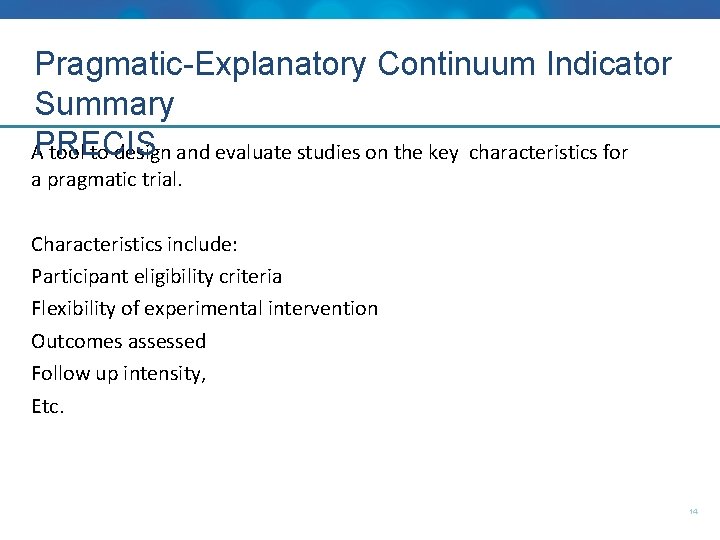
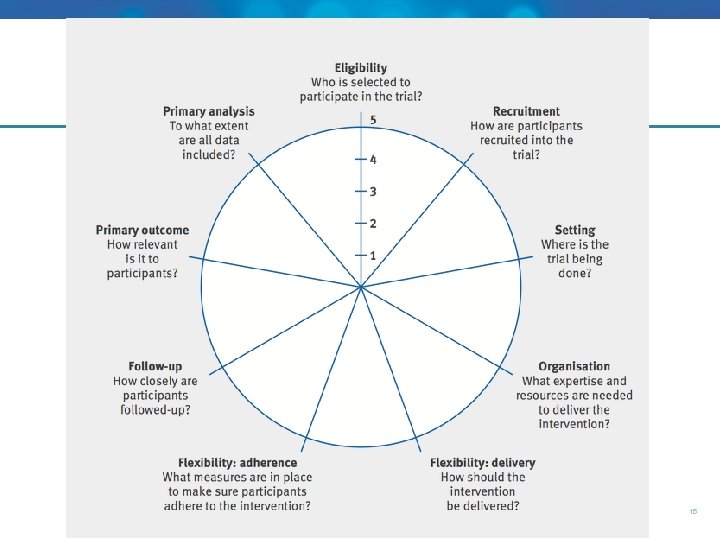
Pragmatic-Explanatory Continuum Indicator Summary APRECIS tool to design and evaluate studies on the key characteristics for a pragmatic trial. Characteristics include: Participant eligibility criteria Flexibility of experimental intervention Outcomes assessed Follow up intensity, Etc. 14
15
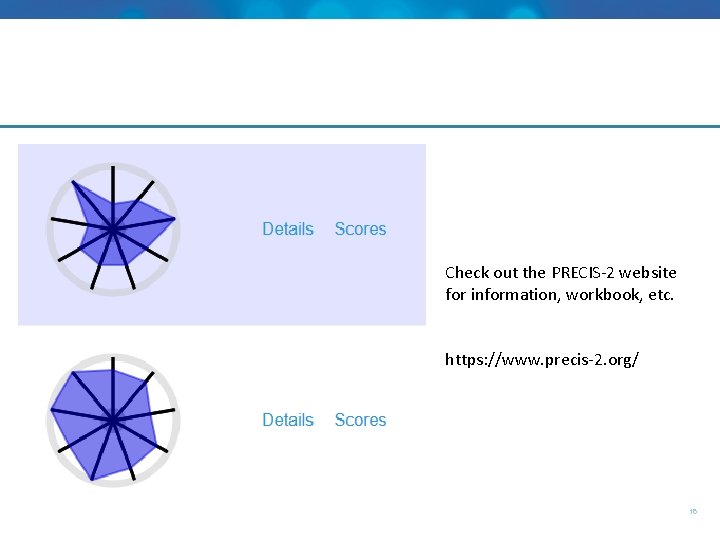
Check out the PRECIS-2 website for information, workbook, etc. https: //www. precis-2. org/ 16
Knowledge to Action Framework 17
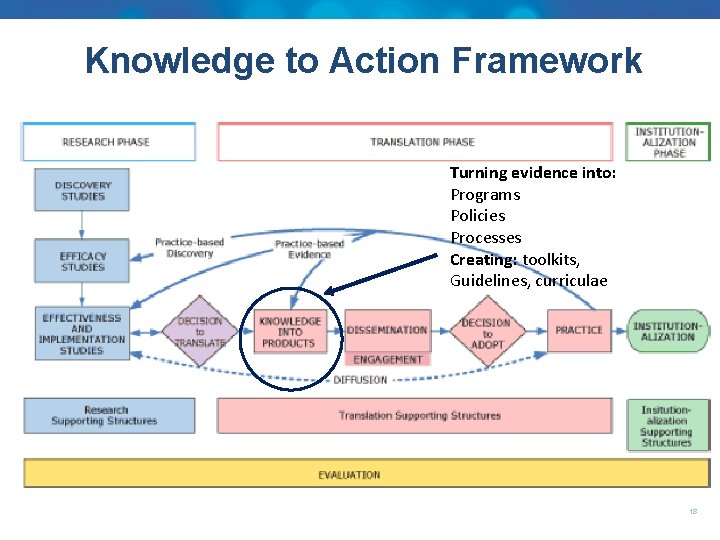
Knowledge to Action Framework Turning evidence into: Programs Policies Processes Creating: toolkits, Guidelines, curriculae 18
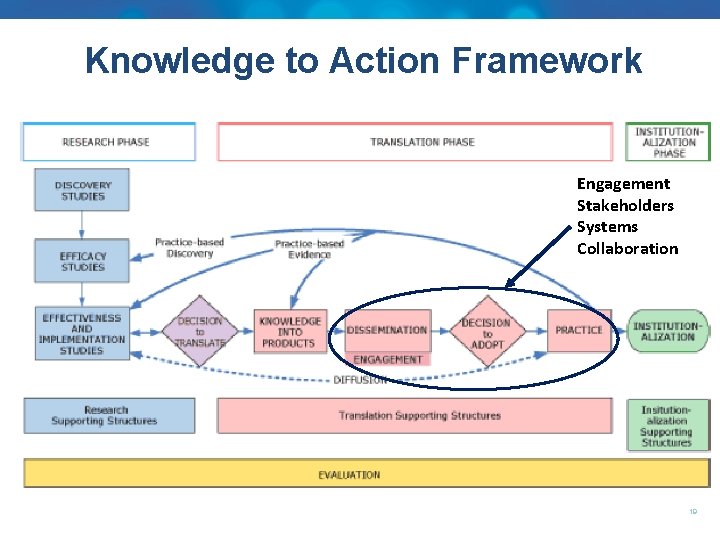
Knowledge to Action Framework Engagement Stakeholders Systems Collaboration 19
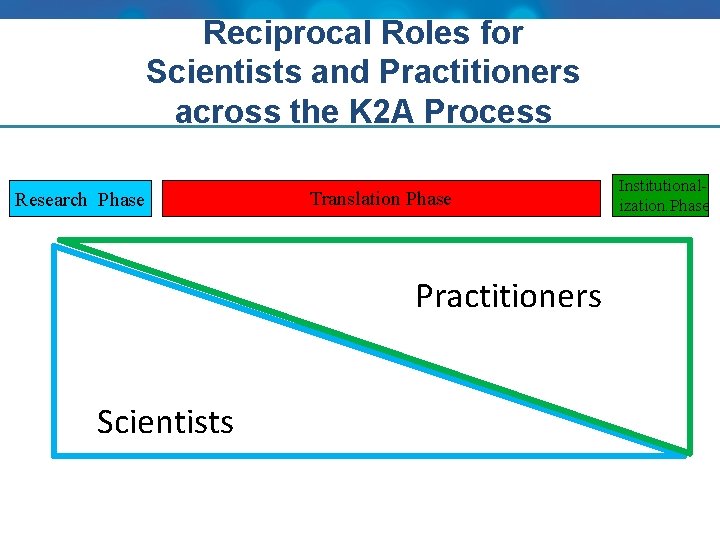
Reciprocal Roles for Scientists and Practitioners across the K 2 A Process Research Phase Translation Phase Practitioners Scientists Institutionalization. Phase
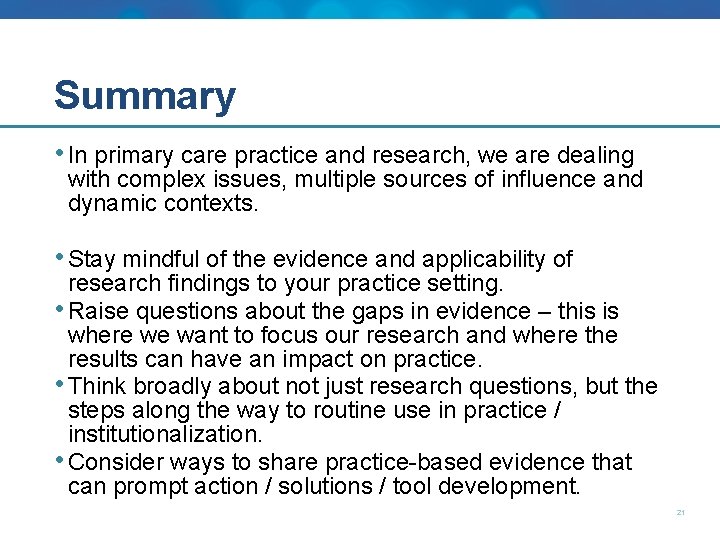
Summary • In primary care practice and research, we are dealing with complex issues, multiple sources of influence and dynamic contexts. • Stay mindful of the evidence and applicability of research findings to your practice setting. • Raise questions about the gaps in evidence – this is where we want to focus our research and where the results can have an impact on practice. • Think broadly about not just research questions, but the steps along the way to routine use in practice / institutionalization. • Consider ways to share practice-based evidence that can prompt action / solutions / tool development. 21
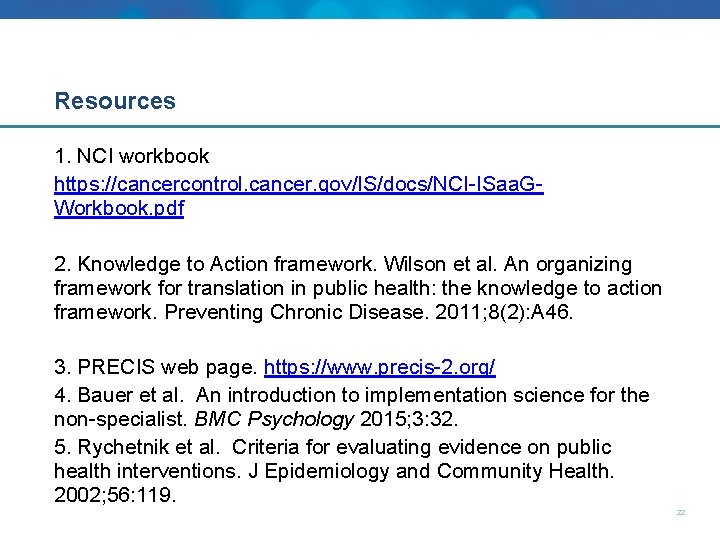
Resources 1. NCI workbook https: //cancercontrol. cancer. gov/IS/docs/NCI-ISaa. GWorkbook. pdf 2. Knowledge to Action framework. Wilson et al. An organizing framework for translation in public health: the knowledge to action framework. Preventing Chronic Disease. 2011; 8(2): A 46. 3. PRECIS web page. https: //www. precis-2. org/ 4. Bauer et al. An introduction to implementation science for the non-specialist. BMC Psychology 2015; 3: 32. 5. Rychetnik et al. Criteria for evaluating evidence on public health interventions. J Epidemiology and Community Health. 2002; 56: 119. 22
Questions and comments? Sue Flocke flocke@ohsu. edu