
Introduction to Immunology Lymphoid System Immunology Unit Department

- Slides: 30
Introduction to Immunology & Lymphoid System Immunology Unit Department of Pathology College of Medicine KSU
Objectives • • • Historical perspective of immunology Basic terminology and definitions Cells of immune response Types of immune responses Lymphoid System T and B cells
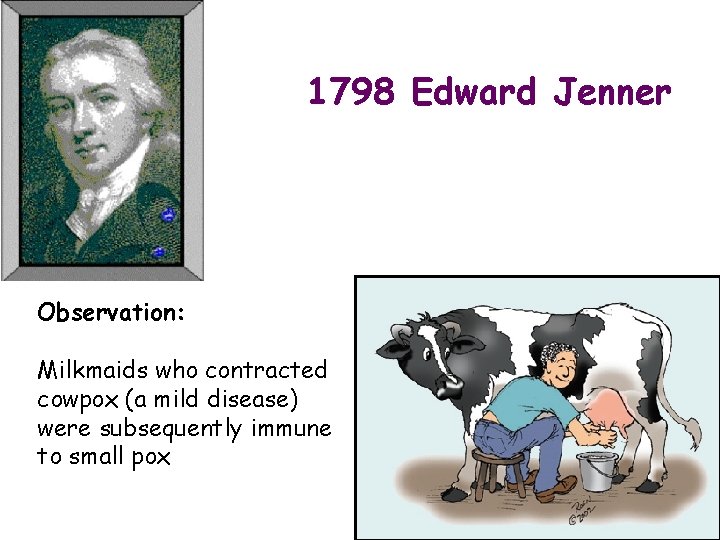
1798 Edward Jenner Observation: Milkmaids who contracted cowpox (a mild disease) were subsequently immune to small pox
1798 Edward Jenner Profound results: (1) Jenner’s technique of inoculating with cowpox to protect against small pox spread quickly throughout Europe. (2) Began the science of Immunology, the study of the body’s response to foreign substances.
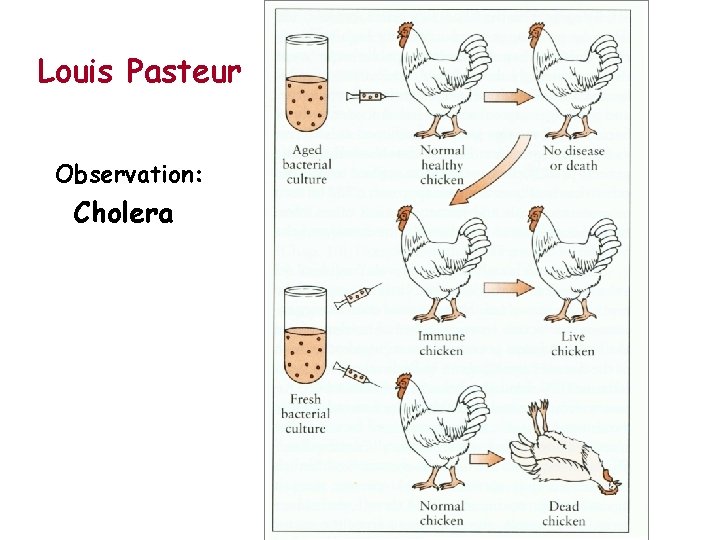
Louis Pasteur’s Contributions • Determined through studies of cholera in chickens that the virulence of a pathogen weakens with age Ø Attenuated – weakened, non-virulent strain whose exposure can confer resistance to disease • Classical experiment Ø Heat attenuated anthrax bacillus and subsequent challenge with virulent Bacillus anthracis in sheep
Louis Pasteur Observation: Cholera
What is immunology? • Immune (Latin- “immunus”) – To be free, exempt – People survived ravages of epidemic diseases when faced with the same disease again – Immunity: The state of protection from infectious disease • The study of mechanisms that humans and other animals use to defend their bodies from invading organisms such as bacteria, viruses, fungi, parasites and toxins
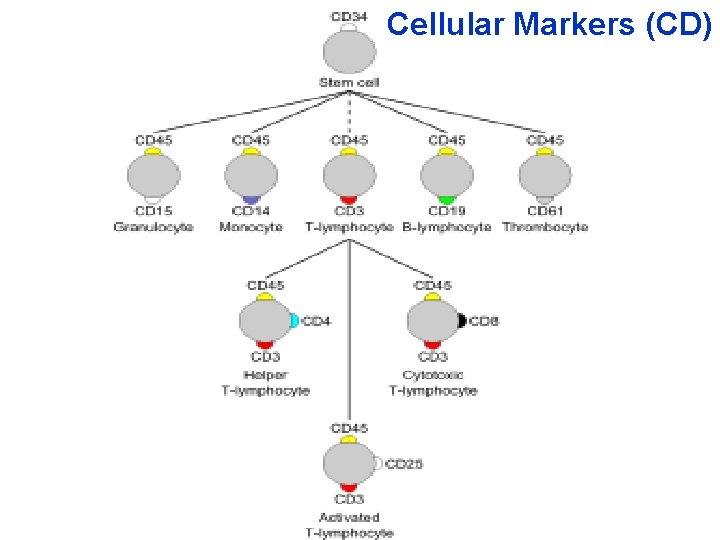
Definitions • Antigen (Ag): any substance (usually foreign) that binds specifically to a component of adaptive immunity. • (CD) cluster of differentiation : molecule with a CD designation has a characteristic cell surface protein are often associated with the cell’s function. • Immunogen: any substance capable of eliciting an immune response. All immunogens are antigen, but some antigens are not immunogens. • Antibody (Ab): Secreted immunoglobulin from plasma cell • Immunoglobulin (Ig): an antibody or a heavy or light polypeptide chain that is a part of an antibody molecule. • Vaccination: deliberate induction of protective immunity to a pathogen
• Allergen: noninfectious antigens that induce hypersensitivity reactions, most commonly Ig. Emediated type I reactions. • Adaptive Immunity: Specific host defenses that are mediated by T & B cells following exposure to Ag. • Innate immunity: Nonspecific host defenses that exist prior to exposure to Ag. • Epitope (antigenic determinant): the portion of of Ag that is recognized and bound by an Ab or T cell receptor. • Pathogen: a disease causing organism
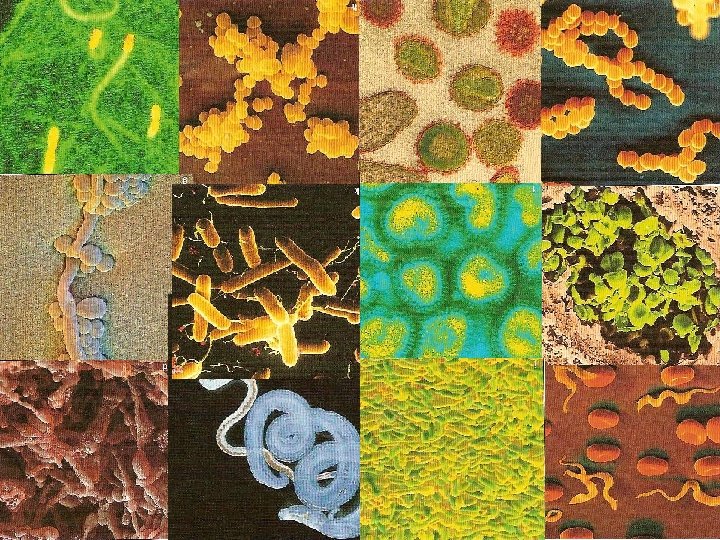
Where & what are antigens? Microorganisms & their related products (proteins, polysaccharides, lipids) Environmental substances Drugs Organs, tissues, cells
Cellular Markers (CD)
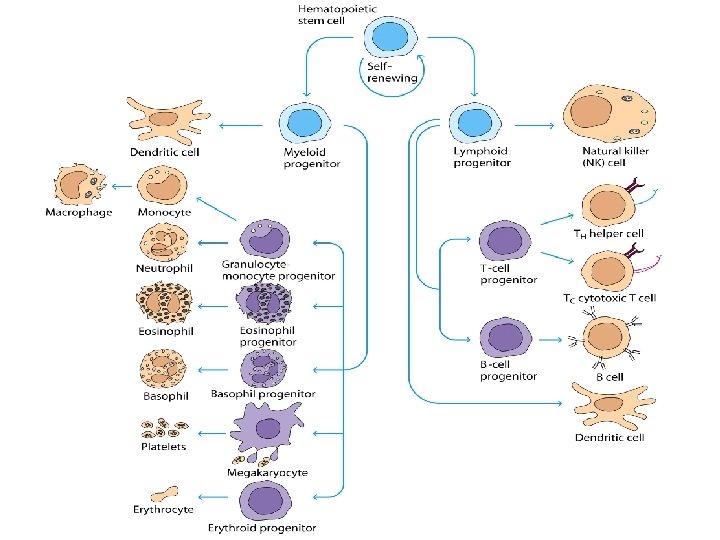
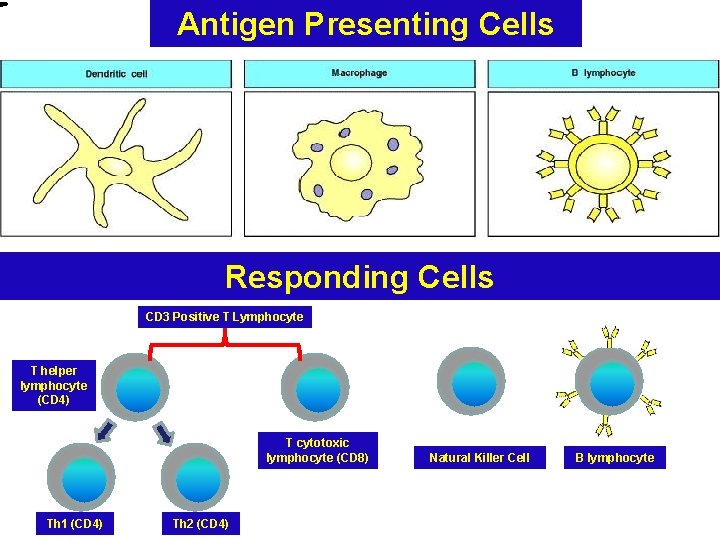
Antigen Presenting Cells Responding Cells CD 3 Positive T Lymphocyte T helper lymphocyte (CD 4) T cytotoxic lymphocyte (CD 8) Th 1 (CD 4) Th 2 (CD 4) Natural Killer Cell B lymphocyte
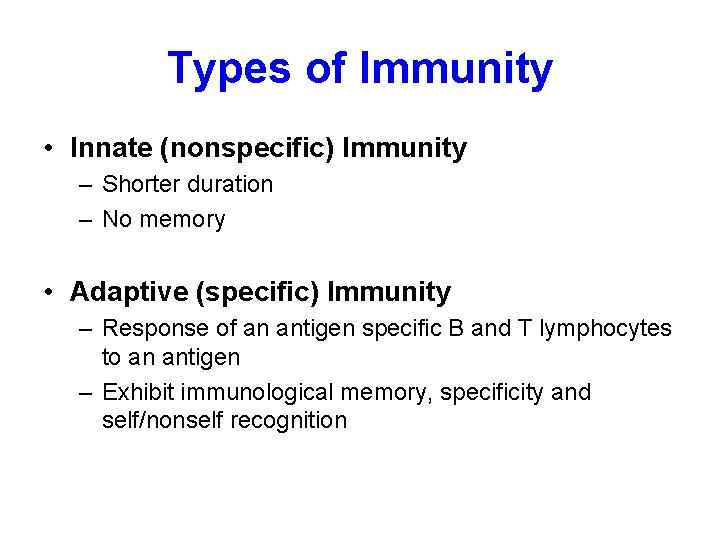
Types of Immunity • Innate (nonspecific) Immunity – Shorter duration – No memory • Adaptive (specific) Immunity – Response of an antigen specific B and T lymphocytes to an antigen – Exhibit immunological memory, specificity and self/nonself recognition
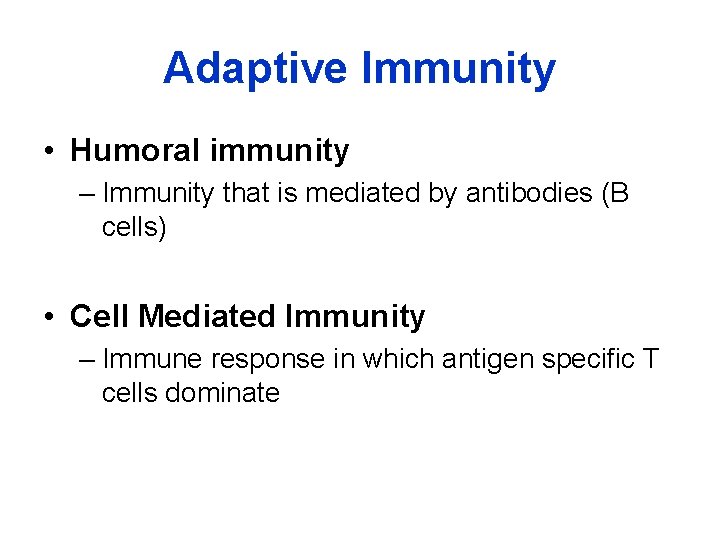
Adaptive Immunity • Humoral immunity – Immunity that is mediated by antibodies (B cells) • Cell Mediated Immunity – Immune response in which antigen specific T cells dominate
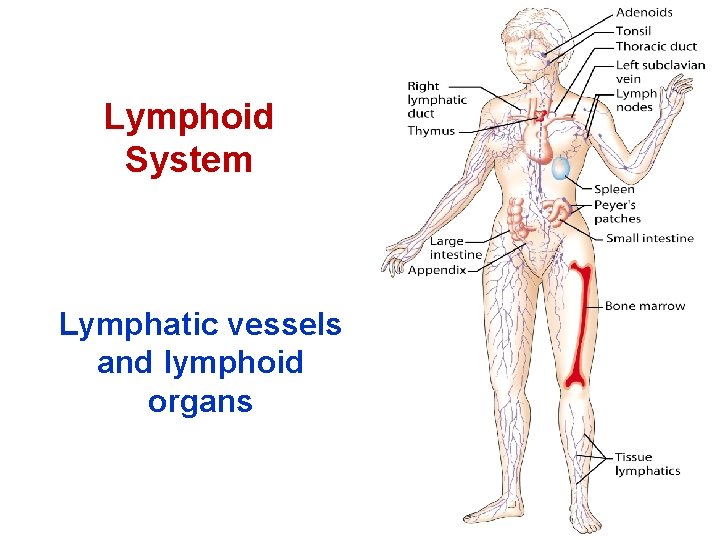
Lymphoid System Lymphatic vessels and lymphoid organs
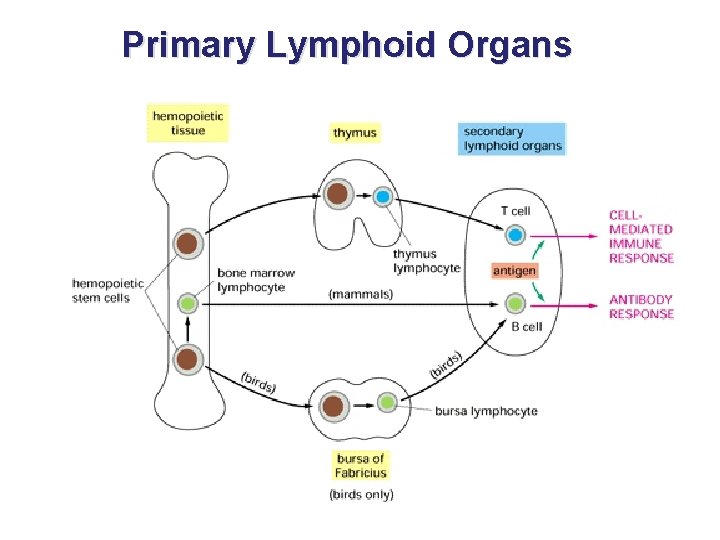
Primary Lymphoid Organs
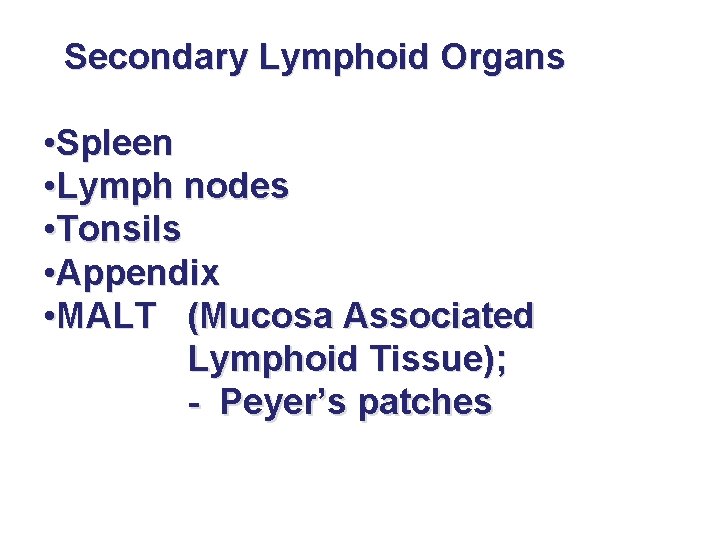
Secondary Lymphoid Organs • Spleen • Lymph nodes • Tonsils • Appendix • MALT (Mucosa Associated Lymphoid Tissue); - Peyer’s patches
Lymphoid series comprise of two main lymphocyte populations T cells and B cells
T-Lymphocyte Differentiation • Originate in Bone Marrow then migrate to Thymus for development. • T cell precursors differentiate into mature T cells in thymus • Stem cells lack antigen receptors and CD 3, CD 4, CD 8 surface markers • During their passage through thymus they differentiate into T cells expressing these markers
T-Lymphocytes • All T cells have CD 3 proteins on their cell surface • Mature T cells have either CD 4 or CD 8 proteins but not both
Functions of Helper Lymphocytes • CD 4 Lymphocytes (Helper Type 1 and 2) • Functions – Help B cells to develop into antibody producing plasma cells (Th 2) – Help CD 8 cells to become activated cytotoxic T cells (Th 1) – Help macrophages in cell mediated immunity (Th 1)
CD 8 positive cells • About 35% of peripheral blood T cells • Perform cytotoxic functions • They kill virus-infected cells, tumor and allograft cells (transplant)
B cells • Origin • During embryogenesis – fetal liver • Migrate to bone marrow – final destination • They do not require thymus for maturation
B cells • B cells display surface Ig. M which serves as antigen receptor • Surface Ig. D on some B cells also serves as an antigen receptor • Pre B cells are found in bone marrow and mature B cells are found circulating in bloodstream
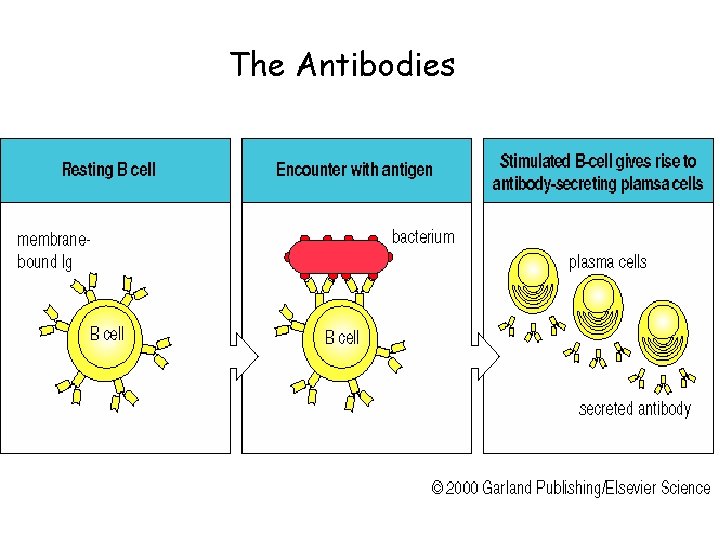
The Antibodies
Antibodies are also called Immunoglobulins (Ig) are grouped into 5 classes: Ig. G Ig. M Ig. A Ig. D Ig. E Ig are glycoproteins They differ in size, amount of CHO and biologic functions after binding to specific antigens
Concluding Remarks • Normal healthy state is maintained by intact immune response either innate (natural immunity) or adaptive (acquired immunity after exposure to antigens) • Cell mediated immunity and humoral immunity is mediated by T and B lymphocytes respectively • Lymphoid system provides suitable environment for development, maturation and proper functioning of cells of immune system