
Introduction to Humanities Monday September 18 th CONTENT
Introduction to Humanities Monday, September 18 th

CONTENT WARNING This presentation contains an image that resembles a severe burn victim. Please inform the instructor if you believe this image may cause you psychological distress.
9/18 Agenda � Theodorus the Atheist � Walter Pater & Oscar Wilde � The Apology of Socrates
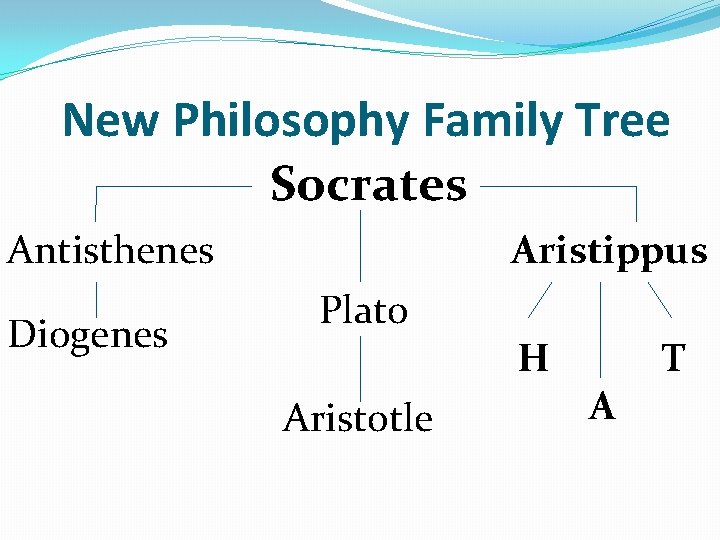
New Philosophy Family Tree Socrates Antisthenes Diogenes Aristippus Plato Aristotle H A T
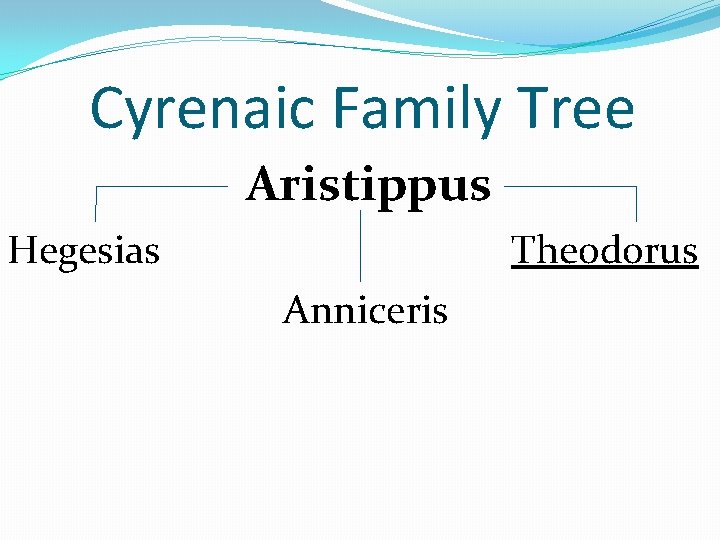
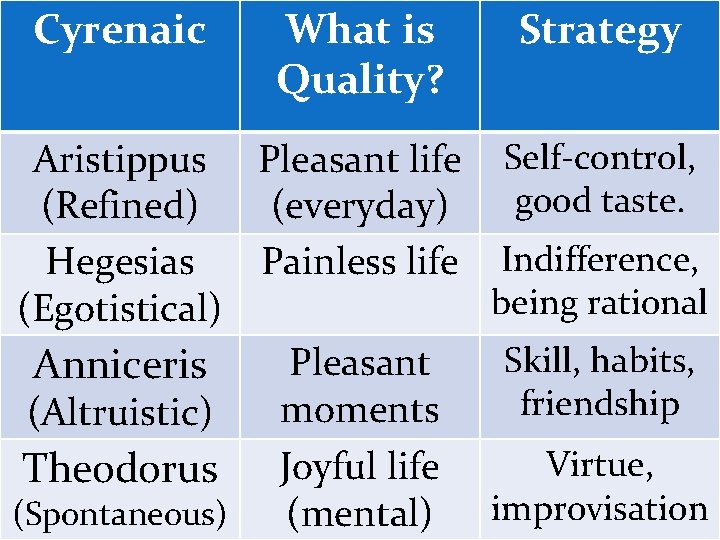
Cyrenaic Family Tree Aristippus Hegesias Theodorus Anniceris
Hegesias v. Anniceris �Be rational! �It’s okay if you’re not; it’s hard! �You’re better than non-philosophers �We can only “use” one another. �Feel confident! �You need practice to do so! �Non-philosophers may be wise too. �Sacrifice for some friends.
Theodorus, Last Cyrenaic �Student of Anniceris �Combined teachings of Anniceris and Hegesias �Also influenced by the Cynics �Did not like the idea of particular pleasures; he wanted constant joy or cheerfulness.
Theodorean Cyrenaicism �Pleasure and pain don’t matter. �Mental pleasure (joy) is best. �Mental pain (grief) is worst. �Virtue Joy �Vice Grief �The wise person improvises. �Friends and gods don’t matter.
Rules for Fools, not Wise People �The wise person learns virtue, then acts spontaneously according to it. �Unwise people learn rules and obey them even when wrong. �The wise person “reads the situation, ” every moment.
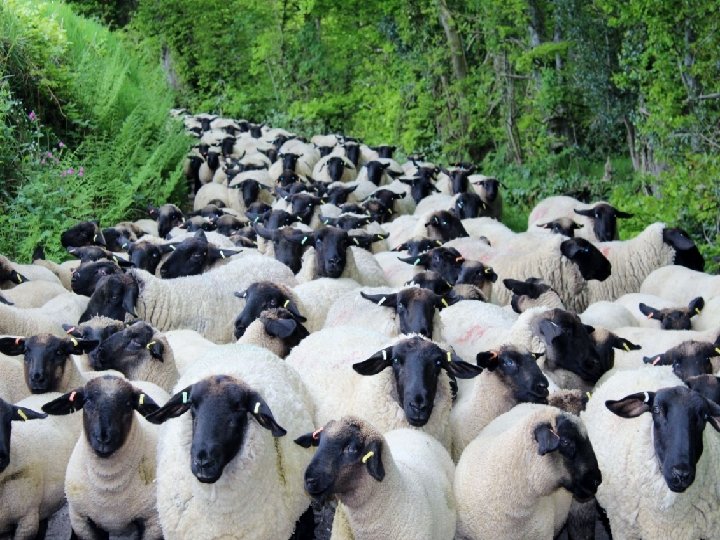
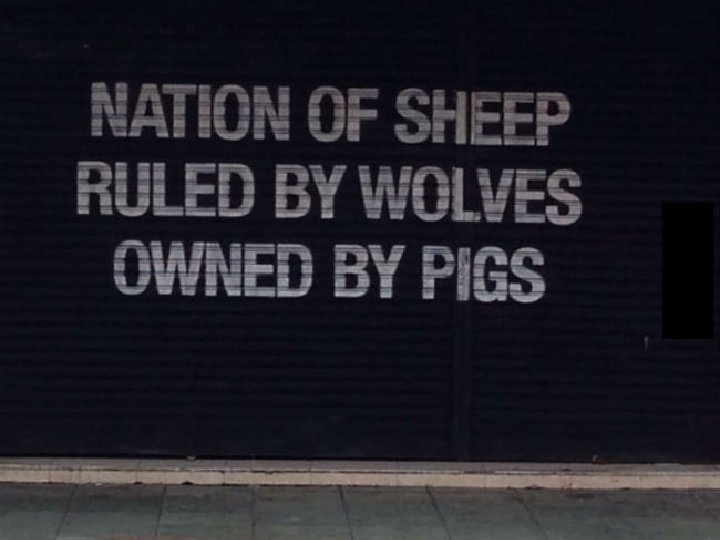
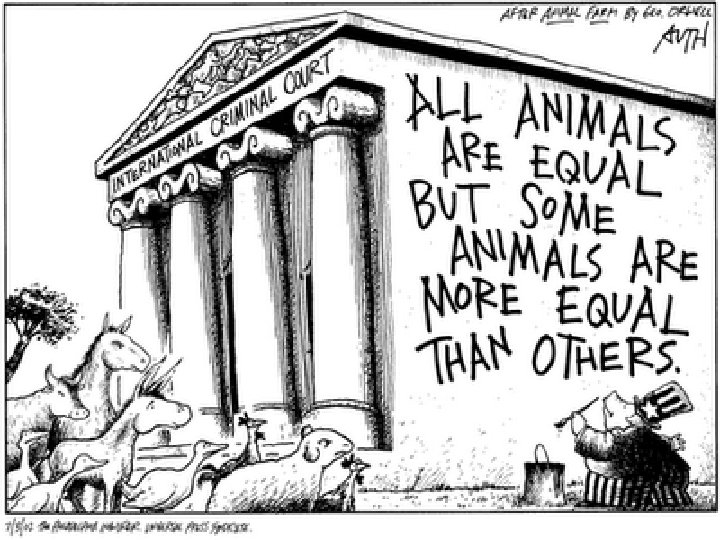
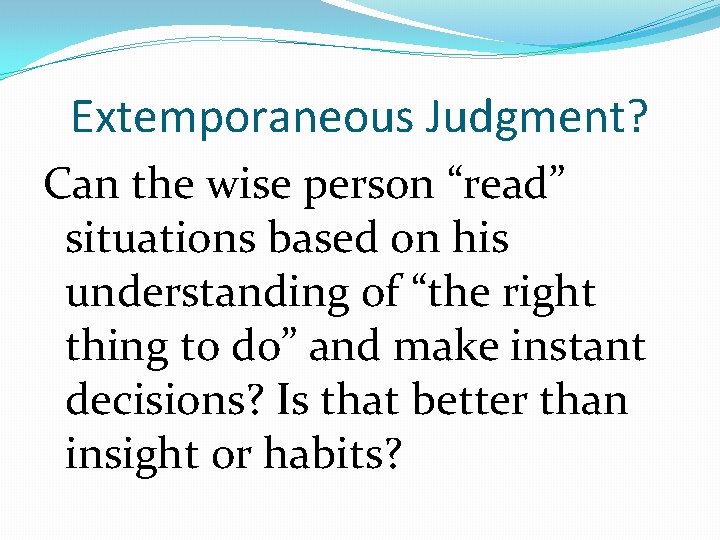
Extemporaneous Judgment? Can the wise person “read” situations based on his understanding of “the right thing to do” and make instant decisions? Is that better than insight or habits?
Cyrenaic What is Quality? Strategy Aristippus Pleasant life Self-control, good taste. (Refined) (everyday) Hegesias Painless life Indifference, being rational (Egotistical) Skill, habits, Pleasant Anniceris friendship moments (Altruistic) Virtue, Theodorus Joyful life (Spontaneous) (mental) improvisation
If you’re a hedonist… what kind of hedonist are you? Take two or three minutes and make a decision between Hegesias, Anniceris, and Theodorus. Give a reason why.
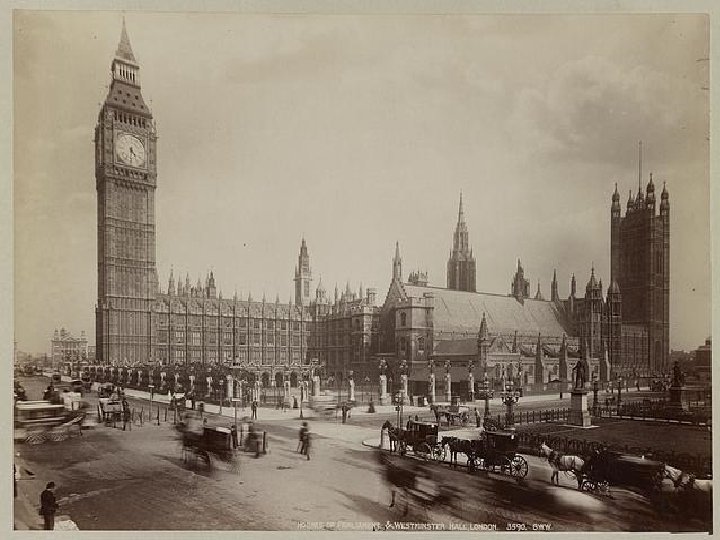
Victorian Cyrenaicism �Two Victorian Englishmen wrote novels that prominently feature Cyrenaicism: �Walter Pater wrote Marius the Epicurean (1885) �Oscar Wilde wrote The Picture of Dorian Gray (1890)
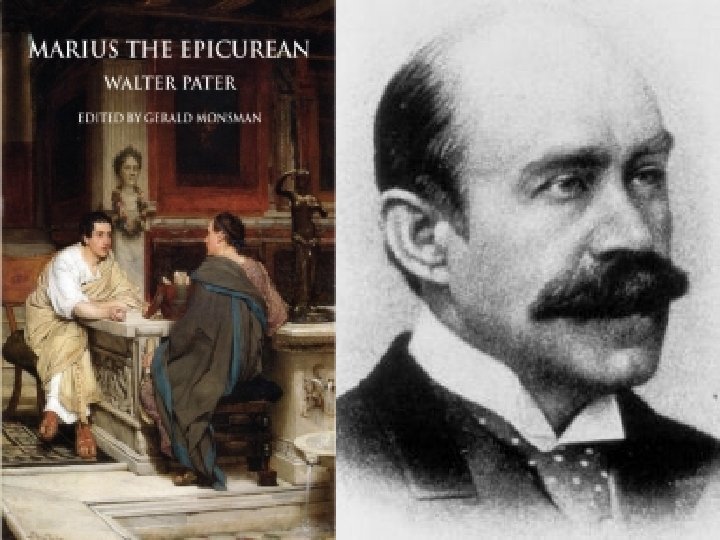
Pater’s New Cyrenaicism Not pleasure, but fullness, completeness of life generally, was the practical ideal to which this anti-metaphysical metaphysic really pointed. And towards such a full or complete life, a life of various yet select sensation, the most direct and effective auxiliary must be, in a word, Insight. Liberty of soul, freedom from all the partial and misrepresentative doctrine which does but relieve one element in our experience at the cost of another, freedom from all the embarrassment of regret for the past and calculation on the future; all that would be but preliminary to the real business of education—insight, insight through culture, into all that the present moment holds in trust for us, as we stand so briefly in its presence (142).
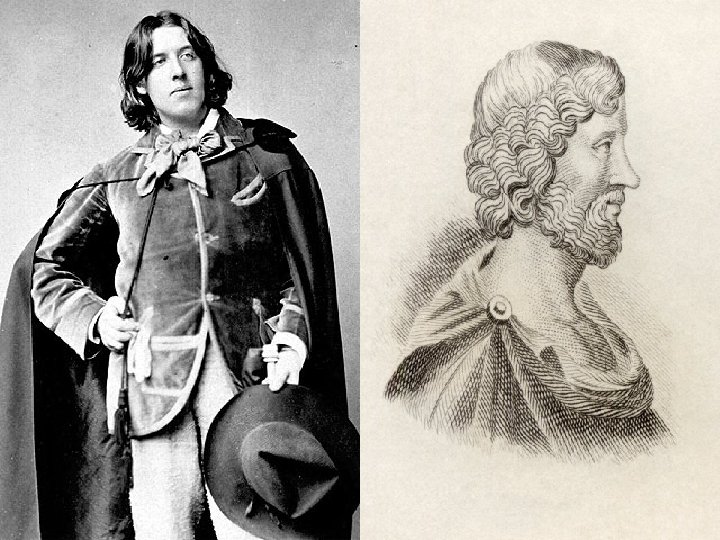
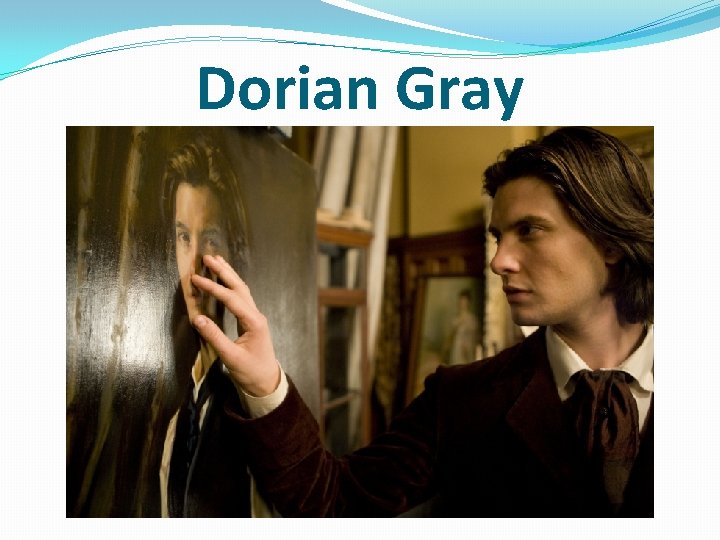
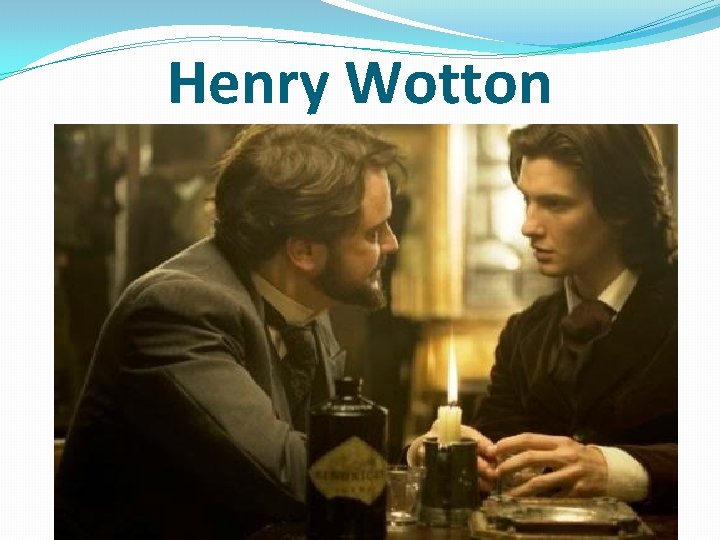
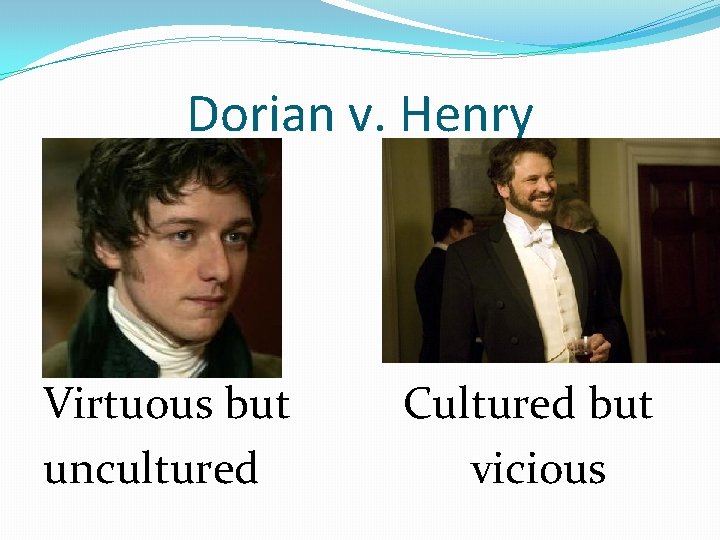
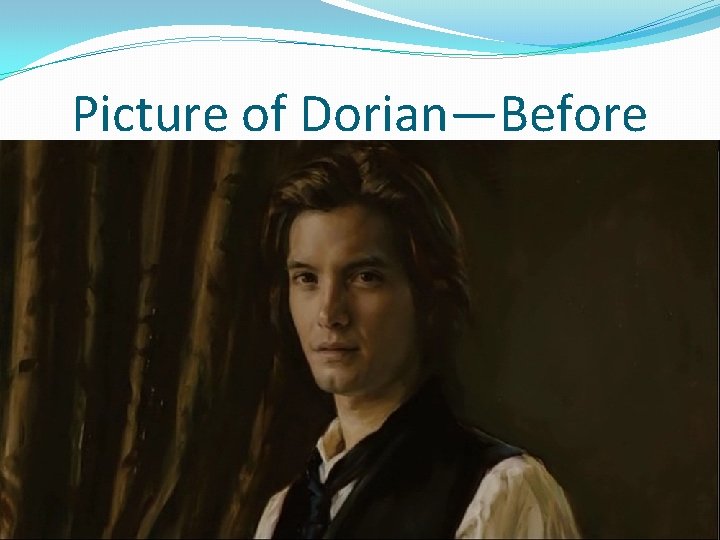
The Picture of Dorian Gray � Deals with Cyrenaicism, described as “the new Hedonism” by Henry Wotton � Written in Victorian England � Deals with Cyrenaic paideia
Dorian Gray
Henry Wotton
Dorian v. Henry Virtuous but uncultured Cultured but vicious
Picture of Dorian—Before
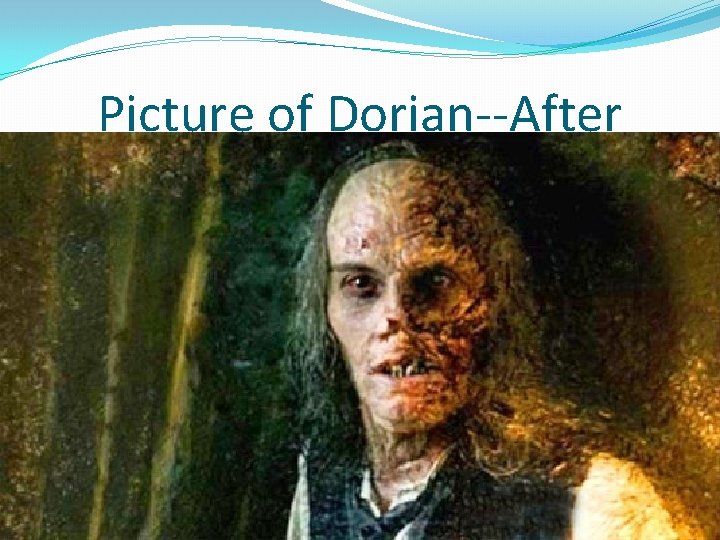
Picture of Dorian--After
Wilde’s New Hedonism “Realize your youth while you have it. Don’t squander the gold of your days, listening to the tedious, trying to improve the hopeless failure, or giving away your life to the ignorant, the common, and the vulgar, which are the aims, the false ideals, of our age. Live! Live the wonderful life that is in you! Let nothing be lost upon you. Be always searching for new sensations. Be afraid of nothing. A new hedonism, —that is what our century wants. You might be its visible symbol. With your personality there is nothing you could not do. The world belongs to you for a season” (21).
Structure of Plato’s Apology �Socrates addresses the jury �Socrates cross-examines Meletus �The jury finds Socrates guilty �Socrates argues for free lunches. �Jury puts Socrates to death. �Socrates says farewell.
![Socrates has two accusers �Socrates says that “[his] opponents are of two kinds -](http://slidetodoc.com/presentation_image_h2/d65a81dad34fcb8e814653b9c9eff373/image-29.jpg "Socrates has two accusers �Socrates says that “[his] opponents are of two kinds -")
Socrates has two accusers �Socrates says that “[his] opponents are of two kinds - one recent, the other ancient; and I hope that you will see the propriety of my answering the latter first, for these accusations you heard long before the others, and much oftener” (Plato). �The earlier accusers are playwrights who make fun of philosophers. �The later accusers are Meletus and Anytus and Lycon
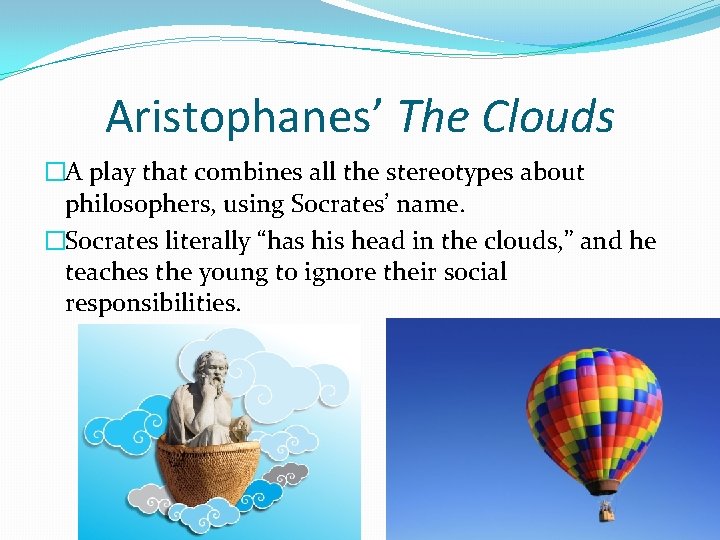
Aristophanes’ The Clouds �A play that combines all the stereotypes about philosophers, using Socrates’ name. �Socrates literally “has his head in the clouds, ” and he teaches the young to ignore their social responsibilities.
The Charges �"Socrates is an evil-doer, and a curious person, who searches into things under the earth and in heaven, and he makes the worse appear the better cause; and he teaches the aforesaid doctrines to others” (Plato). �Socrates had to be found innocent or
![The Quest for Wisdom �What can [Apollo] mean when he says that I am](http://slidetodoc.com/presentation_image_h2/d65a81dad34fcb8e814653b9c9eff373/image-32.jpg "The Quest for Wisdom �What can [Apollo] mean when he says that I am")
The Quest for Wisdom �What can [Apollo] mean when he says that I am the wisest of men? And yet he is a god and cannot lie; that would be against his nature. After a long consideration, I at last thought of a method of trying the question. I reflected that if I could only find a man wiser than myself, then I might go to the god with a refutation in my hand. I should say to him, "Here is a man who is wiser than I am; but you said that I was the wisest” (Plato).
Searching for the Wise Man �“…I am going to explain to you why I have such an evil name” (Plato). �“Accordingly I went to one who had the reputation of wisdom…I began to talk with him, I could not help thinking that he was not really wise, although he was thought wise by many, and wiser still by himself; and I went and tried to explain to him that he thought himself wise, but was not really wise; and the consequence was that he hated me, and his enmity was shared by several who were present and heard me” (Plato).
Bad Example for the Youth �“There is another thing: - young men of the richer classes, who have not much to do, come about me of their own accord; they like to hear the pretenders examined, and they often imitate me, and examine others themselves; there are plenty of persons, as they soon enough discover, who think that they know something, but really know little or nothing: and then those who are examined by them instead of being angry with themselves are angry with me: This confounded Socrates, they say; this villainous misleader of youth!” (Plato).
Socrates does believe in the gods. �If Socrates believes in semi-divine things, he must believe in the gods. �Socrates says that he believes in semi-divine things. �“Can a man believe in spiritual and divine agencies, and not in spirits or demigods? ” (Plato) �Therefore, Meletus is wrong and “intemperate. ”
Virtue is better than mere life. �“Someone will say: And are you not ashamed, Socrates, of a course of life which is likely to bring you to an untimely end? To him I may fairly answer: There you are mistaken: a man who is good for anything ought not to calculate the chance of living or dying; he ought only to consider whether in doing anything he is doing right or wrong - acting the part of a good man or of a bad” (Plato).
The Socratic Paradox �Can anyone hurt the philosopher? �“ I would have you know that, if you kill such a one as I am, you will injure yourselves more than you will injure me. Meletus and Anytus will not injure me: they cannot; for it is not in the nature of things that a bad man should injure one better than himself” (Plato).
Socrates will not beg for his life. �Perhaps there may be someone who is offended at me, when he calls to mind how he himself, on a similar or even a less serious occasion, had recourse to prayers and supplications with many tears, and how he produced his children in court, which was a moving spectacle, together with a posse of his relations and friends; whereas I, who am probably in danger of my life, will do none of these things. Perhaps this may come into his mind, and he may be set against me, and vote in anger because he is displeased at this.
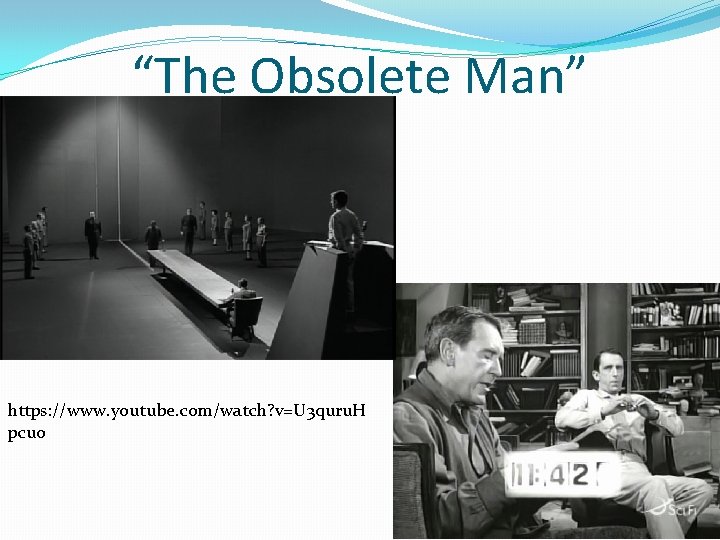
“The Obsolete Man” https: //www. youtube. com/watch? v=U 3 quru. H pcuo
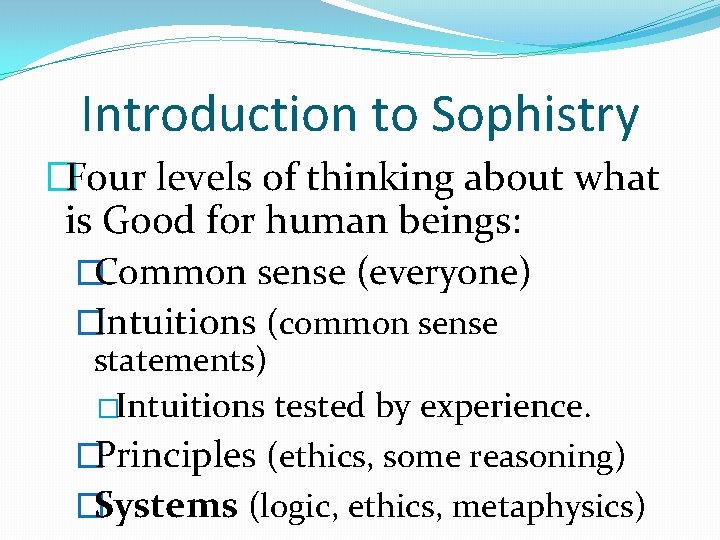
Introduction to Sophistry �Four levels of thinking about what is Good for human beings: �Common sense (everyone) �Intuitions (common sense statements) �Intuitions tested by experience. �Principles (ethics, some reasoning) �Systems (logic, ethics, metaphysics)
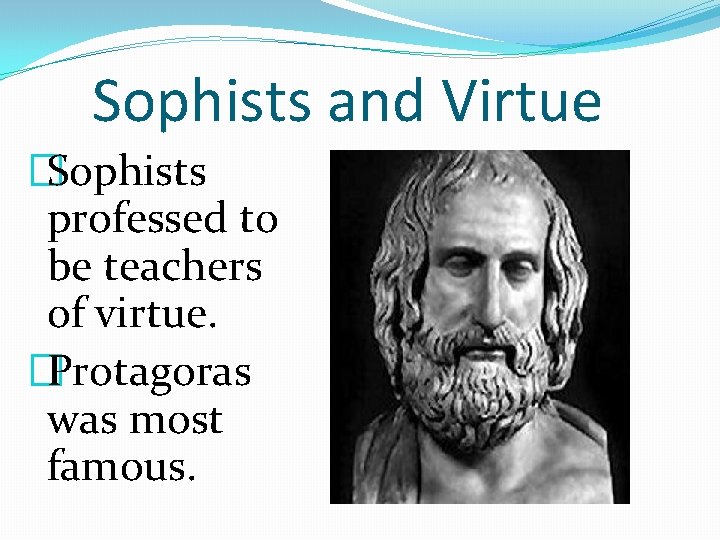
Sophists and Virtue �Sophists professed to be teachers of virtue. �Protagoras was most famous.
Intuitions, Good and Bad �Sometimes, our intuitions are good. Other times, they are not so good. �What are some examples of good or bad intuitions? Or “gut feelings”?


Protagorean Intuitionism �Protagoras wrote books On Being, On Truth, On the Gods, which have all been lost. �On Truth began with “[Humans are] the measure of all things: those that are, that they are; those that are not, that they are not.
Major Intuition is the Good �“What is good, Phædrus, and what is not good—need we ask anyone to tell us these things? ” �The Good was not a form of reality. It was reality itself, ever changing, ultimately unknowable in any kind of fixed, rigid way.
Truth Conforms to Good �Truth is verbal representation to reality. �Truth should correspond to reality. �The Good is reality. �What happens in the world vs. what should happen in the world.
Custom vs. Nature We’ve talked about examples of custom v. nature before. Sophists were very interested in this problem. Later schools thought of nature differently.
Truth for Protagoras �Pathē are many things—but Protagoras said they “appear” to us. �If a statement is a fair expression of one’s pathē, it is true. �Despite being true, some pathē-based statements are better than others.
Making Better the Worse �If someone has bad intuitions, or “lacks common sense, ” the Sophist helps them have better ones. �So what was bad in reality (but perceived as “better” by the person with bad intuitions) now appears “worse, ” and the opposite appears “better” (and it leads to better results).
Might Makes Right �The Sophists believed that “might makes right, ” or that it is right for strong people to have power over weaker people. �It happens in nature, but should it happen in society? Should society protect the weak from the strong?
Sophistic Math Protagoras + Socrates = Aristippus (and the Cyrenaics) Gorgias + Socrates = Antisthenes, Diogenes, (and the Cynics)
- Slides: 52