
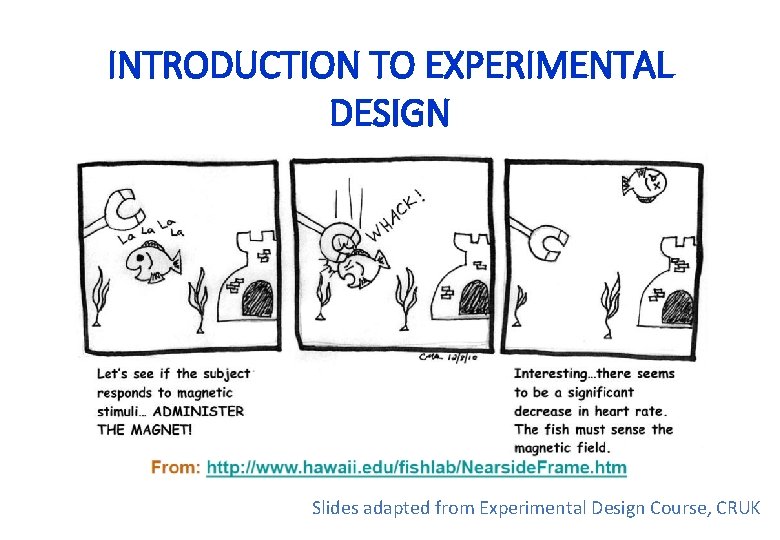
INTRODUCTION TO EXPERIMENTAL DESIGN Slides adapted from Experimental

- Slides: 15
INTRODUCTION TO EXPERIMENTAL DESIGN Slides adapted from Experimental Design Course, CRUK
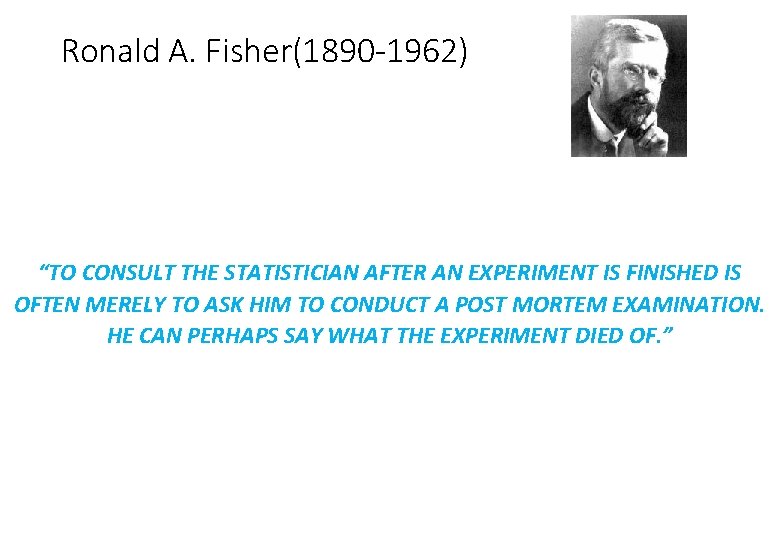
Ronald A. Fisher(1890 -1962) “TO CONSULT THE STATISTICIAN AFTER AN EXPERIMENT IS FINISHED IS OFTEN MERELY TO ASK HIM TO CONDUCT A POST MORTEM EXAMINATION. HE CAN PERHAPS SAY WHAT THE EXPERIMENT DIED OF. ”
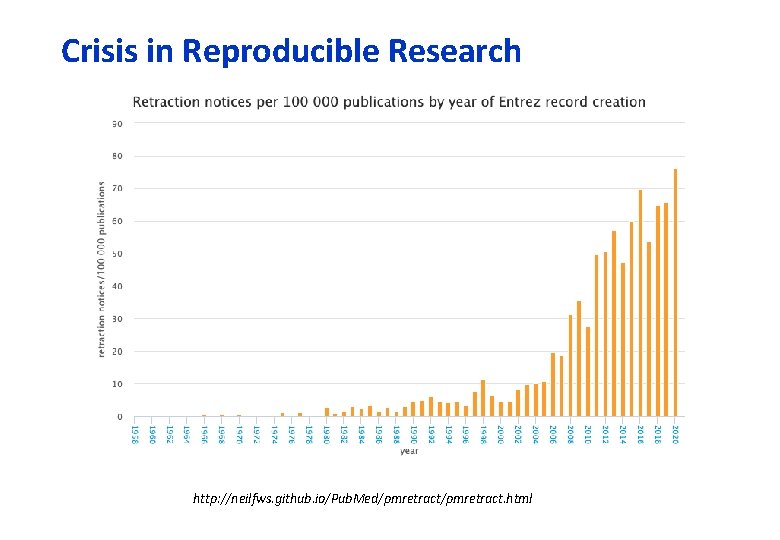
Crisis in Reproducible Research http: //neilfws. github. io/Pub. Med/pmretract. html
Consequences of Poor Experimental Design… • Cost of experimentation. • Limited & Precious material, esp. clinical samples. • Immortalization of data sets in public databases and methods in the literature. Our bad science begets more bad science. • Ethical concerns of experimentation: animals and clinical samples.
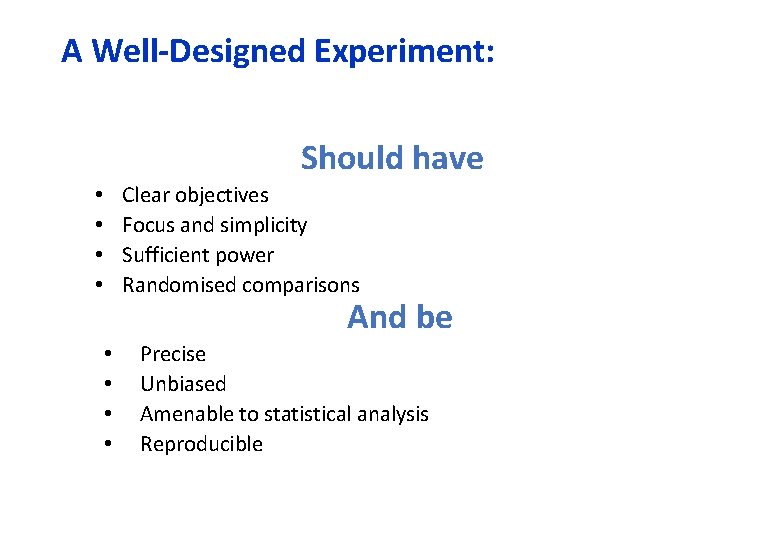
A Well-Designed Experiment: Should have Clear objectives Focus and simplicity Sufficient power Randomised comparisons • • And be • • Precise Unbiased Amenable to statistical analysis Reproducible
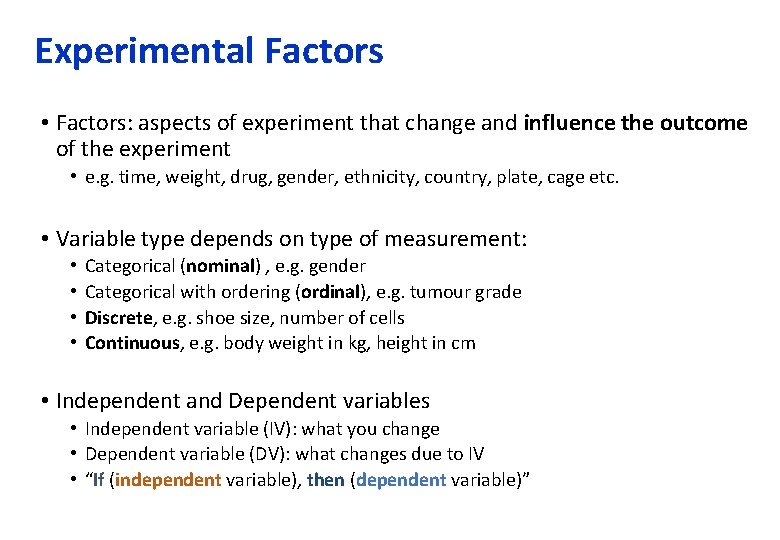
Experimental Factors • Factors: aspects of experiment that change and influence the outcome of the experiment • e. g. time, weight, drug, gender, ethnicity, country, plate, cage etc. • Variable type depends on type of measurement: • • Categorical (nominal) , e. g. gender Categorical with ordering (ordinal), e. g. tumour grade Discrete, e. g. shoe size, number of cells Continuous, e. g. body weight in kg, height in cm • Independent and Dependent variables • Independent variable (IV): what you change • Dependent variable (DV): what changes due to IV • “If (independent variable), then (dependent variable)”
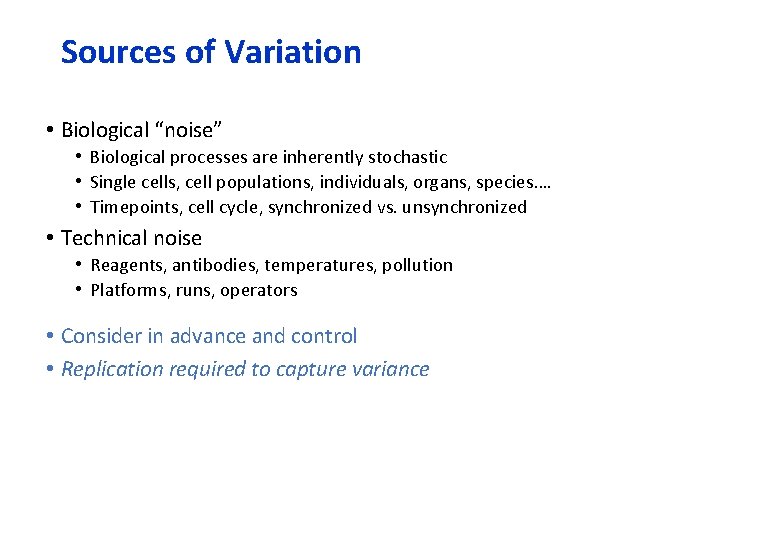
Sources of Variation • Biological “noise” • Biological processes are inherently stochastic • Single cells, cell populations, individuals, organs, species…. • Timepoints, cell cycle, synchronized vs. unsynchronized • Technical noise • Reagents, antibodies, temperatures, pollution • Platforms, runs, operators • Consider in advance and control • Replication required to capture variance
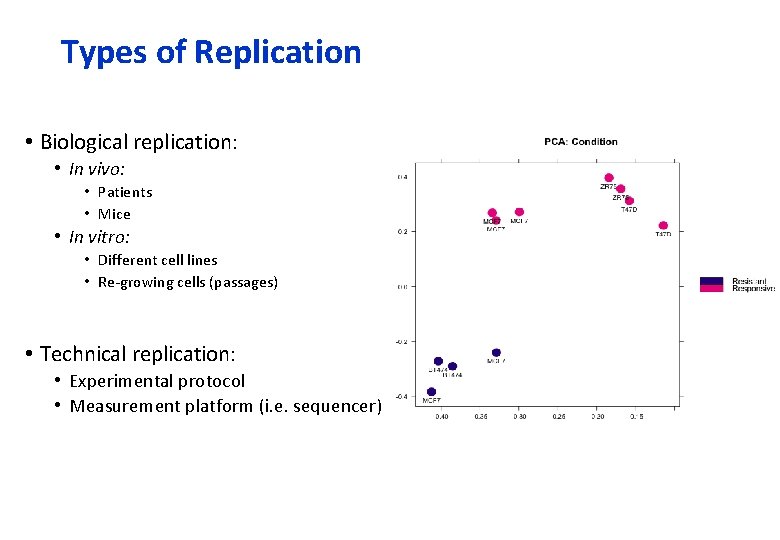
Types of Replication • Biological replication: • In vivo: • Patients • Mice • In vitro: • Different cell lines • Re-growing cells (passages) • Technical replication: • Experimental protocol • Measurement platform (i. e. sequencer)
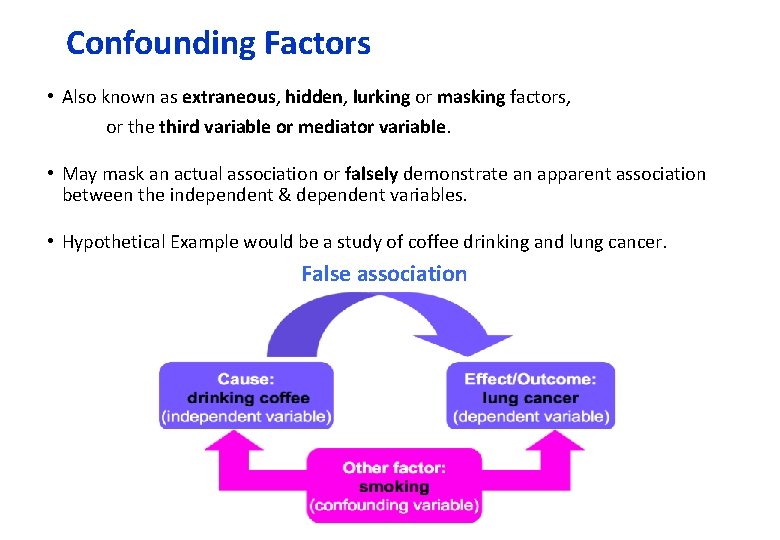
Confounding Factors • Also known as extraneous, hidden, lurking or masking factors, or the third variable or mediator variable. • May mask an actual association or falsely demonstrate an apparent association between the independent & dependent variables. • Hypothetical Example would be a study of coffee drinking and lung cancer. False association
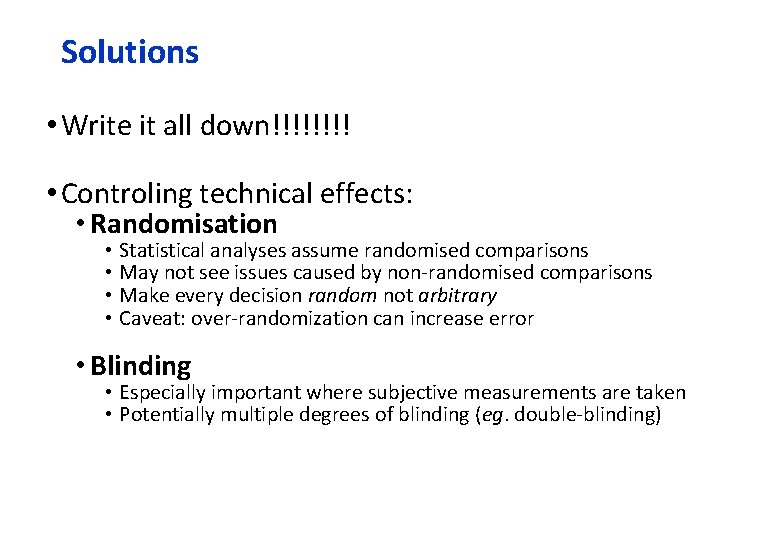
Solutions • Write it all down!!!! • Controling technical effects: • Randomisation • • Statistical analyses assume randomised comparisons May not see issues caused by non-randomised comparisons Make every decision random not arbitrary Caveat: over-randomization can increase error • Blinding • Especially important where subjective measurements are taken • Potentially multiple degrees of blinding (eg. double-blinding)
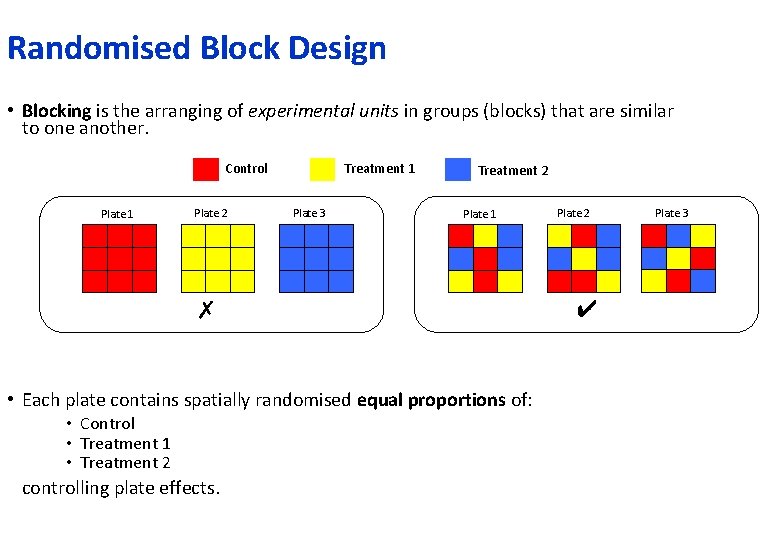
Randomised Block Design • Blocking is the arranging of experimental units in groups (blocks) that are similar to one another. Control Plate 1 Plate 2 Treatment 1 Plate 3 Treatment 2 Plate 1 ✗ • Each plate contains spatially randomised equal proportions of: • Control • Treatment 1 • Treatment 2 controlling plate effects. Plate 2 ✔ Plate 3
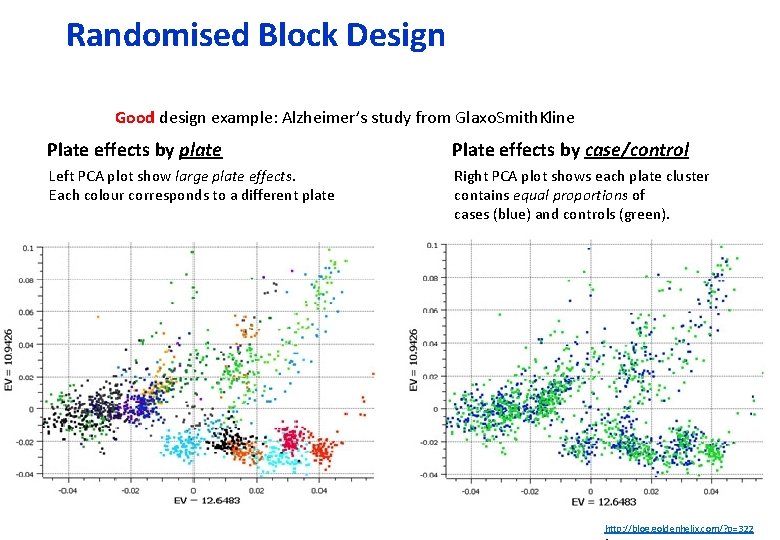
Randomised Block Design Good design example: Alzheimer’s study from Glaxo. Smith. Kline Plate effects by plate Plate effects by case/control Left PCA plot show large plate effects. Each colour corresponds to a different plate Right PCA plot shows each plate cluster contains equal proportions of cases (blue) and controls (green). http: //blog. goldenhelix. com/? p=322
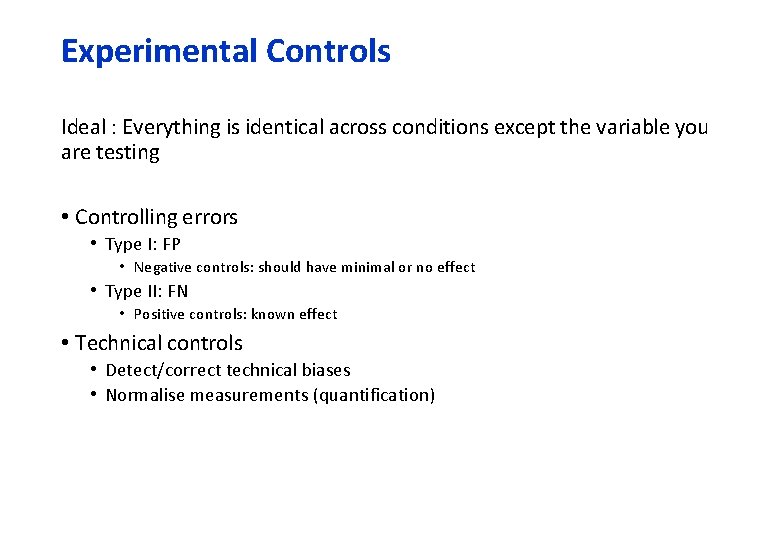
Experimental Controls Ideal : Everything is identical across conditions except the variable you are testing • Controlling errors • Type I: FP • Negative controls: should have minimal or no effect • Type II: FN • Positive controls: known effect • Technical controls • Detect/correct technical biases • Normalise measurements (quantification)
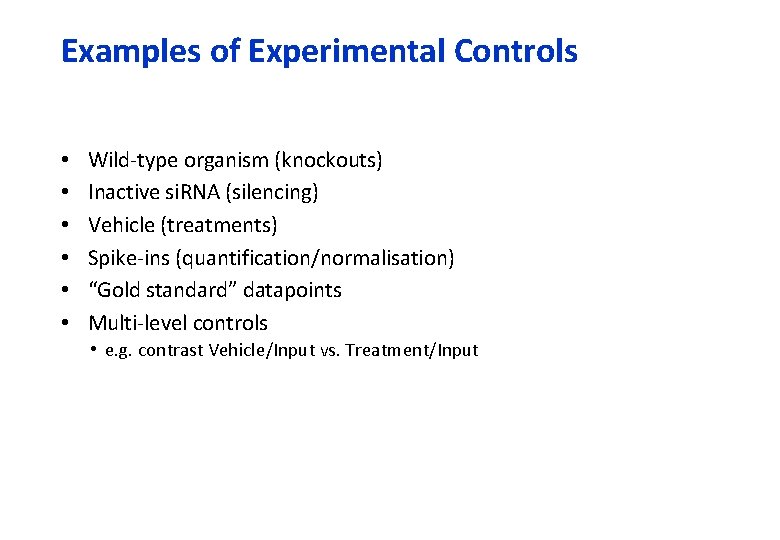
Examples of Experimental Controls • • • Wild-type organism (knockouts) Inactive si. RNA (silencing) Vehicle (treatments) Spike-ins (quantification/normalisation) “Gold standard” datapoints Multi-level controls • e. g. contrast Vehicle/Input vs. Treatment/Input
Practical time! RNA-seq: Effects of mutant vs wildtype HHEX in liver and brain development Paul has divided you into groups and you will be allocated to breakout rooms. A tutor will start your group off and then disappear You have 20 minutes to discuss! Be ready to find Menti 1979 5986 when you return