
Introduction to Energy Generation and Distribution The History
Introduction to Energy Generation and Distribution The History of Electricity
The History of Electricity Electrical Discoveries • Natural occurrences of electricity: • Lightning • Static-amber rods rubbed with cat fur • Electric fish (electric eels, electric catfish, others) • Nerve operation • Brain activity
The History of Electricity Electrical Discoveries • Numerous scientists from 1600’s on started treating this as more than a curiosity • Benjamin Franklin’s kite experiment in 1752 proved lightning was electricity • Luigi Galvani in 1791 proved that electricity is what makes nerves work
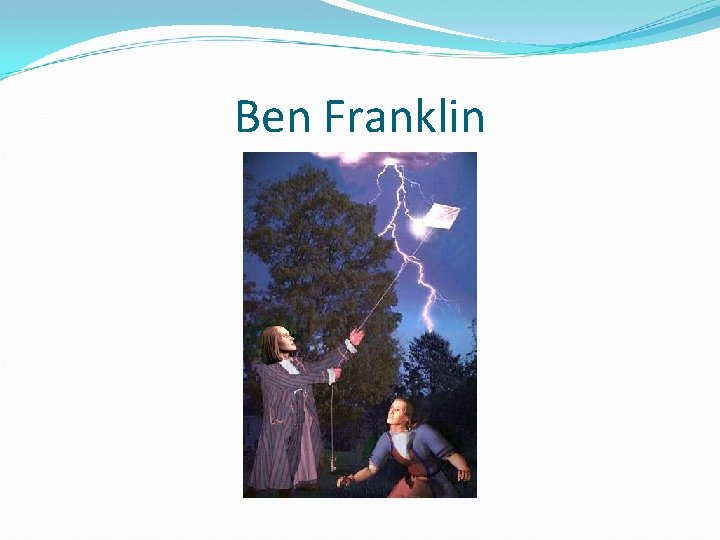
Ben Franklin
The History of Electricity Electrical Inventions • Electromagnetism united electricity and magnetism in 1819 (Orsted and Ampere) • Faraday invented the electric motor in 1821 • 1830’s: several inventors created the telegraph • Alexander Graham Bell invented the telephone in 1876 • Thomas Edison invented the electric light bulb in 1879 • Nikola Tesla invented Alternating Current
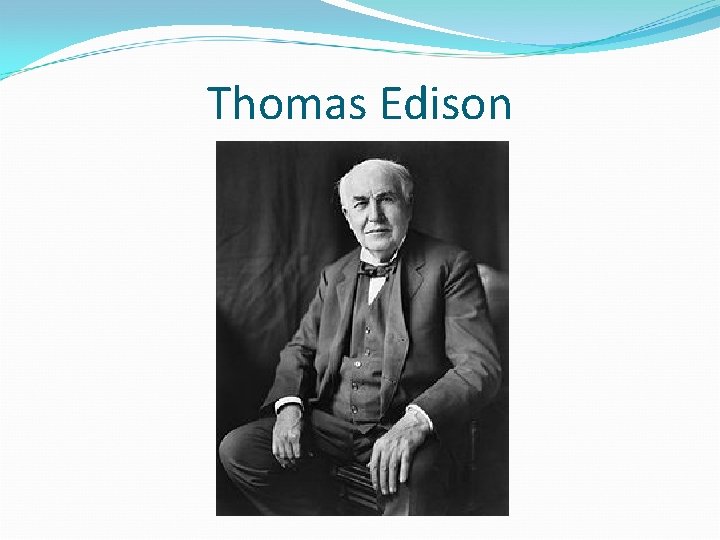
Thomas Edison
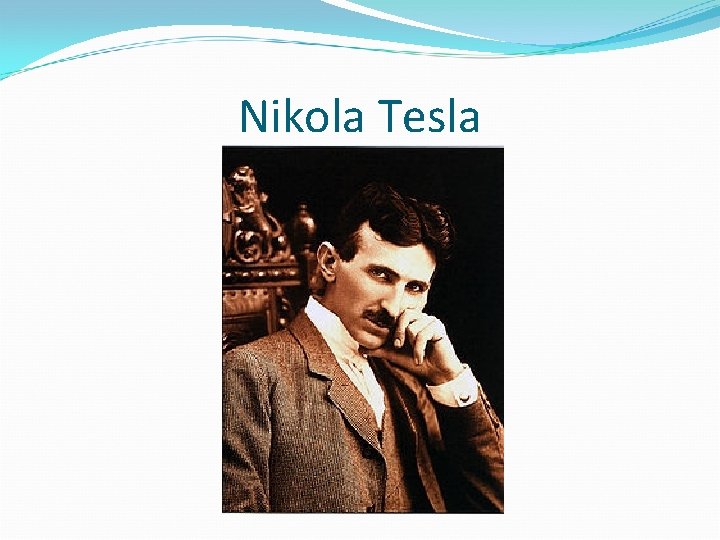
Nikola Tesla
The History of Electricity Electrical Inventions • Whale oil, “town gas”, kerosene primary means of providing gas lights for many years prior to electricity • Widespread use of electricity to operate lights • Batteries • Electric vehicles • Enhanced and larger electric motors: AC and DC • Large generating systems: AC and DC
The History of Electricity The Industrial Revolution • 2 nd half of the 1700’s through the 1800’s • Mechanization transformed modern society • Large industries sprang up, many powered by horses, then by steam engines • Agrarian farm life rapidly declined as farmers went to work in factories to earn better wages • Textiles, iron manufacturing, invention of concrete , all spurred growth in industrial systems
The History of Electricity The Industrial Revolution • Prior to steam power, horse power and water power were the dominant forms of primary power for industry • Most fast-moving water was in New England states • Development of steam power opened up other areas of US for industrial development • Transportation changed dramatically thanks to steampowered trains
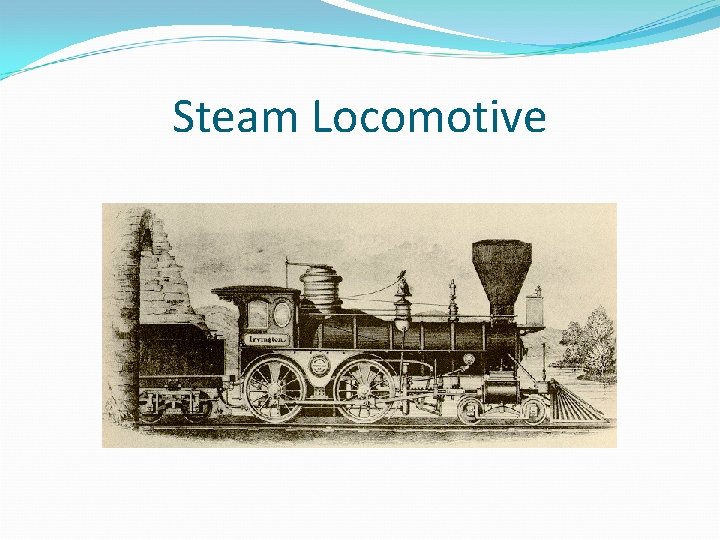
Steam Locomotive
The History of Electricity The War of the Currents: AC vs. DC • Edison promoted his Direct Current(DC) as the only “safe” way to deliver electricity to large populations • Westinghouse promoted Alternating Current (AC) as the only way to transport electricity over long distances • DC commercial power canonly be transported a few miles. • Edison invented large scale DC generators • Westinghouse bought patents for AC from Tesla
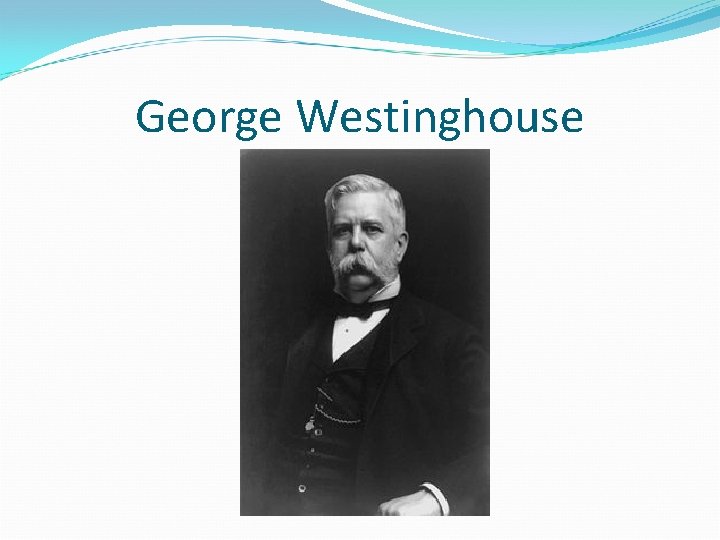
George Westinghouse
The History of Electricity The War of the Currents: AC vs. DC • Edison started General Electric, later lost it to bankers • 1882: Edison builds Pearl Street DC station in NYC • 1894: Niagra Falls Power Company powered Buffalo, NY • Westinghouse/Tesla team eventually won the war of the currents • Today AC electricity can be transported 1000’s of miles by increasing the voltage at the generator to extreme levels
The History of Electricity Electrical Distribution Begins • Various frequencies of AC were tried. Settled on 60 Hz • 60 Hz was used because of easy timing with clocks. • Also any frequency above about 40 -50 Hz makes flickerfree lighting: important in AC systems • Also higher frequencies would require faster spinning generators, creating mechanical challenges • 1893: Westinghouse/Tesla system demonstrated AC at Chicago Exposition
The History of Electricity 1900’s: Electrical Distribution Begins • Once an electrical power generating systems begins, all generators tied to that “grid” must be same frequency and phase • When loads increase demand for electricity, more generators must be added. • Numerous safeguards must be built in for safety and isolation of failures • First distribution systems were in cities where it was economical for the electric utilities to build and sell power to large customer bases
The History of Electricity REA and TVA • Rural Electrification Administration • Tennessee Valley Authority • Great Depression of 1929 • Public power vs. private (investor-owned) utilities hotly contested during 1920’s
The History of Electricity REA and TVA • Prior to 1933, privately owned utilities refused to extend their service to rural areas, claiming lack of profitability • Private power companies set rural rates 4 times higher than city rates • Obviously, this was not perceived as a fair treatment of rural families
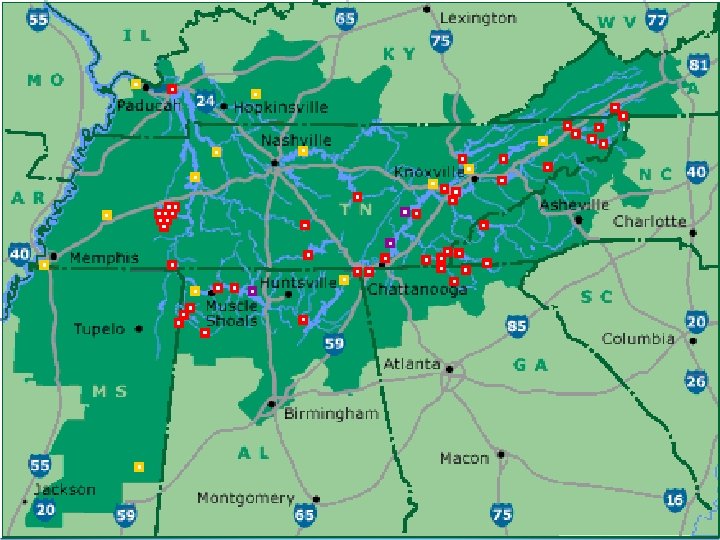
The History of Electricity TVA • Tennessee Valley Authority • Federally-owned private corporation • Established in May 1933 to provide: • Flood control • Navigation of waterways • Affordable electricity for rural communities • Fertilizer for more effective, productive farming • Economic development
The History of Electricity TVA • Cover s most of Tennessee, parts of Alabama, Mississippi, Kentucky, a few other SE States. • Nation’s largest public power company • FDR campaigned on this issue during Presidential race: 1932 • Nebraska Senator George Norris from Mc. Cook, NE partnered with Franklin Roosevelt to help establish public power entities • Red=dams; purple=nuclear power; yellow=fossil power
The History of Electricity REA • Rural Electrification Administration established 1935 • Made loans available to local electric cooperatives to compete with big power companies • 1930: 10% of rural homes had electricity • 1940: 90% of rural homes had electricity
The History of Electricity REA • PUHCA (Public Utility Holding Company Act): 1935 • Regulate electric utilities • Get control of private utilities • REA has been reorganized (1994) and is now called RUS (Rural Utilities Service) • RUS is an agency of the United States Dept of Agriculture • RUS Tasked with providing to rural areas the following utilities: • Electricity • Telephone • Water • Sewer
The History of Electricity US Electrical Distribution Today • Three separate grids: • Eastern interconnection • Western interconnection • Texas interconnection (ERCOT: Electric Reliability Council of Texas) • Alaskan and some Canadian grids separate from the three main USA grids
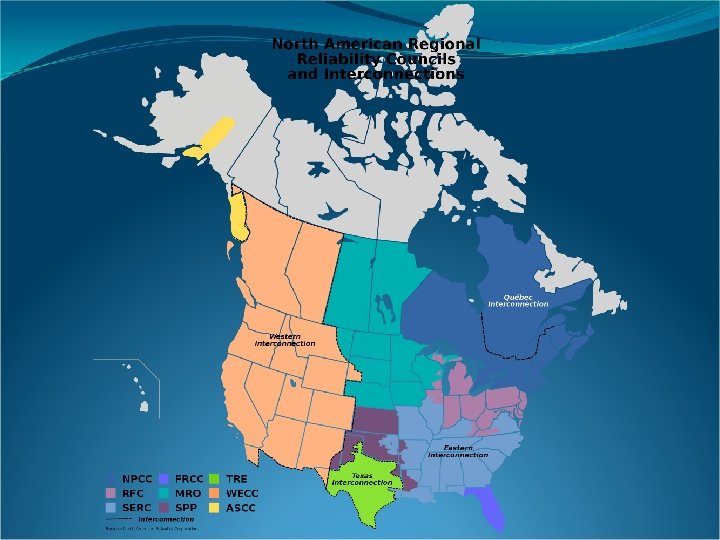
The History of Electricity US Electrical Distribution Today • Reliability of each grid is critical • Each grid started independently at different times • Very little interconnection between the three grids • 60 Hz phase is different in each grid • Can not directly connect grids together • Must convert 60 Hz AC to DC, then back to AC at the receiving grid’s phase
The History of Electricity US Electrical Distribution Today • Utility generators create 2300 to 30, 000 volts • A transformer steps this voltage up to a higher voltage for longdistance transmission • When voltage is stepped up, current is stepped down • Some power is lost in the transformation of voltage/current • Numerous high voltage systems in use across North America • 765, 000 volts • 138, 000 volts 500, 000 volts 115, 000 volts 345, 000 volts 230, 000 volts
The History of Electricity US Electrical Distribution Today • At various locations, sub-stations reduce the transmission voltage to more usable levels • 4000 volts – 69, 000 volts • Final users get their power at lower voltages of 120480 volts. • Transformers are used to change voltage levels, up and down. Only AC power can do this
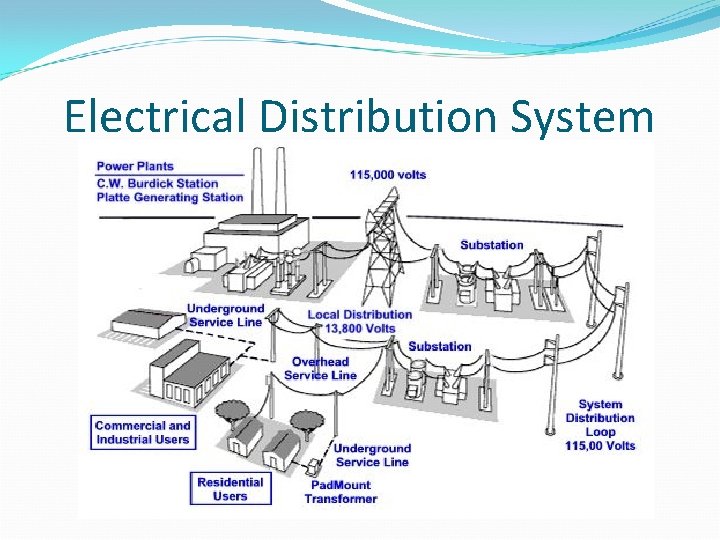
Electrical Distribution System
- Slides: 29