
Introduction to Emergency Evacuation Wayfinding Presented to By
Introduction to Emergency Evacuation Wayfinding Presented to: By: 7 th Triennial International Aircraft Fire and Cabin Safety Research Conference Cynthia L. Corbett Date: December 3, 2013 Federal Aviation Administration

Introduction to Wayfinding • Encompasses all aspects of human travel – Layout of environmental routes • • Paths Roadways Hallways and Corridors Aisles, Passageways and Egress Routes – Enhanced by signs, symbols and signals • Roadway Markers • Directional Signs • Exit Locators – Behaviorally, actions related to identifying significant indicators related to getting from one place to another 2

Wayfinding • The dynamic interaction of humans and technology that demands an ever-growing array of information and presentation technology to yield a safe and successful. • In transport aviation, related to emergency evacuation… 3

Wayfinding Technology • Visual Systems – Interior Emergency Lighting – Floor Proximity Escape Path Marking • Incandescent lamps and LEDs • Directional indicators • Electroluminescence • Photoluminescence 4
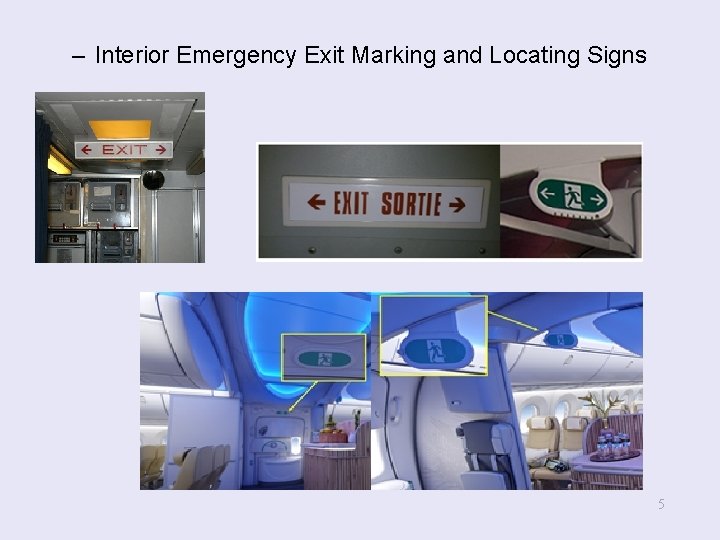
– Interior Emergency Exit Marking and Locating Signs 5
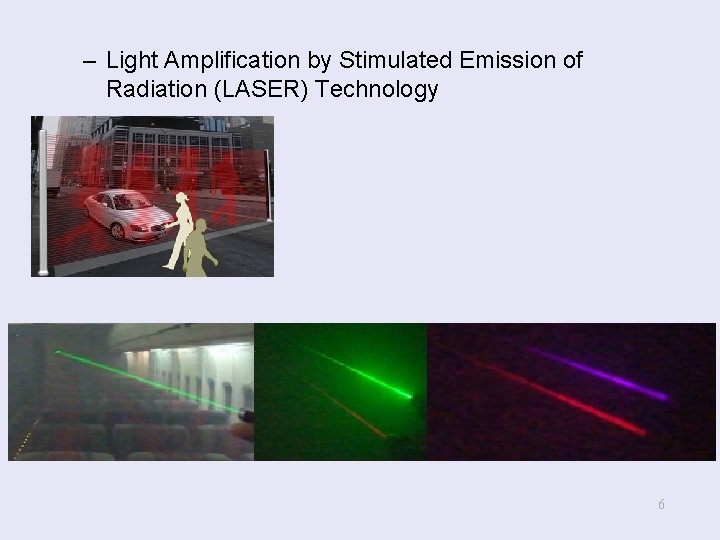
– Light Amplification by Stimulated Emission of Radiation (LASER) Technology 6

– Exterior Emergency Lighting 7
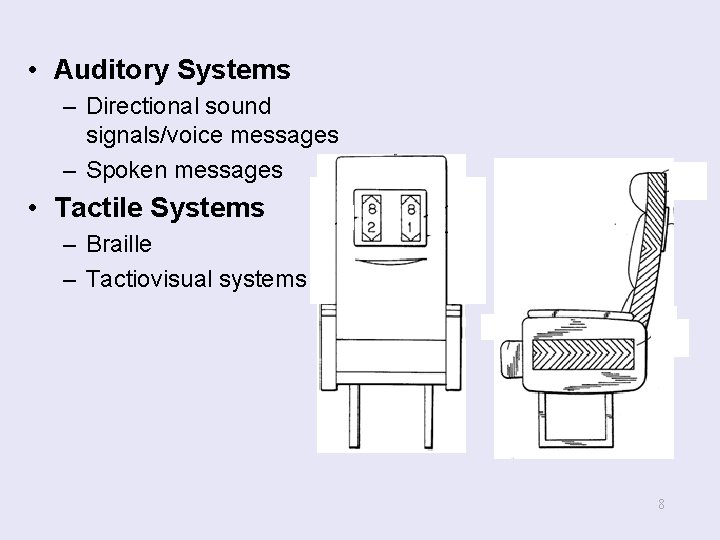
• Auditory Systems – Directional sound signals/voice messages – Spoken messages • Tactile Systems – Braille – Tactiovisual systems 8
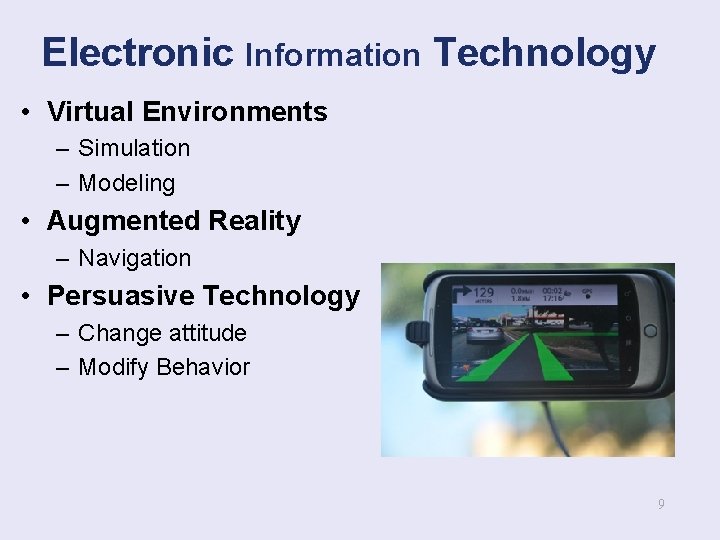
Electronic Information Technology • Virtual Environments – Simulation – Modeling • Augmented Reality – Navigation • Persuasive Technology – Change attitude – Modify Behavior 9

• • • Symbolic Exit Signs Comprehension of Briefing Card Elements Computer-based Evacuation Aids Pre-flight Safety Announcement and Humor Learning Cabin Safety Through Play Computer Simulations – Crew Redirection – Emergency Evacuation – Evacuation Certification – Injured Passengers • Intercrew Relations • Emergency Equipment 10
- Slides: 10