
INTRODUCTION TO ELECTRONIC INSTRUMENTATION INTC 1305 01 Fall
- Slides: 17
INTRODUCTION TO ELECTRONIC INSTRUMENTATION INTC 1305 – 01 Fall 2010 Paul Kilger Chapter 1
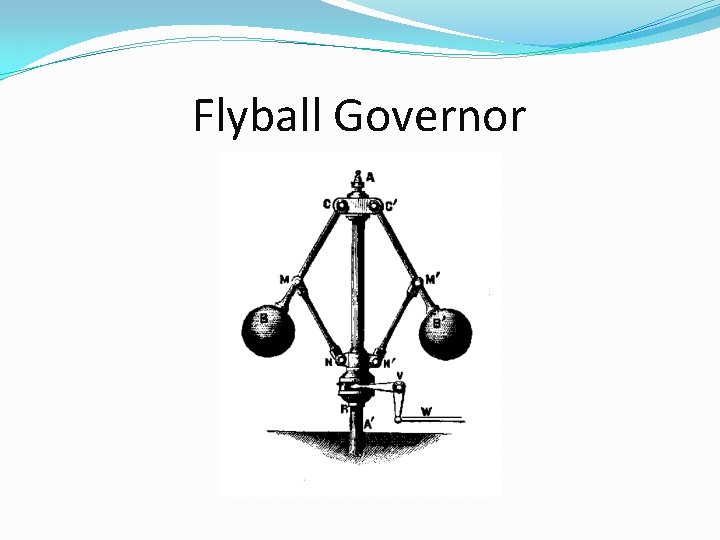
HISTORY � 1775 James Watt put a flyball governor on steam engine � 1932 Harry Nyquist – Proposed theory of auto control � 1942 John Zeigler and Nathaniel Nichols – New method to tune PID loops � 1968 Only 3000 computers in use � 1971 Intel first processor chip
Flyball Governor
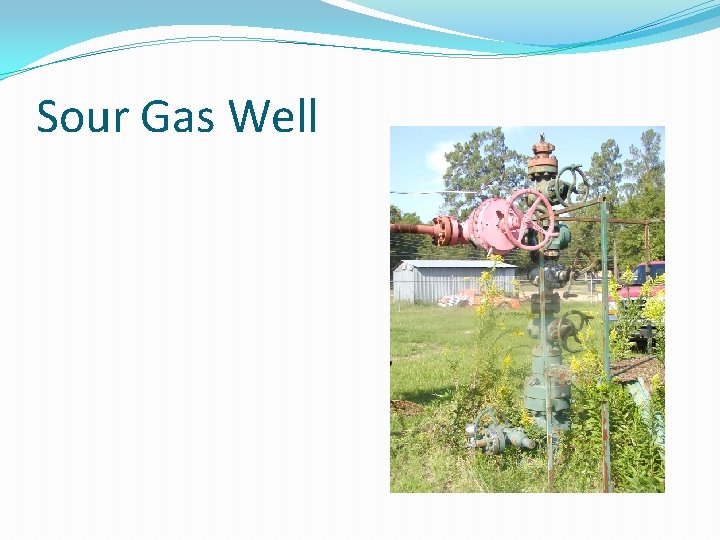
Sour Gas Well
PROCESS VARIABLES �Pressure = F/A �Temperature = Kinetic heat energy �Flow = quantity of material moving per unit of time �Level – 0. 433 and SG 1 = Height of liquid �Differential Pressure = Difference in pres between 2 points �Analytical – Chemical or physical properties of a process stream
INSTRUMENT CATEGORIES �LOCAL �REMOTE FUNCTIONS �INDICATING �TRANSMITTING �RECORDING �CONTROLLING
CONTROL LOOP �NECESSARY TO CONTROL A PROCESS VARIABLE �Sensor, transmitter, controller and final control element �POWER SOURCES: �Pneumatic (air or N 2) �Electronic – types include Analog, Digital and Hybrid �SIGNALS: �ANALOG – means similar - continuous �DIGITAL – uses binary numbers
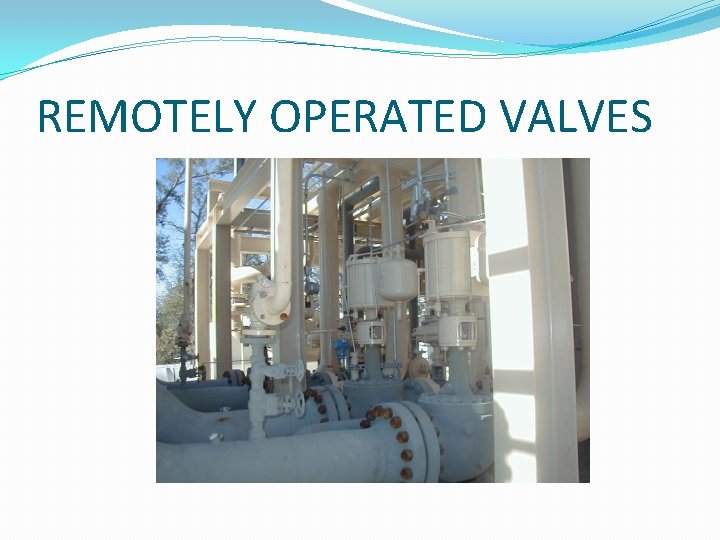
REMOTELY OPERATED VALVES
PRESSURE AND TEMPERATURE �In a closed vessel any temperature increase causes a pressure increase �In a closed vessel any pressure increase will cause a temperature increase �When liquid level increases the pressure at the bottom of the tank increases – 62. 4 �When the pressure increases on a fluid the boiling point increases – higher is lower
Flow and Level �Flow is a Volume per Time Unit – MCFD �Level is the amount of fluid in a vessel which is determined by the height of material in a tank
Volume �Volume increases when temp increases �Density decreases when temp increases � Density = Mass / Unit Volume = #/G
DIFFERENTIAL �Means the difference between two measurements – increase means more flow �Bernoulli found as the speed of a fluid increases the pressure within the fluid decreases �Used to determine �flow or �production rate or �level
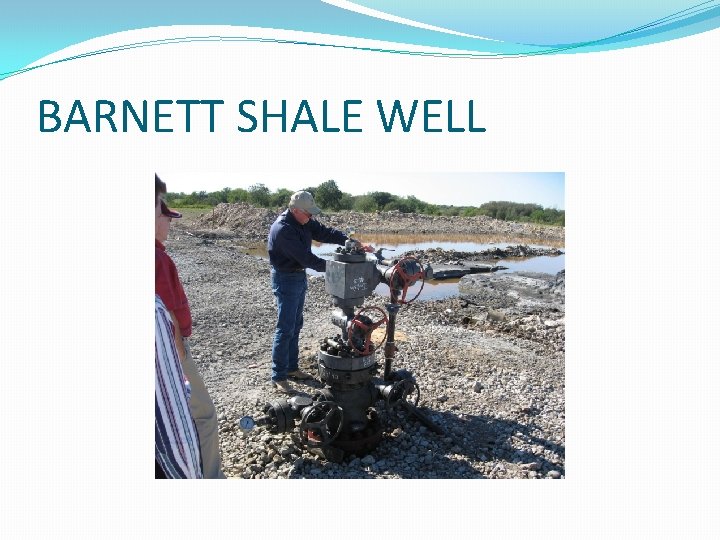
BARNETT SHALE WELL
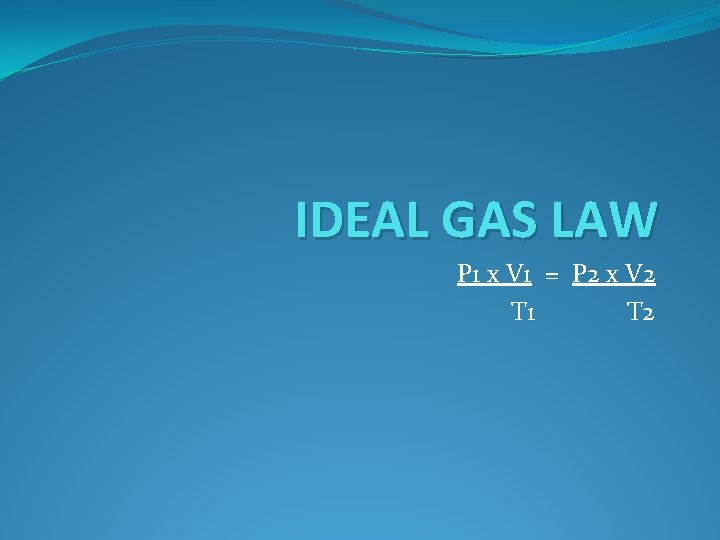
IDEAL GAS LAW P 1 x V 1 = P 2 x V 2 T 1 T 2
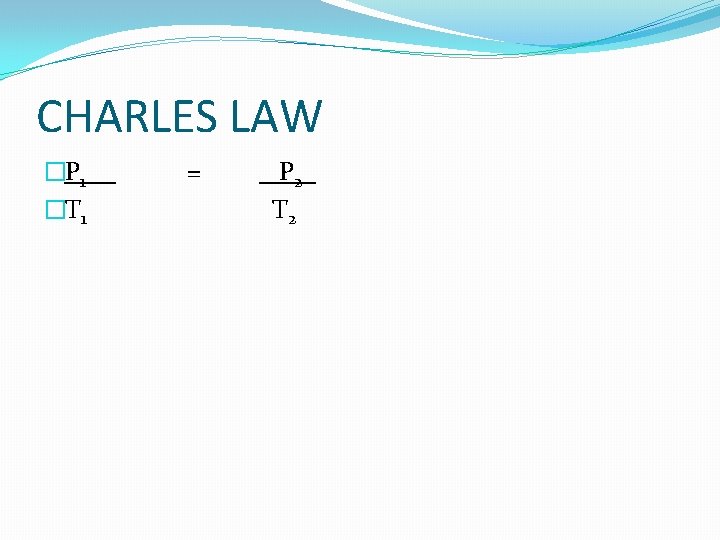
CHARLES LAW �P 1 �T 1 = P 2 T 2
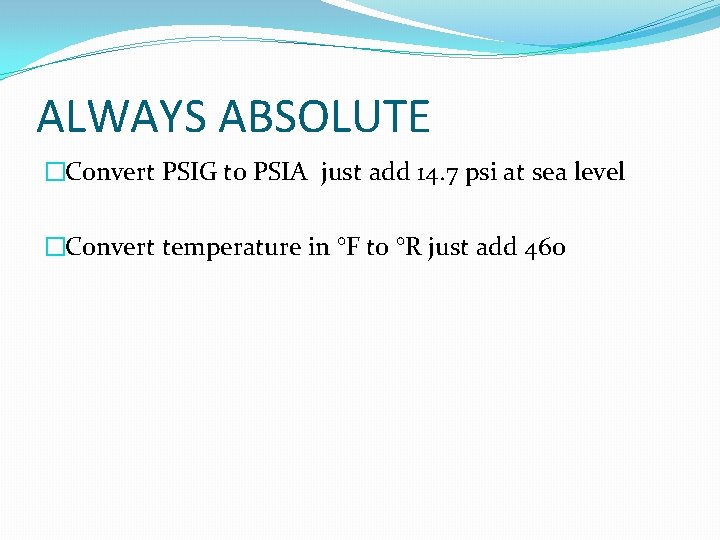
ALWAYS ABSOLUTE �Convert PSIG to PSIA just add 14. 7 psi at sea level �Convert temperature in °F to °R just add 460
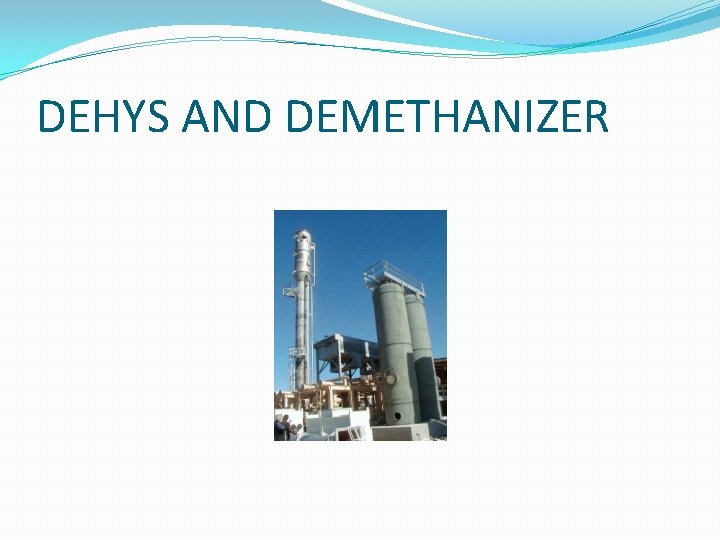
DEHYS AND DEMETHANIZER