
INTRODUCTION TO DIABETES MELLITUS BASIC CONCEPTS WHAT IS
INTRODUCTION TO DIABETES MELLITUS
BASIC CONCEPTS

WHAT IS DIABETES?

DEFINITION OF DIABETES MELLITUS The term diabetes mellitus describes a metabolic cum vascular syndrome of multiple etiology characterized by chronic hyperglycemia with disturbances of carbohydrate, fat and protein metabolism resulting from defects in insulin secretion, insulin action, or both leading to changes in both small blood vessels (Microangiopathy) and large blood vessels (Macroangiopathy) Adapted from the American Diabetes Association, 2010
MAGNITUDE OF THE PROBLEM (Type 2 Diabetes Mellitus)
DIABETES • The leading cause of end-stage renal disease (ESRD) • The leading cause of non-traumatic lower limb amputation • One of the leading causes of preventable blindness • Major risk factor for coronary artery disease, and cerebrovascular disease
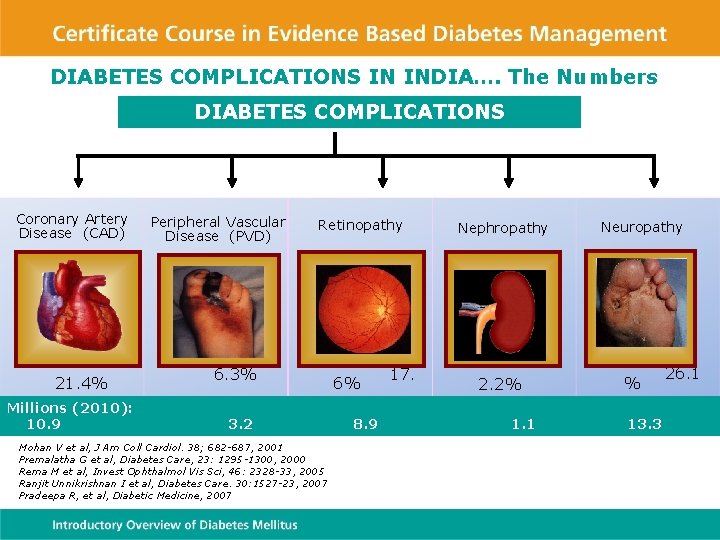
DIABETES COMPLICATIONS IN INDIA…. The Numbers DIABETES COMPLICATIONS Coronary Artery Disease (CAD) 21. 4% Millions (2010): 10. 9 Peripheral Vascular Disease (PVD) Retinopathy 6. 3% 3. 2 Mohan V et al, J Am Coll Cardiol. 38; 682 -687, 2001 Premalatha G et al, Diabetes Care, 23: 1295 -1300, 2000 Rema M et al, Invest Ophthalmol Vis Sci, 46: 2328 -33, 2005 Ranjit Unnikrishnan I et al, Diabetes Care. 30: 1527 -23, 2007 Pradeepa R, et al, Diabetic Medicine, 2007 6% 8. 9 17. Nephropathy 2. 2% 1. 1 Neuropathy % 13. 3 26. 1

EPIDEMIOLOGY OF DIABETES MELLITUS (DM)SALIENT FEATURES • T 2 DM comprises 85 -95% of all cases of DM • Explosive increase in prevalence of T 2 DM in developing countries • Steady increase in prevalence of T 2 DM in developed countries • T 1 DM also increasing steadily in developed countries • T 1 DM not a major problem yet in developing countries lack of data? • Other forms of DM- rare
T 2 DM in Developed Countries A disease of late-middle age Associated with overweight and obesity Worrying trend- increase in T 2 DM in children (esp. in Japan) T 2 DM in India Occurs a decade earlier than in the West Occurs even in non-obese individuals Still uncommon in children- although this might soon change! More prone to develop cardiovascular disease ? Less prone to microvascular disease
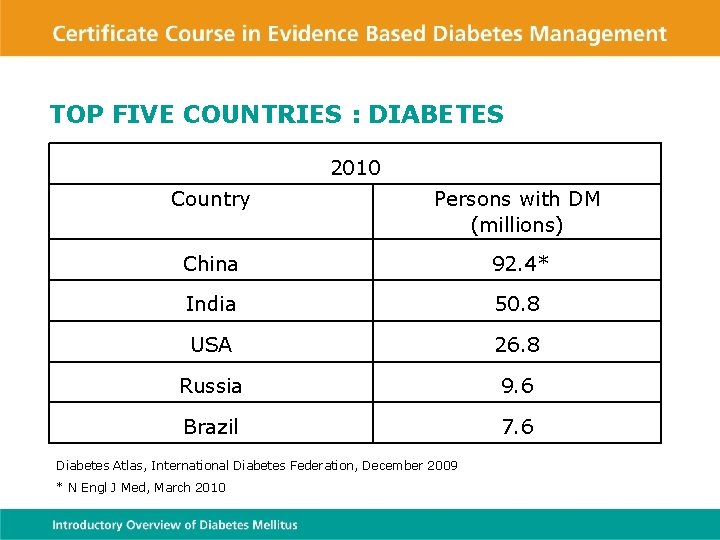
TOP FIVE COUNTRIES : DIABETES 2010 Country Persons with DM (millions) China 92. 4* India 50. 8 USA 26. 8 Russia 9. 6 Brazil 7. 6 Diabetes Atlas, International Diabetes Federation, December 2009 * N Engl J Med, March 2010

HIGHEST PREVALENCE OF DIABETES 2010 2030 Country Prevalence of DM (%) Nauru 30. 9 Nauru 33. 4 UAE 18. 7 UAE 21. 4 Saudi Arabia 16. 8 Mauritius 19. 8 Mauritius 16. 2 Saudi Arabia 18. 9 Bahrain 15. 4 Reunion 18. 1 Diabetes Atlas, International Diabetes Federation, December 2009
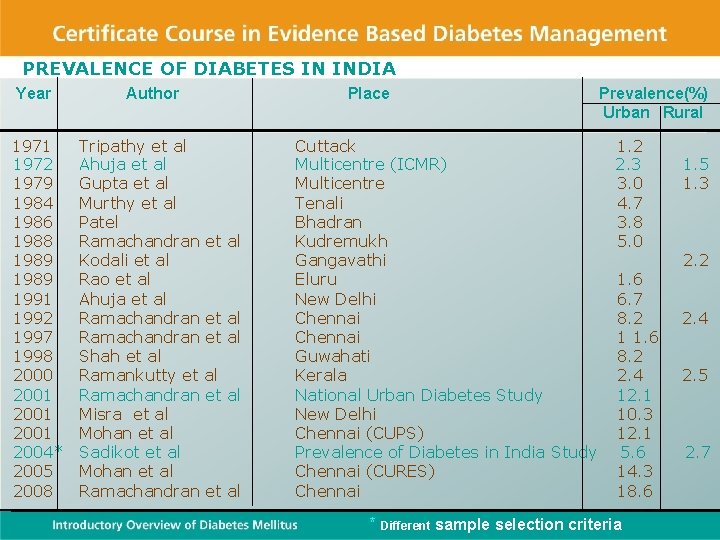
PREVALENCE OF DIABETES IN INDIA Year Author 1971 1972 1979 1984 1986 1988 1989 1991 1992 1997 1998 2000 2001 2004* 2005 2008 Tripathy et al Ahuja et al Gupta et al Murthy et al Patel Ramachandran et Kodali et al Rao et al Ahuja et al Ramachandran et Shah et al Ramankutty et al Ramachandran et Misra et al Mohan et al Sadikot et al Mohan et al Ramachandran et Place al al al Cuttack Multicentre (ICMR) Multicentre Tenali Bhadran Kudremukh Gangavathi Eluru New Delhi Chennai Guwahati Kerala National Urban Diabetes Study New Delhi Chennai (CUPS) Prevalence of Diabetes in India Study Chennai (CURES) Chennai Prevalence(%) Urban Rural 1. 2 2. 3 3. 0 4. 7 3. 8 5. 0 1. 6 6. 7 8. 2 1 1. 6 8. 2 2. 4 12. 1 10. 3 12. 1 5. 6 14. 3 18. 6 * Different sample selection criteria 1. 5 1. 3 2. 2 2. 4 2. 5 2. 7
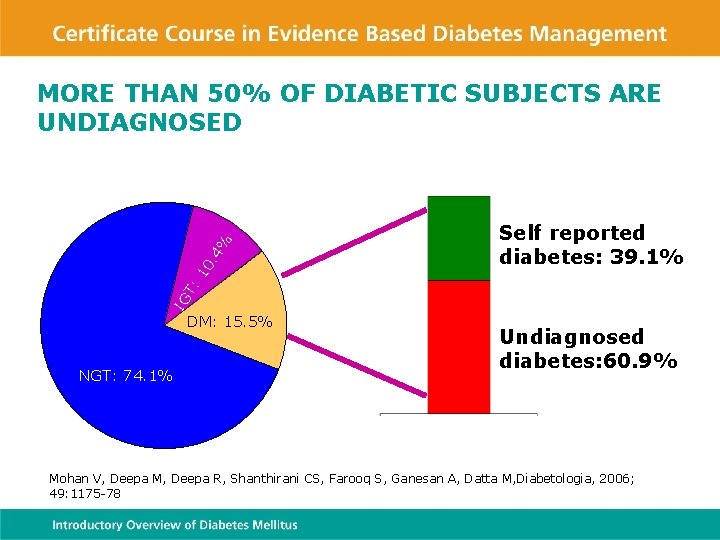
Self reported diabetes: 39. 1% IG T : 1 0. 4% MORE THAN 50% OF DIABETIC SUBJECTS ARE UNDIAGNOSED DM: 15. 5% NGT: 74. 1% Undiagnosed diabetes: 60. 9% Mohan V, Deepa M, Deepa R, Shanthirani CS, Farooq S, Ganesan A, Datta M, Diabetologia, 2006; 49: 1175 -78

NATIONAL DIABETES CONTROL PROGRAM An initiative of the Government of India 1. Prevention of diabetes through identification of high risk subjects and early intervention in the form of health education 2. Early diagnosis of disease and appropriate treatment morbidity and mortality with reference to high risk group 3. Prevention of acute and chronic metabolic, cardiovascular, renal and ocular complication of the disease 4. Provision of equal opportunity for physical attainment and scholastic achievement for the diabetic patients 5. Rehabilitation of those people partially or totally handicapped by diabetes.
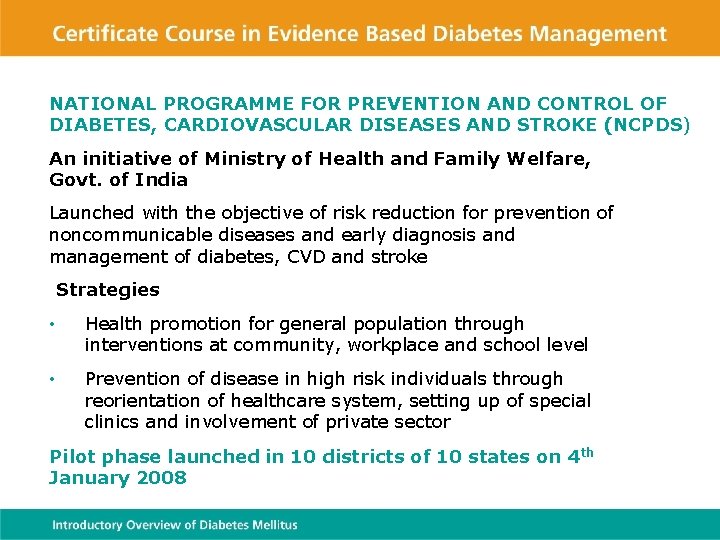
NATIONAL PROGRAMME FOR PREVENTION AND CONTROL OF DIABETES, CARDIOVASCULAR DISEASES AND STROKE (NCPDS) An initiative of Ministry of Health and Family Welfare, Govt. of India Launched with the objective of risk reduction for prevention of noncommunicable diseases and early diagnosis and management of diabetes, CVD and stroke Strategies • Health promotion for general population through interventions at community, workplace and school level • Prevention of disease in high risk individuals through reorientation of healthcare system, setting up of special clinics and involvement of private sector Pilot phase launched in 10 districts of 10 states on 4 th January 2008
NORMAL GLUCOSE METABOLISM
DIETARY CARBOHYDRATES • Main sources of energy • Major carbohydrates in diet- Starch, glycogen, sucrose, lactose, fructose, cellulose • Complex carbohydrates have to be broken down to monosaccharides if they are to be absorbed
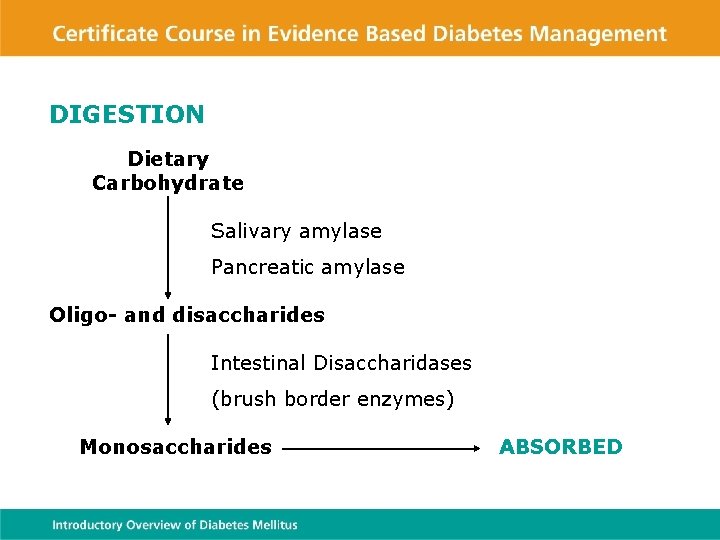
DIGESTION Dietary Carbohydrate Salivary amylase Pancreatic amylase Oligo- and disaccharides Intestinal Disaccharidases (brush border enzymes) Monosaccharides ABSORBED

FATE OF GLUCOSE Glucose Triglycerides Glucose 6 phosphate Glycerol Glycolysis Glucose 1 phosphate HMP Shunt Pyruvate Aerobic Acetyl Co. A TCA Cycle Anerobic Lactate Fatty Acids Pentose Glycogenesis Glycogen
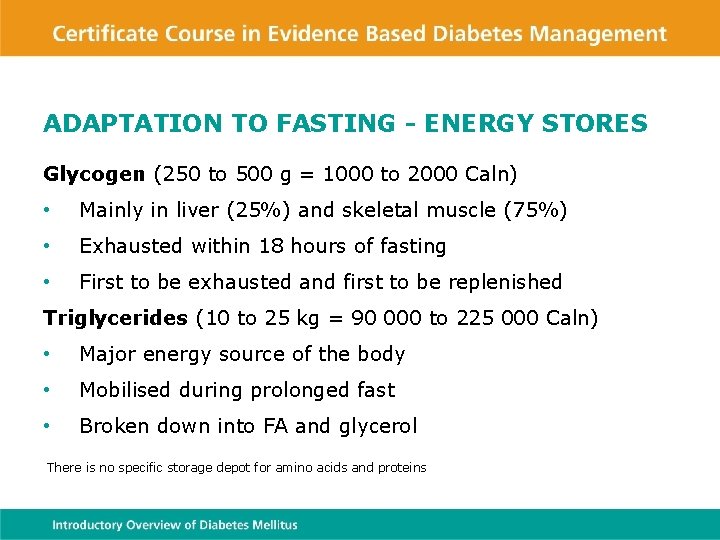
ADAPTATION TO FASTING - ENERGY STORES Glycogen (250 to 500 g = 1000 to 2000 Caln) • Mainly in liver (25%) and skeletal muscle (75%) • Exhausted within 18 hours of fasting • First to be exhausted and first to be replenished Triglycerides (10 to 25 kg = 90 000 to 225 000 Caln) • Major energy source of the body • Mobilised during prolonged fast • Broken down into FA and glycerol There is no specific storage depot for amino acids and proteins
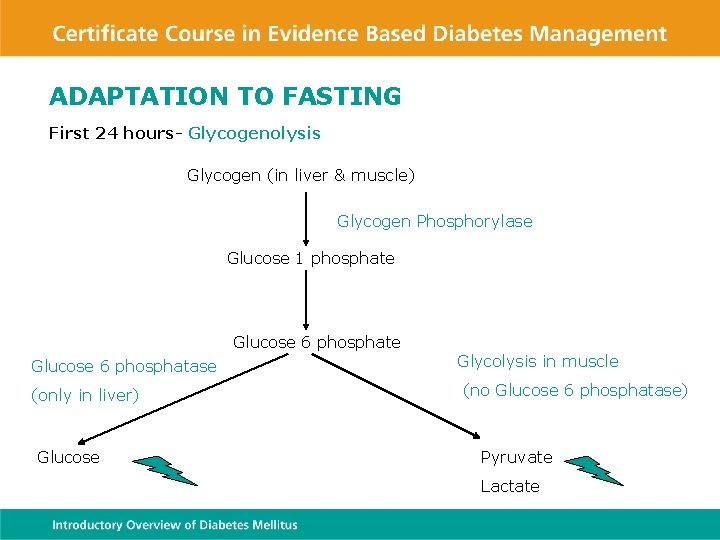
ADAPTATION TO FASTING First 24 hours- Glycogenolysis Glycogen (in liver & muscle) Glycogen Phosphorylase Glucose 1 phosphate Glucose 6 phosphatase (only in liver) Glucose Glycolysis in muscle (no Glucose 6 phosphatase) Pyruvate Lactate
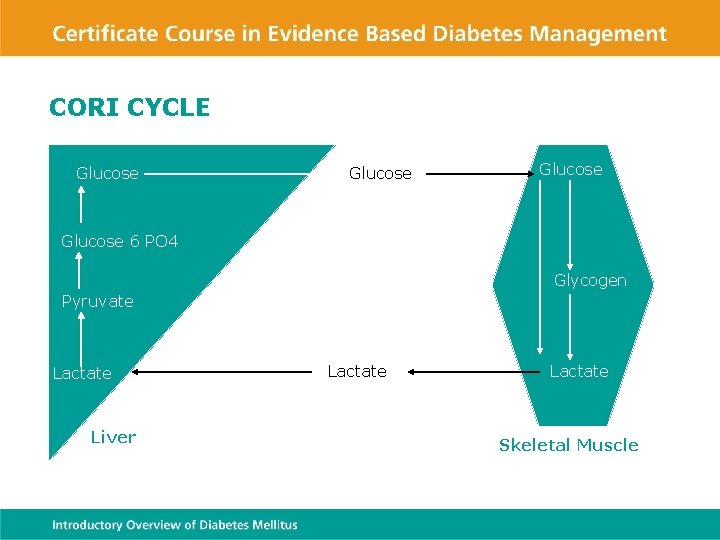
CORI CYCLE Glucose 6 PO 4 Glycogen Pyruvate Lactate Liver Lactate Skeletal Muscle
ADAPTATION TO FASTING • After 24 hours- Gluconeogenesis • Production of glucose from noncarbohydrate precursors • Usual substrates are lactate, glucogenic amino acids (alanine), propionyl Co. A and glycerol part of fat • The main sites are liver and renal cortex

FED STATE Glucose Amino Acids Glycogen Glycerol Triglycerides Pyruvate Acetyl Co. A Proteins Fatty Acids Lactate TCA Cycle CO 2 + H 2 O ALL THESE PROCESSES ARE PROMOTED BY INSULIN
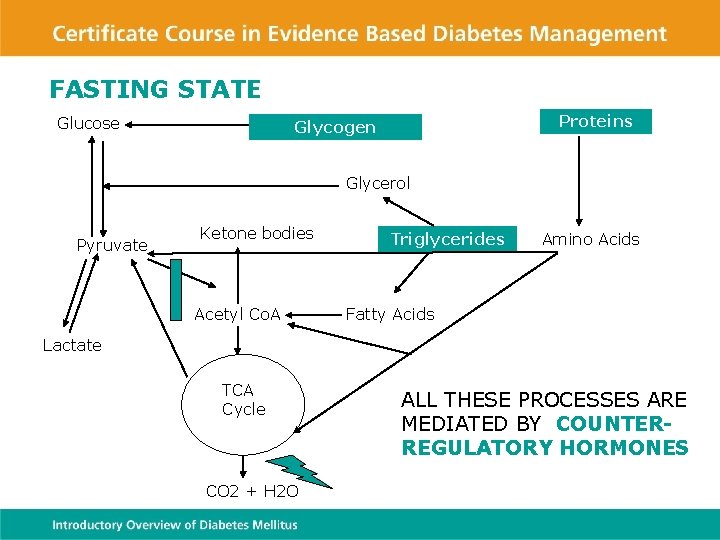
FASTING STATE Glucose Proteins Glycogen Glycerol Pyruvate Ketone bodies Acetyl Co. A Triglycerides Amino Acids Fatty Acids Lactate TCA Cycle CO 2 + H 2 O ALL THESE PROCESSES ARE MEDIATED BY COUNTERREGULATORY HORMONES
HORMONE EFFECTS- FED STATE • The only hormone involved is INSULIN • Insulin • Promotes glycolysis • Promotes glycogenesis • Promotes lipogenesis • Promotes protein synthesis • Inhibits gluconeogenesis, glycogenolysis, proteolysis and lipolysis
HORMONE EFFECTS- FASTING STATE • The first hormone response to fasting involves suppression of insulin secretion • This is followed by increased secretion of counterregulatory hormones • Glucagon and epinephrine are quicker in onset but short lasting • Growth hormone and cortisol have slower but persistent effects
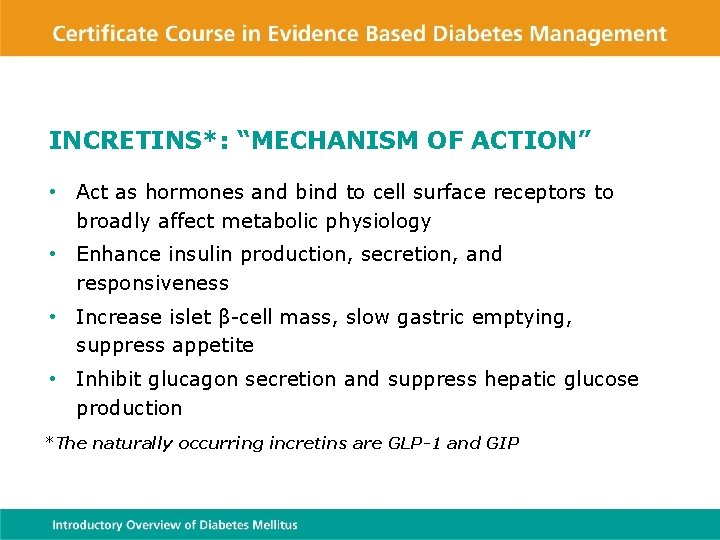
INCRETINS*: “MECHANISM OF ACTION” • Act as hormones and bind to cell surface receptors to broadly affect metabolic physiology • Enhance insulin production, secretion, and responsiveness • Increase islet β-cell mass, slow gastric emptying, suppress appetite • Inhibit glucagon secretion and suppress hepatic glucose production *The naturally occurring incretins are GLP-1 and GIP

THE INCRETIN EFFECT DEMONSTRATES THE RESPONSE TO ORAL VS IV GLUCOSE 2. 0 11 * C-peptide (nmol/L) Venous Plasma Glucose (mmol/L) Oral Glucose IV Glucose 5. 5 0 01 0 2 120 Time (min) 180 1. 5 * * Incretin Effect * * 1. 0 * * 0. 5 0. 0 01 0 2 60 120 Time (min) Mean ± SE; N = 6; *P . 05; 01 -02 = glucose infusion time. Nauck MA, et al. Incretin effects of increasing glucose loads in man calculated from venous insulin and Cpeptide responses. J Clin Endocrinol Metab. 1986; 63: 492 -498. Copyright 1986, The Endocrine Society. 180
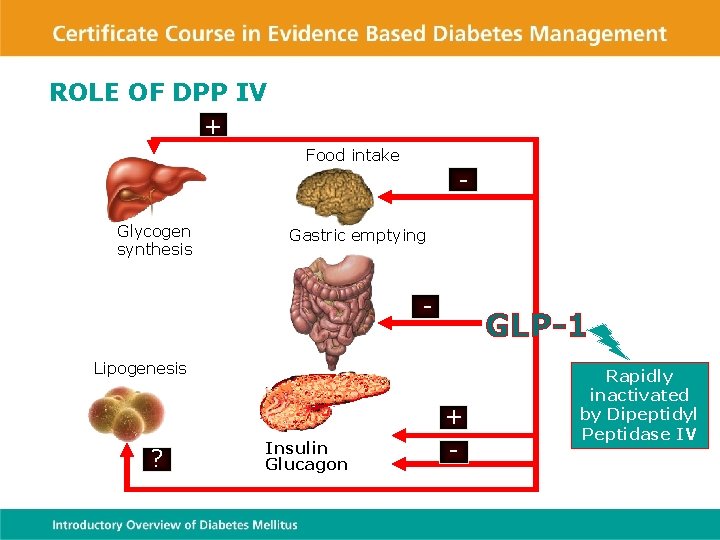
ROLE OF DPP IV + Food intake Glycogen synthesis Gastric emptying Lipogenesis ? Insulin Glucagon + - Rapidly inactivated by Dipeptidyl Peptidase IV
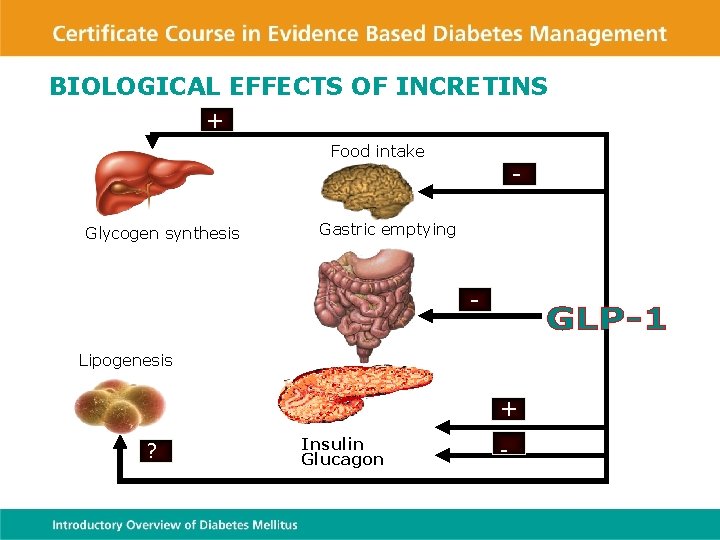
BIOLOGICAL EFFECTS OF INCRETINS + Food intake Glycogen synthesis - Gastric emptying Lipogenesis + ? Insulin Glucagon -
ROLE OF THE PRIMARY CARE PHYSICIAN
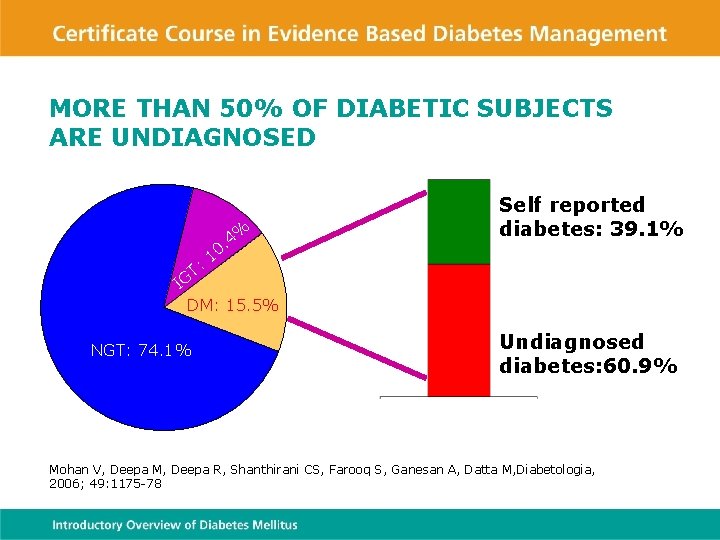
MORE THAN 50% OF DIABETIC SUBJECTS ARE UNDIAGNOSED T: 4%. 10 Self reported diabetes: 39. 1% IG DM: 15. 5% NGT: 74. 1% Undiagnosed diabetes: 60. 9% Mohan V, Deepa M, Deepa R, Shanthirani CS, Farooq S, Ganesan A, Datta M, Diabetologia, 2006; 49: 1175 -78
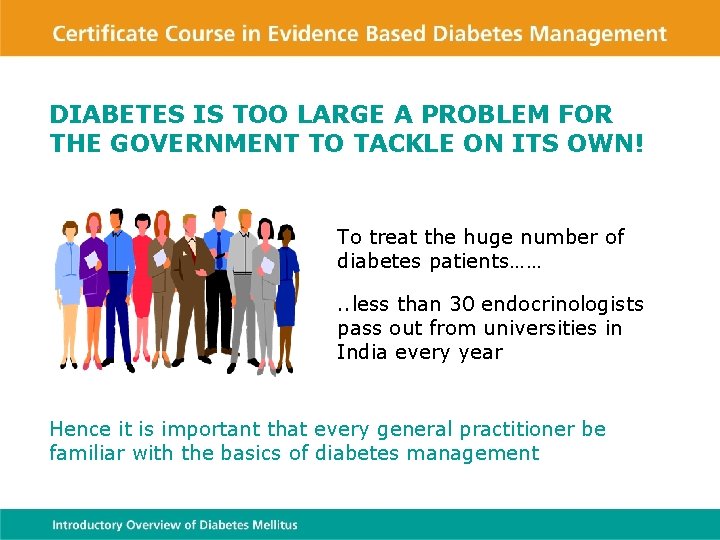
DIABETES IS TOO LARGE A PROBLEM FOR THE GOVERNMENT TO TACKLE ON ITS OWN! To treat the huge number of diabetes patients……. . less than 30 endocrinologists pass out from universities in India every year Hence it is important that every general practitioner be familiar with the basics of diabetes management
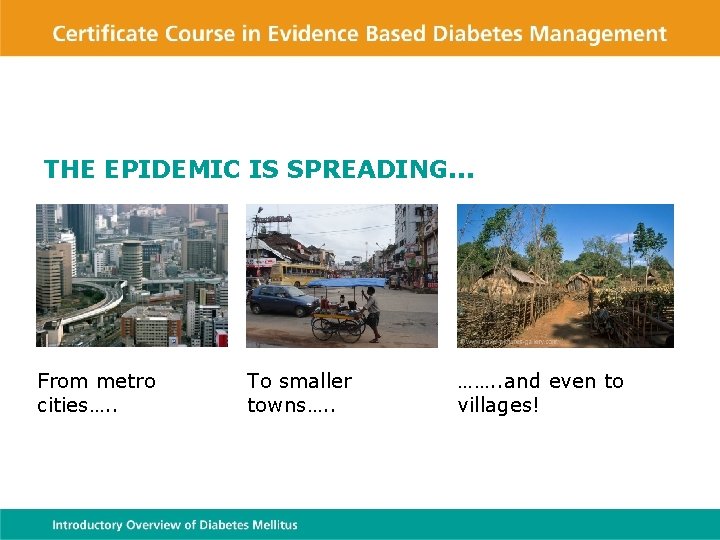
THE EPIDEMIC IS SPREADING. . . From metro cities…. . To smaller towns…. . ……. . and even to villages!

In all these places, the primary care physician has a major role in identifying and managing diabetes
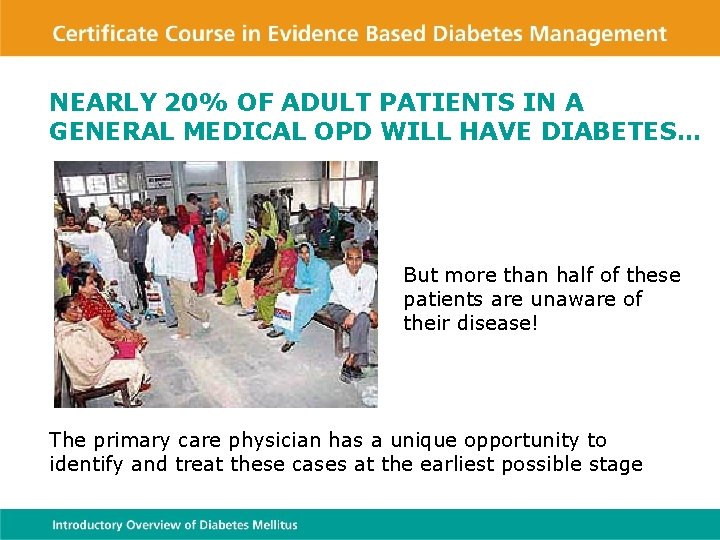
NEARLY 20% OF ADULT PATIENTS IN A GENERAL MEDICAL OPD WILL HAVE DIABETES… But more than half of these patients are unaware of their disease! The primary care physician has a unique opportunity to identify and treat these cases at the earliest possible stage
STATUS OF DIABETES AWARENESS IN URBAN INDIA A state of blissful ignorance! • 25% of individuals have never heard of diabetes • 60% do not know that diabetes can lead to organ complications • More than 80% do not know the risk factors for diabetes • 60% do not know that diabetes can be prevented Mohan et al, CURES, 2005 The primary care physician has a major role in educating his patients and their relatives about diabetes, so that they seek detection and care early
STATUS OF DIABETES CONTROL IN INDIA A case of too little being done too late? • More than 75% of diabetes patients do not receive regular modern medical treatment • Around 50% of patients have poor glycemic control (Hb. A 1 c >2% above target) • No consensus on glycemic targets and guidelines among doctors • More than 20% of patients not advised to do Hb. A 1 c at all • More than 50% of patients not informed about glycemic targets Diab. Care- Asia Study, 1998, Improve Control India Study, 2007 The situation can only be improved by training the primary care physicians who treat most of the diabetes patients in this country
UNFORTUNATELY Medical training, even at the postgraduate level, is geared towards rare conditions (“exam cases”) Consequently, disorders like diabetes, hypertension and cardiovascular disease get the short shrift………. . …. even though these will make up the bulk of any medical graduate’s practice!

THE PRIMARY CARE PHYSICIAN Ideally situated to provide quality diabetes care to the patient on account of…. . • Acceptability • Availability • Affordability A trained primary care physician is the best bet to tackle the diabetes epidemic in the Indian scenario
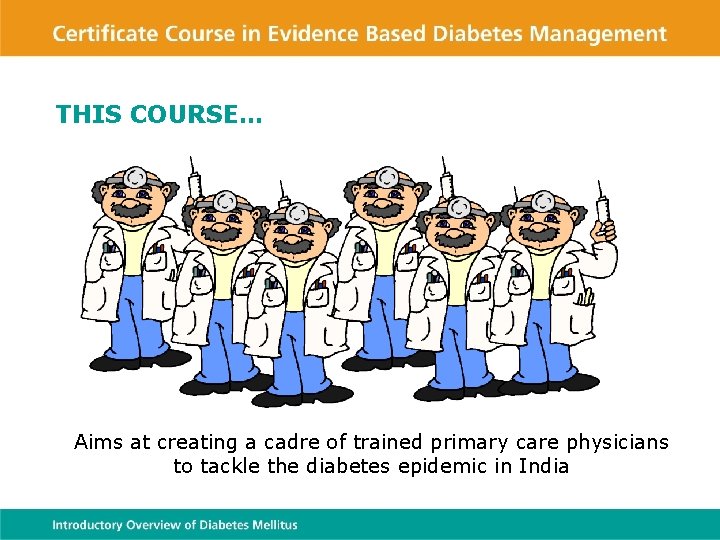
THIS COURSE… Aims at creating a cadre of trained primary care physicians to tackle the diabetes epidemic in India
CLASSIFICATION OF DIABETES
CLASSIFICATION OF DIABETES 1965 WHO Clinical Classification- Juvenile onset, adult onset, maturity onset etc. 1979 NDDG – Defined IDDM and NIDDM, introduced the terms type 1 DM and type 2 DM, IGT 1997 ADA- discontinued the use of IDDM and NIDDM, introduced category of IFG The currently accepted classification is based on the etiology of diabetes

ETIOLOGIC CLASSIFICATION OF DIABETES MELLITUS (ADA Expert Committee (1997) • Type 1 diabetes ( cell destruction, usually leading to absolute insulin deficiency) a. Immune mediated b. Idiopathic • Type 2 diabetes (may range from predominantly insulin resistance with relative insulin deficiency to a predominantly secretory defect with insulin resistance) contd….
ETIOLOGIC CLASSIFICATION OF DIABETES MELLITUS Other specific types • Genetic defects of cell function • Genetic defects in insulin action • Diseases of the exocrine pancreas e. g. FCPD • Endocrinopathies • Drug - or chemical induced • Infections • Uncommon forms of immune-mediated diabetes • Other genetic syndromes sometimes associated with diabetes Gestational diabetes mellitus (GDM)
DIAGNOSTIC CRITERIA FOR DIABETES • Symptoms of diabetes + casual plasma glucose concentration 200 mg/dl (casual - any time of the day without regard to time since last meal) • Fasting plasma glucose 126 mg/dl (Fasting - no caloric intake for atleast 8 hours) • 2 Hour plasma glucose during OGTT 200 mg/dl ( OGTT according to WHO criteria)
CRITERIA FOR THE DIAGNOSIS OF IMPAIRED GLUCOSE HOMEOSTASIS Impaired glucose homeostasis Impaired Fasting Glucose (IFG) : FPG 110 and 125 mg per d. L Impaired Glucose Tolerance (IGT) : 2 hr PGPG 140 and 199 mg per d. L World Health Organisation, 2006 The American Diabetes Association recommends that individuals with an FPG 100 mg/dl and 125 mg/dl be classified as having IFG American Diabetes Association, 2010

TYPE 2 DIABETES MELLITUS • Most common form of diabetes • Prevalence increasing rapidly, especially in developing countries • Occurs due to relative insulin deficiency in an individual with insulin resistance • Usually asymptomatic and detected during evaluation for unrelated indications • Rarely may present with hyperglycemic symptoms

SYMPTOMS OF DIABETES • Frequent urination • Excessive thirst • Excessive hunger • Weight loss • Delayed healing of wounds • Tiredness • Itching especially in genital area • Tingling and numbness >60% of patients do not have any symptoms
TYPE 1 DIABETES MELLITUS Absolute insulin deficiency due to destruction of pancreatic beta cells Severe, life threatening form of diabetes Prevalence • < 5% of the total diabetic population • 0. 001% of the total population • Geographical variation is observed • Mostly juvenile, about 10% in elderly Symptoms • Abrupt onset of severe symptoms • May present in diabetic ketoacidosis
MATURITY ONSET DIABETES OF THE YOUNG (MODY) Monogenic form of diabetes associated with mutation in a single gene Diagnostic Criteria (Tattersall and Fajans) • Aged less than 25 years at onset • Autosomal dominant transmission of diabetes with three generations involved • Absence of ketosis at any time • Controllable without insulin at least in the early stages of the disease Clinical criteria are no longer acceptable and genetic analysis is needed to confirm the diagnosis
MATURITY ONSET DIABETES OF THE YOUNG (MODY) Genes implicated in MODY- Data from the West • HNF - 4 - MODY 1 - only a small number of MODY families • Glucokinase - MODY 2 - 50 to 60 percent of MODY cases in Europe • HNF-1 - MODY 3 - 25 percent of MODY families in Europe • Insulin Promoter Factor - 1 (IPF-1) - MODY 4 • HNF - 1 - MODY 5 • NEUROD 1/ 2 - MODY 6 • Kruppel-like factor 11 - MODY 7 RARE
MATURITY ONSET DIABETES OF THE YOUNG (MODY) Clinical Features • Patients usually non-obese • Do not need insulin initially- later may become insulinrequiring (MODY 1, 3 and 5) • Isolated Mild fasting hyperglycemia- MODY 2 - no treatment required • Diabetes with renal cysts/ renal agenesis RCAD (renal cysts and diabetes syndrome)- MODY 5
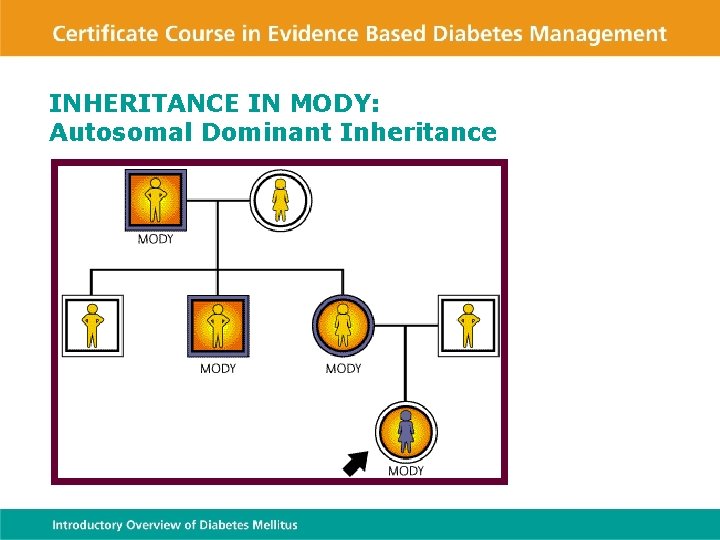
INHERITANCE IN MODY: Autosomal Dominant Inheritance
FIBROCALCULOUS PANCREATIC DIABETES • Patient should be from a tropical country • Diabetes should be present • Evidence of chronic pancreatitis should be present • Abnormal pancreatic morphology on USG/CT scan • Recurrent abdominal pain since childhood • Steatorrhea • Abnormal pancreatic function tests • Absence of other causes of chronic pancreatitis viz. alcoholism, hepatobiliary disease etc. From Mohan et al
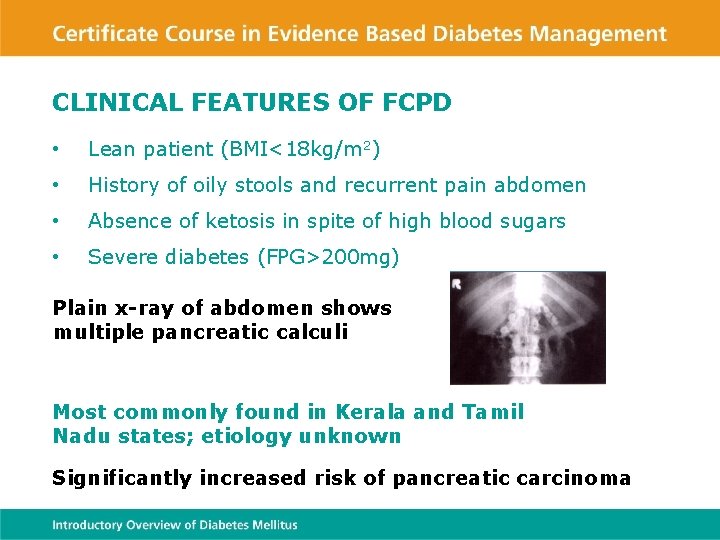
CLINICAL FEATURES OF FCPD • Lean patient (BMI<18 kg/m 2) • History of oily stools and recurrent pain abdomen • Absence of ketosis in spite of high blood sugars • Severe diabetes (FPG>200 mg) Plain x-ray of abdomen shows multiple pancreatic calculi Most commonly found in Kerala and Tamil Nadu states; etiology unknown Significantly increased risk of pancreatic carcinoma
MMDM (Malnutrition Modulated Diabetes Mellitus) Youth onset Associated with poverty Absence of ketosis BMI < 19 Kg/m 2 No pancreatic calculi Needs insulin for control From Tripathy (INT. J. DIAB. DEV. COUNTRIES (2003): 23: 83 -9 MMDM is not accepted by the ADA and WHO as a separate entity; it differs from FCPD only in the absence of demonstrable pancreatic calculi
LATENT AUTOIMMUNE DIABETES OF ADULTS (LADA)- TYPE 1 DIABETES WHICH PRESENTS LATE • GAD* autoantibody positive • Age at onset >40 years • Lean patient • Insulin treatment required within one year of onset Many patients with “Type 2 diabetes” who are lean, have no family history of diabetes and who require insulin early in the course of the disease actually have LADA! * Glutamic acid decarboxylase
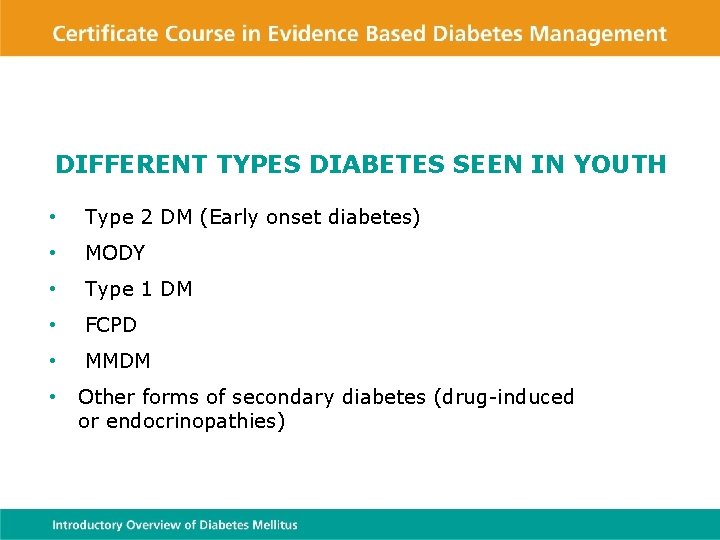
DIFFERENT TYPES DIABETES SEEN IN YOUTH • Type 2 DM (Early onset diabetes) • MODY • Type 1 DM • FCPD • MMDM • Other forms of secondary diabetes (drug-induced or endocrinopathies)

DIFFERENCE BETWEEN MODY AND EARLY ONSET TYPE 2 DIABETES MODY Autosomal dominant inheritance Early onset type 2 diabetes ----- Only one parent affected Both the parents could be affected Only insulin secretory defect Defects in insulin secretion and Insulin resistance Seen in all populations Usually in populations with high prevalence of T 2 DM Responds better to sulfonylureas Responds better to metformin
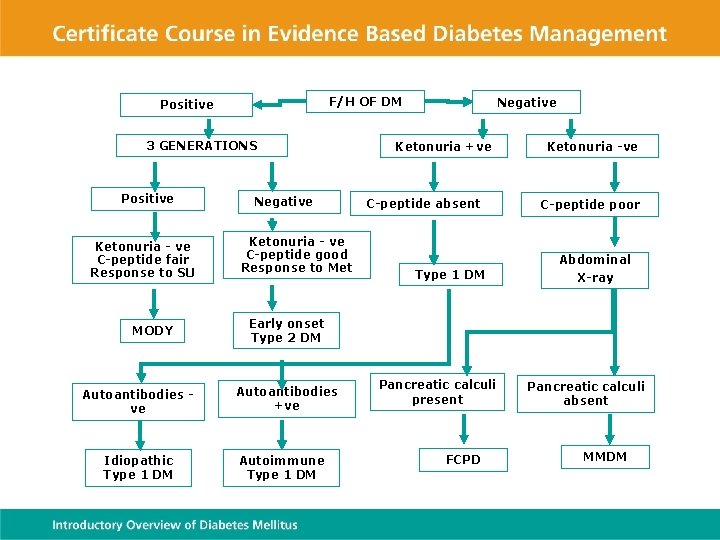
F/H OF DM Positive 3 GENERATIONS Positive Ketonuria - ve C-peptide fair Response to SU MODY Autoantibodies ve Idiopathic Type 1 DM Negative Ketonuria - ve C-peptide good Response to Met Negative Ketonuria +ve C-peptide absent Type 1 DM Ketonuria -ve C-peptide poor Abdominal X-ray Early onset Type 2 DM Autoantibodies +ve Autoimmune Type 1 DM Pancreatic calculi present FCPD Pancreatic calculi absent MMDM
CASE STUDIES
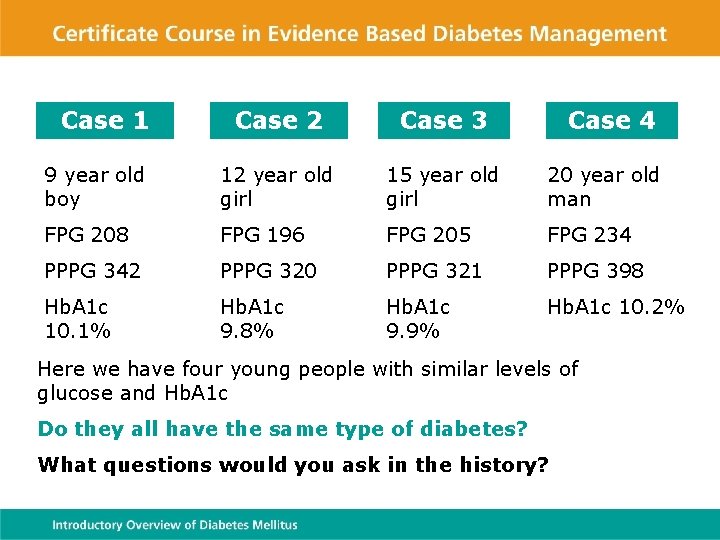
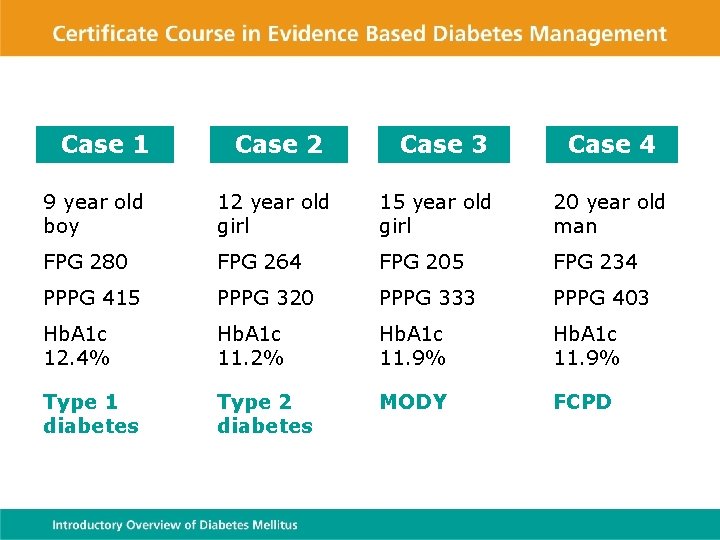
Case 1 Case 2 Case 3 Case 4 9 year old boy 12 year old girl 15 year old girl 20 year old man FPG 208 FPG 196 FPG 205 FPG 234 PPPG 342 PPPG 320 PPPG 321 PPPG 398 Hb. A 1 c 10. 1% Hb. A 1 c 9. 8% Hb. A 1 c 9. 9% Hb. A 1 c 10. 2% Here we have four young people with similar levels of glucose and Hb. A 1 c Do they all have the same type of diabetes? What questions would you ask in the history?
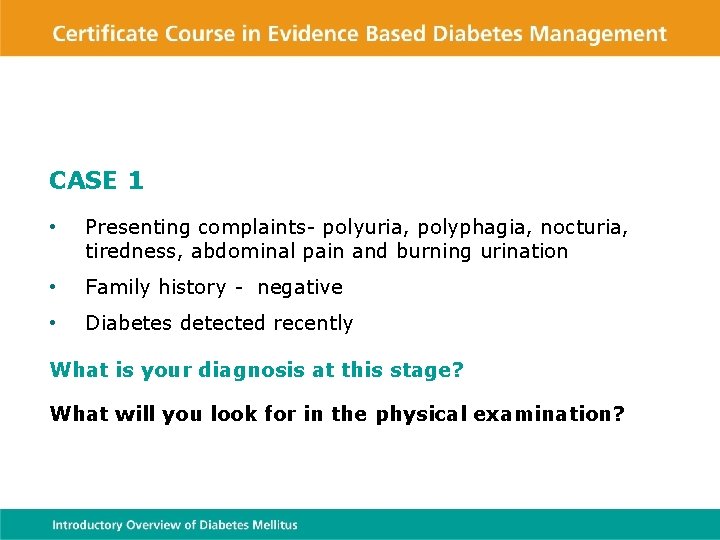
CASE 1 • Presenting complaints- polyuria, polyphagia, nocturia, tiredness, abdominal pain and burning urination • Family history - negative • Diabetes detected recently What is your diagnosis at this stage? What will you look for in the physical examination?
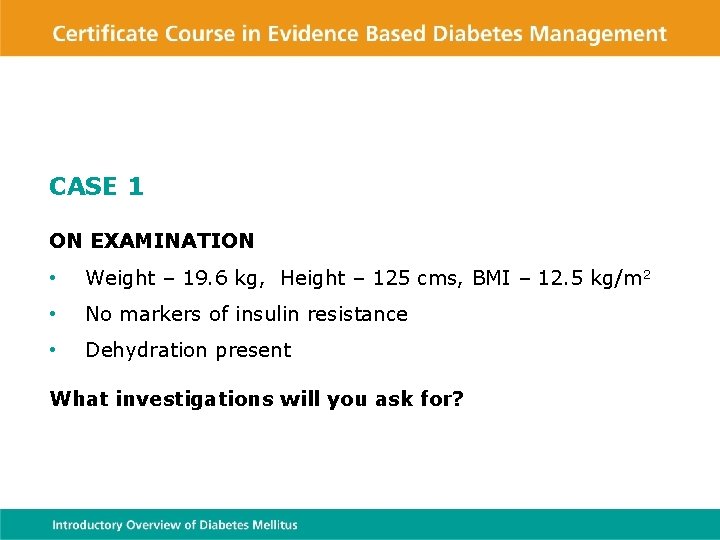
CASE 1 ON EXAMINATION • Weight – 19. 6 kg, Height – 125 cms, BMI – 12. 5 kg/m 2 • No markers of insulin resistance • Dehydration present What investigations will you ask for?
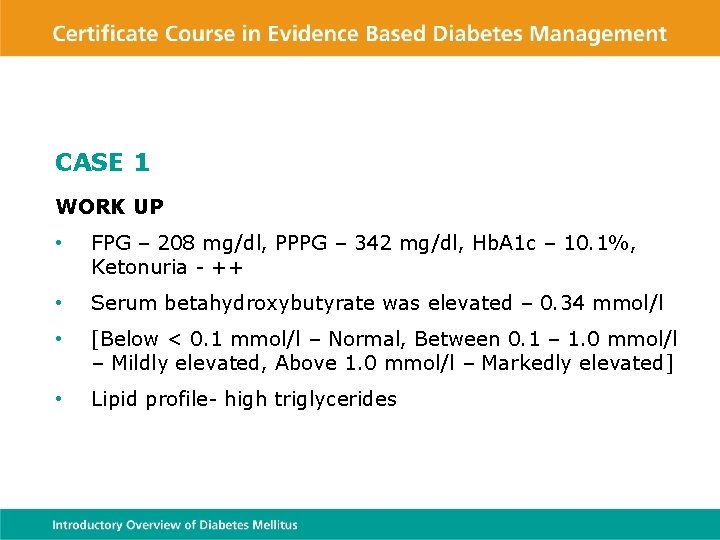
CASE 1 WORK UP • FPG – 208 mg/dl, PPPG – 342 mg/dl, Hb. A 1 c – 10. 1%, Ketonuria - ++ • Serum betahydroxybutyrate was elevated – 0. 34 mmol/l • [Below < 0. 1 mmol/l – Normal, Between 0. 1 – 1. 0 mmol/l – Mildly elevated, Above 1. 0 mmol/l – Markedly elevated] • Lipid profile- high triglycerides
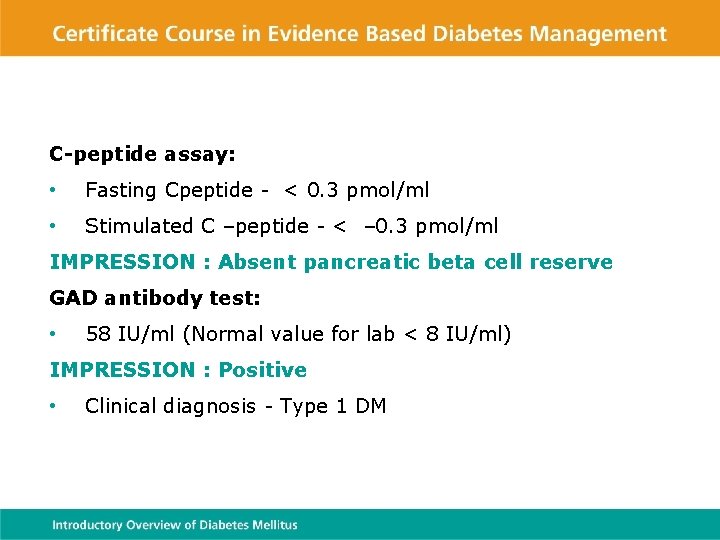
C-peptide assay: • Fasting Cpeptide - < 0. 3 pmol/ml • Stimulated C –peptide - < – 0. 3 pmol/ml IMPRESSION : Absent pancreatic beta cell reserve GAD antibody test: • 58 IU/ml (Normal value for lab < 8 IU/ml) IMPRESSION : Positive • Clinical diagnosis - Type 1 DM
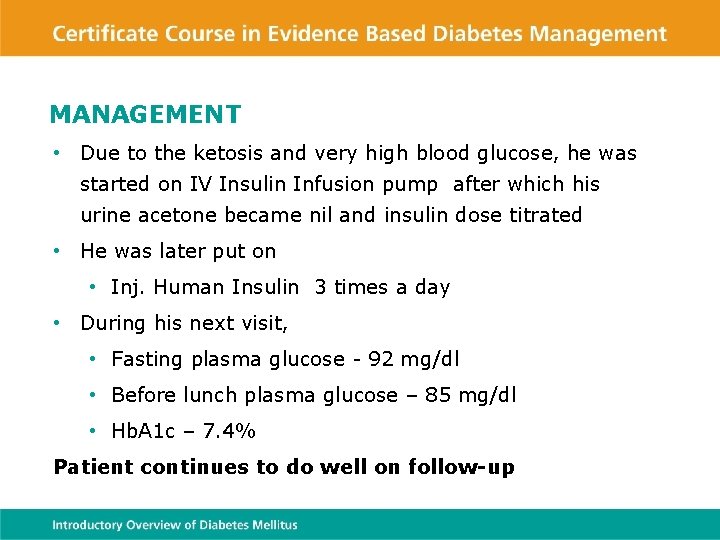
MANAGEMENT • Due to the ketosis and very high blood glucose, he was started on IV Insulin Infusion pump after which his urine acetone became nil and insulin dose titrated • He was later put on • Inj. Human Insulin 3 times a day • During his next visit, • Fasting plasma glucose - 92 mg/dl • Before lunch plasma glucose – 85 mg/dl • Hb. A 1 c – 7. 4% Patient continues to do well on follow-up
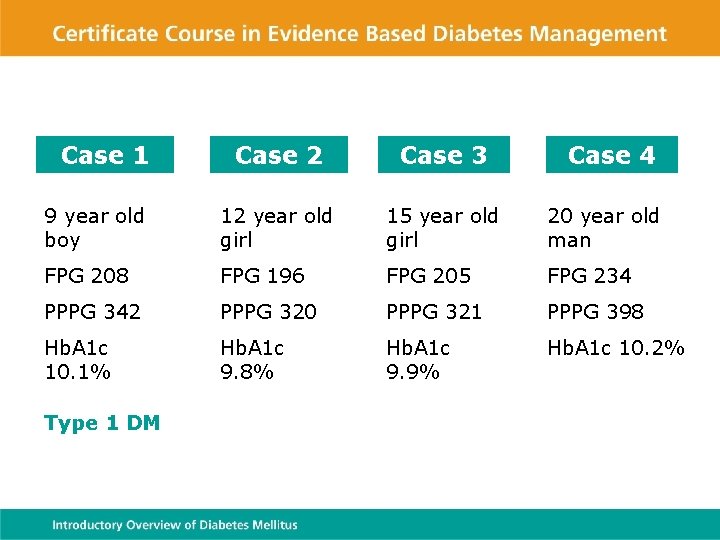
Case 1 Case 2 Case 3 9 year old boy 12 year old girl 15 year old girl 20 year old man FPG 208 FPG 196 FPG 205 FPG 234 PPPG 342 PPPG 320 PPPG 321 PPPG 398 Hb. A 1 c 10. 1% Hb. A 1 c 9. 8% Hb. A 1 c 9. 9% Hb. A 1 c 10. 2% Type 1 DM Case 4
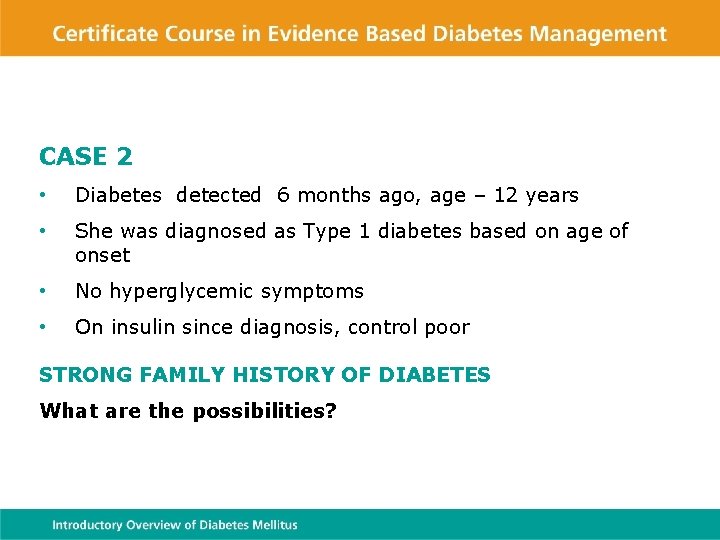
CASE 2 • Diabetes detected 6 months ago, age – 12 years • She was diagnosed as Type 1 diabetes based on age of onset • No hyperglycemic symptoms • On insulin since diagnosis, control poor STRONG FAMILY HISTORY OF DIABETES What are the possibilities?

PEDIGREE CHART OF THE PATIENT Maternal Paternal Normal Diabetic Proband
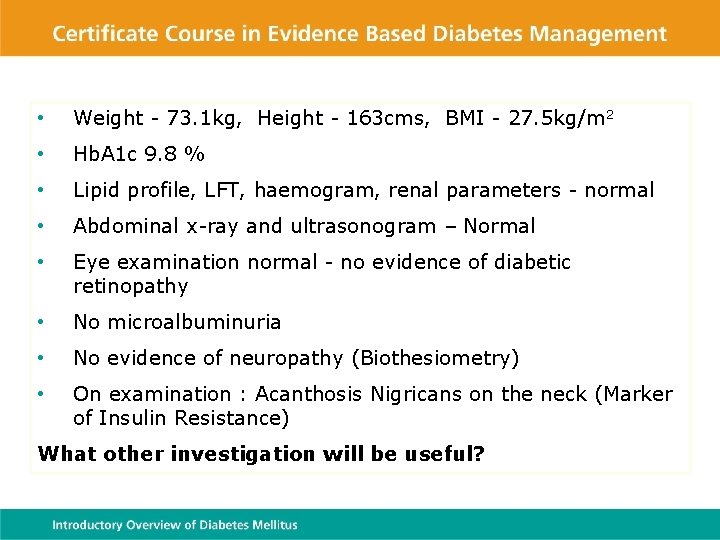
• Weight - 73. 1 kg, Height - 163 cms, BMI - 27. 5 kg/m 2 • Hb. A 1 c 9. 8 % • Lipid profile, LFT, haemogram, renal parameters - normal • Abdominal x-ray and ultrasonogram – Normal • Eye examination normal - no evidence of diabetic retinopathy • No microalbuminuria • No evidence of neuropathy (Biothesiometry) • On examination : Acanthosis Nigricans on the neck (Marker of Insulin Resistance) What other investigation will be useful?
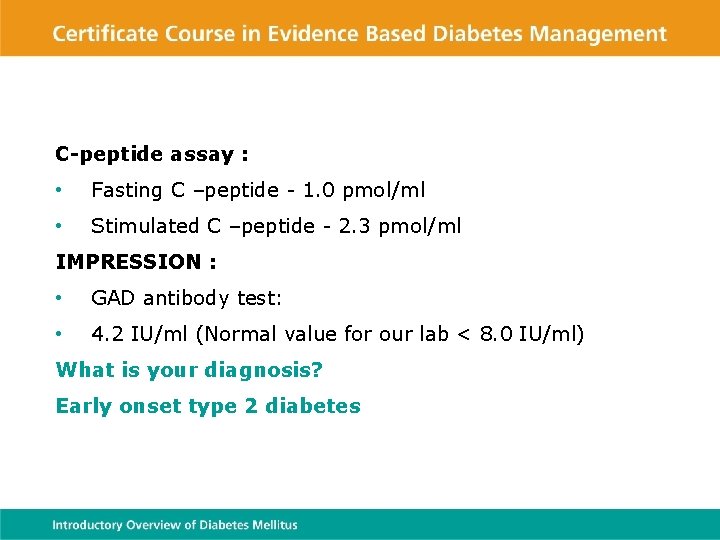
C-peptide assay : • Fasting C –peptide - 1. 0 pmol/ml • Stimulated C –peptide - 2. 3 pmol/ml IMPRESSION : • GAD antibody test: • 4. 2 IU/ml (Normal value for our lab < 8. 0 IU/ml) What is your diagnosis? Early onset type 2 diabetes
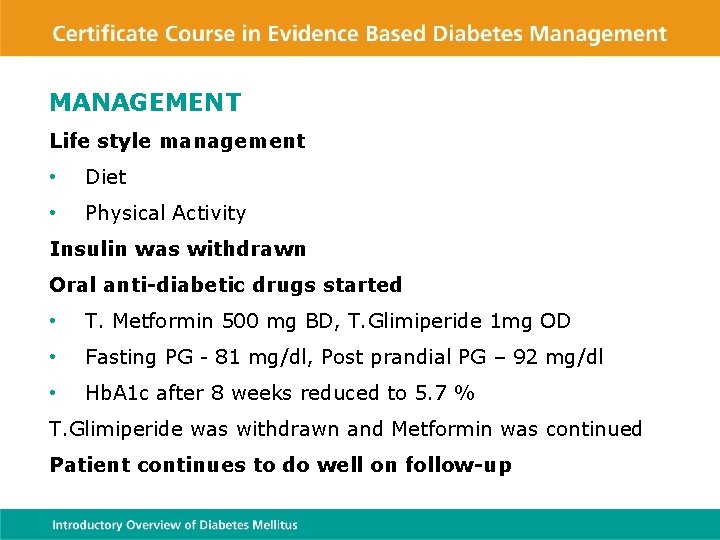
MANAGEMENT Life style management • Diet • Physical Activity Insulin was withdrawn Oral anti-diabetic drugs started • T. Metformin 500 mg BD, T. Glimiperide 1 mg OD • Fasting PG - 81 mg/dl, Post prandial PG – 92 mg/dl • Hb. A 1 c after 8 weeks reduced to 5. 7 % T. Glimiperide was withdrawn and Metformin was continued Patient continues to do well on follow-up
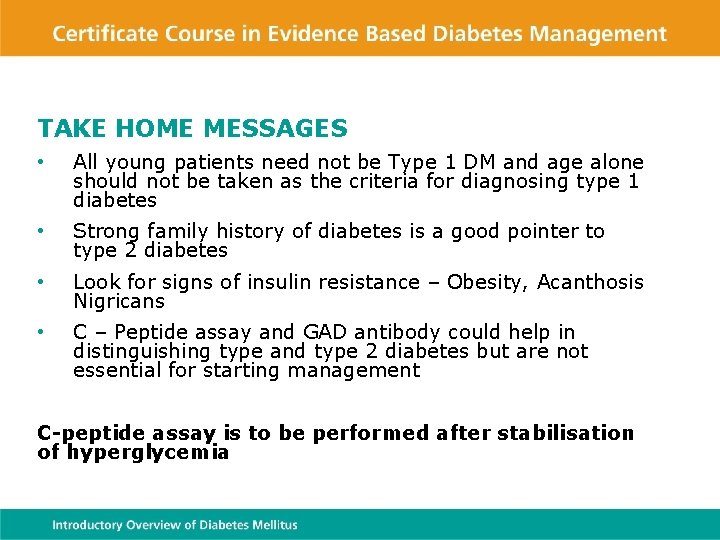
TAKE HOME MESSAGES • All young patients need not be Type 1 DM and age alone should not be taken as the criteria for diagnosing type 1 diabetes • Strong family history of diabetes is a good pointer to type 2 diabetes • Look for signs of insulin resistance – Obesity, Acanthosis Nigricans • C – Peptide assay and GAD antibody could help in distinguishing type and type 2 diabetes but are not essential for starting management C-peptide assay is to be performed after stabilisation of hyperglycemia

Case 1 Case 2 Case 3 Case 4 9 year old boy 12 year old girl 15 year old girl 20 year old man FPG 208 FPG 196 FPG 205 FPG 234 PPPG 342 PPPG 320 PPPG 321 PPPG 398 Hb. A 1 c 10. 1% Hb. A 1 c 9. 8% Hb. A 1 c 9. 9% Hb. A 1 c 10. 2% Type 1 DM Type 2 DM
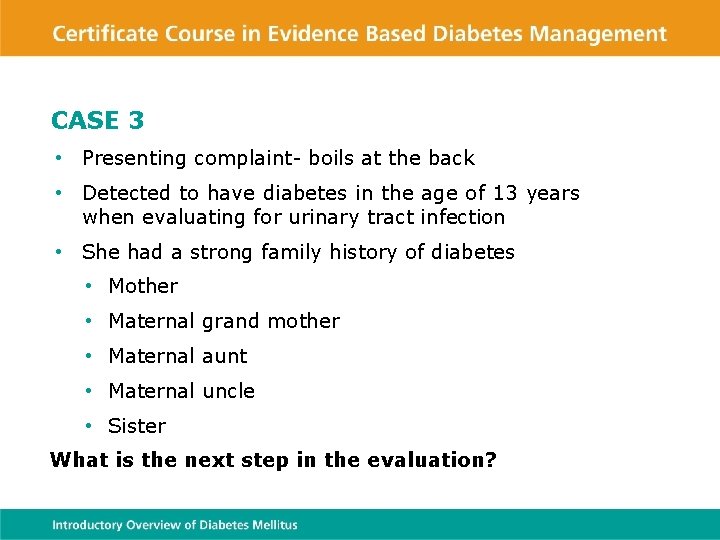
CASE 3 • Presenting complaint- boils at the back • Detected to have diabetes in the age of 13 years when evaluating for urinary tract infection • She had a strong family history of diabetes • Mother • Maternal grand mother • Maternal aunt • Maternal uncle • Sister What is the next step in the evaluation?

PEDIGREE CHART OF THE PATIENT Proband Normal Diabetic
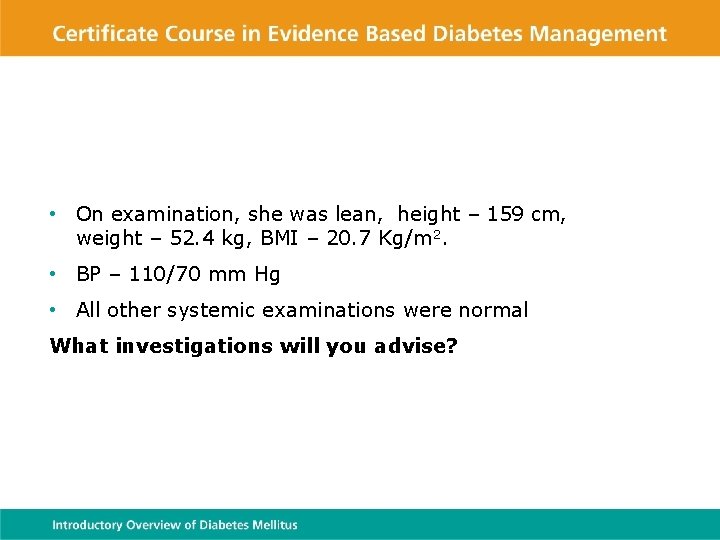
• On examination, she was lean, height – 159 cm, weight – 52. 4 kg, BMI – 20. 7 Kg/m 2. • BP – 110/70 mm Hg • All other systemic examinations were normal What investigations will you advise?
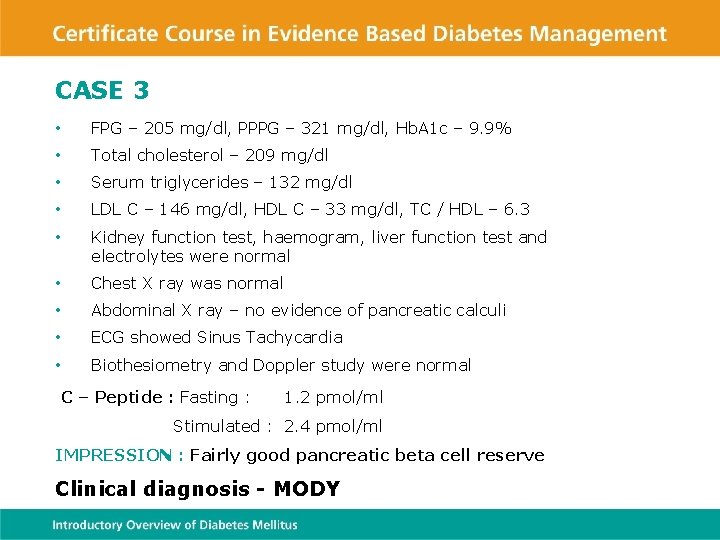
CASE 3 • FPG – 205 mg/dl, PPPG – 321 mg/dl, Hb. A 1 c – 9. 9% • Total cholesterol – 209 mg/dl • Serum triglycerides – 132 mg/dl • LDL C – 146 mg/dl, HDL C – 33 mg/dl, TC / HDL – 6. 3 • Kidney function test, haemogram, liver function test and electrolytes were normal • Chest X ray was normal • Abdominal X ray – no evidence of pancreatic calculi • ECG showed Sinus Tachycardia • Biothesiometry and Doppler study were normal C – Peptide : Fasting : 1. 2 pmol/ml Stimulated : 2. 4 pmol/ml IMPRESSION : Fairly good pancreatic beta cell reserve Clinical diagnosis - MODY
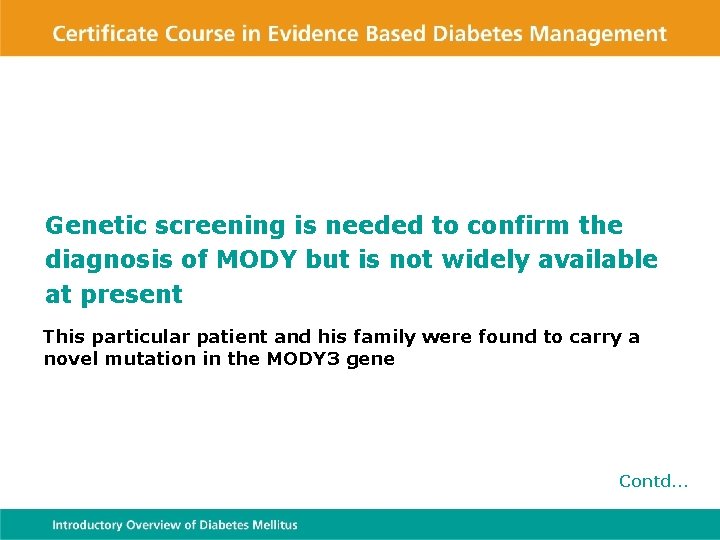
Genetic screening is needed to confirm the diagnosis of MODY but is not widely available at present This particular patient and his family were found to carry a novel mutation in the MODY 3 gene Contd…
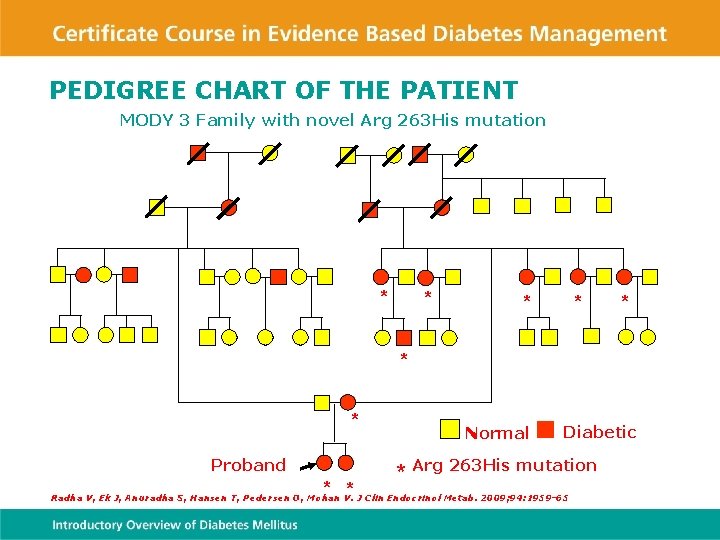
PEDIGREE CHART OF THE PATIENT MODY 3 Family with novel Arg 263 His mutation * * * * Proband * * Normal Diabetic * Arg 263 His mutation Radha V, Ek J, Anuradha S, Hansen T, Pedersen O, Mohan V. J Clin Endocrinol Metab. 2009; 94: 1959 -65
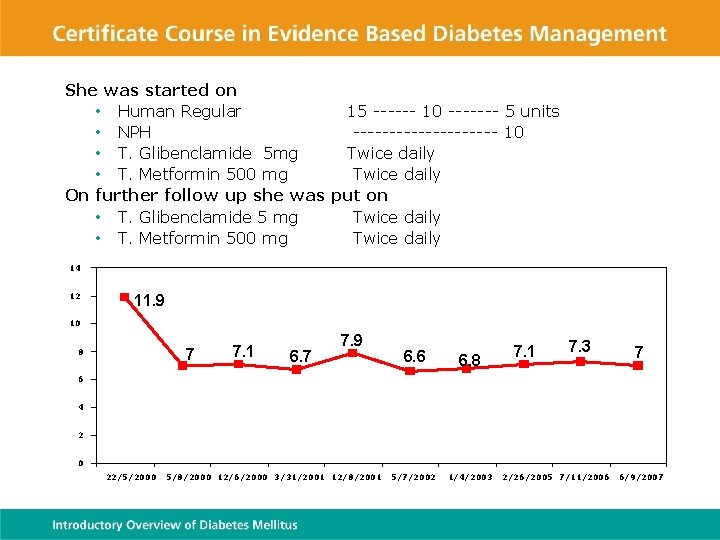
She was started on • Human Regular 15 ------ 10 ------- 5 units • NPH ---------- 10 • T. Glibenclamide 5 mg Twice daily • T. Metformin 500 mg Twice daily On further follow up she was put on • T. Glibenclamide 5 mg Twice daily • T. Metformin 500 mg Twice daily 14 12 11. 9 10 7 8 7. 1 6. 7 7. 9 6. 6 6. 8 5/7/2002 1/4/2003 7. 1 7. 3 7 6 4 2 0 22/5/2000 5/8/2000 12/6/2000 3/31/2001 12/8/2001 2/26/2005 7/11/2006 6/9/2007
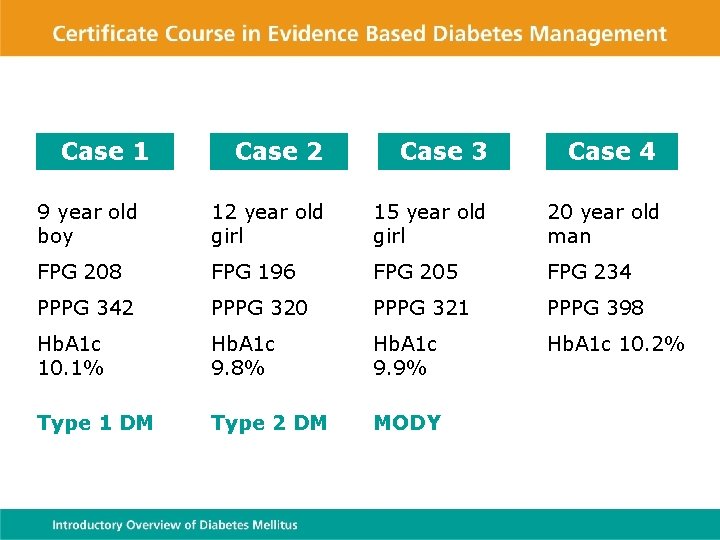
Case 1 Case 2 Case 3 Case 4 9 year old boy 12 year old girl 15 year old girl 20 year old man FPG 208 FPG 196 FPG 205 FPG 234 PPPG 342 PPPG 320 PPPG 321 PPPG 398 Hb. A 1 c 10. 1% Hb. A 1 c 9. 8% Hb. A 1 c 9. 9% Hb. A 1 c 10. 2% Type 1 DM Type 2 DM MODY
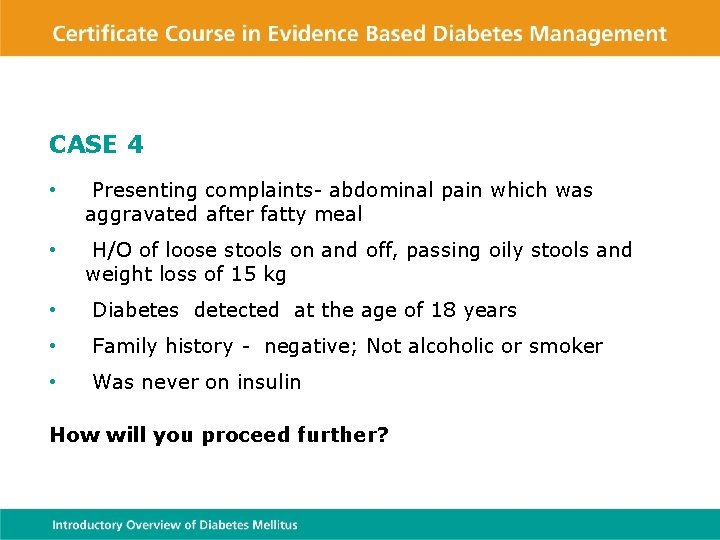
CASE 4 • Presenting complaints- abdominal pain which was aggravated after fatty meal • H/O of loose stools on and off, passing oily stools and weight loss of 15 kg • Diabetes detected at the age of 18 years • Family history - negative; Not alcoholic or smoker • Was never on insulin How will you proceed further?
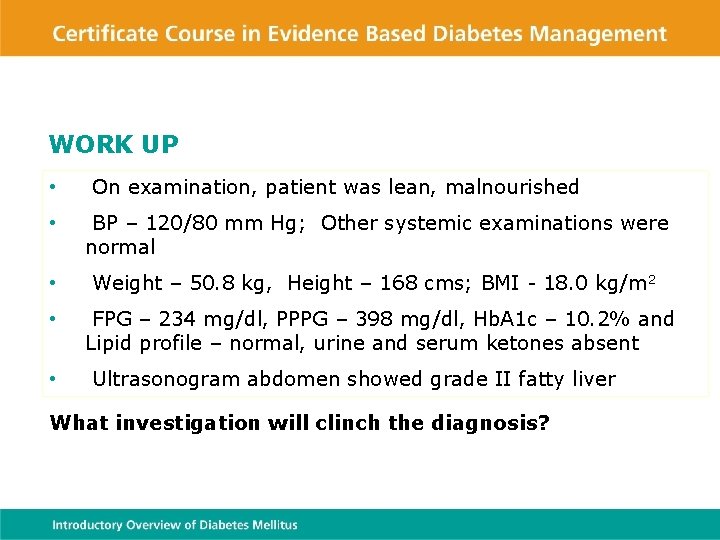
WORK UP • On examination, patient was lean, malnourished • BP – 120/80 mm Hg; Other systemic examinations were normal • Weight – 50. 8 kg, Height – 168 cms; BMI - 18. 0 kg/m 2 • FPG – 234 mg/dl, PPPG – 398 mg/dl, Hb. A 1 c – 10. 2% and Lipid profile – normal, urine and serum ketones absent • Ultrasonogram abdomen showed grade II fatty liver What investigation will clinch the diagnosis?
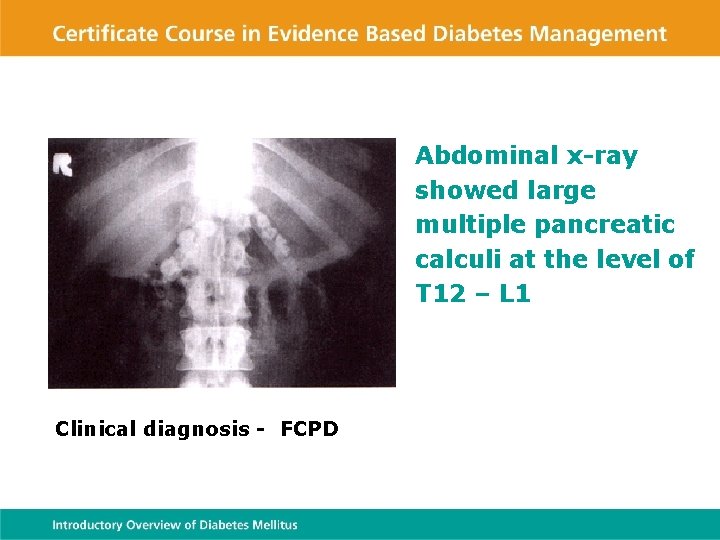
Abdominal x-ray showed large multiple pancreatic calculi at the level of T 12 – L 1 Clinical diagnosis - FCPD
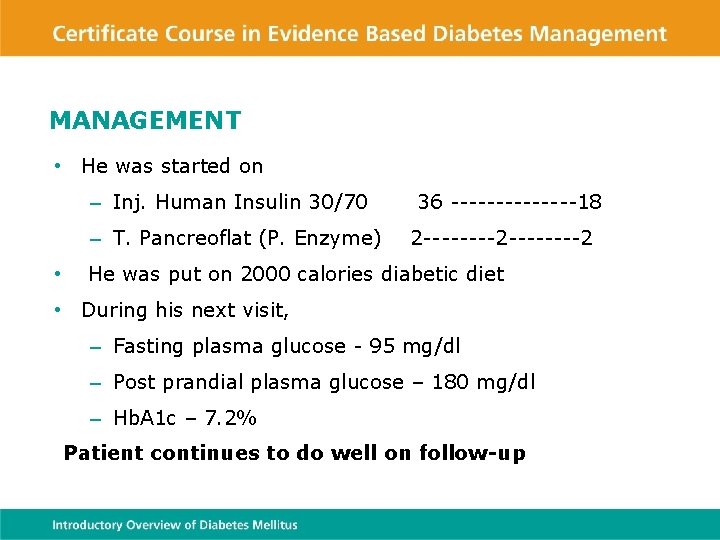
MANAGEMENT • He was started on – Inj. Human Insulin 30/70 – T. Pancreoflat (P. Enzyme) • 36 -------18 2 --------2 He was put on 2000 calories diabetic diet • During his next visit, – Fasting plasma glucose - 95 mg/dl – Post prandial plasma glucose – 180 mg/dl – Hb. A 1 c – 7. 2% Patient continues to do well on follow-up
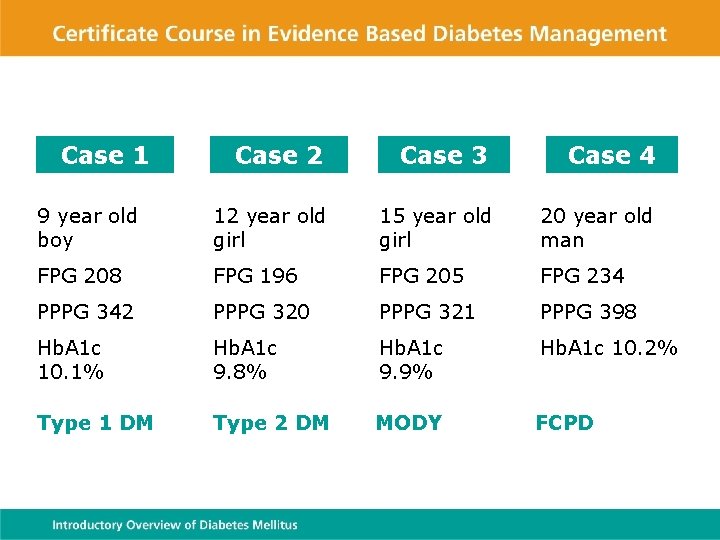
Case 1 Case 2 Case 3 Case 4 9 year old boy 12 year old girl 15 year old girl 20 year old man FPG 208 FPG 196 FPG 205 FPG 234 PPPG 342 PPPG 320 PPPG 321 PPPG 398 Hb. A 1 c 10. 1% Hb. A 1 c 9. 8% Hb. A 1 c 9. 9% Hb. A 1 c 10. 2% Type 1 DM Type 2 DM MODY FCPD
Case 1 Case 2 Case 3 Case 4 9 year old boy 12 year old girl 15 year old girl 20 year old man FPG 280 FPG 264 FPG 205 FPG 234 PPPG 415 PPPG 320 PPPG 333 PPPG 403 Hb. A 1 c 12. 4% Hb. A 1 c 11. 2% Hb. A 1 c 11. 9% Type 1 diabetes Type 2 diabetes MODY FCPD
PRIMER TO MODULE 2
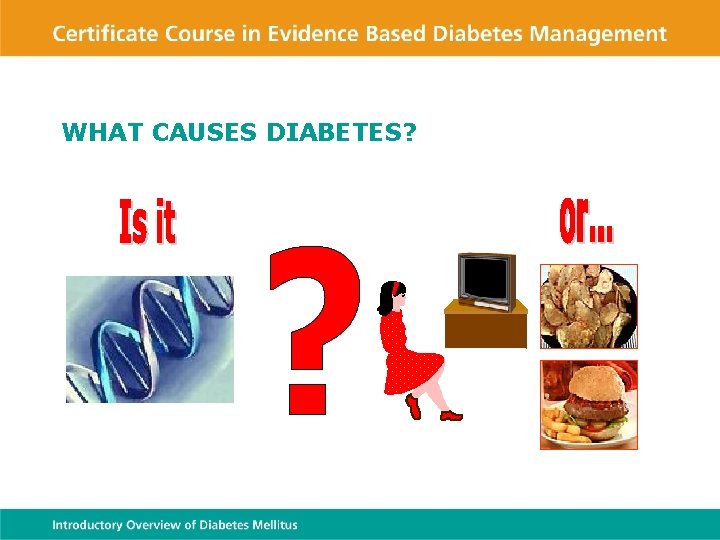
WHAT CAUSES DIABETES?
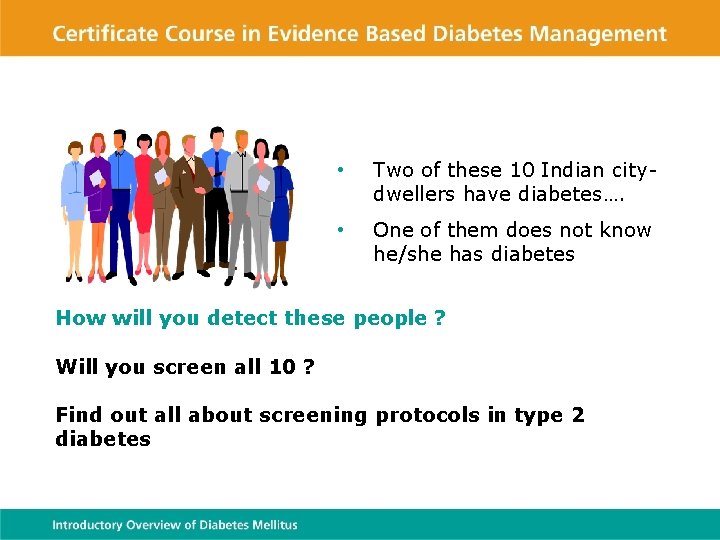
• Two of these 10 Indian citydwellers have diabetes…. • One of them does not know he/she has diabetes How will you detect these people ? Will you screen all 10 ? Find out all about screening protocols in type 2 diabetes
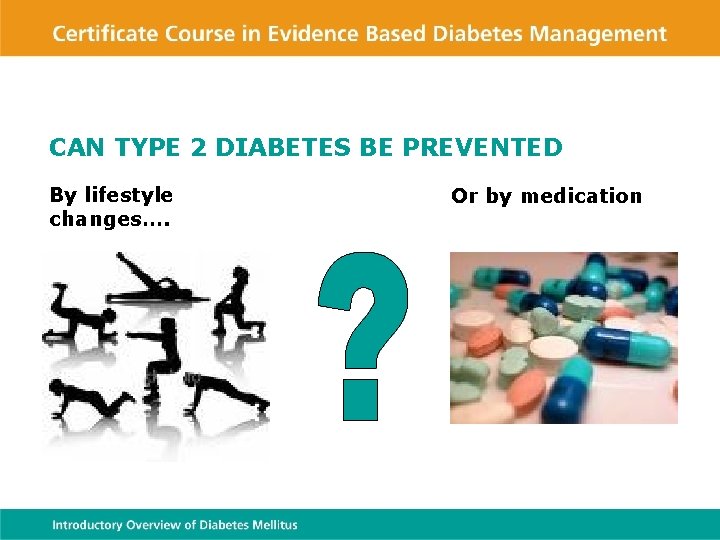
CAN TYPE 2 DIABETES BE PREVENTED By lifestyle changes…. Or by medication

Learn the answers to these questions And much more…. . In Module 2
- Slides: 100