
Introduction to Customer Experience Jennifer S Tomlinson Sr











- Slides: 39
Introduction to Customer Experience Jennifer S. Tomlinson Sr. Manager Partner Marketing Worldwide Channels and Programs Jesidd@Microsoft. com
Table of Contents • Why Customer Experience? • Customer Experience Overview • Customer Journey Mapping • Customer Personas • Voice of the Customer Research • ROI and Quality of Experience • Next Steps
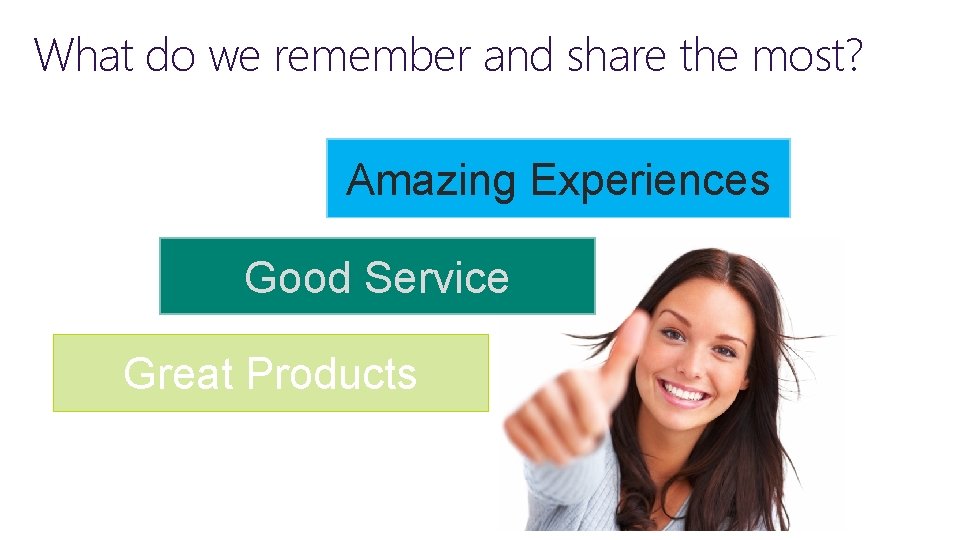
What do we remember and share the most? Amazing Experiences Good Service Great Products
The Need For A Focus on the Customer It is all about end-to-end experience & relationship The customer journey (and experience) continues after acquisition and purchase Marketing funnels are being replaced with customer lifecycle Fragmented path to purchases (multiple interactions and channels) Companies must deliver relevant experiences, or lose customers Companies must measure interaction effectiveness throughout the entire lifecycle
Powerful Customer Experience (CX) Statistics • 70% of revenue growth is received from existing customers • 7 in 10 Cx. O’s believe social/digital interactions is the new imperative • 60% of Cx. O’s now look to PARTNERS who will have an equal hand in creating business value • 3 out of 4 decision makers stated that top priority is enhancing customer experience • One of the top CEO’s priorities is Satisfied Customers and Brand perception • By 2018 50% of consumer product investments will go toward Customer Experience Innovation
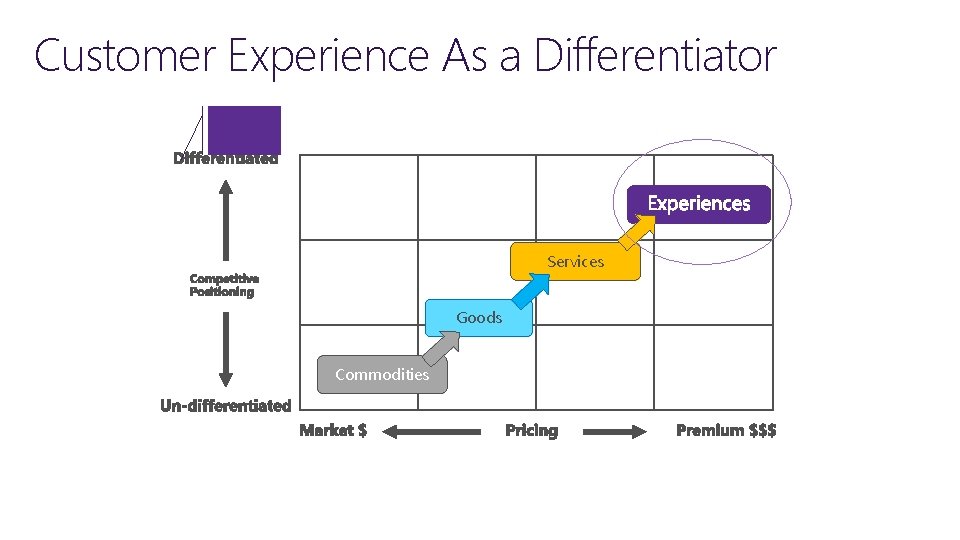
Customer Experience As a Differentiator Services Goods Commodities
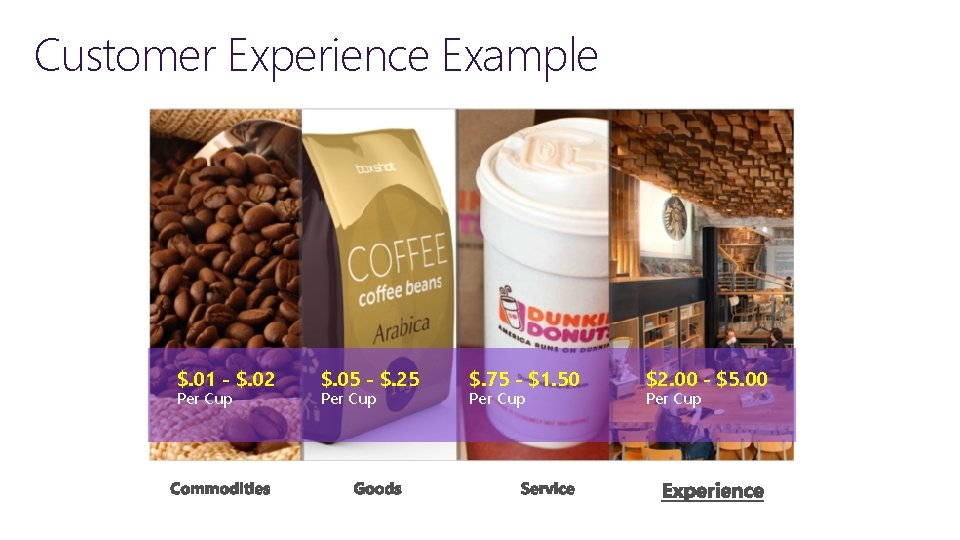
Customer Experience Example $. 01 - $. 02 Per Cup $. 05 - $. 25 Per Cup $. 75 - $1. 50 Per Cup $2. 00 - $5. 00 Per Cup
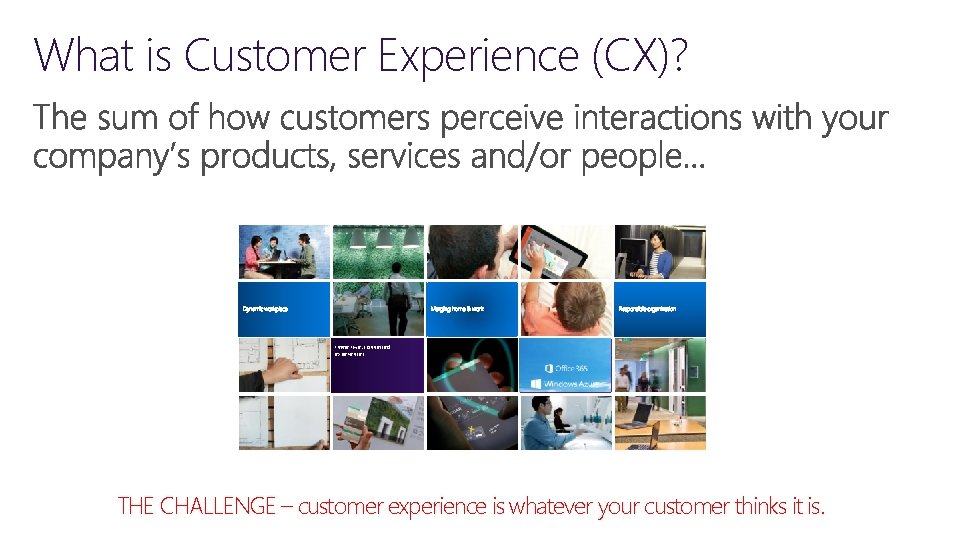
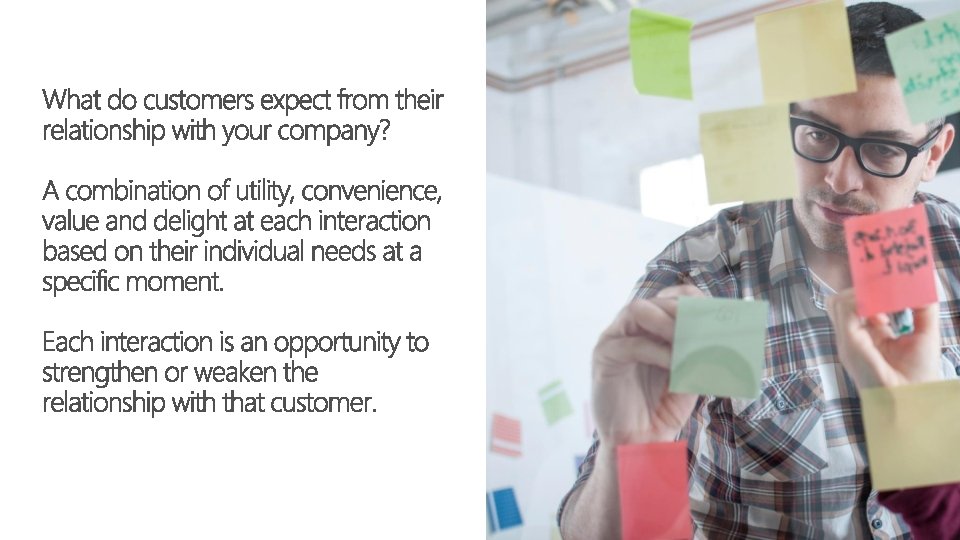
What is Customer Experience (CX)? Immersive, connected experiences THE CHALLENGE – customer experience is whatever your customer thinks it is.
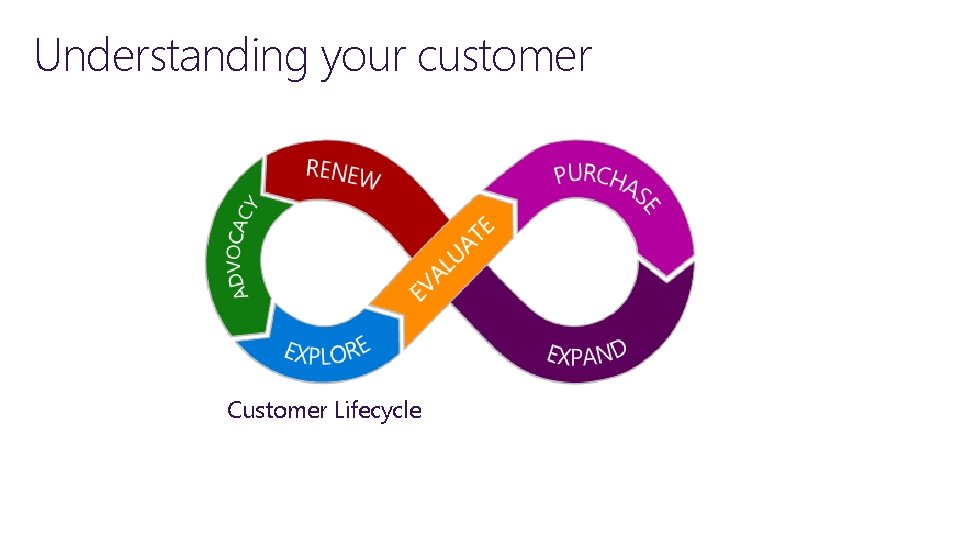
Understanding your customer Customer Lifecycle
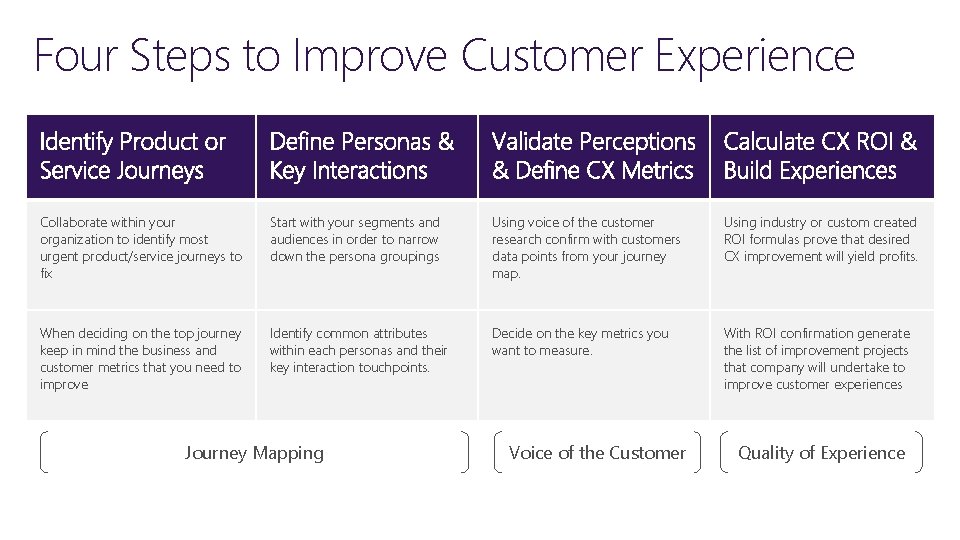
Four Steps to Improve Customer Experience Collaborate within your organization to identify most urgent product/service journeys to fix Start with your segments and audiences in order to narrow down the persona groupings Using voice of the customer research confirm with customers data points from your journey map. Using industry or custom created ROI formulas prove that desired CX improvement will yield profits. When deciding on the top journey keep in mind the business and customer metrics that you need to improve Identify common attributes within each personas and their key interaction touchpoints. Decide on the key metrics you want to measure. With ROI confirmation generate the list of improvement projects that company will undertake to improve customer experiences Journey Mapping Voice of the Customer Quality of Experience
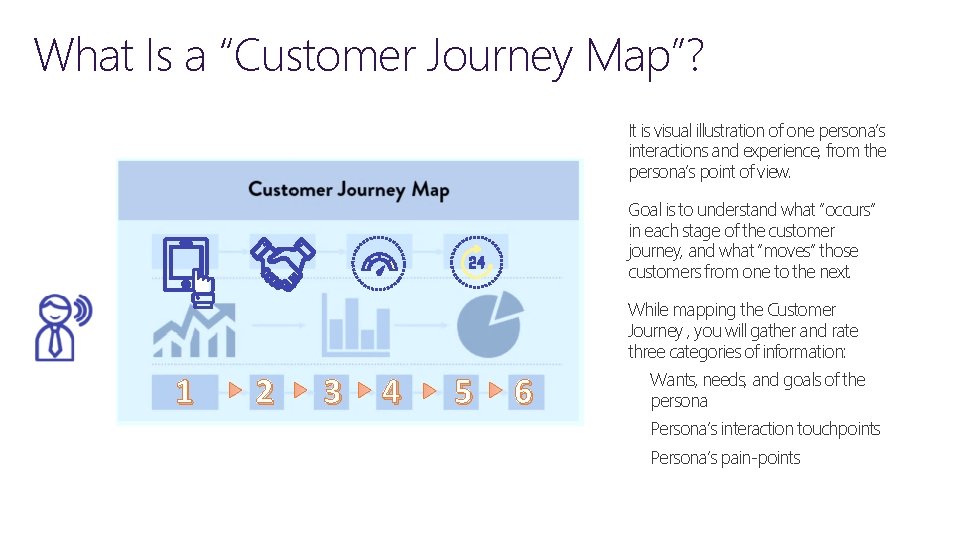
What Is a “Customer Journey Map”? It is visual illustration of one persona’s interactions and experience, from the persona’s point of view. Goal is to understand what “occurs” in each stage of the customer journey, and what “moves” those customers from one to the next. While mapping the Customer Journey , you will gather and rate three categories of information: 1 2 3 4 5 6 Wants, needs, and goals of the persona Persona’s interaction touchpoints Persona’s pain-points
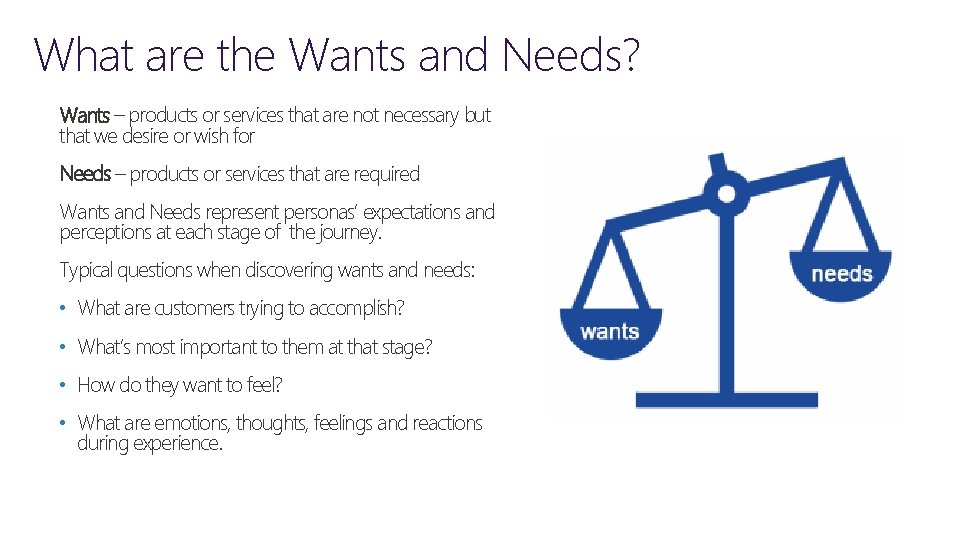
What are the Wants and Needs? Wants – products or services that are not necessary but that we desire or wish for Needs – products or services that are required Wants and Needs represent personas’ expectations and perceptions at each stage of the journey. Typical questions when discovering wants and needs: • What are customers trying to accomplish? • What’s most important to them at that stage? • How do they want to feel? • What are emotions, thoughts, feelings and reactions during experience.
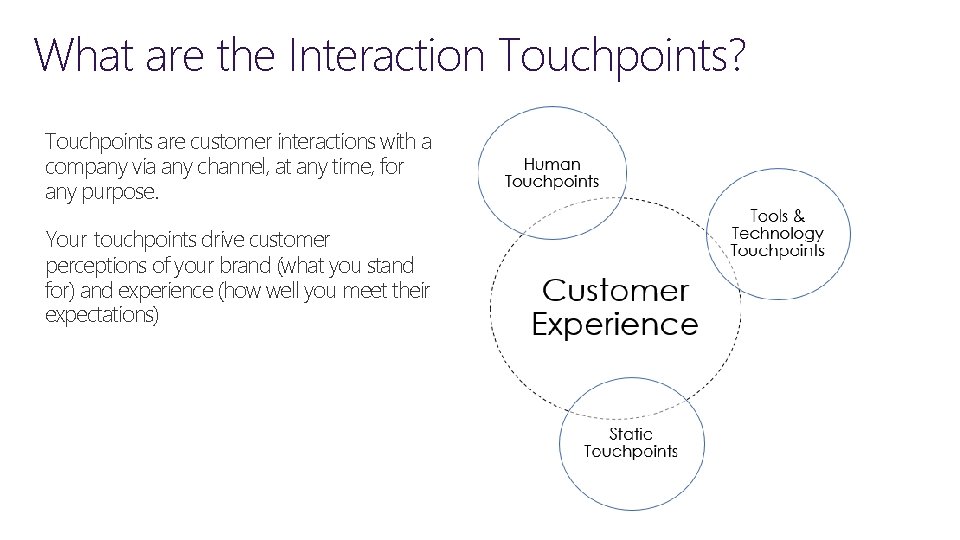
What are the Interaction Touchpoints? Touchpoints are customer interactions with a company via any channel, at any time, for any purpose. Your touchpoints drive customer perceptions of your brand (what you stand for) and experience (how well you meet their expectations)
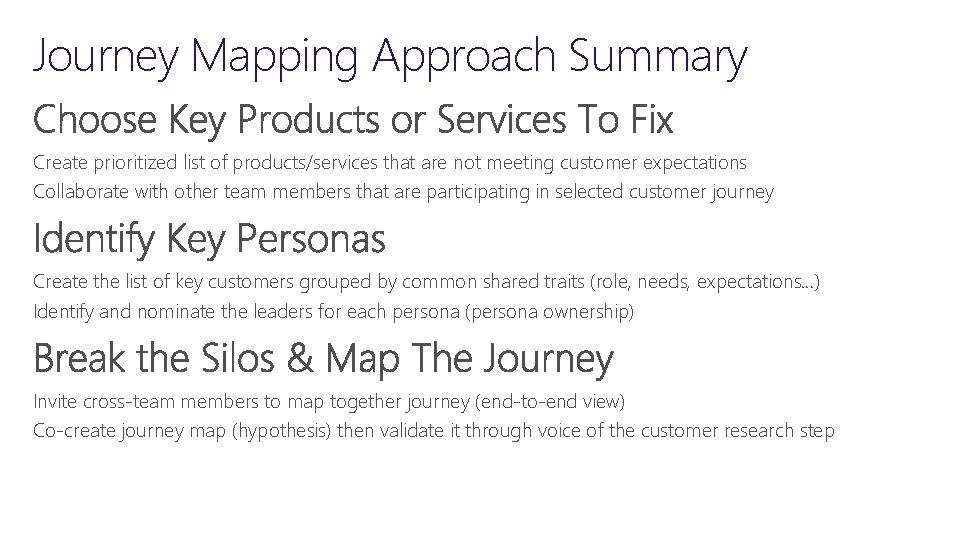
Journey Mapping Approach Summary Create prioritized list of products/services that are not meeting customer expectations Collaborate with other team members that are participating in selected customer journey Create the list of key customers grouped by common shared traits (role, needs, expectations…) Identify and nominate the leaders for each persona (persona ownership) Invite cross-team members to map together journey (end-to-end view) Co-create journey map (hypothesis) then validate it through voice of the customer research step
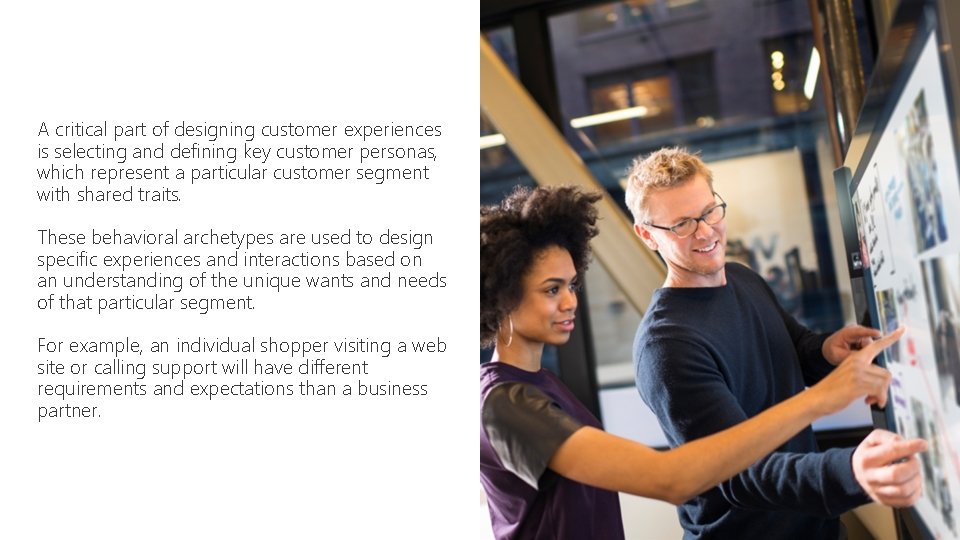
A critical part of designing customer experiences is selecting and defining key customer personas, which represent a particular customer segment with shared traits. These behavioral archetypes are used to design specific experiences and interactions based on an understanding of the unique wants and needs of that particular segment. For example, an individual shopper visiting a web site or calling support will have different requirements and expectations than a business partner.
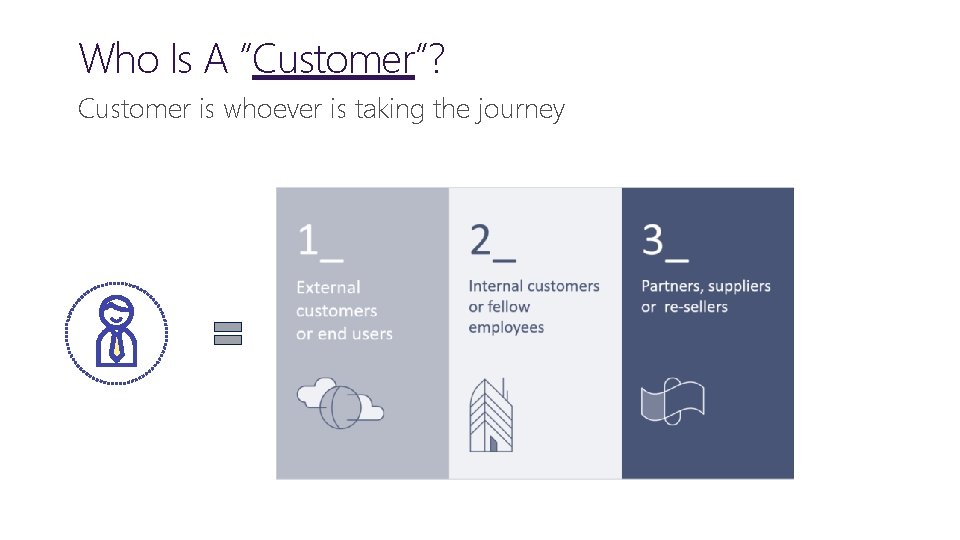
Who Is A “Customer”? Customer is whoever is taking the journey
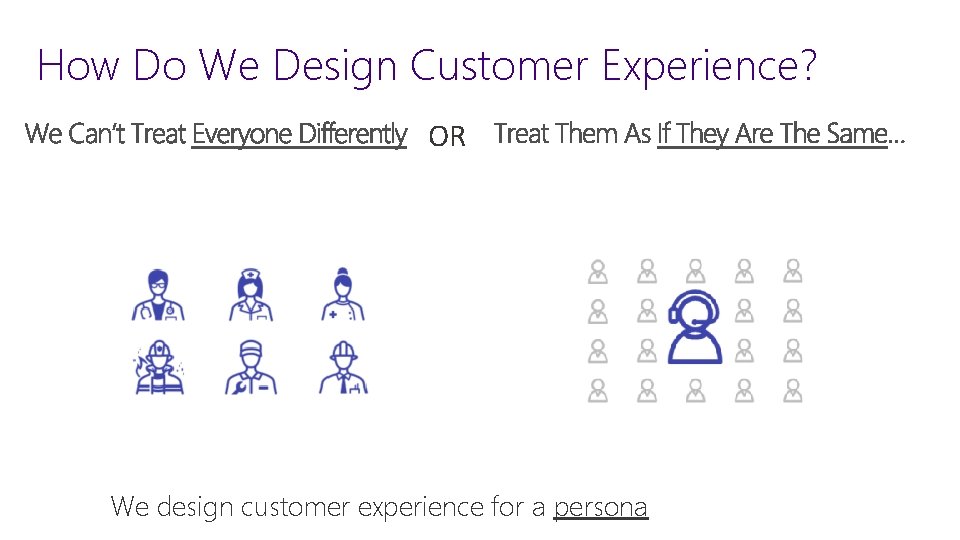
How Do We Design Customer Experience? OR We design customer experience for a persona
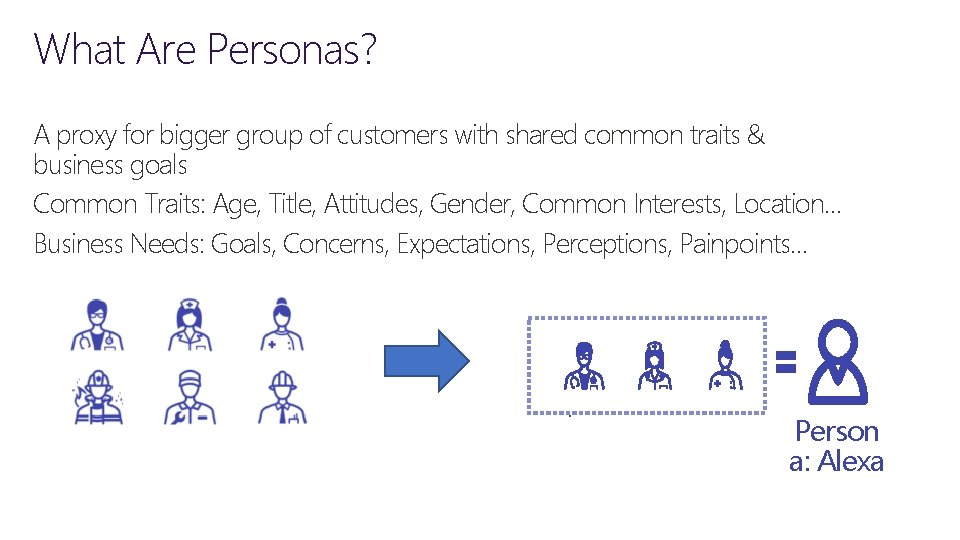
What Are Personas? A proxy for bigger group of customers with shared common traits & business goals Common Traits: Age, Title, Attitudes, Gender, Common Interests, Location… Business Needs: Goals, Concerns, Expectations, Perceptions, Painpoints… Person a: Alexa
Persona Design Approach Summary Engage with broader internal teams to create list of top customer profiles Prioritize top customers that are relevant to your journey Group customers by common traits & align them around business needs Ensure a mix of personas is used to capture broad perspectives Identify top wants and needs as well as top painpoints Map key interaction touchpoints (in the context of the journey)
Voice of the Customer Research Approach Small customer sample (10 -15 persona) In person (Interviews) or Online (Discussions Boards) Large sample sizes, statistically significant numbers Not a market research survey, rather used to validate the journey and persona interactions and perceptions Define key CX metrics that you will monitor Establish and derive key drivers of loyalty, satisfaction and behaviors
Validate Your Hypothesis • •
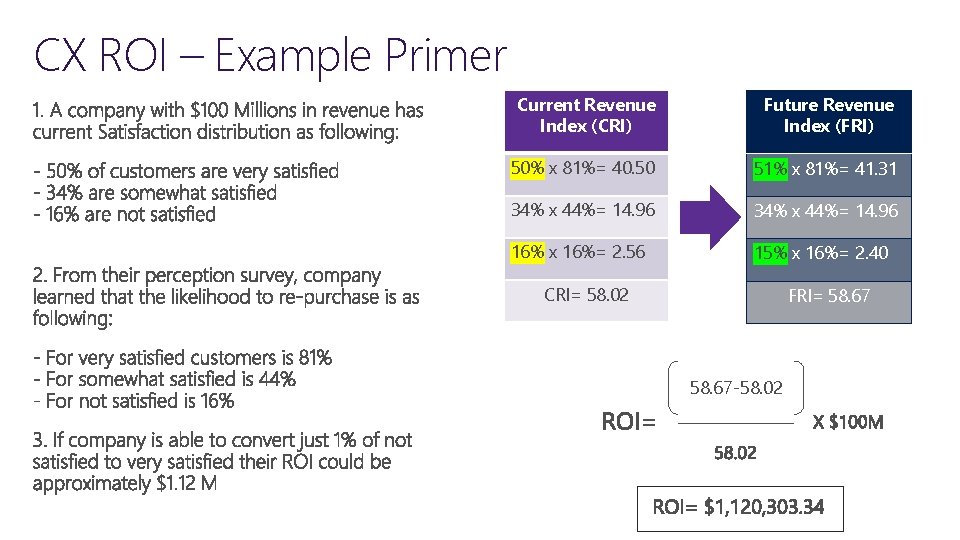
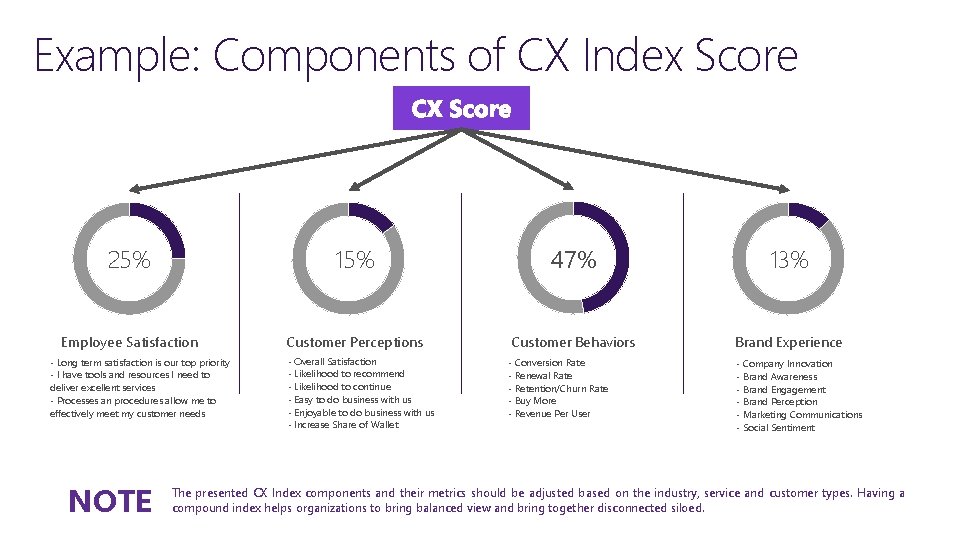
Quality of Experience Using voice of the customer research establish key CX metrics Using industry ROI formulas try to calculate CX ROI Collect and create list of most common used metrics Group them by categories that help you build better business cases Create a comprehensive CX index (multi-part) Example: employee satisfactions, customer perceptions, customer behaviors, brand perceptions
CX ROI – Example Primer Current Revenue Index (CRI) Future Revenue Index (FRI) 50% x 81%= 40. 50 51% x 81%= 41. 31 34% x 44%= 14. 96 16% x 16%= 2. 56 15% x 16%= 2. 40 CRI= 58. 02 FRI= 58. 67 -58. 02
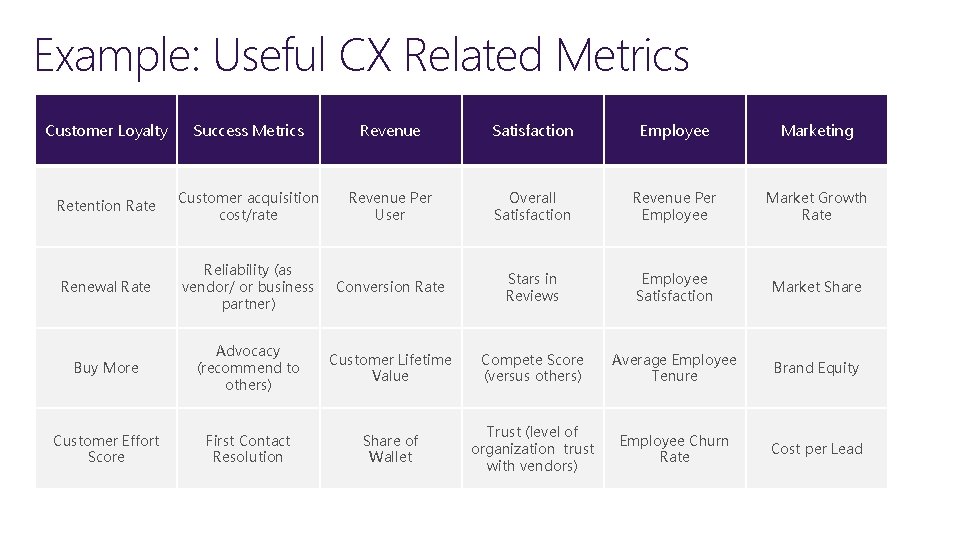
Example: Useful CX Related Metrics Customer Loyalty Success Metrics Revenue Satisfaction Employee Marketing Retention Rate Customer acquisition cost/rate Revenue Per User Overall Satisfaction Revenue Per Employee Market Growth Rate Renewal Rate Reliability (as vendor/ or business partner) Conversion Rate Stars in Reviews Employee Satisfaction Market Share Buy More Advocacy (recommend to others) Customer Lifetime Value Compete Score (versus others) Average Employee Tenure Brand Equity Customer Effort Score First Contact Resolution Share of Wallet Trust (level of organization trust with vendors) Employee Churn Rate Cost per Lead
Example: Components of CX Index Score 25% 15% 47% 13% Employee Satisfaction Customer Perceptions Customer Behaviors Brand Experience - Long term satisfaction is our top priority - I have tools and resources I need to deliver excellent services - Processes an procedures allow me to effectively meet my customer needs NOTE - Overall Satisfaction - Likelihood to recommend - Likelihood to continue - Easy to do business with us - Enjoyable to do business with us - Increase Share of Wallet - Conversion Rate - Renewal Rate - Retention/Churn Rate - Buy More - Revenue Per User - Company Innovation - Brand Awareness - Brand Engagement - Brand Perception - Marketing Communications - Social Sentiment The presented CX Index components and their metrics should be adjusted based on the industry, service and customer types. Having a compound index helps organizations to bring balanced view and bring together disconnected siloed.
To Learn More The Truth About Customer Experience (HBR): https: //hbr. org/2013/09/the-truth-about-customer-experience Visit Smart Partner Marketing on: http: //smartpartnermarketing. microsoft. com Start your CX self-assessment: http: //www. indigoslate. com/cx-self-assessment