
Introduction to Children with Special Needs Session B
Introduction to Children with Special Needs Session B
Welcome Back! Behavior Grid – Assignment review • How did this activity work for you? • What did you learn? • Was it helpful? • Were there any aha's?
Learning Objectives Recognize the most common special needs and special health needs and the impact on development Identify when and where to refer for screening and/or assessment List the resources and services for children with special needs including eligibility criteria and how to support families in accessing these services.
Inclusion of Children with Disabilities and Special Health Care Needs 19. 8% of the States children with special health needs including asthma, diabetes, ADHD and Autism 1 in 68 children are on the autism spectrum 2. 41% of children in the United States have autism spectrum disorder 2014 up from 1. 47% in 2010
Americans with Disabilities Act (ADA) In ADA language, disability means a "physical or mental impairment" that substantially limits one or more of the major life activities. • Physical impairment • Mental impairment • Major life activities
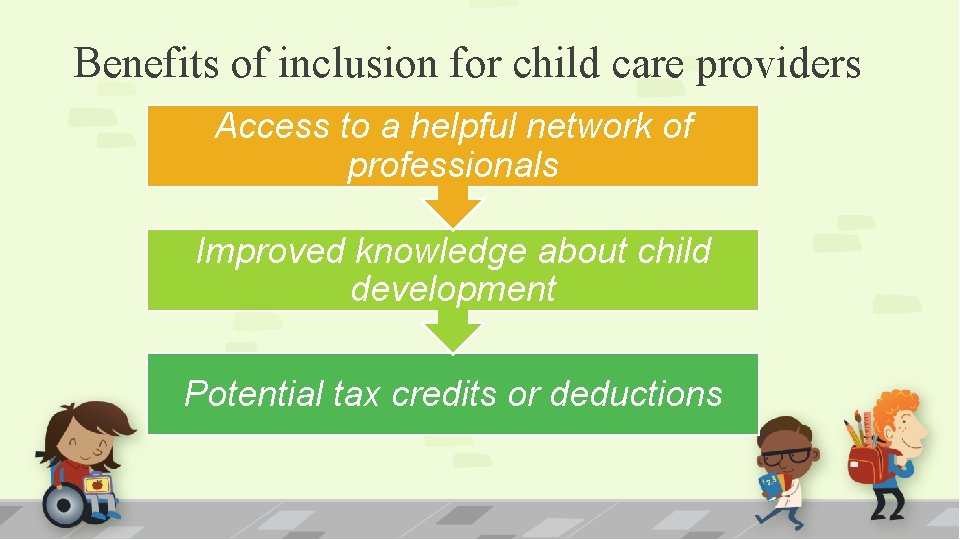
Benefits of inclusion for child care providers Access to a helpful network of professionals Improved knowledge about child development Potential tax credits or deductions
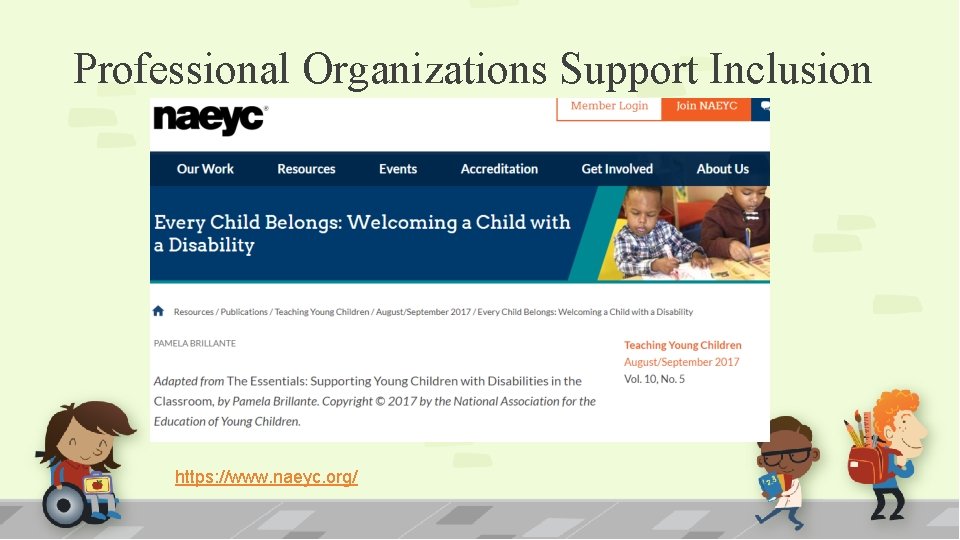
Professional Organizations Support Inclusion https: //www. naeyc. org/
Developmentally Appropriate Practice (DAP) What does that mean to you? How do we see it in practice in our programs?
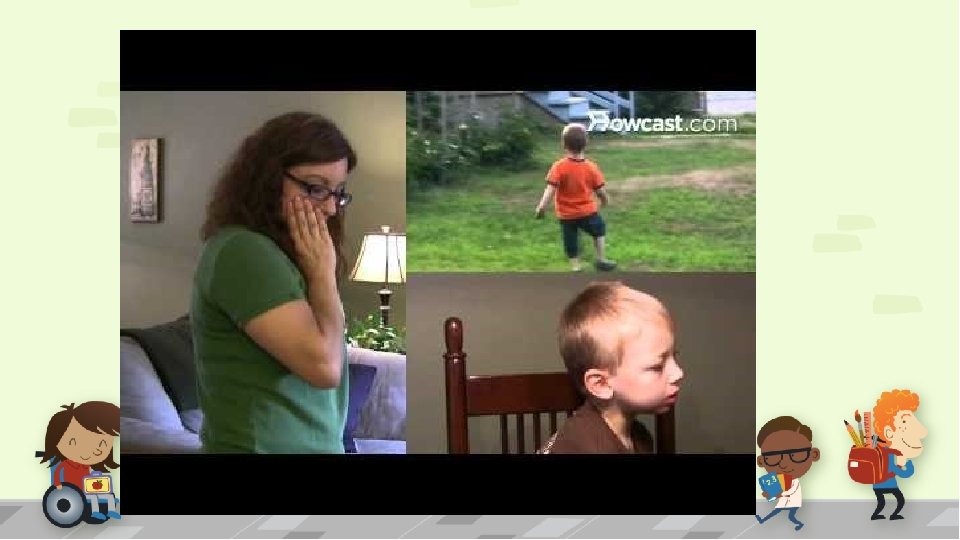
Other Diagnoses Down Syndrome Cerebral Palsy Spina Bifida
Autism
Autism The way a person communicates; understands and uses language. How the person interacts socially with others. How the person understands and responds to his environment and the world around him.
Understanding the Diagnosis What did you feel you already knew? What is new information? What are some additional questions that you have? How do you see yourself including a child with this diagnosis in your care? Document this on the grid in the participant guide -
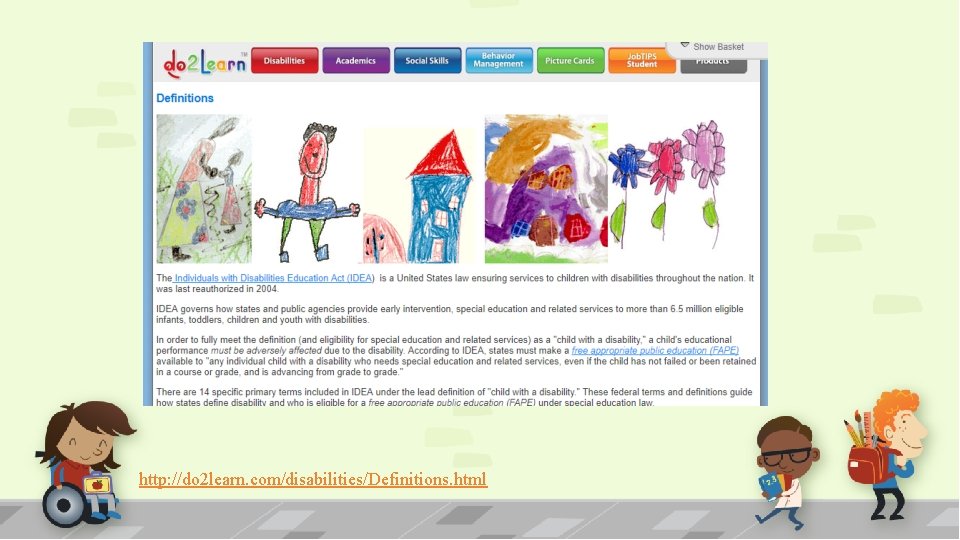
http: //do 2 learn. com/disabilities/Definitions. html
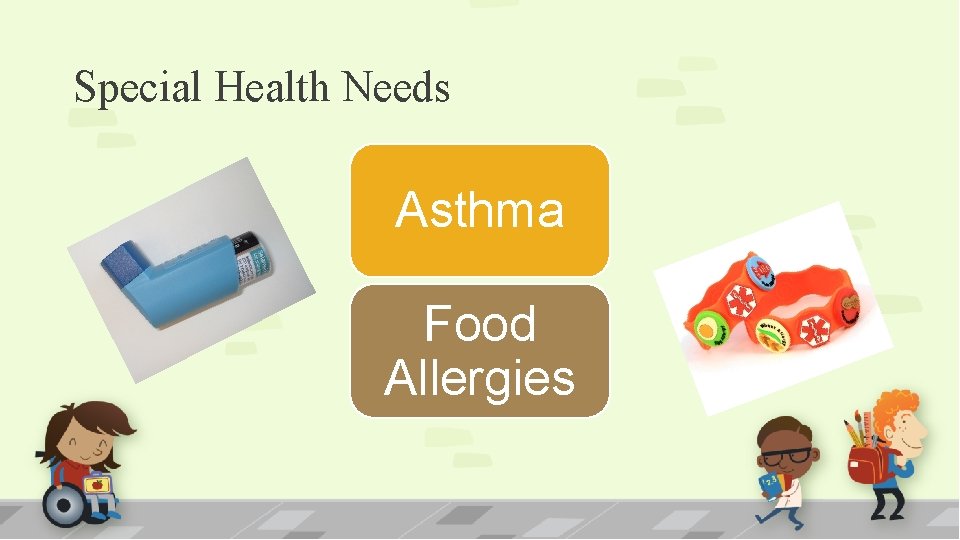
Special Health Needs Asthma Food Allergies
Understanding the Impact and Stress Maltreatment rates for children with disabilities 12. 7% had a reported disability in 2014 – that number increased to 14. 1% in 2015 Minnesota estimated that greater than onethird possess some type of disability
Individuals with Disabilities Education Act (IDEA) The Individuals with Disabilities Education Act (IDEA) is a law ensuring services to children with disabilities throughout the nation. Minnesota law requires all eligible children are provided services.
Learning Objectives Recognize the most common special needs and special health needs and the impact on development Identify when and where to refer for screening and/or assessment List the resources and services for children with special needs including eligibility criteria and how to support families in accessing these services.

- Slides: 20