
Introduction to Cells While you have been reading
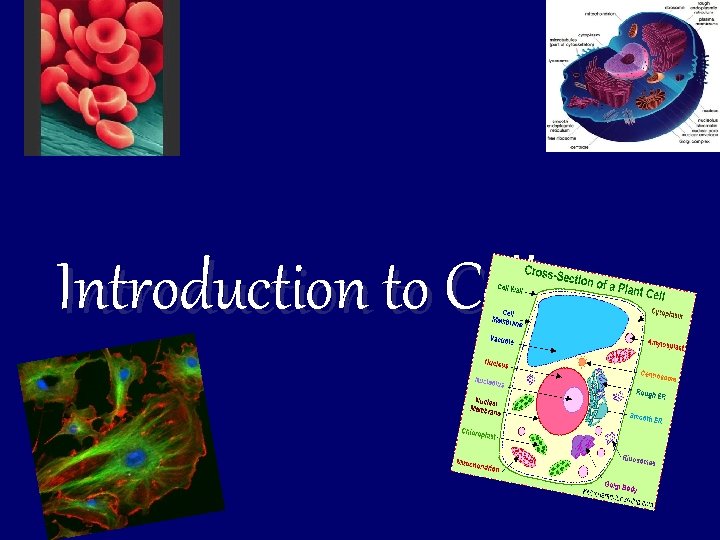
Introduction to Cells

While you have been reading this sentence, 50 million cells have died and been replaced in your body!
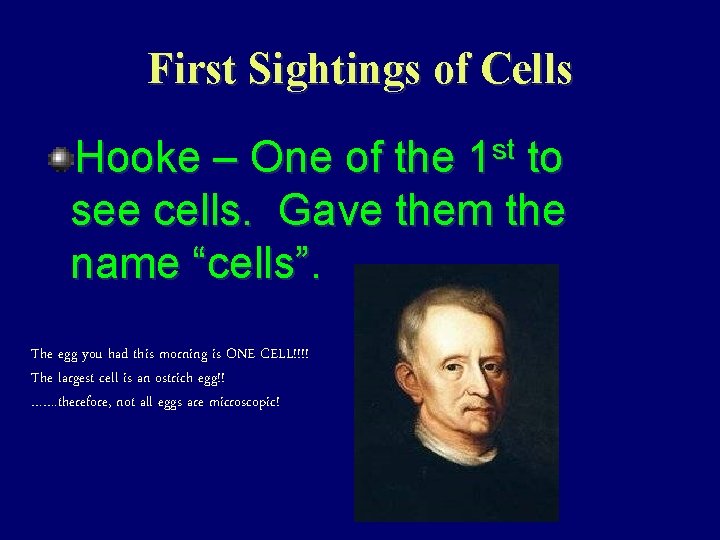
First Sightings of Cells st 1 Hooke – One of the to see cells. Gave them the name “cells”. The egg you had this morning is ONE CELL!!!! The largest cell is an ostrich egg!! ……. therefore, not all eggs are microscopic!
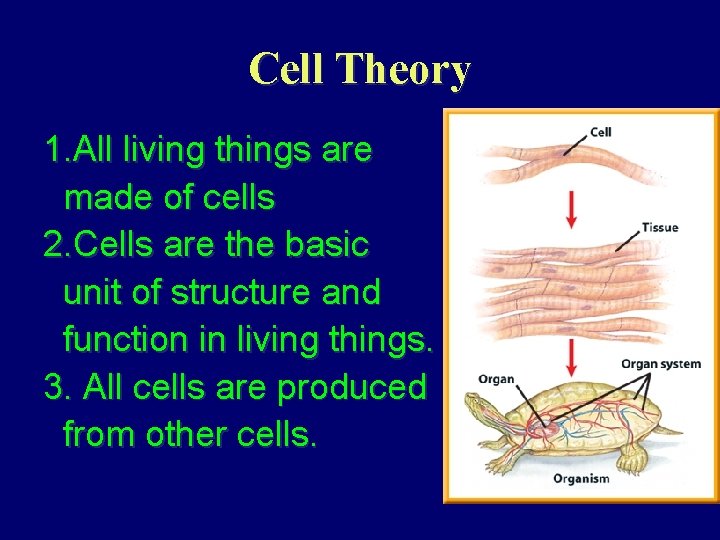
Cell Theory 1. All living things are made of cells 2. Cells are the basic unit of structure and function in living things. 3. All cells are produced from other cells.
Unicellular organism n 1 celled n no specialized cells like nerve, blood, and muscle cells. Multi-cellular organism n have specialized cells. Ex. A plant has certain cells to do certain jobs or functions. Multi-cellular organisms….
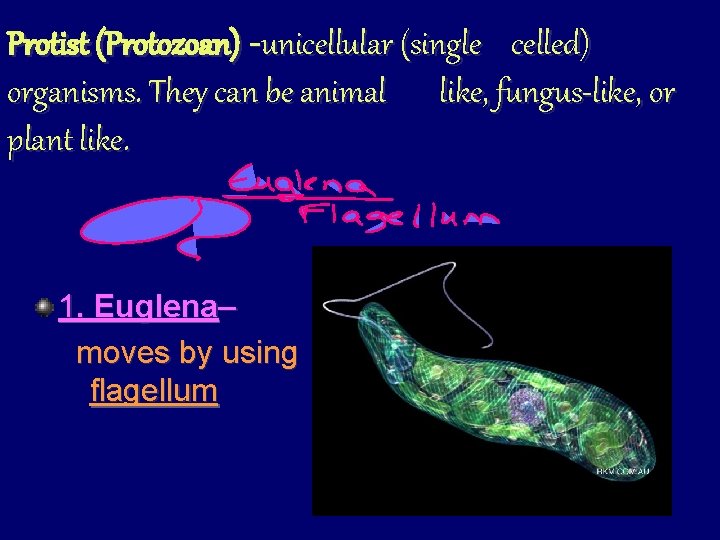
Protist (Protozoan) -unicellular (single celled) organisms. They can be animal like, fungus-like, or plant like. 1. Euglena– moves by using flagellum
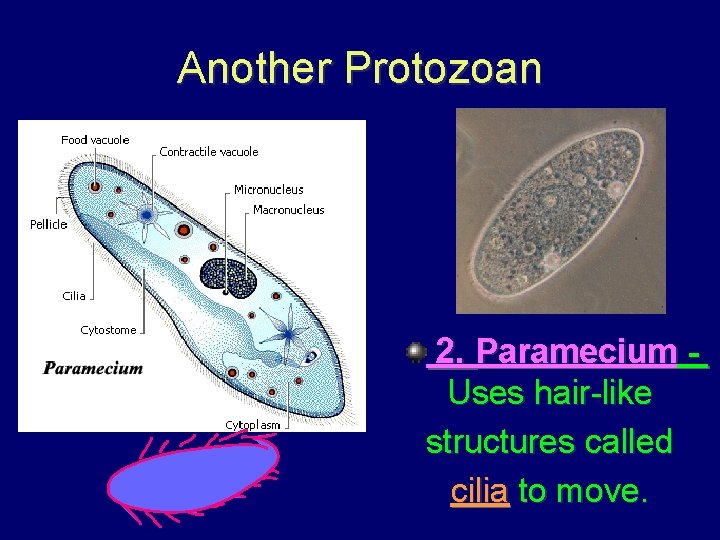
Another Protozoan 2. Paramecium Uses hair-like structures called cilia to move.
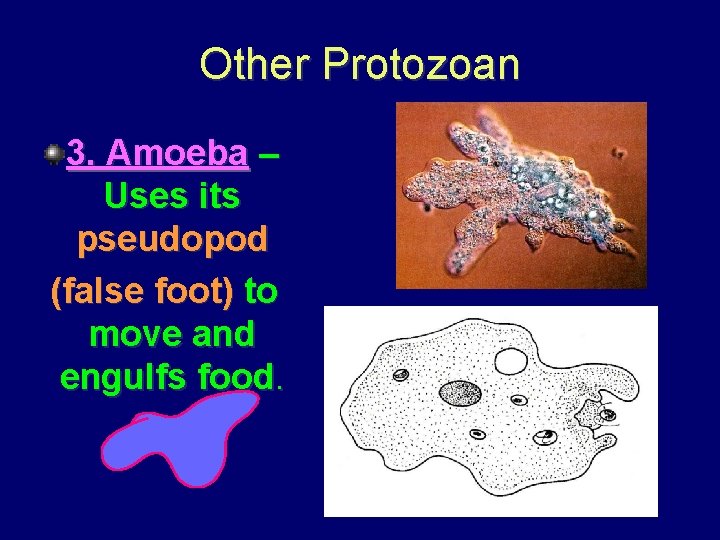
Other Protozoan 3. Amoeba – Uses its pseudopod (false foot) to move and engulfs food.
Brain Eating Amoeba
Malaria Cause…. A Protozoan
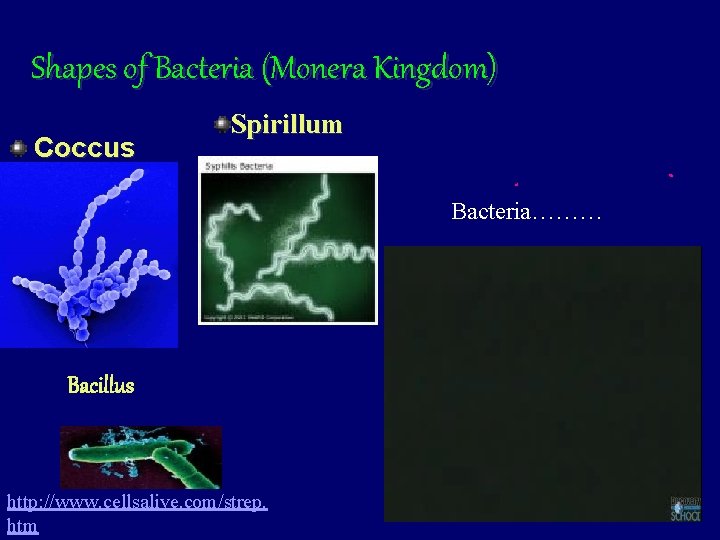
Shapes of Bacteria (Monera Kingdom) Coccus Spirillum Bacteria……… Bacillus http: //www. cellsalive. com/strep. htm
Types of Bacteria Helpful Bacteria- produces antibiotics -helps with digestion - produces vitamin K in your body - breaks down sewage & dead animals, etc. - Used in industries Harmful Bacteria-pathogens (organisms that cause disease. )
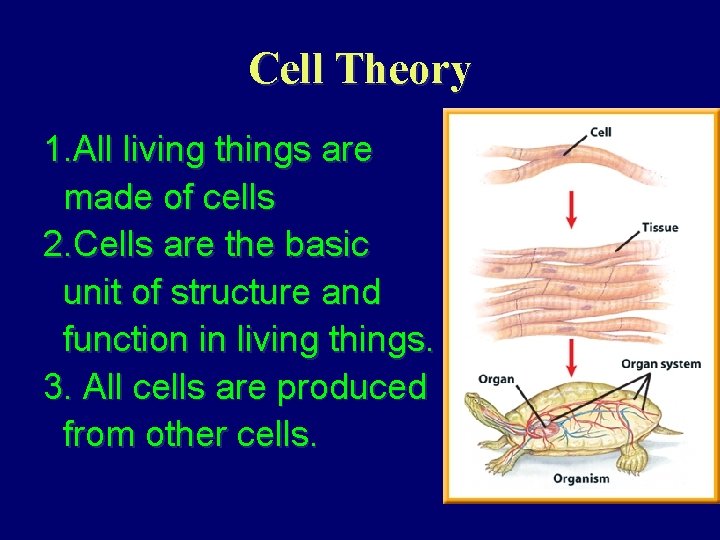
Cell Theory 1. All living things are made of cells 2. Cells are the basic unit of structure and function in living things. 3. All cells are produced from other cells.
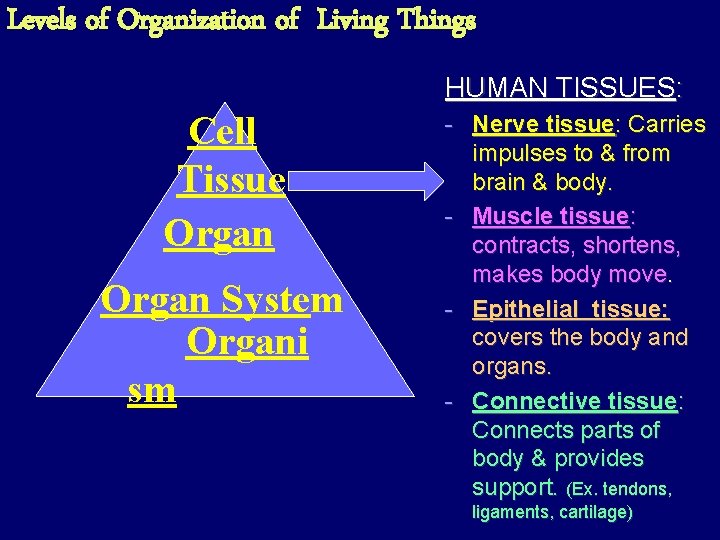
Levels of Organization of Living Things HUMAN TISSUES: Cell Tissue Organ System Organi sm - Nerve tissue: Carries impulses to & from brain & body. - Muscle tissue: contracts, shortens, makes body move. - Epithelial tissue: covers the body and organs. - Connective tissue: Connects parts of body & provides support. (Ex. tendons, ligaments, cartilage)
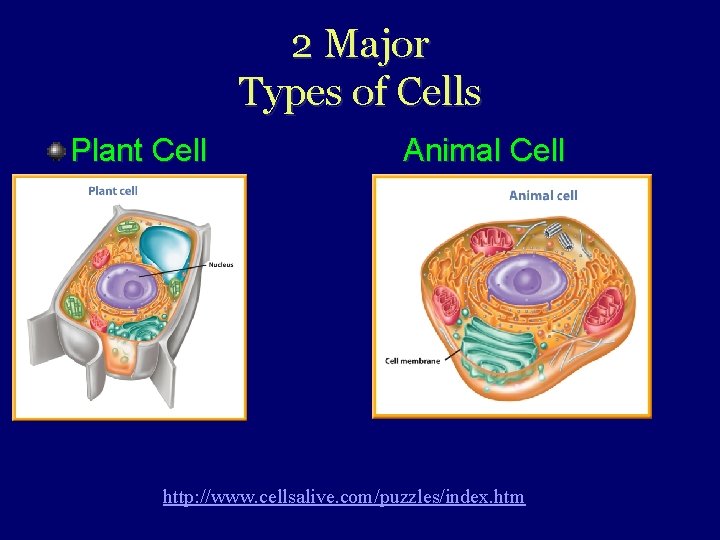
2 Major Types of Cells Plant Cell Animal Cell http: //www. cellsalive. com/puzzles/index. htm
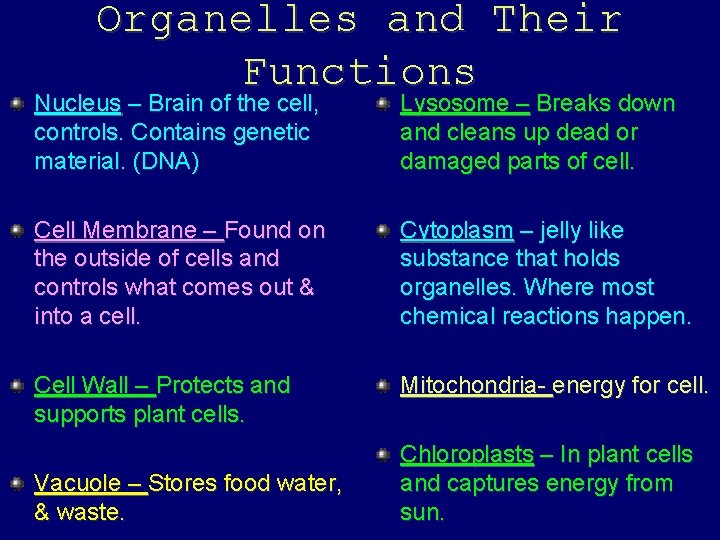
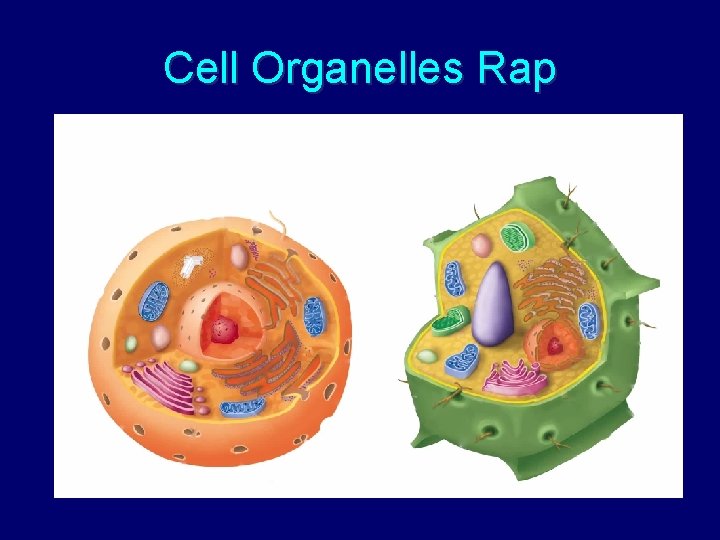
Organelles and Their Functions Nucleus – Brain of the cell, controls. Contains genetic material. (DNA) Lysosome – Breaks down and cleans up dead or damaged parts of cell. Cell Membrane – Found on the outside of cells and controls what comes out & into a cell. Cytoplasm – jelly like substance that holds organelles. Where most chemical reactions happen. Cell Wall – Protects and supports plant cells. Mitochondria- energy for cell. Vacuole – Stores food water, & waste. Chloroplasts – In plant cells and captures energy from sun.
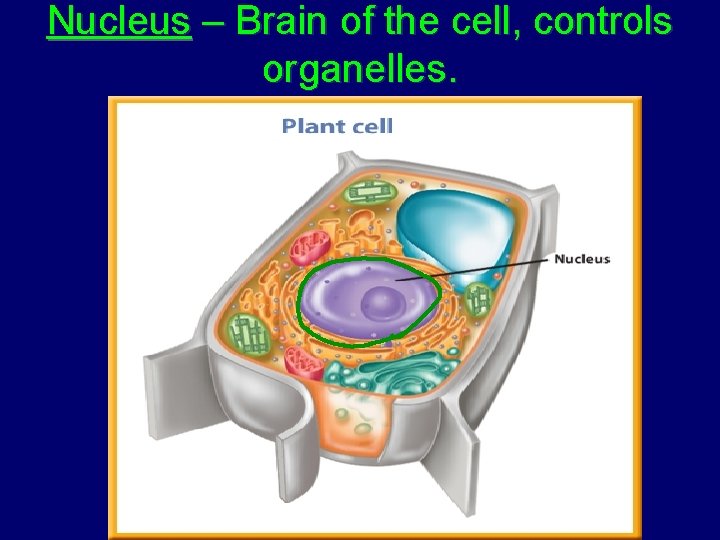
Nucleus – Brain of the cell, controls organelles.
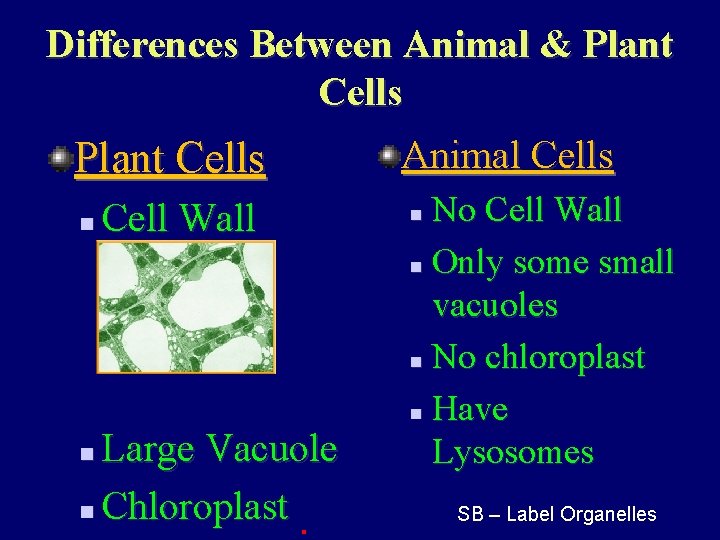
Differences Between Animal & Plant Cells n Cell Wall Large Vacuole n Chloroplast n Animal Cells No Cell Wall n Only some small vacuoles n No chloroplast n Have Lysosomes n SB – Label Organelles
Cell Organelles Rap
Review What does the Cell Theory state? What are the levels of organization of living things? (smallest to largest) What are 2 organelles that are only found in plant cells?
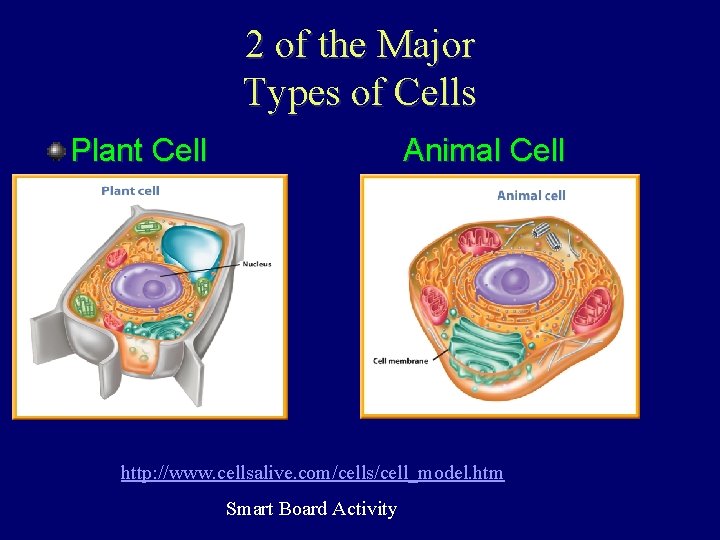
2 of the Major Types of Cells Plant Cell Animal Cell http: //www. cellsalive. com/cells/cell_model. htm Smart Board Activity
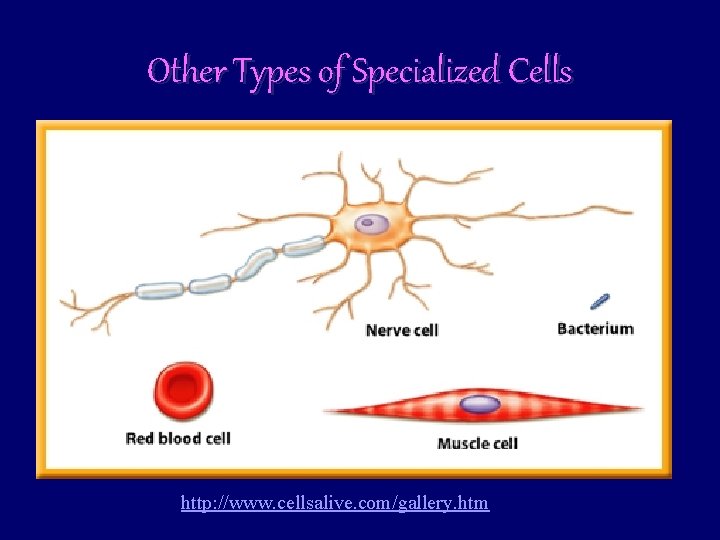
Other Types of Specialized Cells http: //www. cellsalive. com/gallery. htm
How is a bacterial cell different from an animal and plant cell?
Intermission What does a Euglena use for locomotion? Identify the part of a cell which helps to produce energy? What are the names of the small parts (organs) of a cell? Identify 2 things a plant cell has that an animal cell does not? Give one part of the Cell Theory.
The Living Cell 20 min
Cells as Pathogens and the Immune System

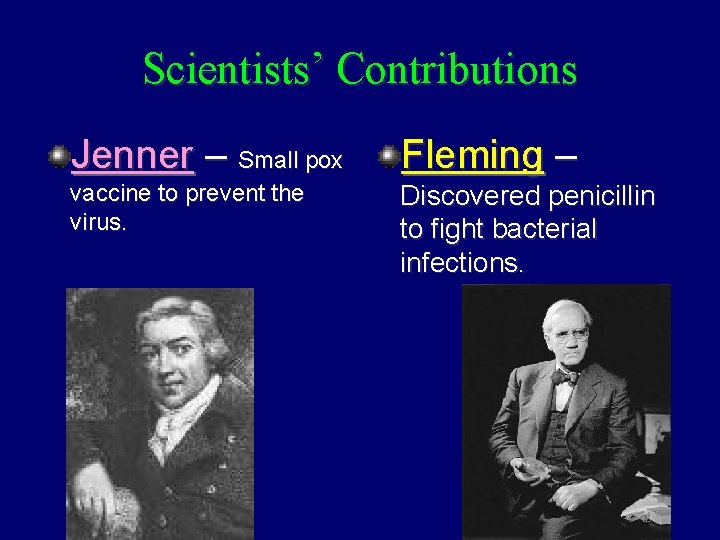
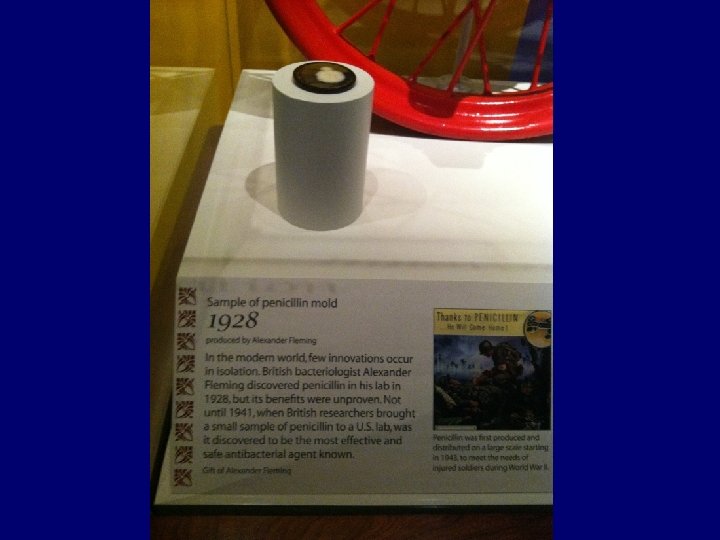
Scientists’ Contributions Jenner – Small pox Fleming – vaccine to prevent the virus. Discovered penicillin to fight bacterial infections.
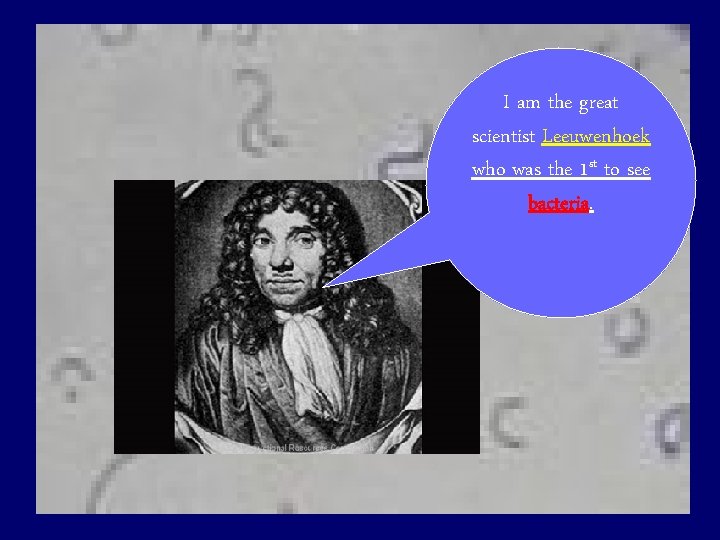
I am the great scientist Leeuwenhoek who was the 1 st to see bacteria.
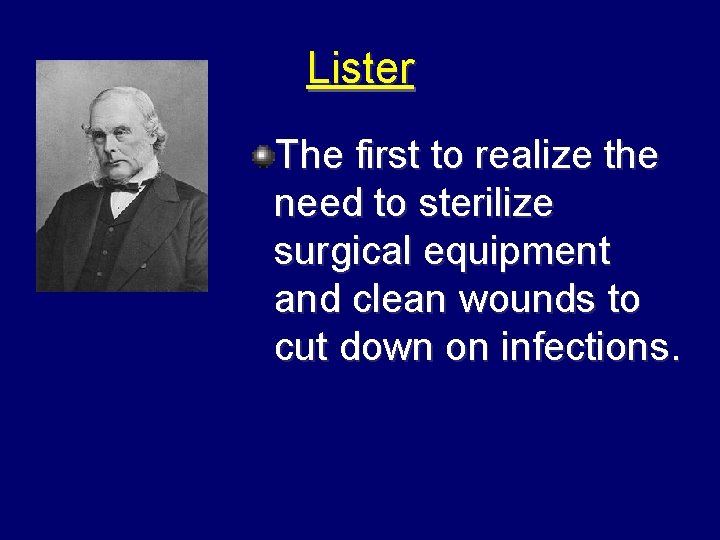
Lister The first to realize the need to sterilize surgical equipment and clean wounds to cut down on infections.
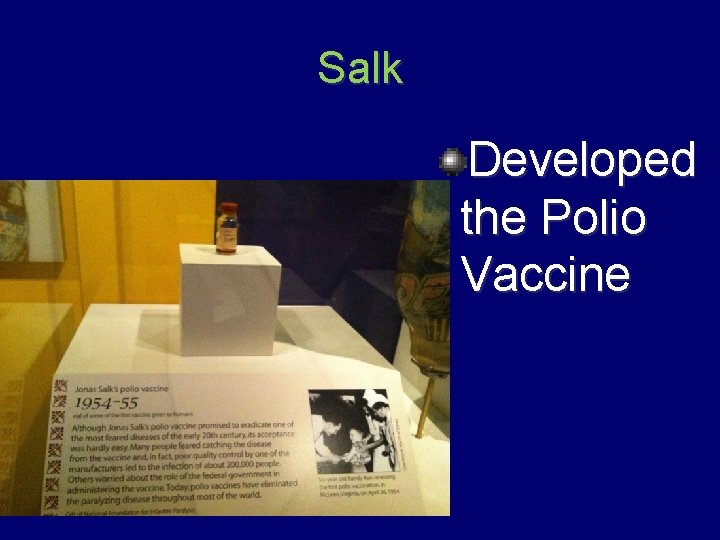
Salk Developed the Polio Vaccine
Pathogens-Types of Microbes that Cause Diseases Bacteria Protozoan Viruses
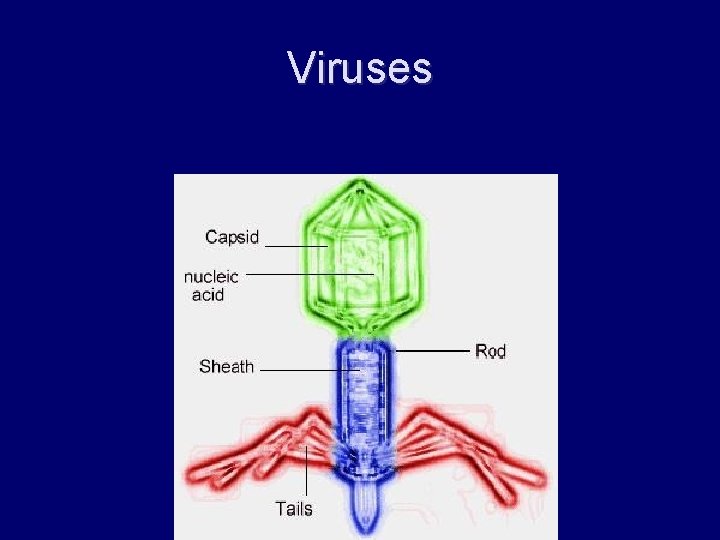
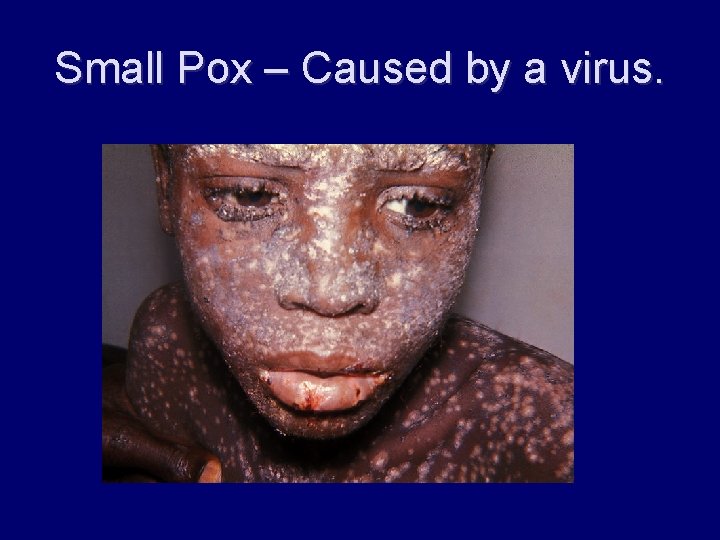
Pathogens - Cause diseases Bacteria – damages cells / usually responds to antibiotic n Diseases - Ear Infection, Strep, Food Poisoning (Salmonella, E. Coli, botulism), tetanus, Bronchitis Protozoan – Microscopic animals -Diseases - Sleeping sickness, malaria Viruses –IN cells and destroys them / will not respond to antibiotic/ Smaller than bacteria n Disease - Ebola, Aids, Flu, Chicken Pox, Runny Nose, Colds
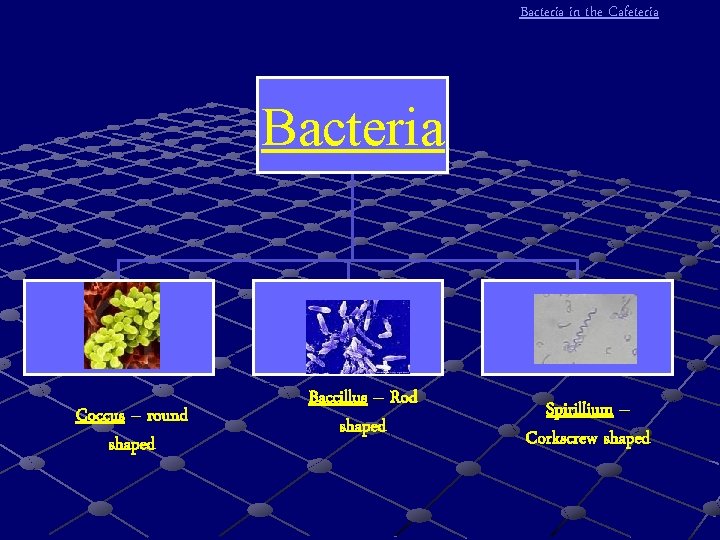
Bacteria in the Cafeteria Bacteria Coccus – round shaped Baccillus – Rod shaped Spirillium – Corkscrew shaped

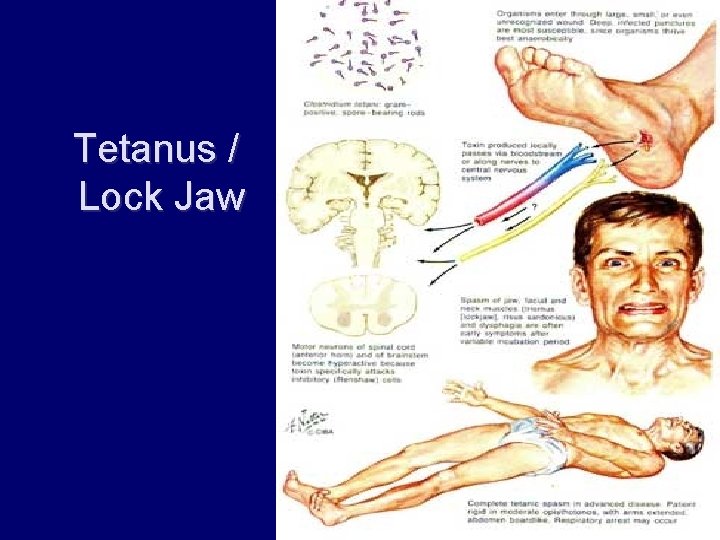
Tetanus / Lock Jaw
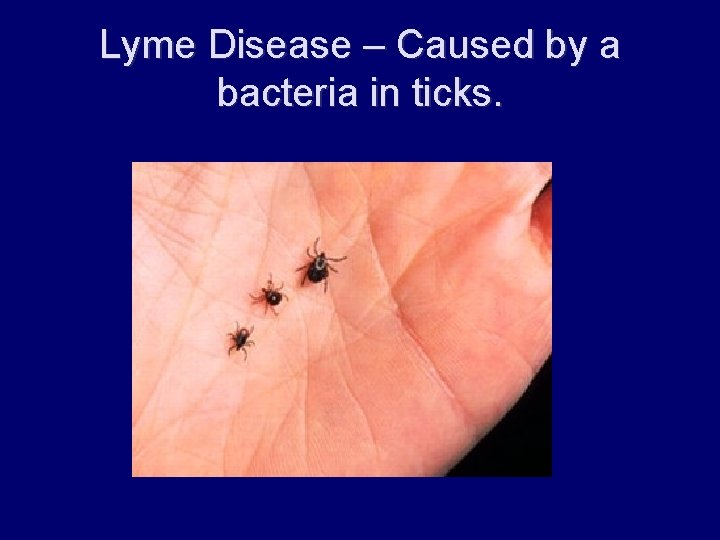
Lyme Disease – Caused by a bacteria in ticks.
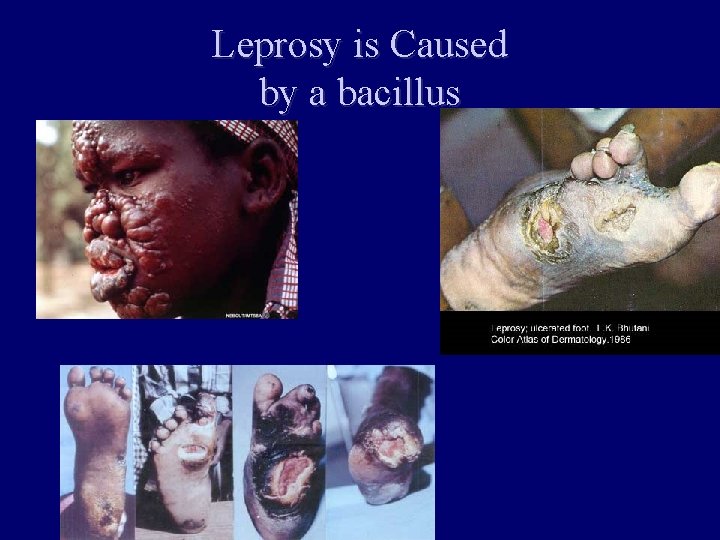
Leprosy is Caused by a bacillus
Bacteria – Friend or Enemy? 20
Pathogens - Cause diseases Bacteria – damages cells / usually responds to antibiotic n Diseases - Ear Infection, Strep, Food Poisoning (Salmonella, E. Coli, botulism), tetanus, Bronchitis Protozoan – Microscopic animals -Diseases - Sleeping sickness, malaria Viruses –IN cells and destroys them / will not respond to antibiotic/ Smaller than bacteria n Disease - Ebola, Aids, Flu, Chicken Pox, Runny Nose, Colds
Protista Kingdom Algae – Plantlike Fungus like Protozoan – Animal like
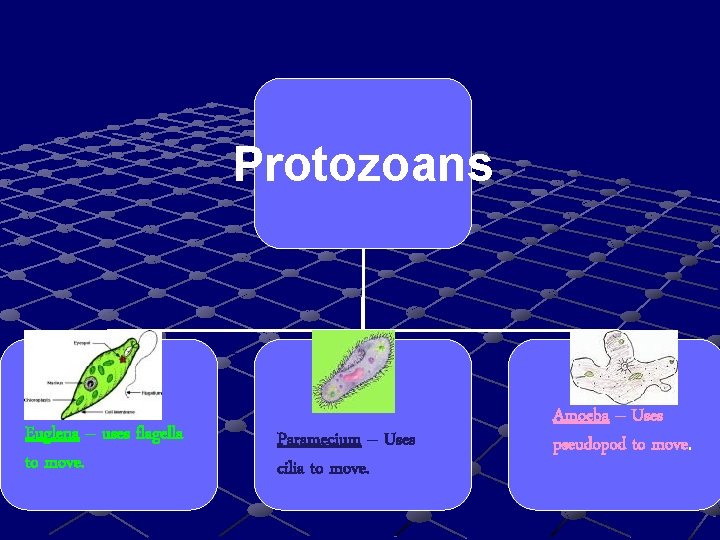
Protozoans Euglena – uses flagella to move. Paramecium – Uses cilia to move. Amoeba – Uses pseudopod to move.
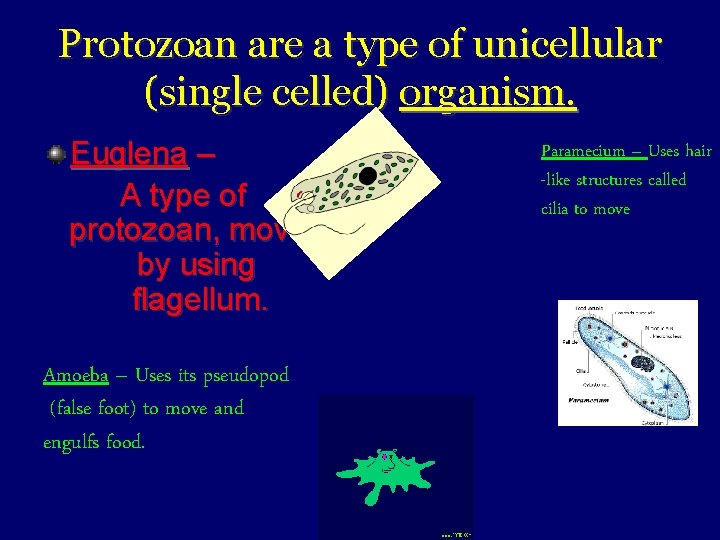
Protozoan are a type of unicellular (single celled) organism. Euglena – A type of protozoan, moves by using flagellum. Amoeba – Uses its pseudopod (false foot) to move and engulfs food. Paramecium – Uses hair -like structures called cilia to move
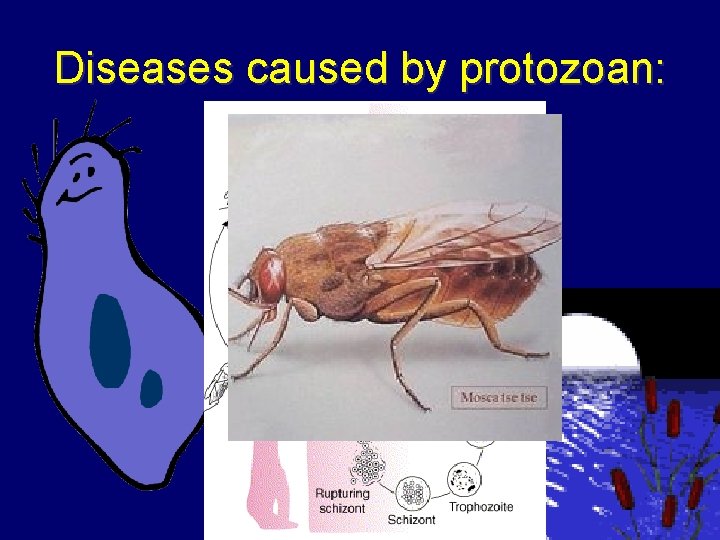
Diseases caused by protozoan: -Malaria --Sleeping sickness
Malaria
Brain Eating Amoeba
Pathogens - Cause diseases Bacteria – damages cells / usually responds to antibiotic n Diseases - Ear Infection, Strep, Food Poisoning (Salmonella, E. Coli, botulism), tetanus, Bronchitis Protozoan – Microscopic animals -Diseases - Sleeping sickness, malaria Viruses –IN cells and destroys them / will not respond to antibiotic/ Smaller than bacteria n Disease - Ebola, Aids, Flu, Chicken Pox, Runny Nose, Colds
Viruses
Small Pox – Caused by a virus.
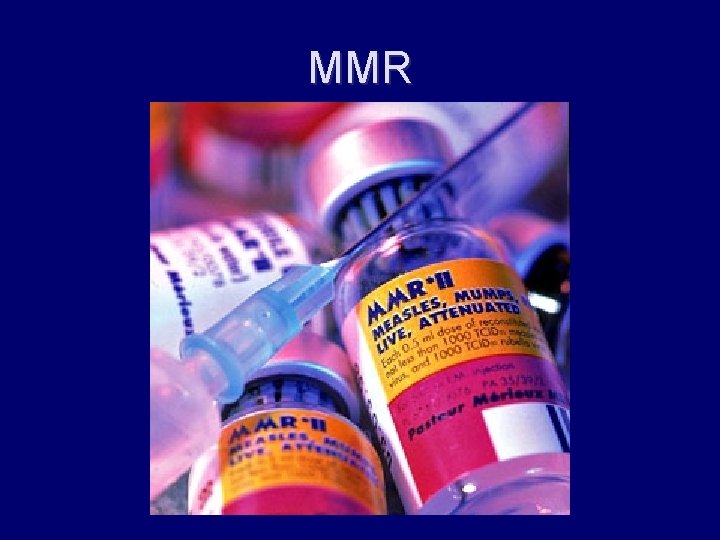
MMR
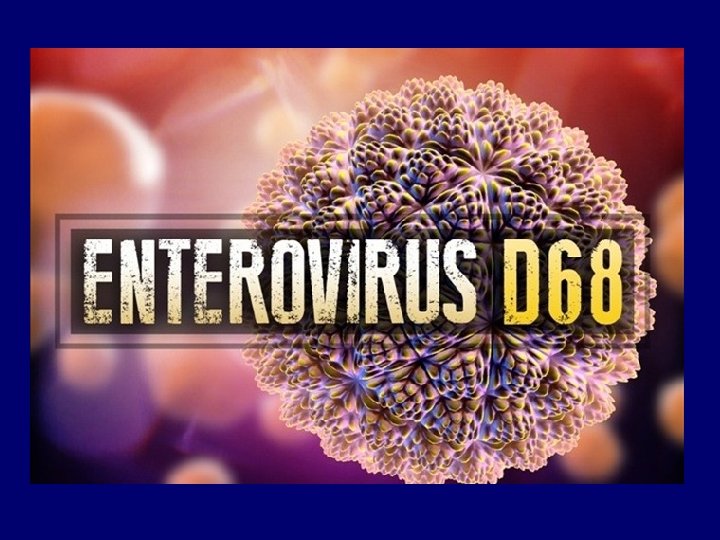
http: //www. cnn. com/2014/09/29/health/col orado-paralysis-enterovirus/
Ebola Virus in the News! http: //nbcnews Ebola virus disease, formerly known as Ebola hemorrhagic fever, is a severe, often fatal illness in humans. 4 -6 days incubation. Spread by: -blood or body fluids (including but not limited to urine, saliva, sweat, feces, vomit, and semen) of a person who is sick -objects (like needles and syringes) that have been contaminated -infected animals Ebola is not spread through the air or by water, or in general, food. However, in Africa, Ebola may be spread as a result of handling bushmeat (wild animals hunted for food) and contact with infected bats.
Viruses vs. Humans
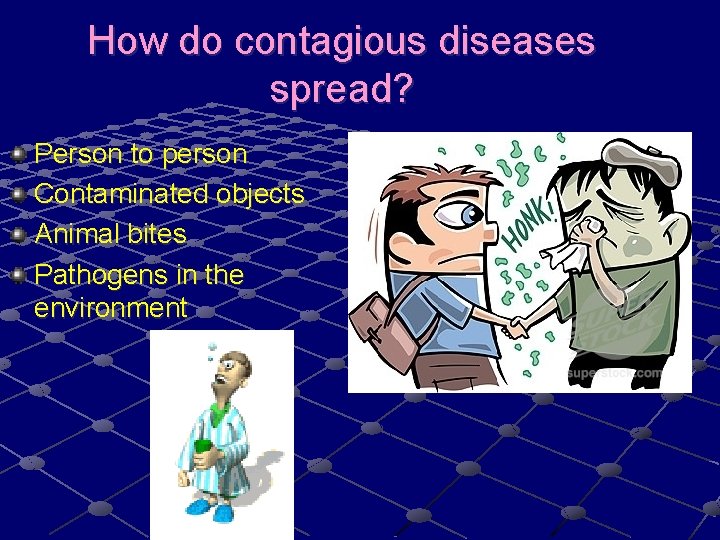
How do contagious diseases spread? Person to person Contaminated objects Animal bites Pathogens in the environment
Your Immune System distinguishes the type of pathogen and reacts to it.
Contagious/ Infectious Diseases AIDS – Caused by HIV virus & attacks the immune system. Can’t be transmitted by casual contact. (ex. hug, handshake, etc. ) Flu (Influenza) – Viral infection of respiratory system. Symptoms of fever & aches. Strep Throat – Bacterial infection. Swelling of throat & tonsils. Common Cold – Viral infection of the respiratory system.
Noninfectious Diseases – diseases that are NOT contagious. Asthma – Affects lungs & airways. Wheezing & difficulty breathing. Dust, mold, exercise, etc. can trigger. Diabetes – Glucose higher than normal. Person is unable to produce proper levels of insulin in pancreas. Can lead to heart disease and kidney failure. Parkinson’s Disease – Nerve cells in brain die or are damaged. Tremor is symptom. No cure. Cancer – Uncontrollable growth of cells n Ex. Skin Cancer
Non-Infectious Allergies – Immune system over reacts to a substance like pollen, dust, etc. Chronic – Long lasting, continue to have n Ex. Chronic Asthma
Cancer
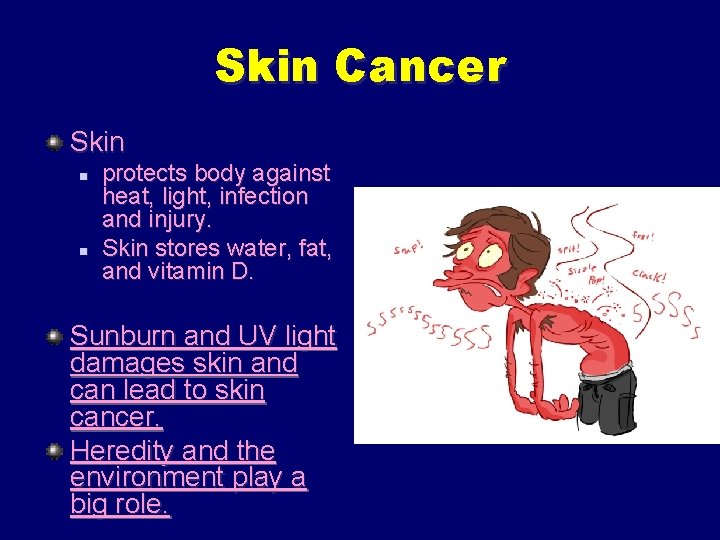
Skin Cancer Skin n n protects body against heat, light, infection and injury. Skin stores water, fat, and vitamin D. Sunburn and UV light damages skin and can lead to skin cancer. Heredity and the environment play a big role.
Allergies – The HIDDEN WORLD 20 min
Cells Cellular Processes (Photosynthesis and Cellular Respiration) & Cellular Reproduction
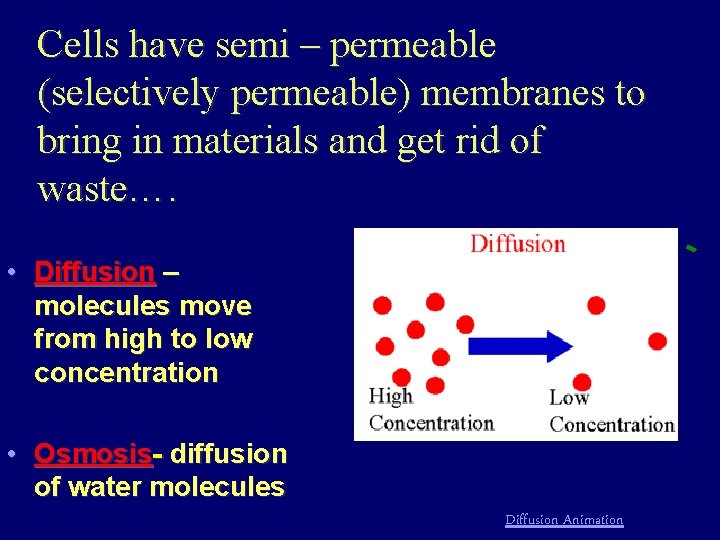
Cells have semi – permeable (selectively permeable) membranes to bring in materials and get rid of waste…. • Diffusion – molecules move from high to low concentration • Osmosis- diffusion of water molecules Diffusion Animation
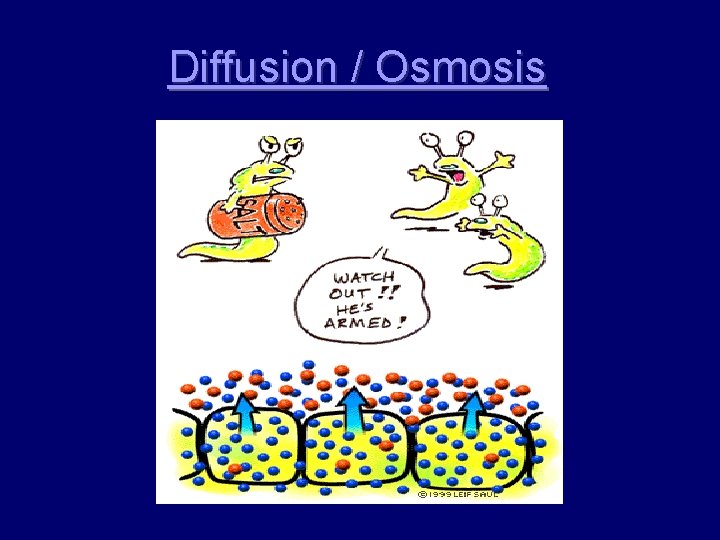
Diffusion / Osmosis
Metabolism - Chemical reactions in an organism. 2 Chemical Reactions (Cellular Processes) in an organism: » Photosynthesis » Cellular Respiration
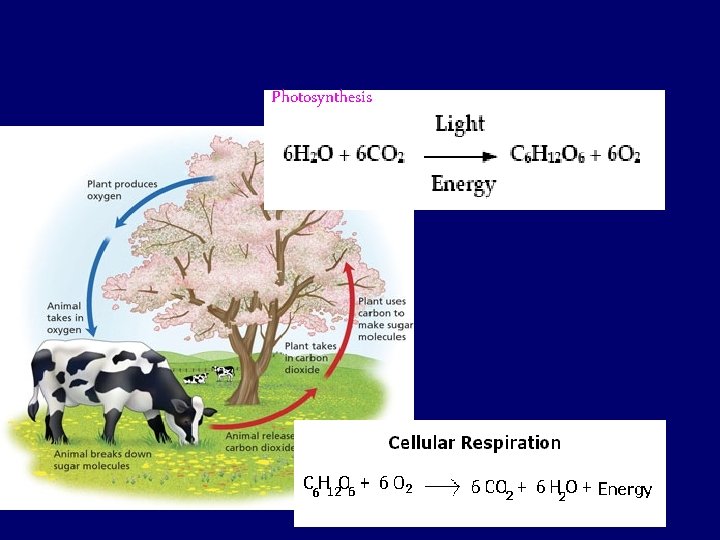
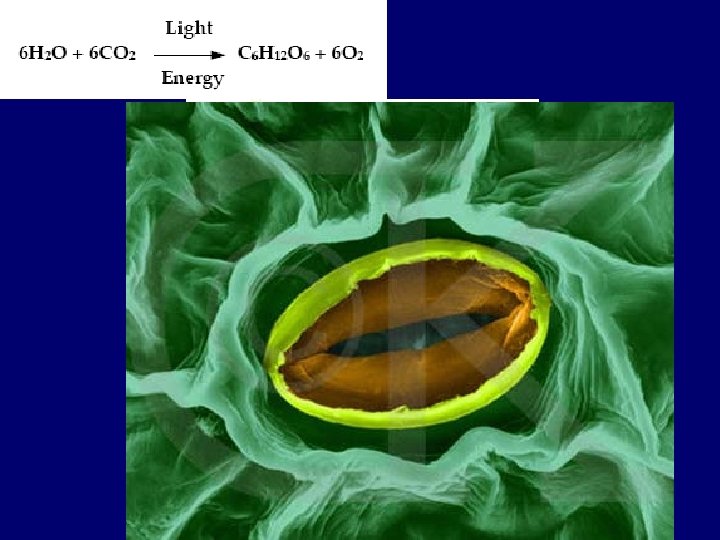
Photosynthesis
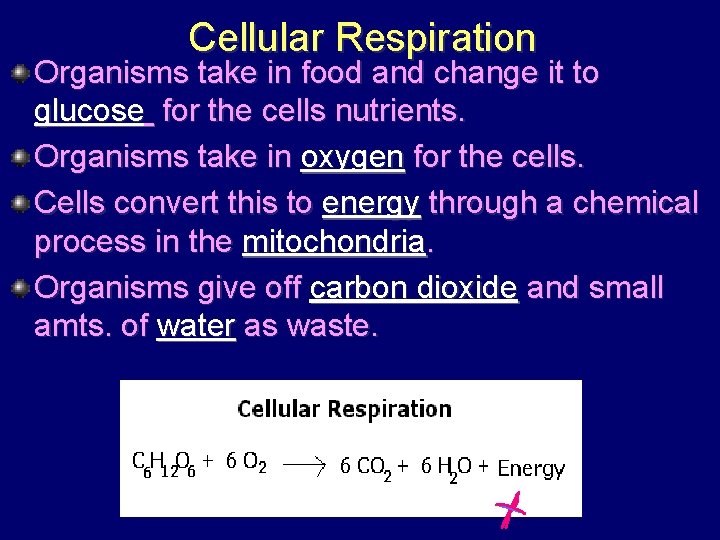
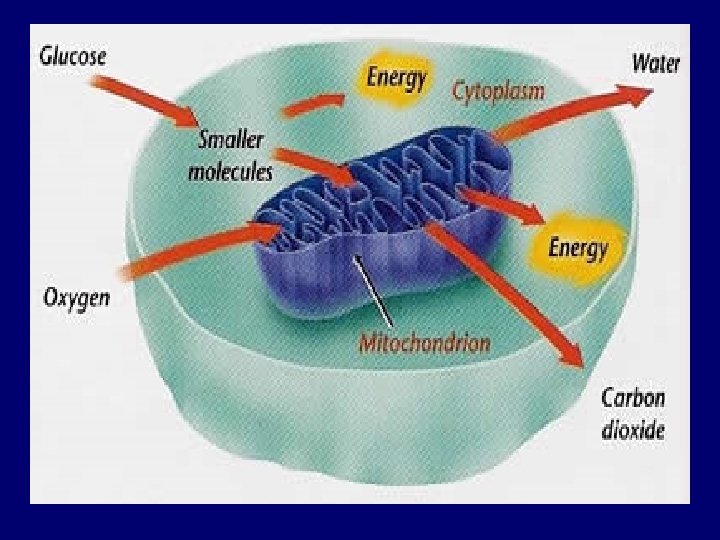
Cellular Respiration Organisms take in food and change it to glucose for the cells nutrients. Organisms take in oxygen for the cells. Cells convert this to energy through a chemical process in the mitochondria. Organisms give off carbon dioxide and small amts. of water as waste.
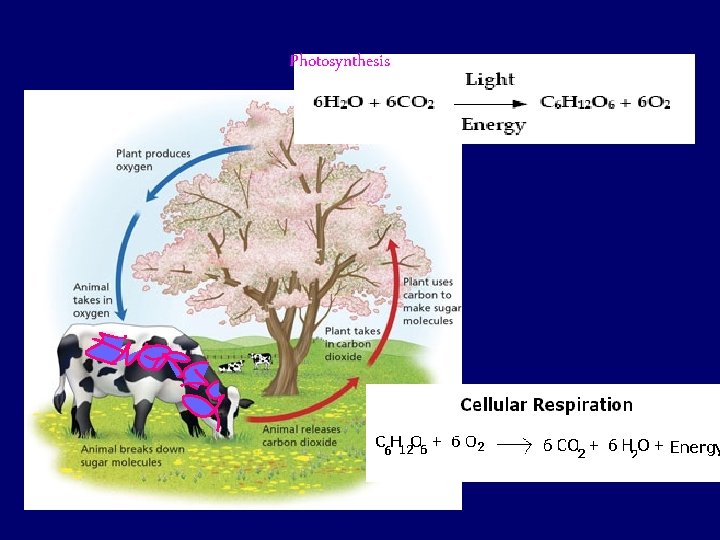
Photosynthesis
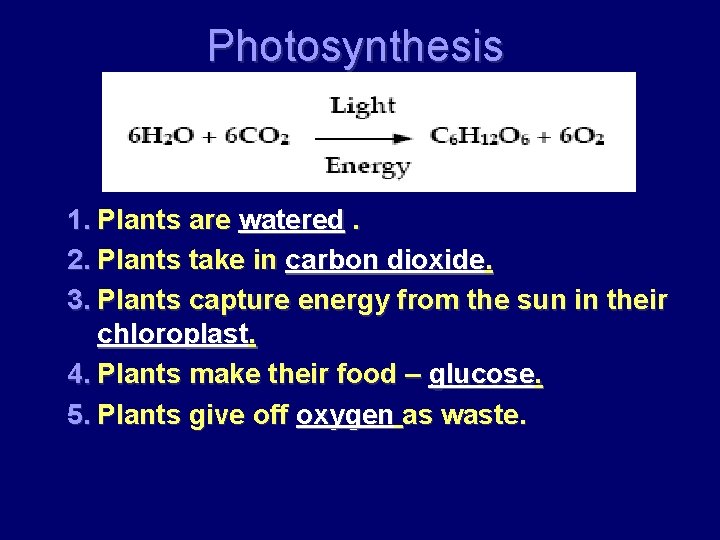
Photosynthesis 1. Plants are watered. 2. Plants take in carbon dioxide. 3. Plants capture energy from the sun in their chloroplast. 4. Plants make their food – glucose. 5. Plants give off oxygen as waste.
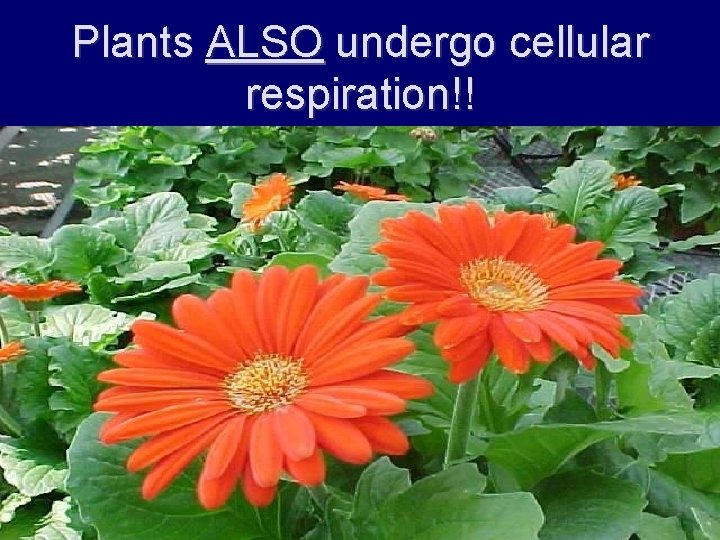
Plants ALSO undergo cellular respiration!!
Simple Story of Photosynthesis & Respiration http: //ed. ted. com/lessons/the-simple-but-fascinating-story-ofphotosynthesis-and-food-amanda-ooten
All living things get their energy directly or indirectly from the sun. Autotrophs – organisms that make their own food. Ex. Plants Heterotrophs – organisms that cannot make their own food. Ex. Humans, animals, insects
Intermission What is the purpose of photosynthesis? ? ? What is the purpose of respiration? ? ? What do we call an organism that makes its own food? ? ? What do we call an organism that can not make its own food? ? ? What is the relationship between photosynthesis & respiration? ? ?
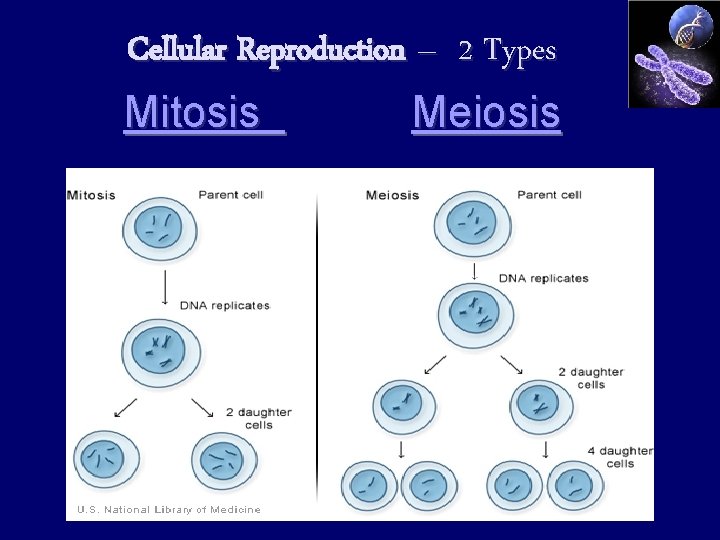
Cellular Reproduction – 2 Types Mitosis Meiosis
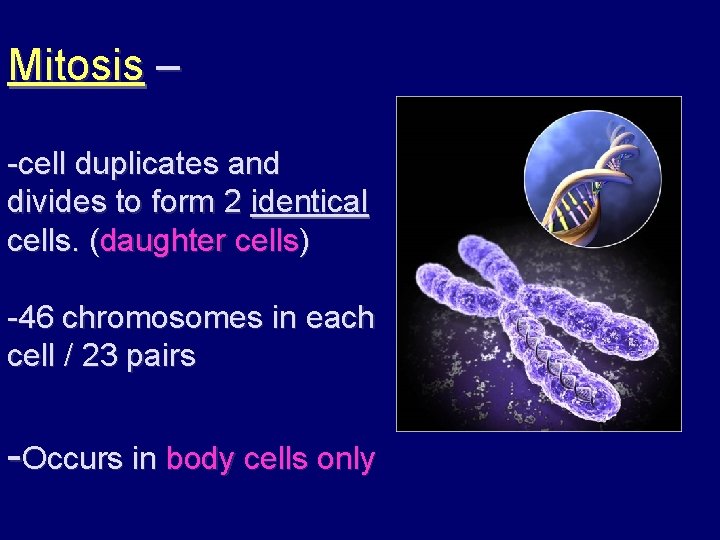
Mitosis – -cell duplicates and divides to form 2 identical cells. (daughter cells) -46 chromosomes in each cell / 23 pairs -Occurs in body cells only
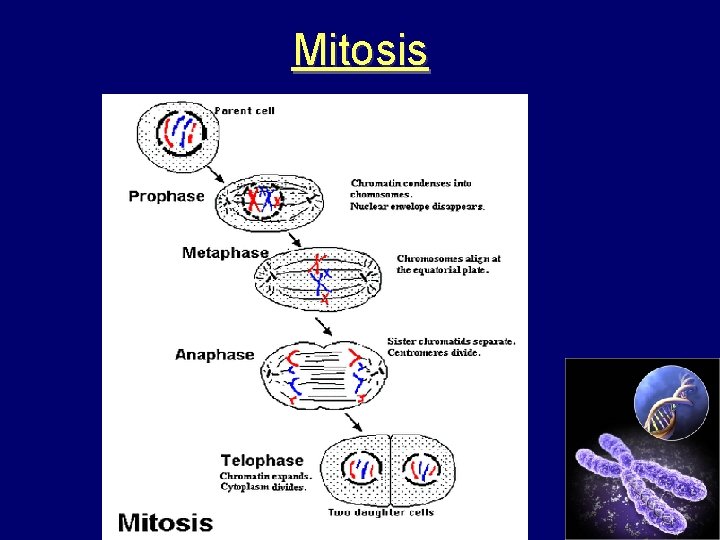
Mitosis
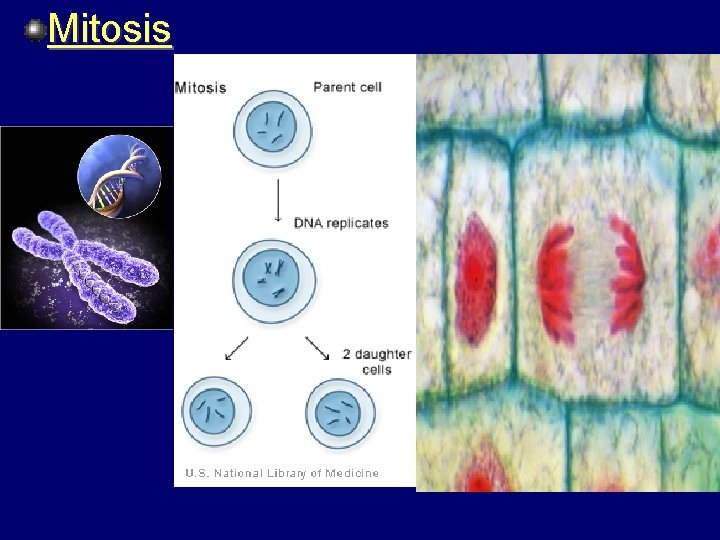
Mitosis
Meiosis – Cell division in sex cells - New cell different from 2 original cells. Sex Cells Sperm Cell – 23 chromosomes n Egg Cell – 23 chromosomes Sperm + Egg = Zygote (Fertilized Egg) n 46 chromosomes
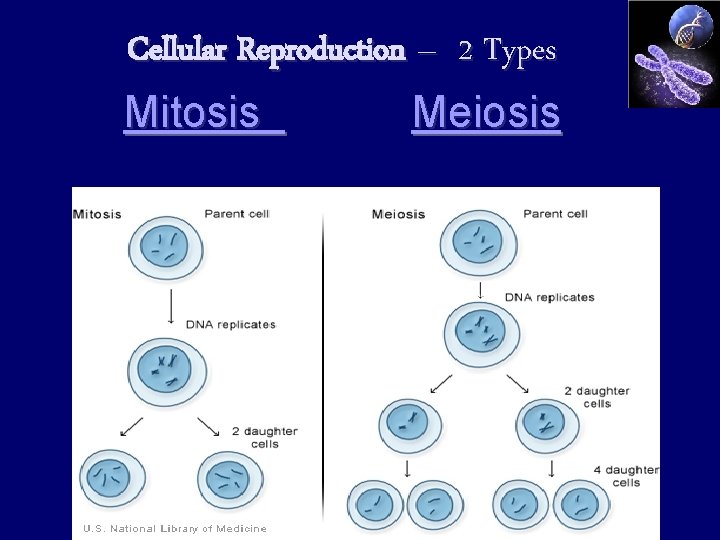
Cellular Reproduction – 2 Types Mitosis Meiosis
Meiosis
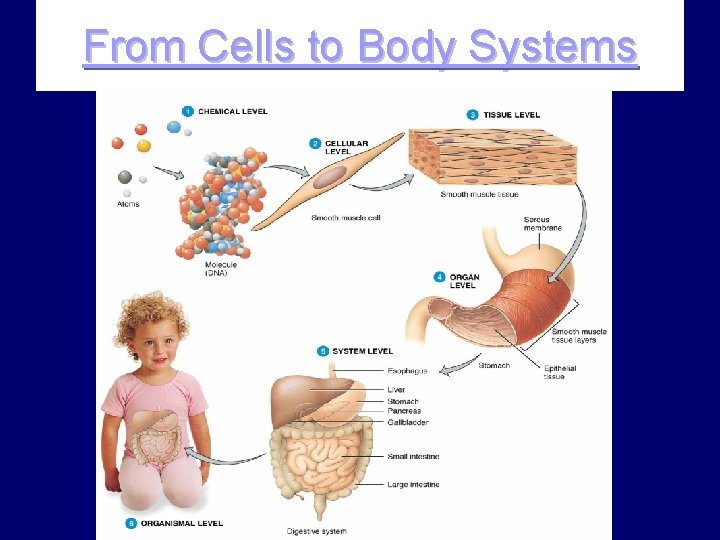
From Cells to Body Systems
- Slides: 87