
Introduction to Botany Botanical Implications on the meaning
Introduction to Botany
Botanical Implications on the meaning of life, the world, and everything in it
Unlocking the Mysteries of Life with Botany
“Tell me of what plant-birthday a man takes notice, and I shall tell you a good deal about his vocation, his hobbies, his hay fever, and the general level of his ecological education. ” –Aldo Leopold
Today’s Goal: “The mission of the Kansas Master Naturalist program is to develop knowledgeable and dedicated citizens who are active in promoting awareness, understanding, and stewardship of the natural heritage of Kansas. ”
Today’s Goal: …We can safely assume he knows how plants grow and cats are put together, but let us test his comprehension of how the land is put together. We are driving down a country road in northern Missouri. Here is a farmstead. Look at the trees in the yard and the soil in the field and tell us whether the original settler carved his farm out of prairie or woods. Did he eat prairie chicken or wild turkey for his Thanksgiving? What plants grew here originally which do not grow here now? Why did they disappear? What did the prairie plants have to do with creating the corn-yielding capacity of this soil? Why does this soil erode now but not then? Again, suppose we are touring the Ozarks. Here is an abandoned field in which the ragweed is sparse and short. Does this tell us anything about why the mortgage was foreclosed? About how long ago? Would this field be a good place to look for quail? Does short ragweed have any connection with the human story behind yonder graveyard? If all the ragweed in this watershed were short, would that tell us anything about the future of floods in the stream? About the future prospects for bass or trout? Many students would consider these questions insane, but they are not. Any amateur naturalist with a seeing eye should be able to speculate intelligently on all of them, and have a lot of fun dong it. -Aldo Leopold
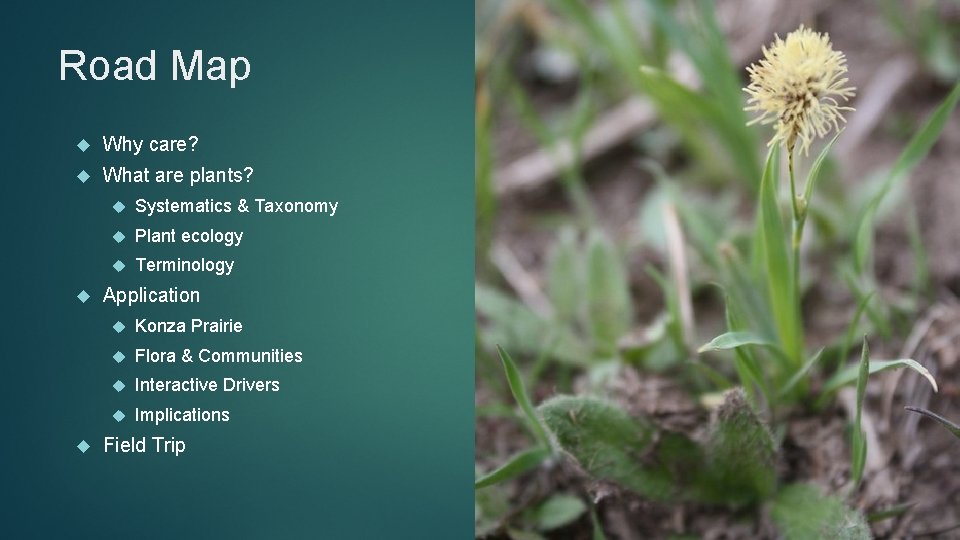
Road Map Why care? What are plants? Systematics & Taxonomy Plant ecology Terminology Application Konza Prairie Flora & Communities Interactive Drivers Implications Field Trip
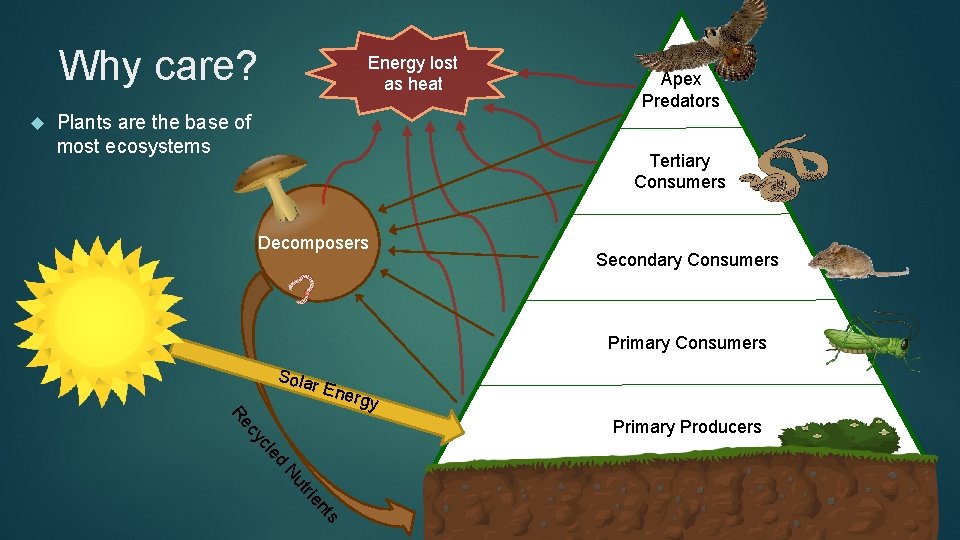
Why care? Energy lost as heat Plants are the base of most ecosystems Apex Predators Tertiary Consumers Decomposers Secondary Consumers Primary Consumers Sola r En ergy cy Re Primary Producers d cle ts en tri Nu
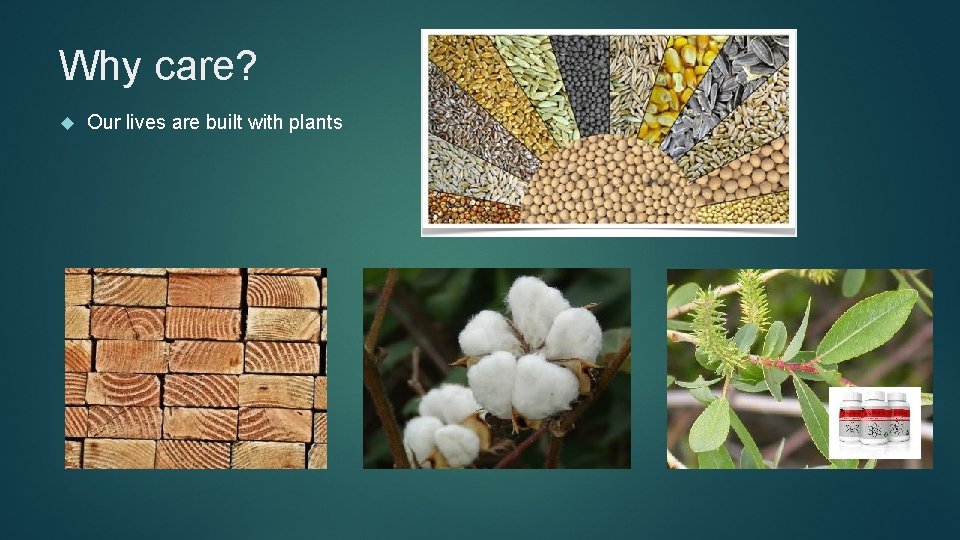
Why care? Our lives are built with plants
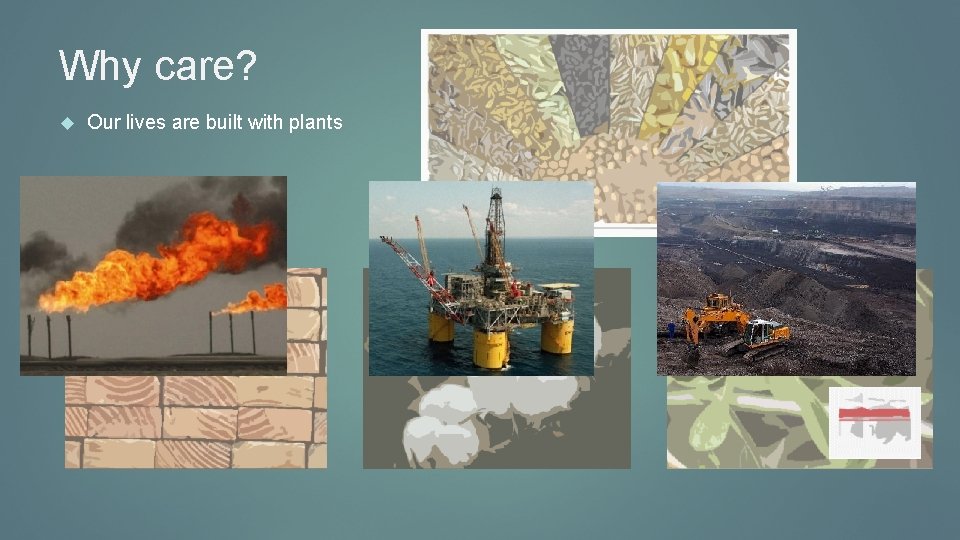
Why care? Our lives are built with plants

Why care? Our lives are built with plants Foundation of human culture
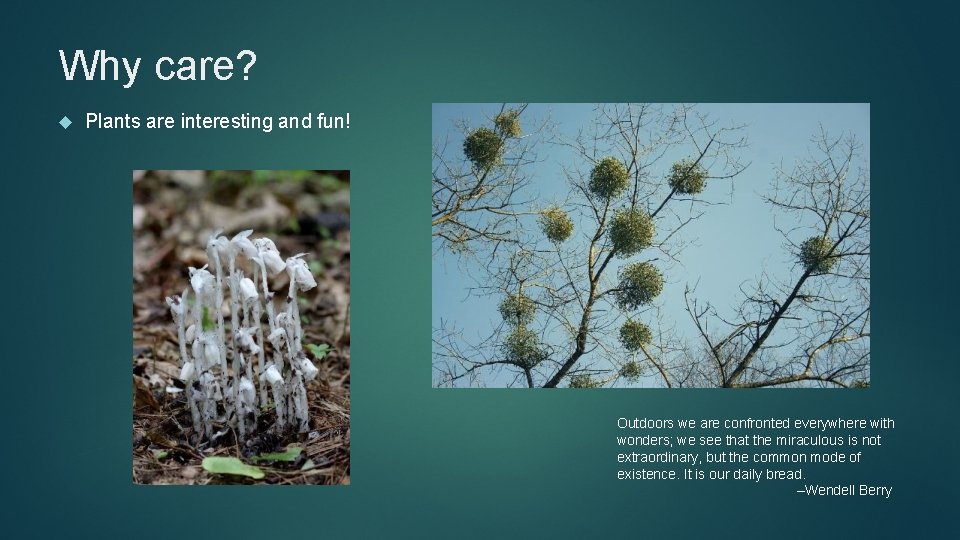
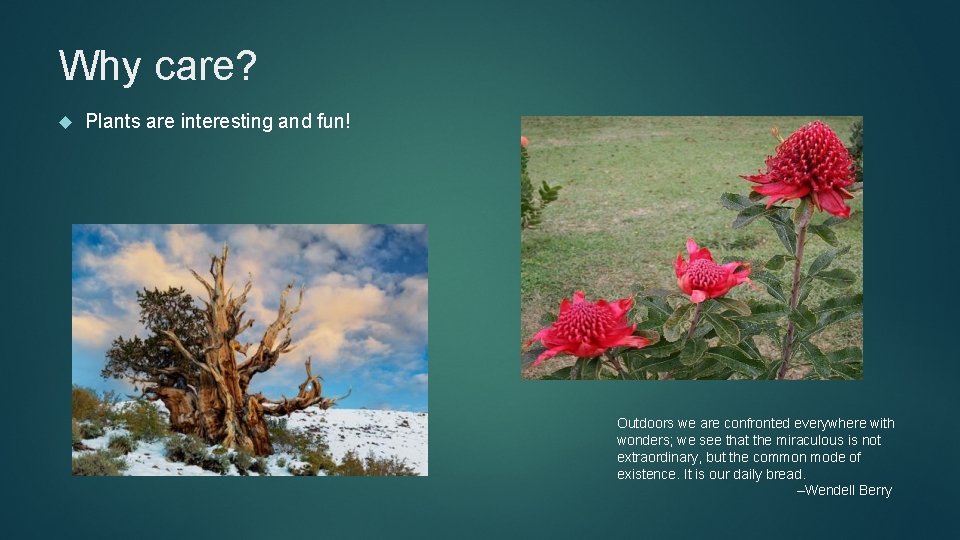
Why care? Plants are interesting and fun! Outdoors we are confronted everywhere with wonders; we see that the miraculous is not extraordinary, but the common mode of existence. It is our daily bread. –Wendell Berry
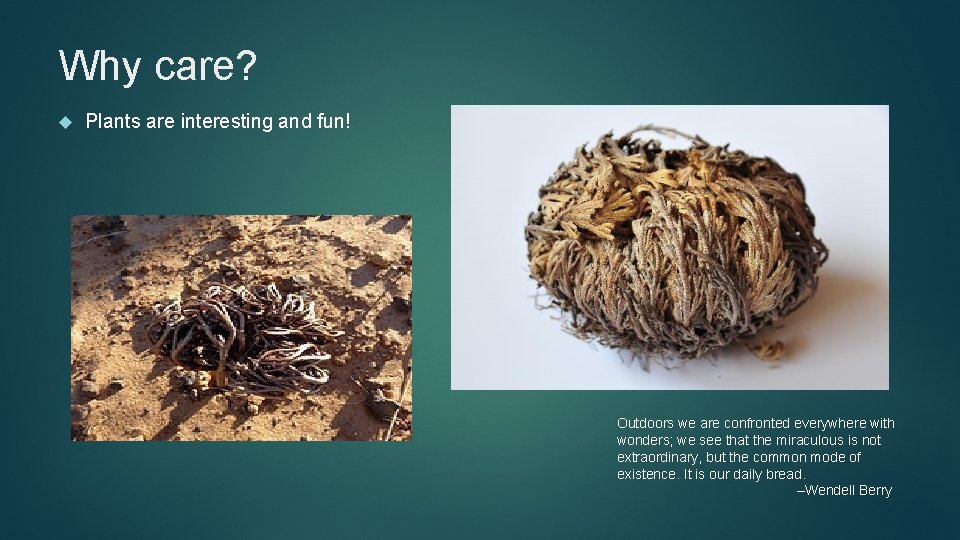
Why care? Plants are interesting and fun! Outdoors we are confronted everywhere with wonders; we see that the miraculous is not extraordinary, but the common mode of existence. It is our daily bread. –Wendell Berry
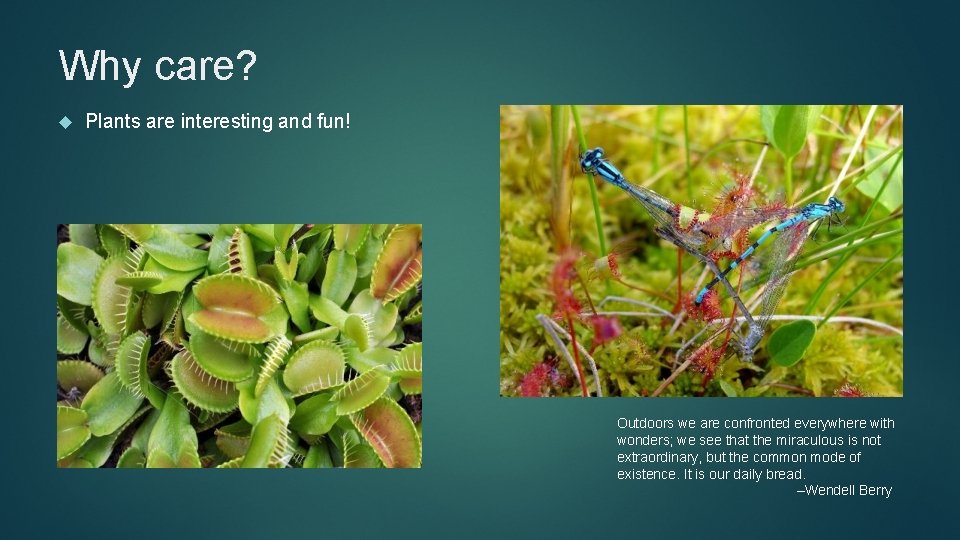
Why care? Plants are interesting and fun! Outdoors we are confronted everywhere with wonders; we see that the miraculous is not extraordinary, but the common mode of existence. It is our daily bread. –Wendell Berry
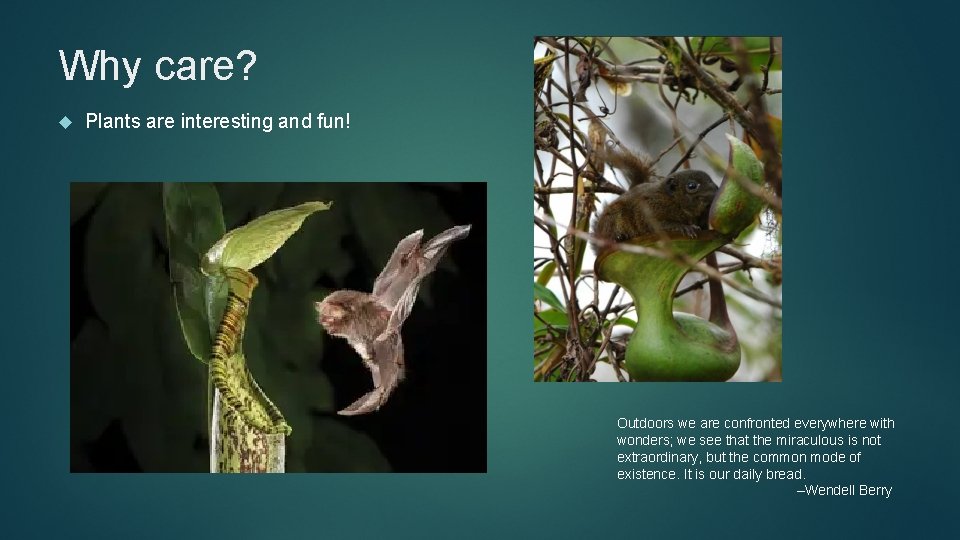
Why care? Plants are interesting and fun! Outdoors we are confronted everywhere with wonders; we see that the miraculous is not extraordinary, but the common mode of existence. It is our daily bread. –Wendell Berry
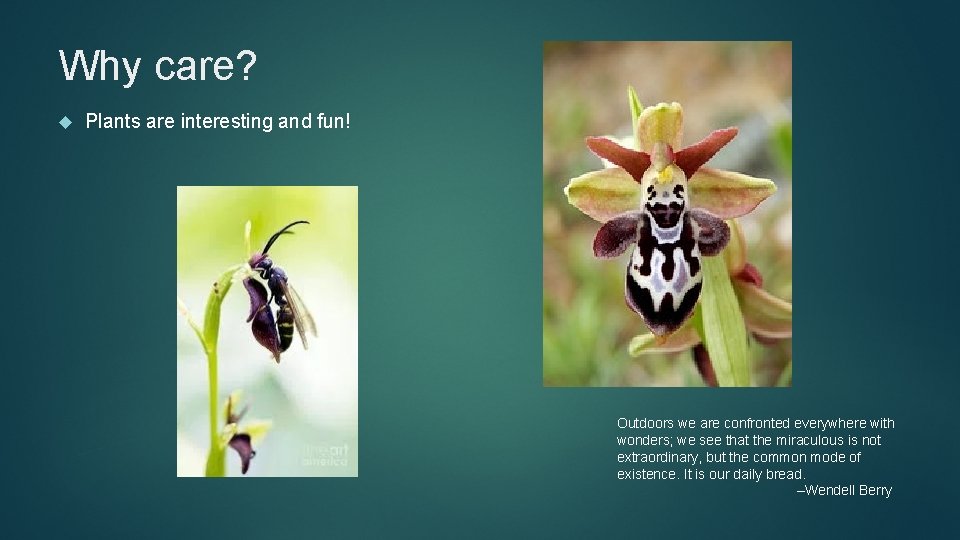
Why care? Plants are interesting and fun! Outdoors we are confronted everywhere with wonders; we see that the miraculous is not extraordinary, but the common mode of existence. It is our daily bread. –Wendell Berry
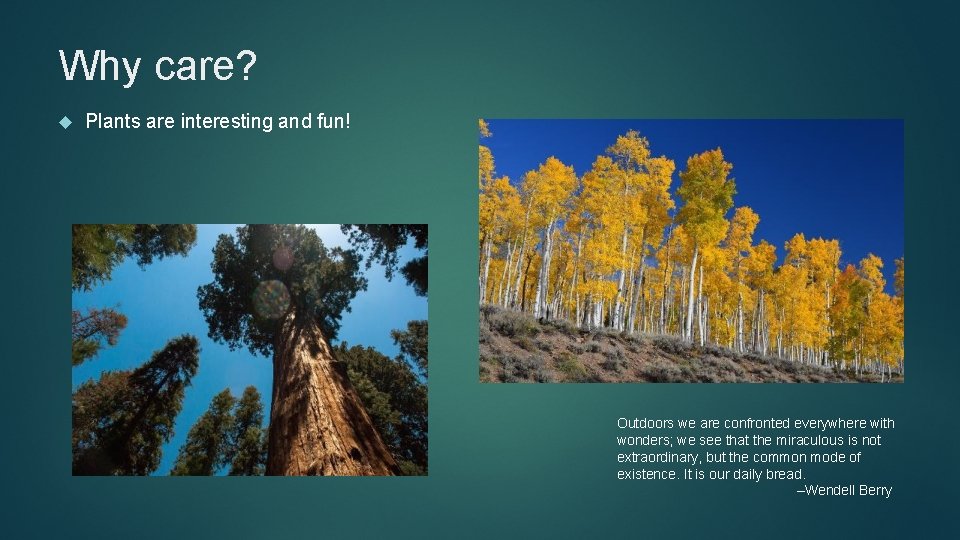
Why care? Plants are interesting and fun! Outdoors we are confronted everywhere with wonders; we see that the miraculous is not extraordinary, but the common mode of existence. It is our daily bread. –Wendell Berry
Why care? Plants are interesting and fun! Outdoors we are confronted everywhere with wonders; we see that the miraculous is not extraordinary, but the common mode of existence. It is our daily bread. –Wendell Berry
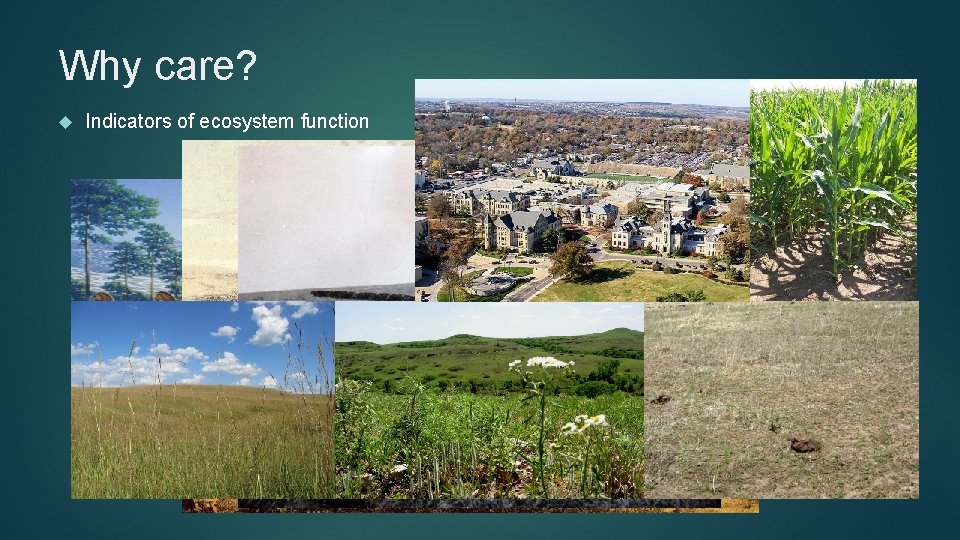
Why care? Indicators of ecosystem function
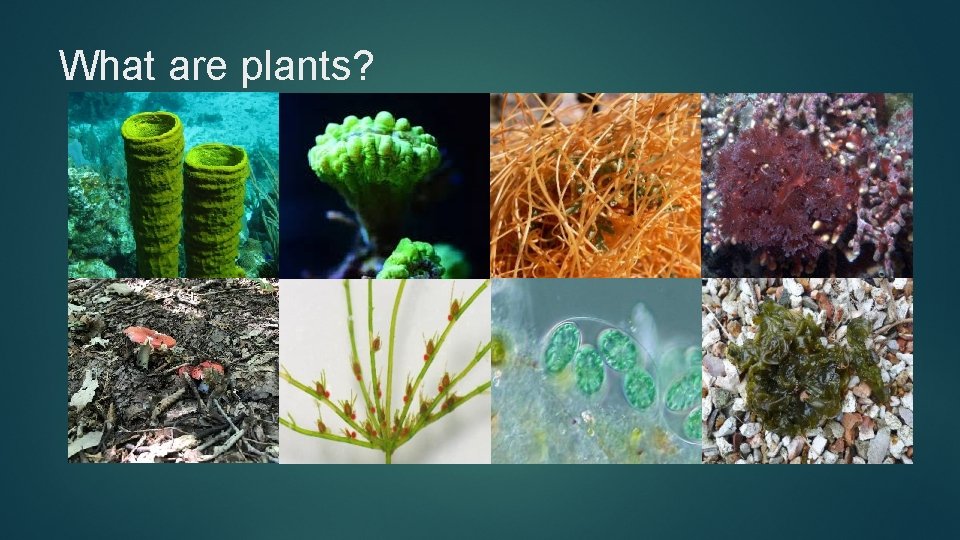
What are plants? Eukaryotic organisms that are: (Mainly) multicellular (Mostly) photosynthetic (Traditionally) in the Kingdom Plantae
What are plants?
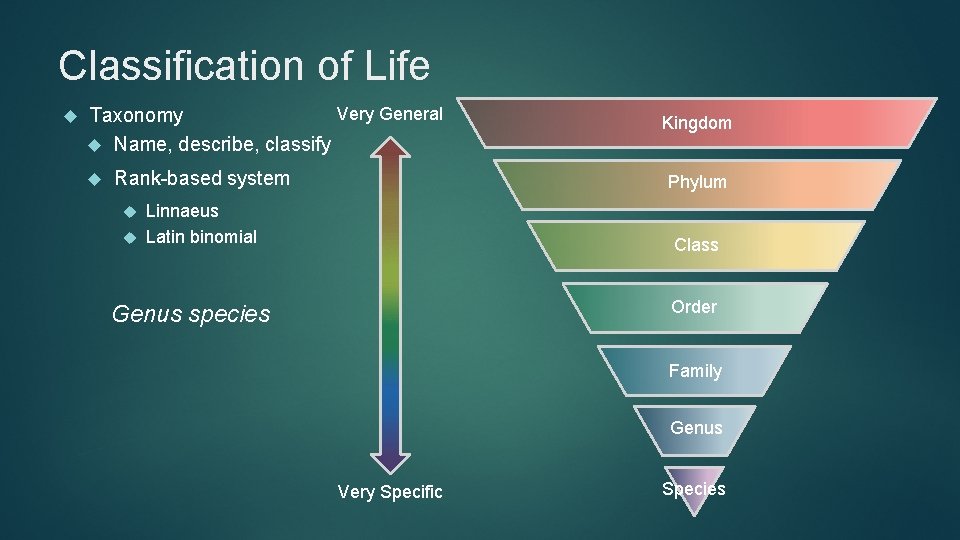
Classification of Life Very General Taxonomy Name, describe, classify Rank-based system Kingdom Phylum Linnaeus Latin binomial Class Order Genus species Family Genus Very Specific Species
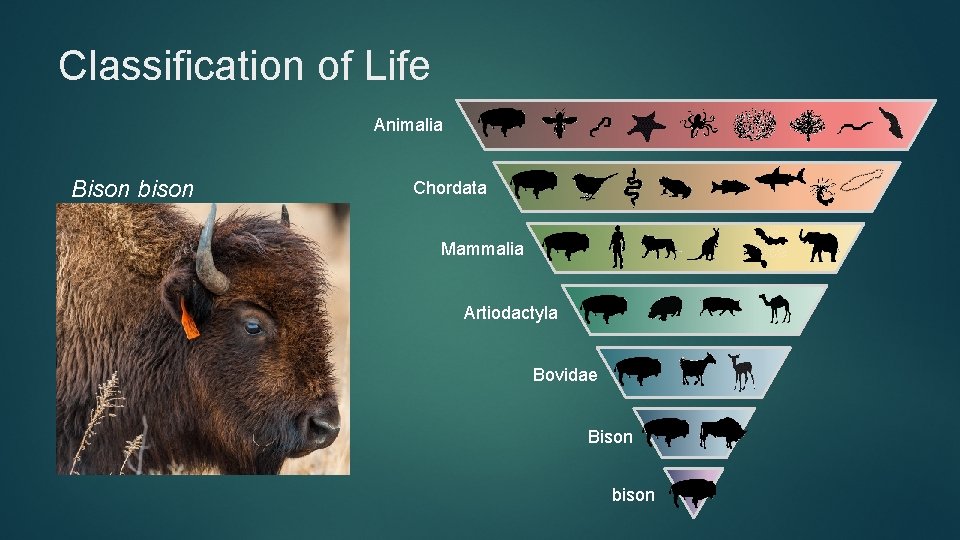
Classification of Life Animalia Bison bison Chordata Mammalia Artiodactyla Bovidae Bison bison
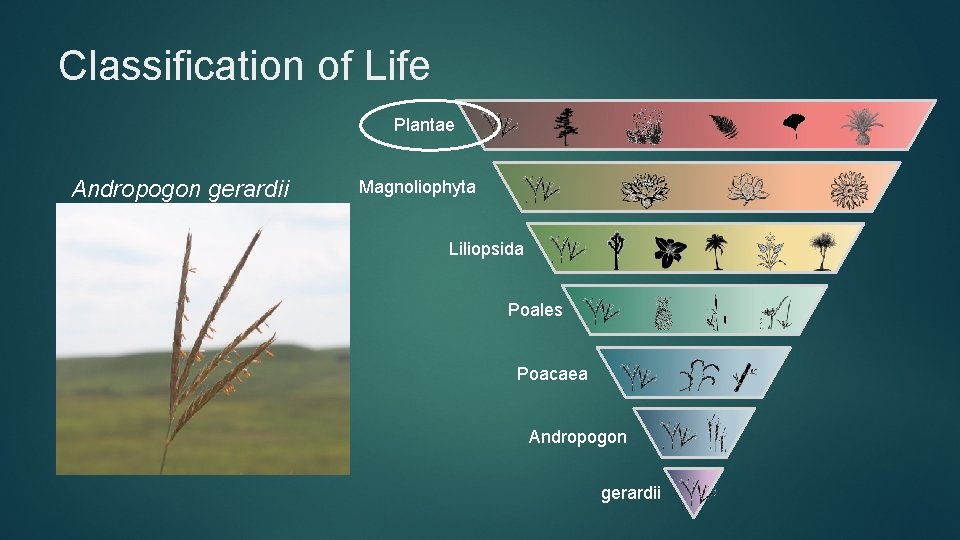
Classification of Life Plantae Andropogon gerardii Magnoliophyta Liliopsida Poales Poacaea Andropogon gerardii
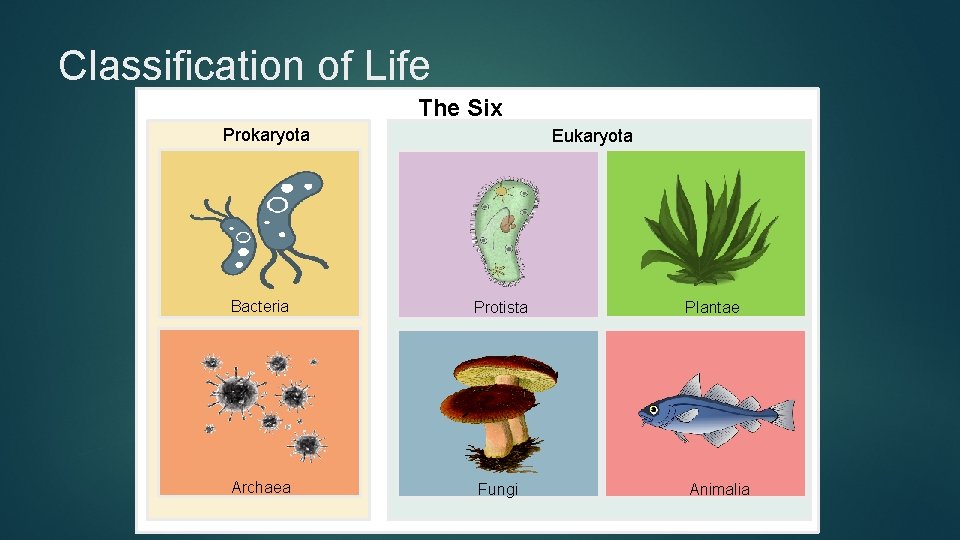
Classification of Life Prokaryota The Six Kingdoms Eukaryota Bacteria Protista Plantae Archaea Fungi Animalia
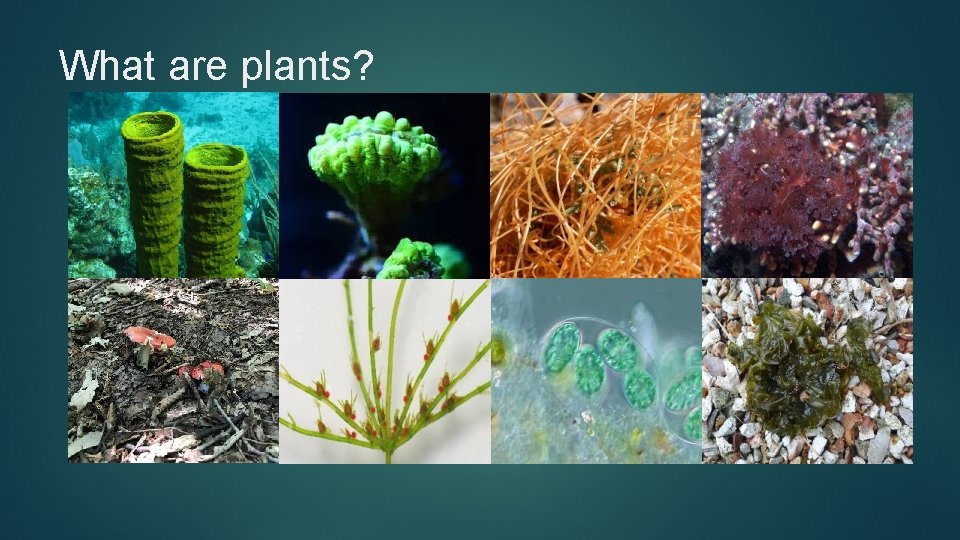
What are plants?
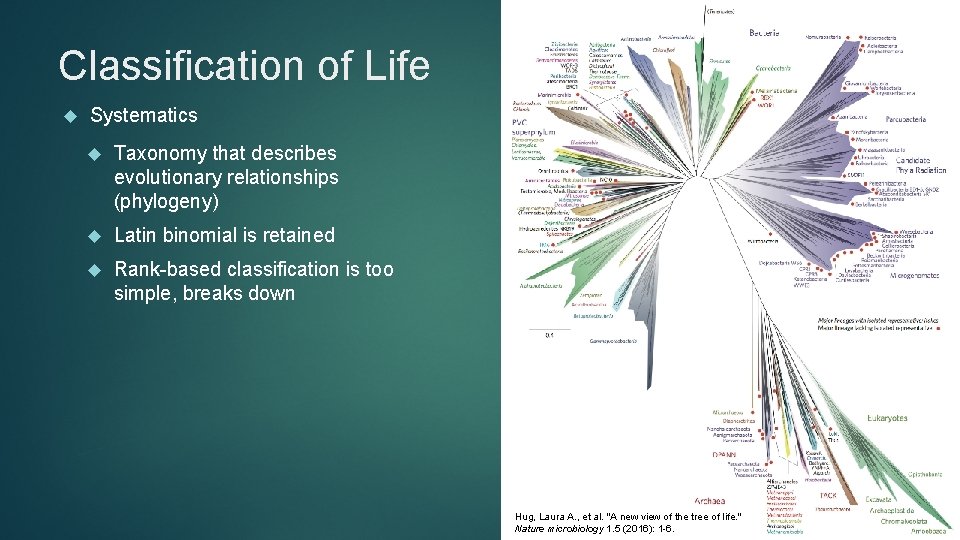
Classification of Life Systematics Taxonomy that describes evolutionary relationships (phylogeny) Latin binomial is retained Rank-based classification is too simple, breaks down Hug, Laura A. , et al. "A new view of the tree of life. " Nature microbiology 1. 5 (2016): 1 -6.
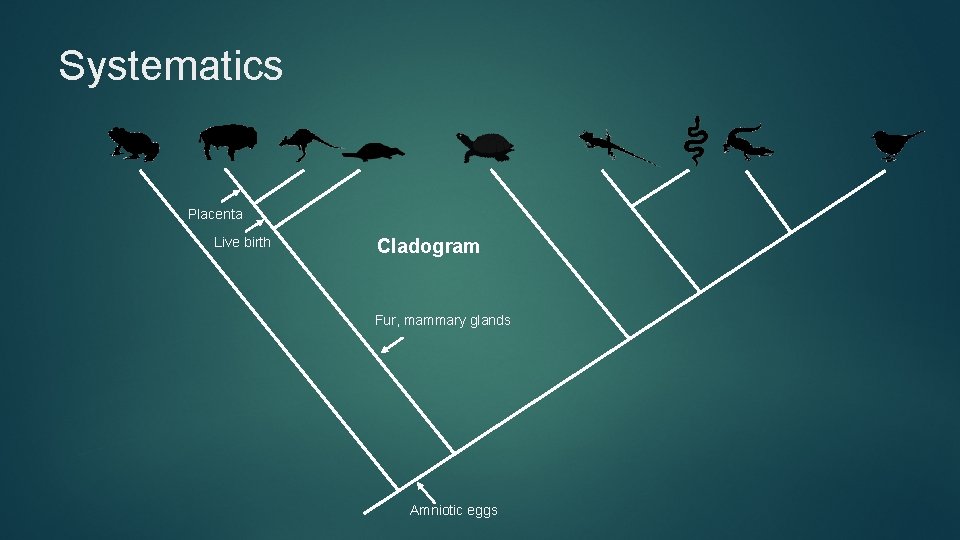
Systematics Placenta Live birth Cladogram Fur, mammary glands Amniotic eggs
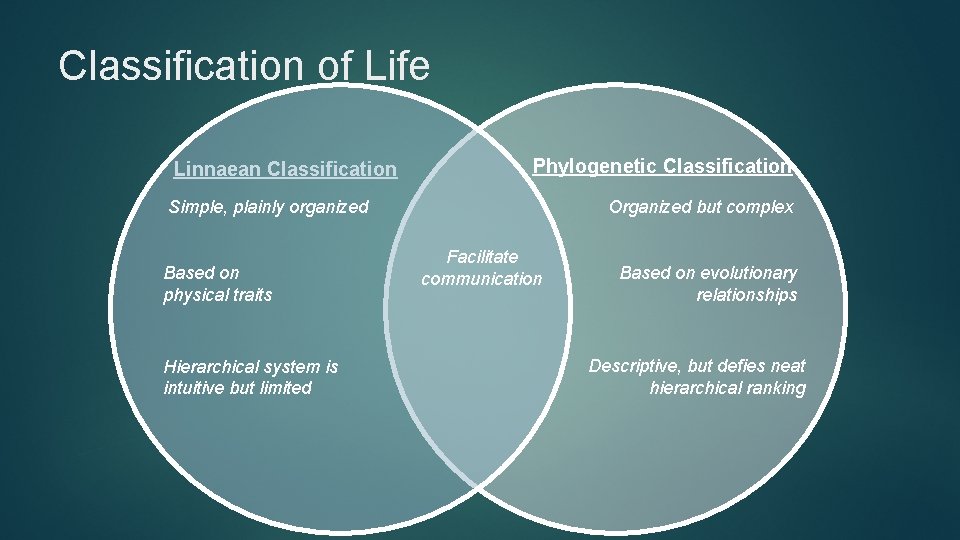
Classification of Life Linnaean Classification Phylogenetic Classification Simple, plainly organized Based on physical traits Hierarchical system is intuitive but limited Organized but complex Facilitate communication Based on evolutionary relationships Descriptive, but defies neat hierarchical ranking
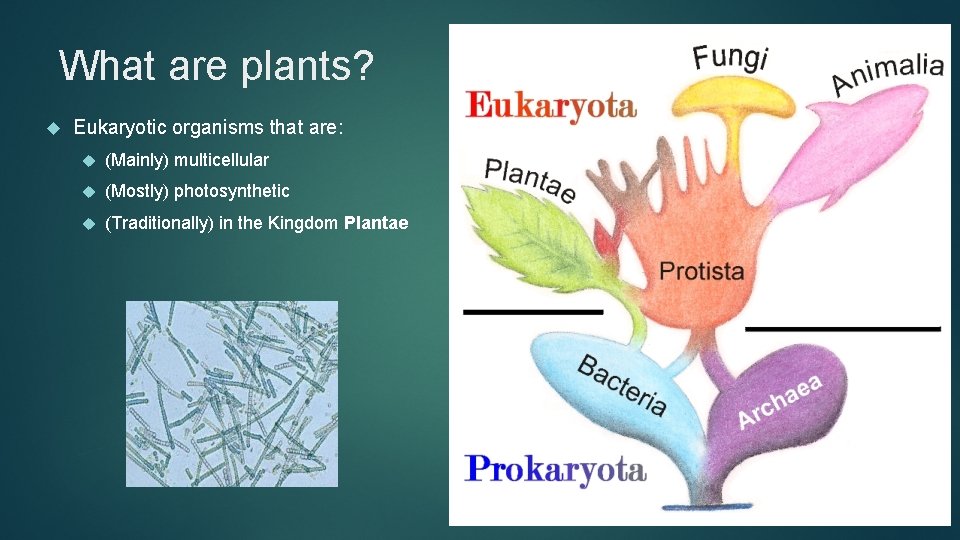
What are plants? Eukaryotic organisms that are: (Mainly) multicellular (Mostly) photosynthetic (Traditionally) in the Kingdom Plantae
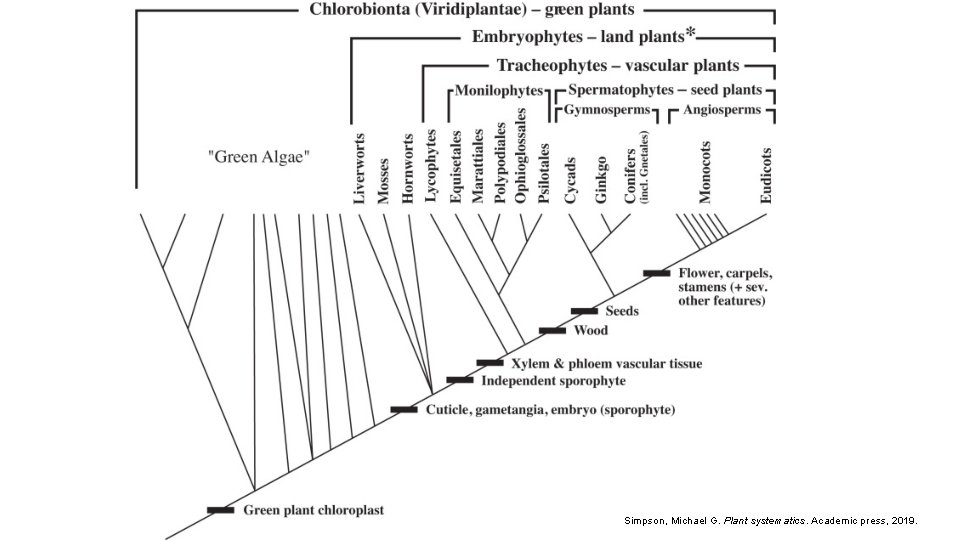
Simpson, Michael G. Plant systematics. Academic press, 2019.
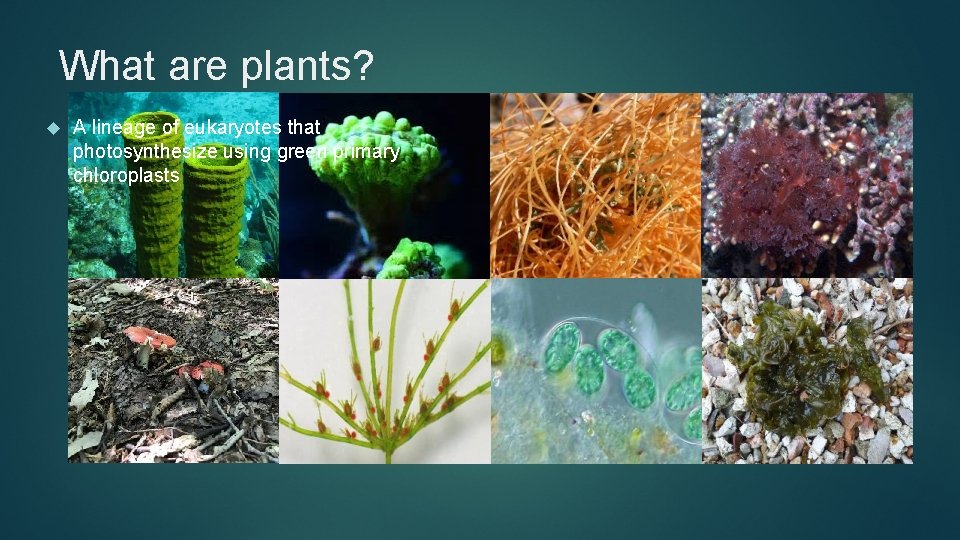
What are plants? A lineage of eukaryotes that photosynthesize using green primary chloroplasts
- Slides: 32