
Introduction to Animal Behavior Ethology vs Animal Behavior
Introduction to Animal Behavior Ethology vs. Animal Behavior
Ethology § What is Ethology? § Ethology: The biological study of animal behavior. § Must use the scientific method
Animal Behavior § What is Animal Behavior? § Animal Behavior: All observable or otherwise measurable muscular or secretory responses (or lack thereof) in response to changes in an animals internal or external environment. § AKA WHAT ANIMALS DO
Study Behavior § Why study behavior? § Animals = good models for understanding ourselves § Behavior, neurobiology § Animal conservation, endangered species § Practical: farm animals, pest species control, disease prevention, pets § Management of animals in captivity § Curiosity!
Introduction to Animal Behavior § Are we all amateur behaviorists?
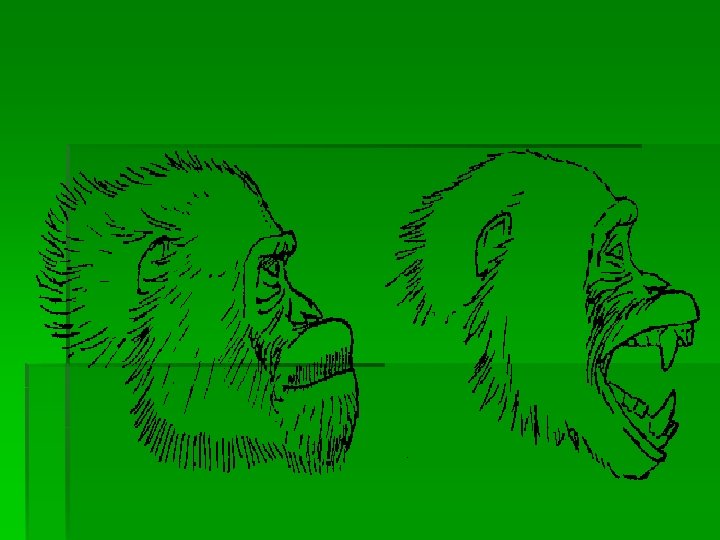
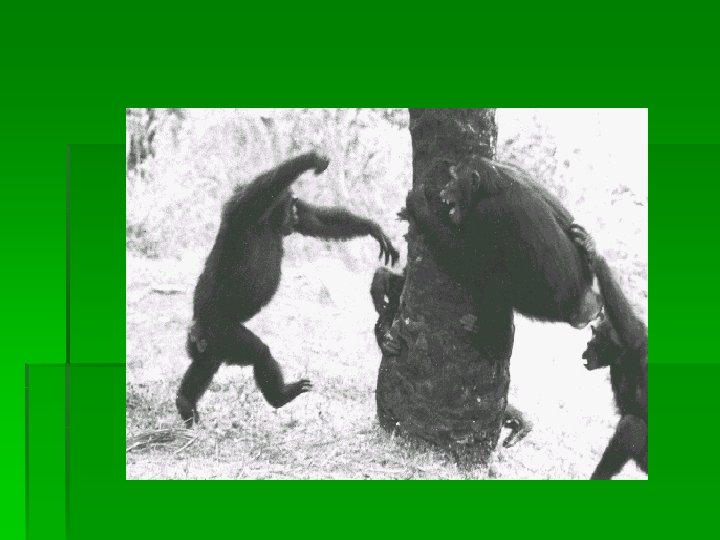
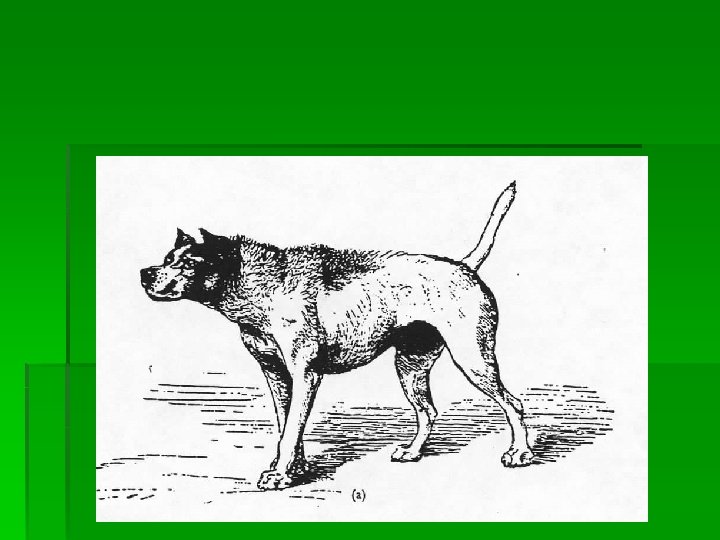
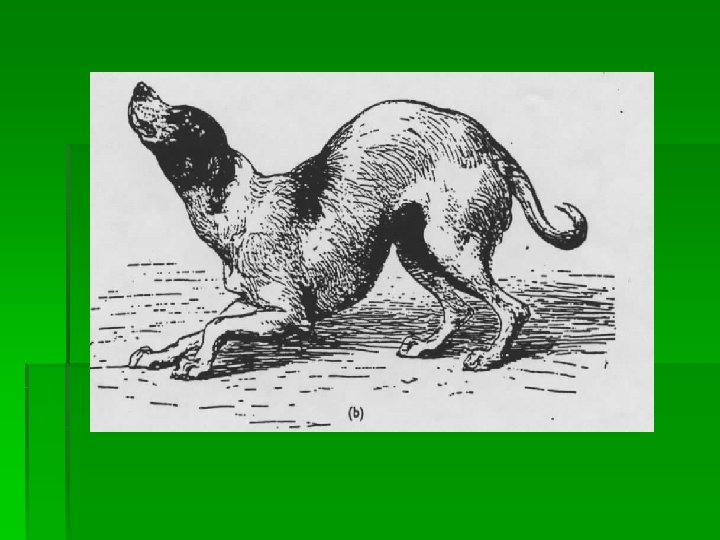
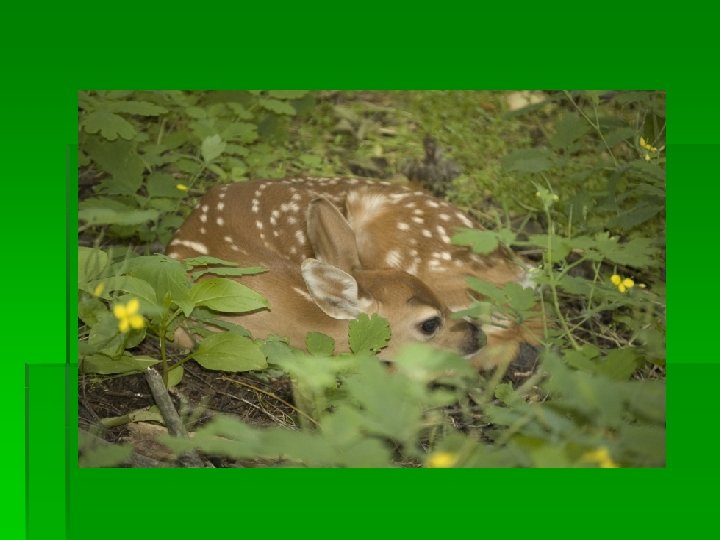
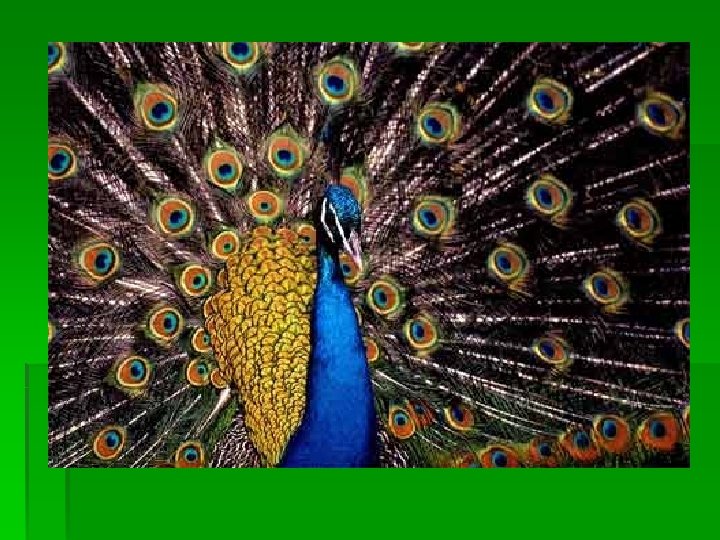
Quote from pet counselor in Ohio: “It’s wonderful — anyone can be a behaviorist — no degree or formal training is necessary. I just do it. ”
The problem with amateur behaviorists… § Perceptual bias § Anthropomorphism
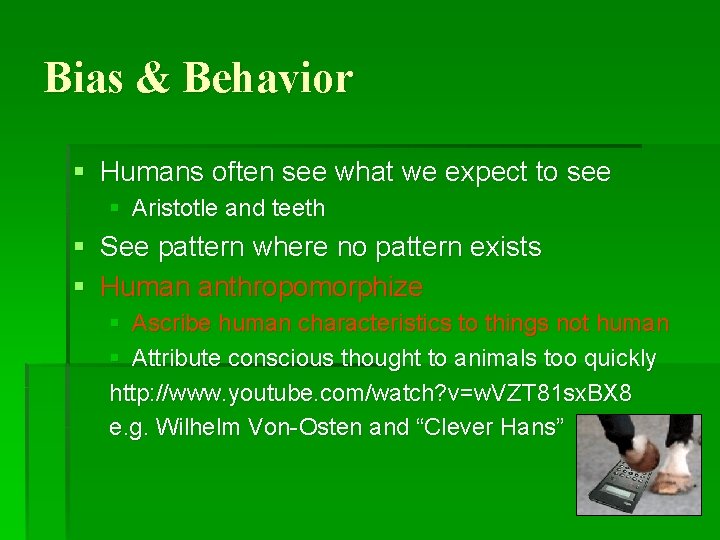
Bias & Behavior § Humans often see what we expect to see § Aristotle and teeth § See pattern where no pattern exists § Human anthropomorphize § Ascribe human characteristics to things not human § Attribute conscious thought to animals too quickly http: //www. youtube. com/watch? v=w. VZT 81 sx. BX 8 e. g. Wilhelm Von-Osten and “Clever Hans”
Why do we make this mistake? § Our minds contain a model of the universe. Our experience (e. g. , vision) is allowed to update it, but only in certain ways. § We can’t avoid it — we are born with a model already in place!
What makes a professional behaviorist? § Proper use of the scientific method
Scientific Method (review) 1. Observations 2. Questions 3. Hypotheses 4. Tests (experiments) 5. Interpretation § Hypothesis supported or refuted? § Alternative hypotheses?
The problem with professional behaviorists… § Perceptual bias still possible § The Mask of Theory and the Face of Nature § “Rarely does it become possible for the scientist to step back, examine the social preconditions that have led to the construction of the mask of theory, and ask: Why have I interpreted the natural world the way I have? What elements of my culture made one interpretation obvious and believable, but not another? ”
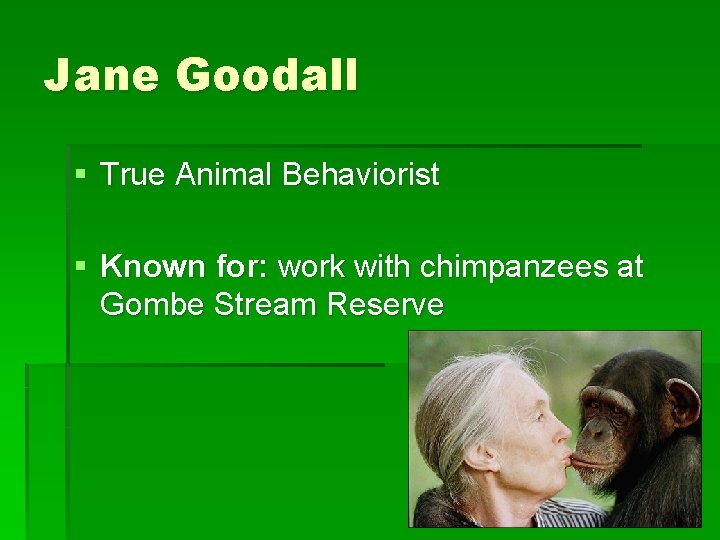
Jane Goodall § True Animal Behaviorist § Known for: work with chimpanzees at Gombe Stream Reserve
- Slides: 19