
Introduction to Advanced Resuscitation Techniques ART The ART
- Slides: 14
Introduction to Advanced Resuscitation Techniques (ART)- The ART of improving outcomes in cardiac arrest • Novel resuscitation techniques and high performance CPR • Improving outcomes with advanced techniques and technology • A paradigm shift in the way we approach cardiac arrest
Introduction to ART has three main goals: • Improving the resuscitation response to drive greater survival. • Preventing arrests via analysis of the root causes of arrests. • Continuous Quality Improvement via use of data collection and analytics.
Current Resuscitation Model • Infrequent exposure to a standardized model of care for all patients and all care providers • Rigid and inflexible • Has not drastically changed outcomes • Does not take into account available technology and institutional needs
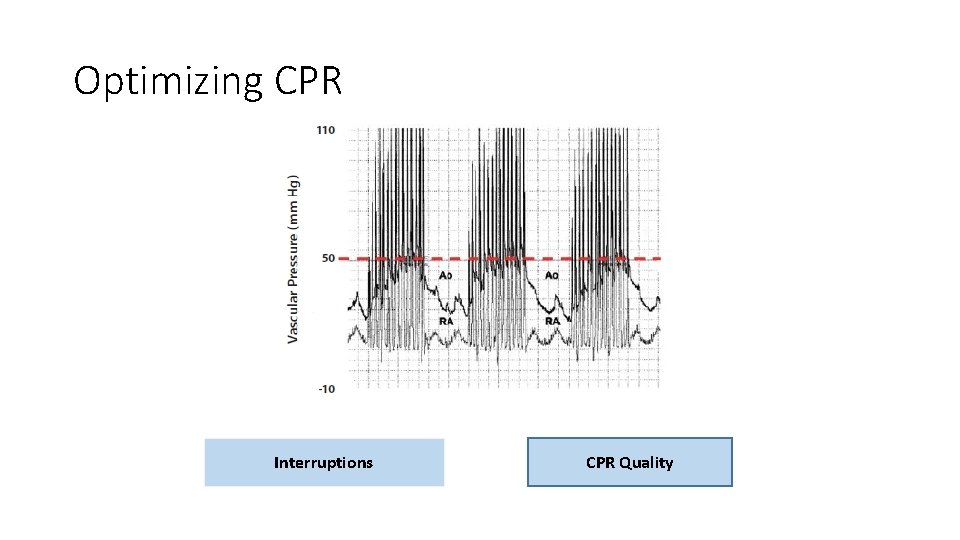
Optimizing CPR Interruptions CPR Quality
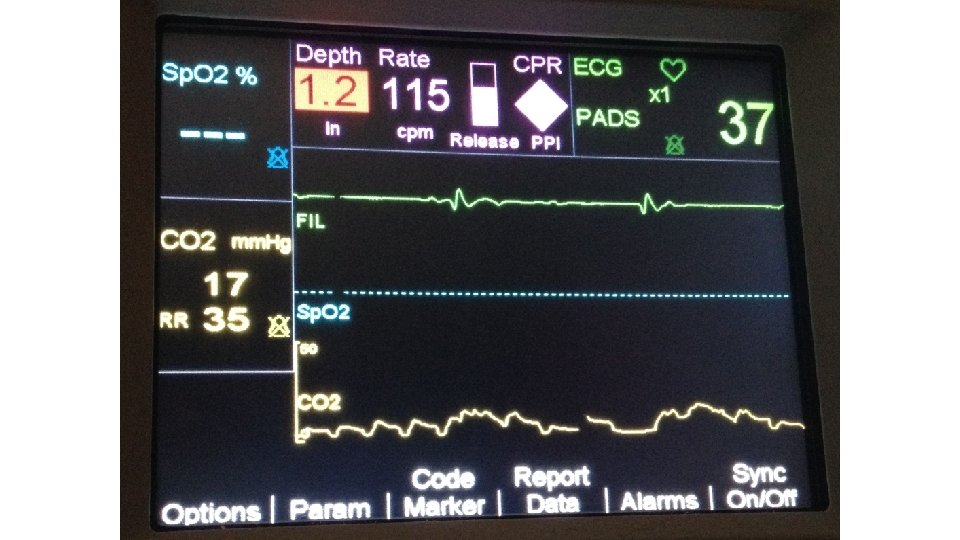
Perfect CPR – Real time feedback • Rate , depth, compression rate AND recoil for each compression. • Seamless continuous CPR achieved with filtered ECG. • NO interruptions for rhythm check – Filtered ECG
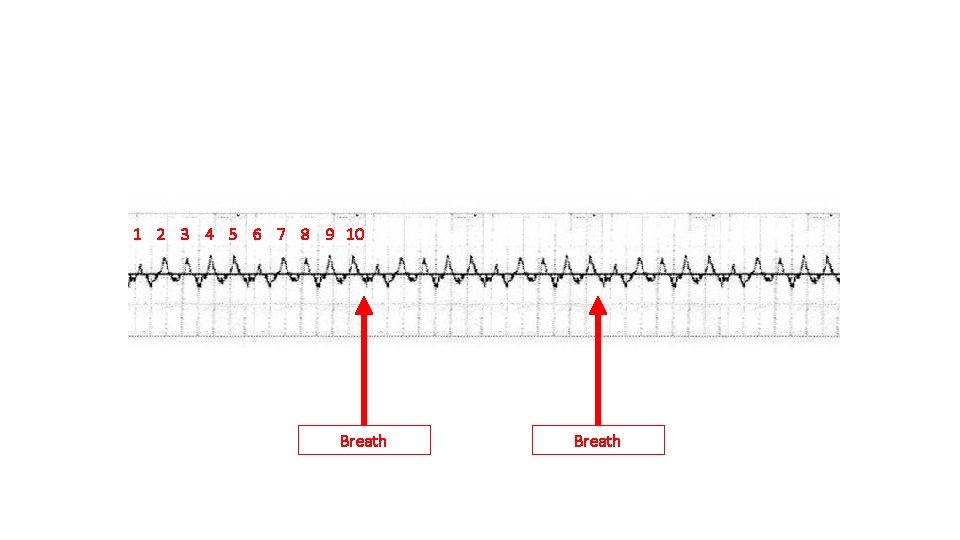
Ventilations? • NO interruptions for ventilation – synchronous ventilation • Single ventilation inserted on the upstroke of every 10 th compression. Although < 0. 4 sec, animal studies have shown adequate TV and minimal gastric insufflation due to negative intrathoracic pressure during upstroke
Upstroke Ventilation 1 2 3 4 5 6 7 8 9 10 Breath
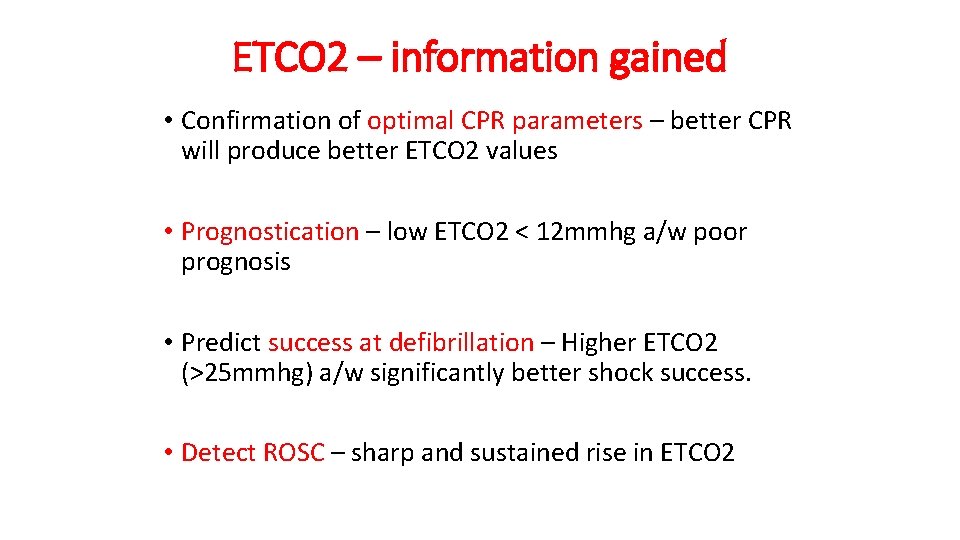
ETCO 2 – information gained • Confirmation of optimal CPR parameters – better CPR will produce better ETCO 2 values • Prognostication – low ETCO 2 < 12 mmhg a/w poor prognosis • Predict success at defibrillation – Higher ETCO 2 (>25 mmhg) a/w significantly better shock success. • Detect ROSC – sharp and sustained rise in ETCO 2
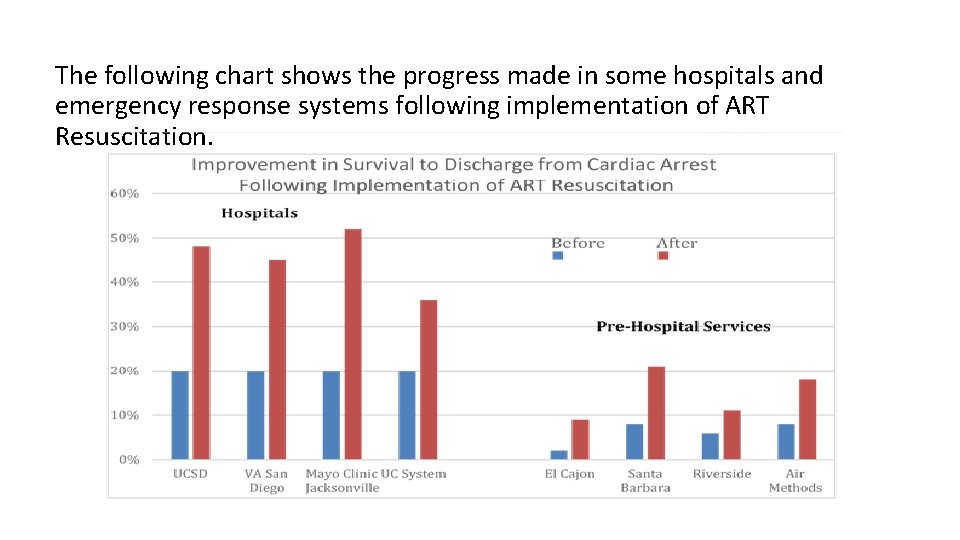
The following chart shows the progress made in some hospitals and emergency response systems following implementation of ART Resuscitation.
• Before and after study. • Improved survival to hospital discharge, improved neurological outcomes.
NTFGH & JCH Cardiac Activation (Reactive) –AUTOMATED CODE BLUE
NTFGH & JCH Cardiac & Peri-Arrest Alert & Activation (Predictive)
Cardiac Arrest Rate per 1000 patient admissions