
Introduction Reference Models Reference Models The OSI Reference
- Slides: 35
Introduction Reference Models
Reference Models • • • The OSI Reference Model The TCP/IP Reference Model A Comparison of OSI and TCP/IP A Critique of the OSI Model and Protocols A Critique of the TCP/IP Reference Model
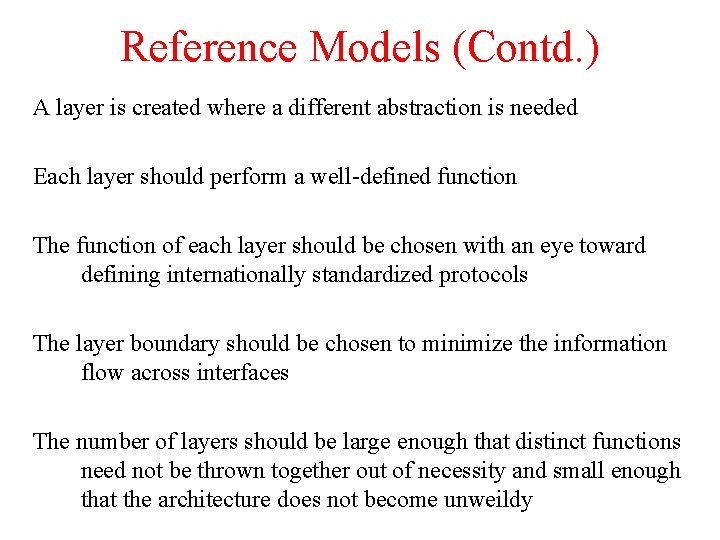
Reference Models (Contd. ) A layer is created where a different abstraction is needed Each layer should perform a well-defined function The function of each layer should be chosen with an eye toward defining internationally standardized protocols The layer boundary should be chosen to minimize the information flow across interfaces The number of layers should be large enough that distinct functions need not be thrown together out of necessity and small enough that the architecture does not become unweildy
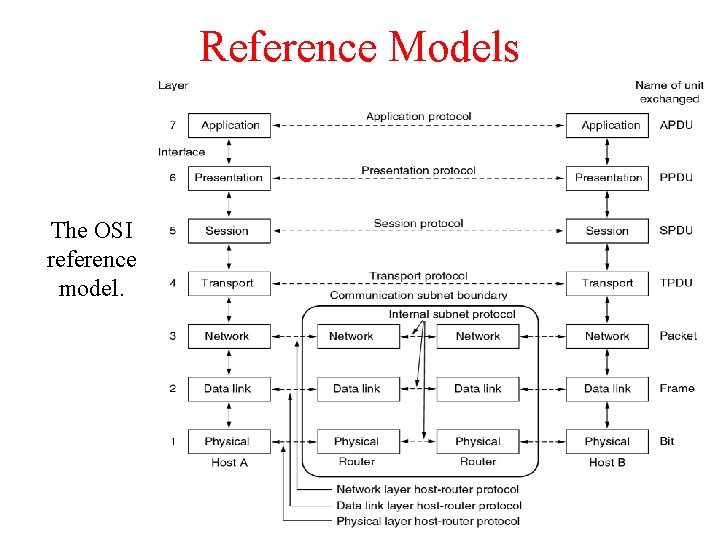
Reference Models The OSI reference model.
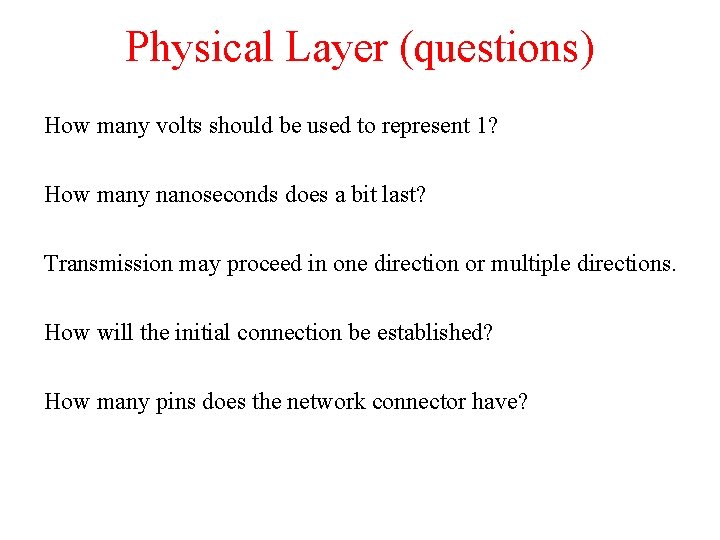
Physical Layer (questions) How many volts should be used to represent 1? How many nanoseconds does a bit last? Transmission may proceed in one direction or multiple directions. How will the initial connection be established? How many pins does the network connector have?
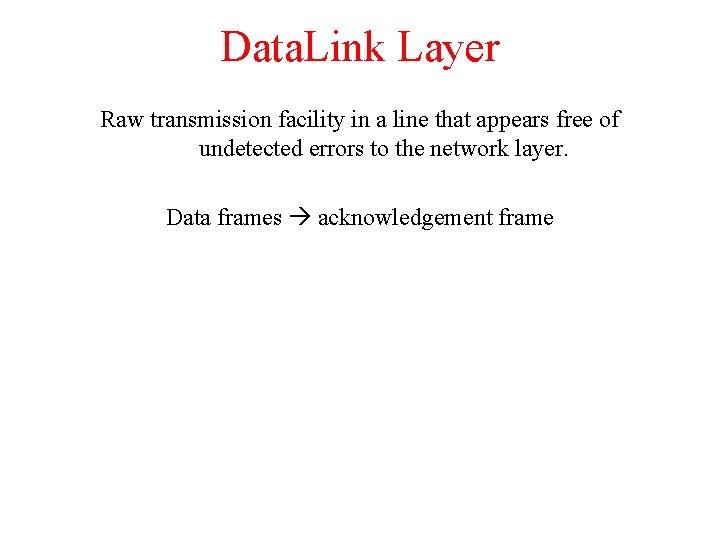
Data. Link Layer Raw transmission facility in a line that appears free of undetected errors to the network layer. Data frames acknowledgement frame
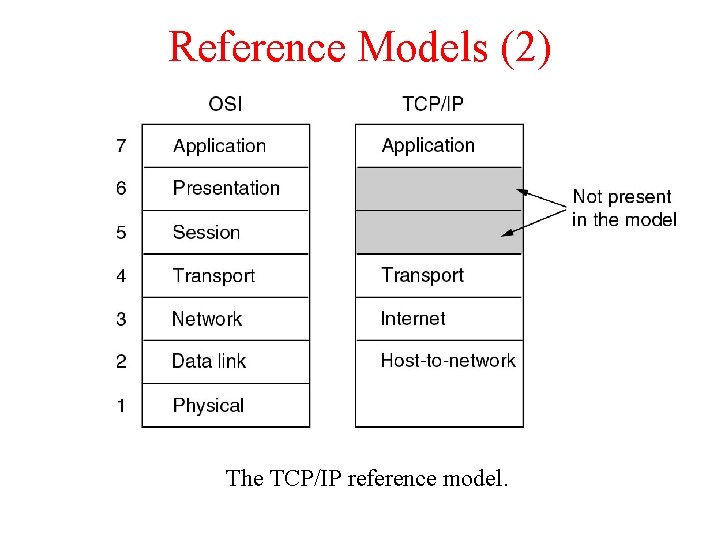
Reference Models (2) The TCP/IP reference model.
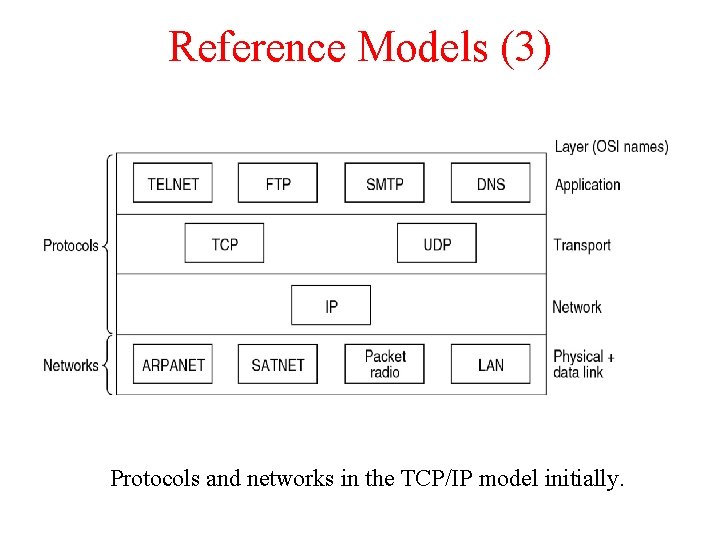
Reference Models (3) Protocols and networks in the TCP/IP model initially.
IP Layer Packet Switching Transport Layer TCP – Flow control UDP – Fast Delivery
Comparing OSI and TCP/IP Models Concepts central to the OSI model • Services • Interfaces • Protocols TCP – retrofit/ OSI – Data. Link Layer (point-to-point)
Differences between OSI and TCP/IP model OSI model supports connectionless and connection-oriented communication in the network layer but only connectionoriented communication in the transport layer TCP/IP model has one mode in the network layer (connectionless) but supports both modes in the transport layer
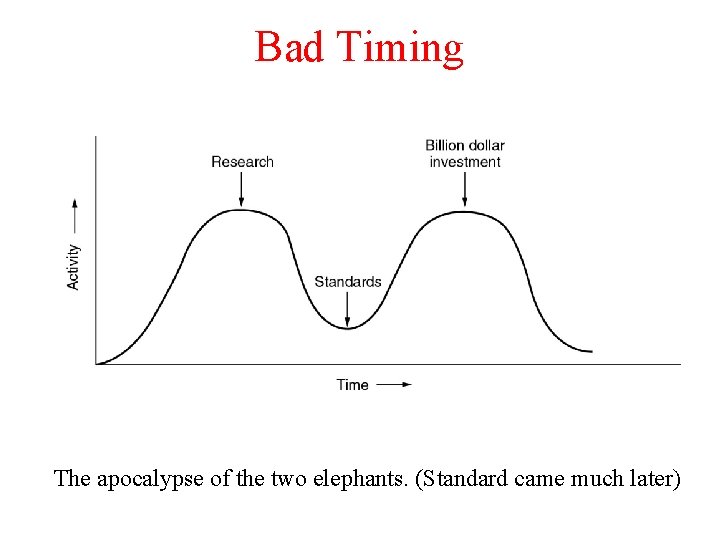
A Critique of the OSI Model and Protocols Why OSI did not take over the world • Bad timing • Bad technology • Bad implementations • Bad politics
Bad Timing The apocalypse of the two elephants. (Standard came much later)
Bad Implementation Initial version were huge, unwieldy and slow. Bad Politics TCP/IP part of Unix, OSI – governement pushed
A Critique of the TCP/IP Reference Model Problems: • Service, interface, and protocol not distinguished • Not a general model • Host-to-network “layer” not really a layer • No mention of physical and data link layers • Minor protocols deeply entrenched, hard to replace
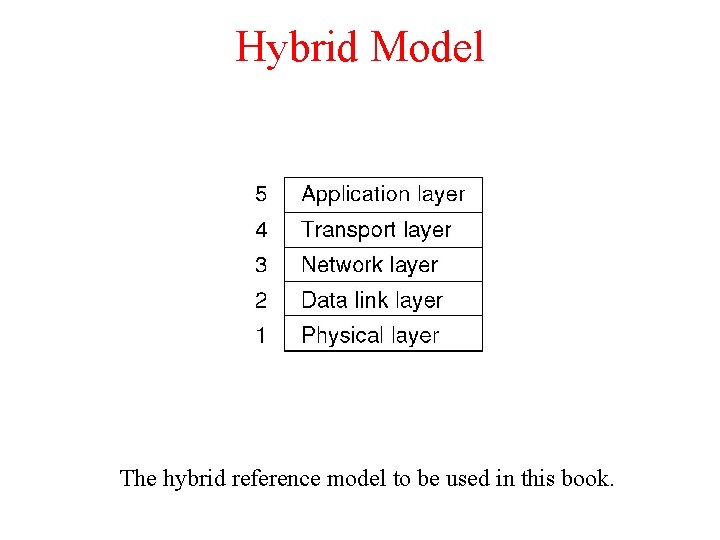
Hybrid Model The hybrid reference model to be used in this book.
Example Networks • The Internet • Connection-Oriented Networks: X. 25, Frame Relay, and ATM • Ethernet • Wireless LANs: 802: 11
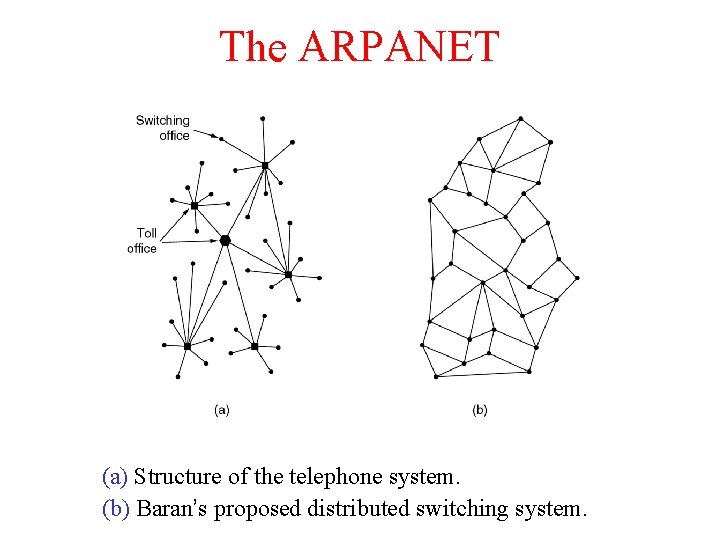
The ARPANET (a) Structure of the telephone system. (b) Baran’s proposed distributed switching system.
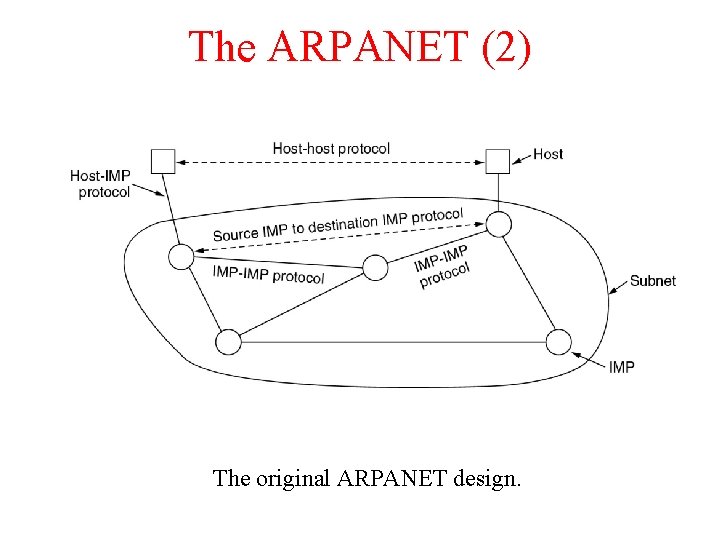
The ARPANET (2) The original ARPANET design.
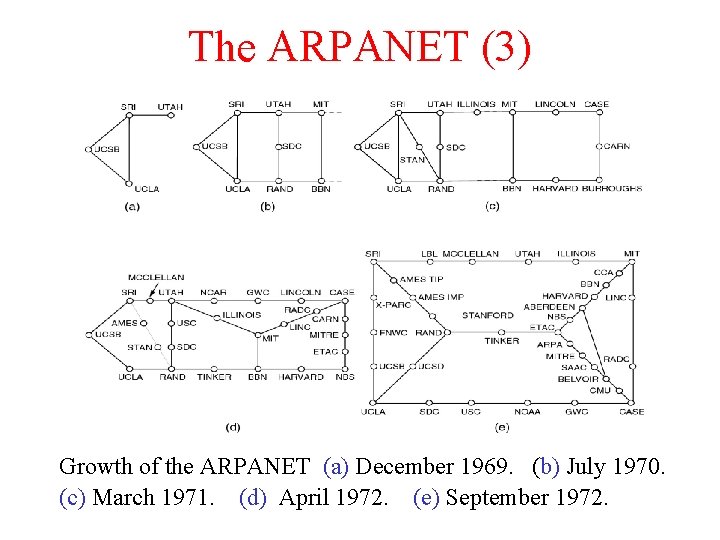
The ARPANET (3) Growth of the ARPANET (a) December 1969. (b) July 1970. (c) March 1971. (d) April 1972. (e) September 1972.
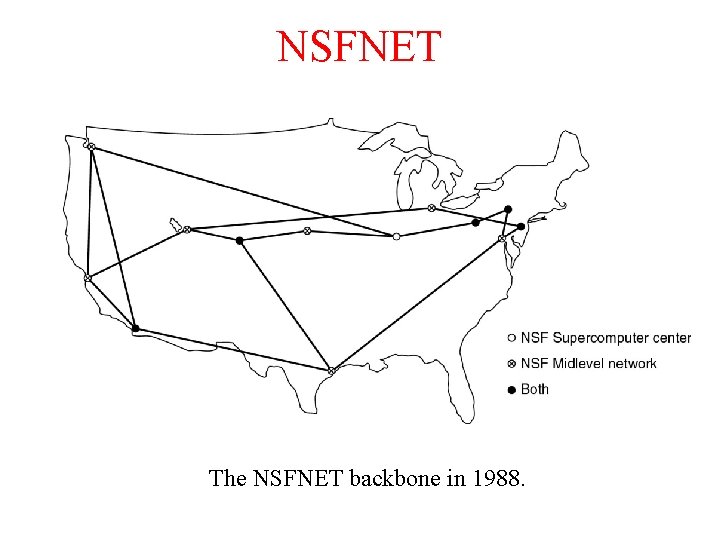
NSFNET The NSFNET backbone in 1988.
Internet Usage Traditional applications (1970 – 1990) • E-mail • News • Remote login • File transfer
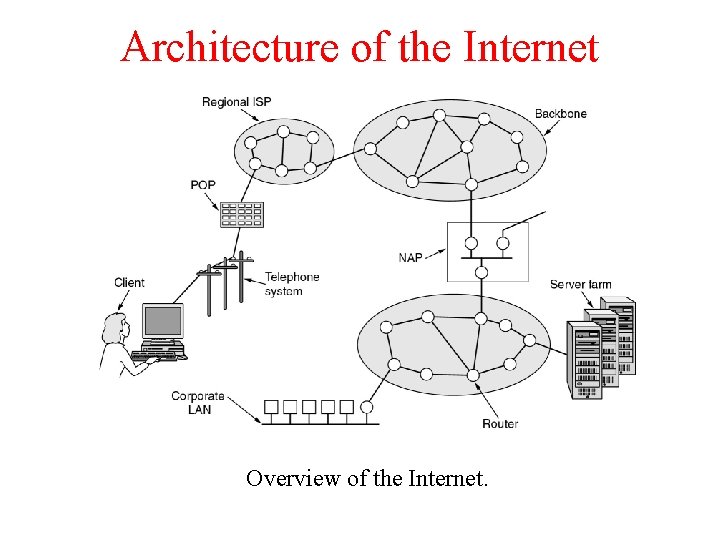
Architecture of the Internet Overview of the Internet.
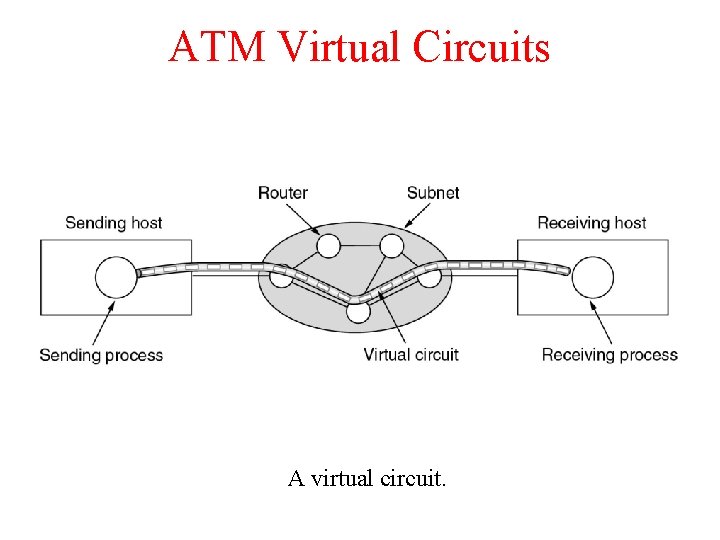
ATM Virtual Circuits A virtual circuit.
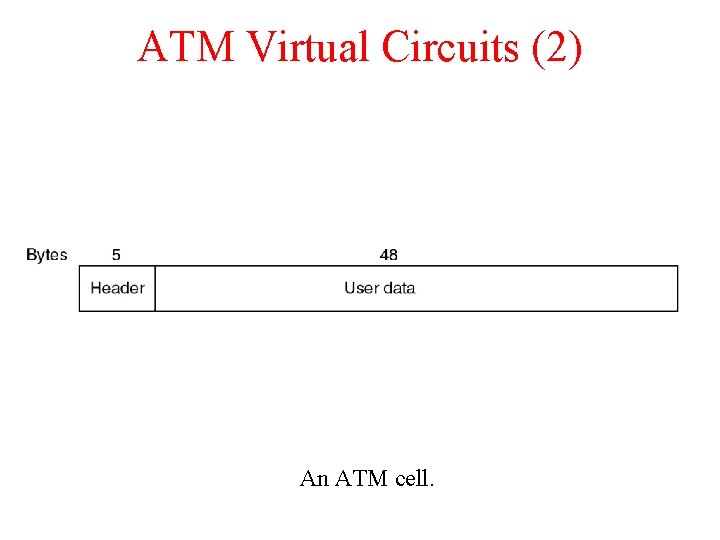
ATM Virtual Circuits (2) An ATM cell.
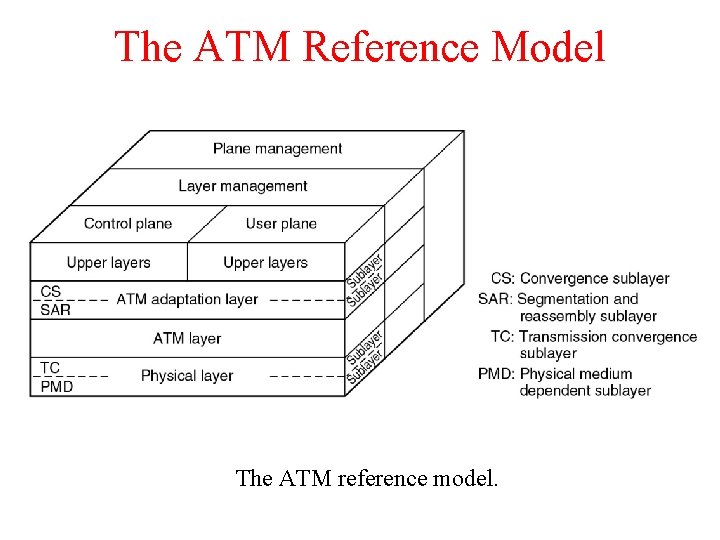
The ATM Reference Model The ATM reference model.
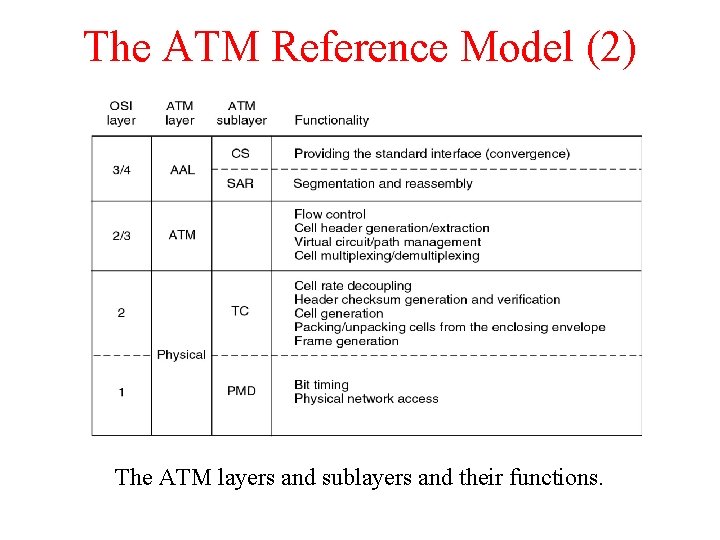
The ATM Reference Model (2) The ATM layers and sublayers and their functions.
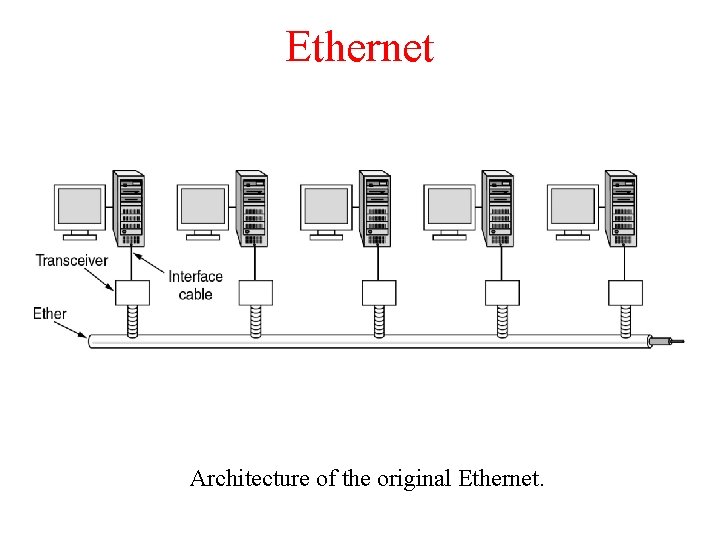
Ethernet Architecture of the original Ethernet.
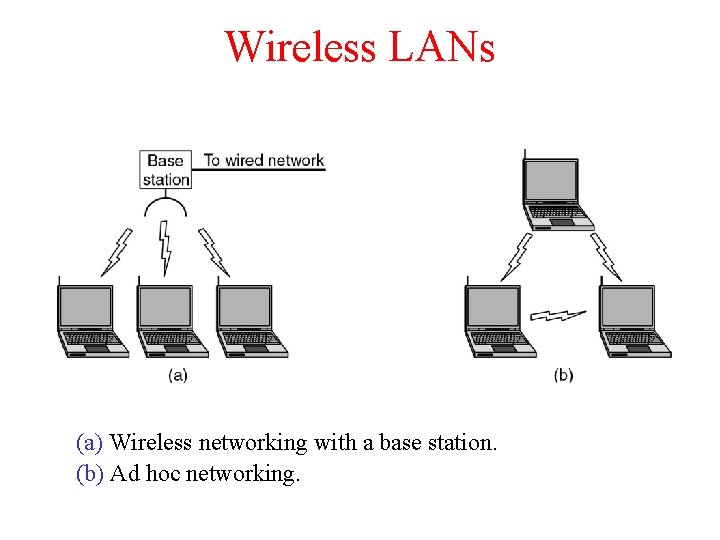
Wireless LANs (a) Wireless networking with a base station. (b) Ad hoc networking.
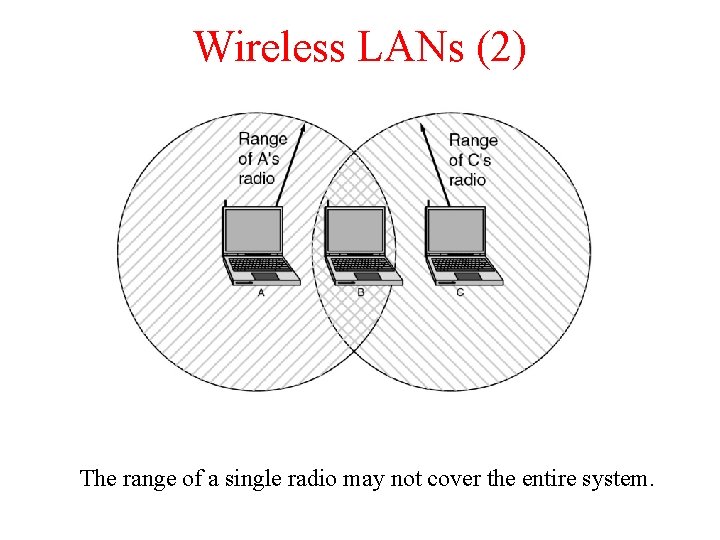
Wireless LANs (2) The range of a single radio may not cover the entire system.
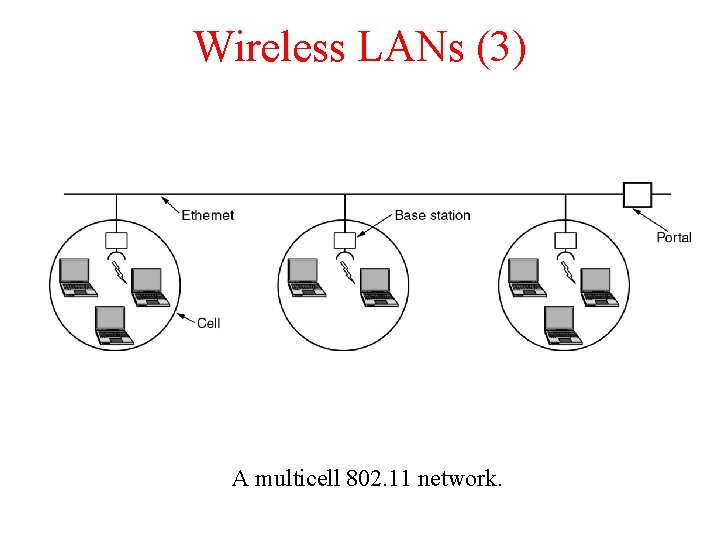
Wireless LANs (3) A multicell 802. 11 network.
Network Standardization • • • Who’s Who in the Telecommunications World Who’s Who in the International Standards World Who’s Who in the Internet Standards World
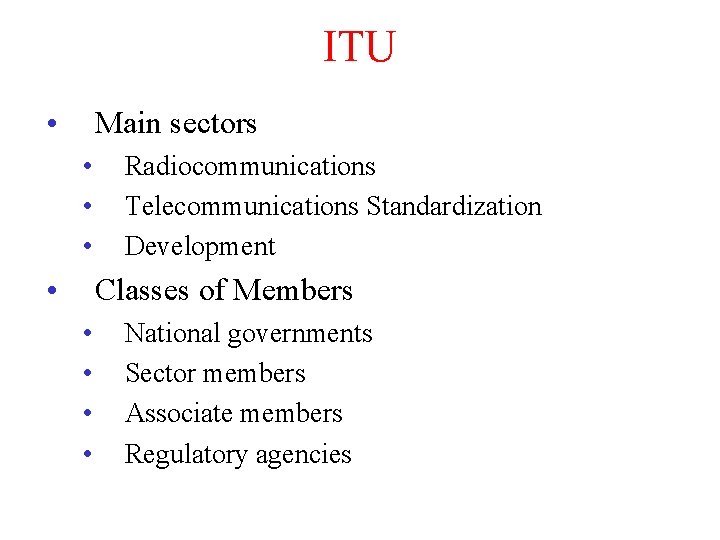
ITU • Main sectors • • Radiocommunications Telecommunications Standardization Development Classes of Members • • National governments Sector members Associate members Regulatory agencies
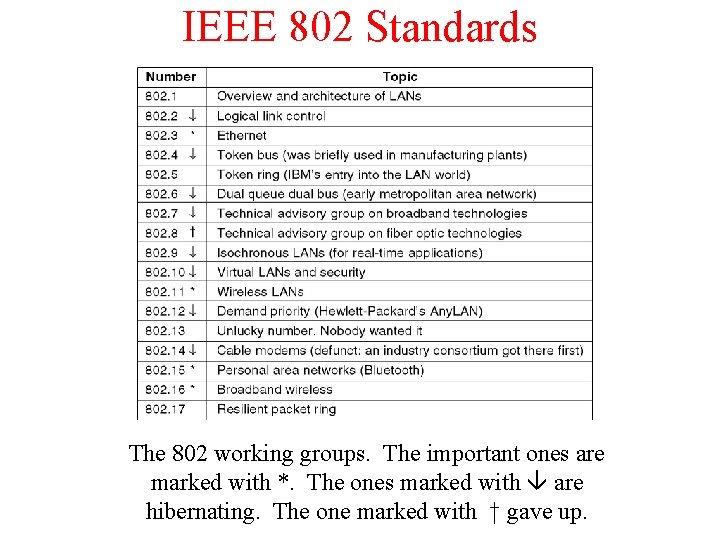
IEEE 802 Standards The 802 working groups. The important ones are marked with *. The ones marked with are hibernating. The one marked with † gave up.
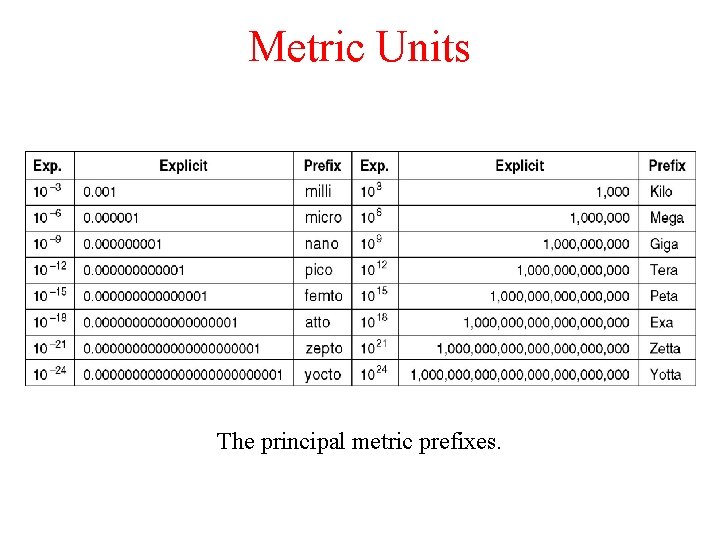
Metric Units The principal metric prefixes.