
INTRODUCTION MECHANISM SYMPTOMS DIAGNOSIS TREATMENT CONCLUSION LUPUS Afraah
- Slides: 26
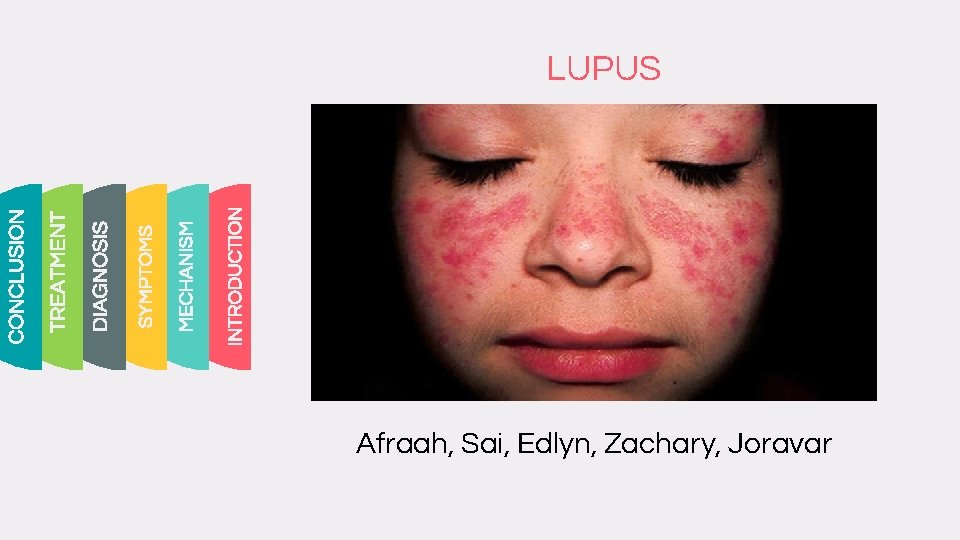
INTRODUCTION MECHANISM SYMPTOMS DIAGNOSIS TREATMENT CONCLUSION LUPUS Afraah, Sai, Edlyn, Zachary, Joravar
INTRODUCTION MECHANISM SYMPTOMS DIAGNOSIS TREATMENT CONCLUSION • • Clinical Name: Lupus Erythematosus autoimmune chronic disease ○ immune system produces antibodies in abundance ○ body’s immune system attack healthy tissues (Askanase et al. , 2012). Lupus ○ derived from the rash people develop as a result of the disease and how it looks similar to a bite from a wolf. ○ First case was reported in 1874 (Adelman et al. , 1986) Usually not life-threatening ○ positively correlated with a shorter lifespan ○ severe cases directly leads to death. INTRODUCTION What is Lupus?
INTRODUCTION Types of Lupus Three subtypes of lupus that are common in clinical settings include: • Acute cutaneous lupus erythematosus (ACLE) ○ Local rash ○ Less severe • Subacute cutaneous lupus erythematosus (SCLE) ○ Affects multiple body systems simultaneously ○ Often affected by sun exposure ■ head, shoulders, neck, etc. with rashes • Chronic Cutaneous lupus erythematosus (CCLE) ○ less common forms like lupus timidus, lupus profundus and chilblain lupus ○ Depends on types of sensitivity to the sun ○ How lesions are formed etc. INTRODUCTION MECHANISM SYMPTOMS DIAGNOSIS TREATMENT CONCLUSION (Walling, 2009)
INTRODUCTION MECHANISM SYMPTOMS DIAGNOSIS TREATMENT CONCLUSION • • Female sex hormones are linked with a higher prevalence Twin studies ○ In dizygotic twins there is a 1 -5% chance of the disease in both twins ○ In monozygotic twins a 29 -57% chance of the disease in both twins ○ Genetic component ■ no specific gene contributes to getting the disease ○ Environment ■ twins that did not express the genes for the disease is linked to the differences in the environment (Askanase et al. , 2012). INTRODUCTION Risk Factors
INTRODUCTION MECHANISM SYMPTOMS DIAGNOSIS TREATMENT CONCLUSION • • Women are more likely to be affected (9 women: 1 man). ○ From 20 -45 years old (15: 1 compared to men) (Askanase et al. , 2012). ○ linked to female sex hormones Prevalence records of lupus around the world (2006) ○ Non-Caucasians are more likely to have the disease then Caucasians (Lau et al. , 2006) ○ Indians, Afro-Americans, Chinese and Japanese had higher rates of prevalence than Caucasians from North America or England ○ may have less socio economic advantages making their rates inflated compared to Caucasians INTRODUCTION Epidemiology
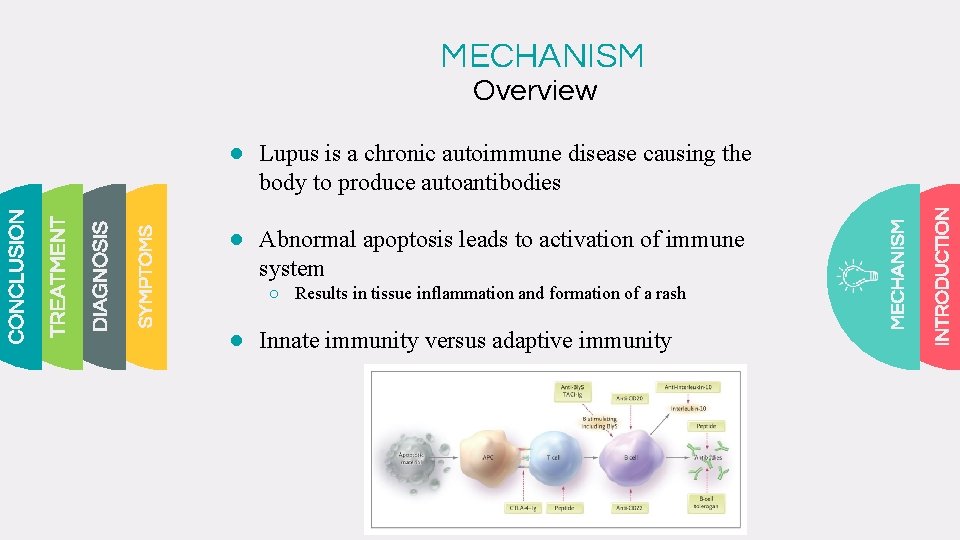
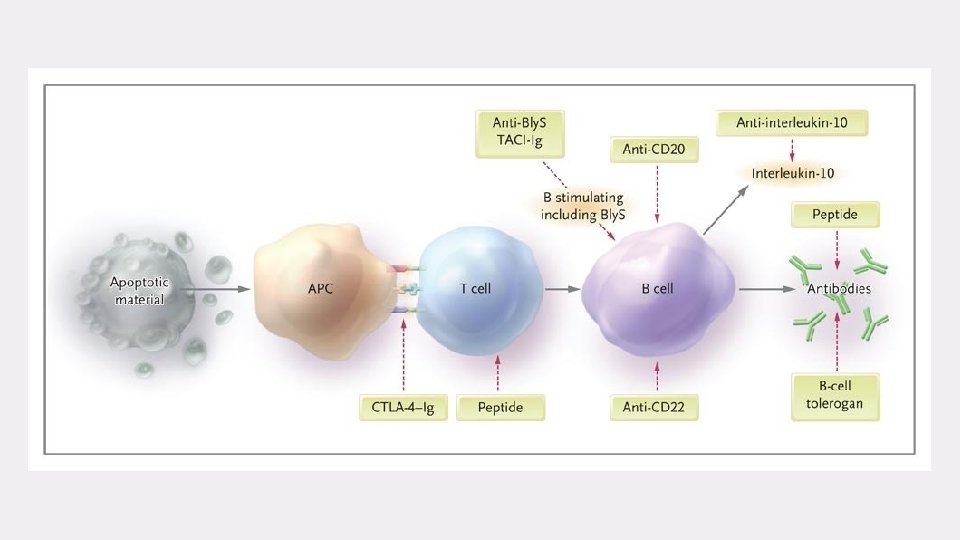
MECHANISM Overview ○ Results in tissue inflammation and formation of a rash ● Innate immunity versus adaptive immunity INTRODUCTION ● Abnormal apoptosis leads to activation of immune system MECHANISM SYMPTOMS DIAGNOSIS TREATMENT CONCLUSION ● Lupus is a chronic autoimmune disease causing the body to produce autoantibodies
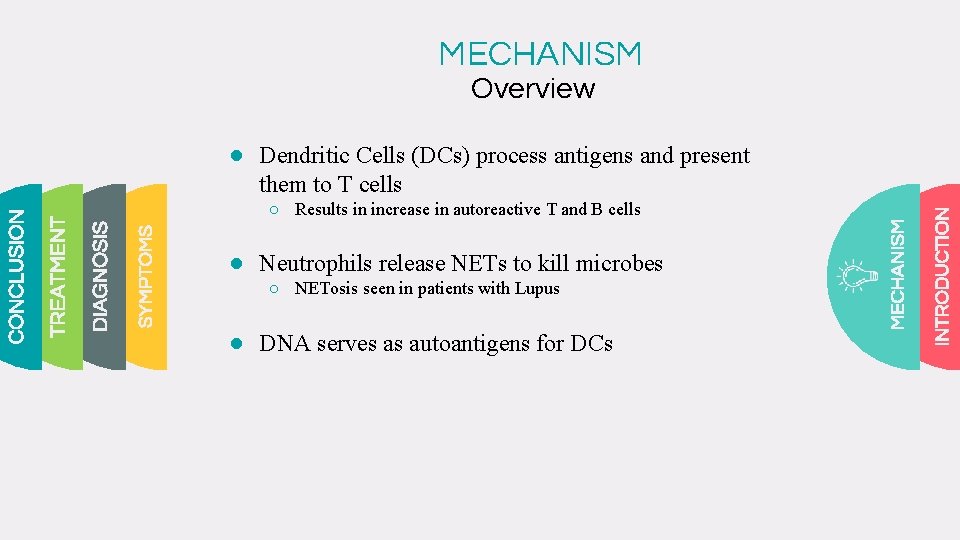
MECHANISM Overview ○ NETosis seen in patients with Lupus ● DNA serves as autoantigens for DCs INTRODUCTION ● Neutrophils release NETs to kill microbes MECHANISM SYMPTOMS ○ Results in increase in autoreactive T and B cells DIAGNOSIS TREATMENT CONCLUSION ● Dendritic Cells (DCs) process antigens and present them to T cells
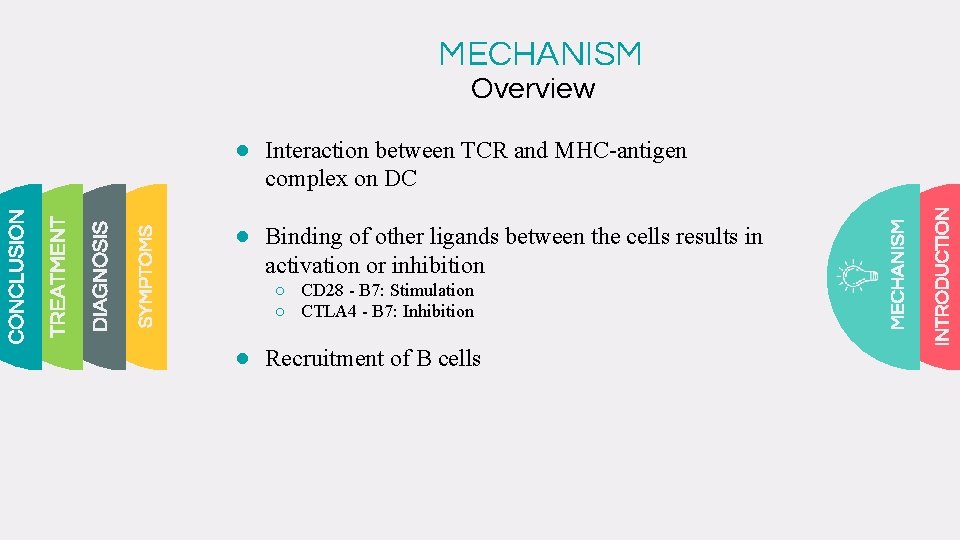
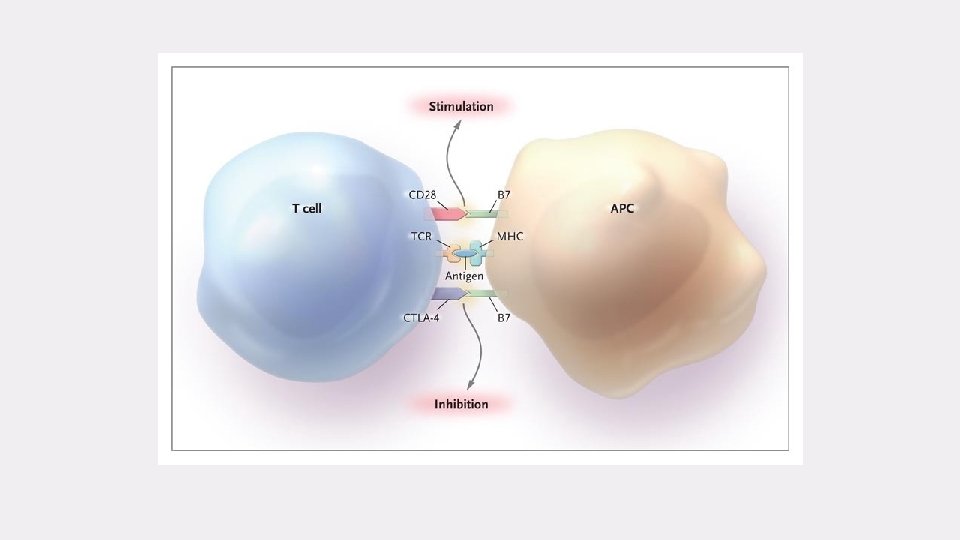
MECHANISM Overview ○ CD 28 - B 7: Stimulation ○ CTLA 4 - B 7: Inhibition ● Recruitment of B cells INTRODUCTION ● Binding of other ligands between the cells results in activation or inhibition MECHANISM SYMPTOMS DIAGNOSIS TREATMENT CONCLUSION ● Interaction between TCR and MHC-antigen complex on DC
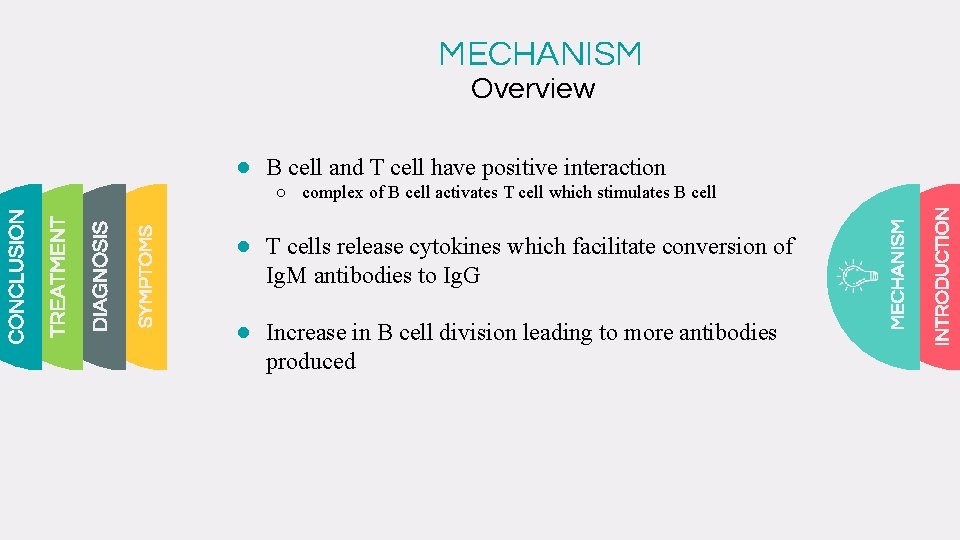
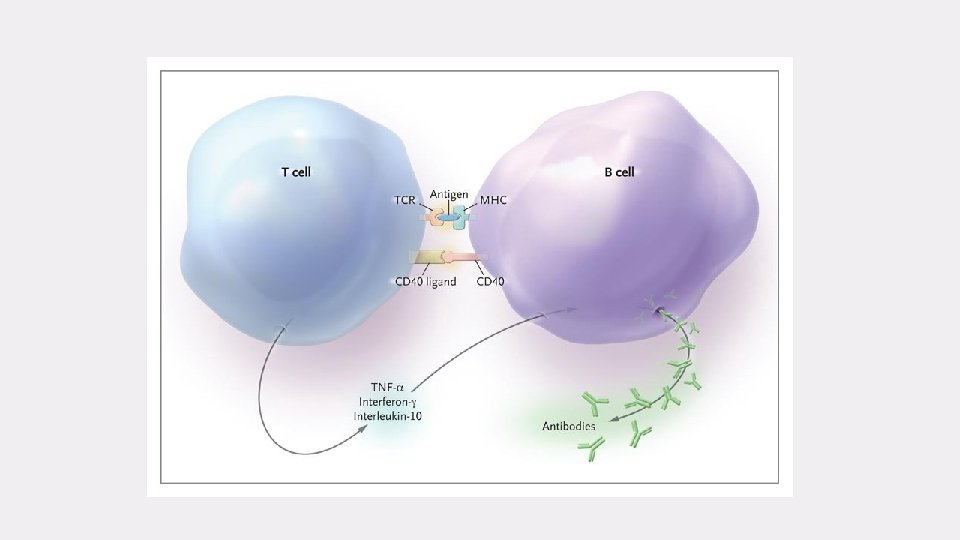
MECHANISM Overview ● B cell and T cell have positive interaction ● Increase in B cell division leading to more antibodies produced INTRODUCTION ● T cells release cytokines which facilitate conversion of Ig. M antibodies to Ig. G MECHANISM SYMPTOMS DIAGNOSIS TREATMENT CONCLUSION ○ complex of B cell activates T cell which stimulates B cell
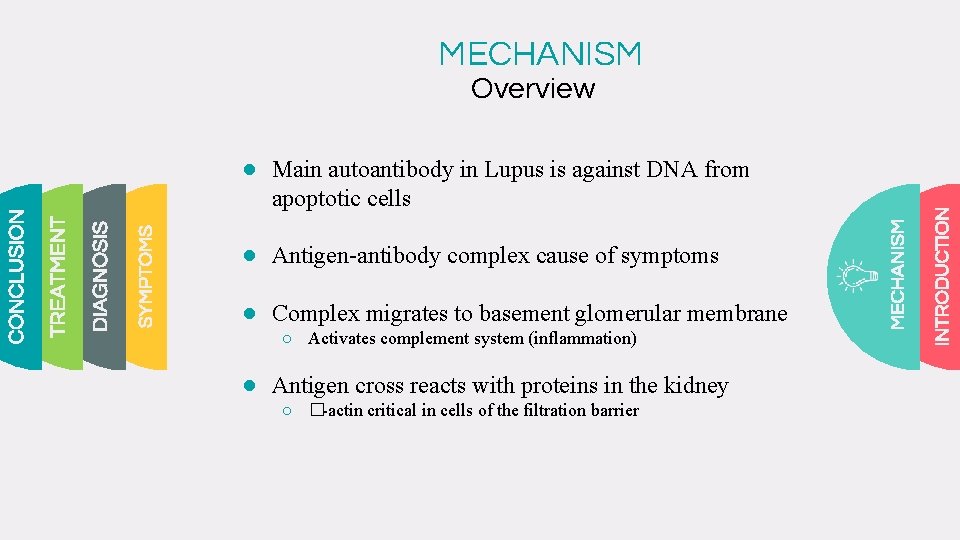
MECHANISM ● Complex migrates to basement glomerular membrane ○ Activates complement system (inflammation) ● Antigen cross reacts with proteins in the kidney ○ �-actin critical in cells of the filtration barrier INTRODUCTION ● Antigen-antibody complex cause of symptoms MECHANISM SYMPTOMS DIAGNOSIS ● Main autoantibody in Lupus is against DNA from apoptotic cells TREATMENT CONCLUSION Overview
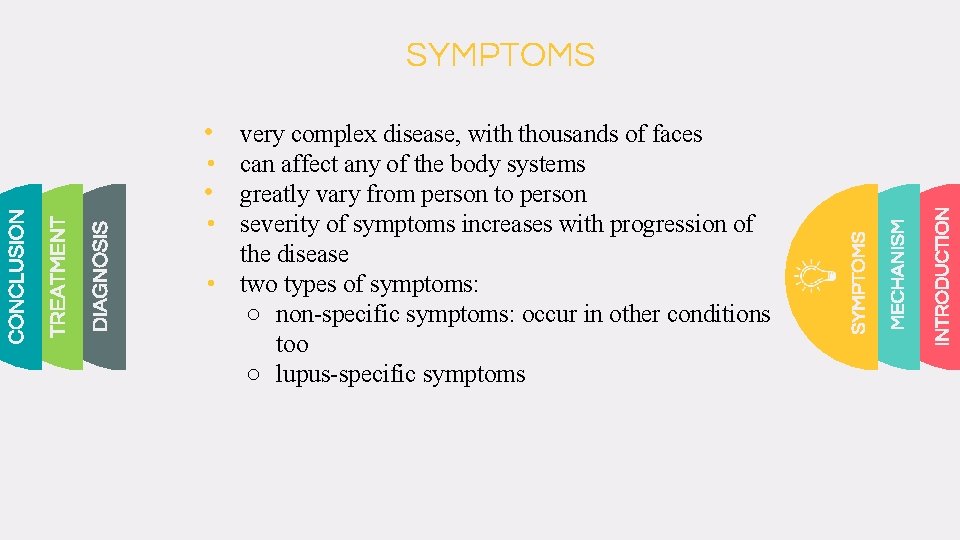
SYMPTOMS INTRODUCTION MECHANISM • can affect any of the body systems • greatly vary from person to person • severity of symptoms increases with progression of the disease • two types of symptoms: ○ non-specific symptoms: occur in other conditions too ○ lupus-specific symptoms SYMPTOMS DIAGNOSIS TREATMENT CONCLUSION • very complex disease, with thousands of faces
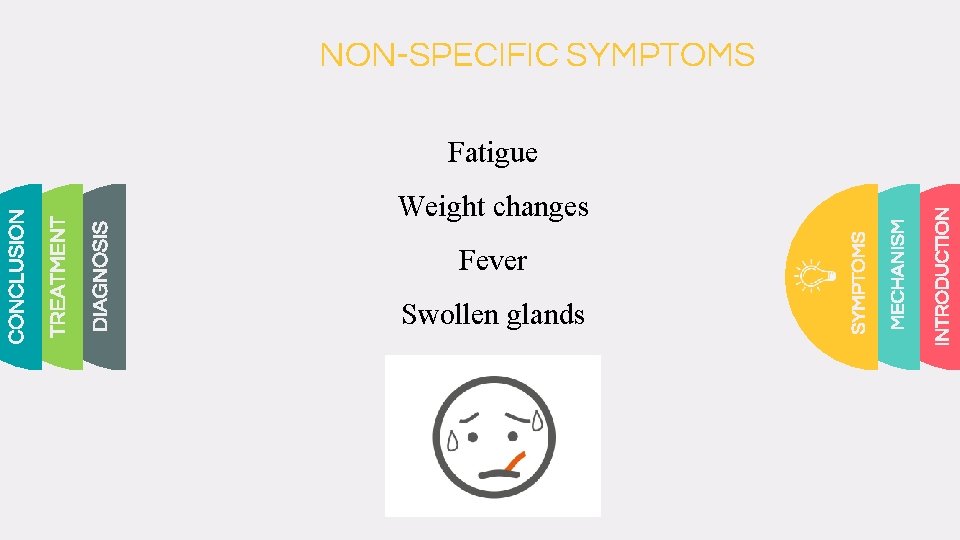
NON-SPECIFIC SYMPTOMS Swollen glands INTRODUCTION Fever MECHANISM Weight changes SYMPTOMS DIAGNOSIS TREATMENT CONCLUSION Fatigue
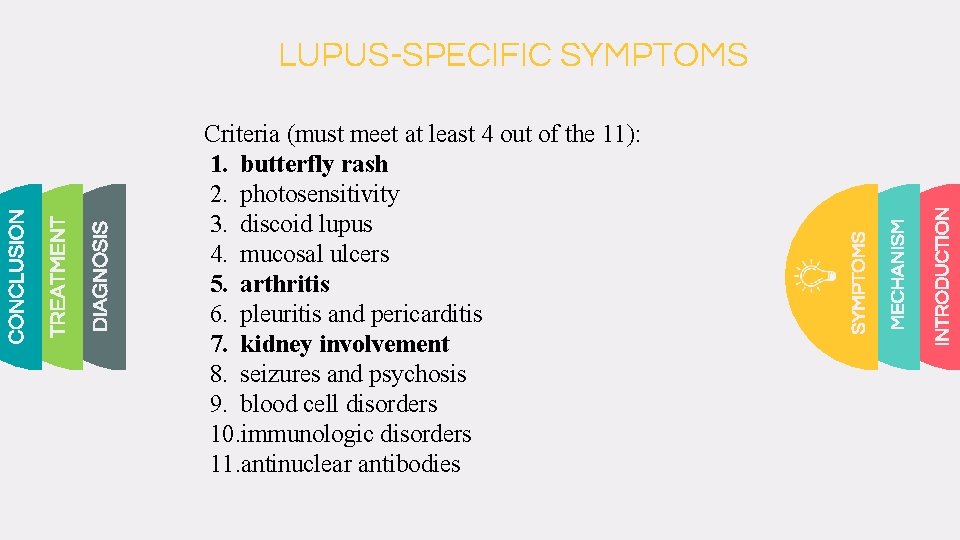
INTRODUCTION MECHANISM Criteria (must meet at least 4 out of the 11): 1. butterfly rash 2. photosensitivity 3. discoid lupus 4. mucosal ulcers 5. arthritis 6. pleuritis and pericarditis 7. kidney involvement 8. seizures and psychosis 9. blood cell disorders 10. immunologic disorders 11. antinuclear antibodies SYMPTOMS DIAGNOSIS TREATMENT CONCLUSION LUPUS-SPECIFIC SYMPTOMS
OTHER COMMON SYMPTOMS • Hair loss • Headaches • Persistent high blood pressure INTRODUCTION • Vasculitis MECHANISM • Raynaud's phenomenon SYMPTOMS DIAGNOSIS TREATMENT CONCLUSION • Subacute cutaneous lupus erythematosus
DIAGNOSIS ● Combination of blood tests, urine tests, tissue biopsies, and/or imaging test are used to diagnose lupus INTRODUCTION MECHANISM ● It is not possible to diagnosis a person with lupus using just one test SYMPTOMS ● Symptoms resemble or overlap other diseases DIAGNOSIS ● Signs and symptoms are wide-ranging & vary from person to person TREATMENT CONCLUSION A Disease With Many Faces
DIAGNOSIS Blood Tests Anti-phospholipid antibody (APLs) ● attacks phospholipids ● 50% of people with lupus will test positive for APLs ○ indicates a higher risk of blood clots, stroke, and pulmonary hypertension ○ higher risk for pregnancy complications INTRODUCTION attacks nuclei of cells most sensitive diagnostic test for confirming llupus 98% of people with lupus will have a positive result for ANA test 5 -10% of healthy people will also have a positive ANA MECHANISM ● ● SYMPTOMS Anti-nuclear antibody (ANAs) DIAGNOSIS TREATMENT CONCLUSION One blood test confirming the presence of an autoantibody cannot be conclusive
DIAGNOSIS Anti-double-stranded DNA antibody (Anti-ds. DNA) Anti-Ro/SSA and Anti-La/SSB antibodies ● ● commonly found in people with lupus who have tested negative for ANA in 30 -40% of people with lupus in 15% of people without lupus and other disorders pregnant mother with lupus that has these antibodies have an increased chance that the baby will have neonatal lupus INTRODUCTION attacks ribonucleoproteins, located in the nucleus of a cell found ALMOST exclusively in people with lupus 20% of people with lupus <1% of healthy people and other disorders MECHANISM ● ● SYMPTOMS Anti-smith antibody (Anti-Sm antibody) DIAGNOSIS TREATMENT CONCLUSION ● attacks DNA ● in 30% of people with lupus ○ indicates a more serious form of lupus, such as lupus nephritis ● in <1% of people without lupus ● the absence of this antibody doesn’t eliminate the possibility of lupus
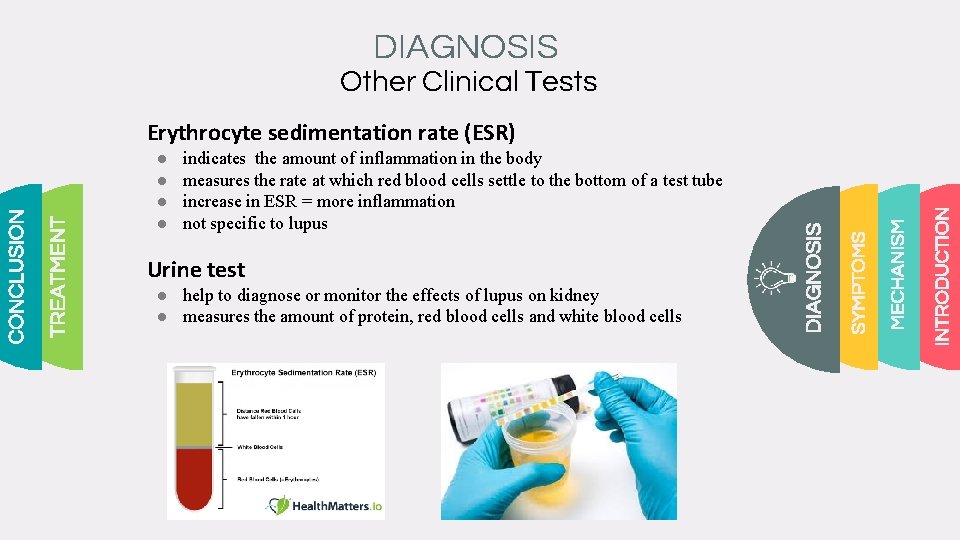
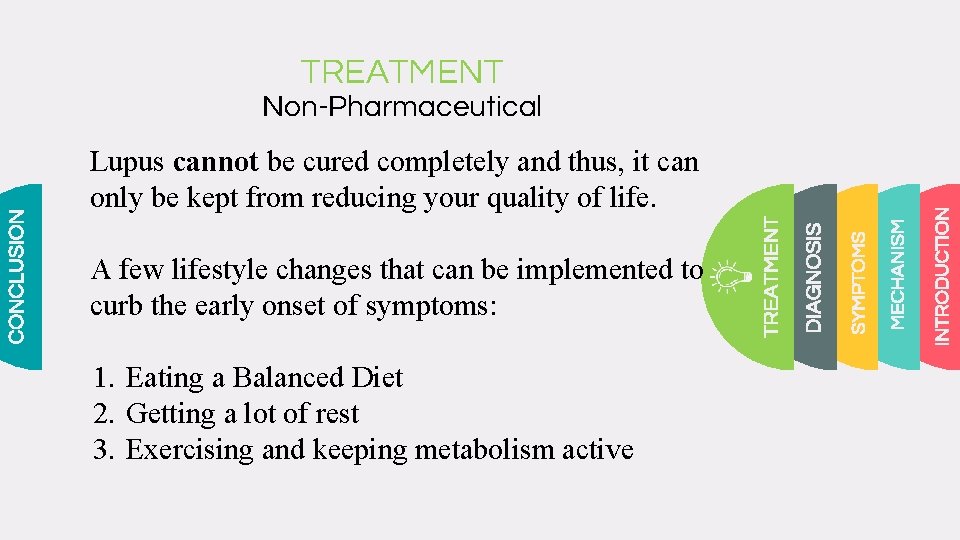
DIAGNOSIS Other Clinical Tests ● help to diagnose or monitor the effects of lupus on kidney ● measures the amount of protein, red blood cells and white blood cells INTRODUCTION Urine test MECHANISM indicates the amount of inflammation in the body measures the rate at which red blood cells settle to the bottom of a test tube increase in ESR = more inflammation not specific to lupus SYMPTOMS ● ● DIAGNOSIS TREATMENT CONCLUSION Erythrocyte sedimentation rate (ESR)
TREATMENT 1. Eating a Balanced Diet 2. Getting a lot of rest 3. Exercising and keeping metabolism active INTRODUCTION MECHANISM SYMPTOMS A few lifestyle changes that can be implemented to curb the early onset of symptoms: DIAGNOSIS Lupus cannot be cured completely and thus, it can only be kept from reducing your quality of life. TREATMENT CONCLUSION Non-Pharmaceutical
TREATMENT Pharmaceutical Corticosteroids (ie. Prednisone) ● ● helps with pain in various organs such as liver, kidney etc work by inhibiting the immune response that is often inflated in lupus patients can be injected via IV or taken through a pill side effects include muscle weakness, diabetes and cataracts INTRODUCTION helps with skin rashes, mouth sores etc since symptoms are similar to Malaria, drugs used can overlap drugs can also help protector from harmful UV rays these drugs can increase the risk for blood clotting MECHANISM ● ● SYMPTOMS Anti-Malarial Drugs (ie. Malarone) DIAGNOSIS ● helps with swelling of joints and sometimes, fever ● very affordable as they are over the counter NSAIDS ● overdose can cause organ damage and increase risk of heart attack TREATMENT CONCLUSION Anti-Inflammatory Drugs (ie. Ibuprofen)
TREATMENT Pharmaceutical anticoagulants work by blood thinning and thus, reducing blood clots Monoclonal antibodies are given through IV and target immune cells these drugs reduce the need for direct steroid use they haven't been tested by huge general populations yet (just recently FDA approved) INTRODUCTION ● ● MECHANISM Anticoagulants and Monoclonal Antibodies (ie. Benlysta) SYMPTOMS helps with organ damage and related symptoms reduces overall immune response within the body work similarly to corticosteroids in the body taken alongside corticosteroids because overall side effects can be reduced side effects include potential increase in getting cancer DIAGNOSIS ● ● ● TREATMENT CONCLUSION Immunosuppressive Drugs (ie. Cyclosporine)
CONCLUSION ● there is no cure, treatments can only help to manage the disease INTRODUCTION MECHANISM SYMPTOMS ● diagnosis of lupus requires many laboratory tests DIAGNOSIS ● general symptoms are not specific, vary from person to person TREATMENT ● causes diverse abnormalities in various body parts CONCLUSION ● chronic autoimmune disorder that are more prevalent in women
References Adelman, D. C. , Saltiel, E. , & Klinenberg, J. R. (1986, February). The neuropsychiatric manifestations of systemic lupus erythematosus: an overview. In Seminars in arthritis and rheumatism (Vol. 15, No. 3, pp. 185 -199). WB Saunders. Askanase, A. , Shum, K. , & Mitnick, H. (2012). Systemic lupus erythematosus: an overview. Social work in health care, 51(7), 576586. Brazier, Y. (2018, November 12). What is lupus? Medical News Today. Retrieved from https: //www. medicalnewstoday. com/articles/323653. php Elkon, K. , & Casali, P. (2008). Nature and functions of autoantibodies. Nature clinical practice. Rheumatology, 4(9), 491 -8. Fortuna, G. , & Brennan, M. (2013). Systemic lupus erythematosus. Dental Clinics of North America, 57(4), 631 -655. http: //dx. doi. org/10. 1016/j. cden. 2013. 06. 003 John Hopkins Lupus Center. (2018). Lupus tests. Retrieved from https: //www. hopkinslupus. org/lupus-tests/ Lau, C. S. , Yin, G. , & Mok, M. Y. (2006). Ethnic and geographical differences in systemic lupus erythematosus: an overview. Lupus, 15(11), 715 -719. Lupus Foundation of America. (2013). How lupus is diagnosed: an overview. Retrieved from https: //www. lupus. org/resources/how -lupus-is-diagnosed-an-overview Mielczarek, L. (2017). Living-Symptoms of SLE. Retrieved from https: //www. lupuscanada. org/living-symptoms-of-sle Rahman, A. , & Isenberg, D. A. (2008). Systemic Lupus Erythematosus. New England Journal of Medicine, 358(9), 929– 939. https: //doi. org/10. 1056/NEJMra 071297 Suryanarayan, D. & Garcia, D. (2014). Anti-phospholipid antibodies and pregnancy. The Hematologist, 11(4). Walling, H. W. , & Sontheimer, R. D. (2009). Cutaneous lupus erythematosus. American journal of clinical dermatology, 10(6), 365 -381.