
Introduction Biology 201 Organismal Structure Function Animal Phase
Introduction Biology 201 Organismal Structure & Function Animal Phase Dr. Tony Serino
Structure & Function • Anatomy –study of body structures and relationships • Physiology –study of body mechanisms (homeostasis)
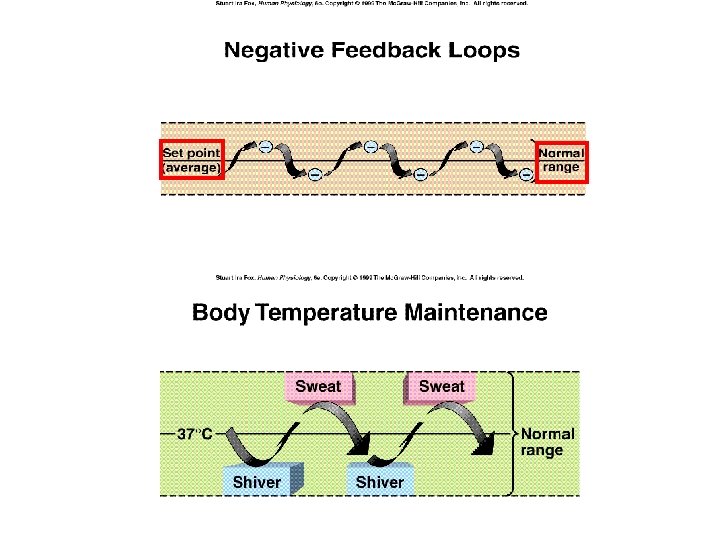
Homeostasis • Maintenance of a constant internal environment • Uses a reflex arc to self regulate • Reflex functions to maintain a certain set point with a narrow physiological range
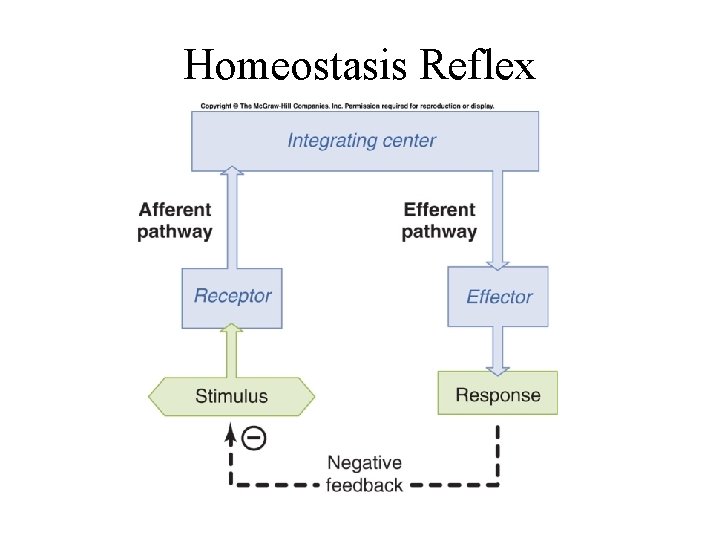
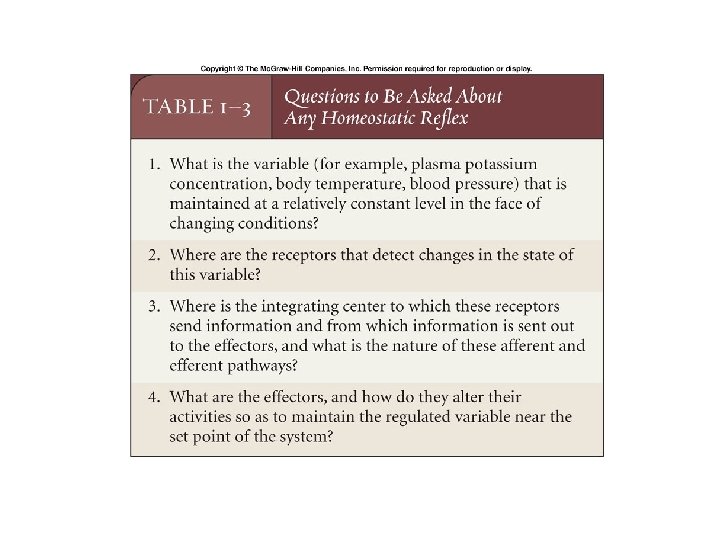
Homeostasis Reflex
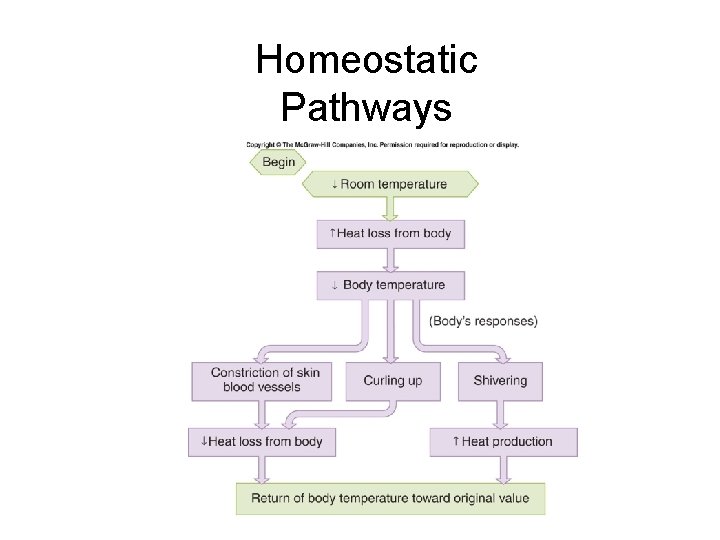
Homeostatic Pathways
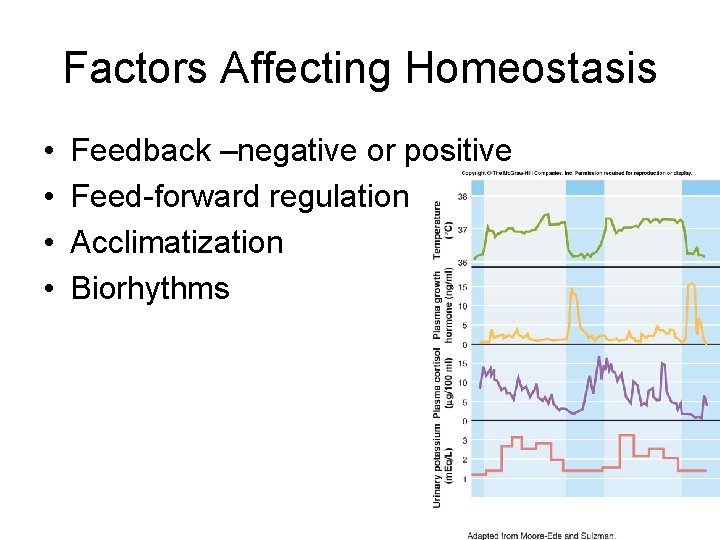
Factors Affecting Homeostasis • • Feedback –negative or positive Feed-forward regulation Acclimatization Biorhythms
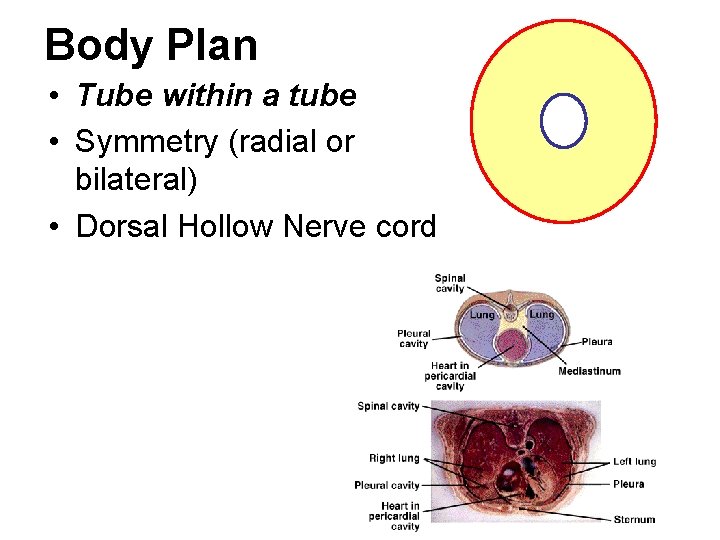
Body Plan • Tube within a tube • Symmetry (radial or bilateral) • Dorsal Hollow Nerve cord
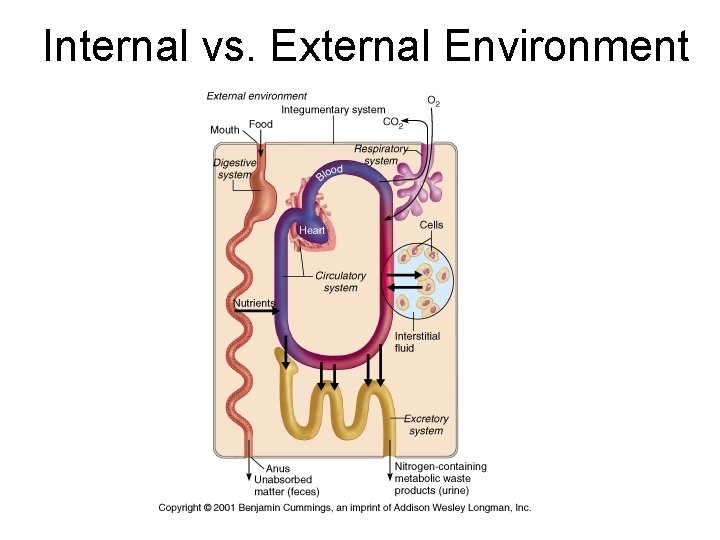
Internal vs. External Environment
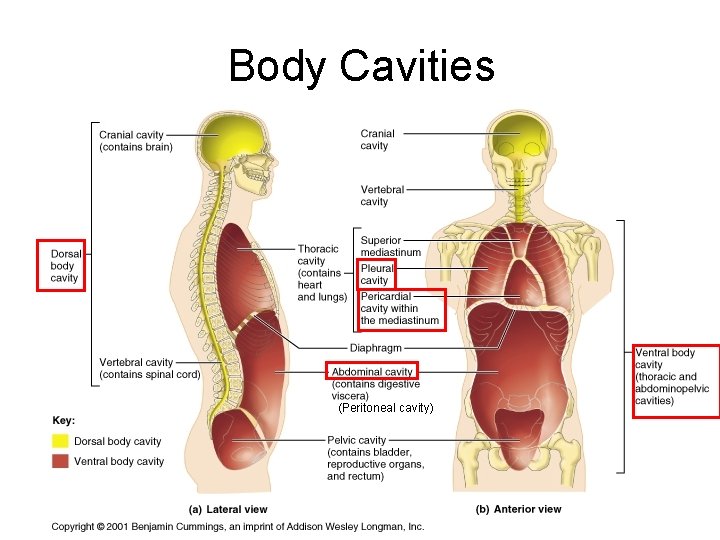
Body Cavities (Peritoneal cavity)
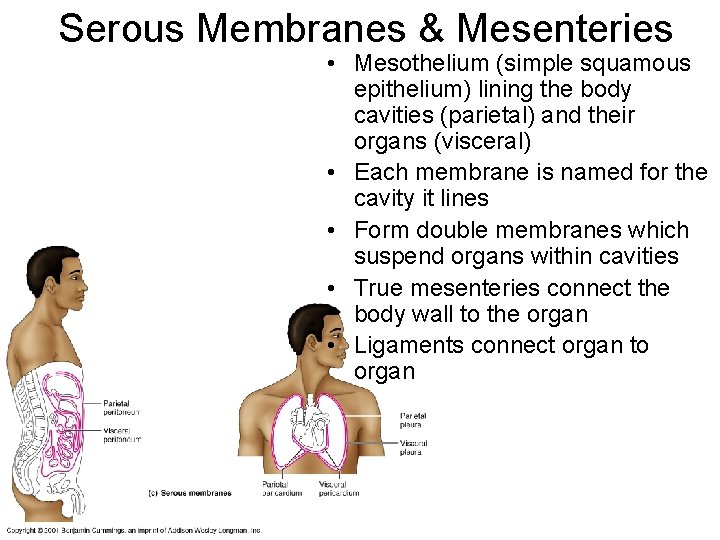
Serous Membranes & Mesenteries • Mesothelium (simple squamous epithelium) lining the body cavities (parietal) and their organs (visceral) • Each membrane is named for the cavity it lines • Form double membranes which suspend organs within cavities • True mesenteries connect the body wall to the organ • Ligaments connect organ to organ
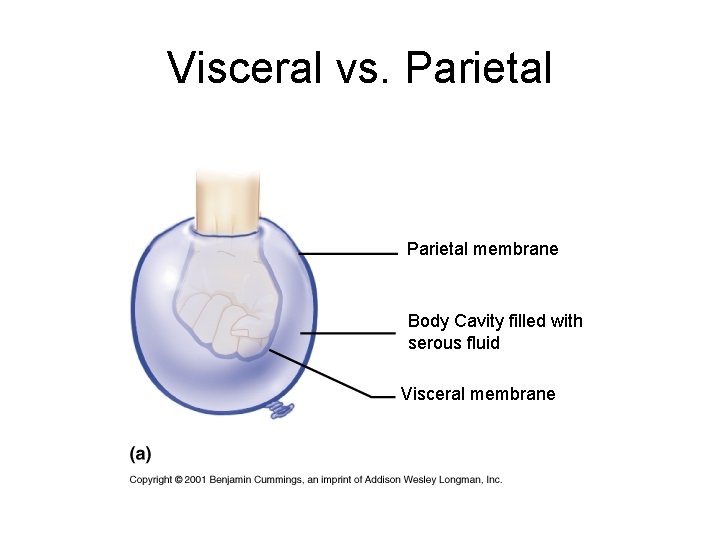
Visceral vs. Parietal membrane Body Cavity filled with serous fluid Visceral membrane
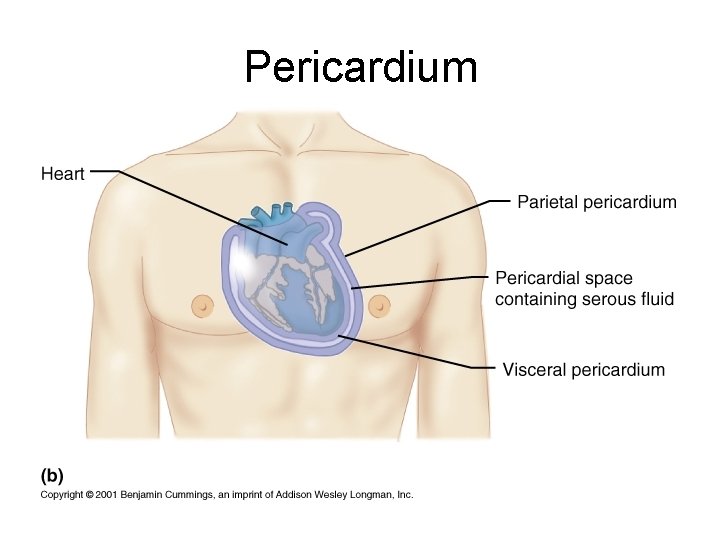
Pericardium
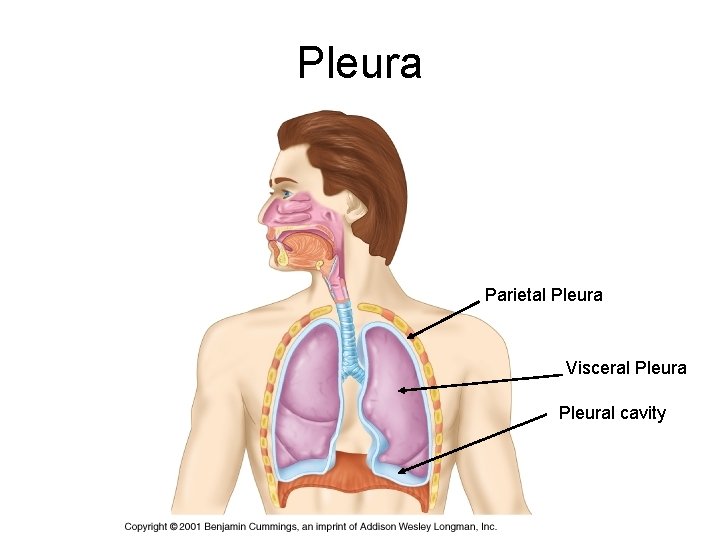
Pleura Parietal Pleura Visceral Pleural cavity
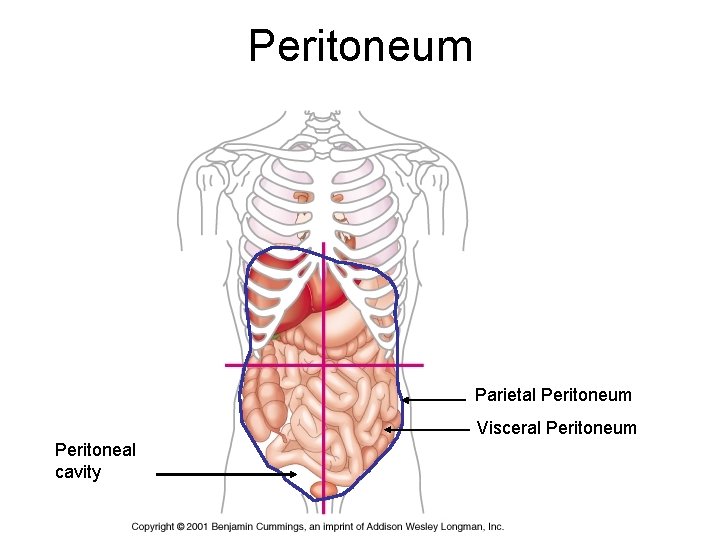
Peritoneum Parietal Peritoneum Visceral Peritoneum Peritoneal cavity
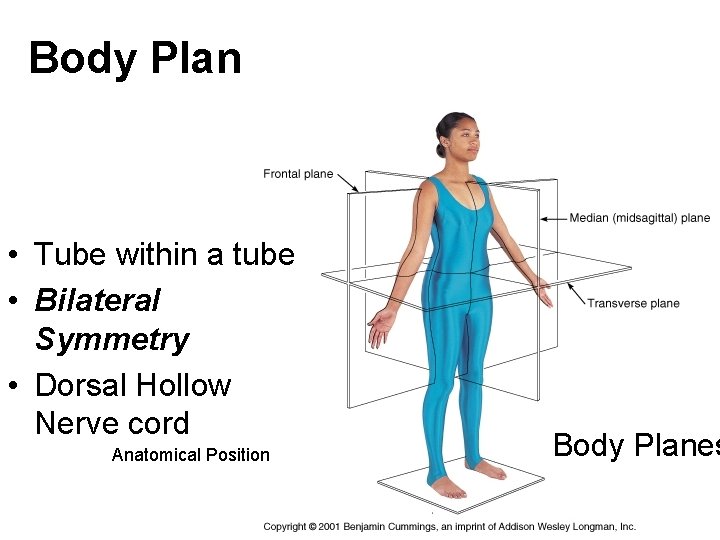
Body Plan • Tube within a tube • Bilateral Symmetry • Dorsal Hollow Nerve cord Anatomical Position Body Planes
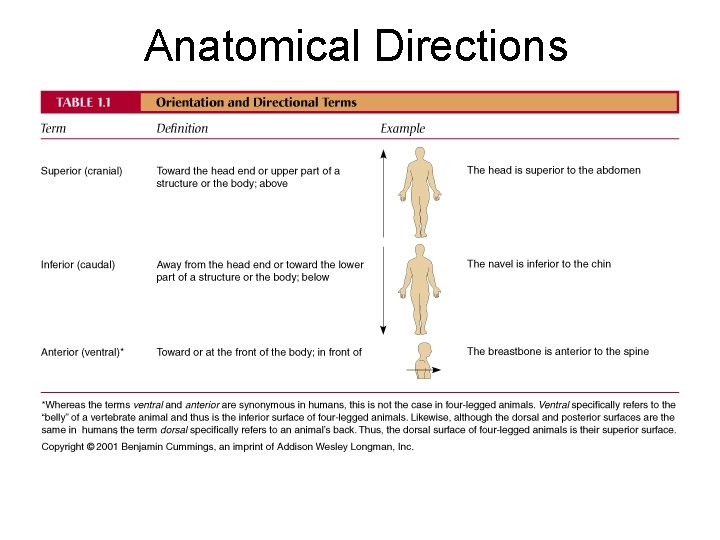
Anatomical Directions
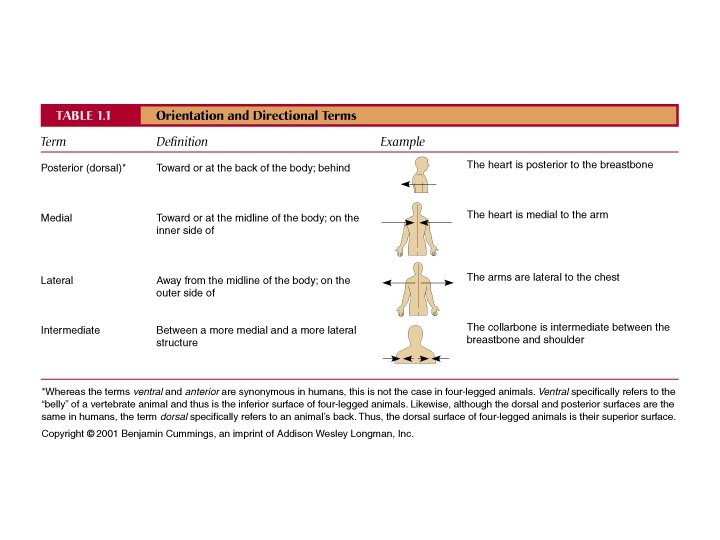
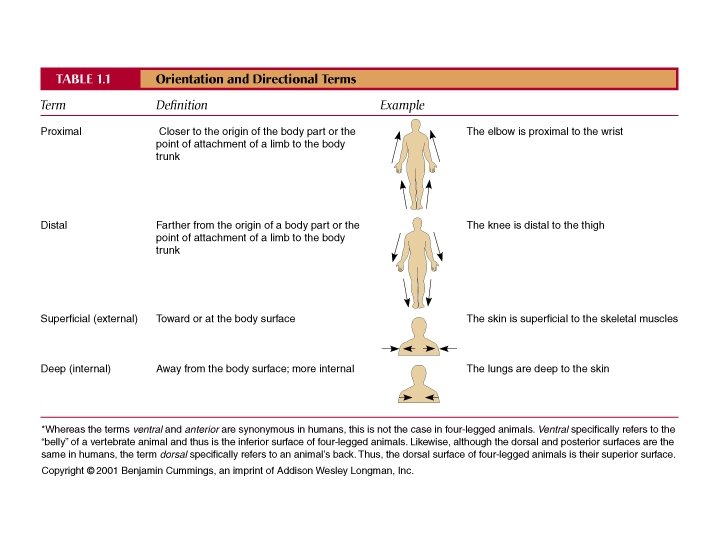
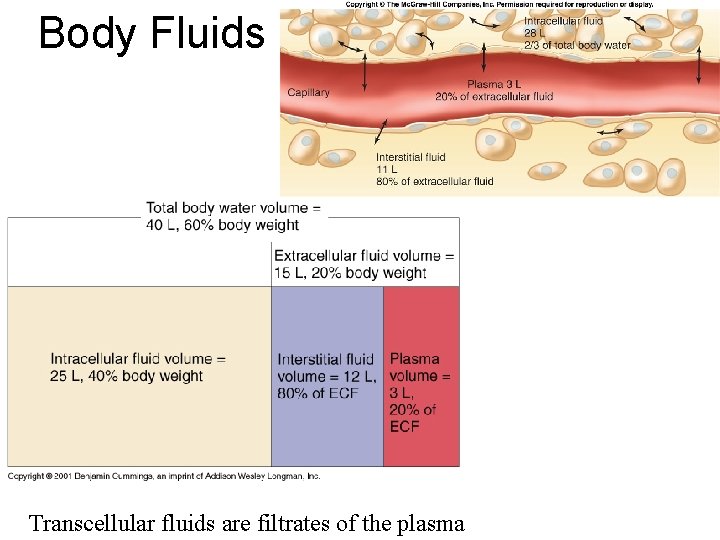
Body Fluids Transcellular fluids are filtrates of the plasma
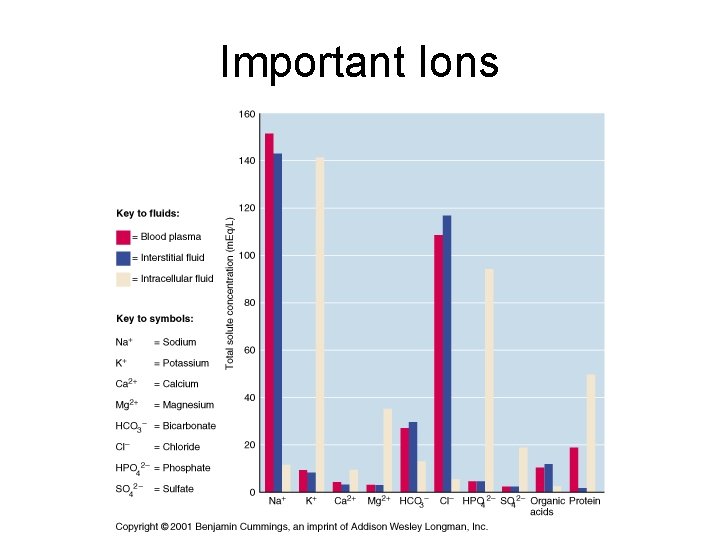
Important Ions
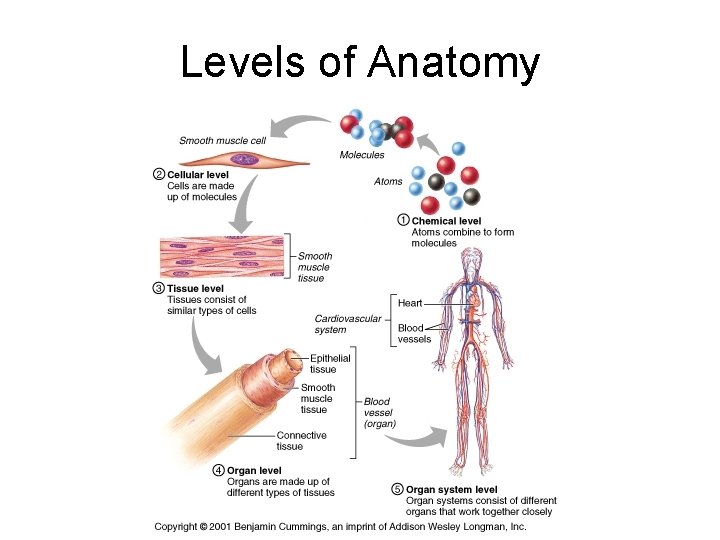
Levels of Anatomy
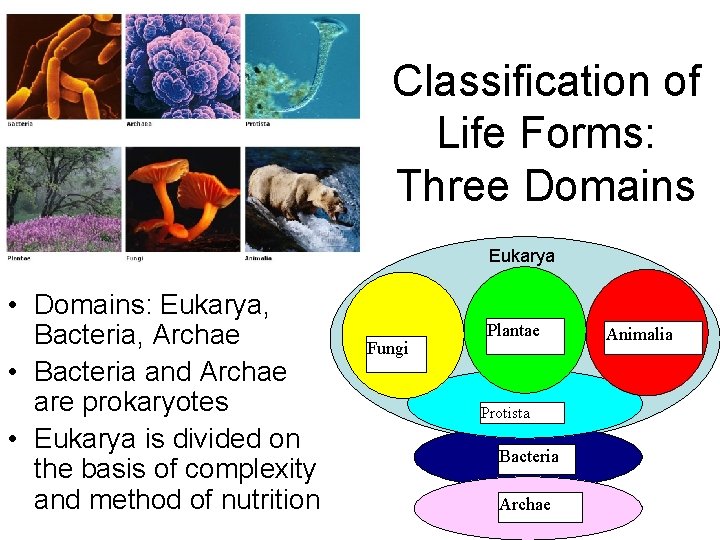
Classification of Life Forms: Three Domains Eukarya • Domains: Eukarya, Bacteria, Archae • Bacteria and Archae are prokaryotes • Eukarya is divided on the basis of complexity and method of nutrition Eukarya Fungi Plantae Protista Bacteria Archae Animalia
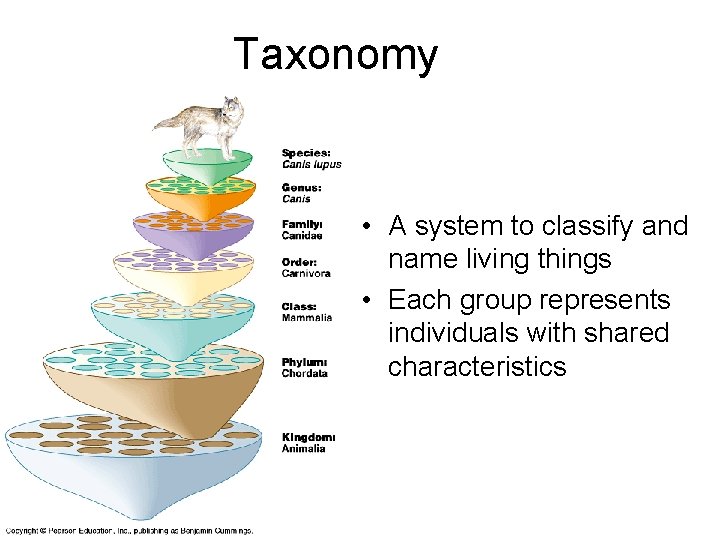
Taxonomy • A system to classify and name living things • Each group represents individuals with shared characteristics
- Slides: 25