
Introducing the Rural Economy and Land Use Programme
- Slides: 11
Introducing the Rural Economy and Land Use Programme Professor Philip Lowe and Jeremy Phillipson
Introducing RELU A collaborative venture between ESRC, BBSRC and NERC with a budget of £ 20 million to fund basic and strategic research. Aims to conduct integrative, interdisciplinary research to advance understanding of the social, economic, environmental and technological challenges faced by rural areas.
RELU – Key Public Challenges Rural areas have encountered change and upheaval in recent years. Key public challenges include: Ø Restoring trust in food chains Ø Tackling animal disease in a socially acceptable manner Ø Sustaining agriculture in a liberalised economy Ø Promoting robust rural economies Ø Mitigating threats from climate change and invasive species Ø Reducing stress on water catchments
RELU – Key Public Challenges RELU is responding to two fundamental demands: Ø For joined-up science Ø For socially accountable science Basic premises of RELU are: Ø Major challenges cut across disciplinary boundaries Ø Inclusive stakeholder engagement is crucial
Socially Accountable Science in RELU The RELU programme is committed to: “enhancing the impact of research on rural policy and practice by engaging stakeholders in all stages of RELU. ” Through continuous engagement with a wide range of public, private and voluntary organisations and representative figures
Socially Accountable Science in RELU Programme setting: Ø Consultations Ø Discussions with stakeholders Programme Management: Ø Strategic Advisory Committee Ø Food Chain Forum / People and the Rural Environment Forum Ø Stakeholder Engagement Plans Project level: Ø Range of groups / styles of engagement
The Shape of RELU Four themes: Ø Ø Sustainable Food Chains Integration of Land Water Use Environmental Basis of Rural Development Economic and Social Interactions with the Rural Environment Three Calls: Ø 1 st Call: Completed (35 projects; 200 scientists; 30 disciplines) Ø 2 nd Call: In progress Ø 3 rd Call: June/July
Sustainable Food Chains Promoting natural and wholesome foods Managing hazard, risk and contaminants Investigation of the Links between Quality Food Production and Biodiversity Protection Integration of Social, Natural Sciences to Develop Improved Tools: Assessing and Managing Food Chain Risks Implications of a Nutrition Driven Food Policy for Land Use and the Rural Environment Comparative Assessment of Environmental, Community & Nutritional Impacts of Consuming Fruit & Vegetables Produced Locally and Overseas Private Sector Environment Standards: Impact on Ecological Performance and International Competitiveness of UK Agriculture (Scoping Study) Sustainable and Holistic Food Chains for Recycling Livestock Waste to Land Biological Alternatives to Chemical Pesticide Inputs in the Food Chain: Assessment of Sustainability Adoption of Alternative Pest Management Strategies in Field Crop Systems
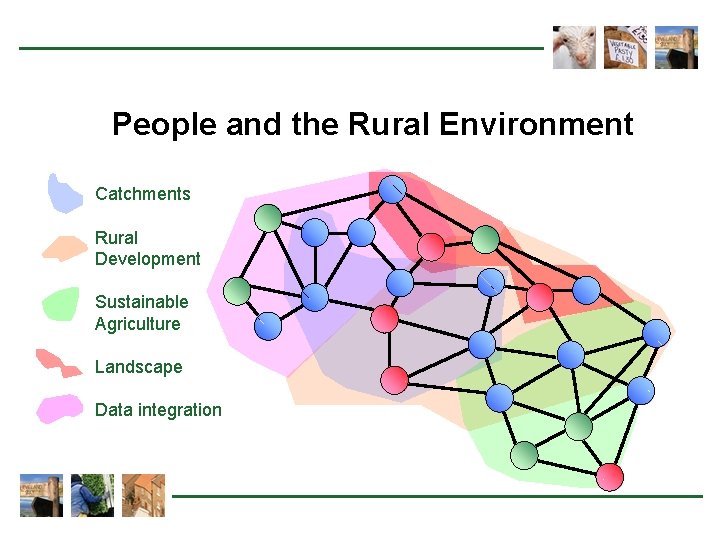
People and the Rural Environment Catchments Rural Development Sustainable Agriculture Landscape Data integration
Joined-up Science in RELU
The Shape of RELU 3 rd Call: June/July A number of gaps evident to date: Ø Animal and plant disease management Ø Sustainable technologies and rural economies Ø Impacts and implications of CAP reform Ø Sustainable rural planning Ø The relationship between a healthy environment and public health