
Introducing nanotechnology and energy Media Round Table 3
Introducing nanotechnology and energy Media Round Table 3 rd March 2011 Neil Coville School of Chemistry University of the Witwatersrand
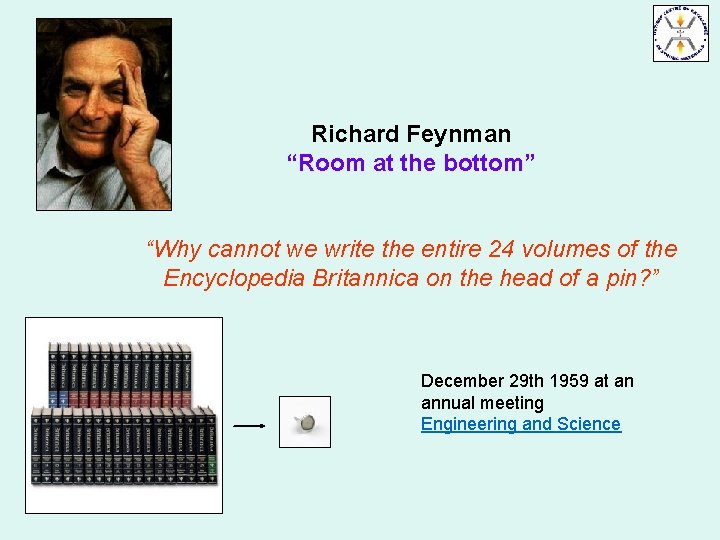
Richard Feynman “Room at the bottom” “Why cannot we write the entire 24 volumes of the Encyclopedia Britannica on the head of a pin? ” December 29 th 1959 at an annual meeting Engineering and Science
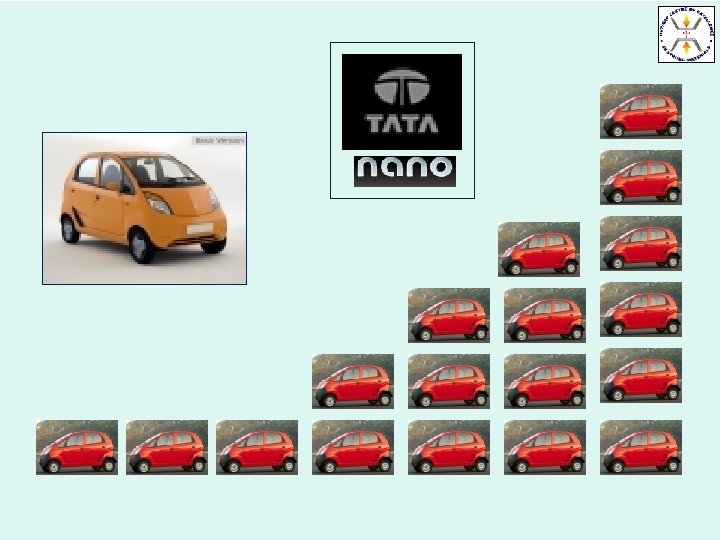
So – what is nano!! Hard definition • Nanoscience deals with the size regime in which properties change with the object size. • Objects to be studied have one dimension of less than 100 nanometers
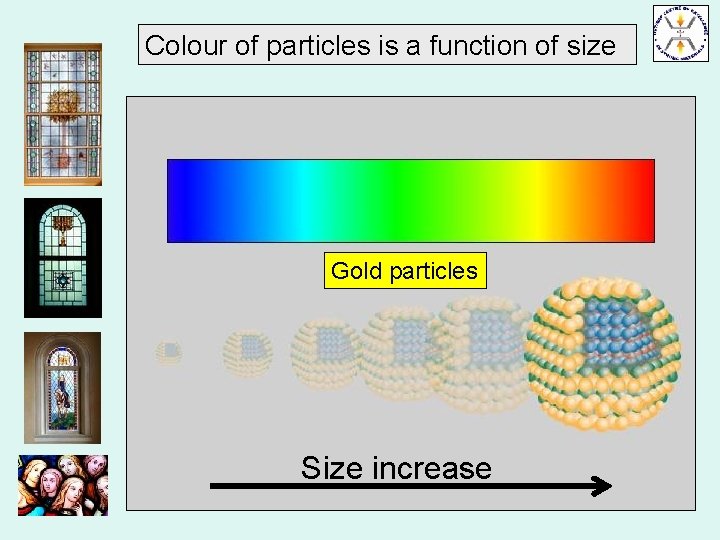
Colour of particles is a function of size Gold particles Size increase
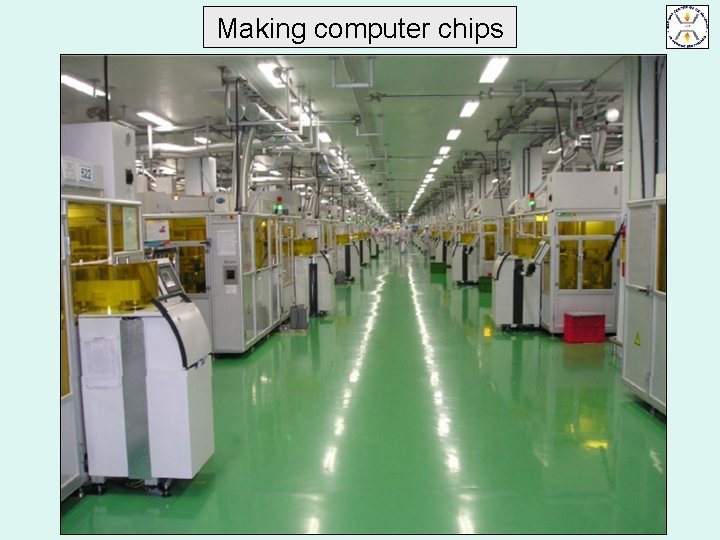
Making computer chips
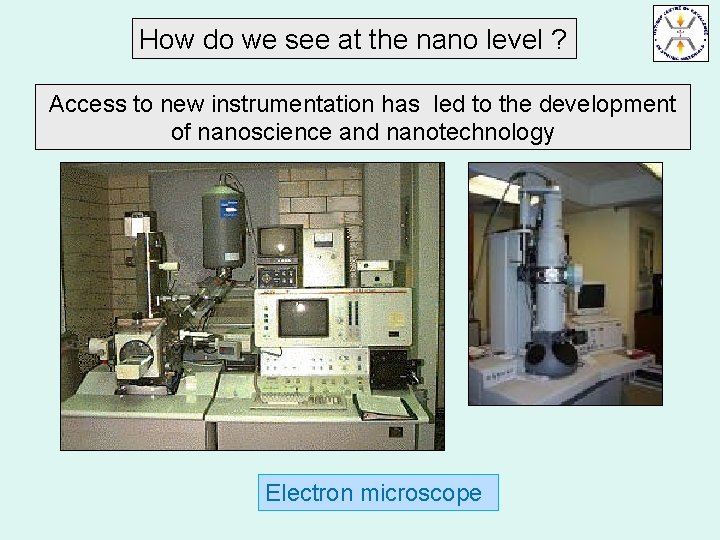
How do we see at the nano level ? Access to new instrumentation has led to the development of nanoscience and nanotechnology Electron microscope
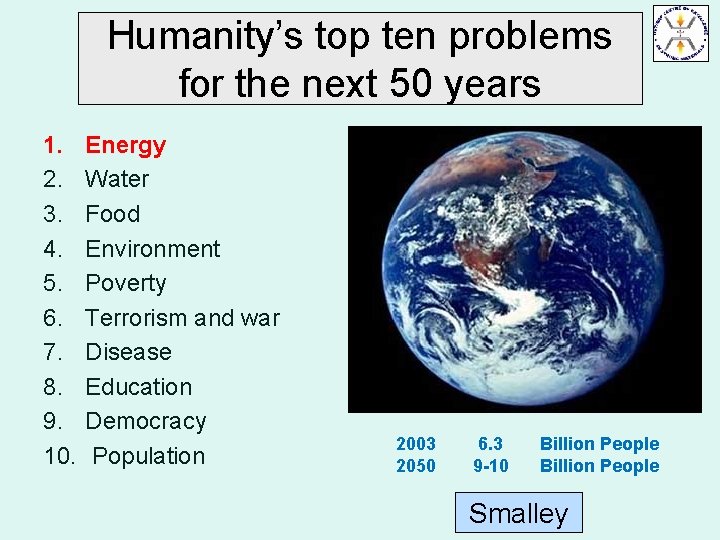
Humanity’s top ten problems for the next 50 years 1. 2. 3. 4. 5. 6. 7. 8. 9. 10. Energy Water Food Environment Poverty Terrorism and war Disease Education Democracy Population 2003 2050 6. 3 9 -10 Billion People Smalley
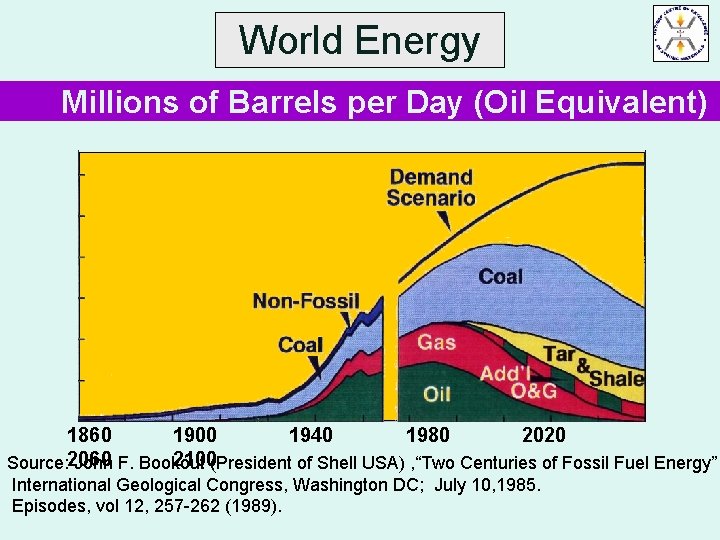
World Energy Millions of Barrels per Day (Oil Equivalent) 300 200 100 0 1860 1900 1940 1980 2020 2100(President of Shell USA) , “Two Centuries of Fossil Fuel Energy” Source: 2060 John F. Bookout International Geological Congress, Washington DC; July 10, 1985. Episodes, vol 12, 257 -262 (1989).
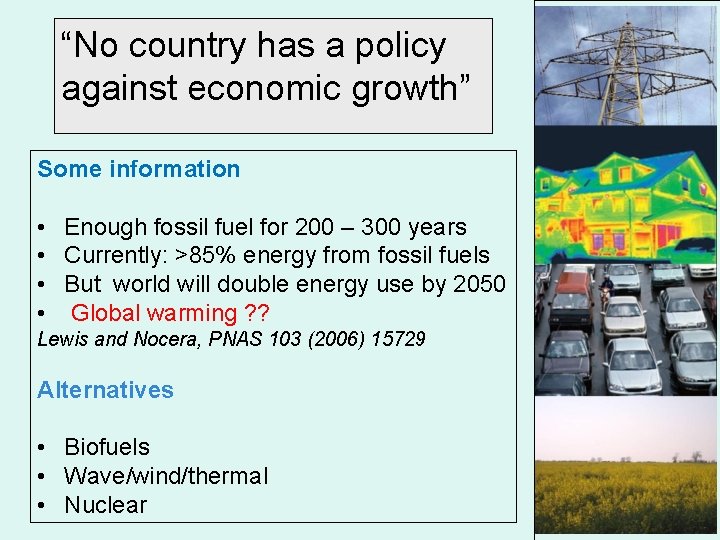
“No country has a policy against economic growth” Some information • Enough fossil fuel for 200 – 300 years • Currently: >85% energy from fossil fuels • But world will double energy use by 2050 • Global warming ? ? Lewis and Nocera, PNAS 103 (2006) 15729 Alternatives • Biofuels • Wave/wind/thermal • Nuclear
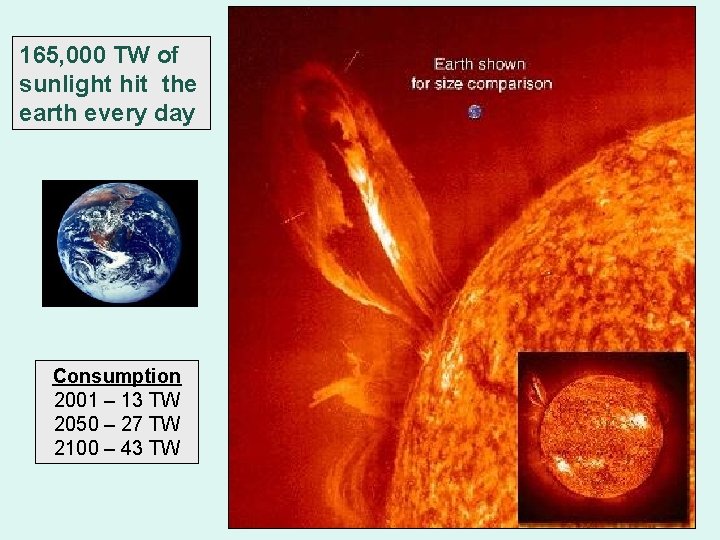
165, 000 TW of sunlight hit the earth every day Consumption 2001 – 13 TW 2050 – 27 TW 2100 – 43 TW
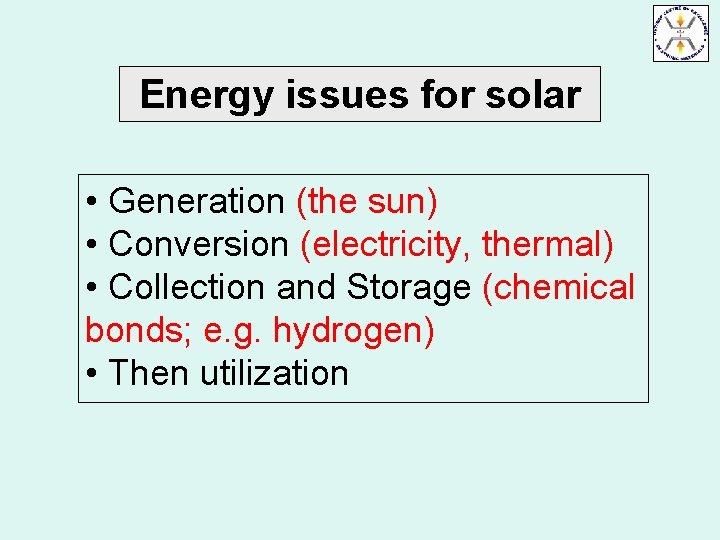
Energy issues for solar • Generation (the sun) • Conversion (electricity, thermal) • Collection and Storage (chemical bonds; e. g. hydrogen) • Then utilization
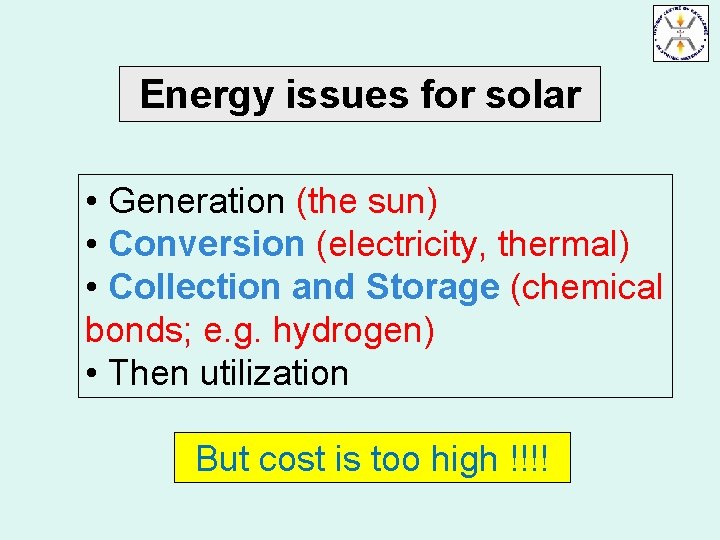
Energy issues for solar • Generation (the sun) • Conversion (electricity, thermal) • Collection and Storage (chemical bonds; e. g. hydrogen) • Then utilization But cost is too high !!!!
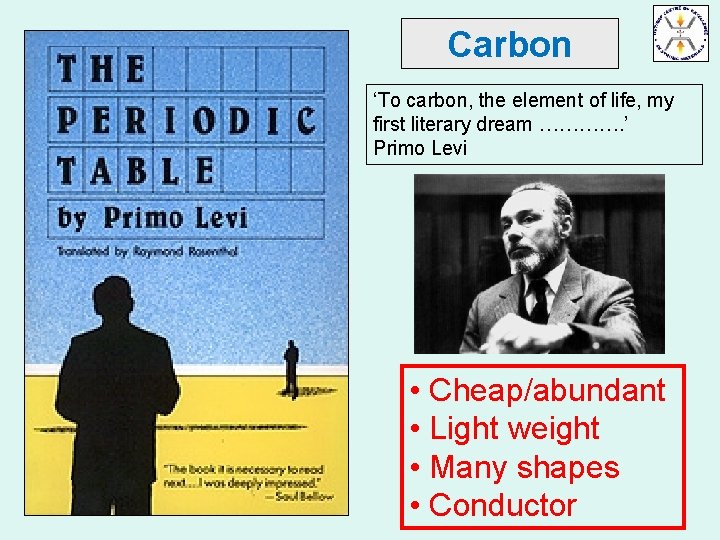
Carbon ‘To carbon, the element of life, my first literary dream …………. ’ Primo Levi • Cheap/abundant • Light weight • Many shapes • Conductor
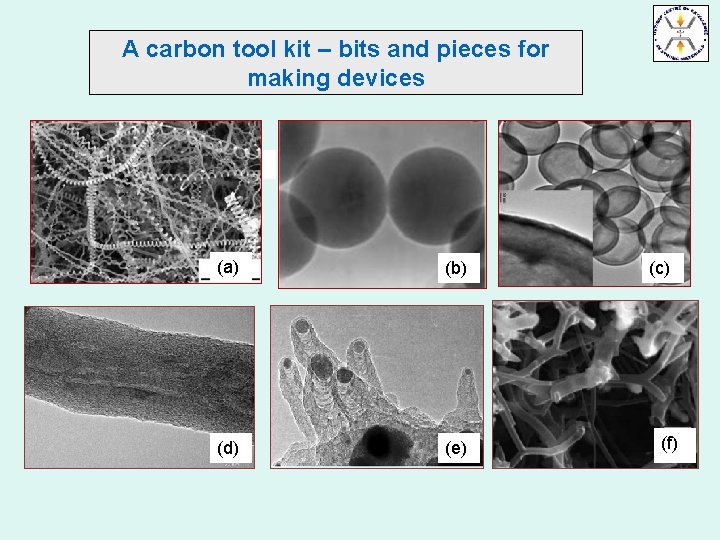
A carbon tool kit – bits and pieces for making devices (a) (b) (d) (e) (c) (f)
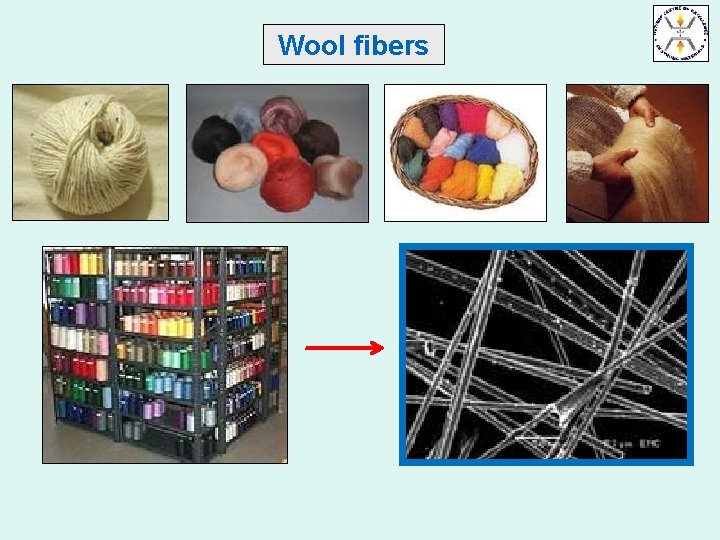
Wool fibers
Using the materials? • Photovoltaics (solar cells) • Batteries • Fuel Cells • Lightweight materials • Fuel rods, nuclear materials, • Electrochemistry and solid-state energy applications • Catalyst applications
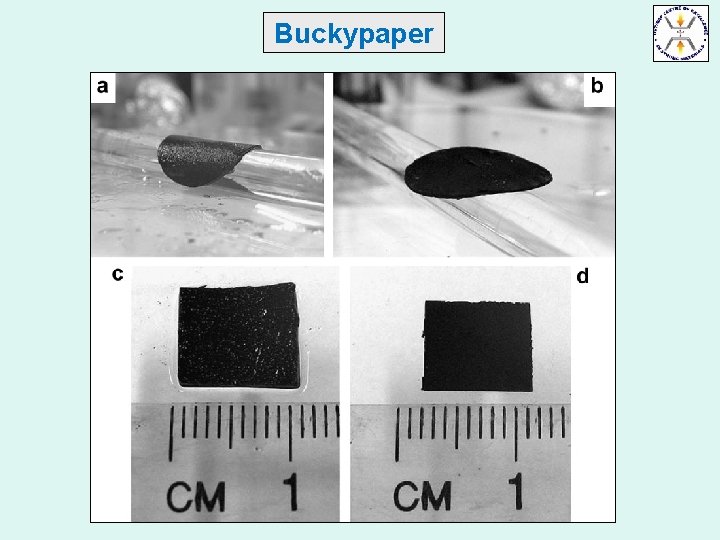
Buckypaper
Conclusions • The nano revolution relates to a mindset that considers how size relates to a materials property. • This permits an understanding of the properties of materials at a new level. • Can apply to the ENERGY field: a) In making devices smaller b) Making new devices that are small This is made possible by the availability of modern materials and techniques
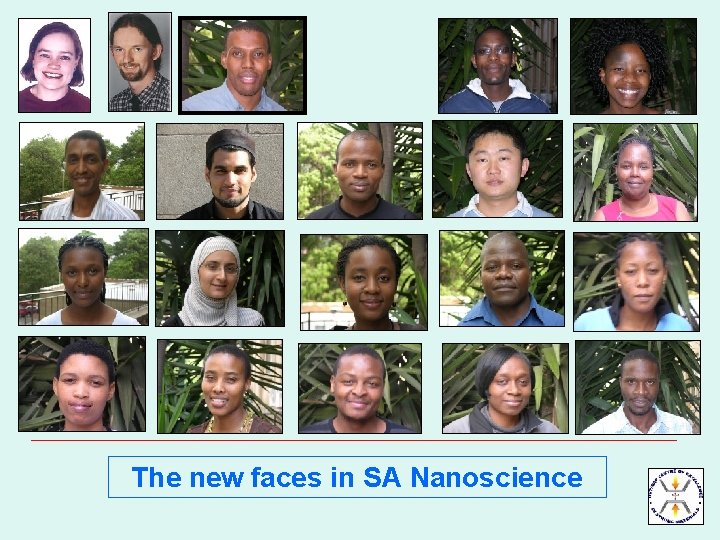
The new faces in SA Nanoscience

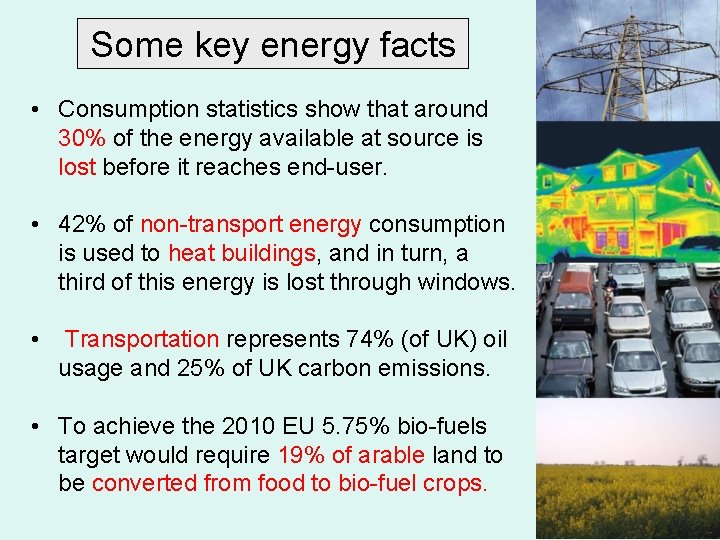
Some key energy facts • Consumption statistics show that around 30% of the energy available at source is lost before it reaches end-user. • 42% of non-transport energy consumption is used to heat buildings, and in turn, a third of this energy is lost through windows. • Transportation represents 74% (of UK) oil usage and 25% of UK carbon emissions. • To achieve the 2010 EU 5. 75% bio-fuels target would require 19% of arable land to be converted from food to bio-fuel crops.
- Slides: 23