
Intro to the Foresters Craft or How is

- Slides: 23
Intro to the Forester’s Craft or How is Scientific Forestry different than just cutting down trees? and getting towards What is the “forestry” in communitybased forestry
Introduction to Silvicultural Systems BC Ministry of Forests Forest Practices Branch http: //www. for. gov. bc. ca/hfp/training/00014/index. htm
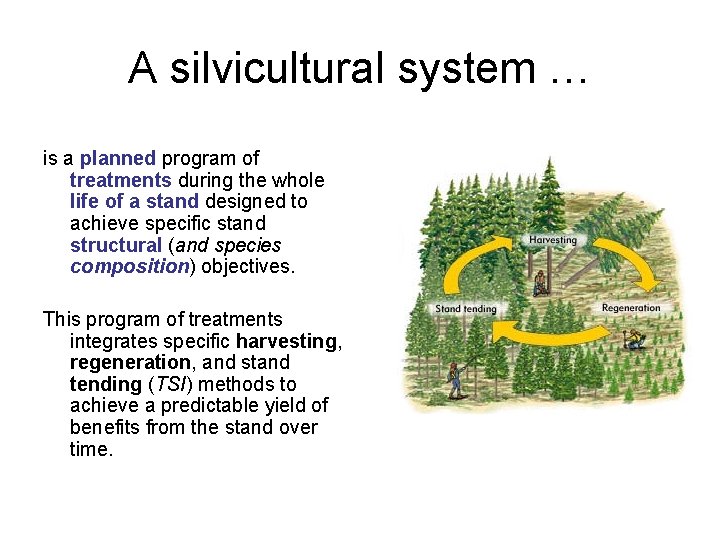
A silvicultural system … is a planned program of treatments during the whole life of a stand designed to achieve specific stand structural (and species composition) objectives. This program of treatments integrates specific harvesting, regeneration, and stand tending (TSI) methods to achieve a predictable yield of benefits from the stand over time.
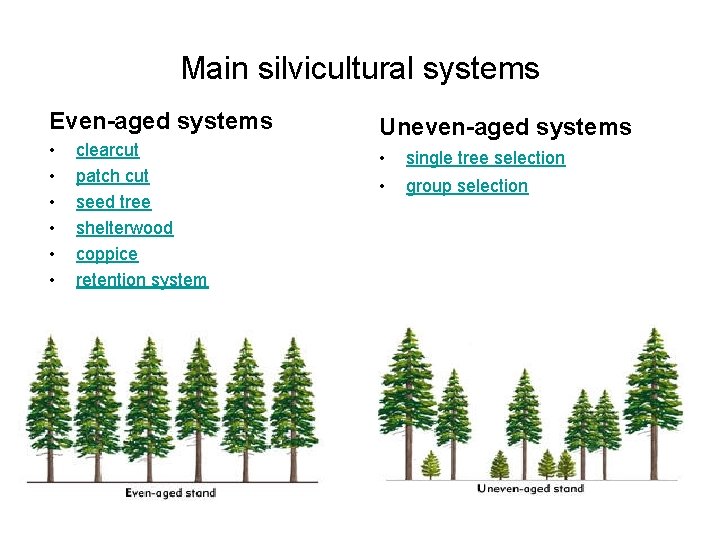
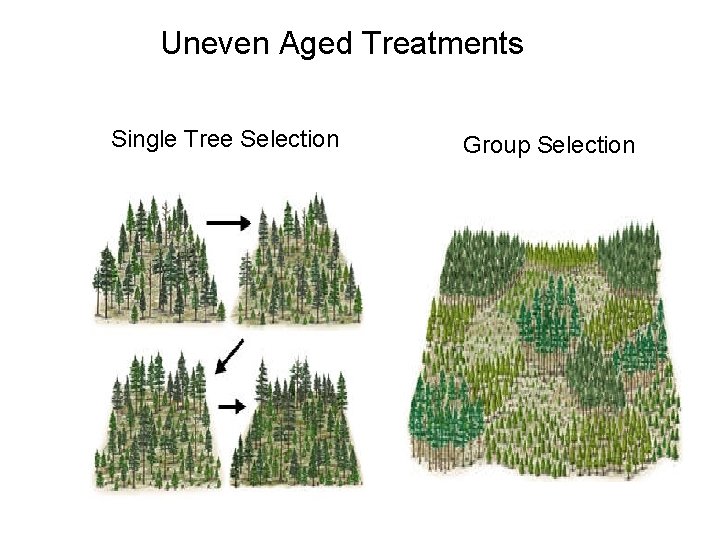
Main silvicultural systems Even-aged systems • • • clearcut patch cut seed tree shelterwood coppice retention system Uneven-aged systems • single tree selection • group selection
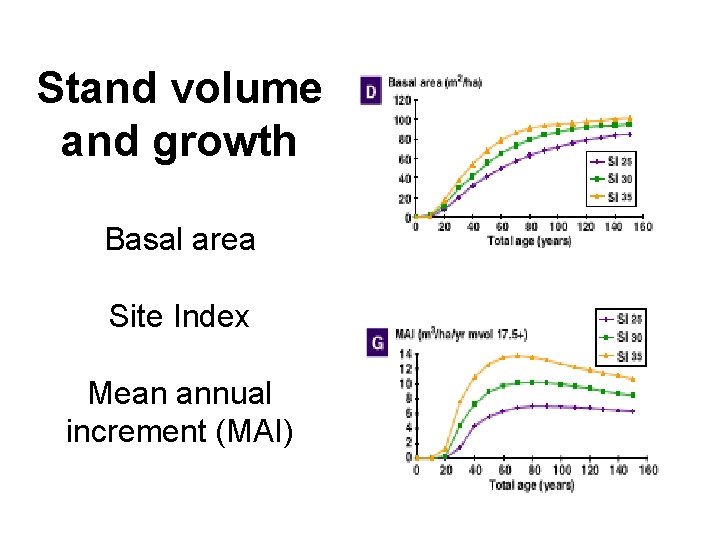
Stand volume and growth Basal area Site Index Mean annual increment (MAI)
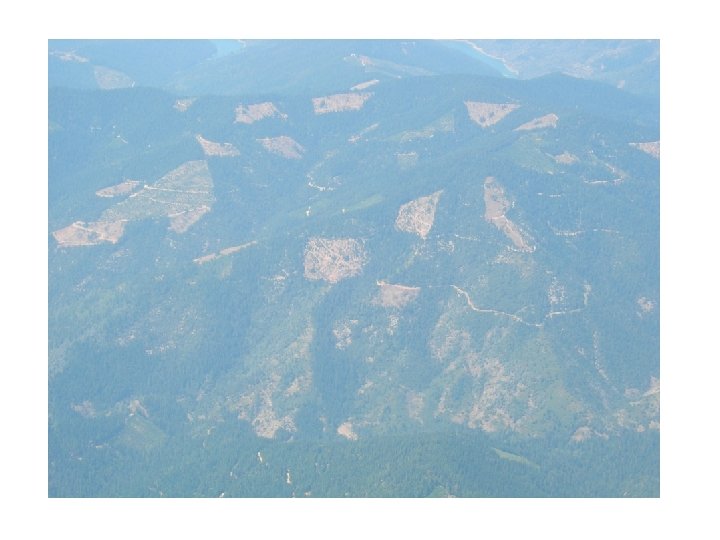
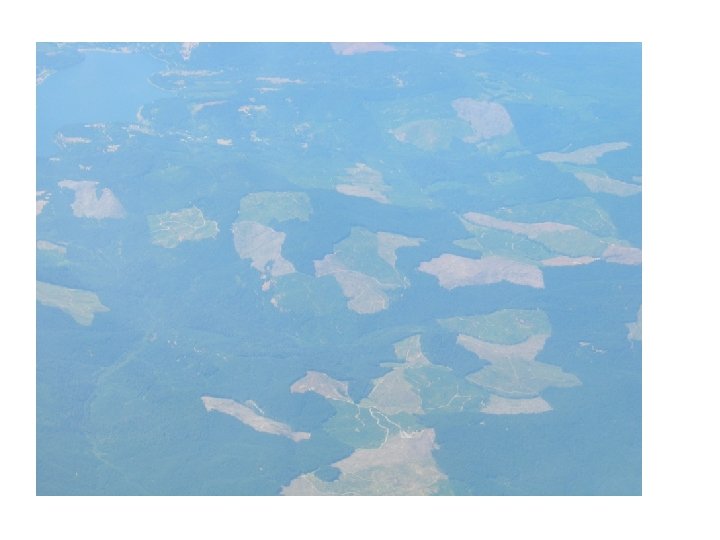
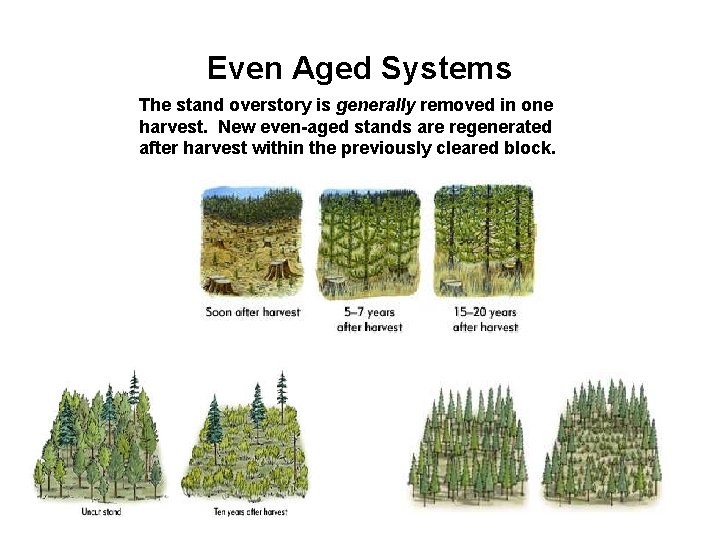
Even Aged Systems The stand overstory is generally removed in one harvest. New even-aged stands are regenerated after harvest within the previously cleared block.
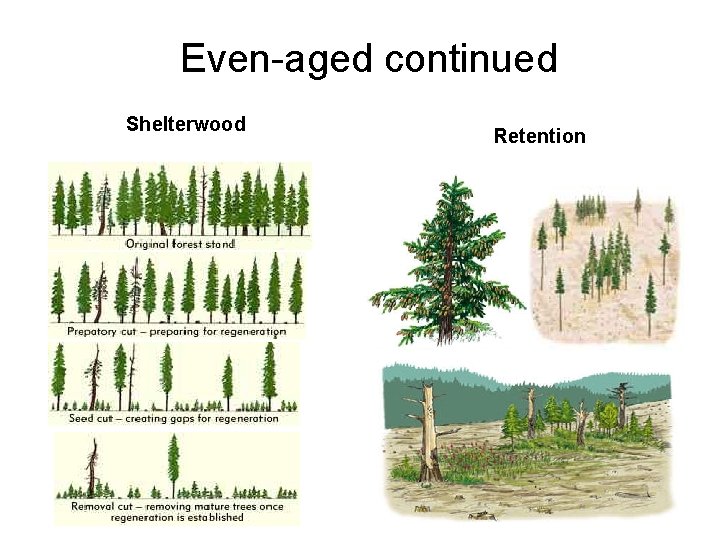
Even-aged continued Shelterwood Retention
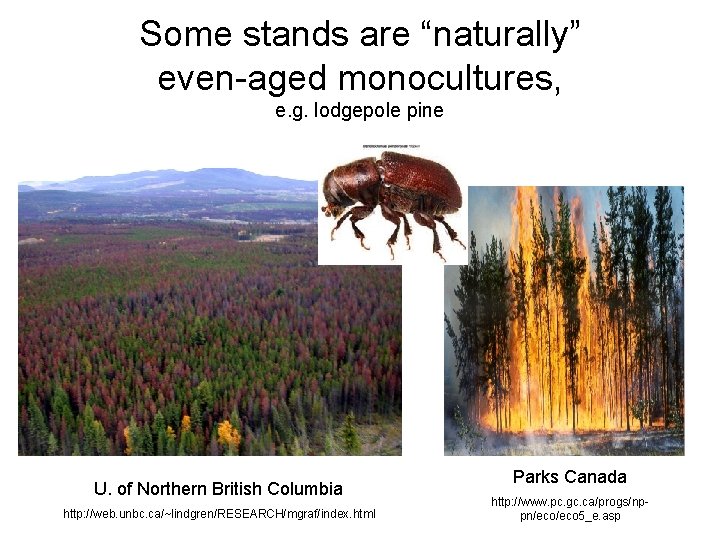
Some stands are “naturally” even-aged monocultures, e. g. lodgepole pine U. of Northern British Columbia http: //web. unbc. ca/~lindgren/RESEARCH/mgraf/index. html Parks Canada http: //www. pc. gc. ca/progs/nppn/eco 5_e. asp
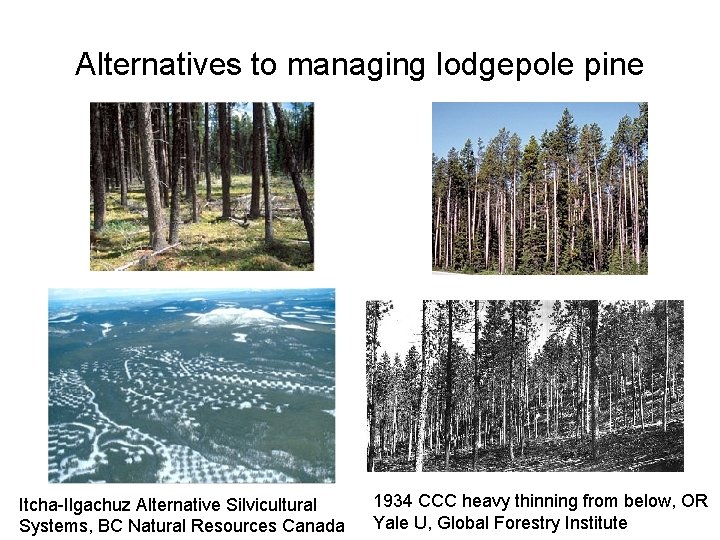
Alternatives to managing lodgepole pine Itcha-Ilgachuz Alternative Silvicultural Systems, BC Natural Resources Canada 1934 CCC heavy thinning from below, OR Yale U, Global Forestry Institute
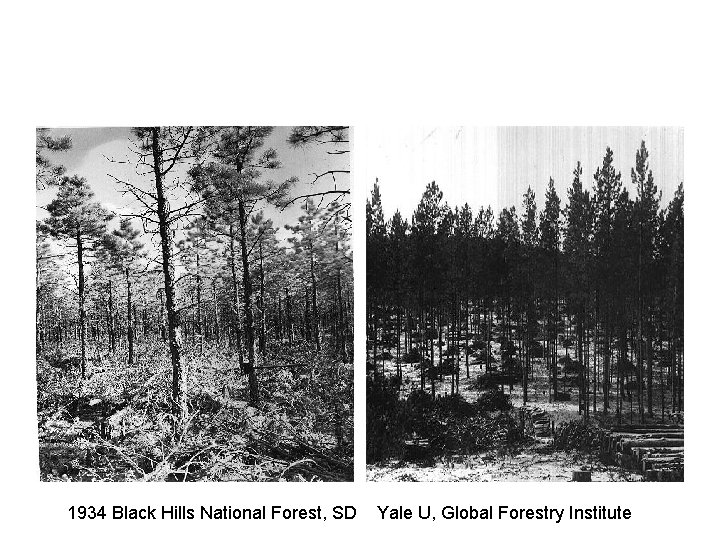
1934 Black Hills National Forest, SD Yale U, Global Forestry Institute
Uneven Aged Treatments Single Tree Selection Group Selection
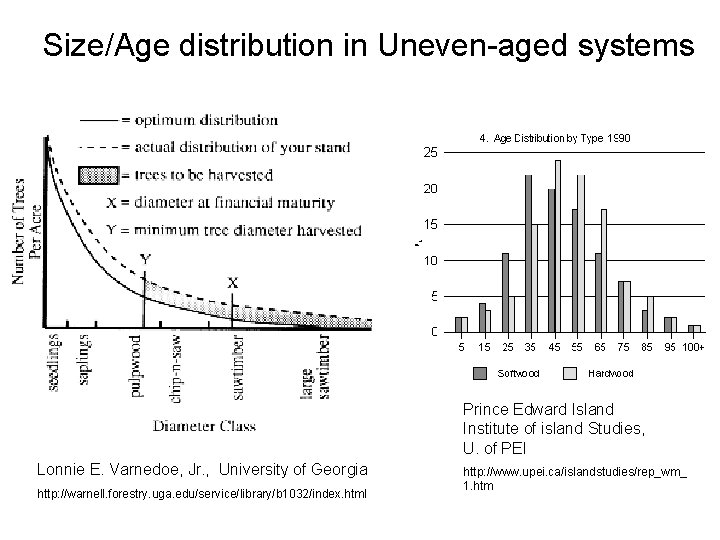
Size/Age distribution in Uneven-aged systems Prince Edward Island Institute of island Studies, U. of PEI Lonnie E. Varnedoe, Jr. , University of Georgia http: //warnell. forestry. uga. edu/service/library/b 1032/index. html http: //www. upei. ca/islandstudies/rep_wm_ 1. htm
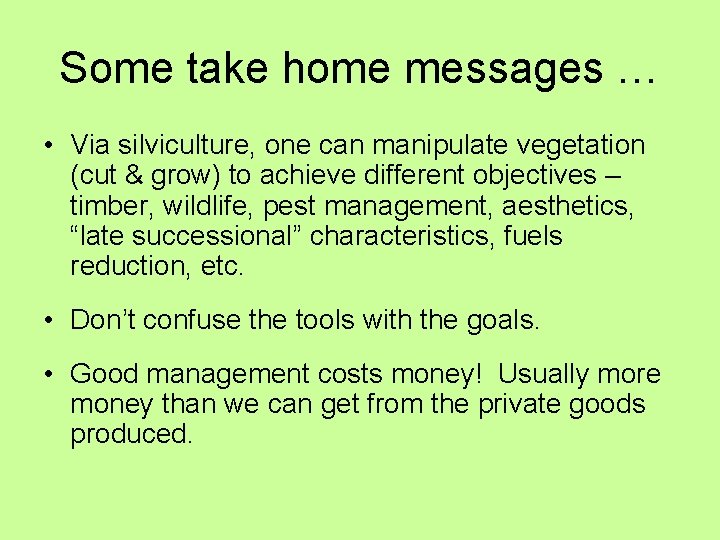
Some take home messages … • Via silviculture, one can manipulate vegetation (cut & grow) to achieve different objectives – timber, wildlife, pest management, aesthetics, “late successional” characteristics, fuels reduction, etc. • Don’t confuse the tools with the goals. • Good management costs money! Usually more money than we can get from the private goods produced.
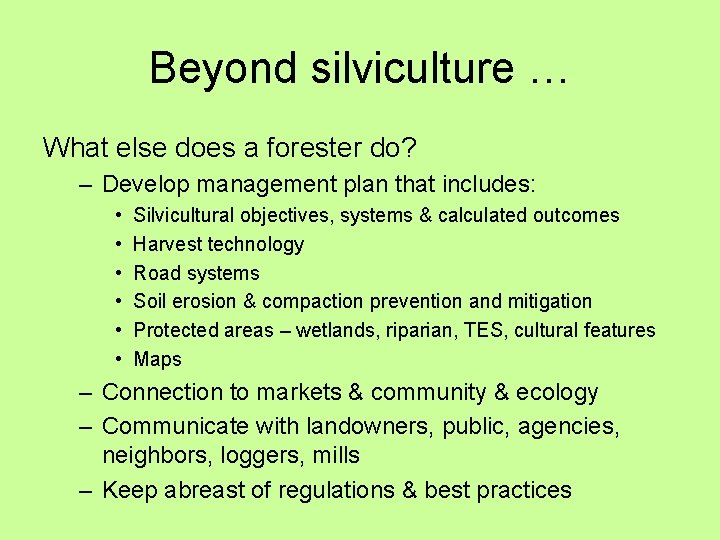
Beyond silviculture … What else does a forester do? – Develop management plan that includes: • • • Silvicultural objectives, systems & calculated outcomes Harvest technology Road systems Soil erosion & compaction prevention and mitigation Protected areas – wetlands, riparian, TES, cultural features Maps – Connection to markets & community & ecology – Communicate with landowners, public, agencies, neighbors, loggers, mills – Keep abreast of regulations & best practices
So how is forestry in community forestry different? • It might not be … – Same suite of tools can achieve different objectives • Broader objectives – Reflecting a diverse community – Local participation & benefit – Triple bottom line: ecological , social, economic • Learning and Monitoring – Adaptive management areas – Pilots, demos, experiments – Local knowledge & breaking science
Examples to come …