
Intro to Ecology Study of how organisms INTERACT
- Slides: 68
Intro to Ecology Study of how organisms INTERACT with each other and their environment
TEKS 8. 6 (C) Describe interactions within ecosystems.
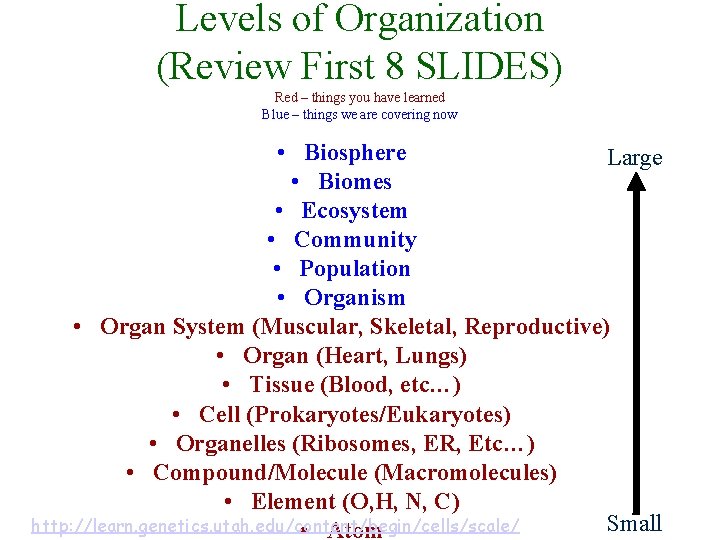
Levels of Organization (Review First 8 SLIDES) Red – things you have learned Blue – things we are covering now • Biosphere Large • Biomes • Ecosystem • Community • Population • Organism • Organ System (Muscular, Skeletal, Reproductive) • Organ (Heart, Lungs) • Tissue (Blood, etc…) • Cell (Prokaryotes/Eukaryotes) • Organelles (Ribosomes, ER, Etc…) • Compound/Molecule (Macromolecules) • Element (O, H, N, C) Small http: //learn. genetics. utah. edu/content/begin/cells/scale/ • Atom
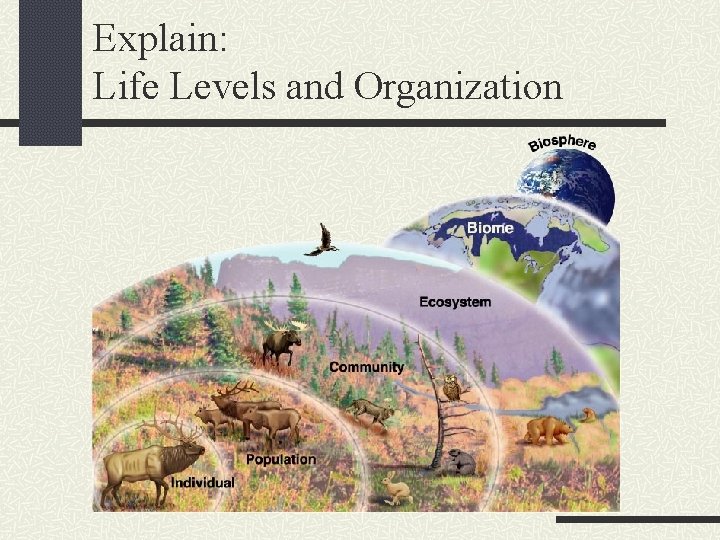
Explain: Life Levels and Organization
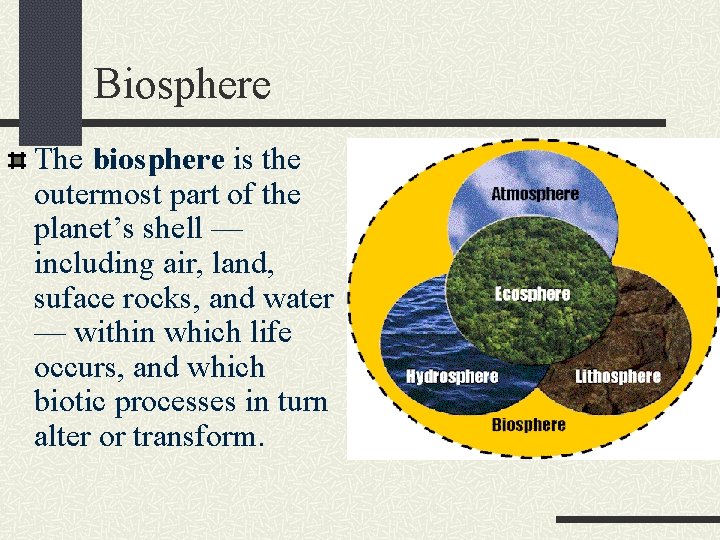
Biosphere The biosphere is the outermost part of the planet’s shell — including air, land, suface rocks, and water — within which life occurs, and which biotic processes in turn alter or transform.
Biome a biome is a major regional group of distinctive plant and animal communities best adapted to the region's physical natural environment, latitude, elevation, and terrain. Examples of biomes include the desert, rain forest, artic tundra, grassland, coniferous forest, decidious forest, and oceans.
Ecosystems All the biotic (living) and abiotic (nonliving) factors that will INTERACT with each other in some subset of the biosphere. Abiotic factors: soil, water, temperature, elevation, and location on the earth.
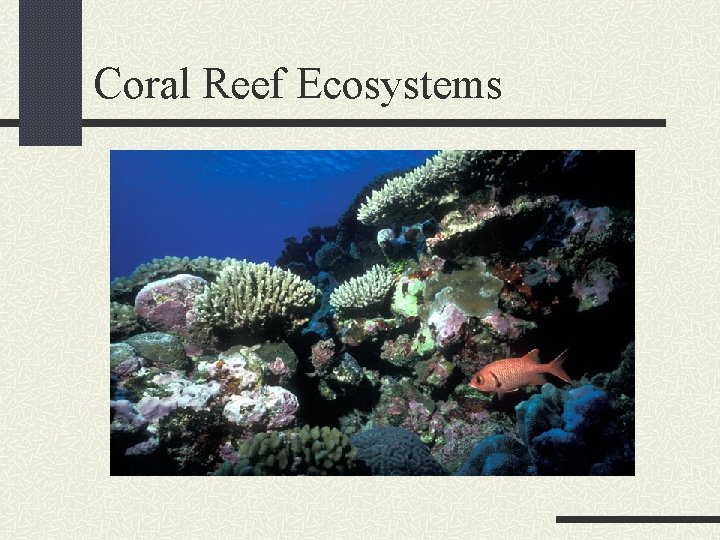
Coral Reef Ecosystems
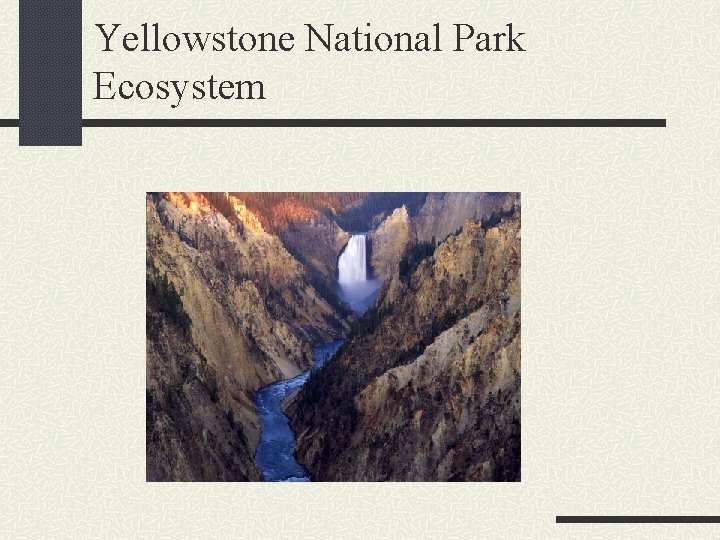
Yellowstone National Park Ecosystem
Community Groups of many different species of organisms interacting in a particular area (predator prey relationships) Only the biotic factors that interact between different species of organisms http: //www. youtube. com/watch? v=255 so. RFg y. Zk
Population A group of organisms of ONE species that interbreed and live in the same place at the same time. A population of fish http: //www. youtube. com/watch? v=Ln. ZI 23 Es gi. I
How Organisms Live (Begin Writing) Every organism has a function in its community. Autotrophs, heterotrophs, carnivores, scavengers, omnivores, decomposers Niche – the role a species plays in its community Habitat – place where an organism lives out its life
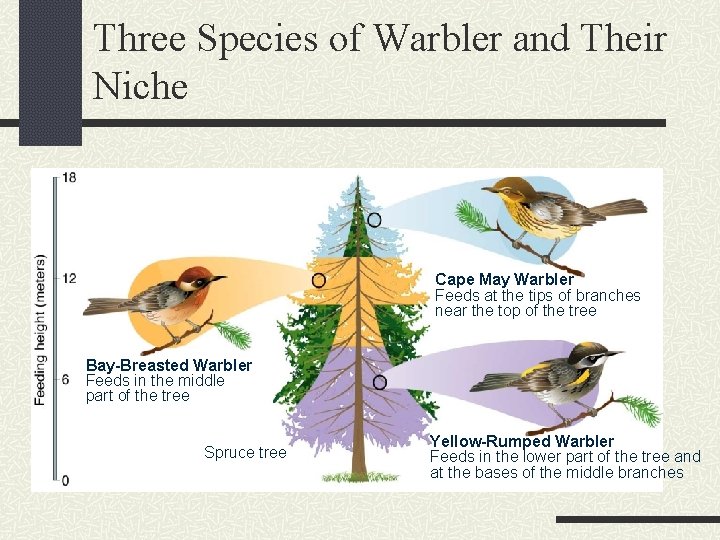
Three Species of Warbler and Their Niche Cape May Warbler Feeds at the tips of branches near the top of the tree Bay-Breasted Warbler Feeds in the middle part of the tree Spruce tree Yellow-Rumped Warbler Feeds in the lower part of the tree and at the bases of the middle branches
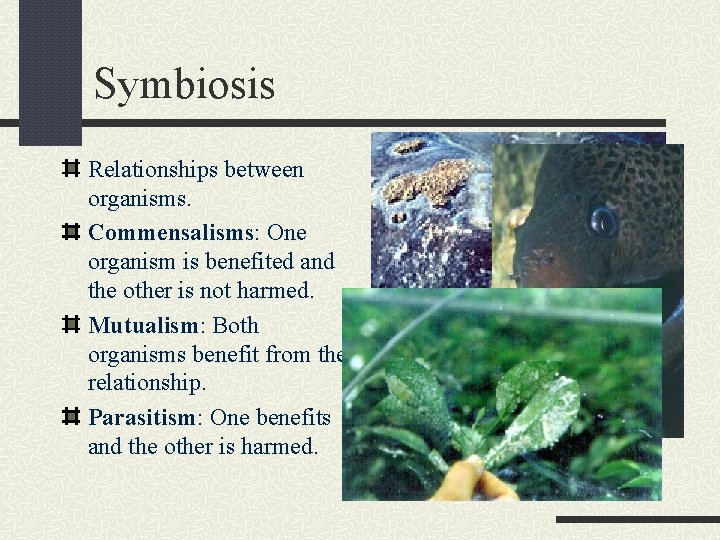
Symbiosis Relationships between organisms. Commensalisms: One organism is benefited and the other is not harmed. Mutualism: Both organisms benefit from the relationship. Parasitism: One benefits and the other is harmed.
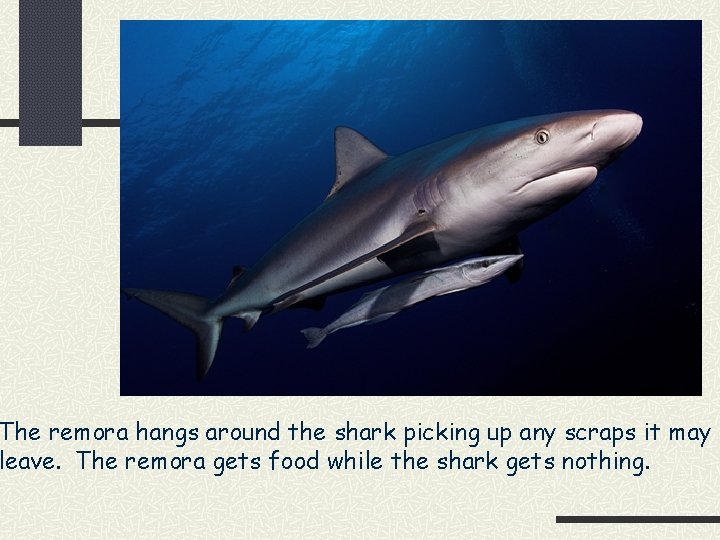
Commensalism Examples: Clown fish and sea anemones Shark and remora
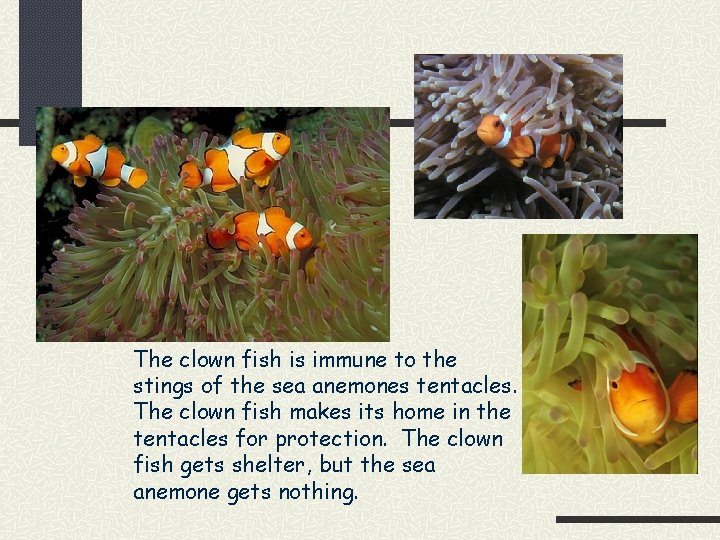
The clown fish is immune to the stings of the sea anemones tentacles. The clown fish makes its home in the tentacles for protection. The clown fish gets shelter, but the sea anemone gets nothing.
The remora hangs around the shark picking up any scraps it may leave. The remora gets food while the shark gets nothing.
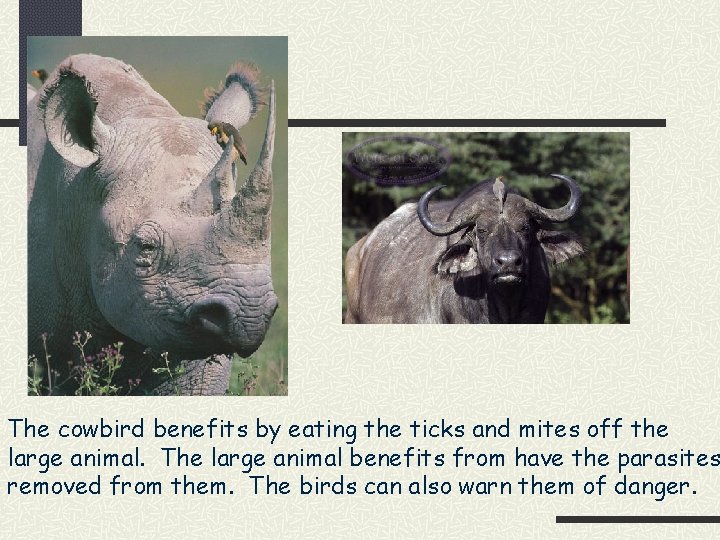
Mutualism Examples: Cowbirds and Large Animals Termites and Trichonympha Bees and Flowers
The cowbird benefits by eating the ticks and mites off the large animal. The large animal benefits from have the parasites removed from them. The birds can also warn them of danger.
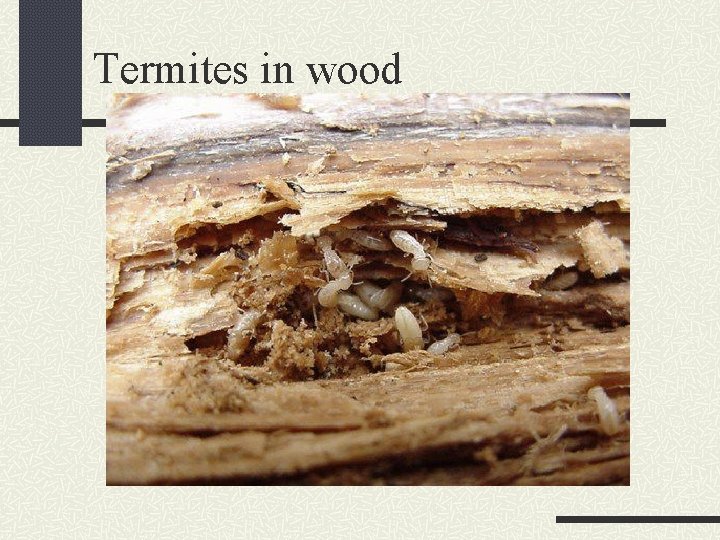
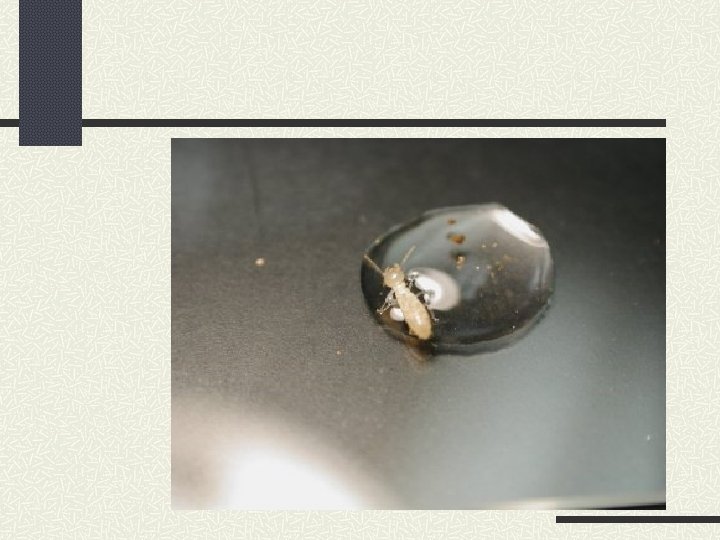
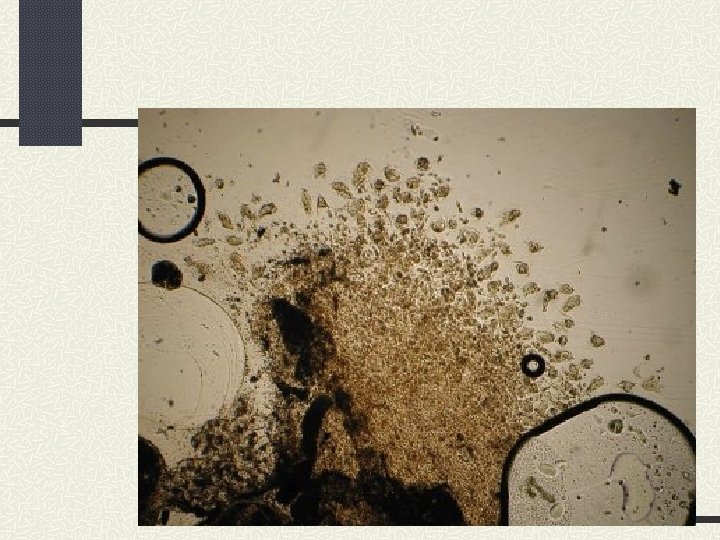
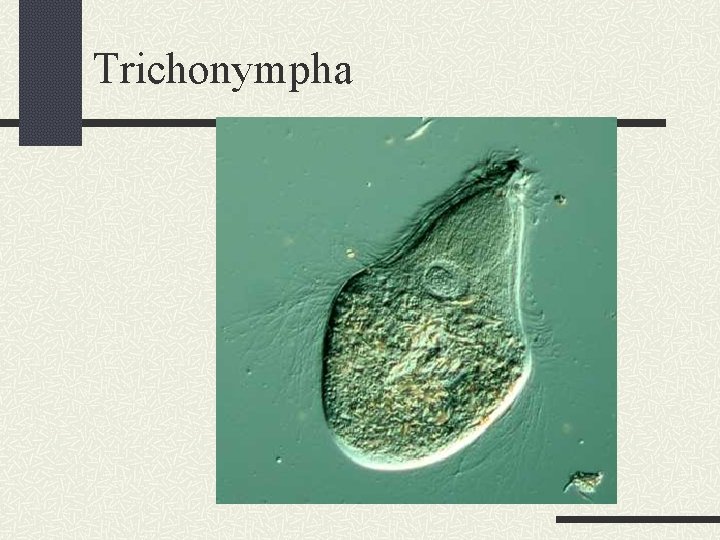
Termites and Trichonympha You probably think termites eat wood; they do – in a way. Termites can’t digest cellulose, which is the main component of wood. Therefore, they get help from a protozoan called trichonympha. This protozoan lives in the gut of the termite. It breaks down the cellulose for the termite. The trichonympha gets a free meal and shelter; the termite is able to eat and receive nutrients from the wood.
Termites in wood
Trichonympha
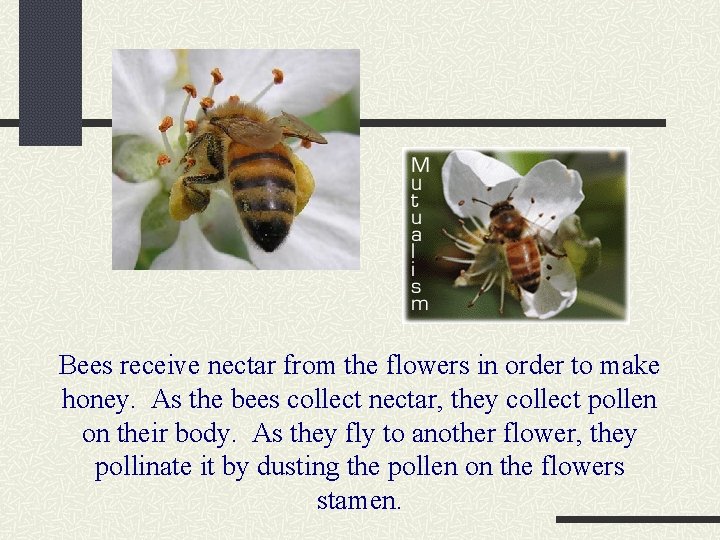
Bees receive nectar from the flowers in order to make honey. As the bees collect nectar, they collect pollen on their body. As they fly to another flower, they pollinate it by dusting the pollen on the flowers stamen.
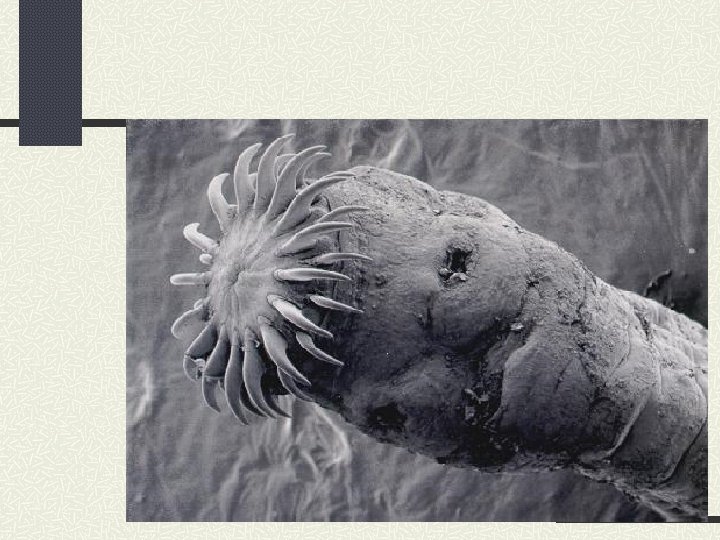
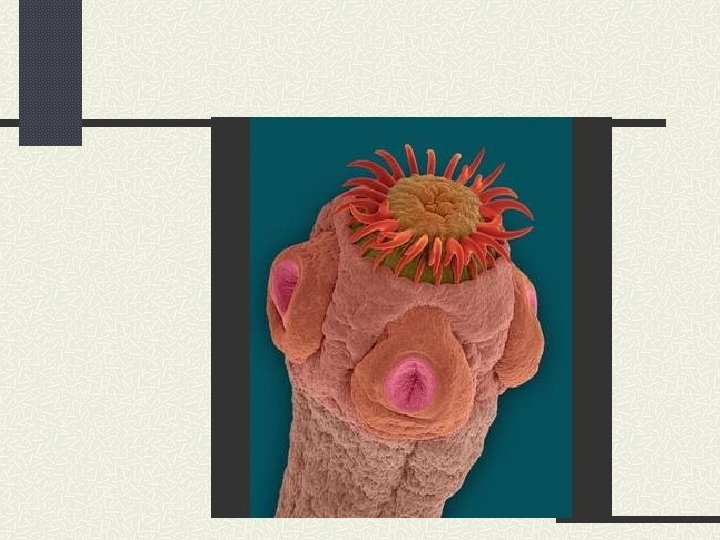
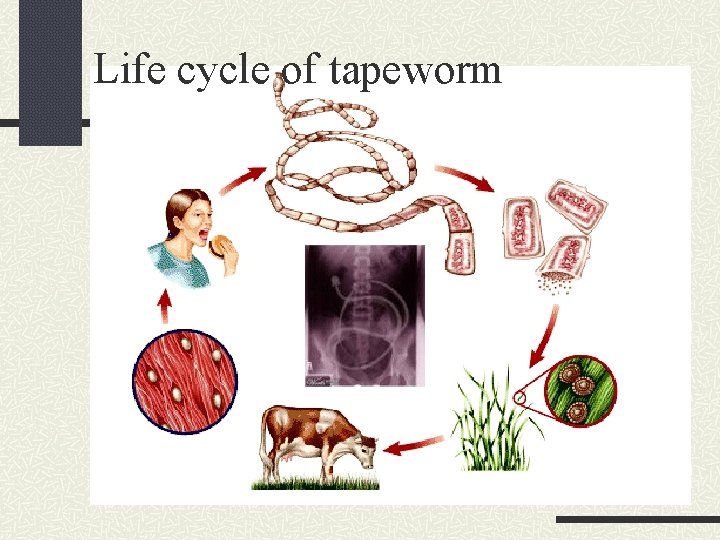
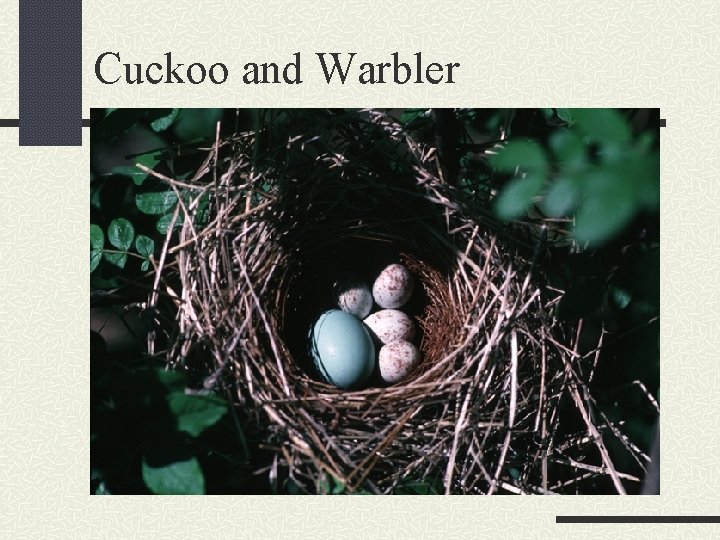
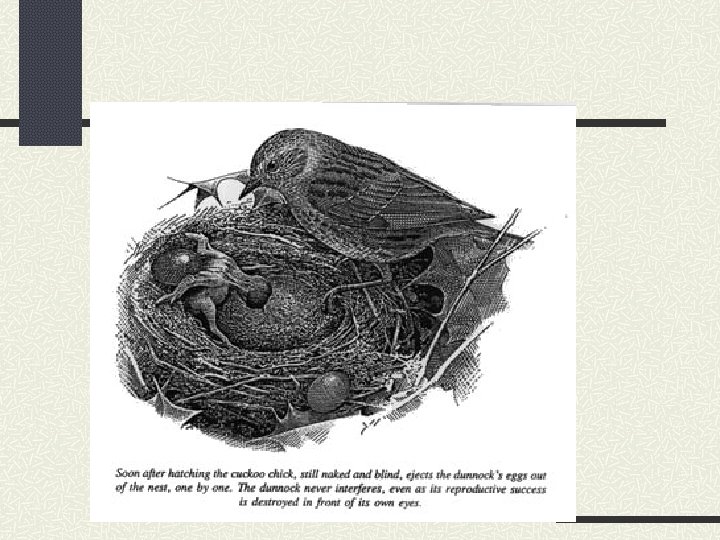
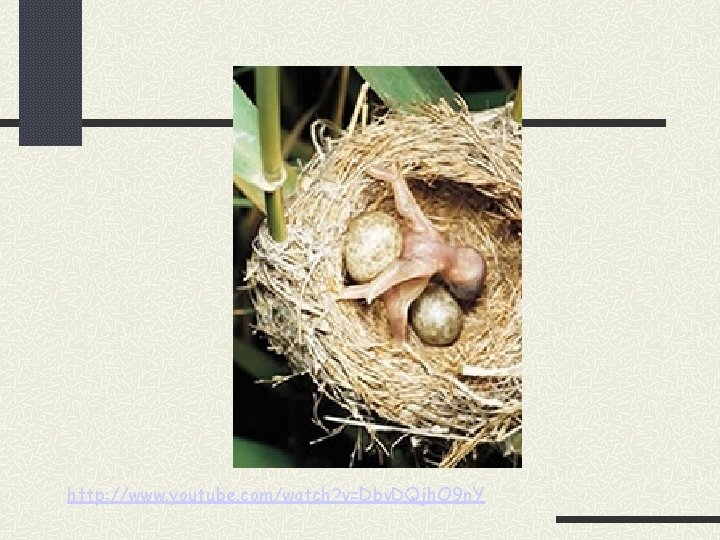
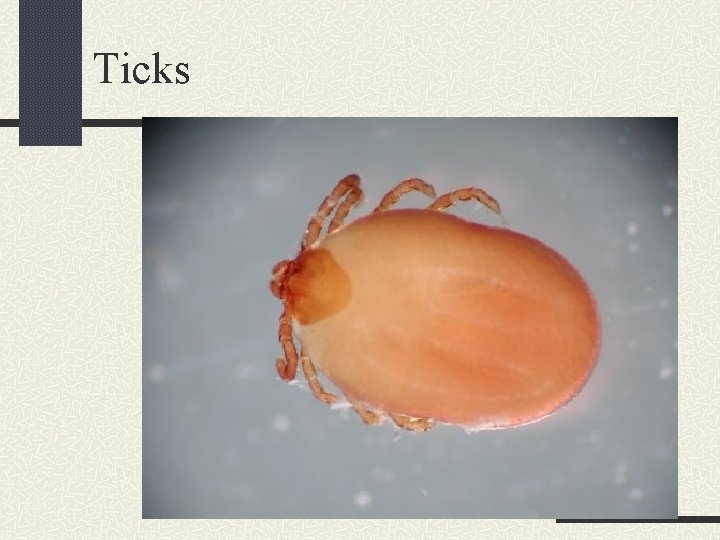
Parasitism Examples: Tapeworm and Humans Cuckoo bird and warbler Ticks
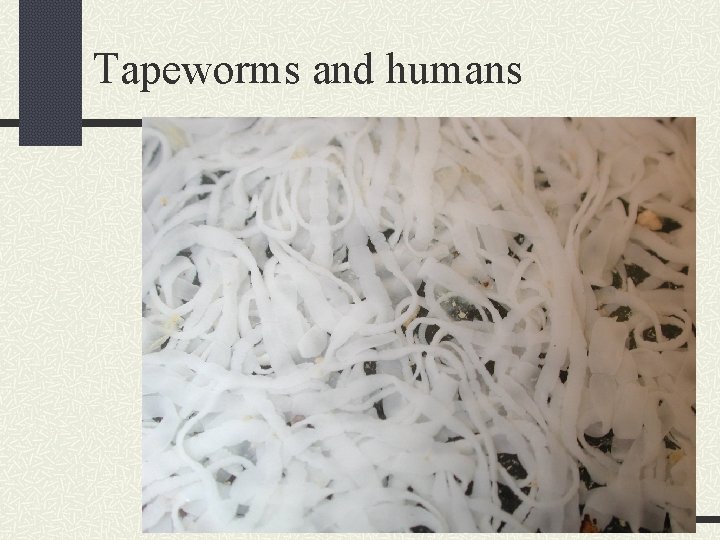
Tapeworms and humans
Life cycle of tapeworm
Cuckoo and Warbler
http: //www. youtube. com/watch? v=Dbv. DQjh. O 9 n. Y
Ticks
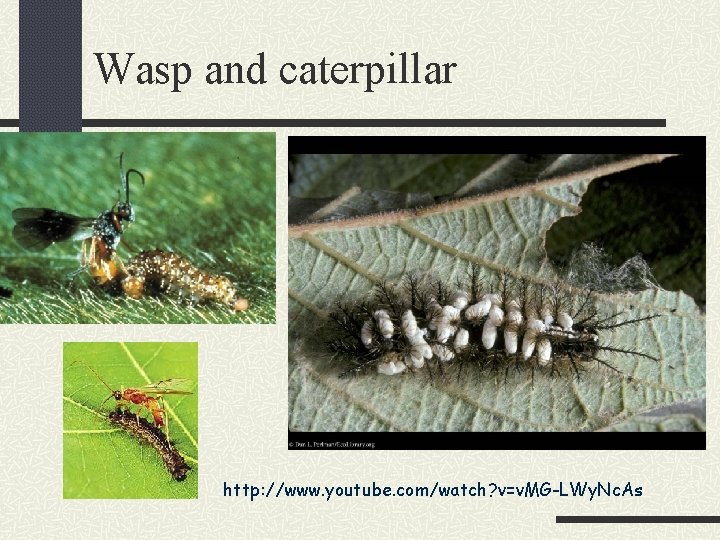
Wasp and caterpillar http: //www. youtube. com/watch? v=v. MG-LWy. Nc. As
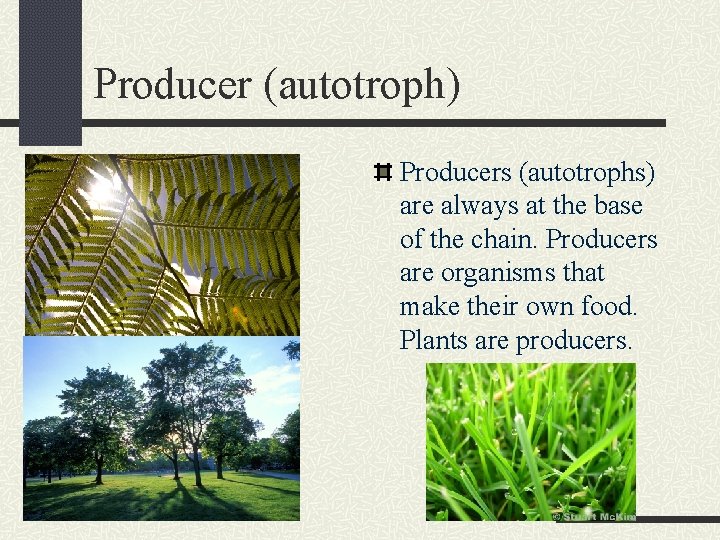
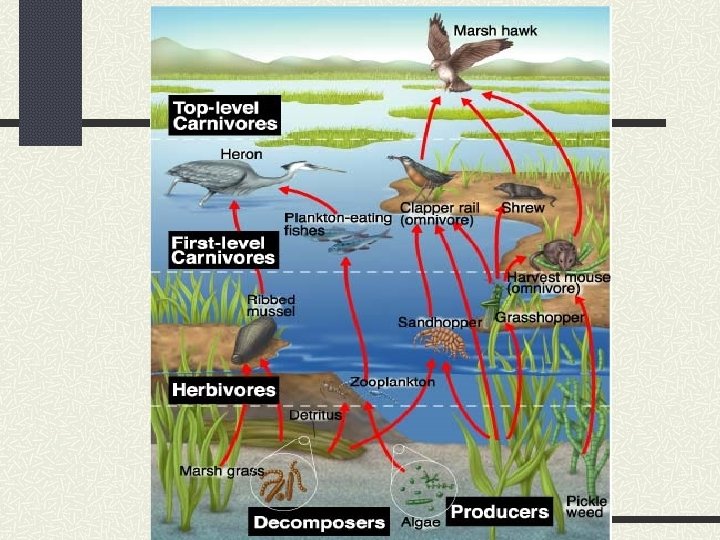
Producer (autotroph) Producers (autotrophs) are always at the base of the chain. Producers are organisms that make their own food. Plants are producers.
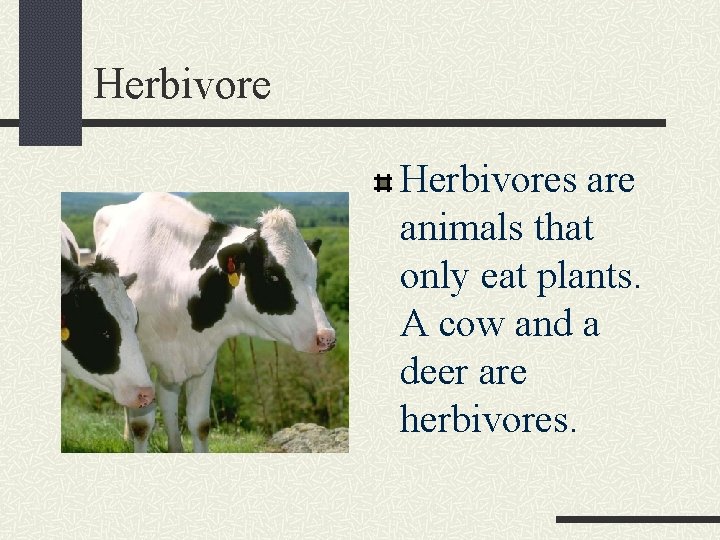
Herbivores are animals that only eat plants. A cow and a deer are herbivores.
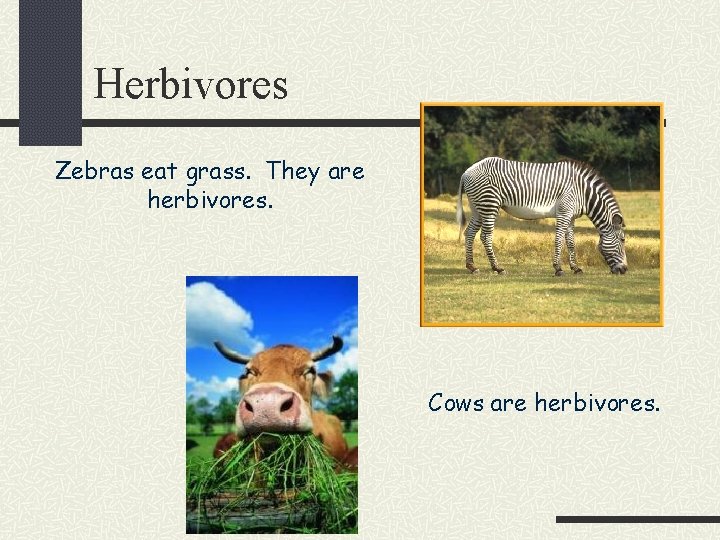
Herbivores Zebras eat grass. They are herbivores. Cows are herbivores.
Omnivore An omnivore eats both plants and animals. Humans and bears are omnivores.
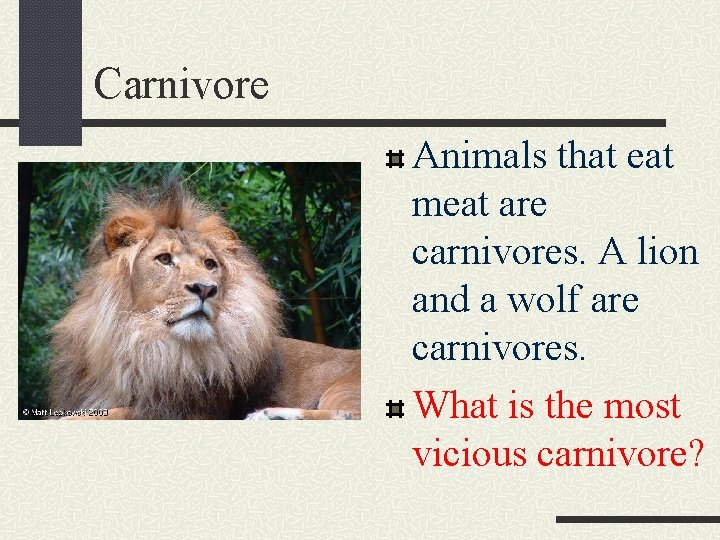
Carnivore Animals that eat meat are carnivores. A lion and a wolf are carnivores. What is the most vicious carnivore?
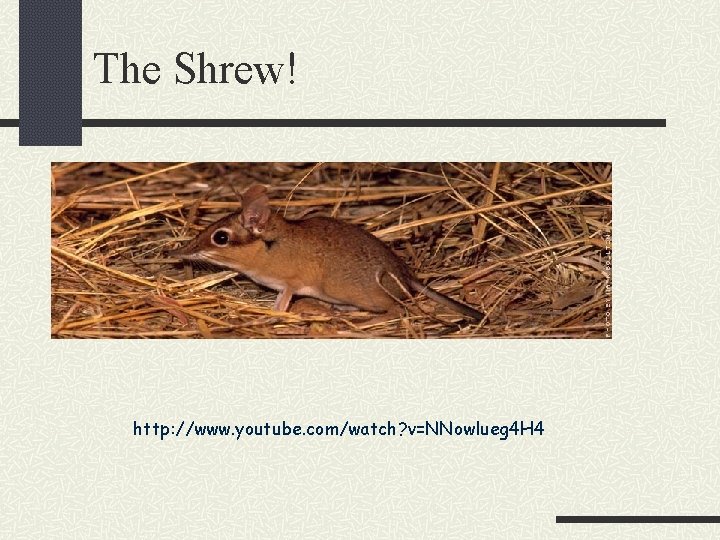
The Shrew! http: //www. youtube. com/watch? v=NNowlueg 4 H 4
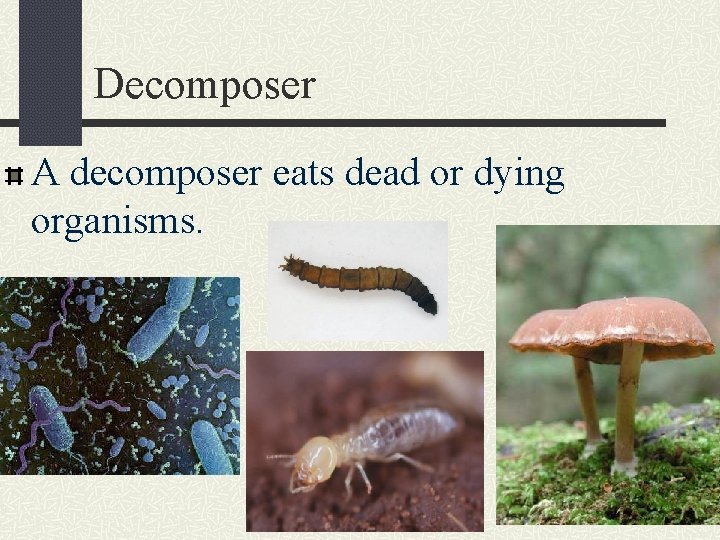
Decomposer A decomposer eats dead or dying organisms.
Producers and Consumers So…producers make their own food (e. g. , photosynthesis) and consumers don’t. Is a dog a producer or a consumer? Is a termite a producer or a consumer?
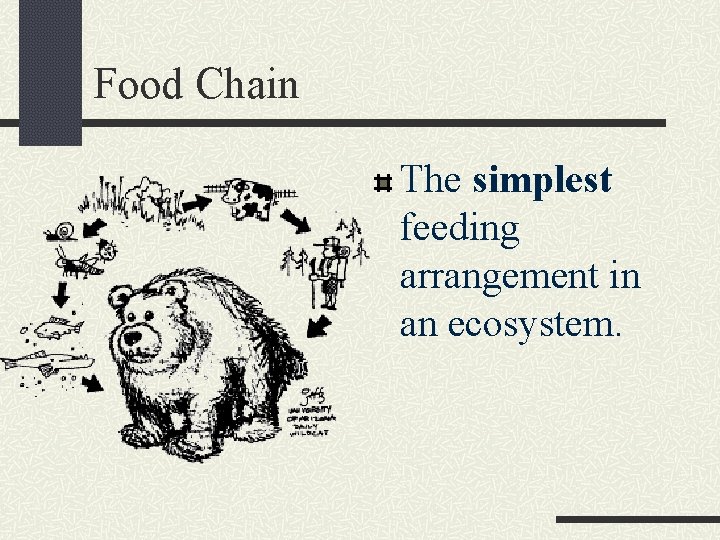
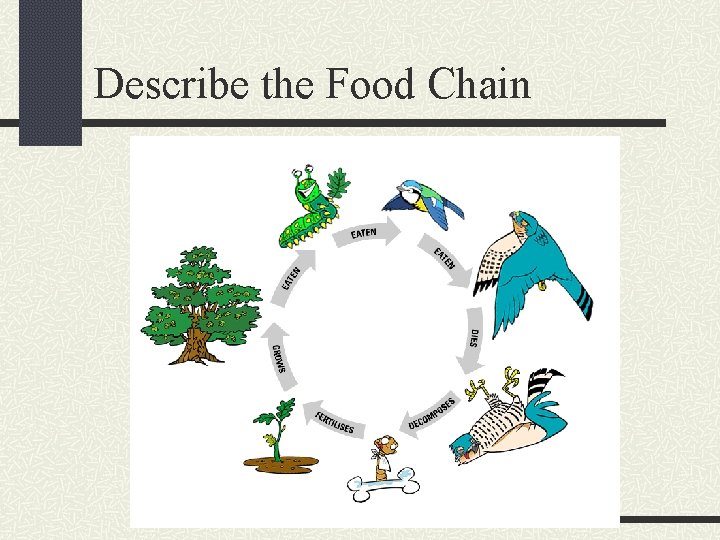
Food Chain The simplest feeding arrangement in an ecosystem.
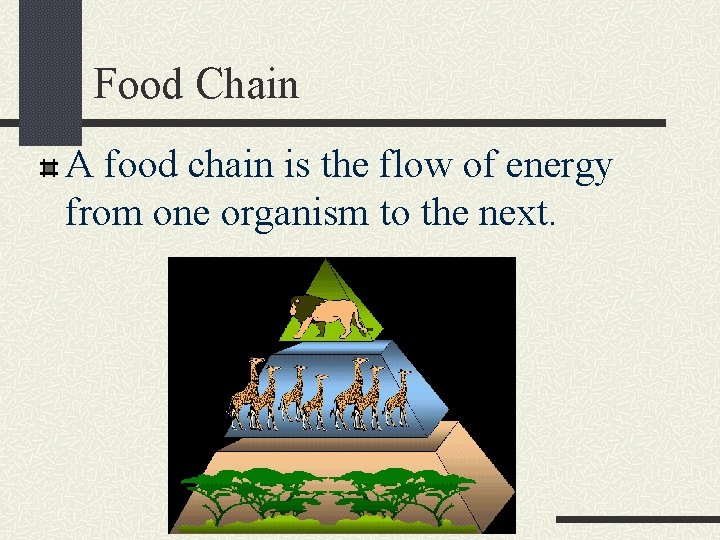
Food Chain A food chain is the flow of energy from one organism to the next.
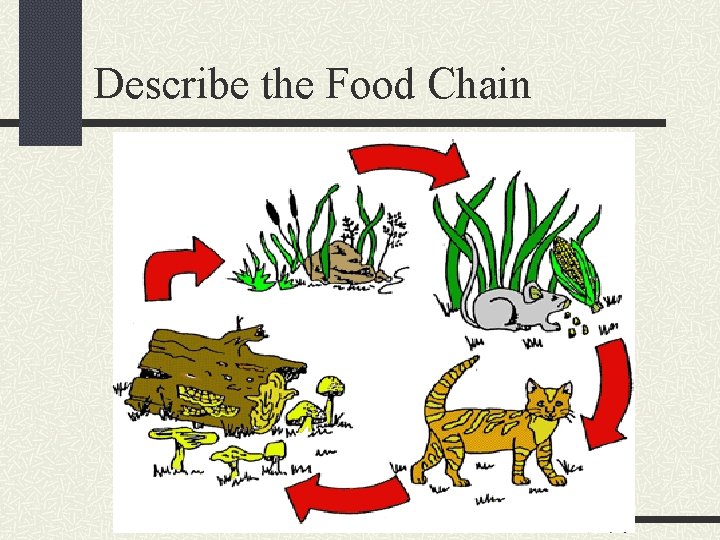
Describe the Food Chain
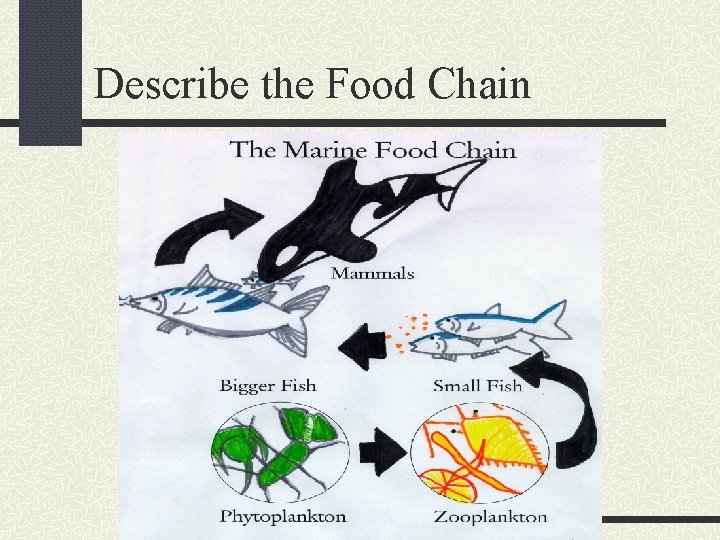
Describe the Food Chain
Describe the Food Chain
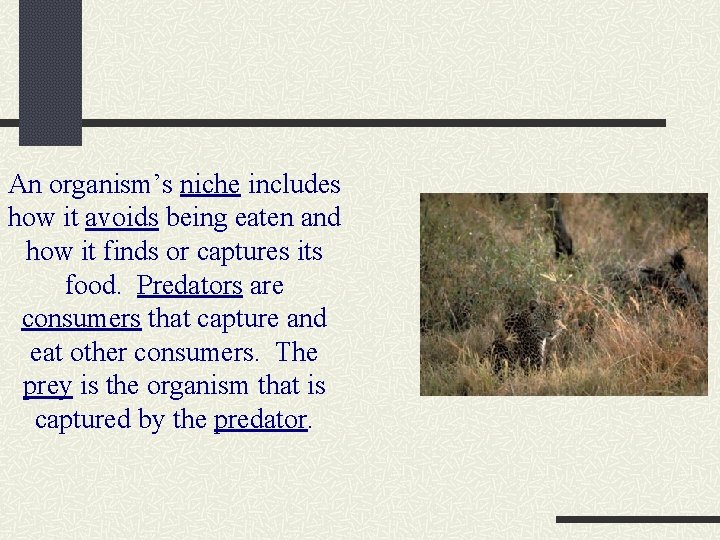
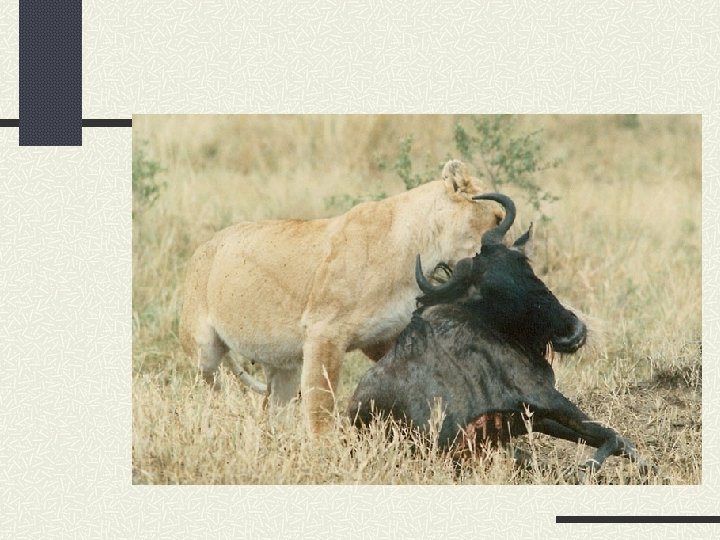
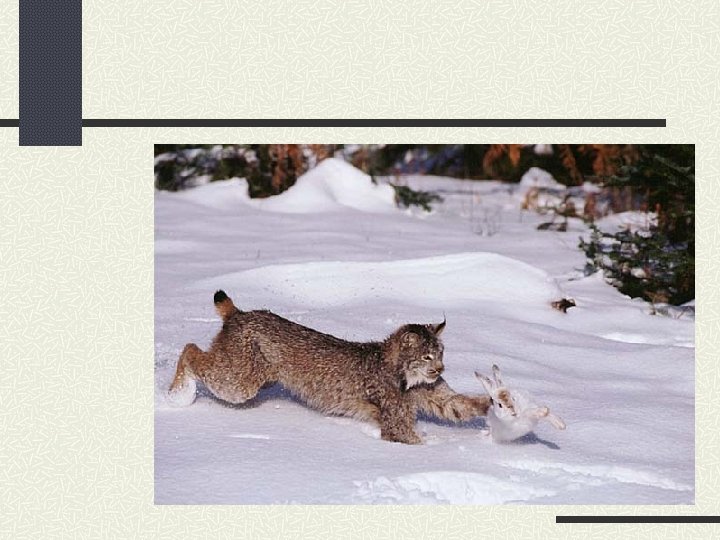
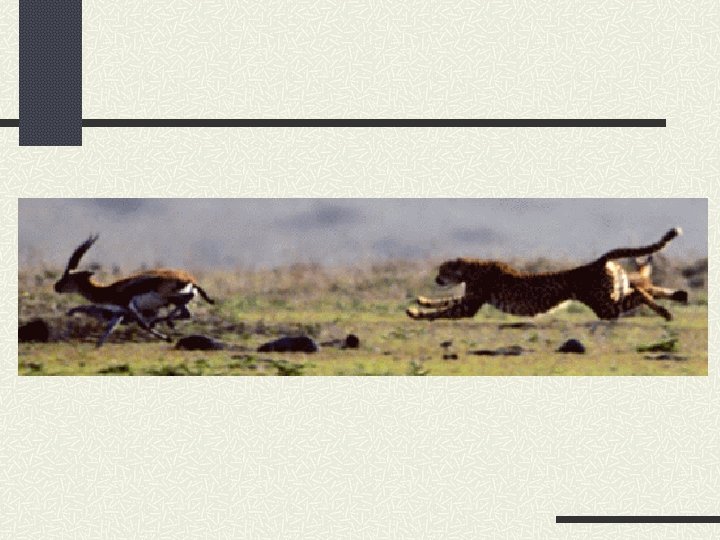
An organism’s niche includes how it avoids being eaten and how it finds or captures its food. Predators are consumers that capture and eat other consumers. The prey is the organism that is captured by the predator.
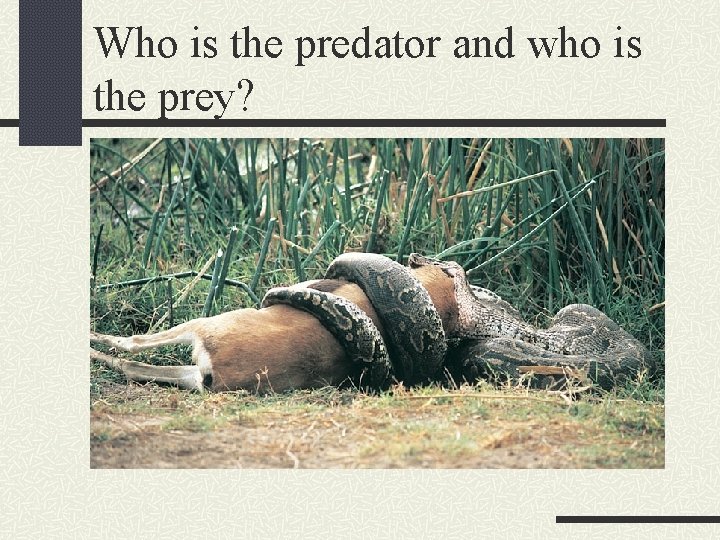
Who is the predator and who is the prey?
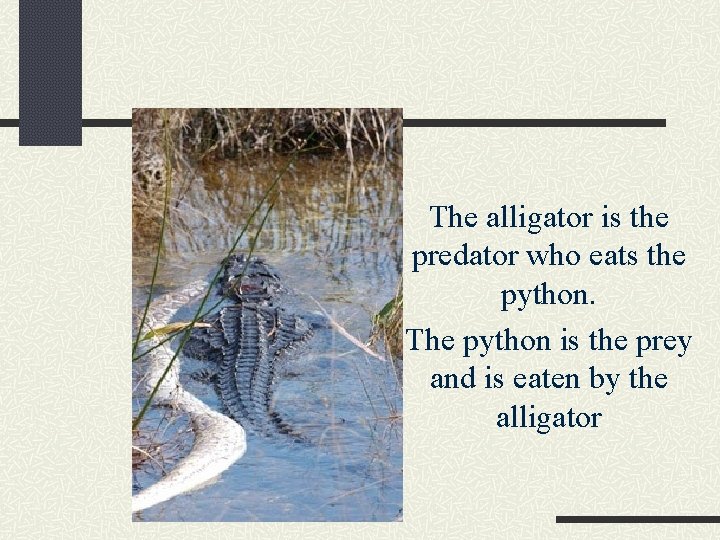
The alligator is the predator who eats the python. The python is the prey and is eaten by the alligator
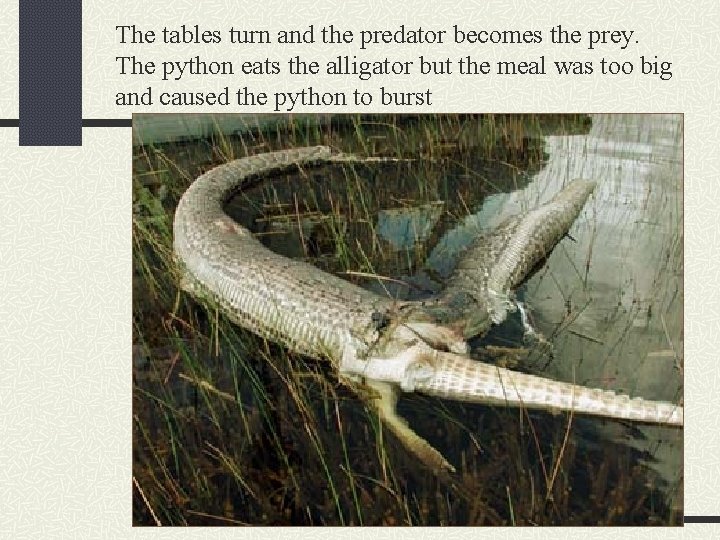
The tables turn and the predator becomes the prey. The python eats the alligator but the meal was too big and caused the python to burst
Predator/Prey Relationship The presence of predators usually increases the number of different species that can live in an ecosystem. Predators limit the size of prey populations. As a result, food and other resources are less likely to become scarce, and competition between species is reduced.
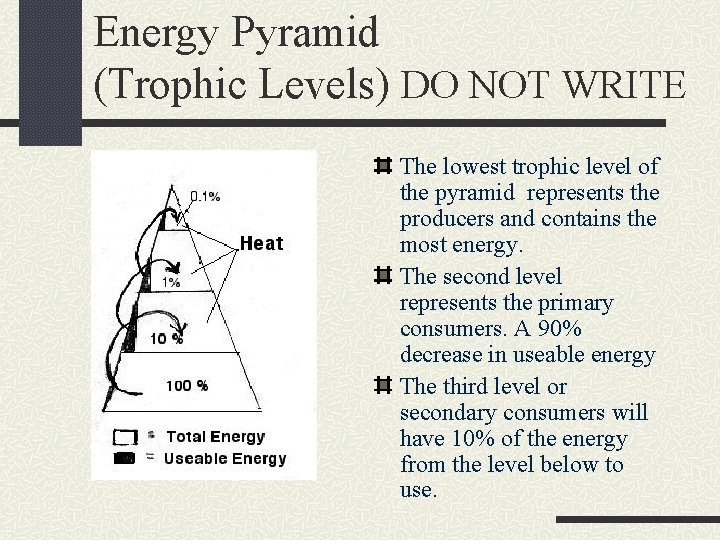
Energy Flow • Sun major supplier of the earth’s energy. • Energy CANNOT be RECYCLED, it flows through the ecosystem. • Most of the energy released is lost in the form of heat.
The Flow of Energy Producers - Plants capture the sun’s energy and store it in food Primary Consumers (herbivores) - Animals that receive their energy directly from plants Secondary Consumers (carnivores) - Consumers that feed on primary consumers Energy flows from the sun to the producer, then to the primary consumer, then to the secondary consumer, third level consumers, forth level consumers, etc. . .
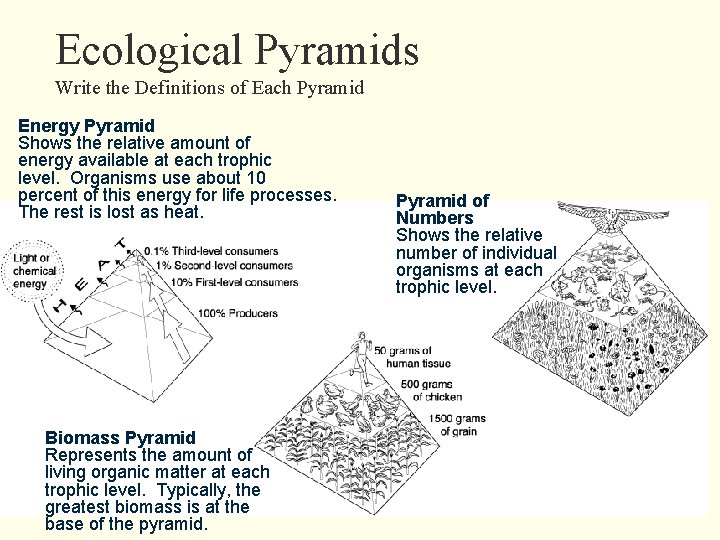
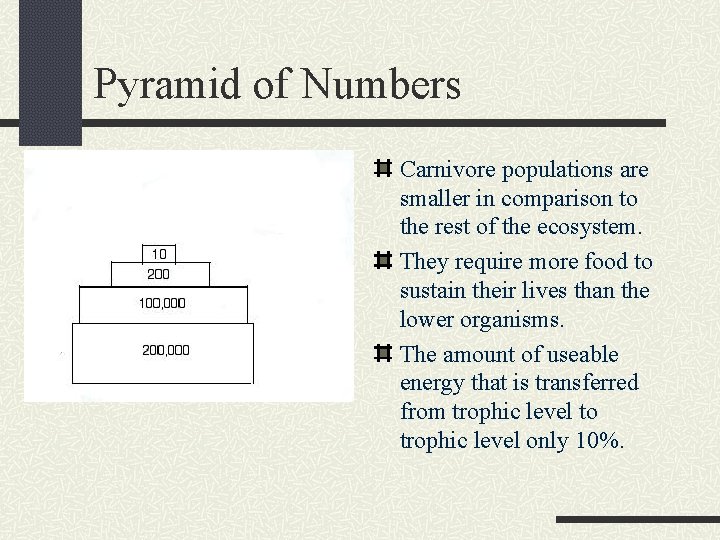
Ecological Pyramids Write the Definitions of Each Pyramid Energy Pyramid Shows the relative amount of energy available at each trophic level. Organisms use about 10 percent of this energy for life processes. The rest is lost as heat. Biomass Pyramid Represents the amount of living organic matter at each trophic level. Typically, the greatest biomass is at the base of the pyramid. Pyramid of Numbers Shows the relative number of individual organisms at each trophic level.
Pyramid of Numbers Carnivore populations are smaller in comparison to the rest of the ecosystem. They require more food to sustain their lives than the lower organisms. The amount of useable energy that is transferred from trophic level to trophic level only 10%.
More about Energy Flow Decomposers are organisms that obtain there energy from dead organic matter. Organism eat organism at different levels (trophic levels) The amount of useable energy that is transferred from trophic level to trophic level only 10%.
Energy Pyramid (Trophic Levels) DO NOT WRITE The lowest trophic level of the pyramid represents the producers and contains the most energy. The second level represents the primary consumers. A 90% decrease in useable energy The third level or secondary consumers will have 10% of the energy from the level below to use.
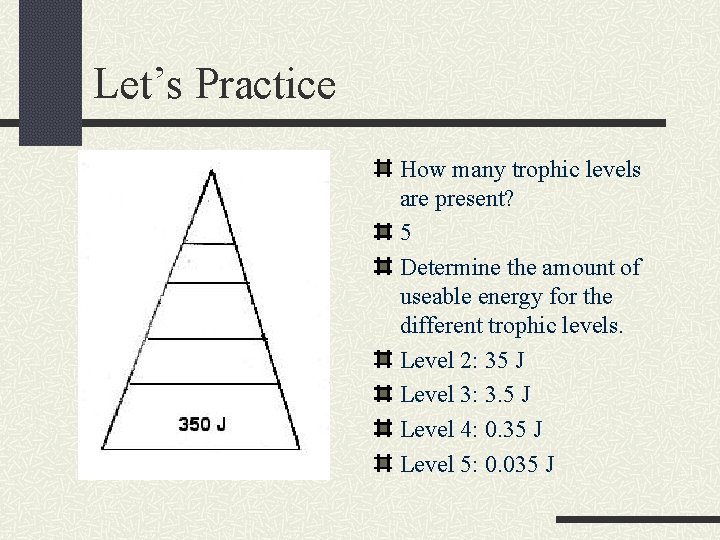
Let’s Practice How many trophic levels are present? 5 Determine the amount of useable energy for the different trophic levels. Level 2: 35 J Level 3: 3. 5 J Level 4: 0. 35 J Level 5: 0. 035 J
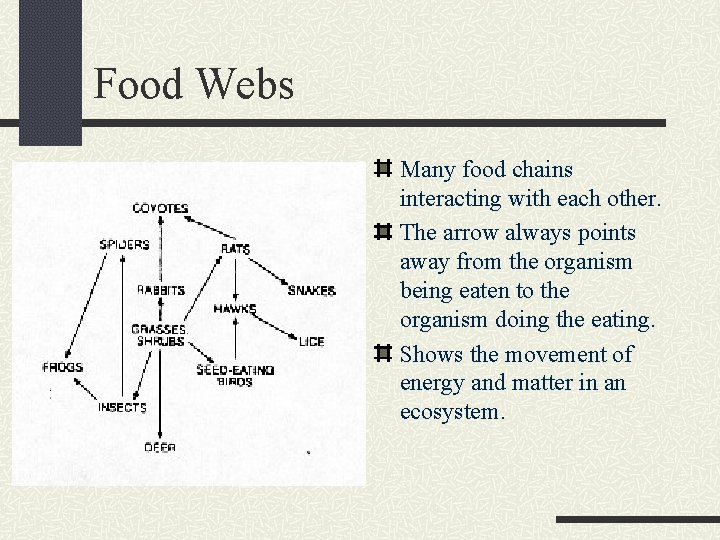
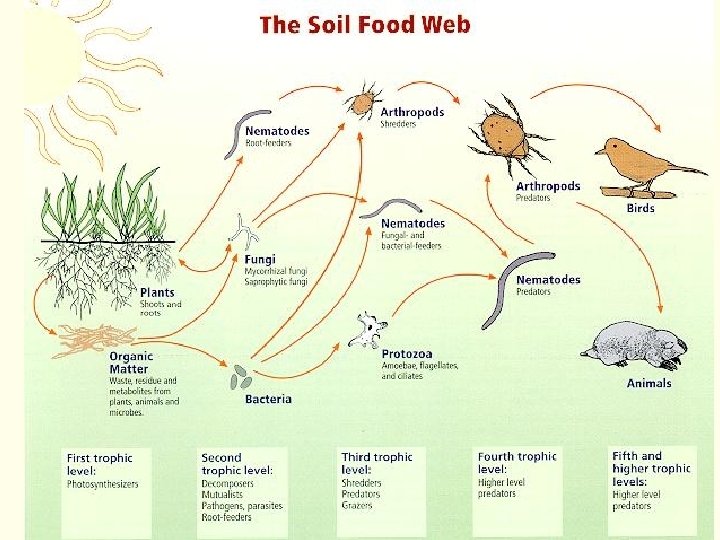
Food Webs Many food chains interacting with each other. The arrow always points away from the organism being eaten to the organism doing the eating. Shows the movement of energy and matter in an ecosystem.
Elaborate Interpret Food Webs and Food Chains and analyze the flow of matter and energy. Levels of Organization Book