
Intro to Disc Brakes Most Common Floating Floating
Intro to Disc Brakes

Most Common - Floating

Floating Disc Brake
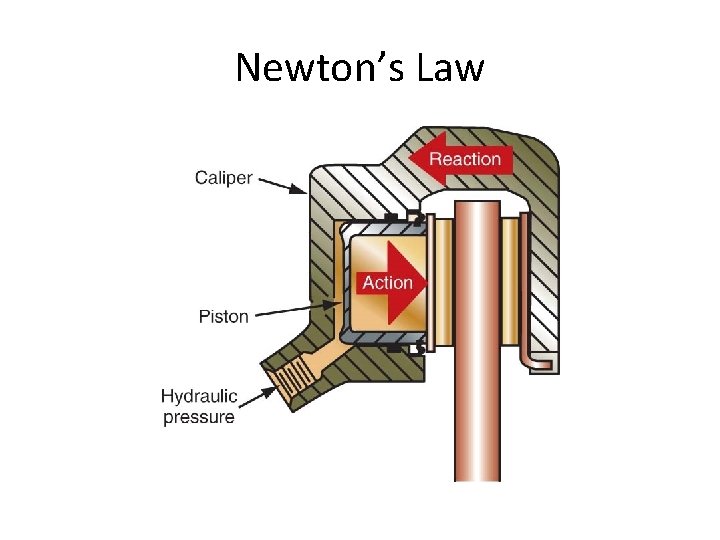
Newton’s Law
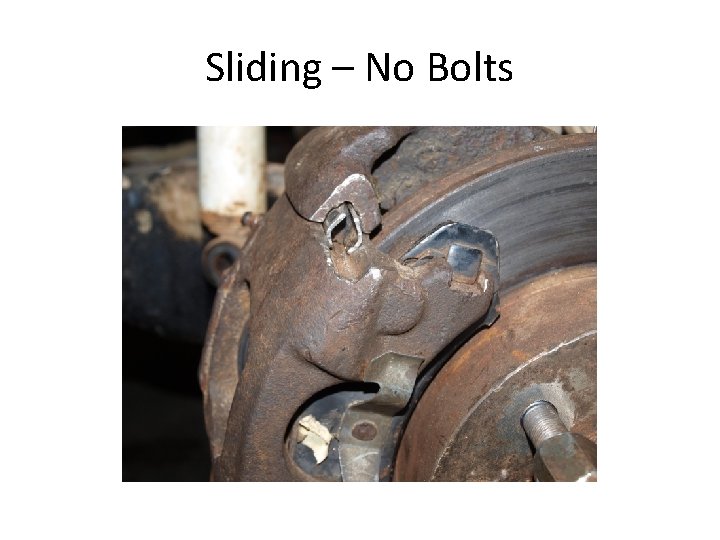
Sliding – No Bolts
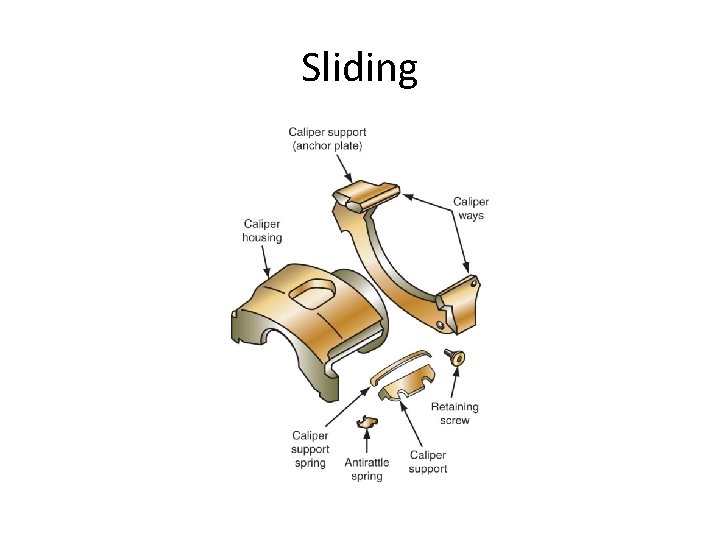
Sliding

Fixed – Caliper Does Not Move
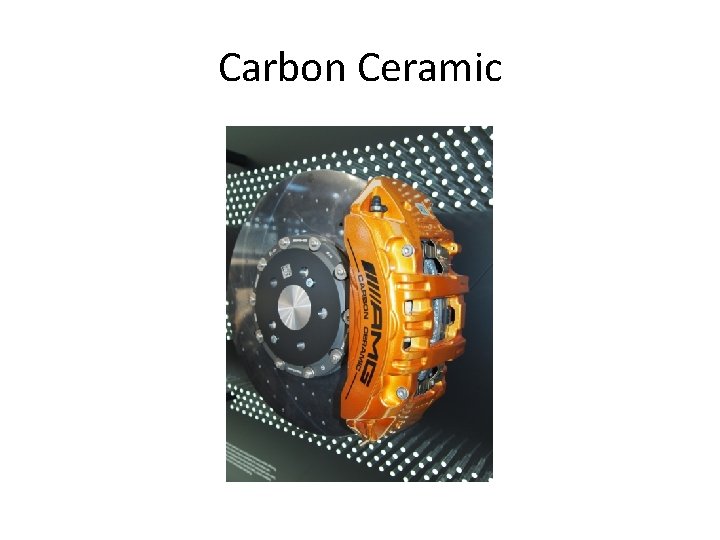
Carbon Ceramic
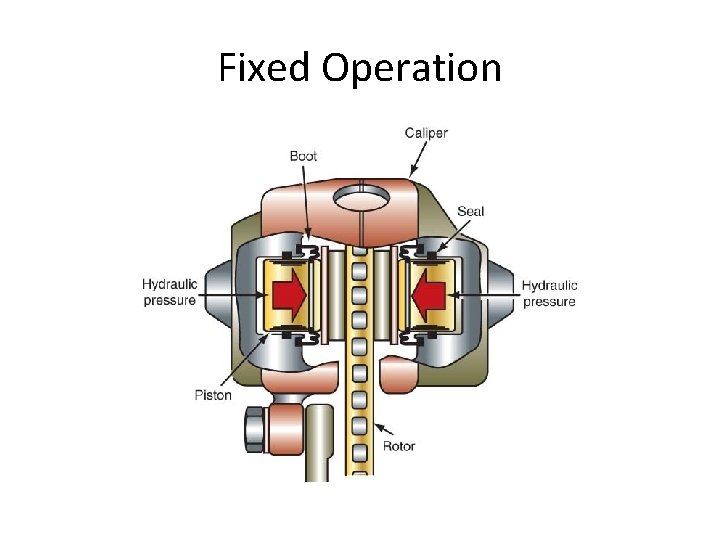
Fixed Operation

Drum-In-Hat Parking Brake
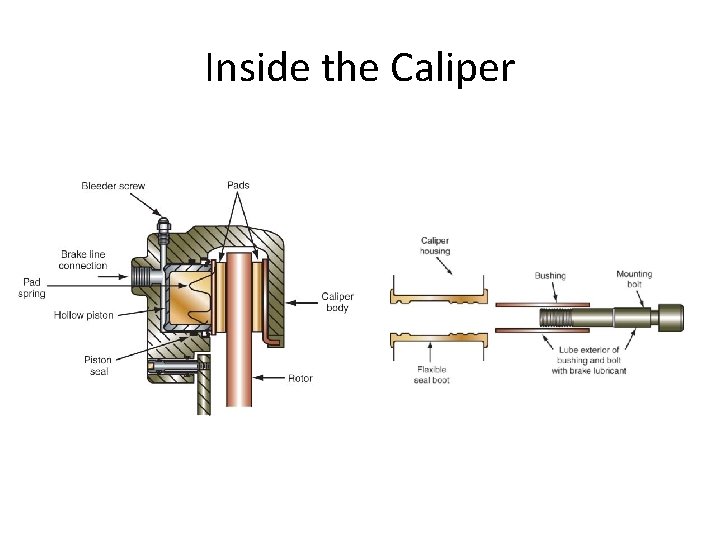
Inside the Caliper
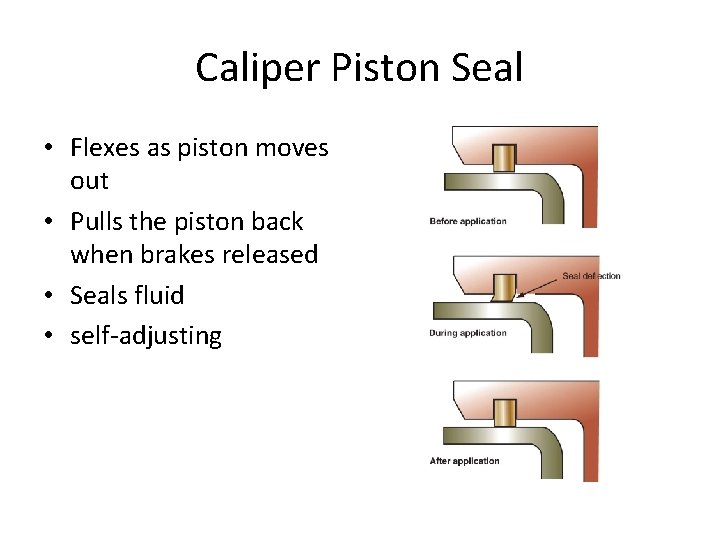
Caliper Piston Seal • Flexes as piston moves out • Pulls the piston back when brakes released • Seals fluid • self-adjusting
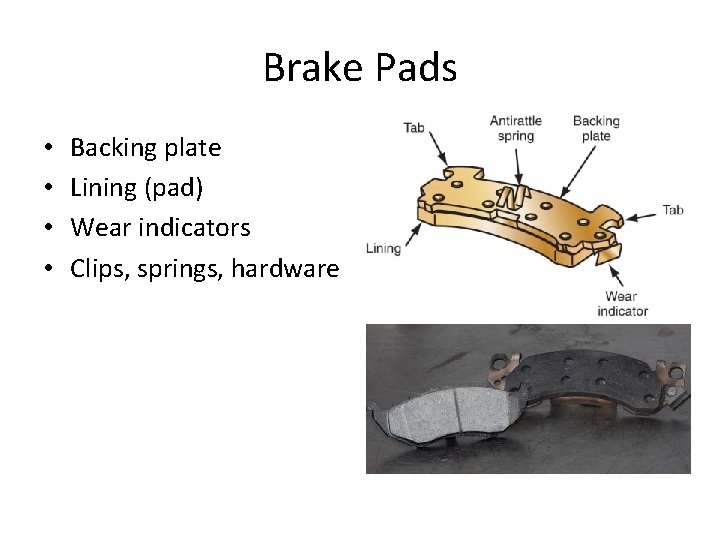
Brake Pads • • Backing plate Lining (pad) Wear indicators Clips, springs, hardware
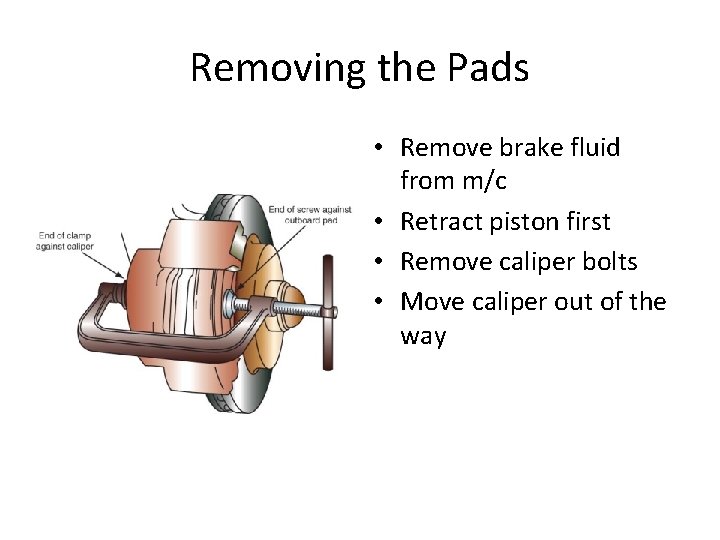
Removing the Pads • Remove brake fluid from m/c • Retract piston first • Remove caliper bolts • Move caliper out of the way
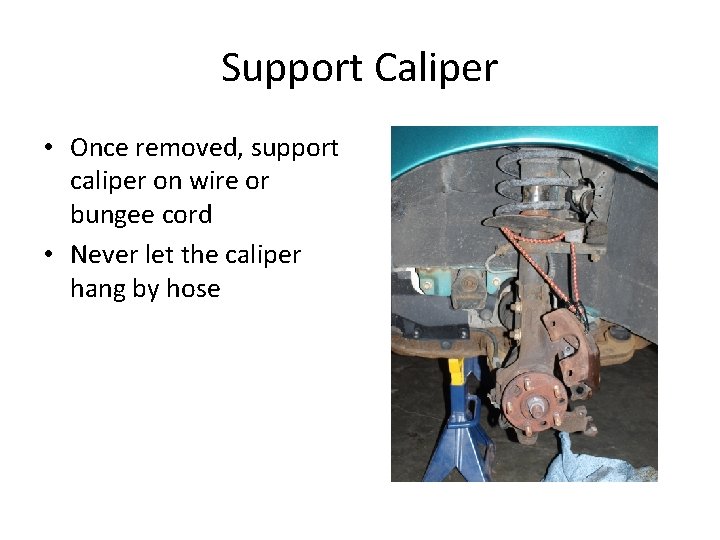
Support Caliper • Once removed, support caliper on wire or bungee cord • Never let the caliper hang by hose
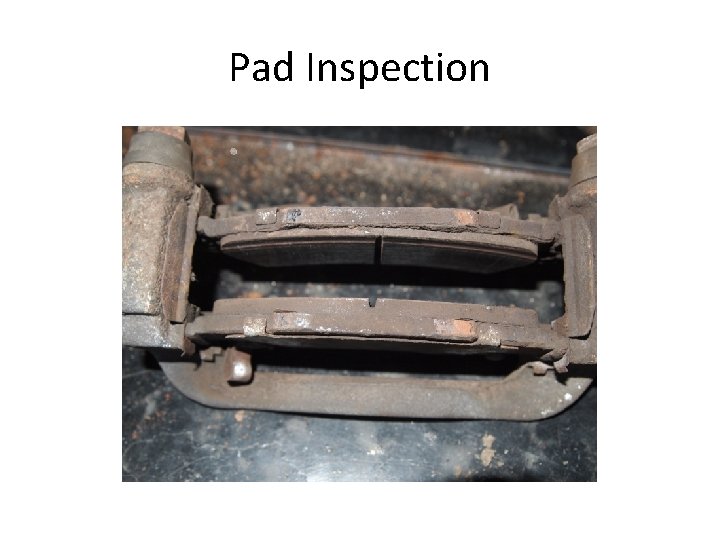
Pad Inspection
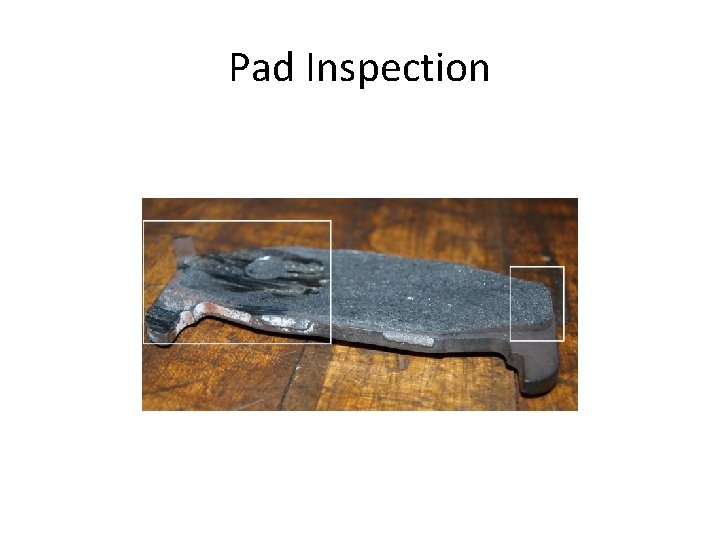
Pad Inspection
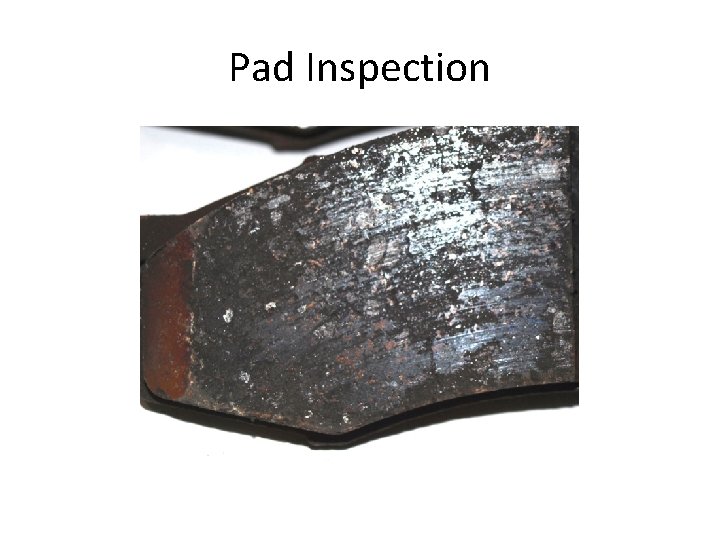
Pad Inspection
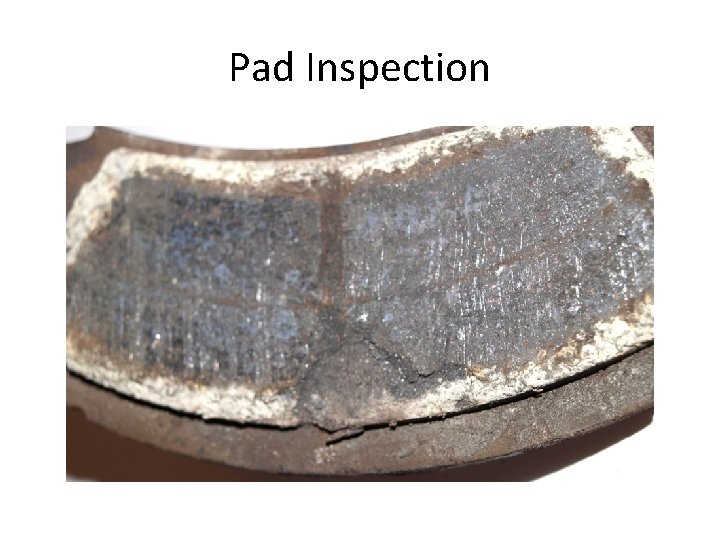
Pad Inspection
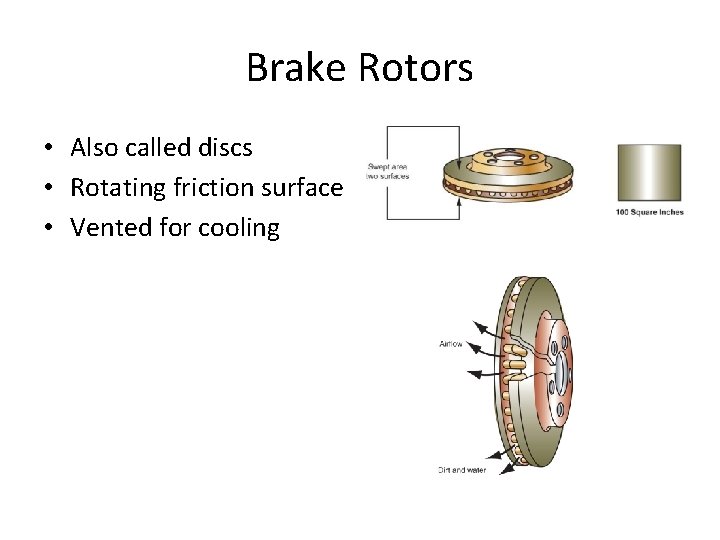
Brake Rotors • Also called discs • Rotating friction surface • Vented for cooling
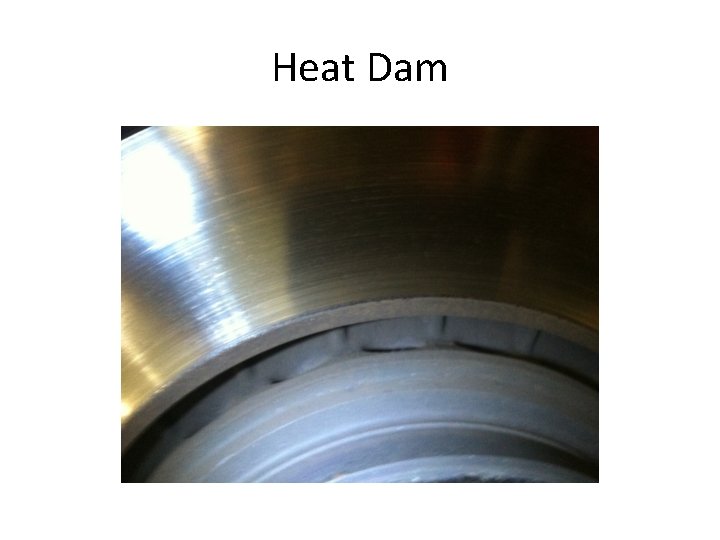
Heat Dam
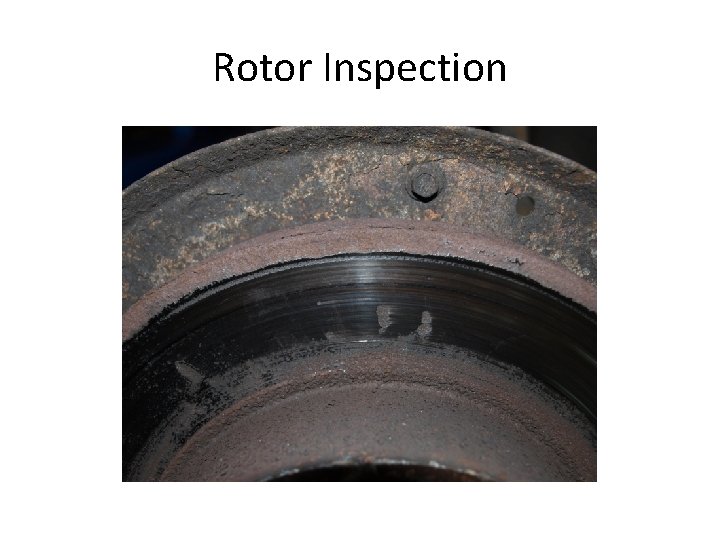
Rotor Inspection
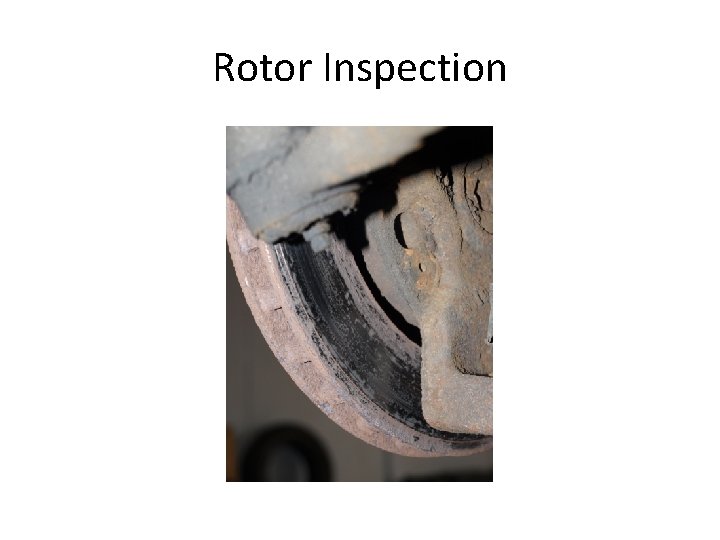
Rotor Inspection
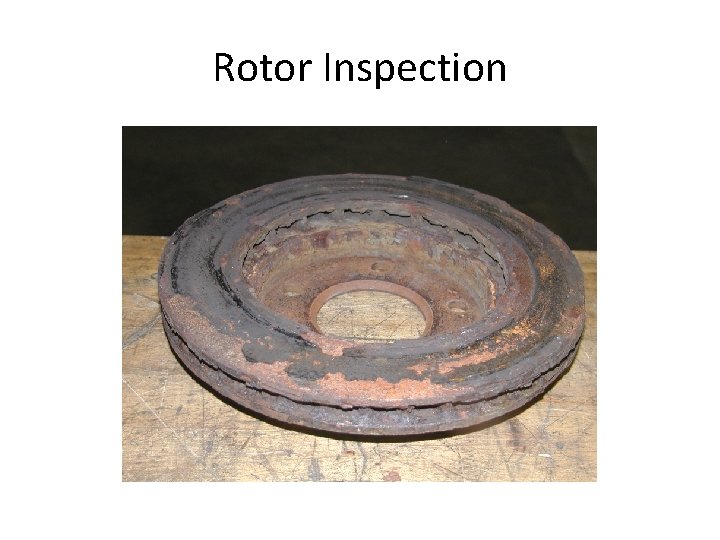
Rotor Inspection
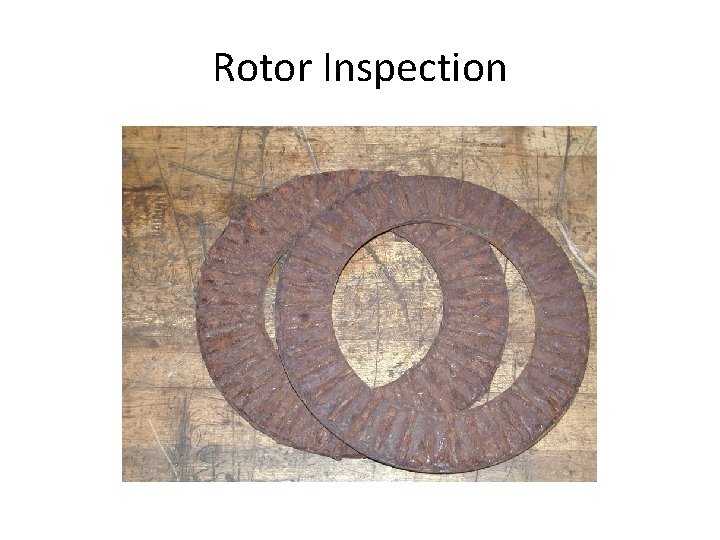
Rotor Inspection
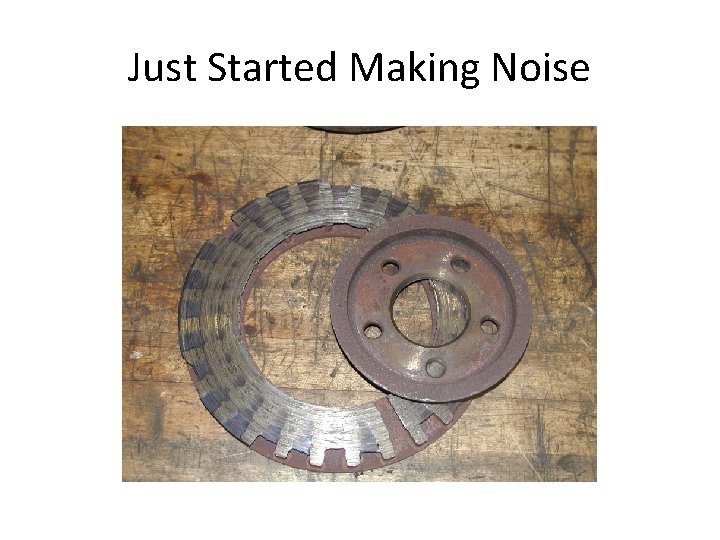
Just Started Making Noise
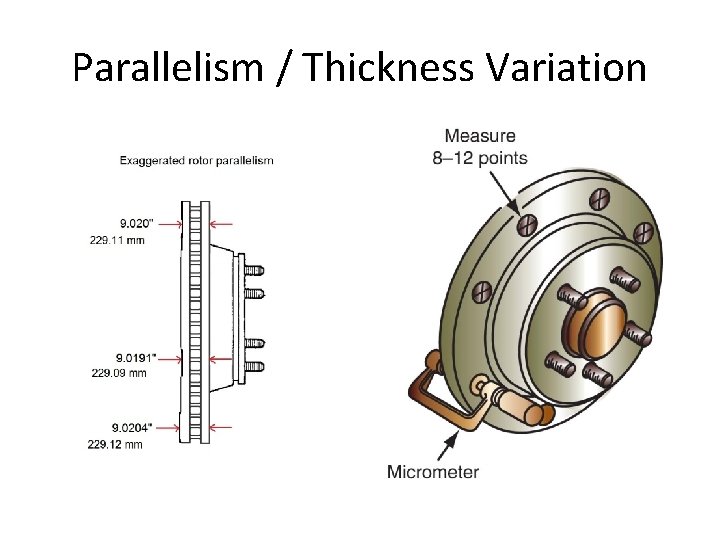
Parallelism / Thickness Variation
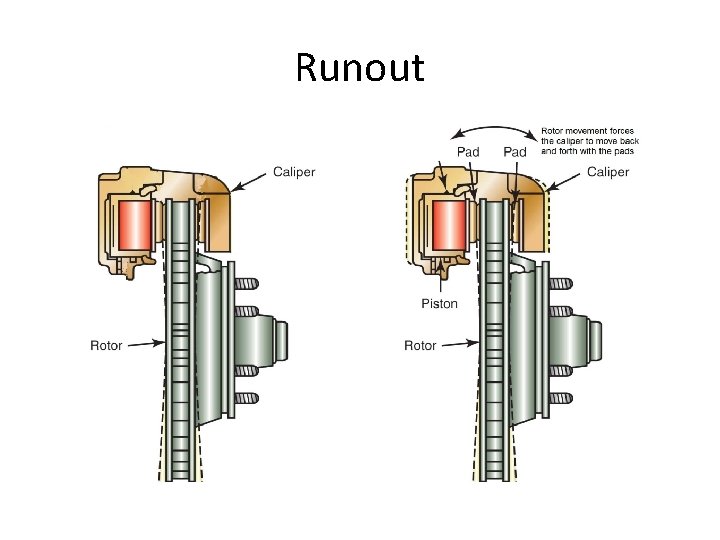
Runout

Runout Measurement
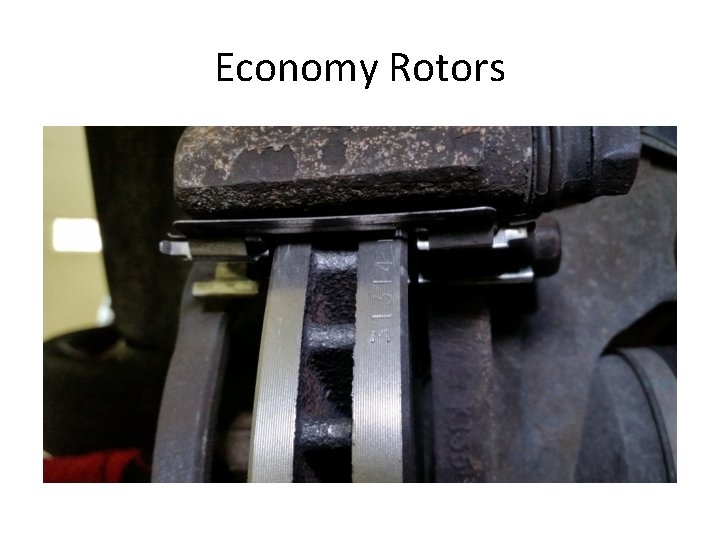
Economy Rotors
Burnish/Break-In Procedures • Necessary to properly seat pads and rotors – Transfers a layer from the pads to the rotors • Improves brake performance – Smoothes the mating surfaces – Heat cycles the pads and rotors • Reduces noise
Procedures Vary - RTM • For “normal” street service: 8 to 10 moderate applications from 40 -10 mph is sufficient. • Allow the brakes to cool for at least 15 minutes either by parking the vehicle or continuing to drive at moderate speeds with minimal brake applications.
Procedures cont. • Make approximately 20 complete stops from 30 -mph or 20 “slow downs” from 50 -mph to 20 -mph with light to moderate pedal pressure • NO PANIC STOPS · Allow at least 30 seconds between brake applications for the brake pads or shoes to cool down • No high speed stops and/or braking under heavy loads that could result in glazed or otherwise damaged linings
30/30/30 Procedure • Perform 30 stops from 30 miles per hour with a 30 -second cooling interval between stops. • Performed at a decelerating rate of 12 feet per second or less. This means that it should be a gentle easy stop. • The 30/30/30 Burnish Procedure beds the pads and shoes into the rotor and drums. It also deposits the necessary friction transfer to the rotors and drums for optimum brake performance.
- Slides: 35