
INTRO TO ANIMALS Chapter 12 Invertebrates What is
INTRO TO ANIMALS Chapter 12: Invertebrates
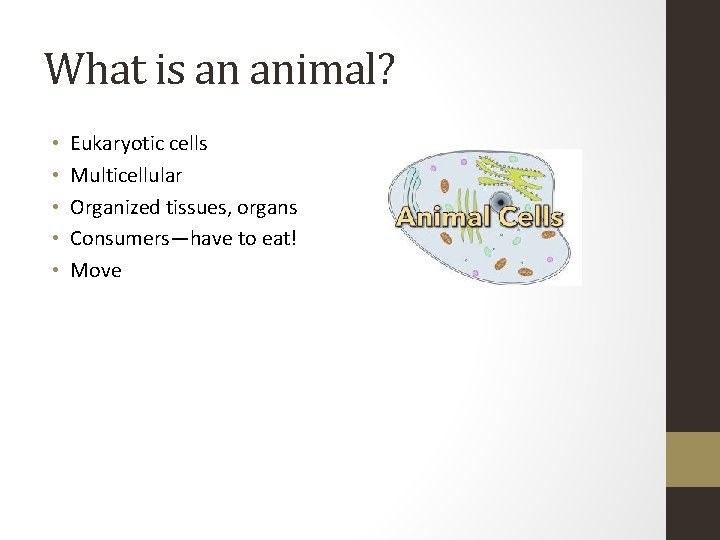
What is an animal? • • • Eukaryotic cells Multicellular Organized tissues, organs Consumers—have to eat! Move
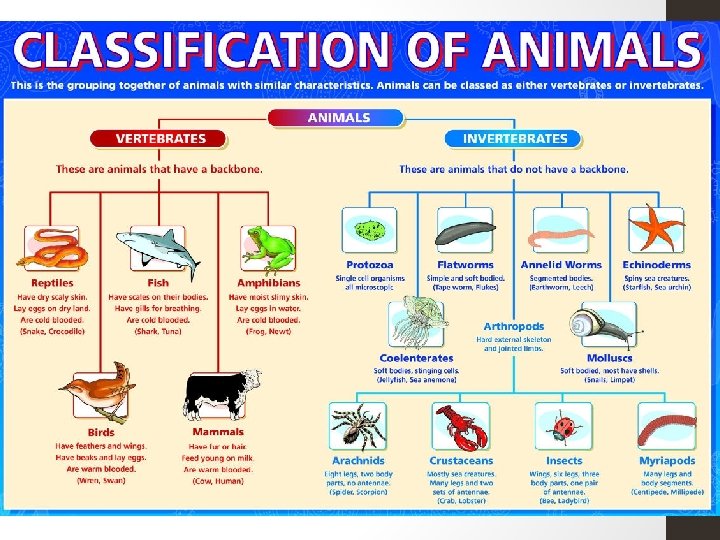
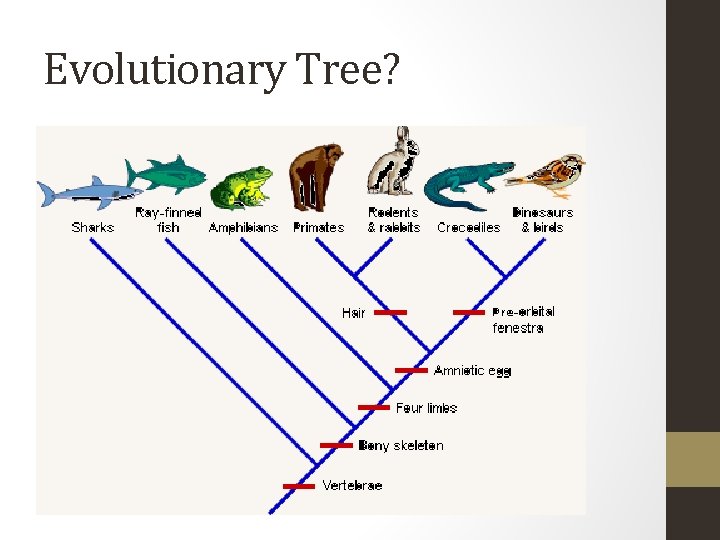
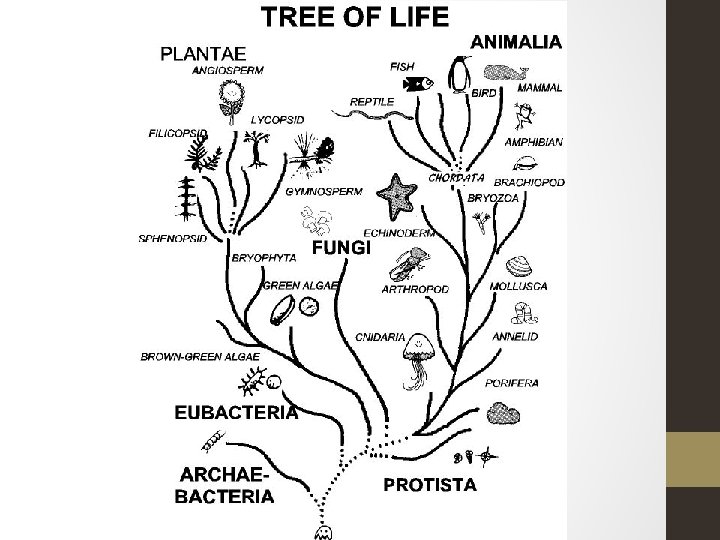
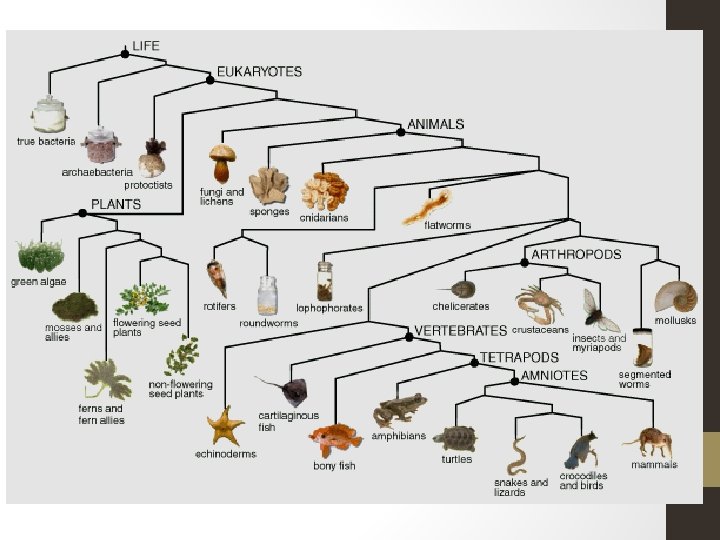
Evolutionary Tree?
Invertebrates Chapter 12
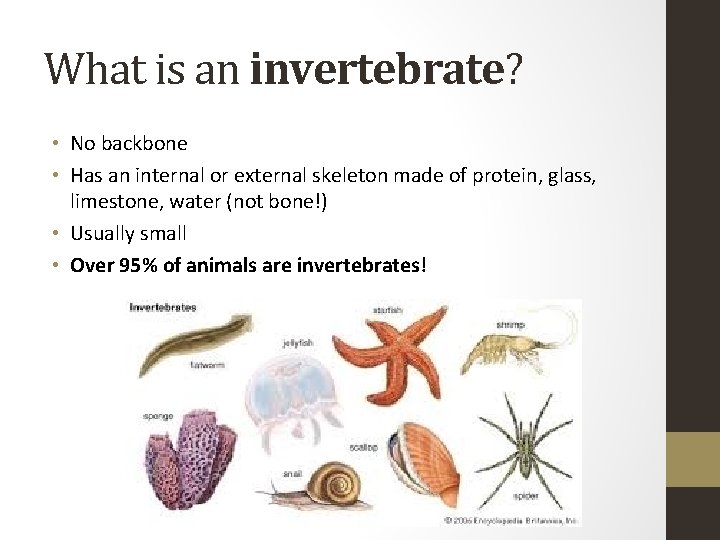
What is an invertebrate? • No backbone • Has an internal or external skeleton made of protein, glass, limestone, water (not bone!) • Usually small • Over 95% of animals are invertebrates!

SPONGES & JELLYFISH
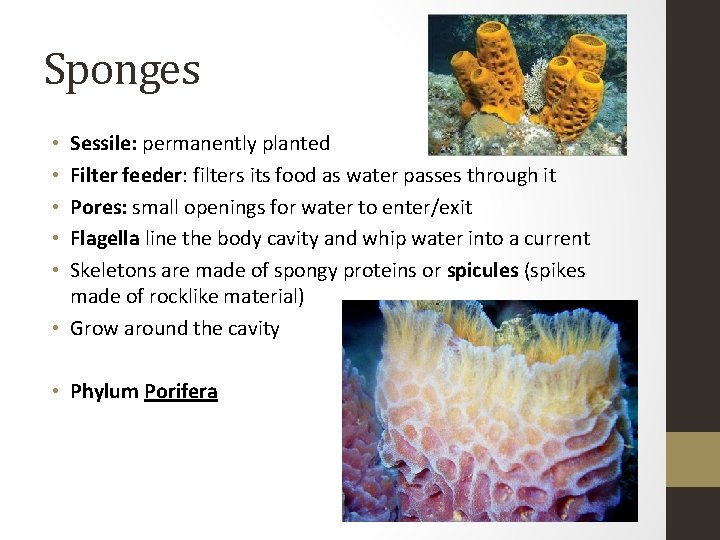
Sponges Sessile: permanently planted Filter feeder: filters its food as water passes through it Pores: small openings for water to enter/exit Flagella line the body cavity and whip water into a current Skeletons are made of spongy proteins or spicules (spikes made of rocklike material) • Grow around the cavity • • • Phylum Porifera
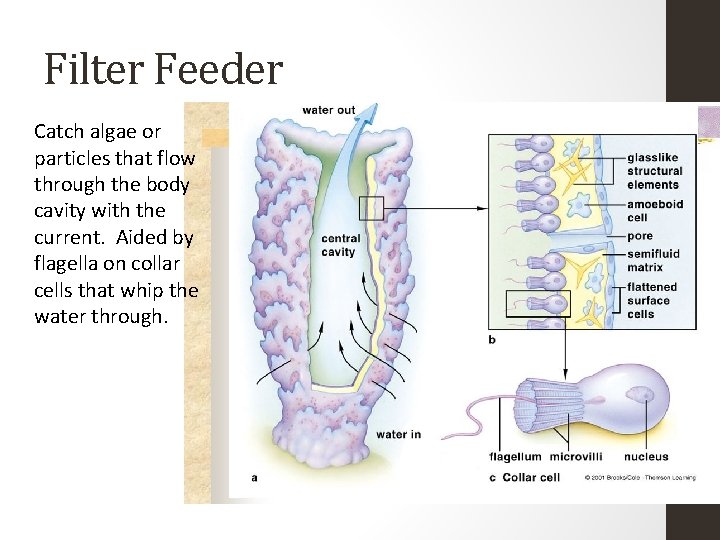
Filter Feeder Catch algae or particles that flow through the body cavity with the current. Aided by flagella on collar cells that whip the water through.
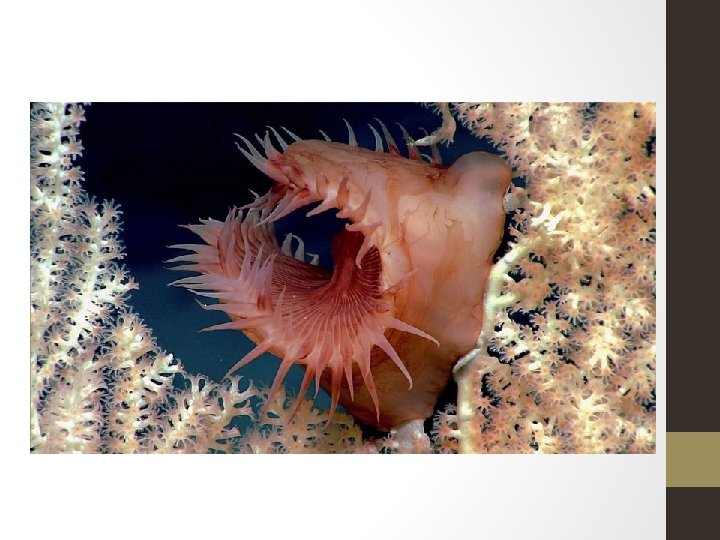
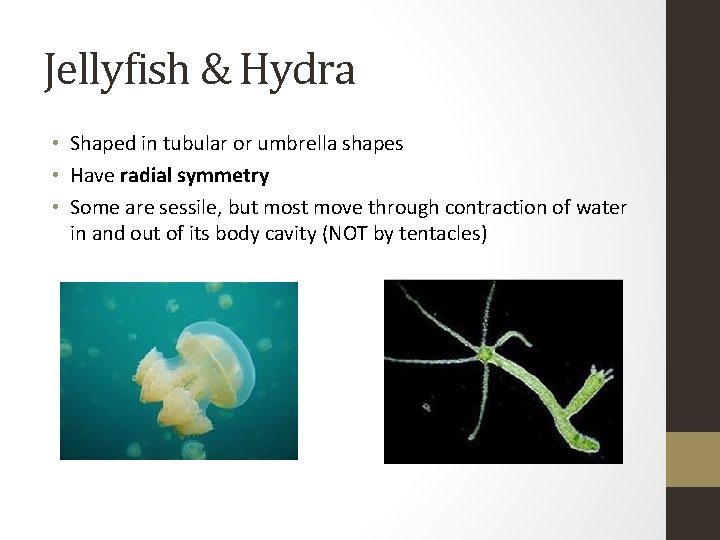
Jellyfish & Hydra • Shaped in tubular or umbrella shapes • Have radial symmetry • Some are sessile, but most move through contraction of water in and out of its body cavity (NOT by tentacles)
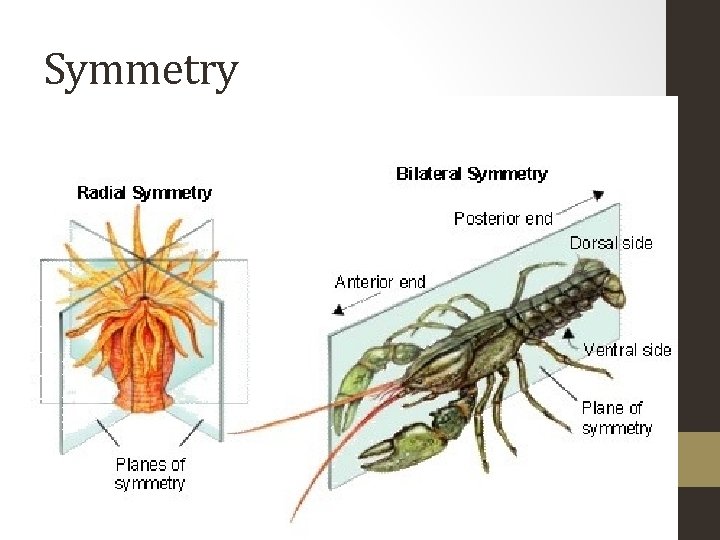
Symmetry
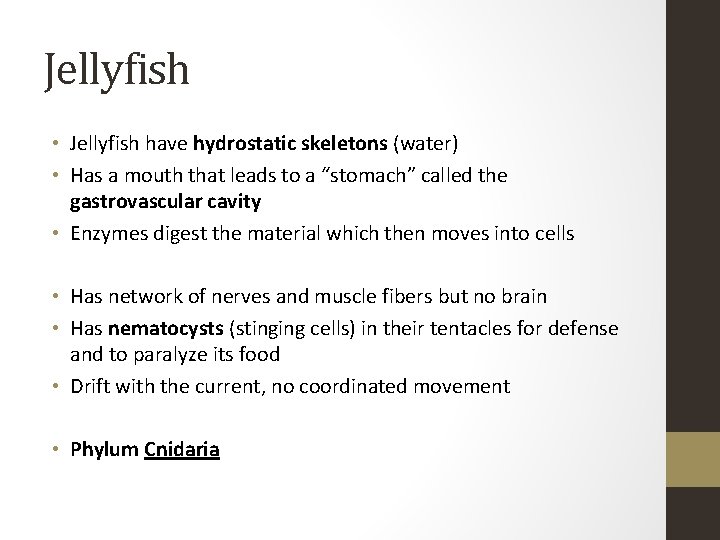
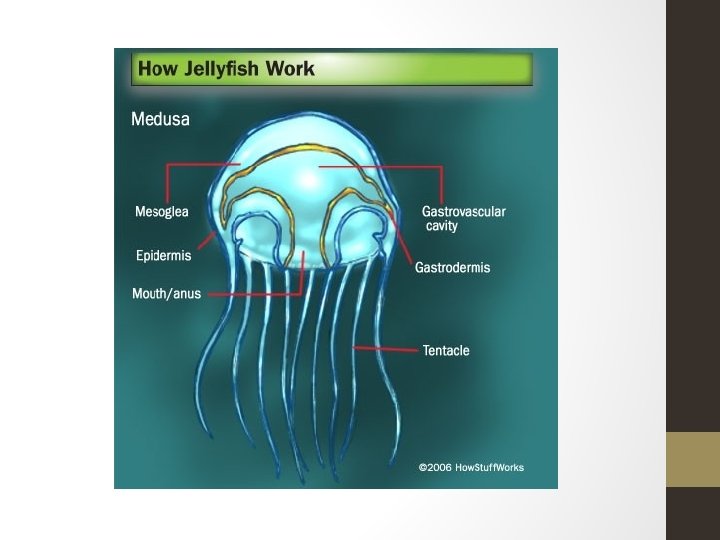
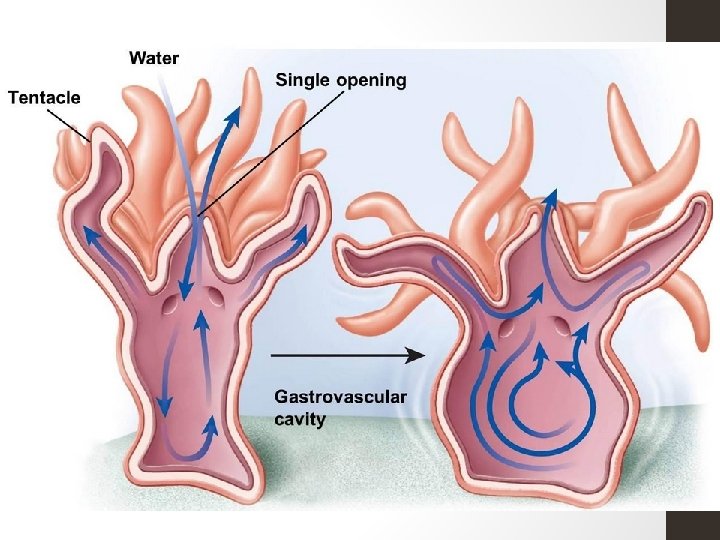
Jellyfish • Jellyfish have hydrostatic skeletons (water) • Has a mouth that leads to a “stomach” called the gastrovascular cavity • Enzymes digest the material which then moves into cells • Has network of nerves and muscle fibers but no brain • Has nematocysts (stinging cells) in their tentacles for defense and to paralyze its food • Drift with the current, no coordinated movement • Phylum Cnidaria
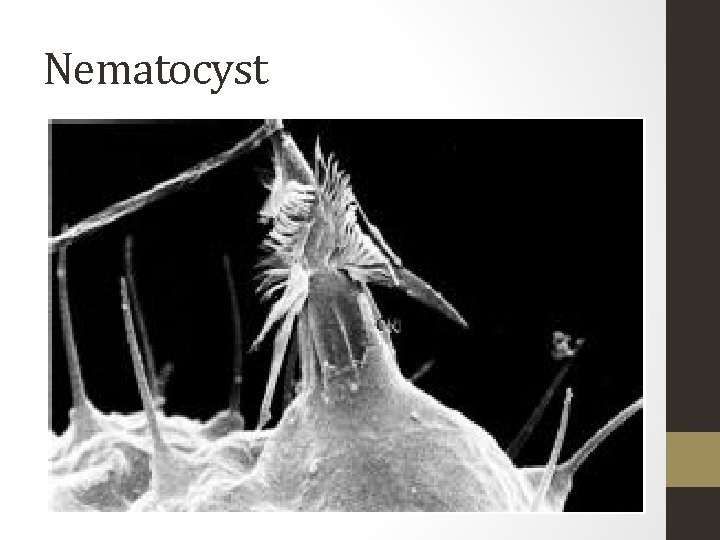
Nematocyst
WORMS, WORMS
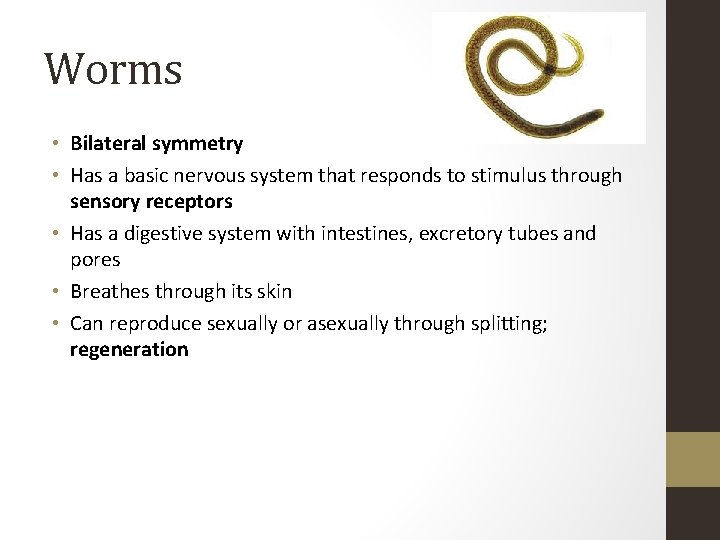
Worms • Bilateral symmetry • Has a basic nervous system that responds to stimulus through sensory receptors • Has a digestive system with intestines, excretory tubes and pores • Breathes through its skin • Can reproduce sexually or asexually through splitting; regeneration
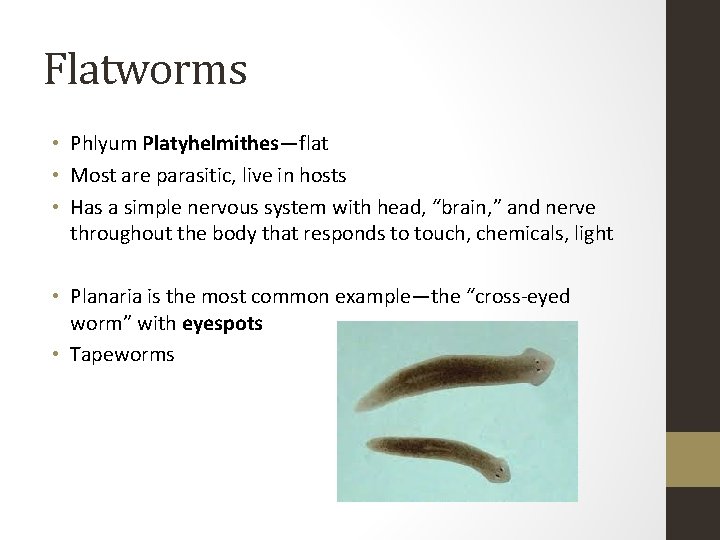
Flatworms • Phlyum Platyhelmithes—flat • Most are parasitic, live in hosts • Has a simple nervous system with head, “brain, ” and nerve throughout the body that responds to touch, chemicals, light • Planaria is the most common example—the “cross-eyed worm” with eyespots • Tapeworms

Planaria Diagram
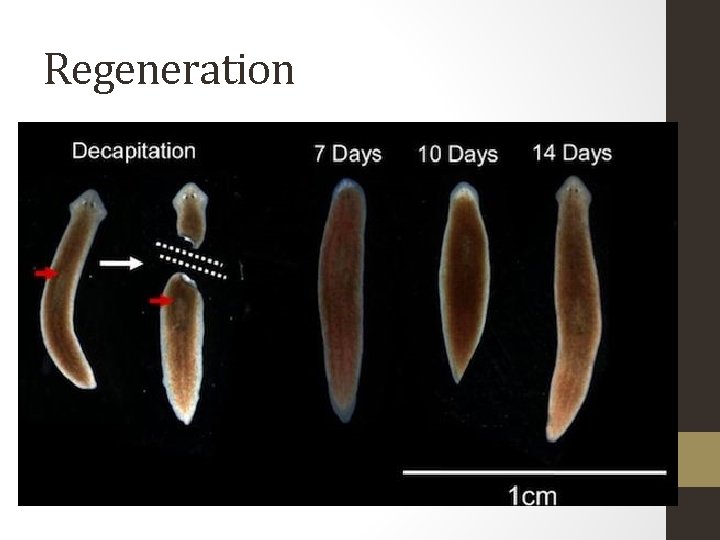
Regeneration
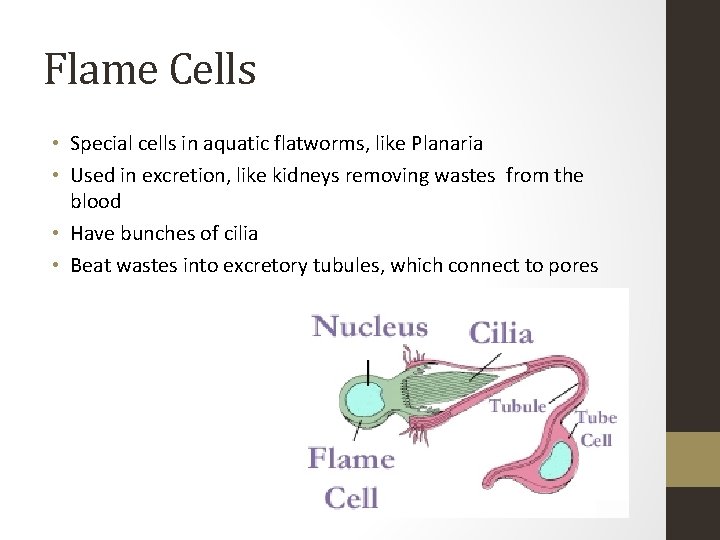
Flame Cells • Special cells in aquatic flatworms, like Planaria • Used in excretion, like kidneys removing wastes from the blood • Have bunches of cilia • Beat wastes into excretory tubules, which connect to pores
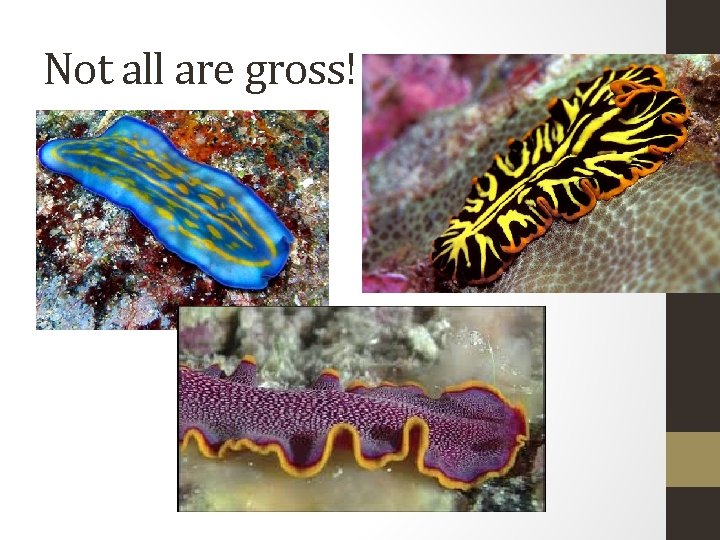
Not all are gross!
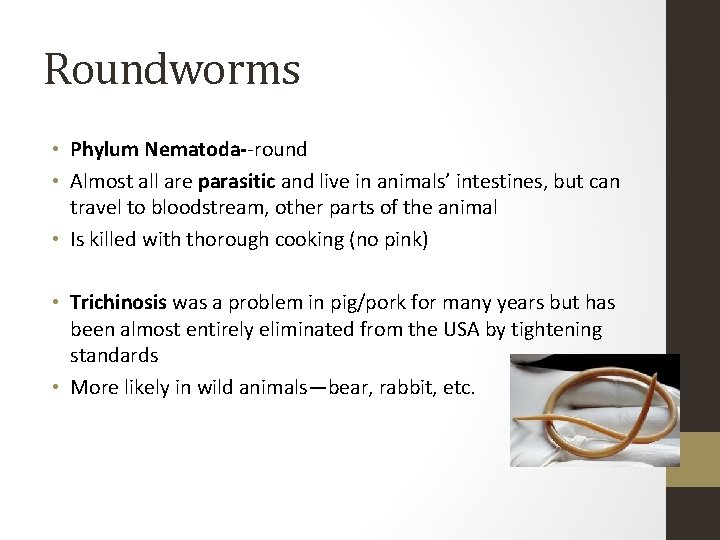
Roundworms • Phylum Nematoda--round • Almost all are parasitic and live in animals’ intestines, but can travel to bloodstream, other parts of the animal • Is killed with thorough cooking (no pink) • Trichinosis was a problem in pig/pork for many years but has been almost entirely eliminated from the USA by tightening standards • More likely in wild animals—bear, rabbit, etc.
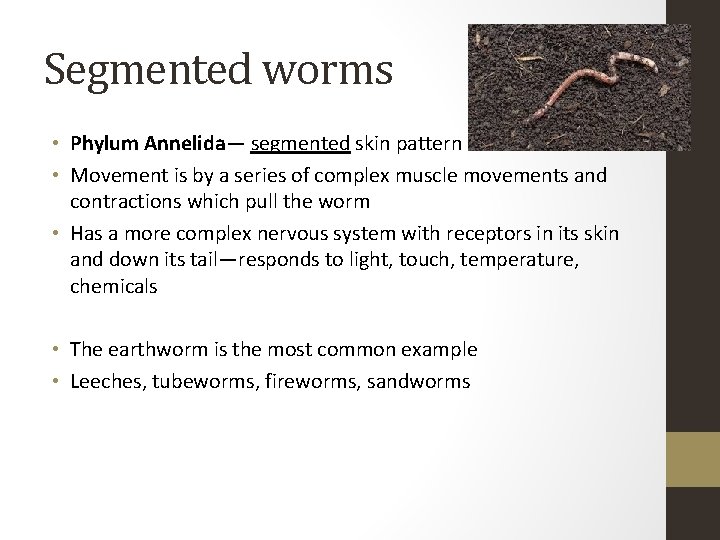
Segmented worms • Phylum Annelida— segmented skin pattern • Movement is by a series of complex muscle movements and contractions which pull the worm • Has a more complex nervous system with receptors in its skin and down its tail—responds to light, touch, temperature, chemicals • The earthworm is the most common example • Leeches, tubeworms, fireworms, sandworms
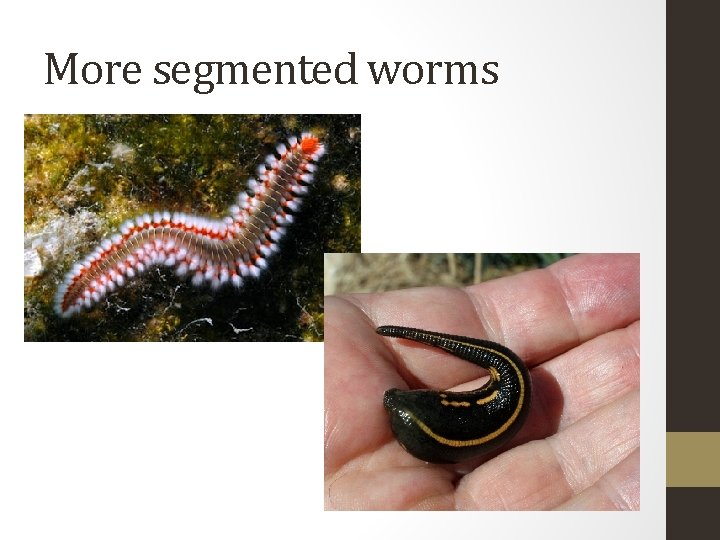
More segmented worms
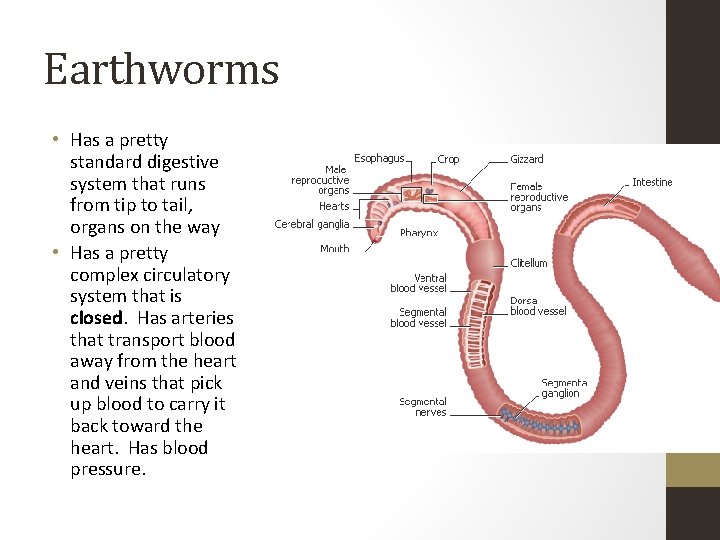
Earthworms • Has a pretty standard digestive system that runs from tip to tail, organs on the way • Has a pretty complex circulatory system that is closed. Has arteries that transport blood away from the heart and veins that pick up blood to carry it back toward the heart. Has blood pressure.
Value of earthworms • Swallows soil and “digests” it with enzymes • Returns nutrients and fertilizer to soil • Its paths/burrows loosen the soil so the soil gets oxygenated; more air and water is available for plant roots to pick up • Breathes through its skin which is why it rises to the surface after a rain—it cannot breathe when it is submerged
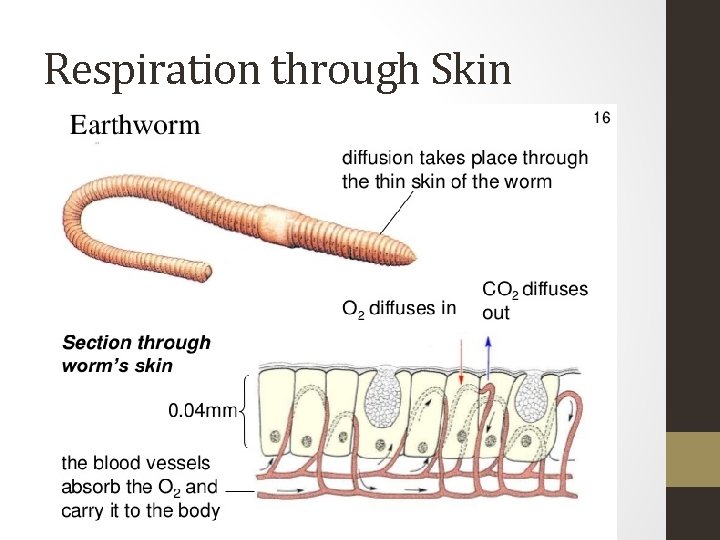
Respiration through Skin
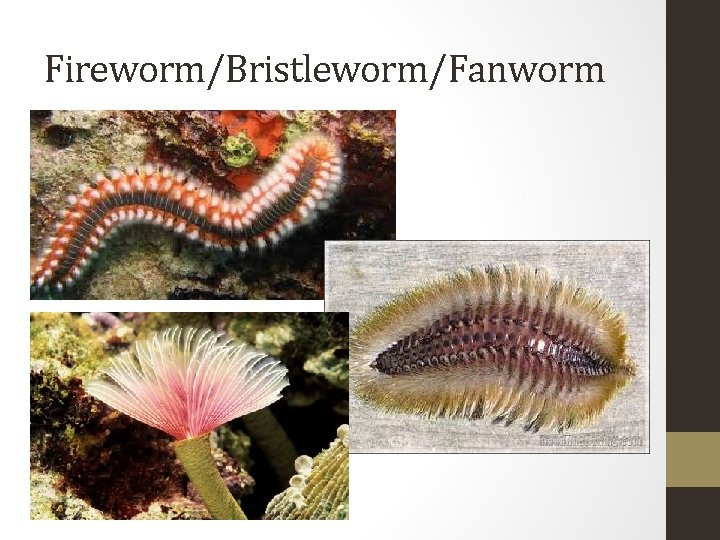
Fireworm/Bristleworm/Fanworm

MOLLUSKS & ECHINODERMS
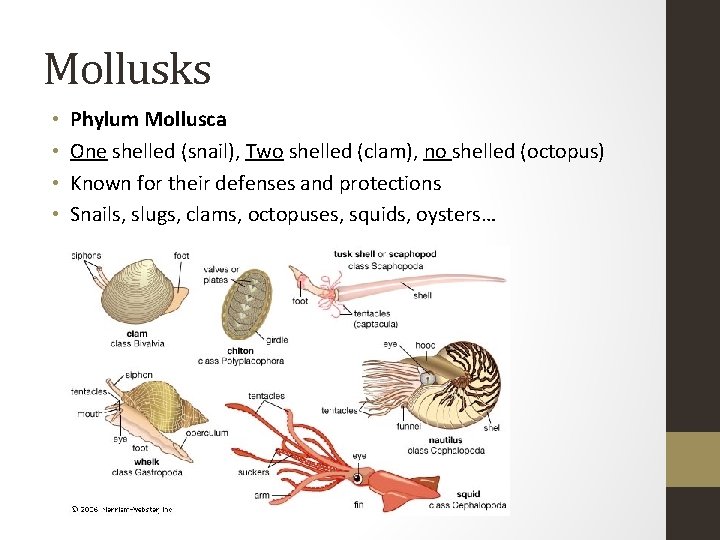
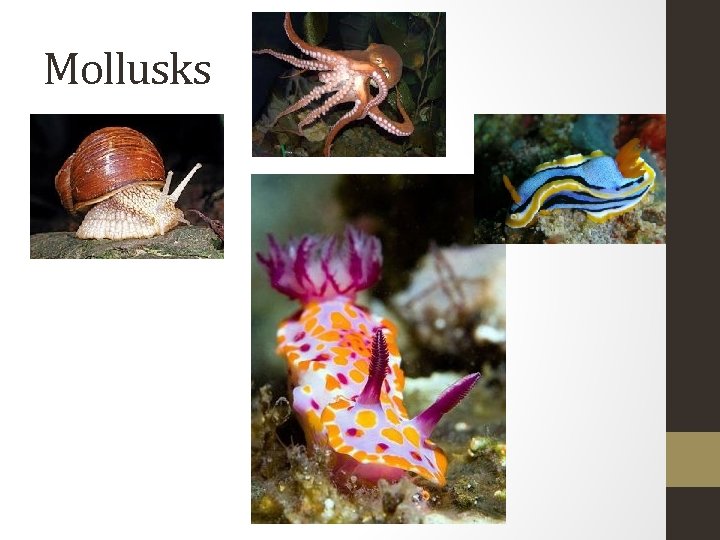
Mollusks • • Phylum Mollusca One shelled (snail), Two shelled (clam), no shelled (octopus) Known for their defenses and protections Snails, slugs, clams, octopuses, squids, oysters…
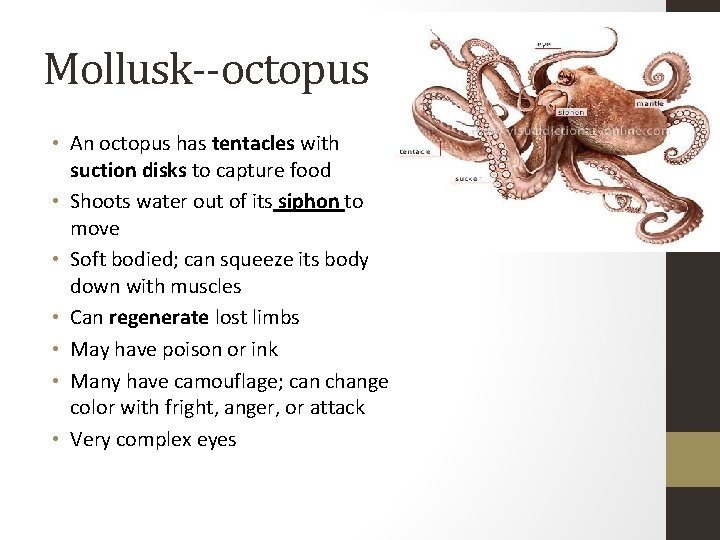
Mollusk--octopus • An octopus has tentacles with suction disks to capture food • Shoots water out of its siphon to move • Soft bodied; can squeeze its body down with muscles • Can regenerate lost limbs • May have poison or ink • Many have camouflage; can change color with fright, anger, or attack • Very complex eyes
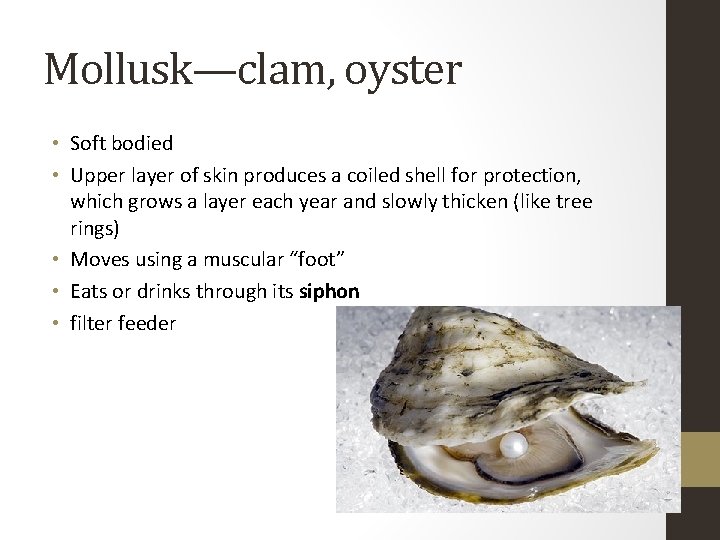
Mollusk—clam, oyster • Soft bodied • Upper layer of skin produces a coiled shell for protection, which grows a layer each year and slowly thicken (like tree rings) • Moves using a muscular “foot” • Eats or drinks through its siphon • filter feeder
Mollusks
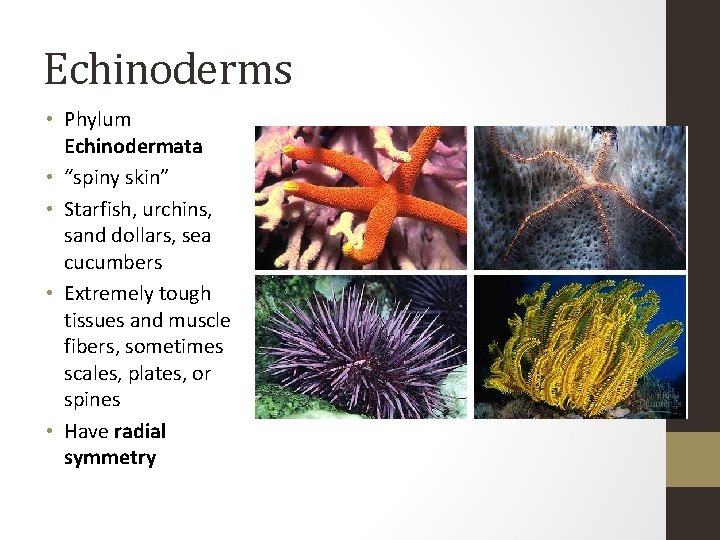
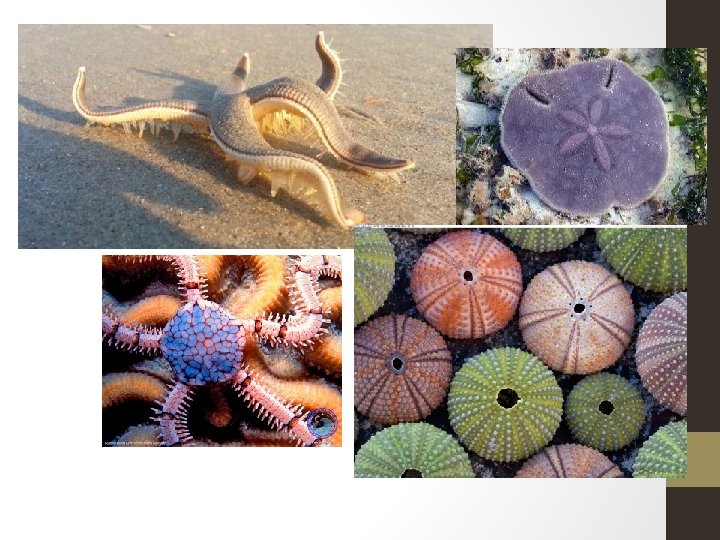
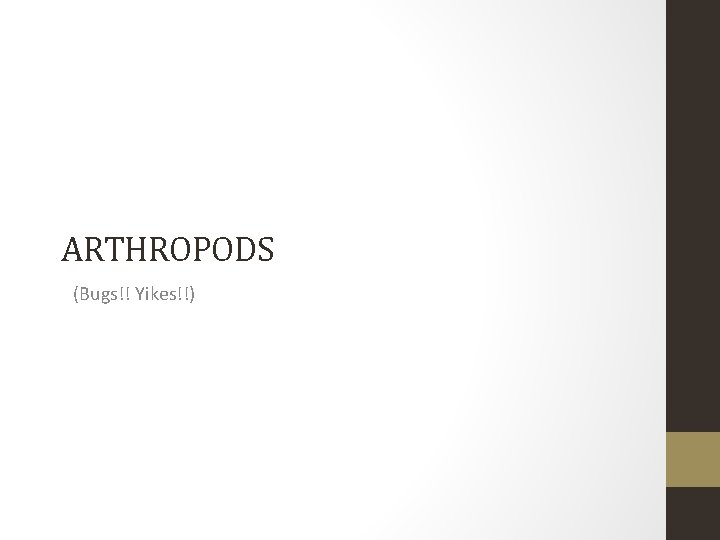
Echinoderms • Phylum Echinodermata • “spiny skin” • Starfish, urchins, sand dollars, sea cucumbers • Extremely tough tissues and muscle fibers, sometimes scales, plates, or spines • Have radial symmetry
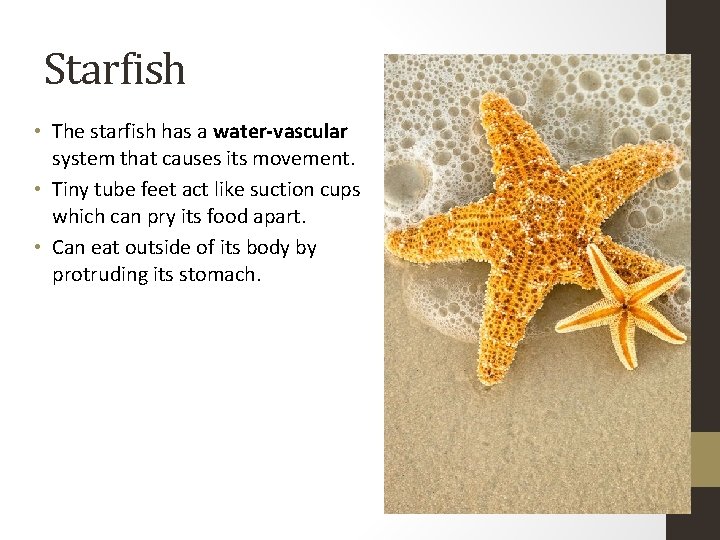
Starfish • The starfish has a water-vascular system that causes its movement. • Tiny tube feet act like suction cups which can pry its food apart. • Can eat outside of its body by protruding its stomach.
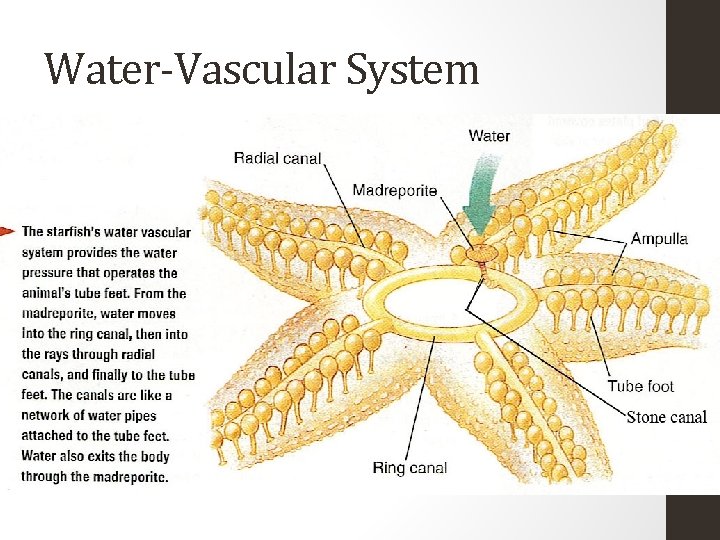
Water-Vascular System
ARTHROPODS (Bugs!! Yikes!!)
Insects • Phylum Arthropoda-- The largest animal phylum • Crayfish, lobsters, crabs, shrimp, bugs, centipedes, spiders, scorpions, butterflies, ticks, etc. Have exoskeletons and jointed legs made of proteins Has 3 main body parts— head, thorax, abdomen Often six legs, compound eyes, wings, antennae Have an open circulatory system (blood flows out over organs with no veins to pickup) • Have relatively normal digestive systems with intestines • Breathe through tracheae (tubes) and spiracles which pump the air in and out • •
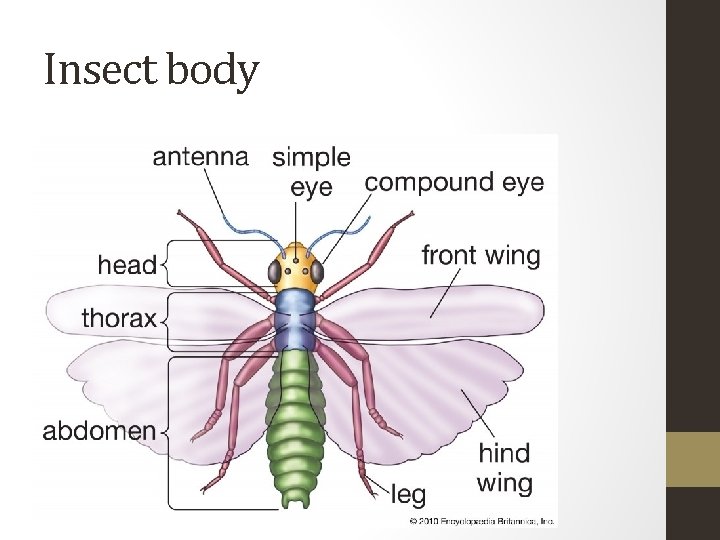
Insect body
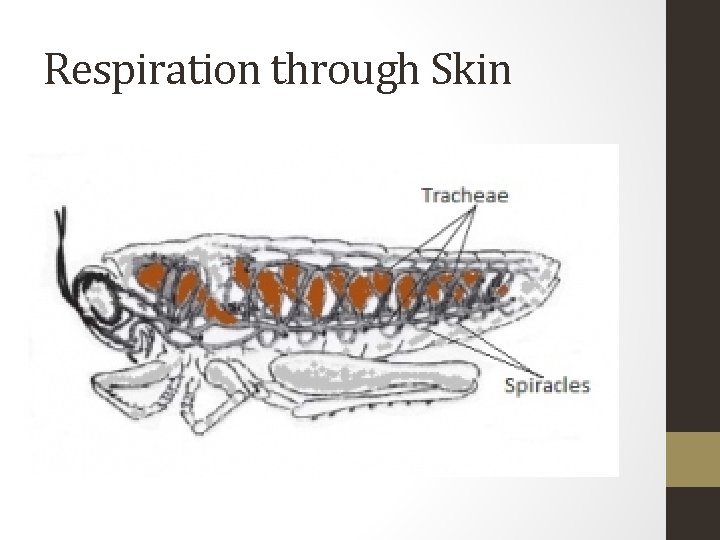
Respiration through Skin
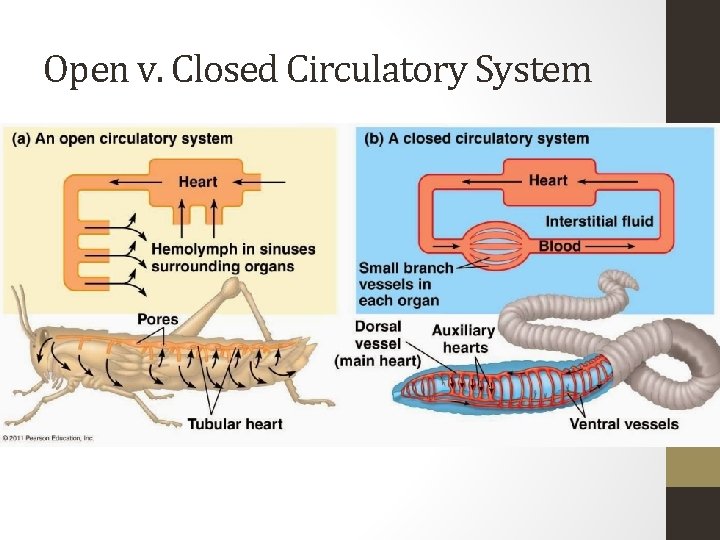
Open v. Closed Circulatory System
Metamorphosis • • Egg Larvae or “grub” stage (growth) Pupa/pupate--Cocoon or chrysalis (rest) Adult • Nymphs skip the pupa stage and look like small versions of the adults • Molting is when the exoskeleton is shed and grows a new one; a series of molting stages occurs within metamorphosis because each exoskeleton is specific and only somewhat flexible
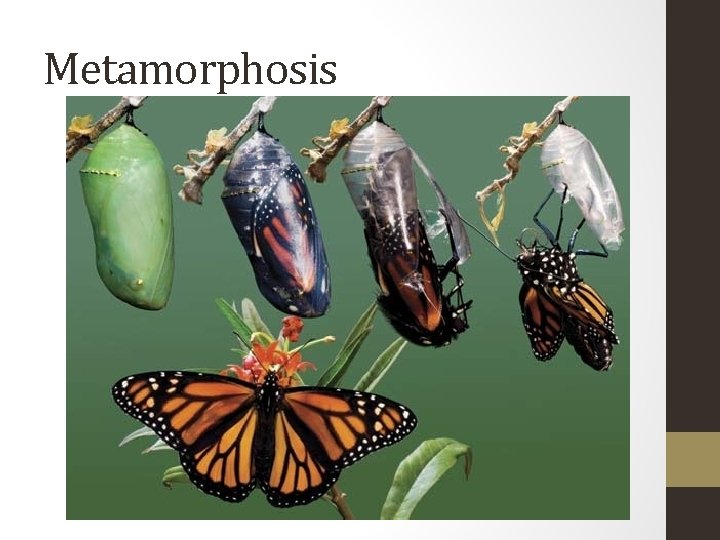
Metamorphosis
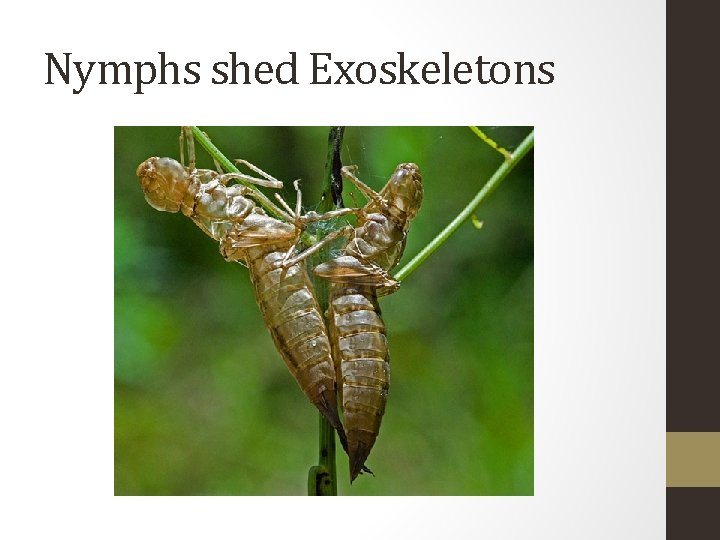
Nymphs shed Exoskeletons
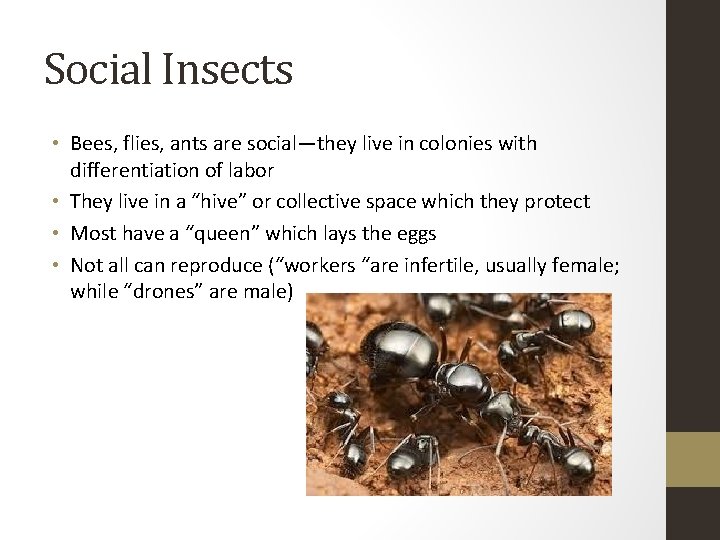
Social Insects • Bees, flies, ants are social—they live in colonies with differentiation of labor • They live in a “hive” or collective space which they protect • Most have a “queen” which lays the eggs • Not all can reproduce (“workers “are infertile, usually female; while “drones” are male)
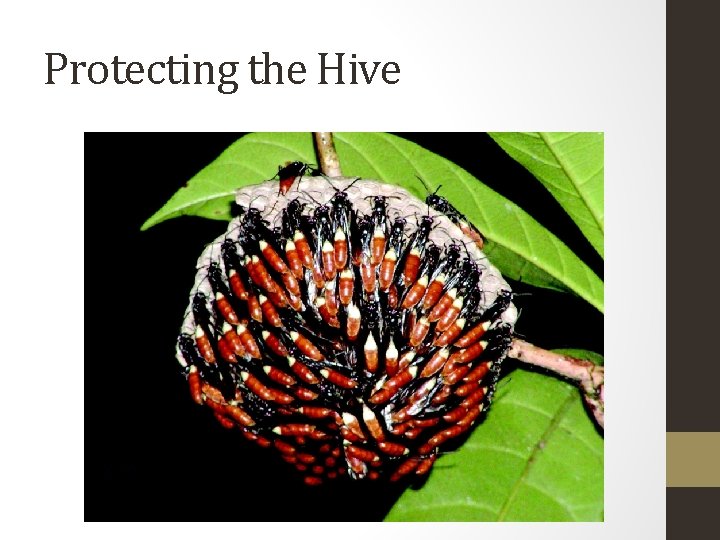
Protecting the Hive
- Slides: 51