
Intraabdominal infections Fausto Catena MD Ph D FRCS
Intra-abdominal infections Fausto Catena MD, Ph. D, FRCS Department of Emergency Surgery Parma University Hospital (Italy)
Intra-abdominal infections – WSES recommendations Classification Diagnosis Sepsis control Source control Antimicrobial therapy

What is the most appropriate classification for intra-abdominal infections?

Classification Uncomplicated IAIs In uncomplicated IAIs the infectious process only involves a single organ and does not proceed to peritoneum. Complicated IAIs In complicated IAIs, the infectious process proceeds beyond the organ and causes either localized peritonitis or diffuse peritonitis, depending on the ability of the host to contain the process within a part of the abdominal cavity
Classification Community-acquired IAIs Hospital-acquired IAIs They are characterized by increased mortality because of both underlying patient health status and increased likelihood of infection caused by multi drugs resistant organisms
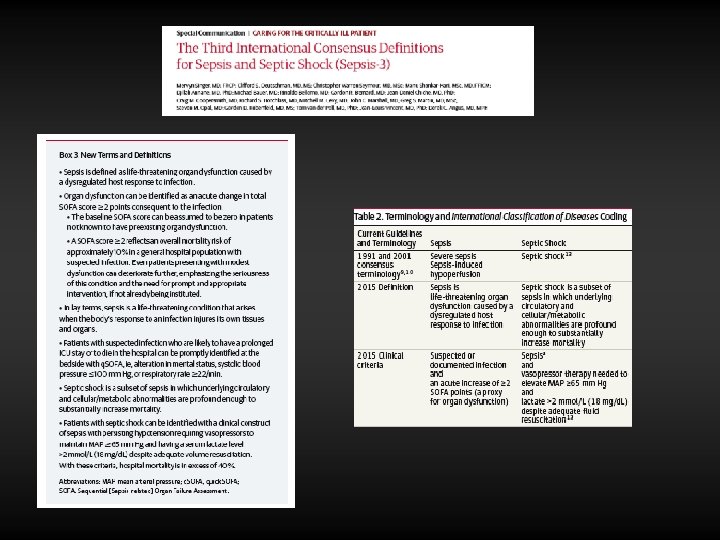
Classification Sepsis (Severe sepsis) Septic shock Singer M, Deutschman CS, Seymour CW, Shankar-Hari M, Annane D, Bauer M, et al. The Third International Consensus Definitions for Sepsis and Septic Shock (Sepsis-3). JAMA. 2016; 315: 801– 10.
Peritonitis • Primary peritonitis is a diffuse bacterial infection without loss of integrity of the gastrointestinal tract. It is rare. It mainly occurs in infancy and early childhood and in cirrhotic patients. • Secondary peritonitis, the most common form of peritonitis, is an acute peritoneal infection resulting from loss of integrity of the gastrointestinal tract or from infected viscera. It is caused by perforation of the gastrointestinal tract (e. g. perforated duodenal ulcer) by direct invasion from infected intraabdominal viscera (e. g. gangrenous appendicitis). Anastomotic dehiscences are common causes of peritonitis in the postoperative period. • Ongoing (Tertiary) peritonitis is a recurrent infection of the peritoneal cavity that follows either primary or secondary peritonitis.

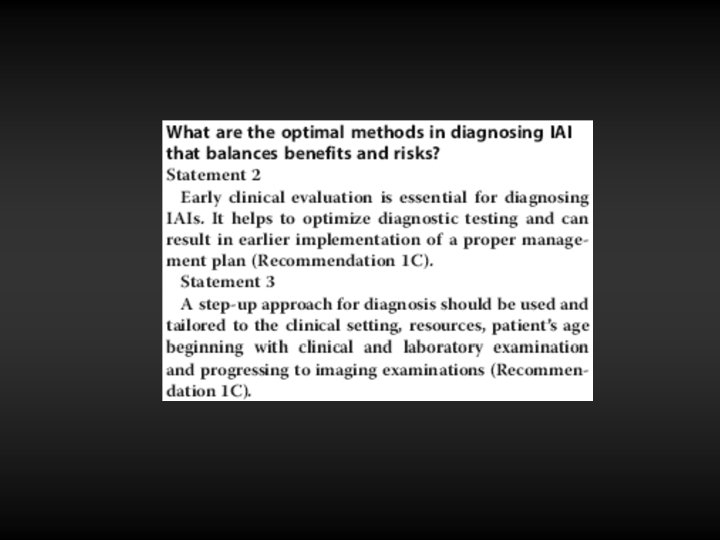
What are the optimal methods in diagnosis IAIs that balances benefits and risks?
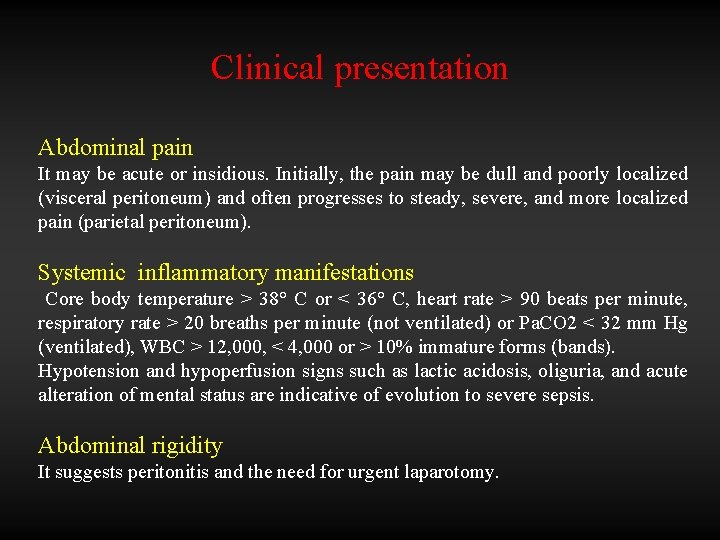
Clinical presentation Abdominal pain It may be acute or insidious. Initially, the pain may be dull and poorly localized (visceral peritoneum) and often progresses to steady, severe, and more localized pain (parietal peritoneum). Systemic inflammatory manifestations Core body temperature > 38° C or < 36° C, heart rate > 90 beats per minute, respiratory rate > 20 breaths per minute (not ventilated) or Pa. CO 2 < 32 mm Hg (ventilated), WBC > 12, 000, < 4, 000 or > 10% immature forms (bands). Hypotension and hypoperfusion signs such as lactic acidosis, oliguria, and acute alteration of mental status are indicative of evolution to severe sepsis. Abdominal rigidity It suggests peritonitis and the need for urgent laparotomy.
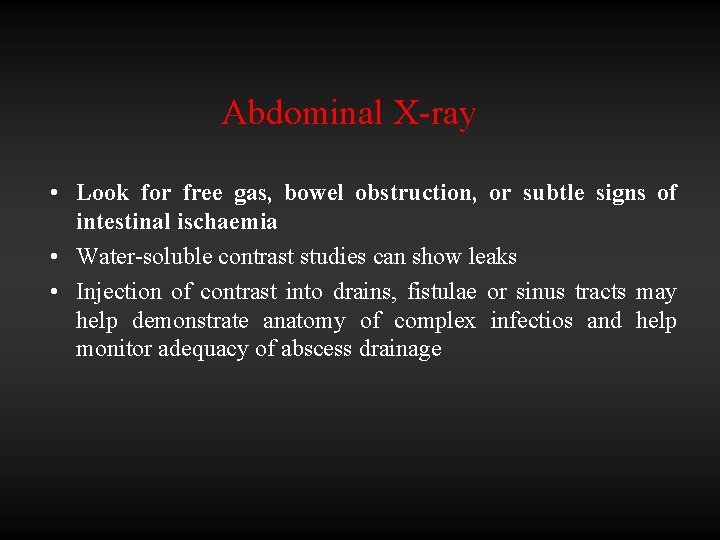
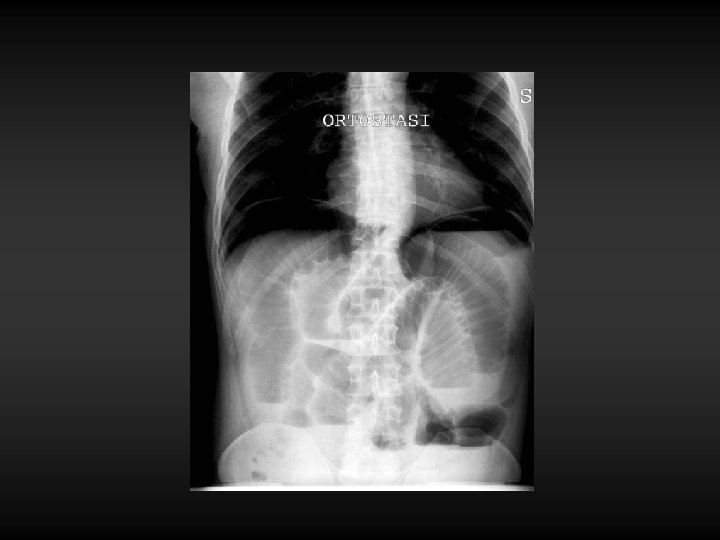
Abdominal X-ray • Look for free gas, bowel obstruction, or subtle signs of intestinal ischaemia • Water-soluble contrast studies can show leaks • Injection of contrast into drains, fistulae or sinus tracts may help demonstrate anatomy of complex infectios and help monitor adequacy of abscess drainage
Ultrasound • Advantage of being portable and almost risk-free • Useful for: – identifying abscesses and fluid collections – guidance of percutaneous drainage procedures – detection of free fluid – evaluation of biliary tree • Disadvantages: – operator dependent – difficult to perform in patients who have abdominal dressings or paralytic ileus
CT abdomen CT of the abdomen and the pelvis, when it is possible to perform it, remains the diagnostic study of choice for intraabdominal infections. CT can detect small quantities of fluid, areas of inflammation, and other GI tract pathology, with a very high sensitivity. A negative CT generally indicates a very low probability of a process that can be reversed by surgical intervention, however bowel ischaemia cannot be excluded, particularly in the early stages If the diagnosis of peritonitis is made clinically, a CT scan is not necessary and generally delays surgical intervention without offering clinical advantage.
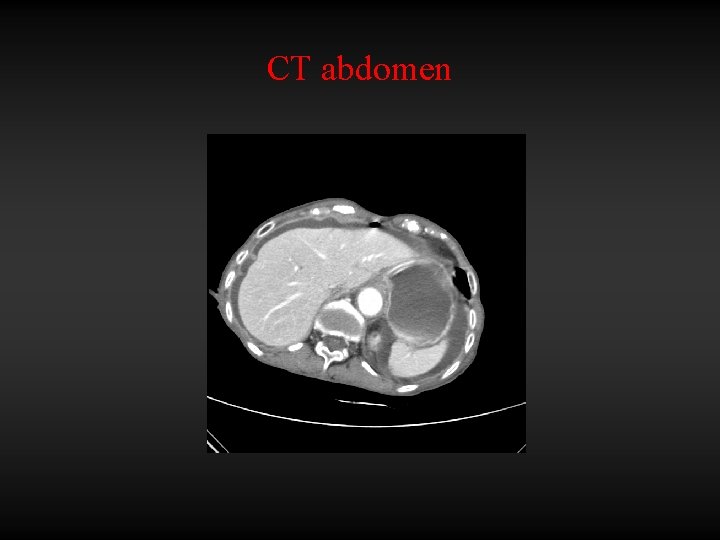
CT abdomen

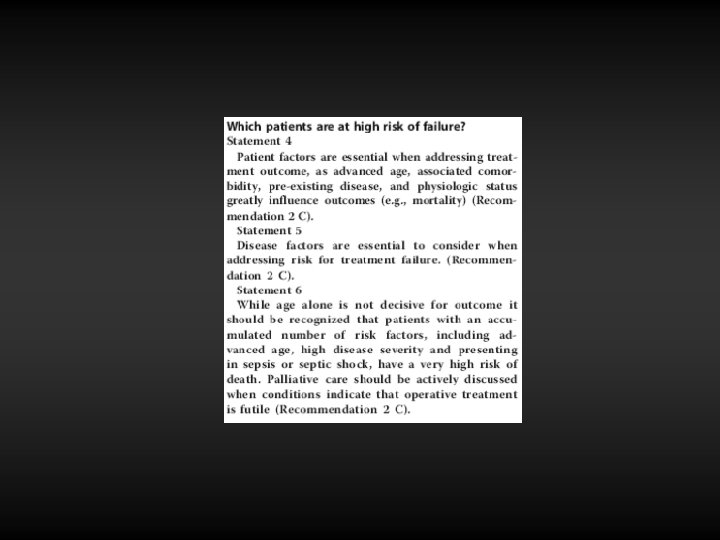
Which patients are at high risk of failure?



What is the utility of source control?

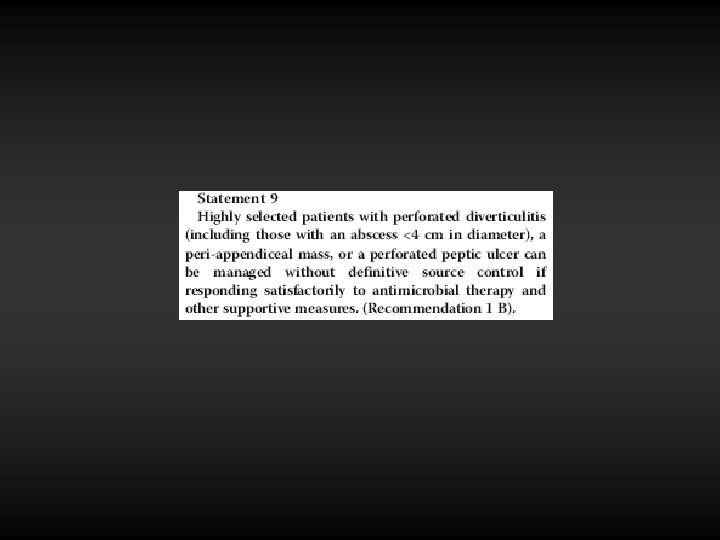

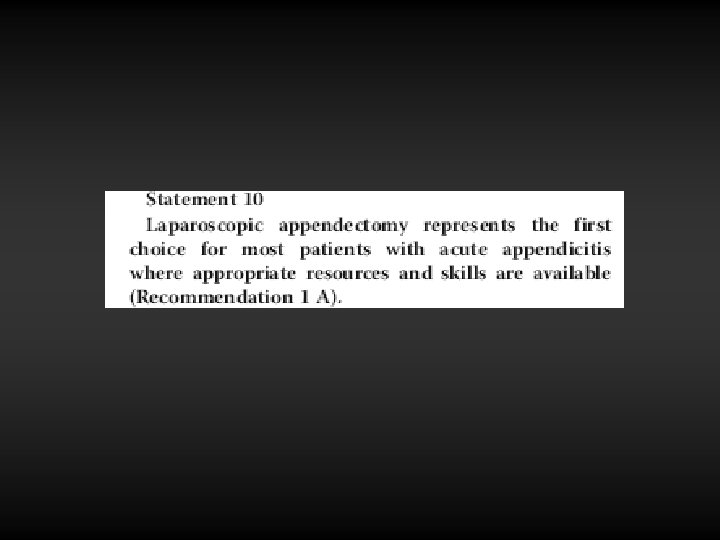
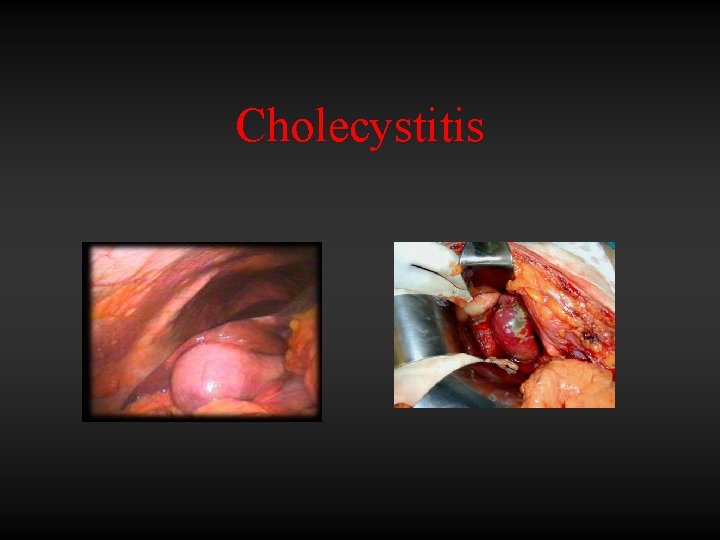
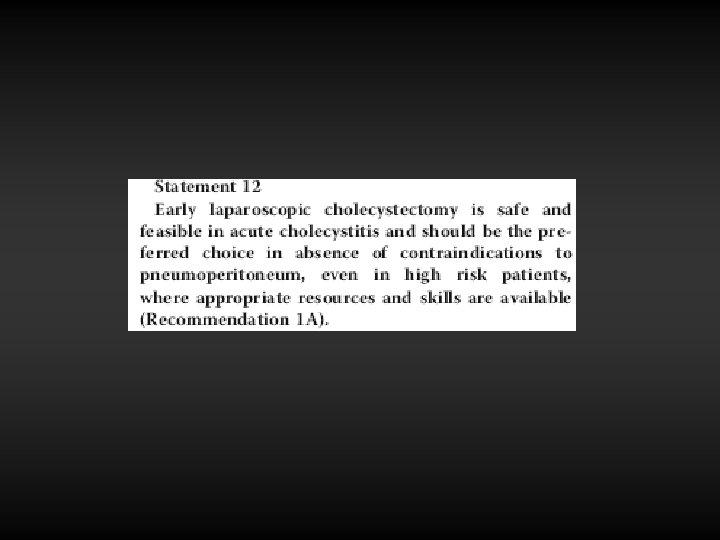
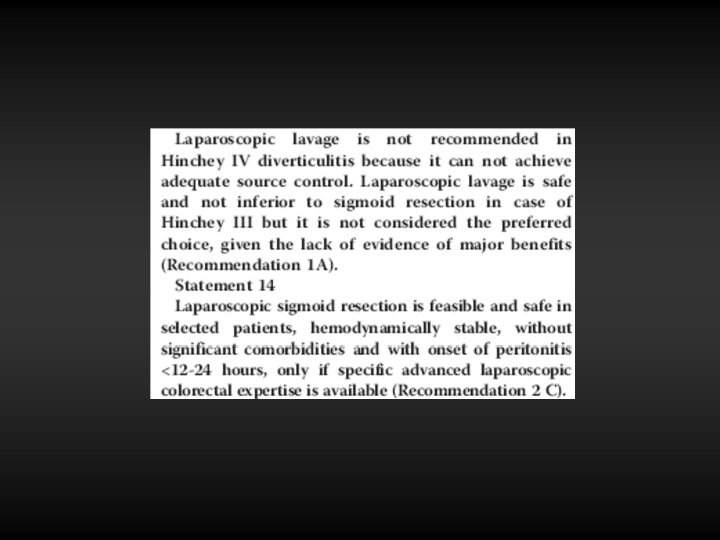
What are the indications for laparoscopic approach to IAIs?
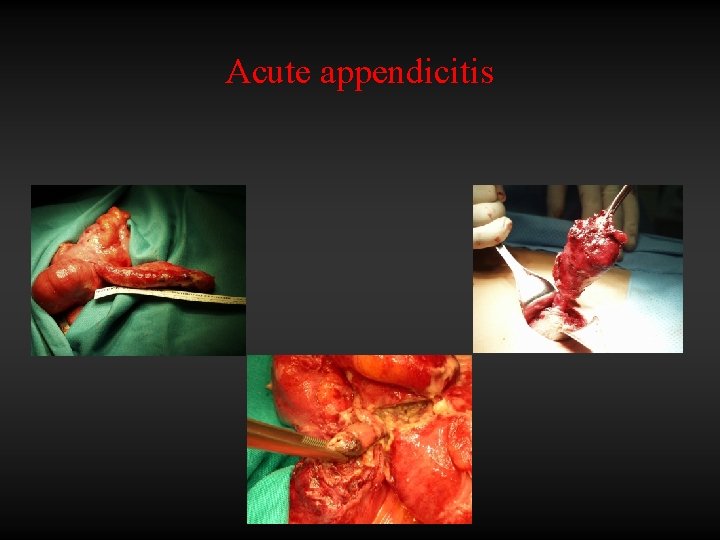
Acute appendicitis
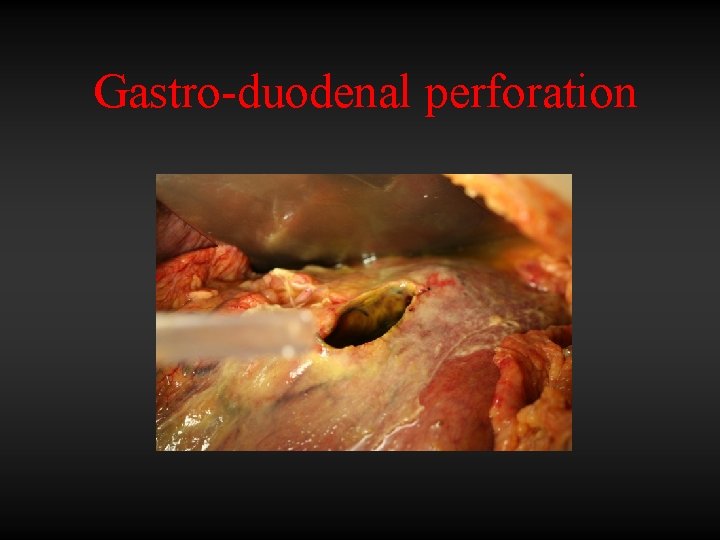
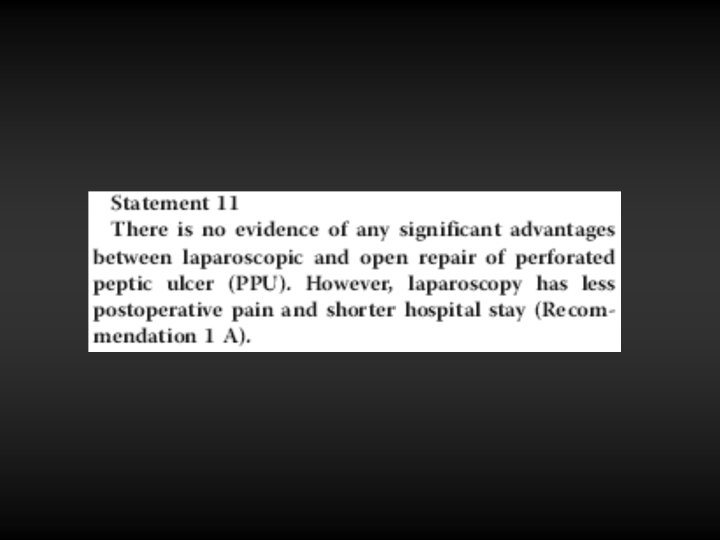
Gastro-duodenal perforation
Cholecystitis

What is the best re-laparotomy strategy?
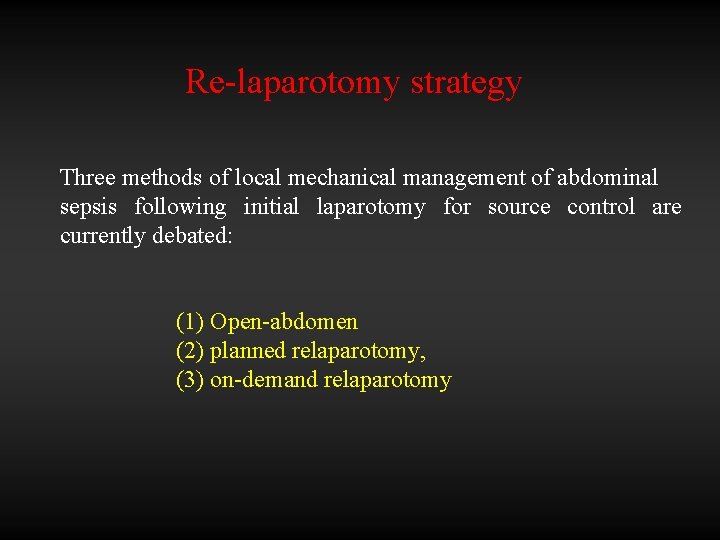
Re-laparotomy strategy Three methods of local mechanical management of abdominal sepsis following initial laparotomy for source control are currently debated: (1) Open-abdomen (2) planned relaparotomy, (3) on-demand relaparotomy
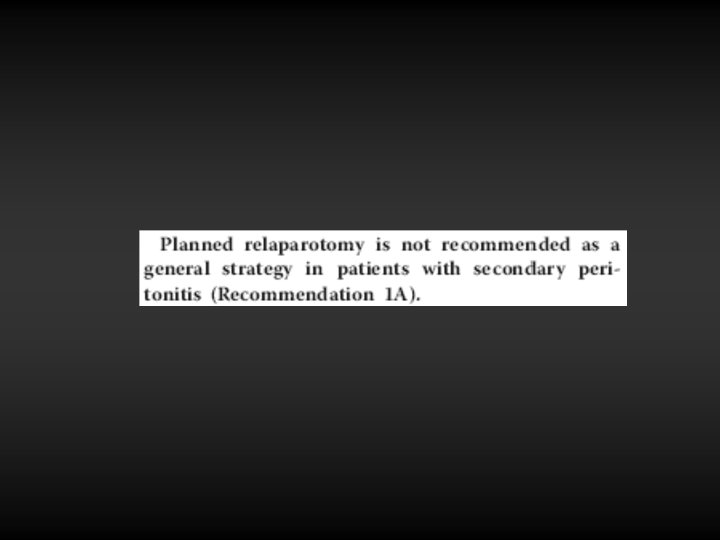
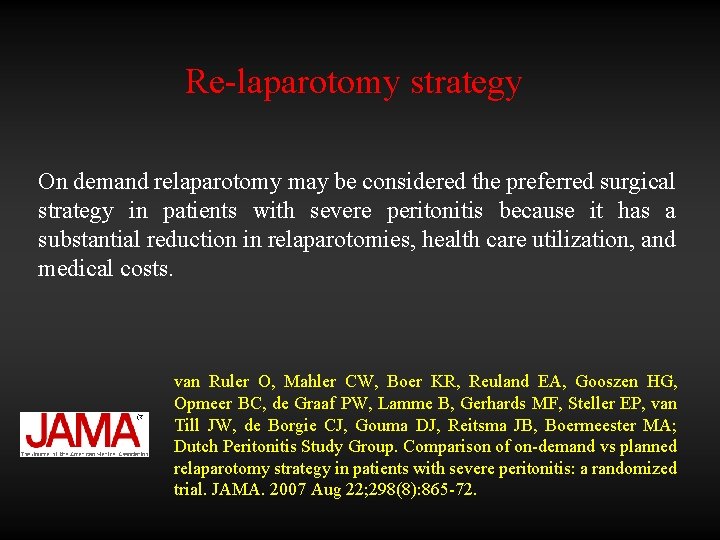
Re-laparotomy strategy On demand relaparotomy may be considered the preferred surgical strategy in patients with severe peritonitis because it has a substantial reduction in relaparotomies, health care utilization, and medical costs. van Ruler O, Mahler CW, Boer KR, Reuland EA, Gooszen HG, Opmeer BC, de Graaf PW, Lamme B, Gerhards MF, Steller EP, van Till JW, de Borgie CJ, Gouma DJ, Reitsma JB, Boermeester MA; Dutch Peritonitis Study Group. Comparison of on-demand vs planned relaparotomy strategy in patients with severe peritonitis: a randomized trial. JAMA. 2007 Aug 22; 298(8): 865 -72.
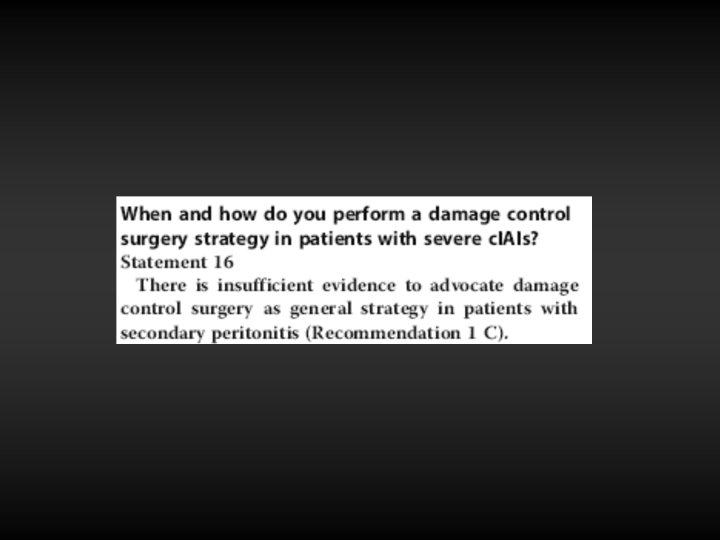
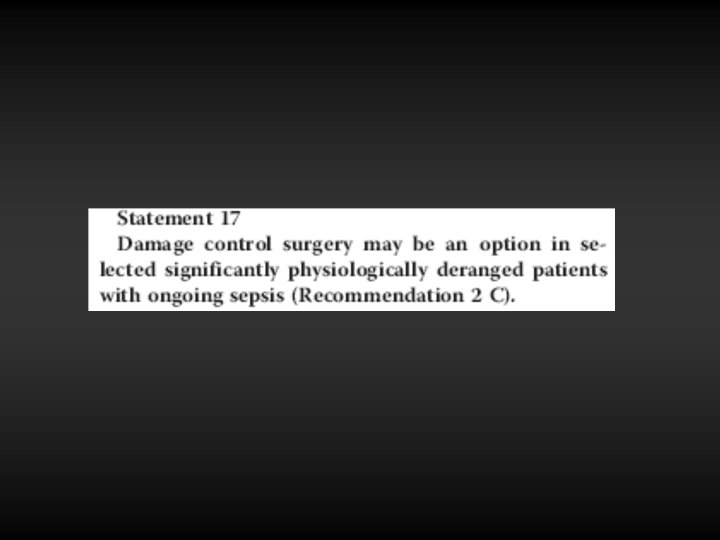
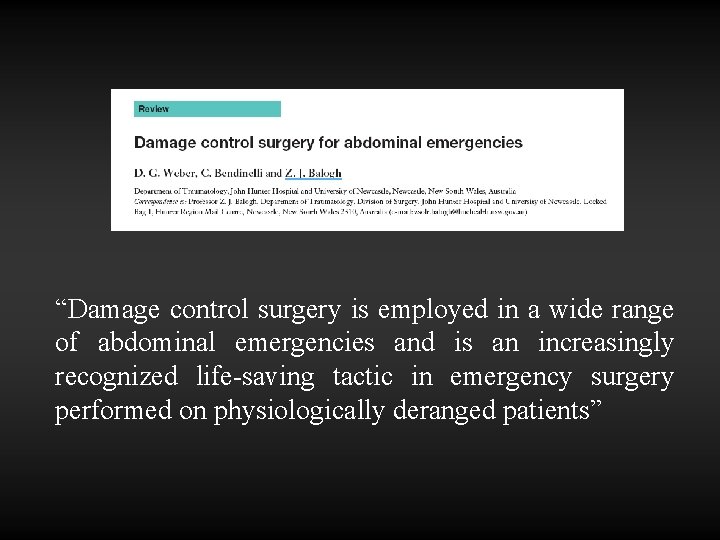
“Damage control surgery is employed in a wide range of abdominal emergencies and is an increasingly recognized life-saving tactic in emergency surgery performed on physiologically deranged patients”

Antimicrobial therapy

Antimicrobial therapy plays an integral role in the management of intra-abdominal infections. The choice of an inadequate antimicrobial agent is a cause of therapeutic failure.

When and how do you perform the peritoneal specimens?
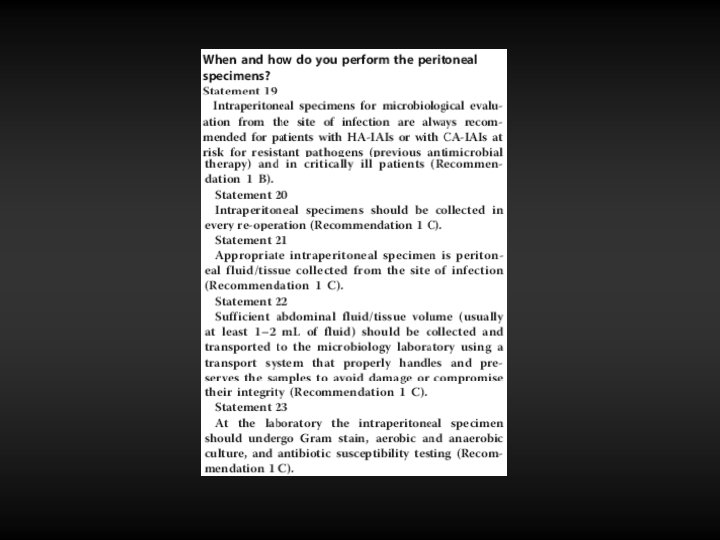
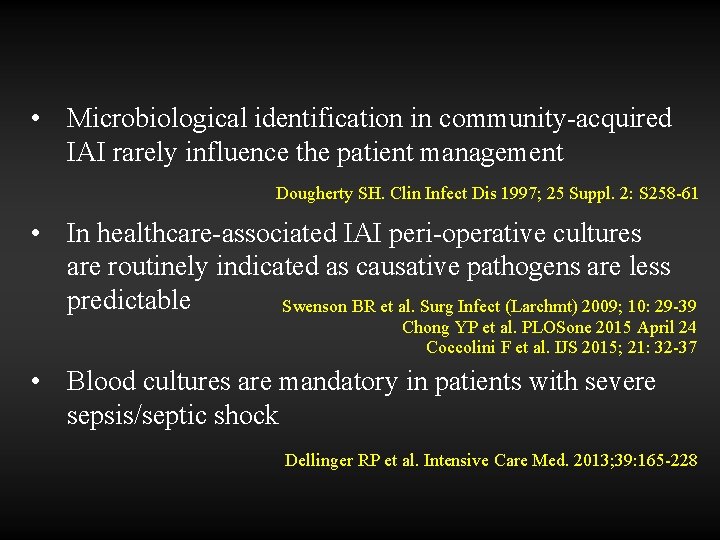
• Microbiological identification in community-acquired IAI rarely influence the patient management Dougherty SH. Clin Infect Dis 1997; 25 Suppl. 2: S 258 -61 • In healthcare-associated IAI peri-operative cultures are routinely indicated as causative pathogens are less predictable Swenson BR et al. Surg Infect (Larchmt) 2009; 10: 29 -39 Chong YP et al. PLOSone 2015 April 24 Coccolini F et al. IJS 2015; 21: 32 -37 • Blood cultures are mandatory in patients with severe sepsis/septic shock Dellinger RP et al. Intensive Care Med. 2013; 39: 165 -228

What are the principles of antimicrobial therapy?
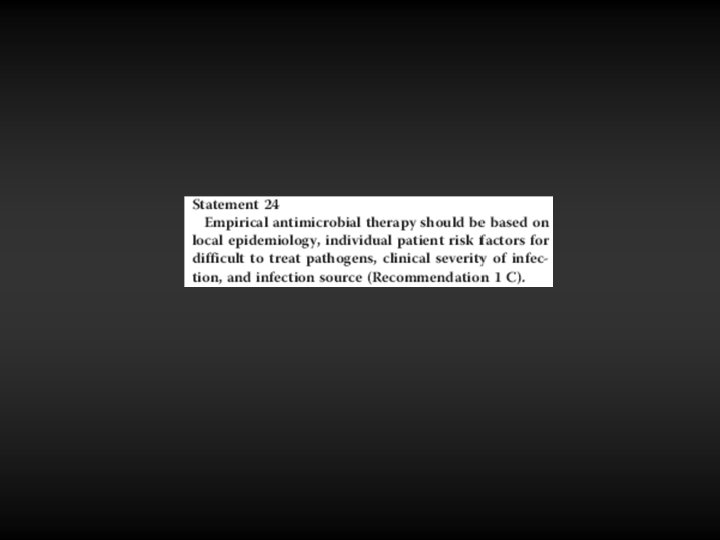
Antimicrobial regimen Local epidemiology • • Individual patients risk for difficult to treat pathogens • Clinical severity • Source of infection
WISS Study (4553 patients) Mortality according to the clinical condition No sepsis 1. 2% Sepsis 4. 4% Severe sepsis 27. 8% Septic shock 67. 8%
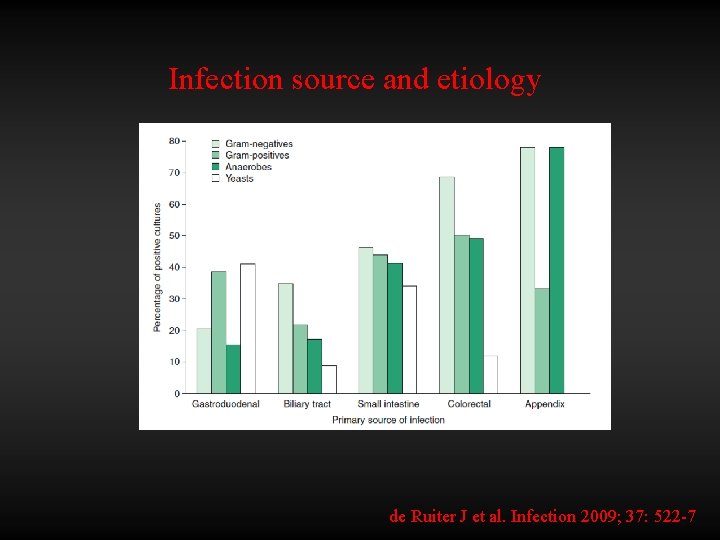
Infection source and etiology de Ruiter J et al. Infection 2009; 37: 522 -7
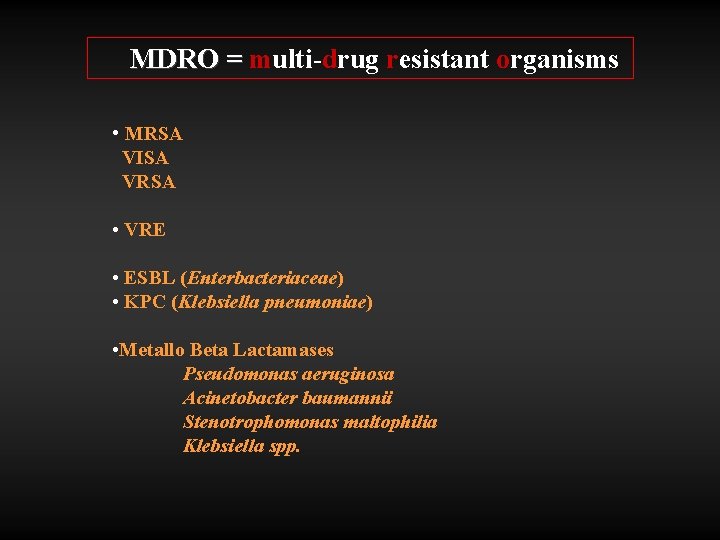
MDRO = multi-drug resistant organisms • MRSA VISA VRSA • VRE • ESBL (Enterbacteriaceae) • KPC (Klebsiella pneumoniae) • Metallo Beta Lactamases Pseudomonas aeruginosa Acinetobacter baumannii Stenotrophomonas maltophilia Klebsiella spp.
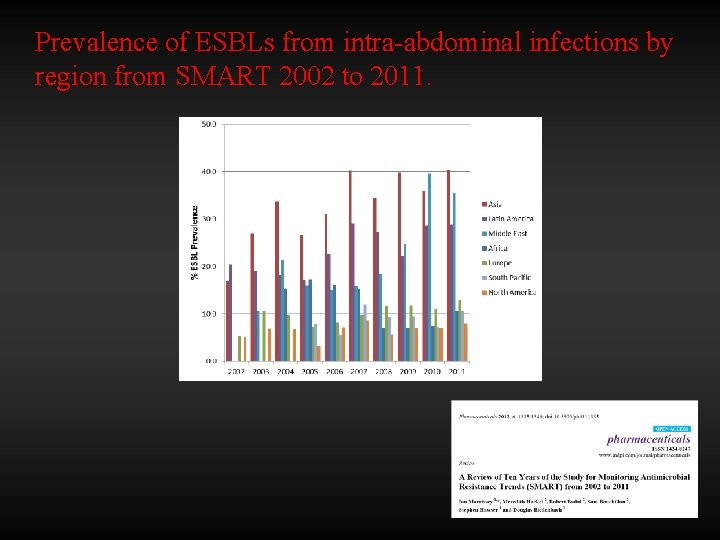
Prevalence of ESBLs from intra-abdominal infections by region from SMART 2002 to 2011.
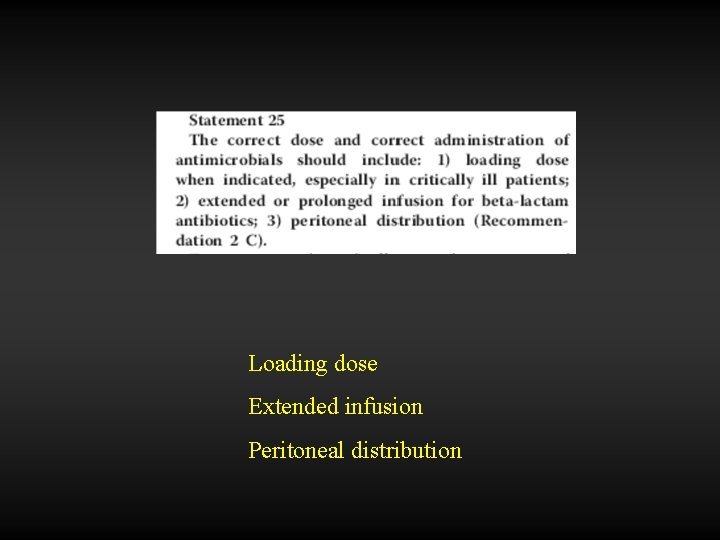
Loading dose Extended infusion Peritoneal distribution
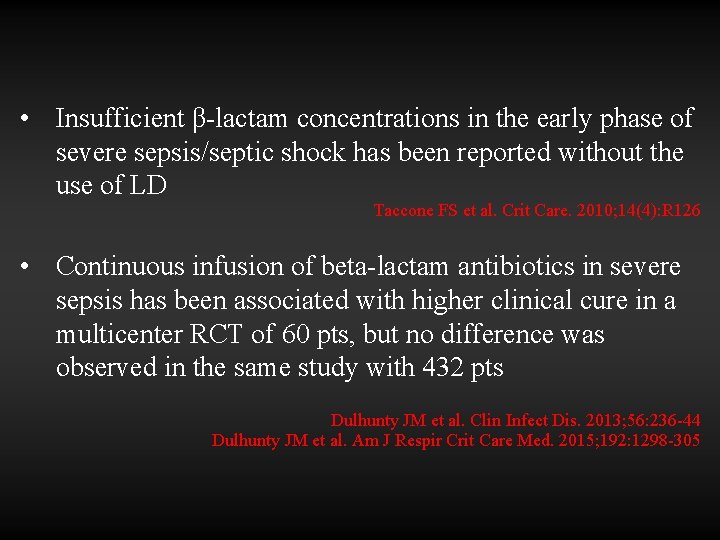
• Insufficient β-lactam concentrations in the early phase of severe sepsis/septic shock has been reported without the use of LD Taccone FS et al. Crit Care. 2010; 14(4): R 126 • Continuous infusion of beta-lactam antibiotics in severe sepsis has been associated with higher clinical cure in a multicenter RCT of 60 pts, but no difference was observed in the same study with 432 pts Dulhunty JM et al. Clin Infect Dis. 2013; 56: 236 -44 Dulhunty JM et al. Am J Respir Crit Care Med. 2015; 192: 1298 -305
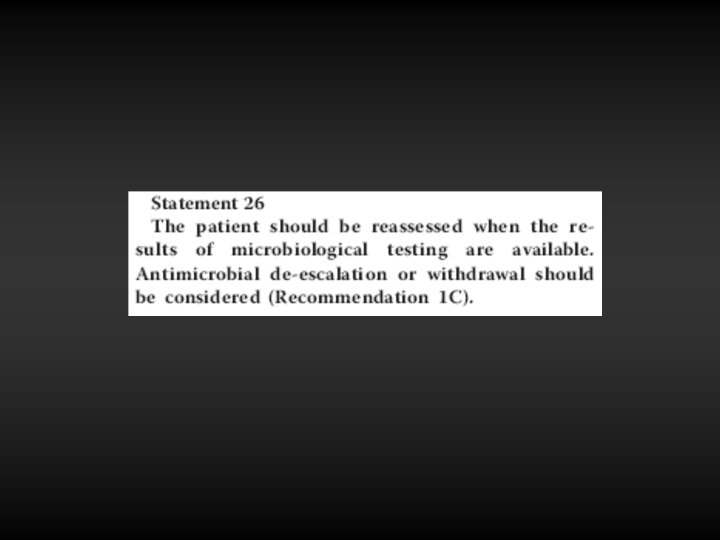
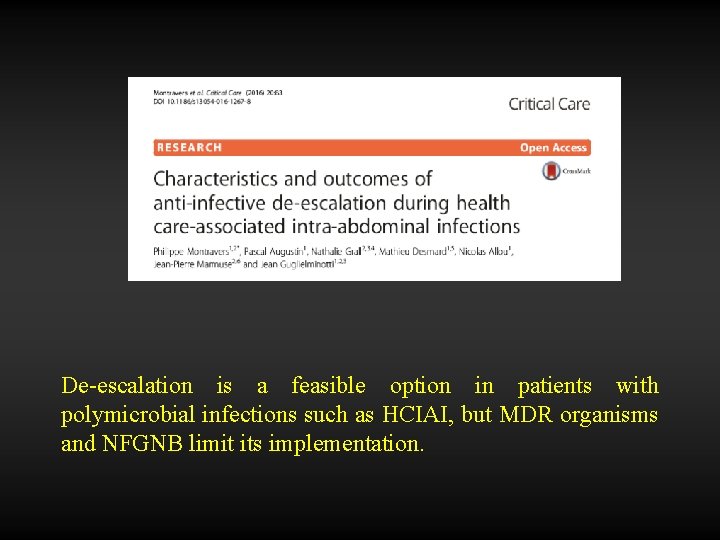
De-escalation is a feasible option in patients with polymicrobial infections such as HCIAI, but MDR organisms and NFGNB limit its implementation.
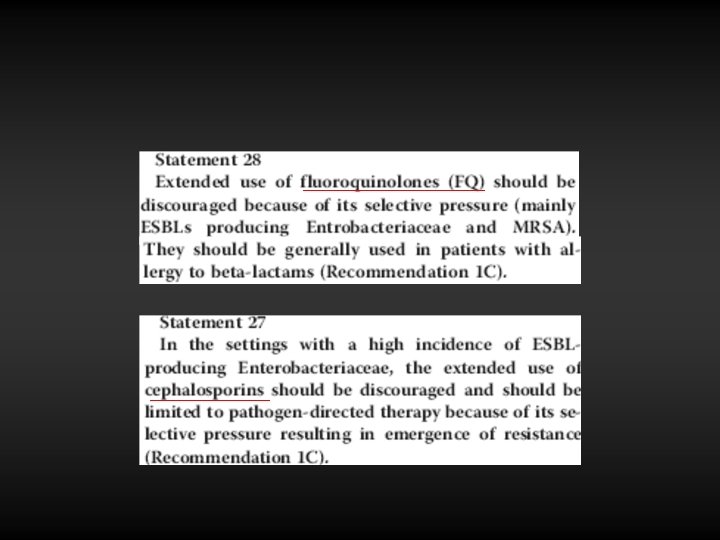

What is the impact of the antimicrobial resistance in IAIs. How do you treat it?

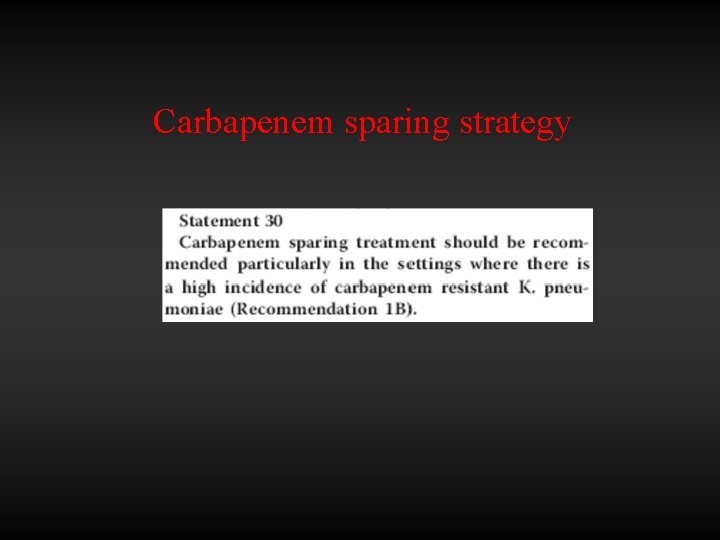
Carbapenem sparing strategy

What is the impact of intra-abdominal candidiasis? When and how do you treat intra-abdominal candidiasis?
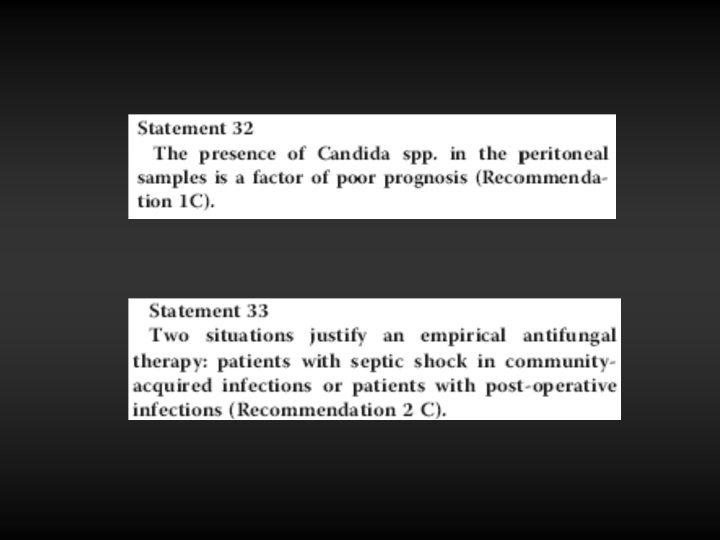
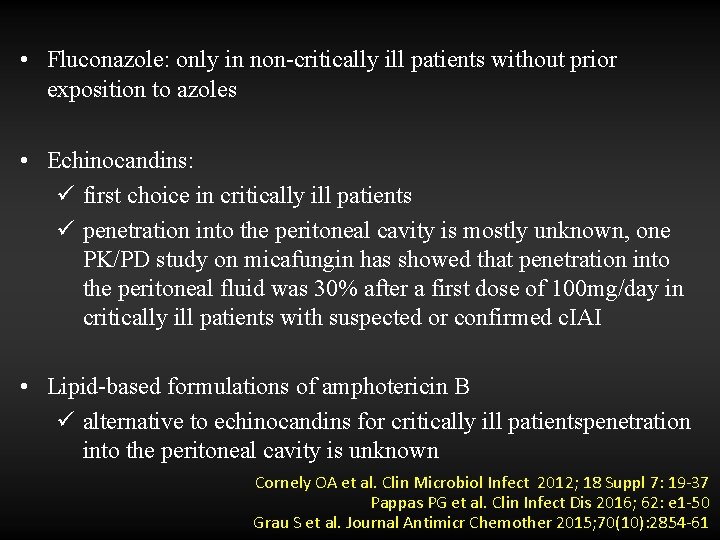
• Fluconazole: only in non-critically ill patients without prior exposition to azoles • Echinocandins: first choice in critically ill patients penetration into the peritoneal cavity is mostly unknown, one PK/PD study on micafungin has showed that penetration into the peritoneal fluid was 30% after a first dose of 100 mg/day in critically ill patients with suspected or confirmed c. IAI • Lipid-based formulations of amphotericin B alternative to echinocandins for critically ill patientspenetration into the peritoneal cavity is unknown Cornely OA et al. Clin Microbiol Infect 2012; 18 Suppl 7: 19 -37 Pappas PG et al. Clin Infect Dis 2016; 62: e 1 -50 Grau S et al. Journal Antimicr Chemother 2015; 70(10): 2854 -61

What is the optimal duration of antimicrobial therapy?
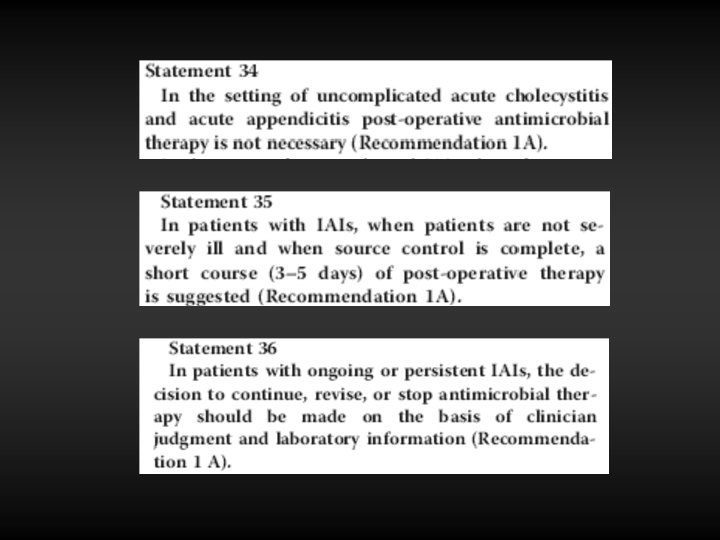
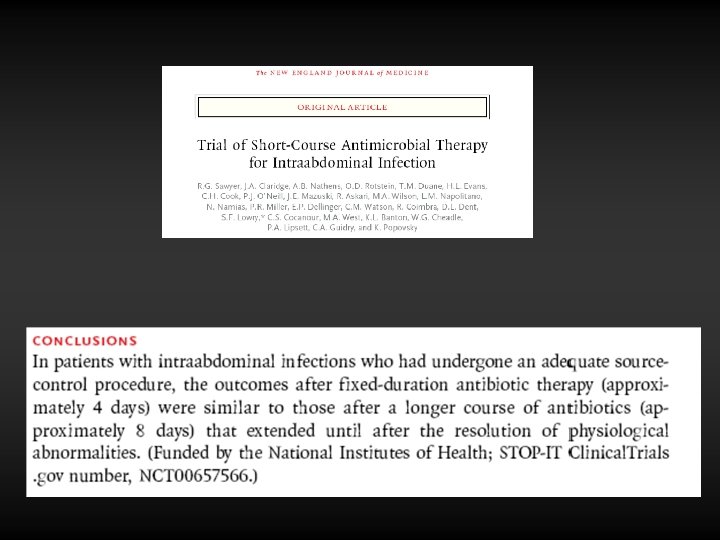
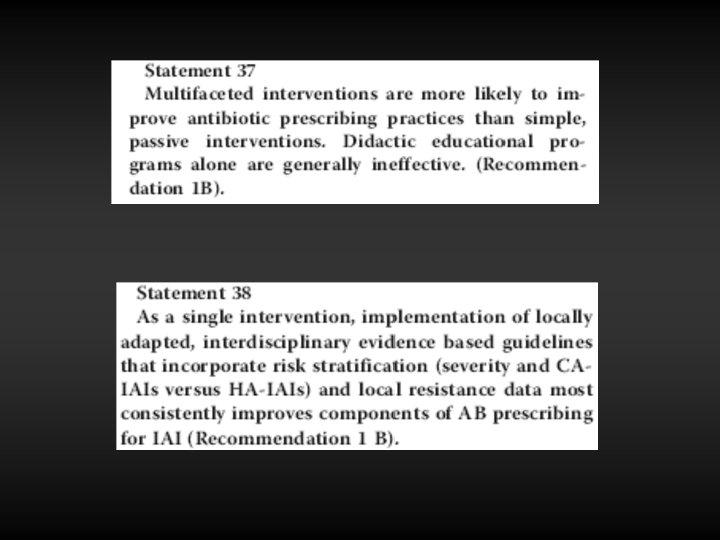
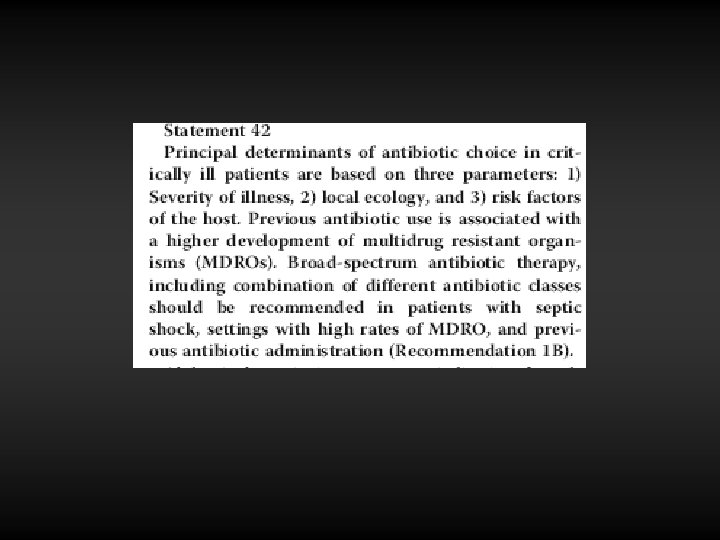
Which interventions improve antibiotic prescribing practices for patients with IAIs? Patient level—which includes clinical severity, epidemiological exposures, PK/PD factors, comorbidities, prior antibiotic exposure, prior infection, or colonization with MDROs and infection source Hospital level including presence of in-hospital antimicrobial stewardship programs, availability of local guidelines and updated microbiological data, infection control policy, educational activities, and structural resources (like computerassisted order entry)

Which are the determinants of outcome of patients with c. IAIs in ICU?

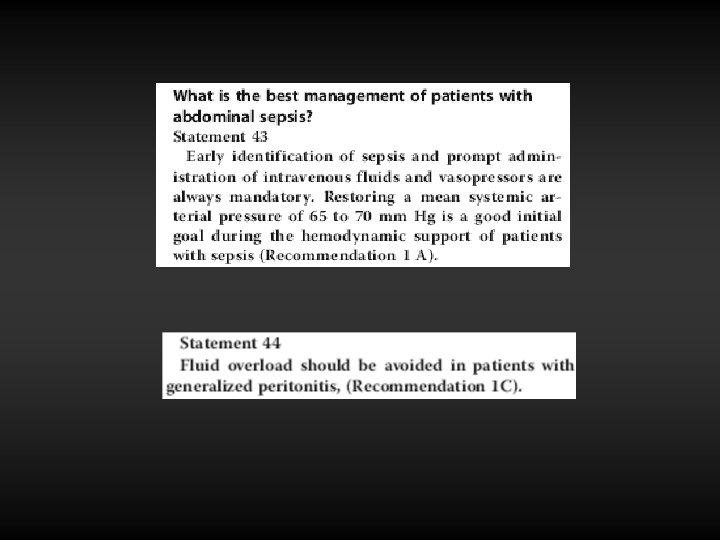
What is the best management of patients with abdominal sepsis?

What are the role of the adjunctive therapies in sepsis?
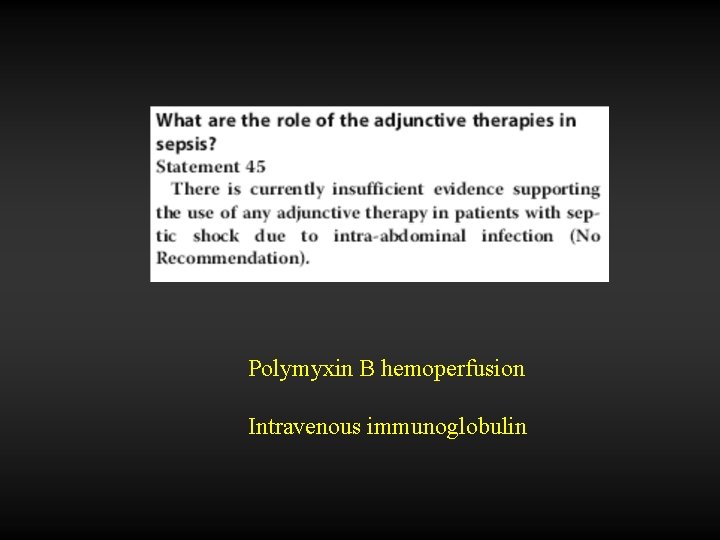
Polymyxin B hemoperfusion Intravenous immunoglobulin

Thank You faustocatena@gmail. com
- Slides: 77