
Interviewing Documentation THE NURSING INTERVIEW J Carley MSN
- Slides: 53
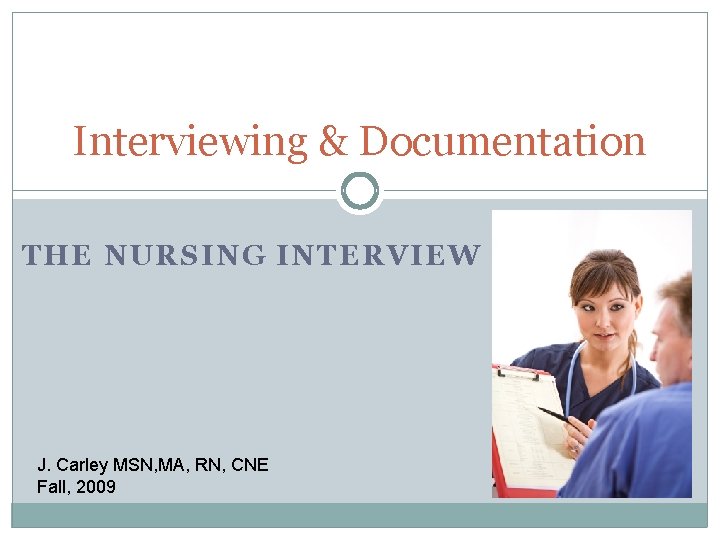
Interviewing & Documentation THE NURSING INTERVIEW J. Carley MSN, MA, RN, CNE Fall, 2009
Interviewing & Documentation Unit Objectives 1. Describe the five steps of the nursing process and how it applies to health assessment. 2. Describe an environment suitable for conducting an interview and physical assessment. 3. Recognize personal perceptions and behaviors that facilitate or hinder the interviewing process 4. Define effective interviewing techniques 5. Identify the components of the complete health history. 6. Describe how to assess the characteristics of a chief complaint
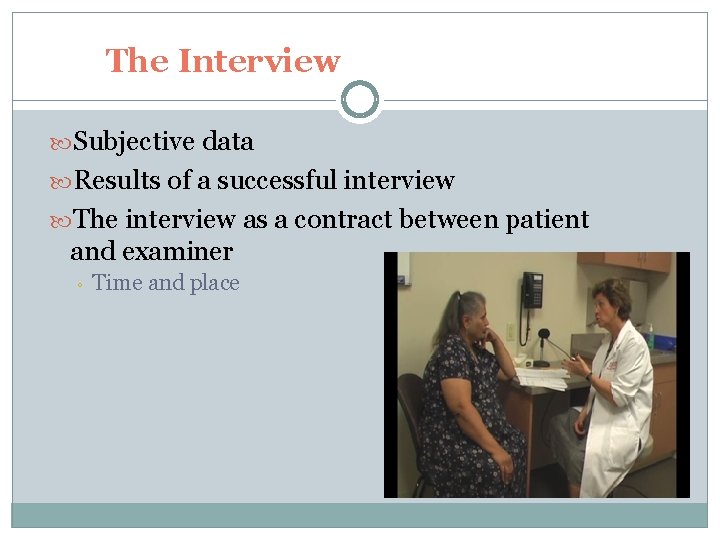
The Interview Subjective data Results of a successful interview The interview as a contract between patient and examiner ◦ Time and place
The Interview Subjective data Results of a successful interview The interview as a contract between patient and examiner ◦ ◦ Time and place Introduction and explanation
The Interview Subjective data Results of a successful interview The interview as a contract between patient and examiner ◦ ◦ ◦ Time and place Introduction and explanation Purpose
The Interview Subjective data Results of a successful interview The interview as a contract between patient and examiner ◦ ◦ Time and place Introduction and explanation Purpose Length
The Interview Subjective data Results of a successful interview The interview as a contract between patient and examiner ◦ ◦ ◦ Time and place Introduction and explanation Purpose Length Expectations
The Interview Subjective data Results of a successful interview The interview as a contract between patient and examiner ◦ ◦ ◦ Time and place Introduction and explanation Purpose Length Expectations Confidentiality
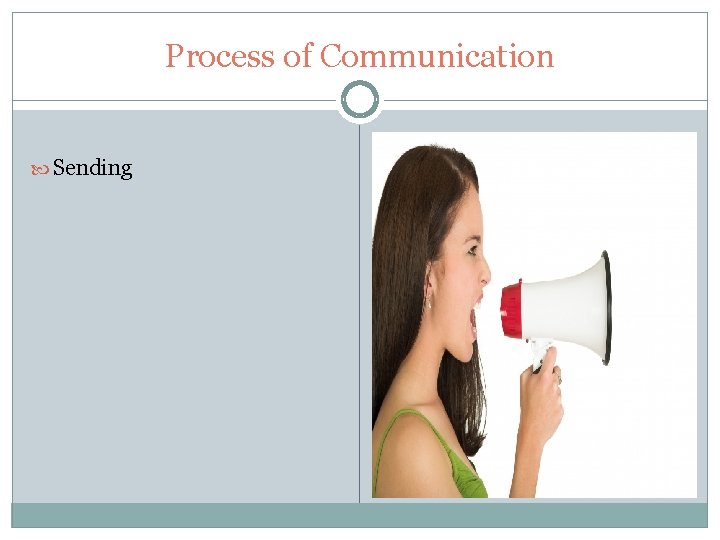
The Interview Sending Process of Communication
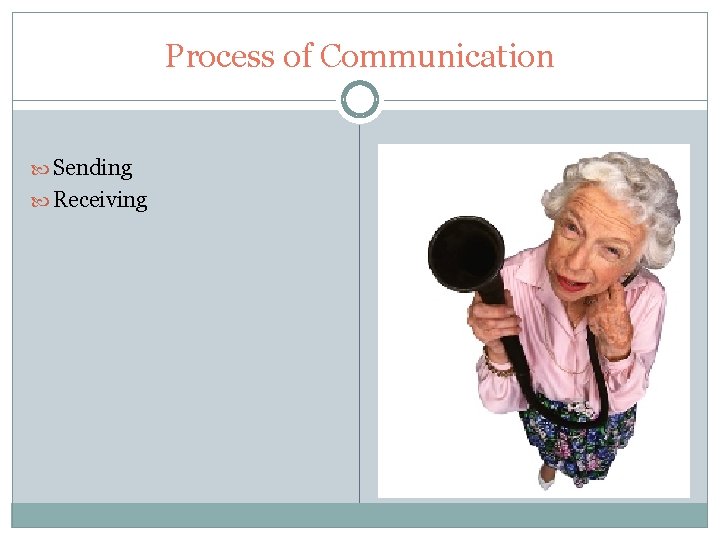
The Interview Sending Receiving Process of Communication
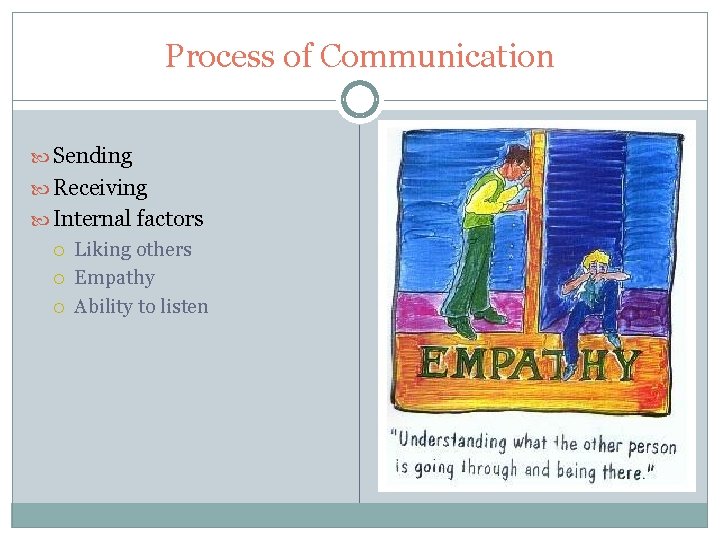
The Interview Process of Communication Sending Receiving Internal factors Liking others Empathy Ability to listen
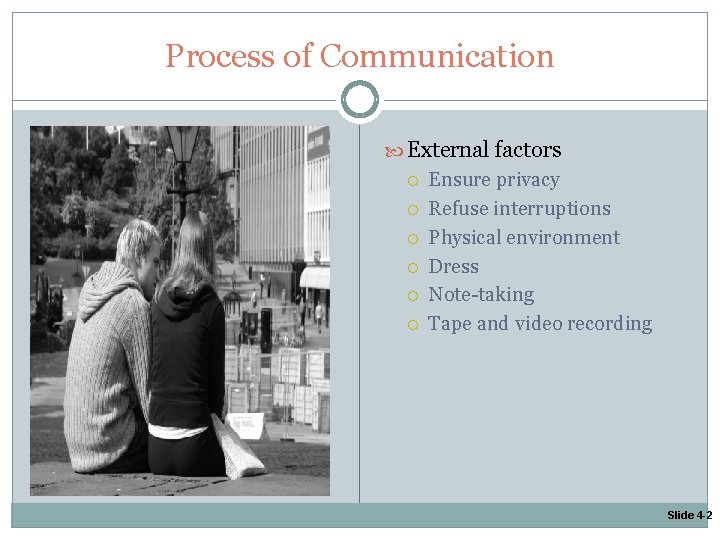
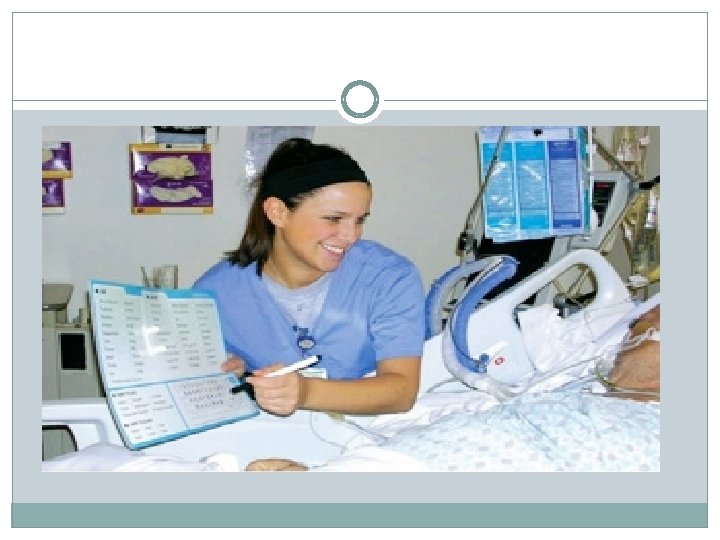
The Interview Process of Communication External factors Ensure privacy Refuse interruptions Physical environment Dress Note-taking Tape and video recording Slide 4 -2
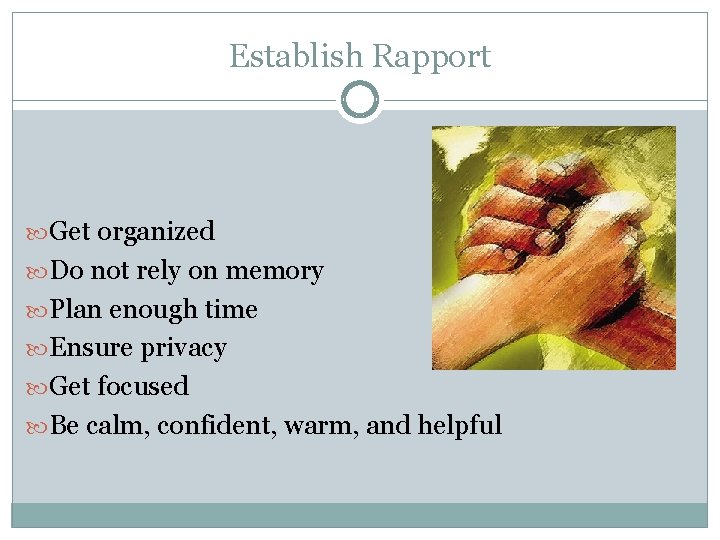
Establish Rapport Get organized Do not rely on memory Plan enough time Ensure privacy Get focused Be calm, confident, warm, and helpful
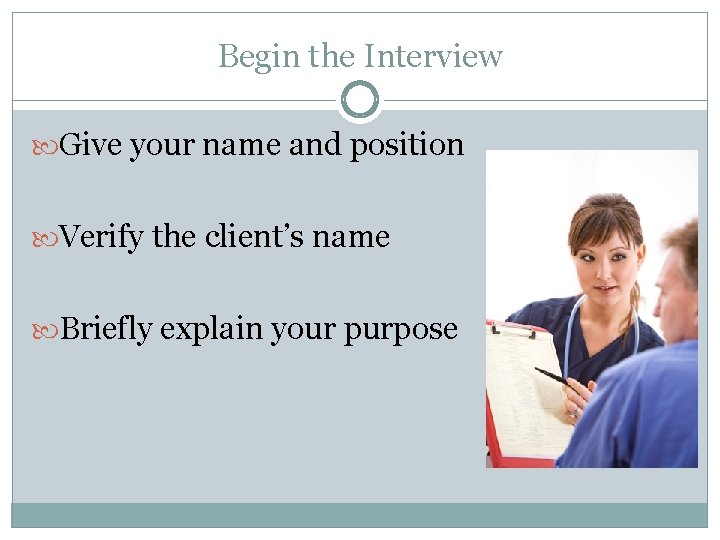
Begin the Interview Give your name and position Verify the client’s name Briefly explain your purpose
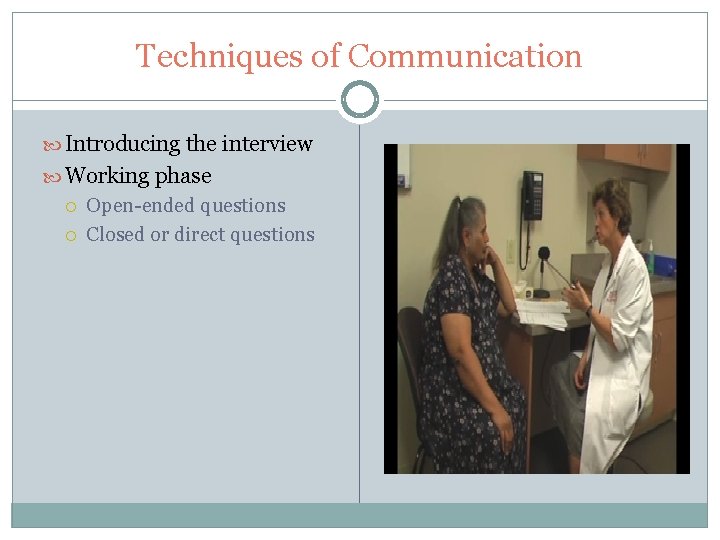
The Interview Techniques of Communication Introducing the interview Working phase Open-ended questions Closed or direct questions
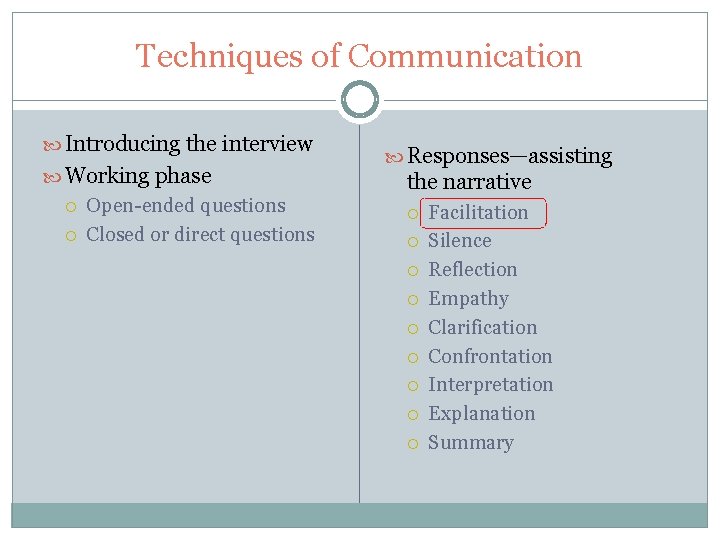
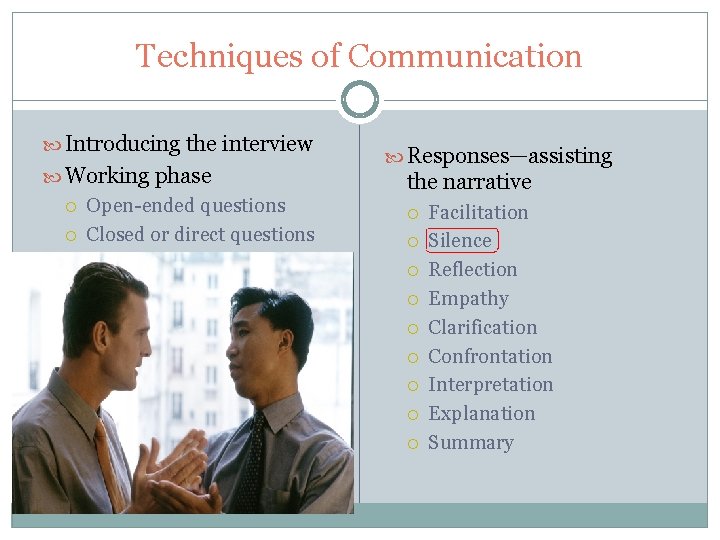
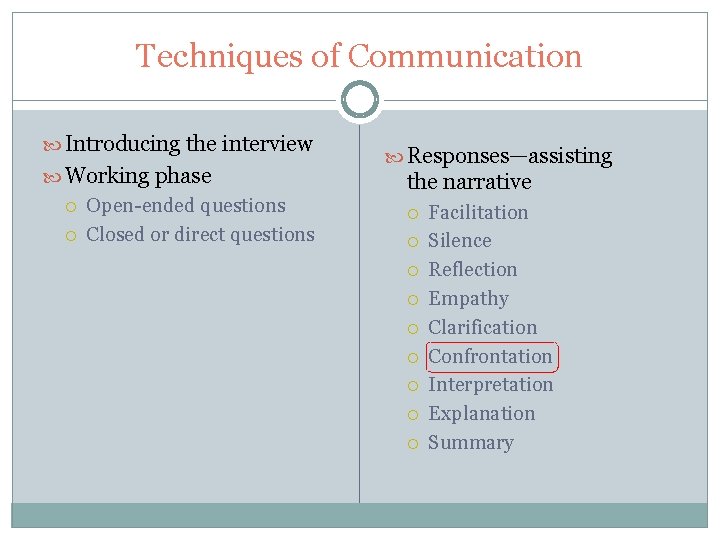
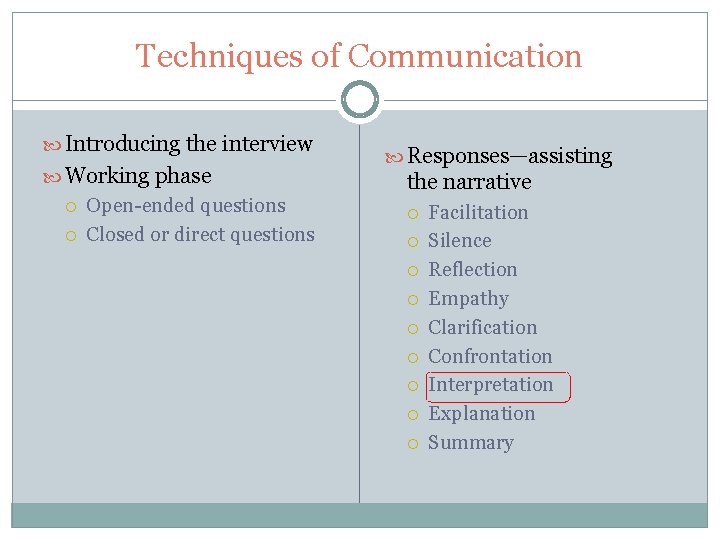
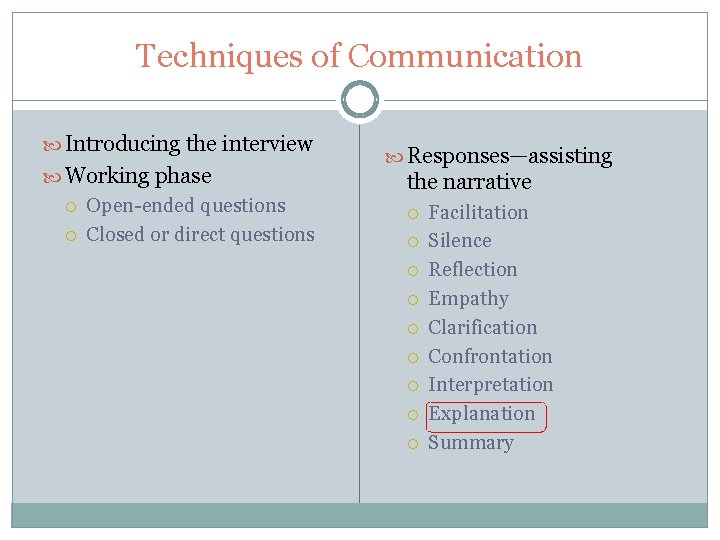
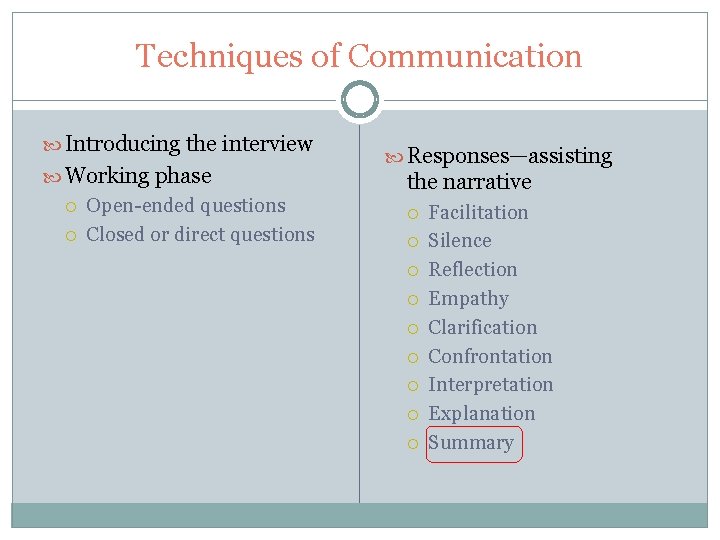
The Interview Techniques of Communication Introducing the interview Working phase Open-ended questions Closed or direct questions Responses—assisting the narrative Facilitation Silence Reflection Empathy Clarification Confrontation Interpretation Explanation Summary
The Interview Techniques of Communication Introducing the interview Working phase Open-ended questions Closed or direct questions Responses—assisting the narrative Facilitation Silence Reflection Empathy Clarification Confrontation Interpretation Explanation Summary
The Interview Techniques of Communication Introducing the interview Working phase Open-ended questions Closed or direct questions Responses—assisting the narrative Facilitation Silence Reflection Empathy Clarification Confrontation Interpretation Explanation Summary
The Interview Techniques of Communication Introducing the interview Working phase Open-ended questions Closed or direct questions Responses—assisting the narrative Facilitation Silence Reflection Empathy Clarification Confrontation Interpretation Explanation Summary
The Interview Techniques of Communication Introducing the interview Working phase Open-ended questions Closed or direct questions Responses—assisting the narrative Facilitation Silence Reflection Empathy Clarification Confrontation Interpretation Explanation Summary
The Interview Techniques of Communication Introducing the interview Working phase Open-ended questions Closed or direct questions Responses—assisting the narrative Facilitation Silence Reflection Empathy Clarification Confrontation Interpretation Explanation Summary
The Interview Techniques of Communication Introducing the interview Working phase Open-ended questions Closed or direct questions Responses—assisting the narrative Facilitation Silence Reflection Empathy Clarification Confrontation Interpretation Explanation Summary
The Interview Techniques of Communication Introducing the interview Working phase Open-ended questions Closed or direct questions Responses—assisting the narrative Facilitation Silence Reflection Empathy Clarification Confrontation Interpretation Explanation Summary
The Interview Techniques of Communication Introducing the interview Working phase Open-ended questions Closed or direct questions Responses—assisting the narrative Facilitation Silence Reflection Empathy Clarification Confrontation Interpretation Explanation Summary
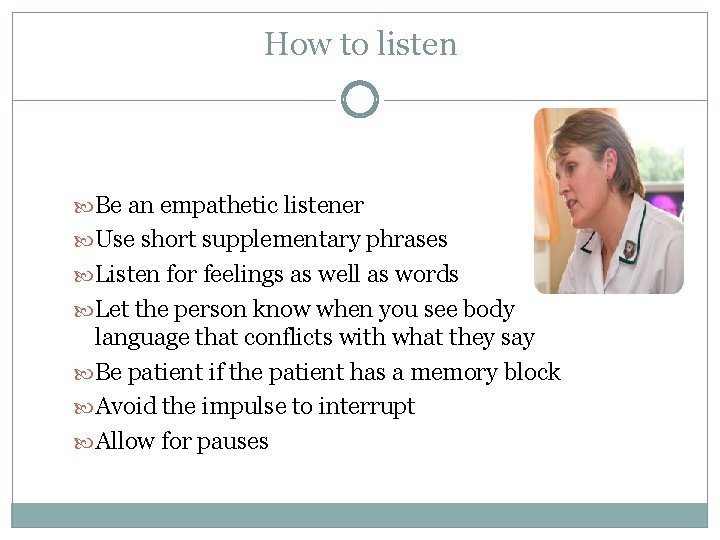
How to listen Be an empathetic listener Use short supplementary phrases Listen for feelings as well as words Let the person know when you see body language that conflicts with what they say Be patient if the patient has a memory block Avoid the impulse to interrupt Allow for pauses
How to ask Questions? Ask about the main problem first = chief complaint Focus your questions to gain specific information about the signs and symptoms Don’t lead the witness Restate the other person’s words to clarify Use open-ended questions Avoid closed –ended questions , yes or no questions
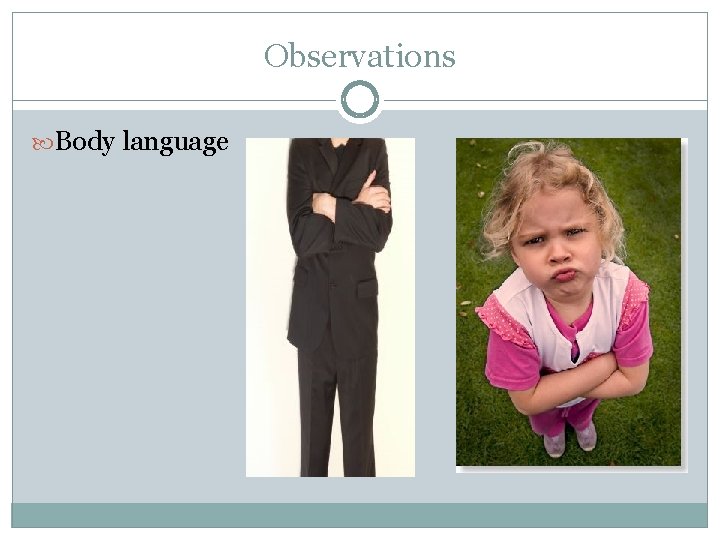
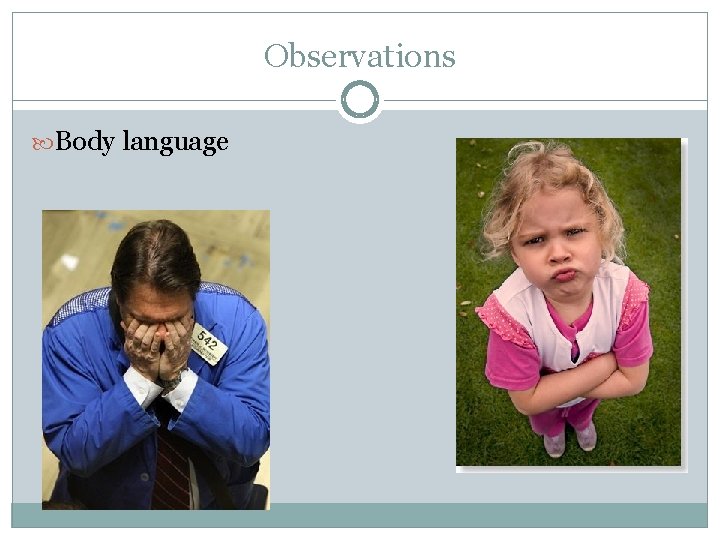
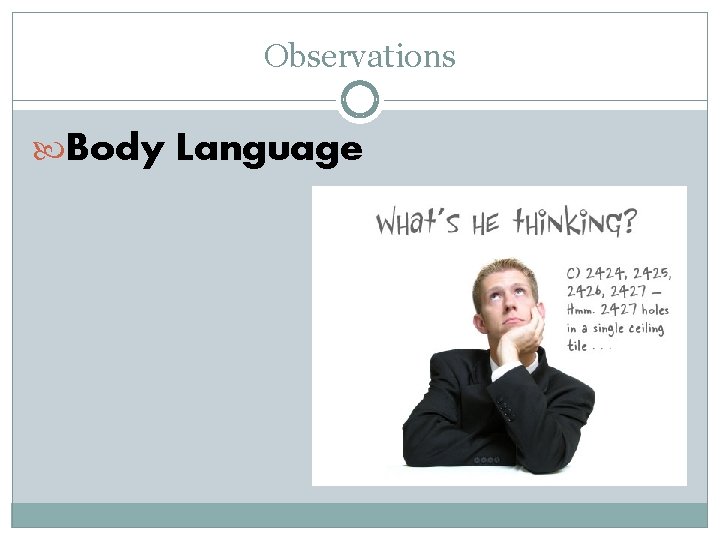
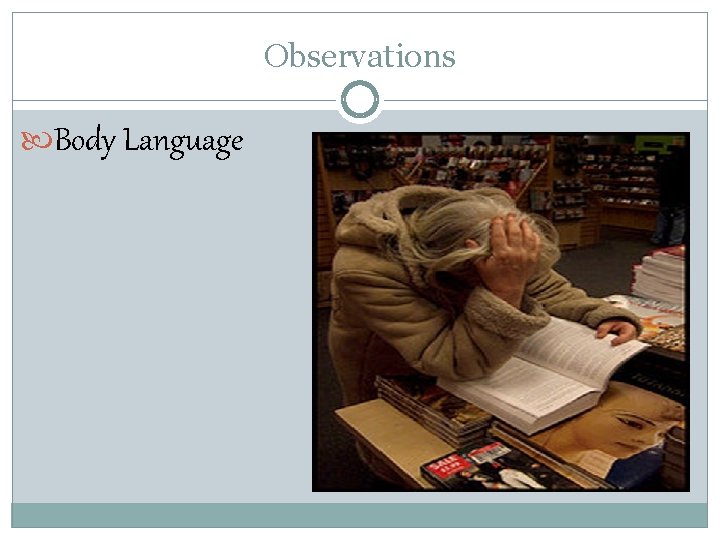
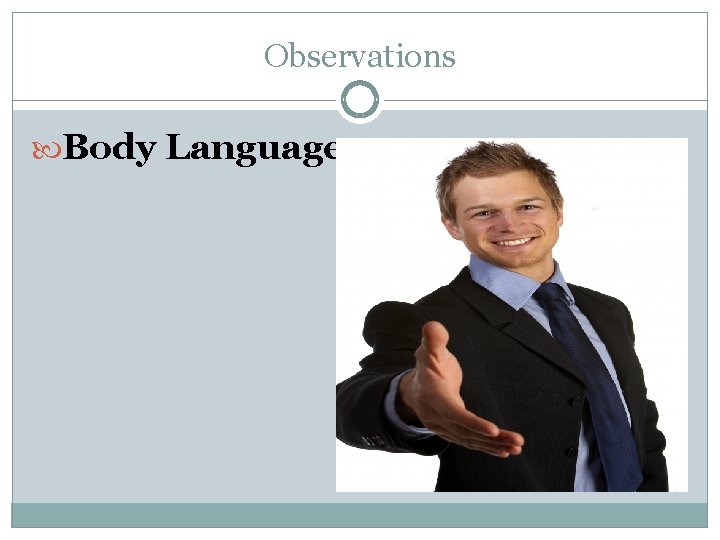
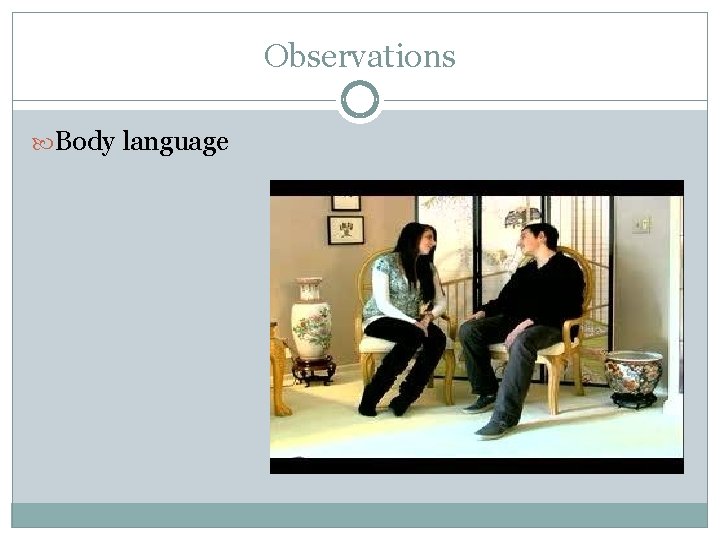
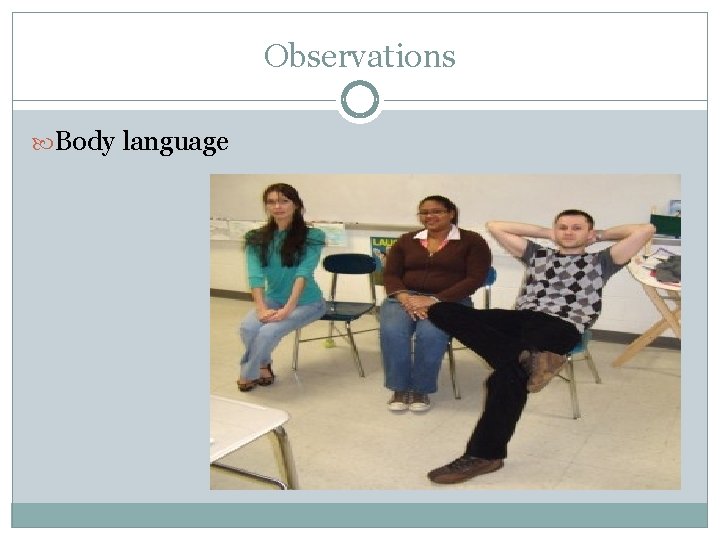
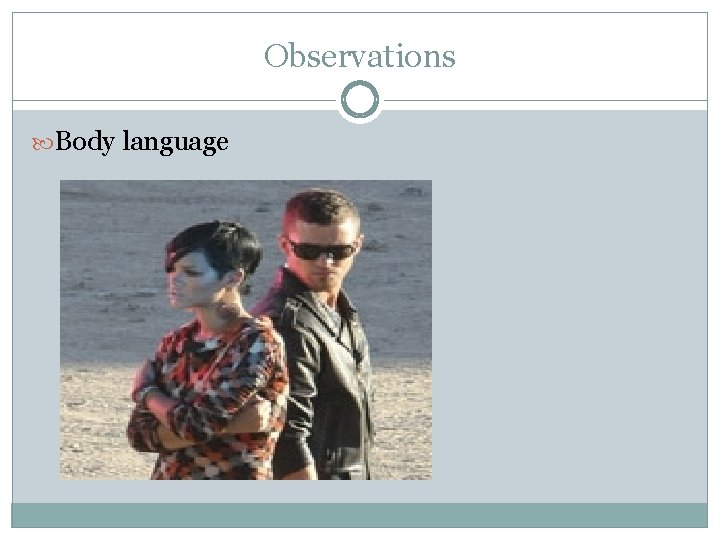
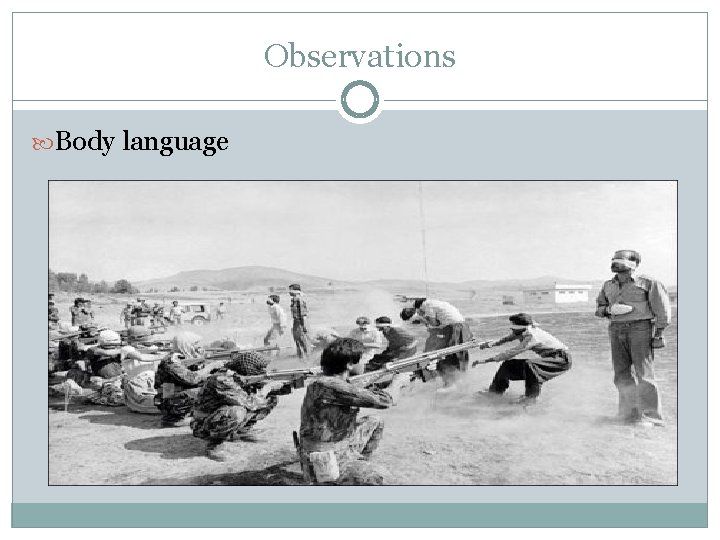
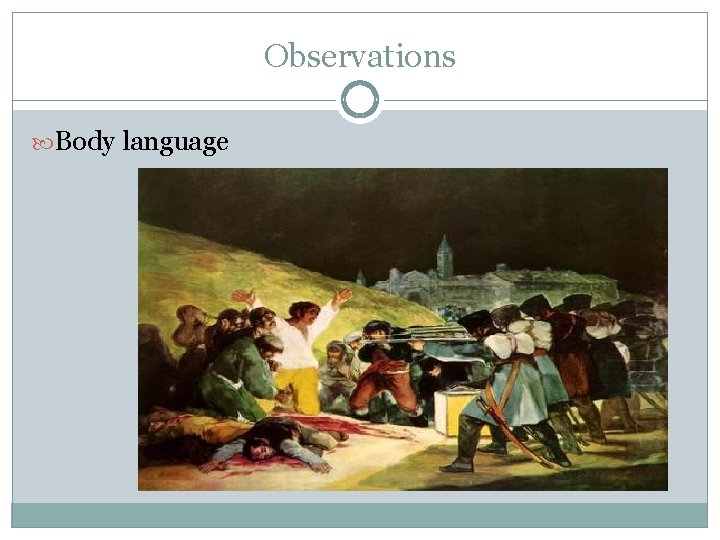
Observations Carefully assess areas connected to verbal cues Use your senses Note general appearance Observe body language Notice interaction patterns
Techniques of Communication The Interview Ten Traps of Interviewing 1. Providing false assurance or reassurance 2. Giving unwanted advice 3. Using authority 4. Using avoidance language 5. Engaging in distancing 6. Using professional jargon 7. Using leading or biased questions 8. Talking too much 9. Interrupting 10. Using “why” questions
The Interview Techniques of Communication Nonverbal skills Physical appearance Posture Gestures Facial expression Eye contact Voice Touch Closing the interview
Interviewing People With Special Needs The Interview Hearing-impaired people Acutely ill people People under the influence of street drugs or alcohol Personal questions Sexually aggressive people Crying Anger Threat of violence Anxiety
The Interview Cross-Cultural Communication Cultural perspectives on professional interactions Etiquette Space and distance Cultural considerations on gender and sexual orientation Slide 4 -7
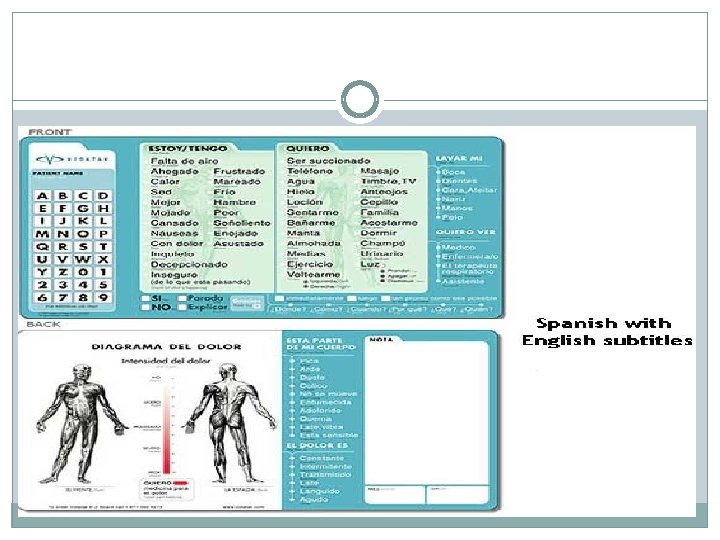
The Interview Overcoming Communication Barriers Working with (and without) an interpreter Nonverbal cross-cultural communication Vocal cues (and silence) Action cues Object cues Use of personal and territorial space Touch Slide 4 -8
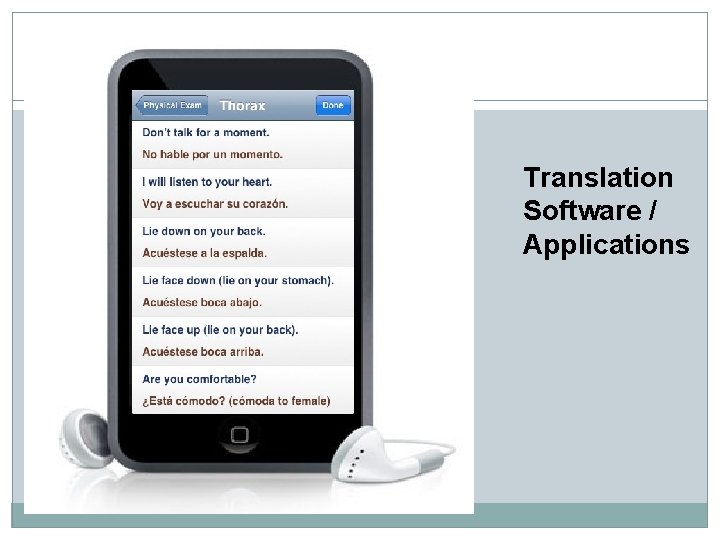
Translation Software / Applications
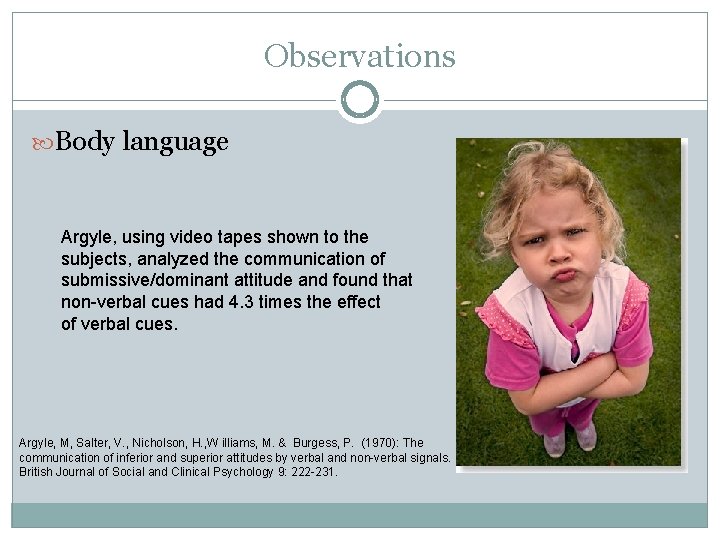
Observations Body language Argyle, using video tapes shown to the subjects, analyzed the communication of submissive/dominant attitude and found that non-verbal cues had 4. 3 times the effect of verbal cues. Argyle, M, Salter, V. , Nicholson, H. , W illiams, M. & Burgess, P. (1970): The communication of inferior and superior attitudes by verbal and non-verbal signals. British Journal of Social and Clinical Psychology 9: 222 -231.
Observations Body language
Observations Body language
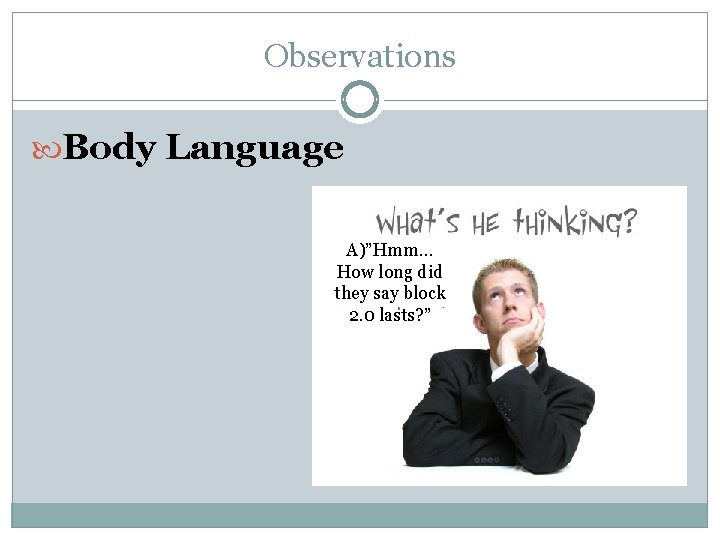
Observations Body Language A)”Hmm… How long did they say block 2. 0 lasts? ”
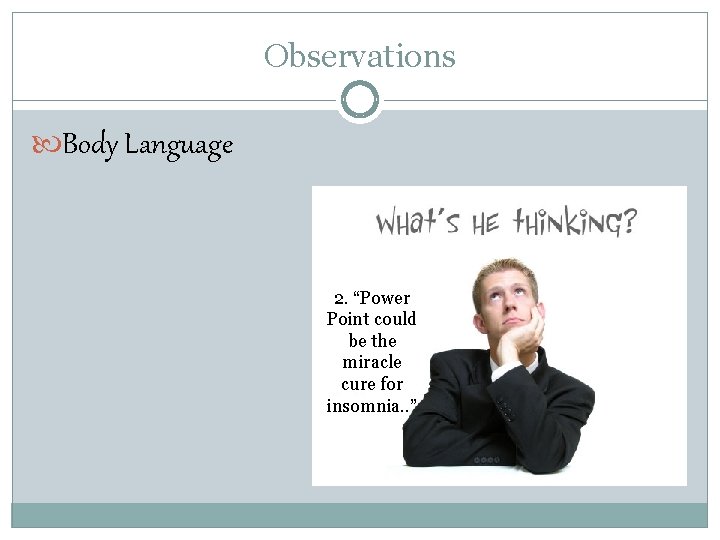
Observations Body Language 2. “Power Point could be the miracle cure for insomnia. . ”
Observations Body Language
Observations Body Language
Observations Body Language
Observations Body language
Observations Body language
Observations Body language
Observations Body language
Observations Body language
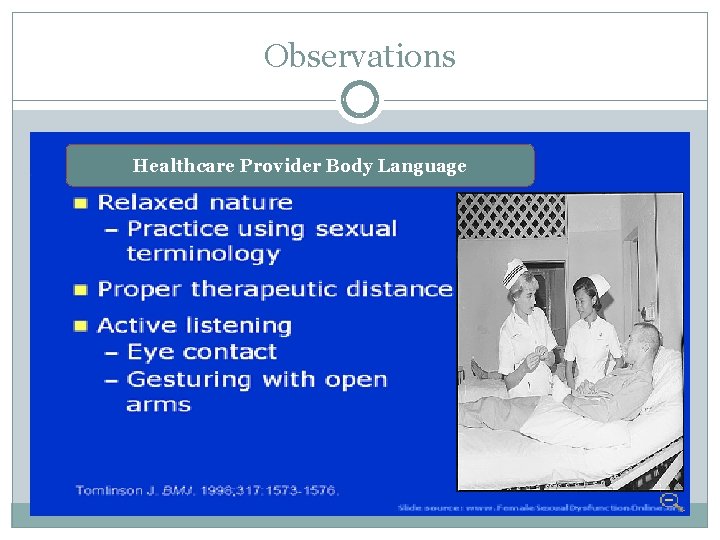
Observations Healthcare Provider Body Language
How to terminate the interview If the session has been long, give a warning As the person to summarize their primary concerns Ask if there are other areas to be discussed Offer yourself as a resource Explain routines and provide information about who does what End on a positive note
Charting & Documentation If it isn’t written, then it wasn’t done Chart at the time it occurs – if possible Follow facility guidelines Is the information clear and logical? Is it true? Is it non - judgmental? Record all abnormals and normals
Charting guidelines Be precise Stick to the facts Sign your name after each entry SOAP format – focuses on specific problems AIR, DAR, PIE, DIE formats – focus on nursing interventions and client response Prioritize the client problems
Interviewing & Documentation Unit Objectives 1. Describe the five steps of the nursing process and how it applies to health assessment. 2. Describe an environment suitable for conducting an interview and physical assessment. 3. Recognize personal perceptions and behaviors that facilitate or hinder the interviewing process 4. Define effective interviewing techniques 5. Identify the components of the complete health history. 6. Describe how to assess the characteristics of a chief complaint