
Interphase Prophase I Metaphase I Anaphase I Telophase
- Slides: 27
Interphase
Prophase I
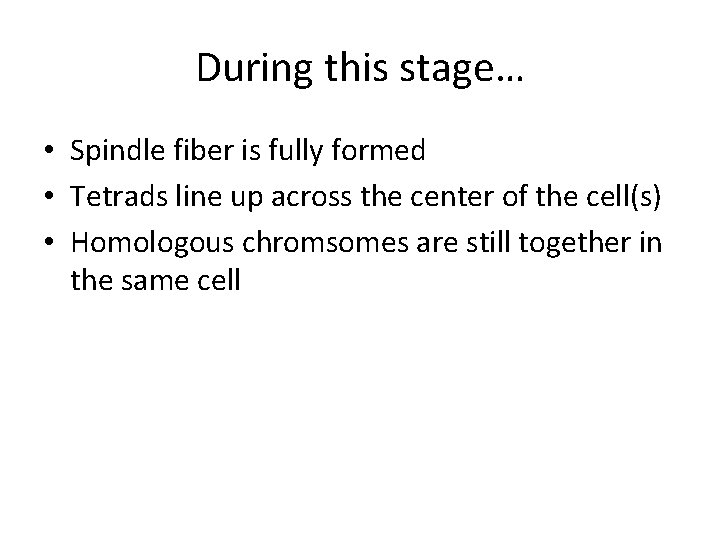
Metaphase I
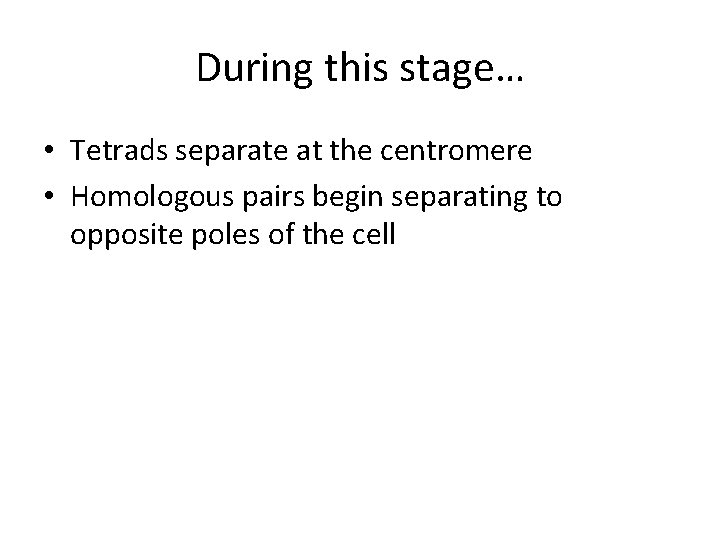
Anaphase I
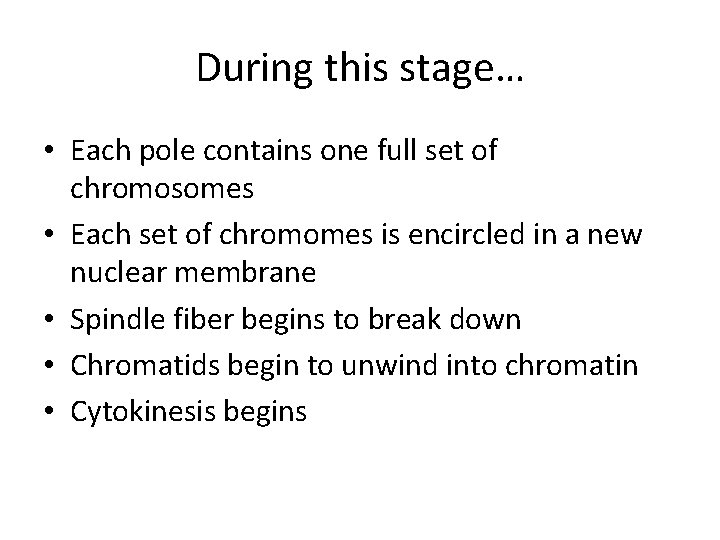
Telophase I
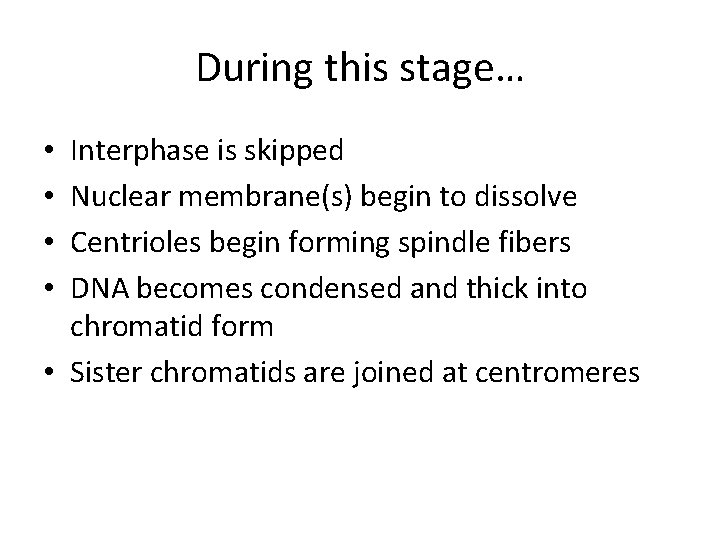
Prophase II
Metaphase II
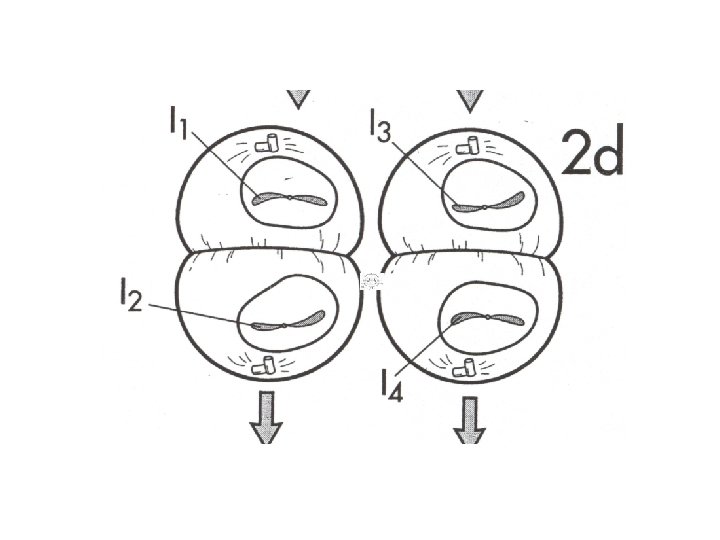
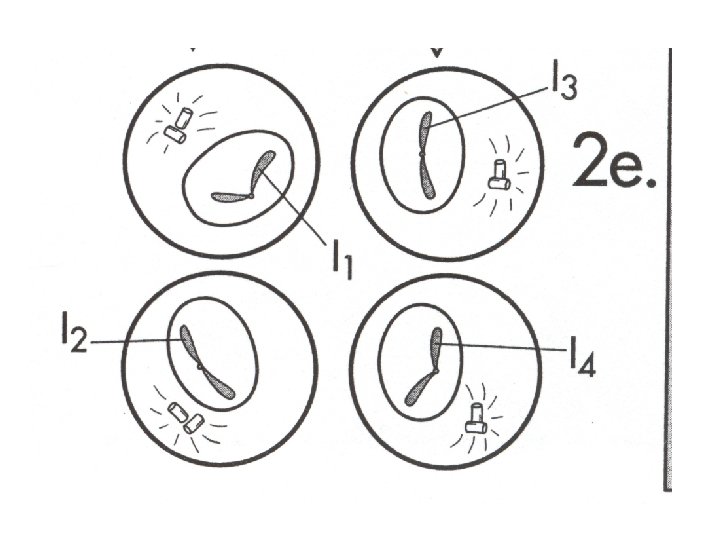
Anaphase II
Telophase II
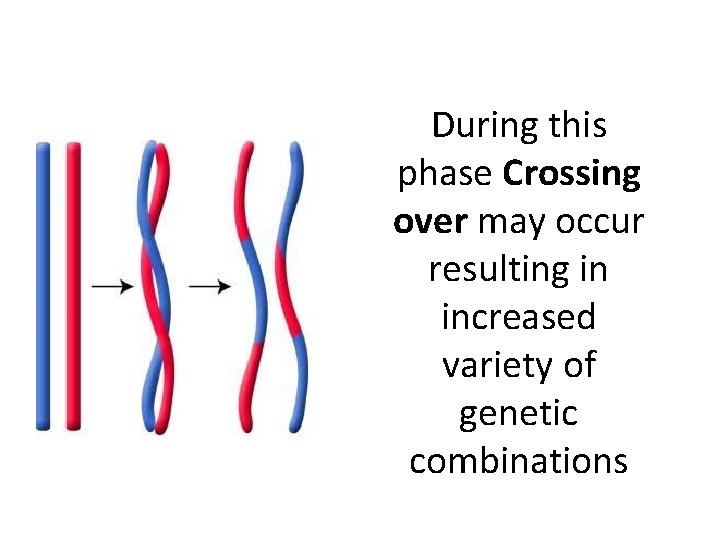
During this phase Crossing over may occur resulting in increased variety of genetic combinations
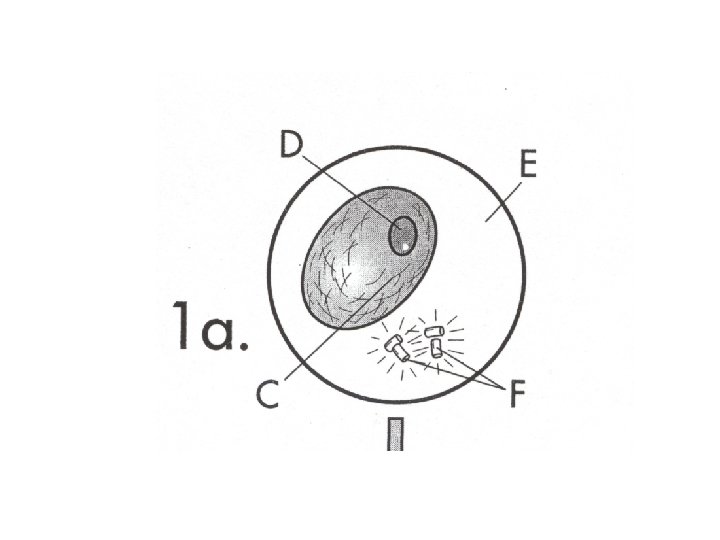
During this stage… Cell is performing daily functions Growing Copying DNA Performing Photosynthesis and/or Cellular Respiration • Creating proteins • DNA is in chromatin form • •
During this stage… Nuclear membrane is dissolving Centrioles begin forming spindle fibers DNA is in condensed, chromatid form Homologous pairs find each other and join at centromere • Tetrads are present • •
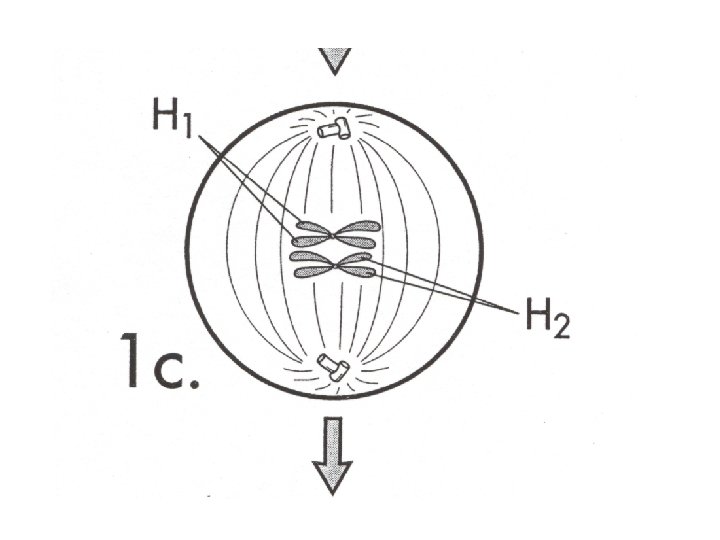
During this stage… • Spindle fiber is fully formed • Tetrads line up across the center of the cell(s) • Homologous chromsomes are still together in the same cell
During this stage… • Tetrads separate at the centromere • Homologous pairs begin separating to opposite poles of the cell
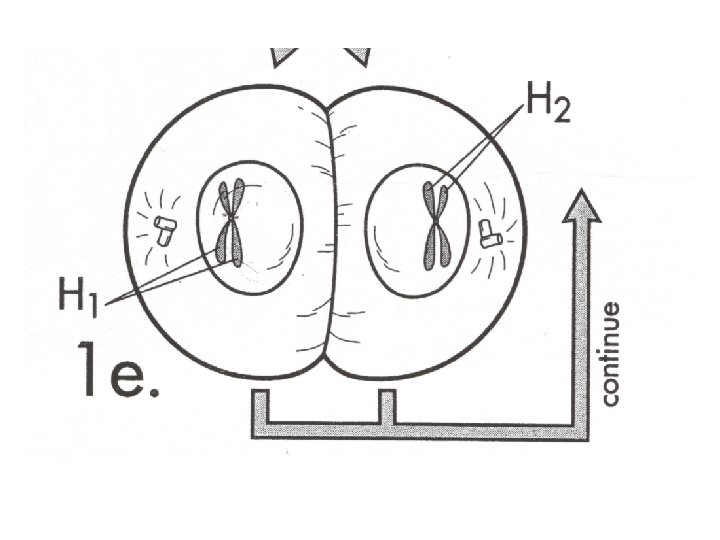
During this stage… • Each pole contains one full set of chromosomes • Each set of chromomes is encircled in a new nuclear membrane • Spindle fiber begins to break down • Chromatids begin to unwind into chromatin • Cytokinesis begins
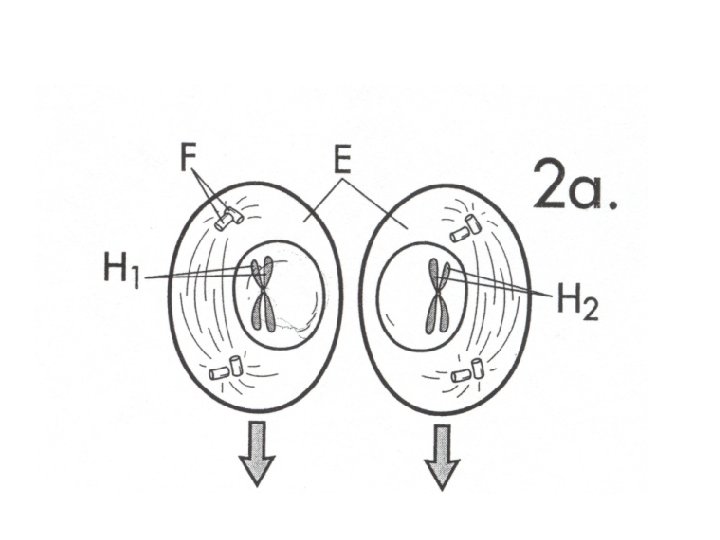
During this stage… Interphase is skipped Nuclear membrane(s) begin to dissolve Centrioles begin forming spindle fibers DNA becomes condensed and thick into chromatid form • Sister chromatids are joined at centromeres • •
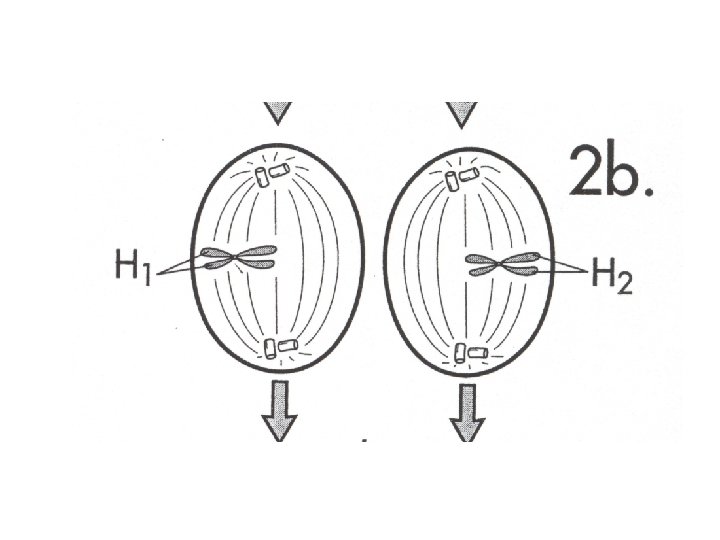
During this stage… • Spindle fiber is fully formed • Sister chromatids line up across center of cell • Homologous pairs are NO longer in same cell
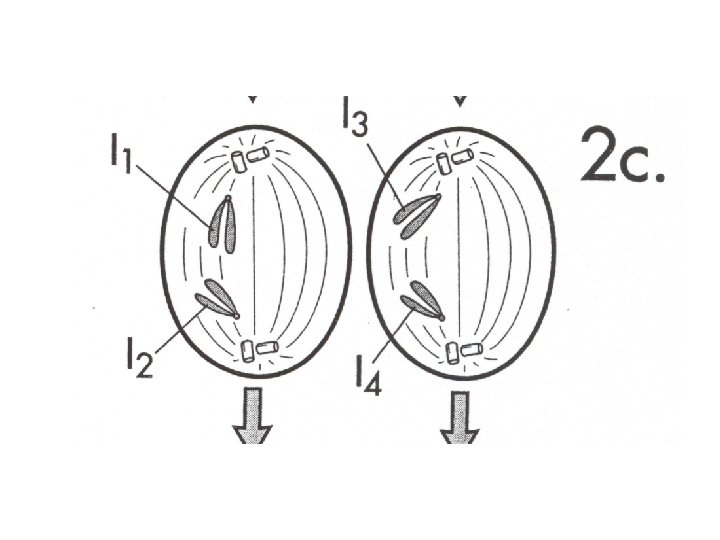
During this stage… • Sister chromatids break apart at the centromere • Sister chromatids begin to separate to opposite poles of the cell
During this stage… • Each pole contains ½ of a full set of chromosomes • New nuclear membranes from around each chromatid cluster at the poles • Chromatids begin unwinding into chromatin form • Cytokinesis begins