
INTERPATIENT VARIABILITY OF DRUG DISPOSITION DOSAGE ADJUSTMENT Readings
INTERPATIENT VARIABILITY OF DRUG DISPOSITION & DOSAGE ADJUSTMENT Readings (Applied Biopharm & PK 5 th Ed. ): Chp 12. Pharmacogenetics p 355 -68. Chp 21. Renal & Hepatic Disease p 673 -714 Chp 20. Peds/Geriatrics/Obesity p 634 -42. Several articles will be posted on-line.
Objectives • Identify variation in response • Understand underlying genetic, environmental and pathophysiological factors responsible for patient differences in drug response. • Evaluate clinical significance • Individualize drug therapy based on specific patient factors (using knowledge, logic and available equations). “Personalized Medicine”
20 th Century Medicine: One Size (or Dose) Fits All • Currently use “trial and error” method of prescribing
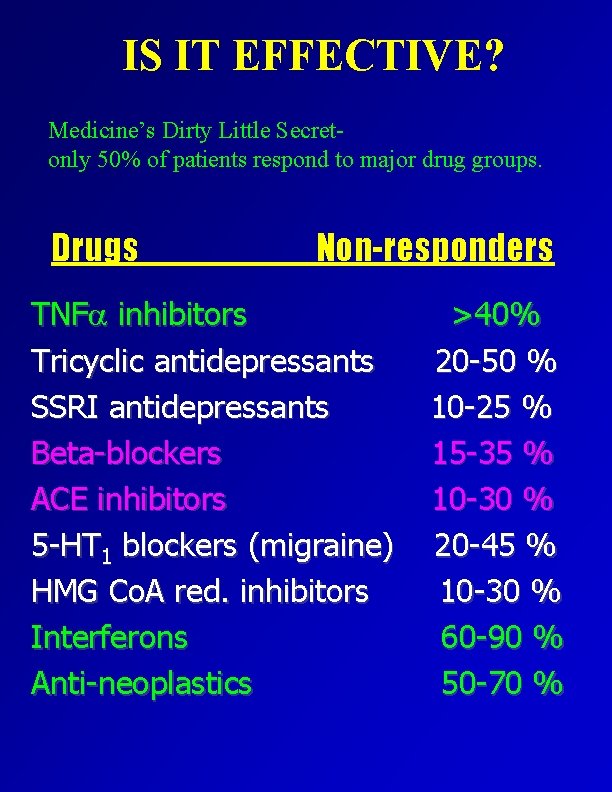
IS IT EFFECTIVE? Medicine’s Dirty Little Secretonly 50% of patients respond to major drug groups. Drugs Non-responders TNFa inhibitors Tricyclic antidepressants SSRI antidepressants Beta-blockers ACE inhibitors 5 -HT 1 blockers (migraine) HMG Co. A red. inhibitors Interferons Anti-neoplastics >40% 20 -50 % 10 -25 % 15 -35 % 10 -30 % 20 -45 % 10 -30 % 60 -90 % 50 -70 %
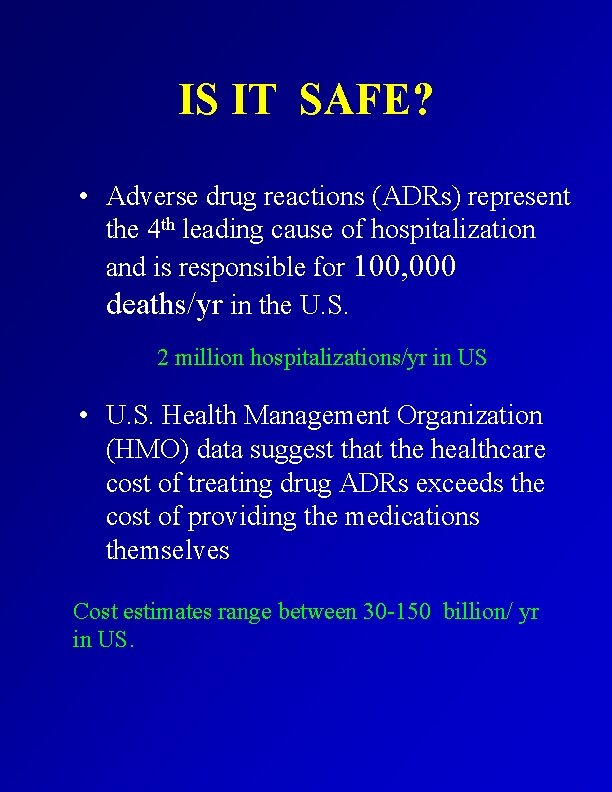
IS IT SAFE? • Adverse drug reactions (ADRs) represent the 4 th leading cause of hospitalization and is responsible for 100, 000 deaths/yr in the U. S. 2 million hospitalizations/yr in US • U. S. Health Management Organization (HMO) data suggest that the healthcare cost of treating drug ADRs exceeds the cost of providing the medications themselves Cost estimates range between 30 -150 billion/ yr in US.
Interpatient variability of drug response • Inter-patient variability in response to drug therapy is the rule, not the exception for almost all medications. • Research in the past 5 - 15 years has identified many sources of inter-patient variability- which can be used for drug and dosage selection. • New knowledge, particularly in the area of pharmacogenetics, is progressing at a rapid pace.
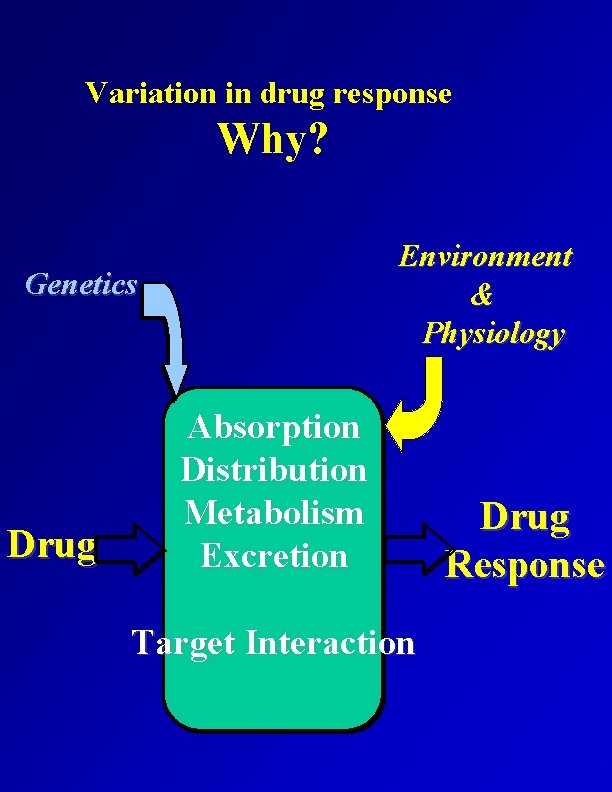
Variation in drug response Why? Environment & Physiology Genetics Drug Absorption Distribution Metabolism Excretion Target Interaction Drug Response
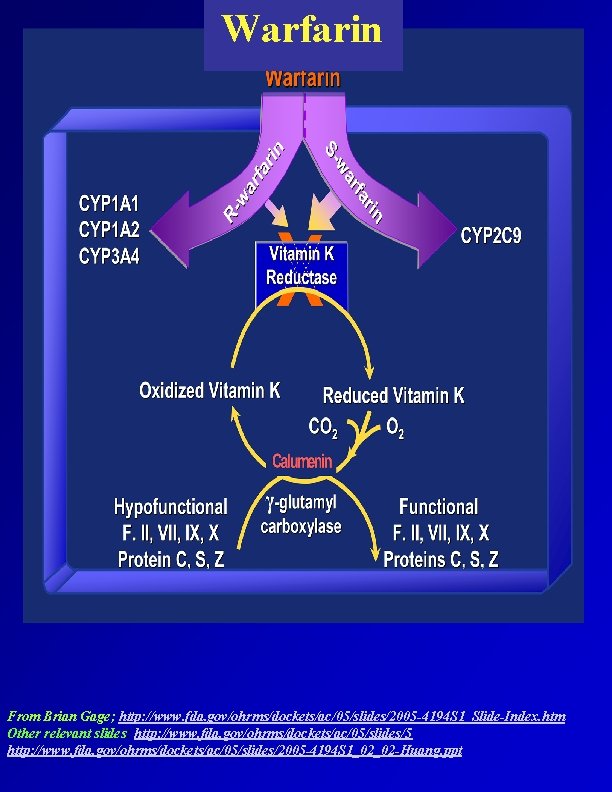
Warfarin From Brian Gage; http: //www. fda. gov/ohrms/dockets/ac/05/slides/2005 -4194 S 1_Slide-Index. htm Other relevant slides: http: //www. fda. gov/ohrms/dockets/ac/05/slides/5 http: //www. fda. gov/ohrms/dockets/ac/05/slides/2005 -4194 S 1_02_02 -Huang. ppt
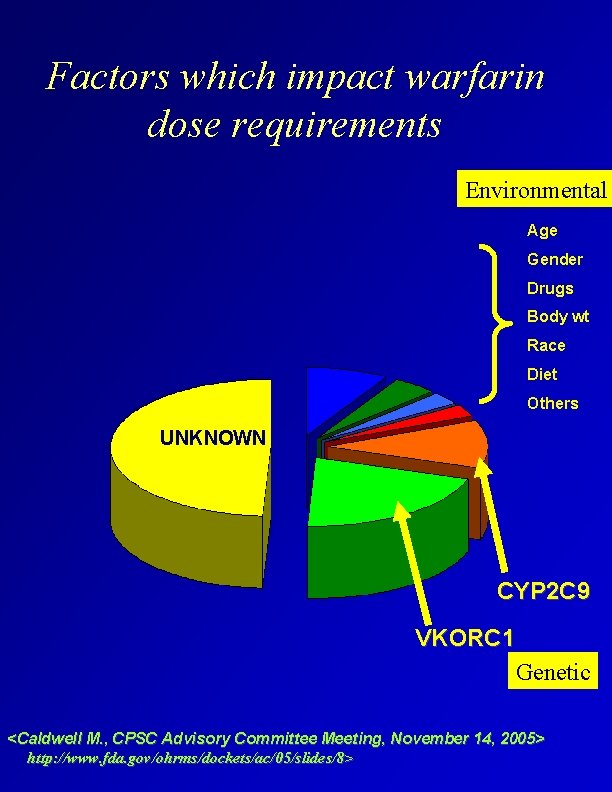
Factors which impact warfarin dose requirements Environmental Age Gender Drugs Body wt Race Diet Others UNKNOWN CYP 2 C 9 VKORC 1 Genetic <Caldwell M. , CPSC Advisory Committee Meeting, November 14, 2005> http: //www. fda. gov/ohrms/dockets/ac/05/slides/8>
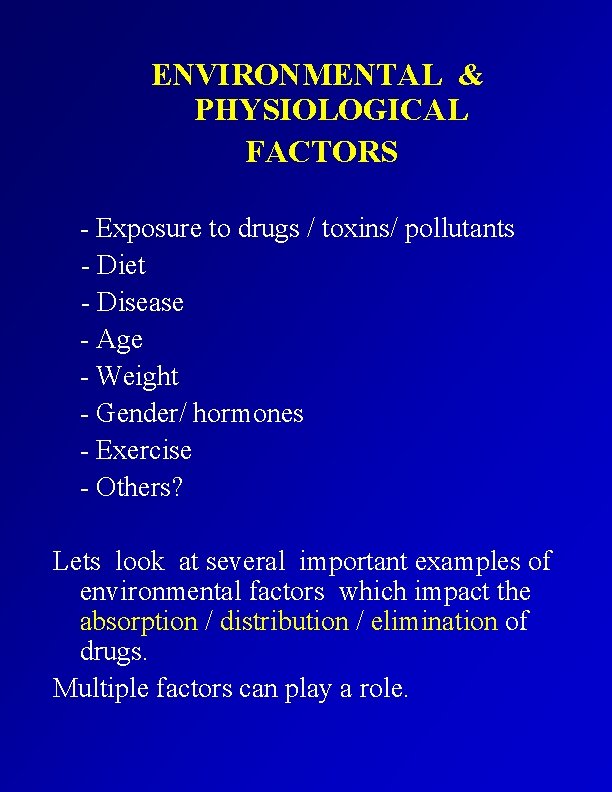
ENVIRONMENTAL & PHYSIOLOGICAL FACTORS - Exposure to drugs / toxins/ pollutants - Diet - Disease - Age - Weight - Gender/ hormones - Exercise - Others? Lets look at several important examples of environmental factors which impact the absorption / distribution / elimination of drugs. Multiple factors can play a role.
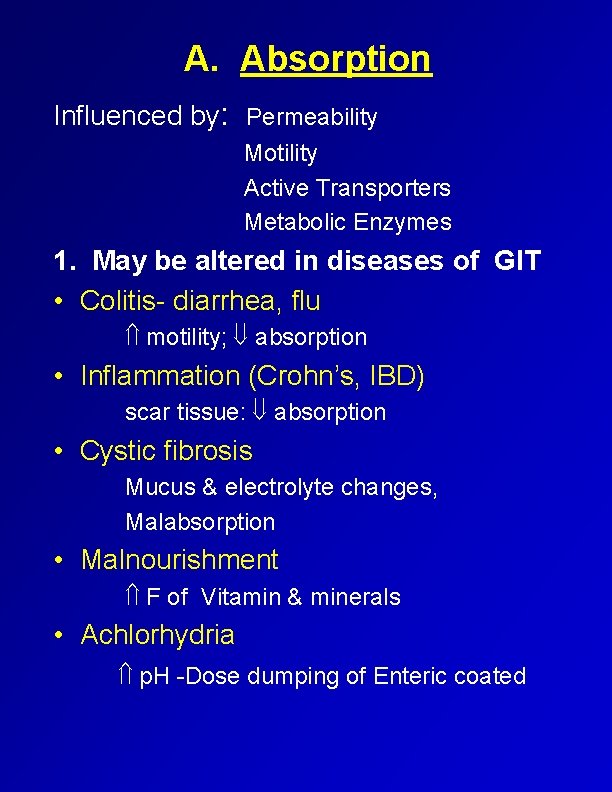
A. Absorption Influenced by: Permeability Motility Active Transporters Metabolic Enzymes 1. May be altered in diseases of GIT • Colitis- diarrhea, flu motility; absorption • Inflammation (Crohn’s, IBD) scar tissue: absorption • Cystic fibrosis Mucus & electrolyte changes, Malabsorption • Malnourishment F of Vitamin & minerals • Achlorhydria p. H -Dose dumping of Enteric coated
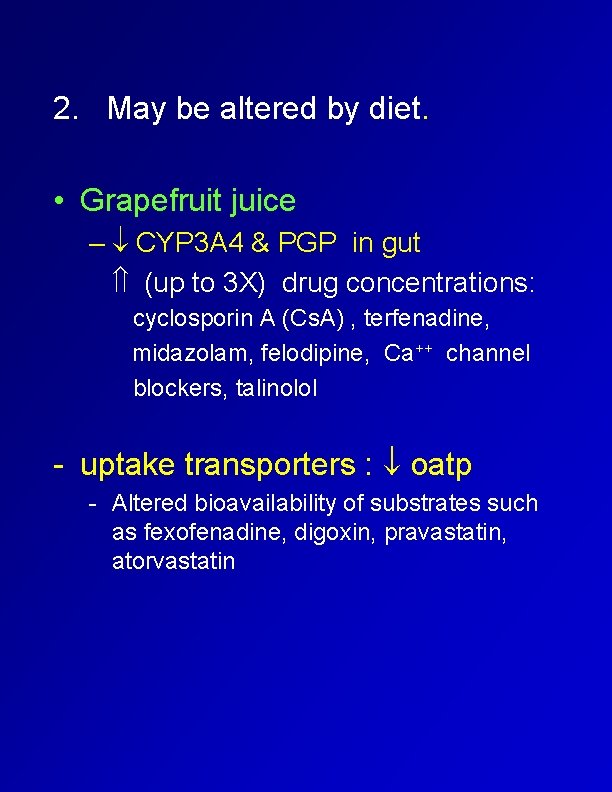
2. May be altered by diet. • Grapefruit juice – CYP 3 A 4 & PGP in gut (up to 3 X) drug concentrations: cyclosporin A (Cs. A) , terfenadine, midazolam, felodipine, Ca++ channel blockers, talinolol - uptake transporters : oatp - Altered bioavailability of substrates such as fexofenadine, digoxin, pravastatin, atorvastatin
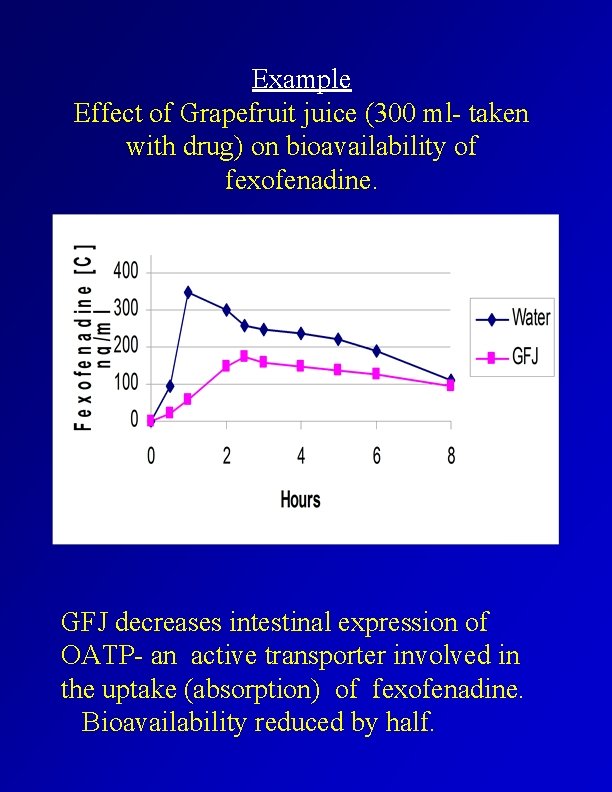
Example Effect of Grapefruit juice (300 ml- taken with drug) on bioavailability of fexofenadine. GFJ decreases intestinal expression of OATP- an active transporter involved in the uptake (absorption) of fexofenadine. Bioavailability reduced by half.
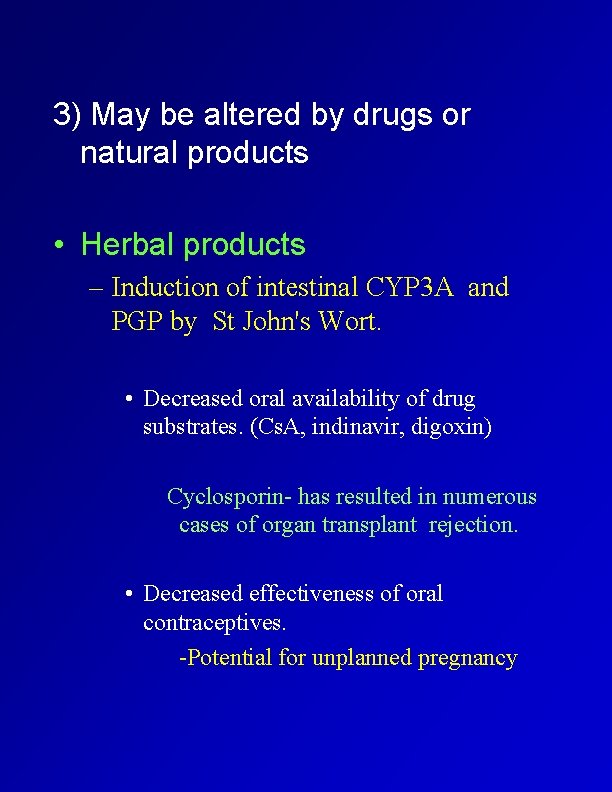
3) May be altered by drugs or natural products • Herbal products – Induction of intestinal CYP 3 A and PGP by St John's Wort. • Decreased oral availability of drug substrates. (Cs. A, indinavir, digoxin) Cyclosporin- has resulted in numerous cases of organ transplant rejection. • Decreased effectiveness of oral contraceptives. -Potential for unplanned pregnancy
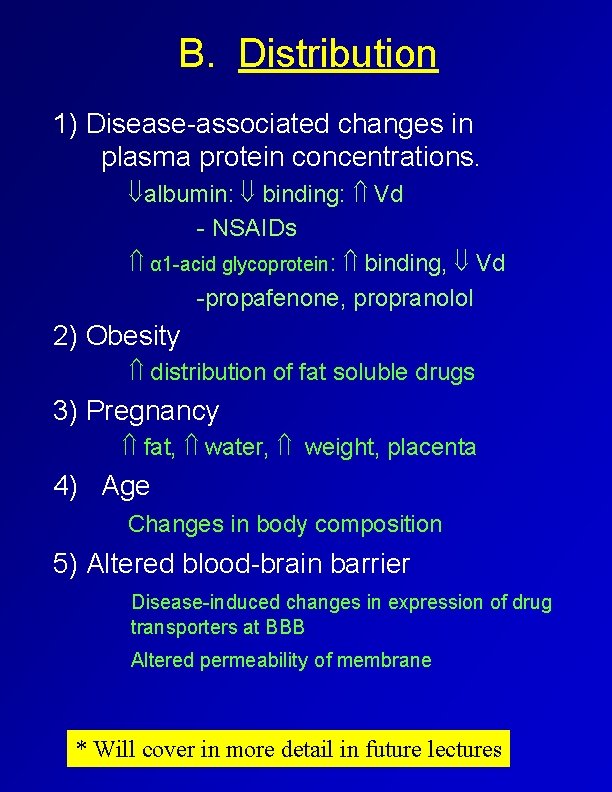
B. Distribution 1) Disease-associated changes in plasma protein concentrations. albumin: binding: Vd - NSAIDs α 1 -acid glycoprotein: binding, Vd -propafenone, propranolol 2) Obesity distribution of fat soluble drugs 3) Pregnancy fat, water, weight, placenta 4) Age Changes in body composition 5) Altered blood-brain barrier Disease-induced changes in expression of drug transporters at BBB Altered permeability of membrane * Will cover in more detail in future lectures
C. Elimination There are numerous examples where hepatic and renal elimination is affected by environmental or physiological changes. 1) Environmental Toxins 2) Food 3) Drugs 4) Disease 5) Age 6) Pregnancy
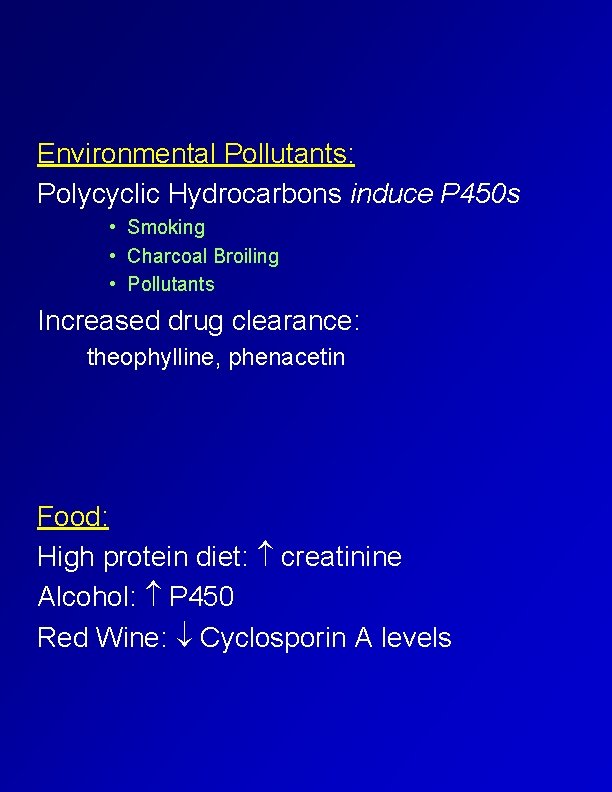
Environmental Pollutants: Polycyclic Hydrocarbons induce P 450 s • Smoking • Charcoal Broiling • Pollutants Increased drug clearance: theophylline, phenacetin Food: High protein diet: creatinine Alcohol: P 450 Red Wine: Cyclosporin A levels
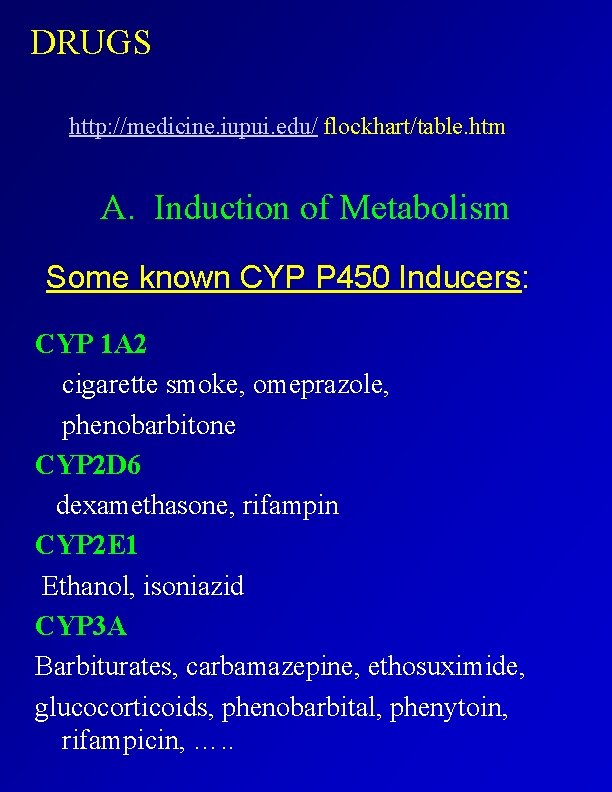
DRUGS http: //medicine. iupui. edu/ flockhart/table. htm A. Induction of Metabolism Some known CYP P 450 Inducers: CYP 1 A 2 cigarette smoke, omeprazole, phenobarbitone CYP 2 D 6 dexamethasone, rifampin CYP 2 E 1 Ethanol, isoniazid CYP 3 A Barbiturates, carbamazepine, ethosuximide, glucocorticoids, phenobarbital, phenytoin, rifampicin, …. .
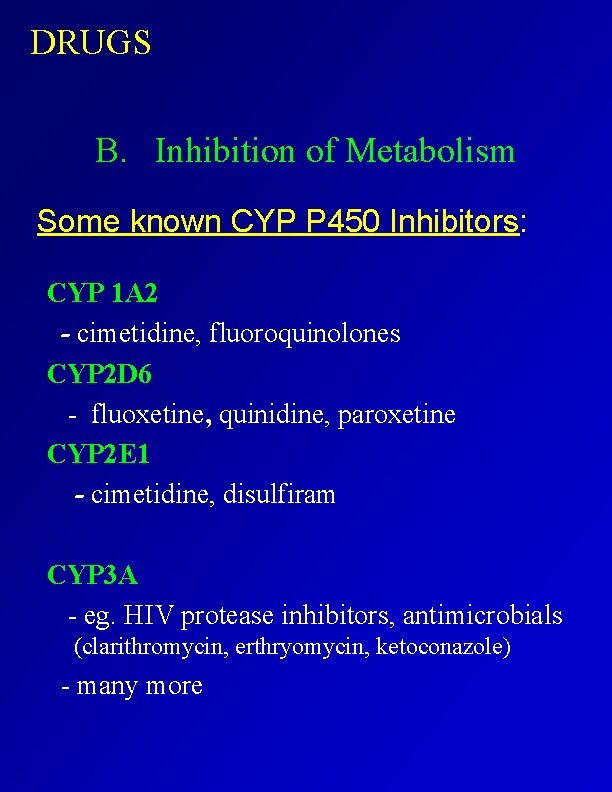
DRUGS B. Inhibition of Metabolism Some known CYP P 450 Inhibitors: CYP 1 A 2 - cimetidine, fluoroquinolones CYP 2 D 6 - fluoxetine, quinidine, paroxetine CYP 2 E 1 - cimetidine, disulfiram CYP 3 A - eg. HIV protease inhibitors, antimicrobials (clarithromycin, erthryomycin, ketoconazole) - many more
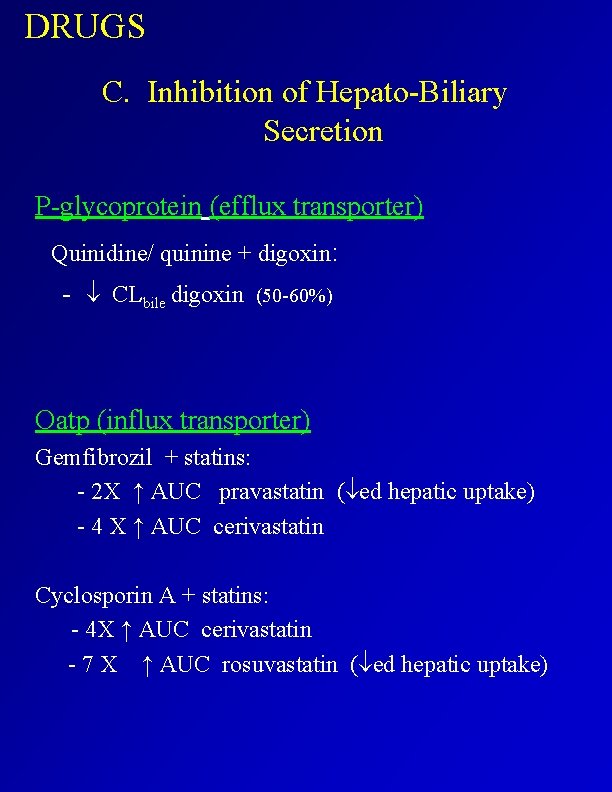
DRUGS C. Inhibition of Hepato-Biliary Secretion P-glycoprotein (efflux transporter) Quinidine/ quinine + digoxin: - CLbile digoxin (50 -60%) Oatp (influx transporter) Gemfibrozil + statins: - 2 X ↑ AUC pravastatin ( ed hepatic uptake) - 4 X ↑ AUC cerivastatin Cyclosporin A + statins: - 4 X ↑ AUC cerivastatin - 7 X ↑ AUC rosuvastatin ( ed hepatic uptake)
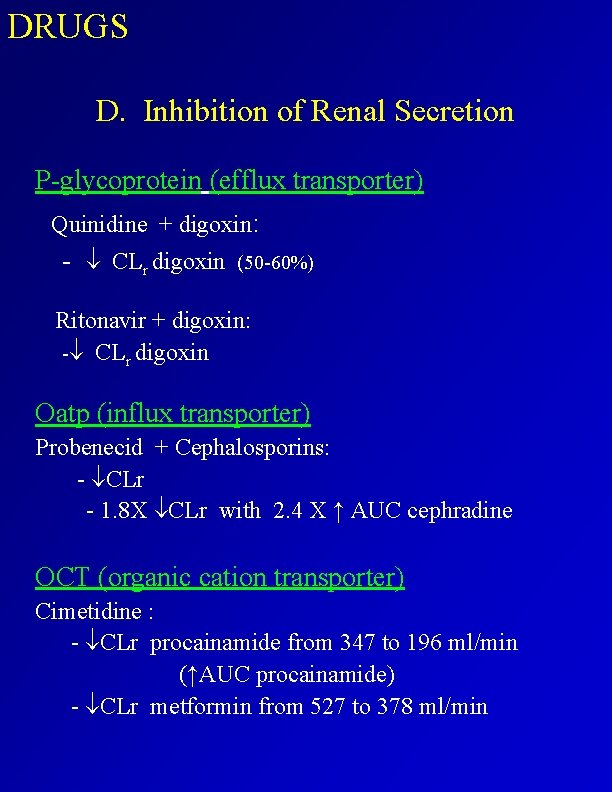
DRUGS D. Inhibition of Renal Secretion P-glycoprotein (efflux transporter) Quinidine + digoxin: - CLr digoxin (50 -60%) Ritonavir + digoxin: - CLr digoxin Oatp (influx transporter) Probenecid + Cephalosporins: - CLr - 1. 8 X CLr with 2. 4 X ↑ AUC cephradine OCT (organic cation transporter) Cimetidine : - CLr procainamide from 347 to 196 ml/min (↑AUC procainamide) - CLr metformin from 527 to 378 ml/min
Diseases Drug metabolism and secretion is decreased in a variety of diseases which are associated with an inflammatory response. – infection, arthritis, Crohn’s disease, renal disease, cancer etc. . Altered drug PK and drug response is seen both clinically and in experimental animal disease models.
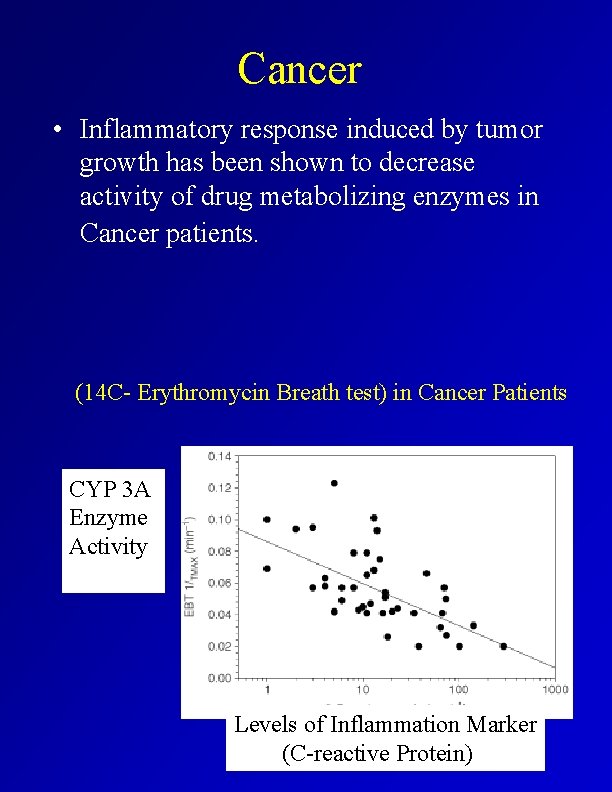
Cancer • Inflammatory response induced by tumor growth has been shown to decrease activity of drug metabolizing enzymes in Cancer patients. (14 C- Erythromycin Breath test) in Cancer Patients CYP 3 A Enzyme Activity Levels of Inflammation Marker (C-reactive Protein)
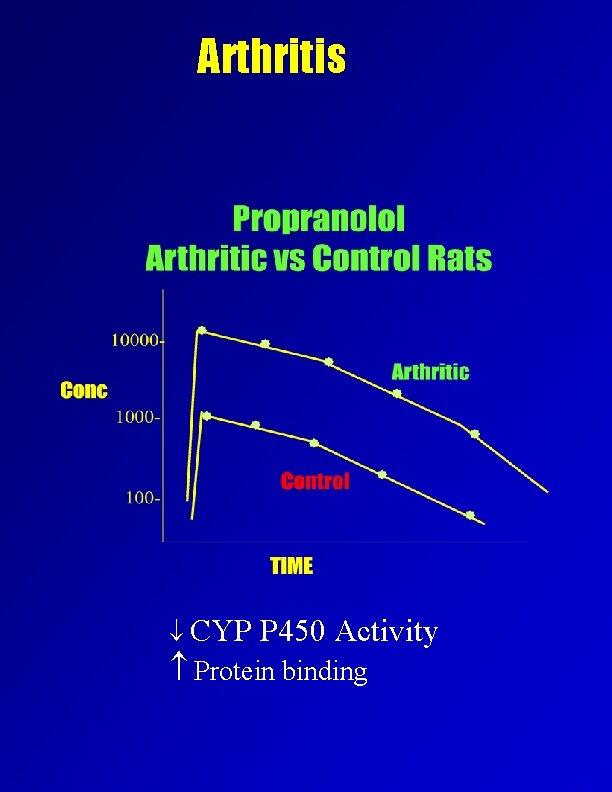
Arthritis CYP P 450 Activity Protein binding
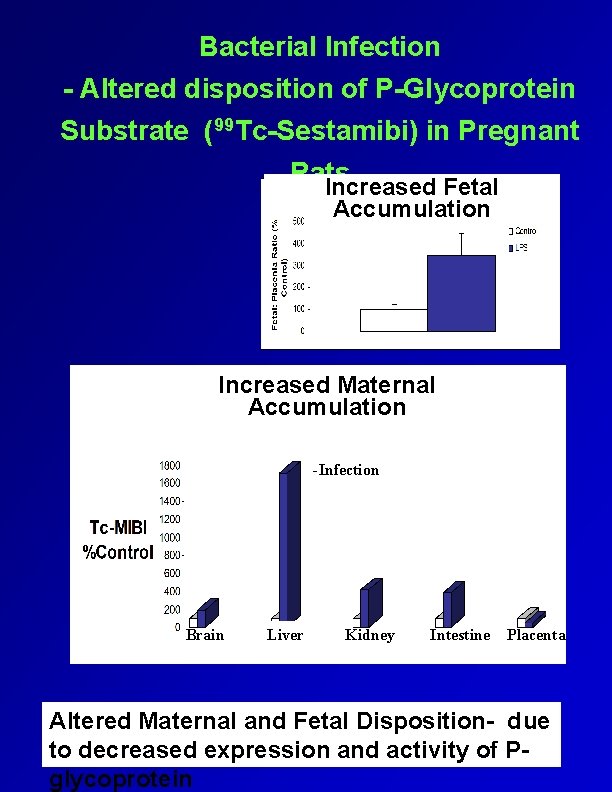
Bacterial Infection - Altered disposition of P-Glycoprotein Substrate (99 Tc-Sestamibi) in Pregnant Rats Increased Fetal Accumulation * Increased Maternal Accumulation -Infection Brain Liver Kidney Intestine Placenta Altered Maternal and Fetal Disposition- due to decreased expression and activity of Pglycoprotein
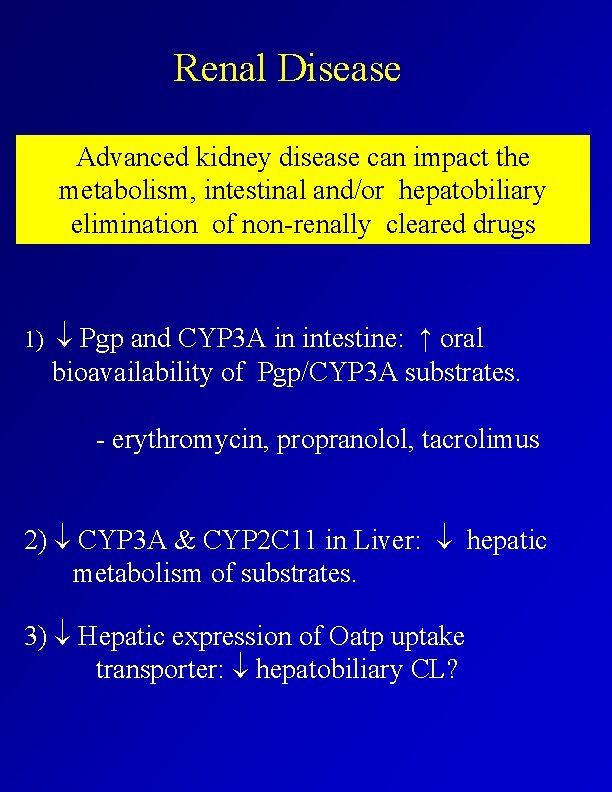
Renal Disease Advanced kidney disease can impact the metabolism, intestinal and/or hepatobiliary elimination of non-renally cleared drugs 1) Pgp and CYP 3 A in intestine: ↑ oral bioavailability of Pgp/CYP 3 A substrates. - erythromycin, propranolol, tacrolimus 2) CYP 3 A & CYP 2 C 11 in Liver: hepatic metabolism of substrates. 3) Hepatic expression of Oatp uptake transporter: hepatobiliary CL?
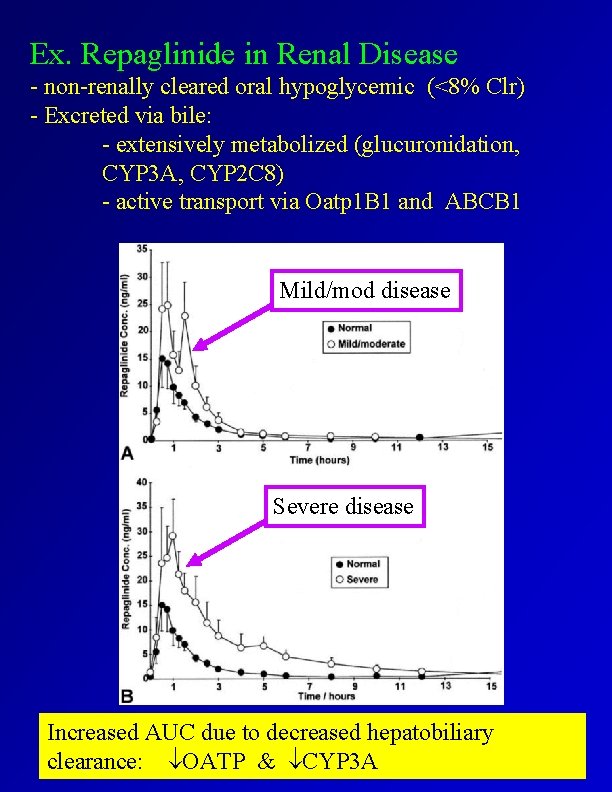
Ex. Repaglinide in Renal Disease - non-renally cleared oral hypoglycemic (<8% Clr) - Excreted via bile: - extensively metabolized (glucuronidation, CYP 3 A, CYP 2 C 8) - active transport via Oatp 1 B 1 and ABCB 1 Mild/mod disease Severe disease Increased AUC due to decreased hepatobiliary clearance: OATP & CYP 3 A
- Slides: 27