
Internet Governance in India A Brief History Dr
Internet Governance in India A Brief History Dr Govind Former Senior Director, Meit. Y, and Ex CEO, National Internet Exchange of India October 24, 2017 India school on Internet Governance Techno park, Trivandrum, India
Internet Governance Issues are everywhere • • Internet Shut Down IDN Domain Names Multilateral/Multi stakeholder AI/ Io. T /Big Data Net Mundial Data protection Bit Coin/ Block chain
Continued……. . • • Sovereignty Cyber Space Digital Economy Cyber Stalking Root Servers Right to privacy Wannacry & Ransomeware
![Agenda [C] [A] Internet Governance: An Outline [E] Internet Governance: Current Indian Scenario Internet](http://slidetodoc.com/presentation_image_h/c91e97766490888cf2c14f6cfa9baf6f/image-4.jpg "Agenda [C] [A] Internet Governance: An Outline [E] Internet Governance: Current Indian Scenario Internet")
Agenda [C] [A] Internet Governance: An Outline [E] Internet Governance: Current Indian Scenario Internet Governance: Landmark Processes [B] Internet Governance: Ecosystem [D] Internet Governance: Challenges and Opportunities [F] Internet Governance: Recommend ations
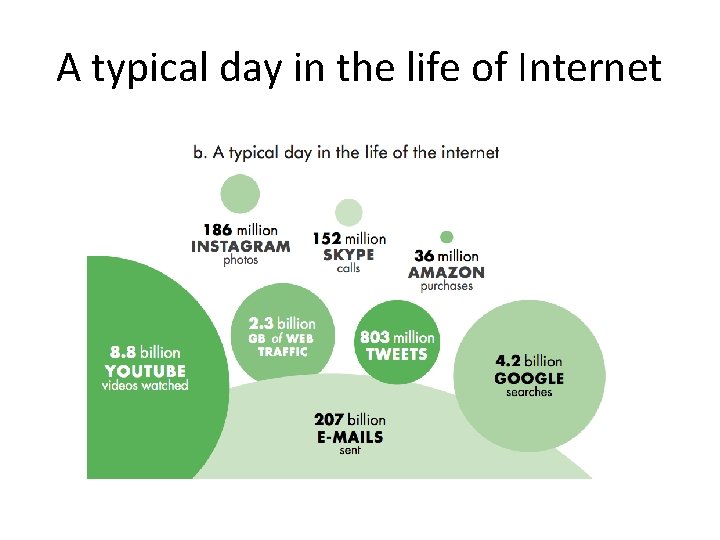
A typical day in the life of Internet
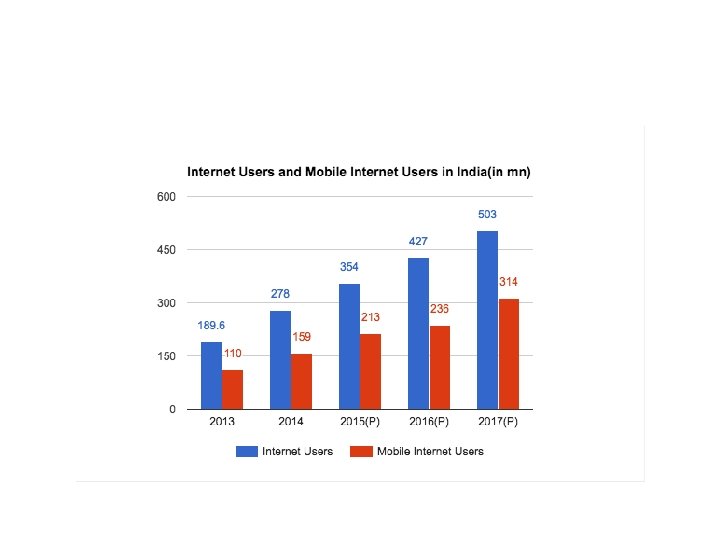
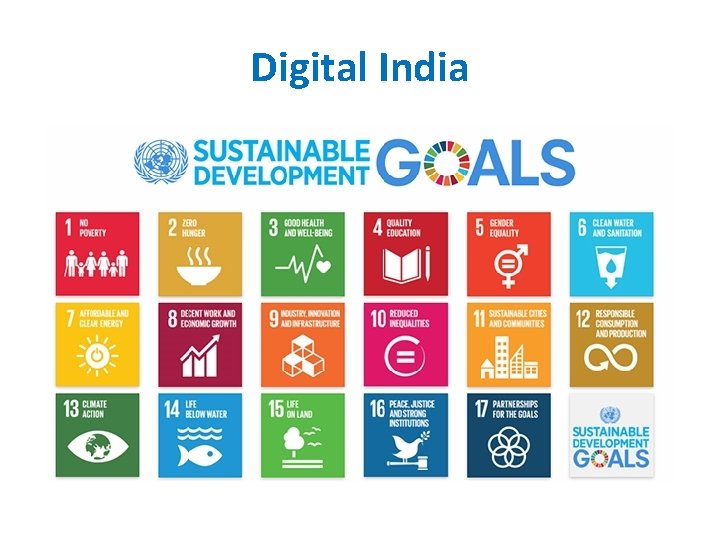
Digital India
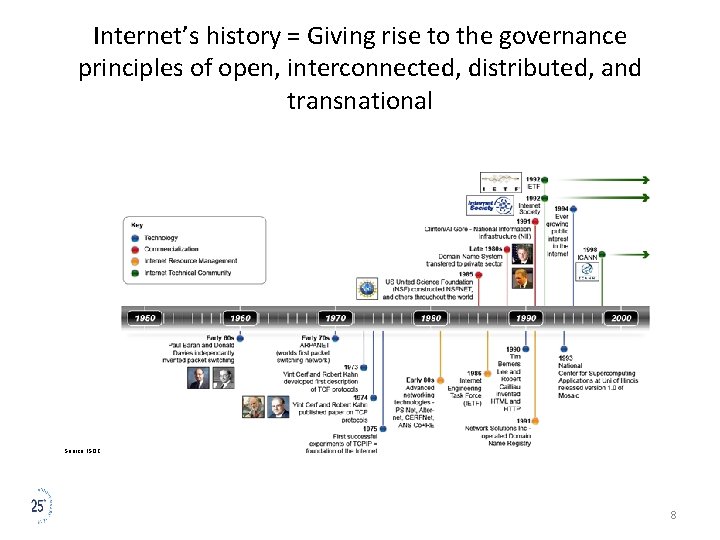
Internet’s history = Giving rise to the governance principles of open, interconnected, distributed, and transnational Source: ISOC 8
![[A] Internet Governance: An Outline](http://slidetodoc.com/presentation_image_h/c91e97766490888cf2c14f6cfa9baf6f/image-9.jpg "[A] Internet Governance: An Outline")
[A] Internet Governance: An Outline
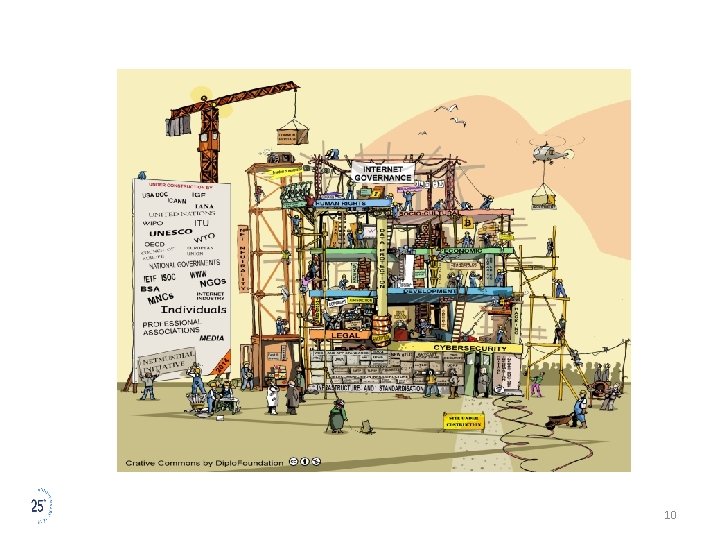
10
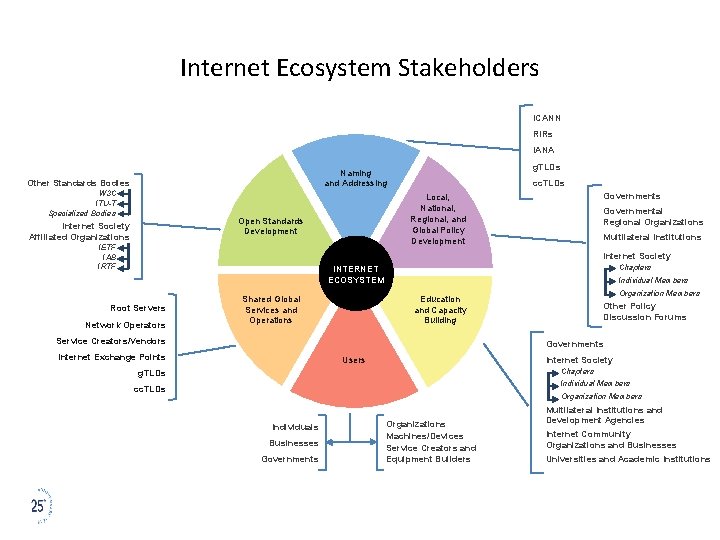
Internet Ecosystem Stakeholders ICANN RIRs IANA Other Standards Bodies W 3 C ITU-T Specialized Bodies . . . cc. TLDs Governments Local, National, Regional, and Global Policy Development Open Standards Development Internet Society Affiliated Organizations IETF IAB IRTF g. TLDs Naming and Addressing Governmental Regional Organizations Multilateral Institutions Internet Society Chapters INTERNET ECOSYSTEM Root Servers Network Operators Individual Members Organization Members Education and Capacity Building Shared Global Services and Operations Service Creators/Vendors Other Policy Discussion Forums Governments Internet Exchange Points Internet Society Users Chapters g. TLDs Individual Members cc. TLDs Organization Members Individuals Businesses Governments Organizations Machines/Devices Service Creators and Equipment Builders Multilateral Institutions and Development Agencies Internet Community Organizations and Businesses Universities and Academic Institutions

Network infrastructure service providers ++ • Domain Name Service (DNS) providers • Hosting and cloud service providers • Internet Exchange Points (IXPs) • Network operators 12
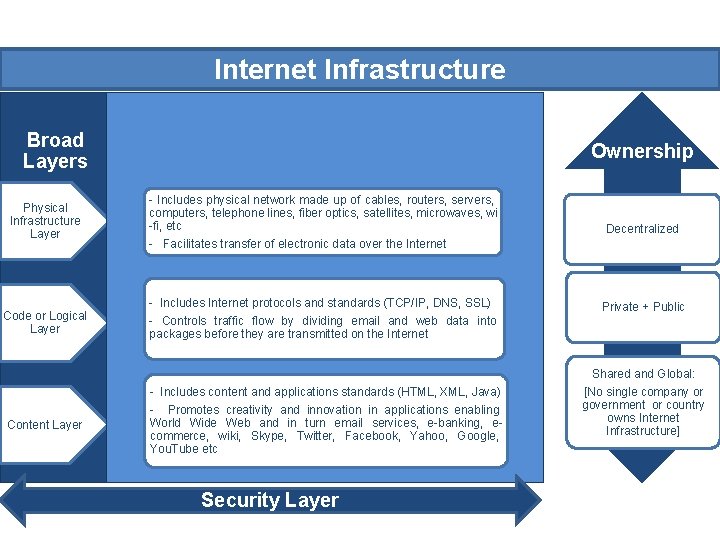
Internet Infrastructure Broad Layers Ownership Physical Infrastructure Layer - Includes physical network made up of cables, routers, servers, computers, telephone lines, fiber optics, satellites, microwaves, wi -fi, etc - Facilitates transfer of electronic data over the Internet Code or Logical Layer - Includes Internet protocols and standards (TCP/IP, DNS, SSL) - Controls traffic flow by dividing email and web data into packages before they are transmitted on the Internet Content Layer - Includes content and applications standards (HTML, XML, Java) - Promotes creativity and innovation in applications enabling World Wide Web and in turn email services, e-banking, ecommerce, wiki, Skype, Twitter, Facebook, Yahoo, Google, You. Tube etc Security Layer Decentralized Private + Public Shared and Global: [No single company or government or country owns Internet Infrastructure]
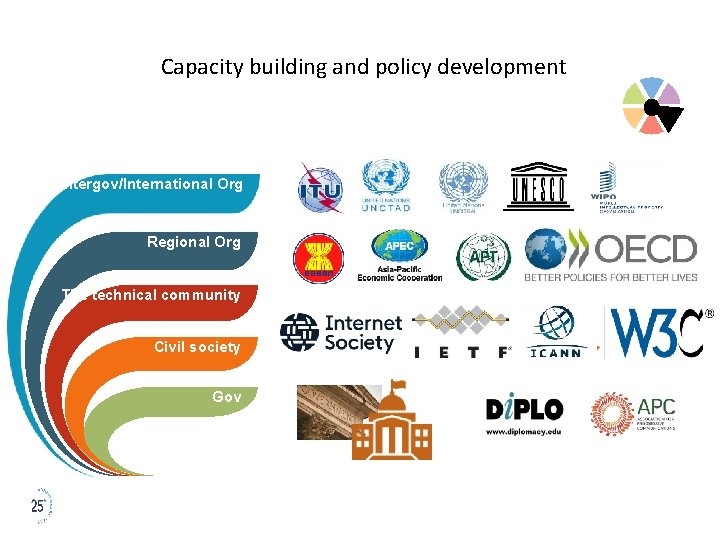
Capacity building and policy development Intergov/International Org Regional Org The technical community Civil society Gov
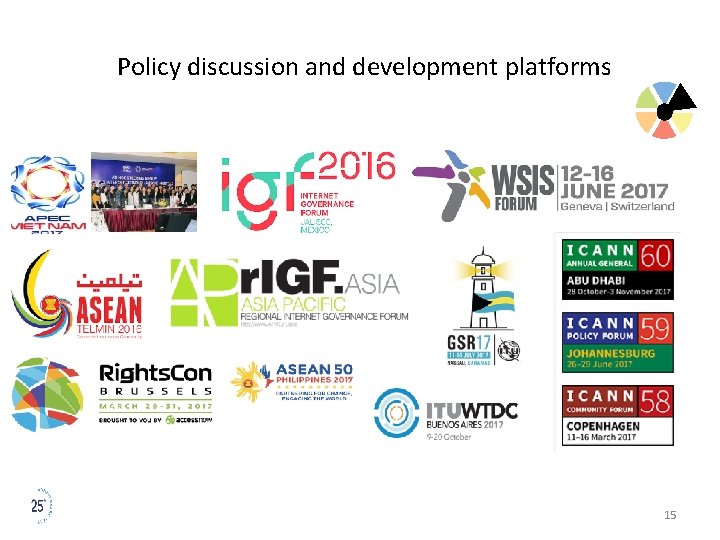
Policy discussion and development platforms 15
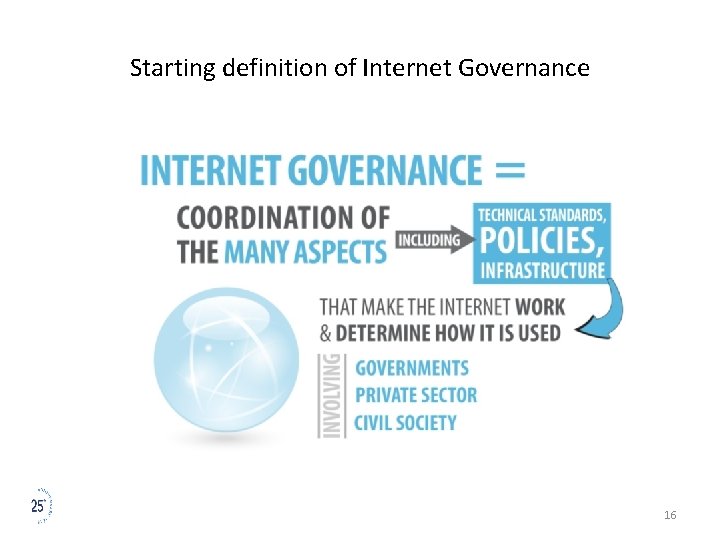
Starting definition of Internet Governance 16
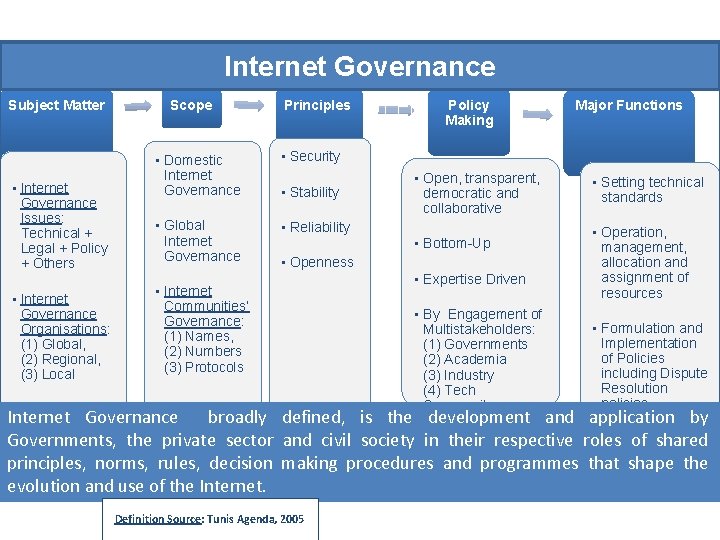
Internet Governance Subject Matter • Internet Governance Issues: Technical + Legal + Policy + Others • Internet Governance Organisations: (1) Global, (2) Regional, (3) Local Scope Principles • Domestic Internet Governance • Security • Global Internet Governance • Reliability • Stability Policy Making • Open, transparent, democratic and collaborative • Bottom-Up • Openness • Internet Communities’ Governance: (1) Names, (2) Numbers (3) Protocols • Expertise Driven • By Engagement of Multistakeholders: (1) Governments (2) Academia (3) Industry (4) Tech Community is the (5) development and Civil Society society (6) in Youths their respective Major Functions • Setting technical standards • Operation, management, allocation and assignment of resources • Formulation and Implementation of Policies including Dispute Resolution policies Internet Governance broadly defined, application by Governments, the private sector and civil roles of shared principles, norms, rules, decision making procedures and programmes that shape the evolution and use of the Internet. Definition Source: Tunis Agenda, 2005
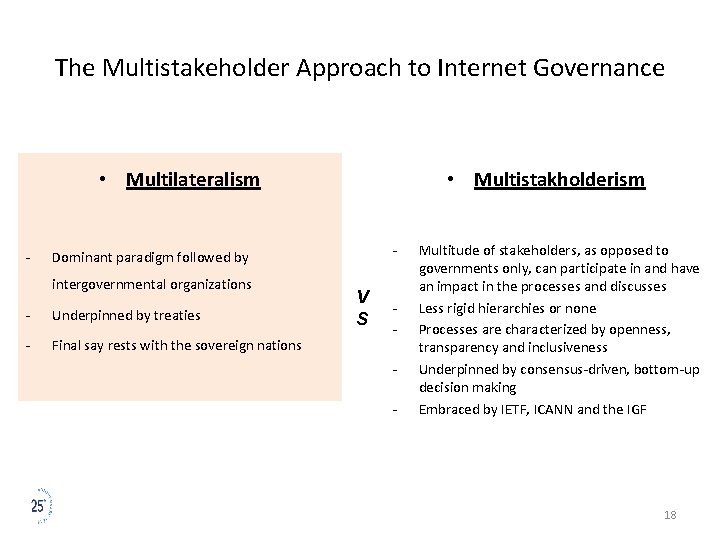
The Multistakeholder Approach to Internet Governance • Multilateralism - • Multistakholderism - Dominant paradigm followed by intergovernmental organizations - Underpinned by treaties - Final say rests with the sovereign nations V S - Multitude of stakeholders, as opposed to governments only, can participate in and have an impact in the processes and discusses Less rigid hierarchies or none Processes are characterized by openness, transparency and inclusiveness Underpinned by consensus-driven, bottom-up decision making Embraced by IETF, ICANN and the IGF 18

ICANN Structure 19
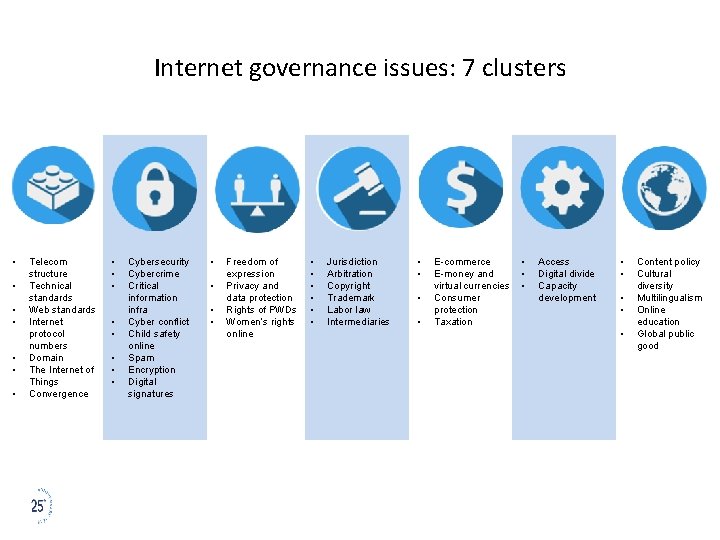
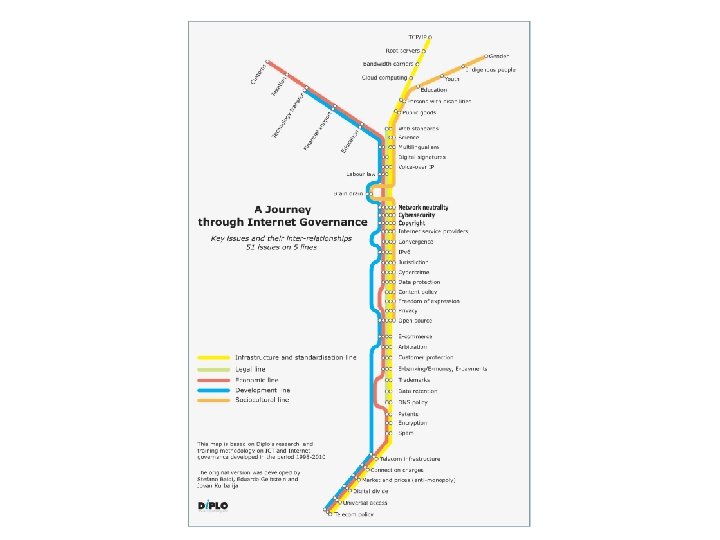
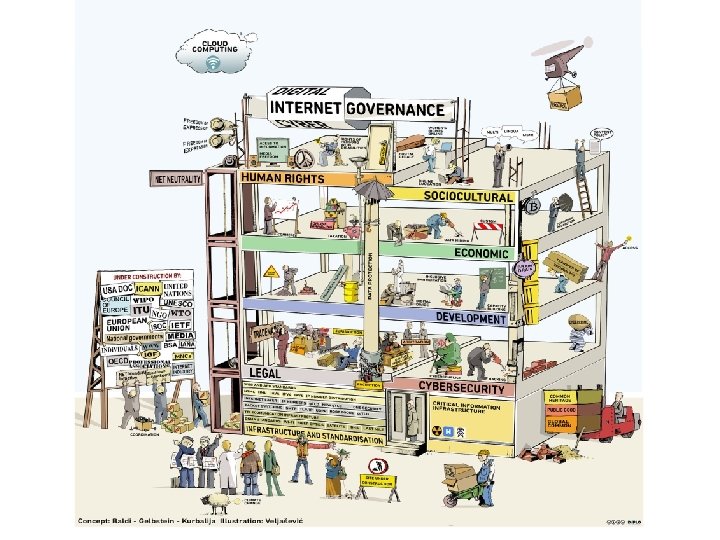
Internet governance issues: 7 clusters • • Telecom structure Technical standards Web standards Internet protocol numbers Domain The Internet of Things Convergence • • Cybersecurity Cybercrime Critical information infra Cyber conflict Child safety online Spam Encryption Digital signatures • • Freedom of expression Privacy and data protection Rights of PWDs Women’s rights online • • • Jurisdiction Arbitration Copyright Trademark Labor law Intermediaries • • E-commerce E-money and virtual currencies Consumer protection Taxation • • • Access Digital divide Capacity development • • • Content policy Cultural diversity Multilingualism Online education Global public good
![[B] Internet Governance: Ecosystem](http://slidetodoc.com/presentation_image_h/c91e97766490888cf2c14f6cfa9baf6f/image-25.jpg "[B] Internet Governance: Ecosystem")
[B] Internet Governance: Ecosystem
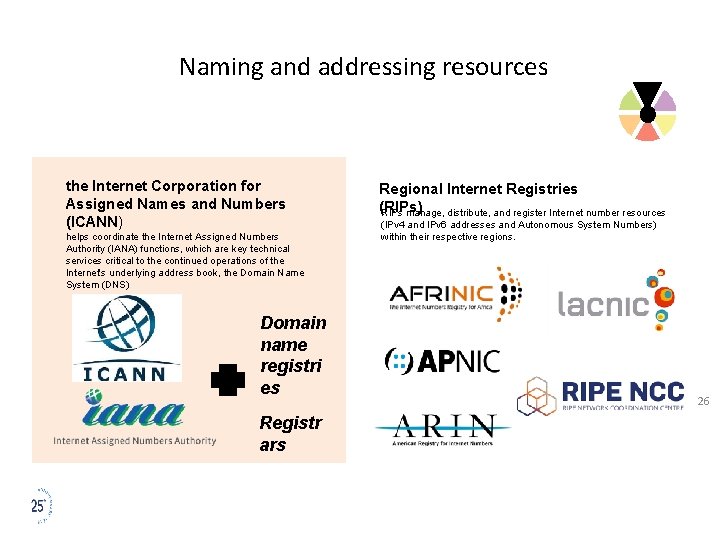
Naming and addressing resources the Internet Corporation for Assigned Names and Numbers (ICANN) helps coordinate the Internet Assigned Numbers Authority (IANA) functions, which are key technical services critical to the continued operations of the Internet's underlying address book, the Domain Name System (DNS) Domain name registri es Registr ars Regional Internet Registries (RIPs) RIPs manage, distribute, and register Internet number resources (IPv 4 and IPv 6 addresses and Autonomous System Numbers) within their respective regions. 26
![[Open] standards development The Internet Society(ISOC) The Internet Society (ISOC) is the organizational home](http://slidetodoc.com/presentation_image_h/c91e97766490888cf2c14f6cfa9baf6f/image-27.jpg "[Open] standards development The Internet Society(ISOC) The Internet Society (ISOC) is the organizational home")
[Open] standards development The Internet Society(ISOC) The Internet Society (ISOC) is the organizational home of IETF, IAB, IESG and IRTF — the standards setting and research arms of the Internet community. The Internet Architecture Board (IAB) is a committee of the IEFT and an advisory body of the ISOC, responsible for the architectural oversight of the IETF activities, Internet Standards process oversight and appeal, and the appoint of the Request for Comments(RFC) Editor. The ITU Telecommunication Standardization Sector (ITU-T) is one of the three sectors (divisions or units) of the International Telecommunication Union (ITU); it coordinates standards for telecommunications. * Not all the organisations listed have an open/freely accessible standards development process The Internet Engineering Task Force (IETF) is a large open international community of network designers, operators, vendors, and researchers concerned with the evolution of the Internet architecture and the smooth operation of the Internet. It is open to any interested individual The Internet Research Task Force (IRTF) promotes research of importance to the evolution of the Internet by creating focused, long-term research groups working on topics related to Internet protocols, applications, architecture and technology. The World Wide Web Consortium (W 3 C) is an international community where Member organizations, a full-time staff, and the public work together to develop Web standards. The Institute of Electrical and Electronics Engineers Standards Association (IEEE-SA) is an organization within IEEE that develops global standards in a broad range of industries, including power, energy, biomedical, healthcare, information technology, robotics, telecommunication, home automation etc
Country Initiatives • National Internet Exchange of India (NIXI) -2003 • . IN Internet Domain Name Registry-October 2004 • Setting up of National Internet Registry (NIR)-March 2012 • Implementation of Internationalized Domain Name (IDN) in Indian Language-2014 • Digital India -2014

IDN Implementation in all 22 official languages of the country S. No IDN Language 1 . भ रत . Bharat in Devanagari 2 . ভ রত. భ రత . Bharat in Bengala 3 . Bharat in Telgu 4 . ભ રત . Bharat in Gujarati 5 . ﺑھﺎﺭﺕ . Bharat in Urdu 6 . இநத ய . ਭ ਰਤ . Indiya in Tamil 7 . Bharat in Gurumukhi (Punjabi)
![[C] Internet Governance: Landmark Processes](http://slidetodoc.com/presentation_image_h/c91e97766490888cf2c14f6cfa9baf6f/image-30.jpg "[C] Internet Governance: Landmark Processes")
[C] Internet Governance: Landmark Processes
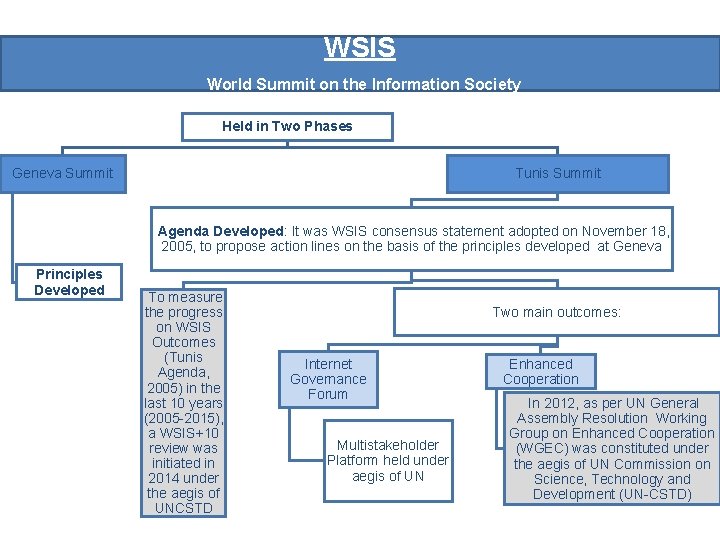
WSIS World Summit on the Information Society Held in Two Phases Geneva Summit Tunis Summit Agenda Developed: It was WSIS consensus statement adopted on November 18, 2005, to propose action lines on the basis of the principles developed at Geneva Principles Developed To measure the progress on WSIS Outcomes (Tunis Agenda, 2005) in the last 10 years (2005 -2015), a WSIS+10 review was initiated in 2014 under the aegis of UNCSTD Two main outcomes: Internet Governance Forum Multistakeholder Platform held under aegis of UN Enhanced Cooperation In 2012, as per UN General Assembly Resolution Working Group on Enhanced Cooperation (WGEC) was constituted under the aegis of UN Commission on Science, Technology and Development (UN-CSTD)
Genesis of IG – the Tunis Agenda of WSIS, 2005 • International management of the Internet should be multilateral, transparent and democratic. • Internet Governance Forum (IGF) set up in 2006 • as a multi-stakeholder forum for policy dialogue on issues of Internet governance. • Governments, the private sector or civil society, including the technical and academic community, shall dilogue on an equal basis and through an open and inclusive process.
Enhanced Cooperation, WSIS, Tunis, 2005 • Tunis agenda (Article 69) also stated that “need for enhanced cooperation , to enable governments, on an equal footing, to carry out their roles and responsibilities, in international public policy issues pertaining to the Internet, but not in the day-to-day technical and operational matters.
![Continued deliberations…. • [The Internet Governance] should be inclusive, democratic, participatory, multilateral and transparent](http://slidetodoc.com/presentation_image_h/c91e97766490888cf2c14f6cfa9baf6f/image-34.jpg "Continued deliberations…. • [The Internet Governance] should be inclusive, democratic, participatory, multilateral and transparent")
Continued deliberations…. • [The Internet Governance] should be inclusive, democratic, participatory, multilateral and transparent in nature” • “India believes that global Internet governance can only be functional, effective and credible if all relevant stakeholders contribute to, and are consulted in, the process” • India proposes the establishment of a new institutional mechanism in the United Nations for global Internet related policies, to be called the UN Committee on Internet Related Policies (CIRP). • The intent behind proposing a multilateral and multistakeholder mechanism is not to "control the Internet" or allow Governments to have the last word in regulating the Internet,
Statement of India at UNCSTD, Geneva, 18 May 12 • There are other cross cutting public policy issues such as internet freedom, cyber security- security of the network, privacy of data to be retained, … etc. These need to be discussed and addressed at some platform involving all stakeholders. • Therefore, a Working Group on Enhanced Cooperation may be formed to discuss and deliberate upon all the aspects of public-policy matters on Internet Governance
Continued Deliberations…… • Intense debate on the subject of Internet Governance • Working group on Enhance cooperation formed by UNGA in Dec- 2012 – Government MEMBER along with rep from private sector & civil society • June 2013 – Documents leaked by Edward Snowden reveal the extent of US electronic surveillance of the Internet and other communications systems. • Global Multistakeholder meeting in April 2014 by Brazil on future of Internet management
IANA transition • May 2013: ICANN initiates reform process. New CEO calls for internationalization of ICANN • March 14, 2014: National Telecommunications and Information Administration (NTIA) declares its intention to give up control of IANA with the following four principles: Ø Support and enhance the multistakeholder model; Ø Maintain the security, stability, and resiliency of the Internet DNS; Ø Meet the needs and expectation of the global customers and partners of the IANA services; and, Ø Maintain the openness of the Internet. • May 2014: ICANN call for “Enhancing Accountability” • ICANN role in IANA Transition-Convening global stakeholders to formulate a plan to transition the oversight function performed by the NTIA • Timeline : By September 2015 (Extended again up to September 2016) 37
Internet Governance in India • India’s strategy and position evolved over a period of time( 2005 -2015). • Realized the critical importance of strengthening India’s domestic Internet Governance processes. • Playing a dominant role in regional and international level.
Growing role in Internet eco-system • Biggest users of Internet - growing • Most important player in IT/ITES economy. • e-governance initiative • B 2 C transaction in large numbers • Establishment of National Fibre Optics Network (NFON) • Role out of 3 G & 4 G • Digital India programme • India’s IT talent passed – over 3 millions
Trends and Growth of Internet • Most of user’s expansion will come from Asia, Africa and Latin America • Regional Languages, Content and Culture will dominate • Technological innovations will continue to move toward Mobile and Social Media Governance • Expansion of users and technological innovation will give rise to increase in scope for malicious activities in cyber space 40
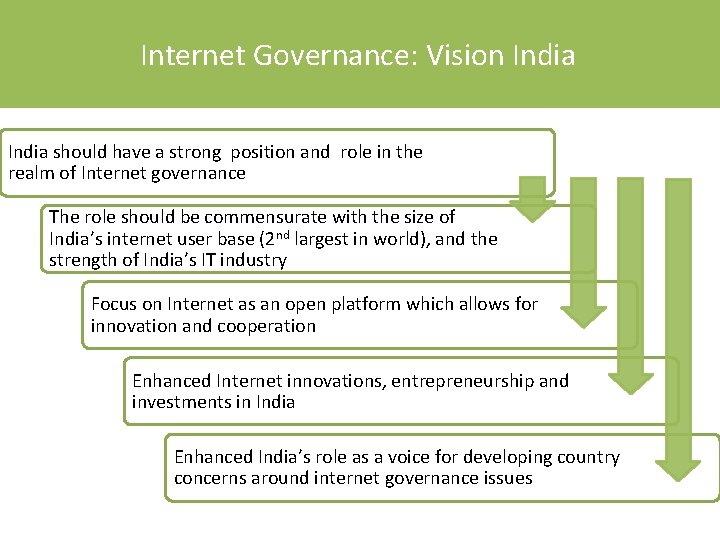
Internet Governance: Vision India should have a strong position and role in the realm of Internet governance The role should be commensurate with the size of India’s internet user base (2 nd largest in world), and the strength of India’s IT industry Focus on Internet as an open platform which allows for innovation and cooperation Enhanced Internet innovations, entrepreneurship and investments in India Enhanced India’s role as a voice for developing country concerns around internet governance issues
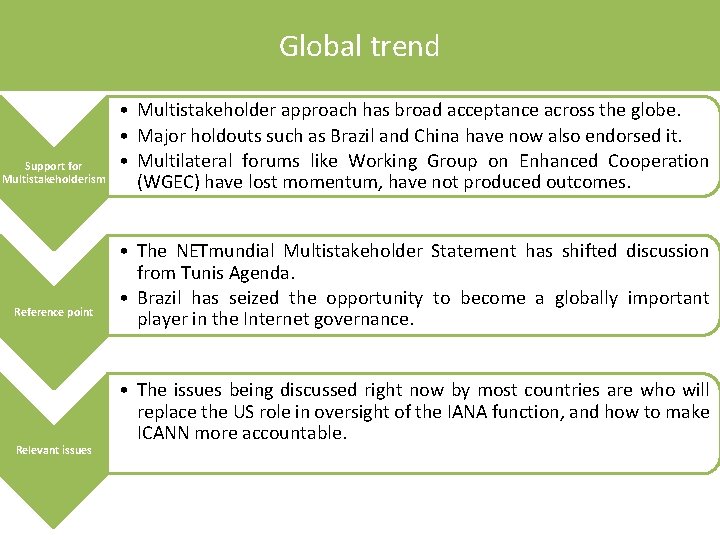
Global trend Support for Multistakeholderism Reference point Relevant issues • Multistakeholder approach has broad acceptance across the globe. • Major holdouts such as Brazil and China have now also endorsed it. • Multilateral forums like Working Group on Enhanced Cooperation (WGEC) have lost momentum, have not produced outcomes. • The NETmundial Multistakeholder Statement has shifted discussion from Tunis Agenda. • Brazil has seized the opportunity to become a globally important player in the Internet governance. • The issues being discussed right now by most countries are who will replace the US role in oversight of the IANA function, and how to make ICANN more accountable.
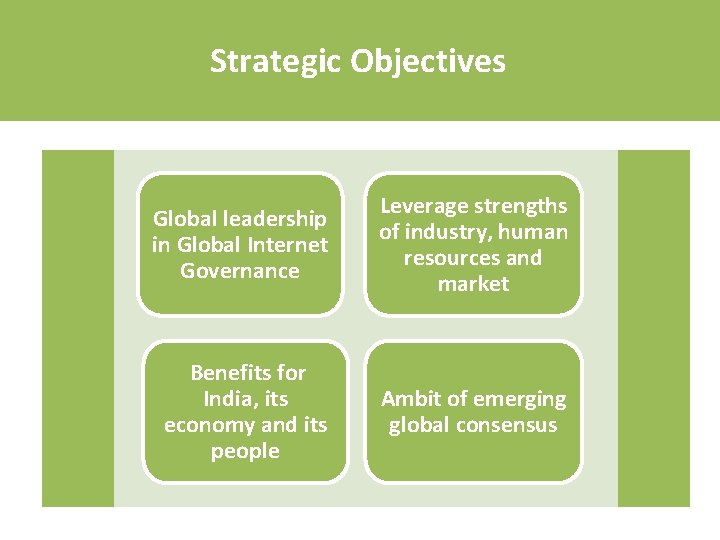
Strategic Objectives Global leadership in Global Internet Governance Leverage strengths of industry, human resources and market Benefits for India, its economy and its people Ambit of emerging global consensus
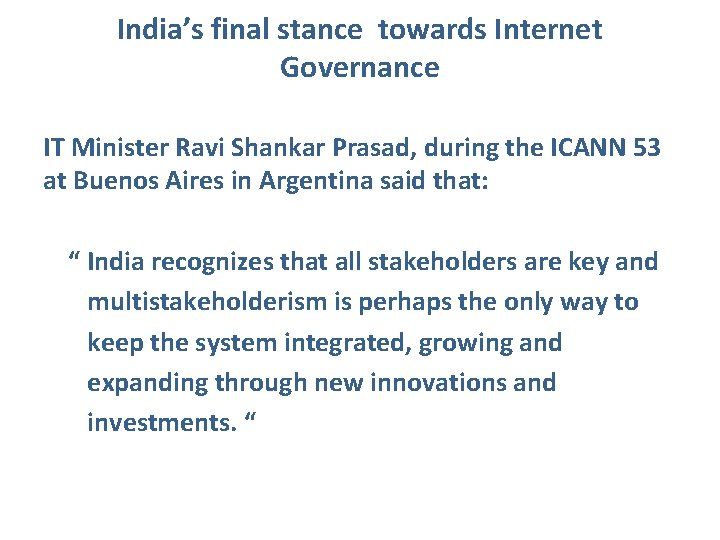
India’s final stance towards Internet Governance IT Minister Ravi Shankar Prasad, during the ICANN 53 at Buenos Aires in Argentina said that: “ India recognizes that all stakeholders are key and multistakeholderism is perhaps the only way to keep the system integrated, growing and expanding through new innovations and investments. “
![[D] Internet Governance: Challenges and Opportunities](http://slidetodoc.com/presentation_image_h/c91e97766490888cf2c14f6cfa9baf6f/image-45.jpg "[D] Internet Governance: Challenges and Opportunities")
[D] Internet Governance: Challenges and Opportunities
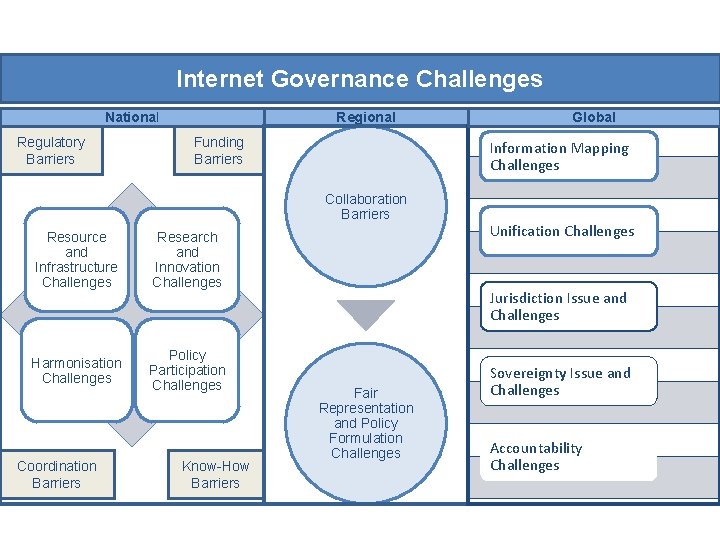
Internet Governance Challenges National Regulatory Barriers Regional Funding Barriers Information Mapping Challenges Collaboration Barriers Resource and Infrastructure Challenges Research and Innovation Challenges Harmonisation Challenges Policy Participation Challenges Coordination Barriers Know-How Barriers Global Unification Challenges Jurisdiction Issue and Challenges Fair Representation and Policy Formulation Challenges Sovereignty Issue and Challenges Accountability Challenges
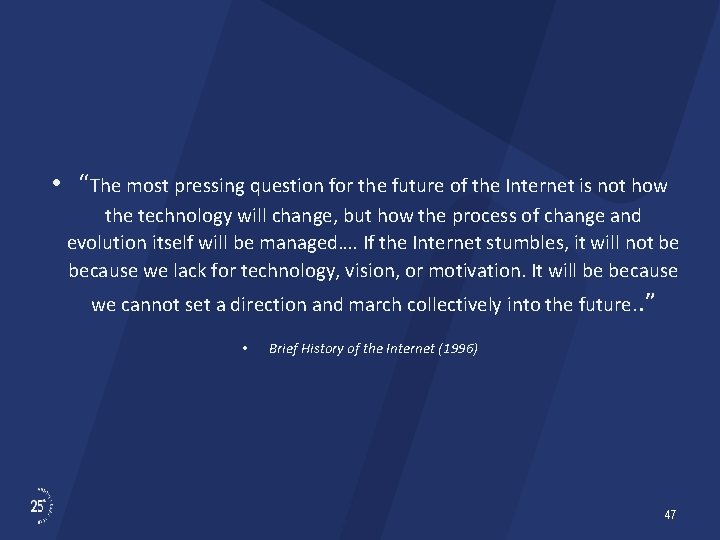
• “The most pressing question for the future of the Internet is not how the technology will change, but how the process of change and evolution itself will be managed…. If the Internet stumbles, it will not be because we lack for technology, vision, or motivation. It will be because we cannot set a direction and march collectively into the future. . ” • Brief History of the Internet (1996) 47
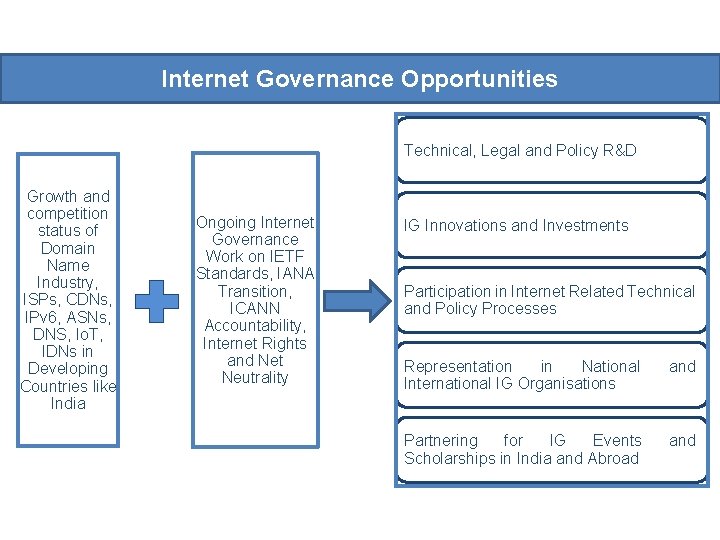
Internet Governance Opportunities Technical, Legal and Policy R&D Growth and competition status of Domain Name Industry, ISPs, CDNs, IPv 6, ASNs, DNS, Io. T, IDNs in Developing Countries like India Ongoing Internet Governance Work on IETF Standards, IANA Transition, ICANN Accountability, Internet Rights and Net Neutrality IG Innovations and Investments Participation in Internet Related Technical and Policy Processes Representation in National International IG Organisations and Partnering for IG Events Scholarships in India and Abroad and
![[E] Internet Governance: Current Indian Scenario](http://slidetodoc.com/presentation_image_h/c91e97766490888cf2c14f6cfa9baf6f/image-49.jpg "[E] Internet Governance: Current Indian Scenario")
[E] Internet Governance: Current Indian Scenario
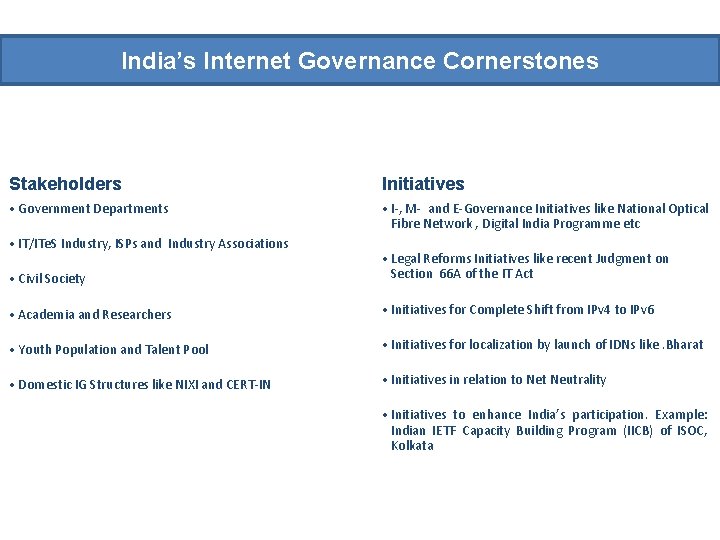
India’s Internet Governance Cornerstones Stakeholders Initiatives • Government Departments • I-, M- and E-Governance Initiatives like National Optical Fibre Network , Digital India Programme etc • IT/ITe. S Industry, ISPs and Industry Associations • Civil Society • Legal Reforms Initiatives like recent Judgment on Section 66 A of the IT Act • Academia and Researchers • Initiatives for Complete Shift from IPv 4 to IPv 6 • Youth Population and Talent Pool • Initiatives for localization by launch of IDNs like. Bharat • Domestic IG Structures like NIXI and CERT-IN • Initiatives in relation to Net Neutrality • Initiatives to enhance India’s participation. Example: Indian IETF Capacity Building Program (IICB) of ISOC, Kolkata
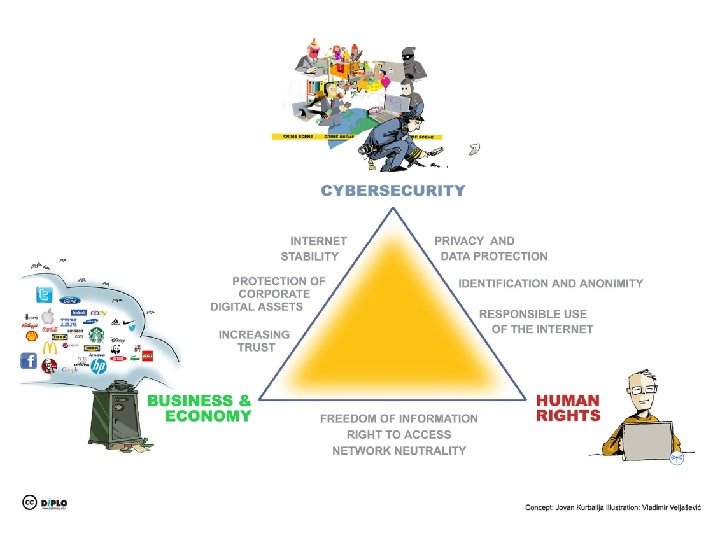
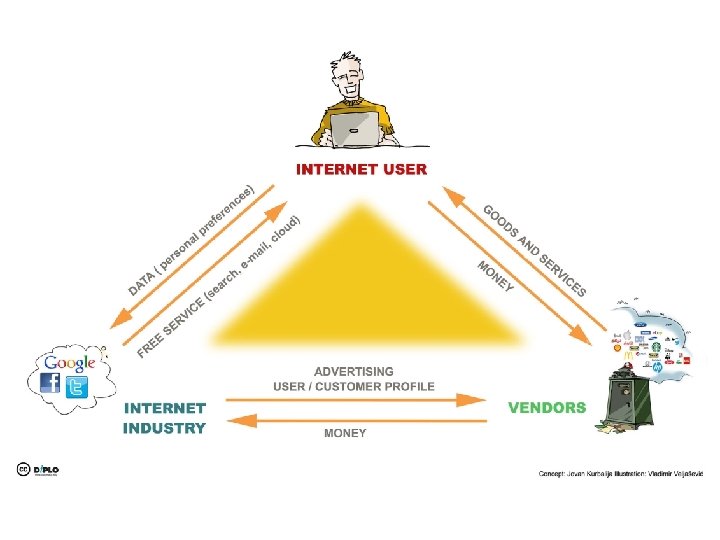
References • Diplo Foundation diagrams • ISOC lecture notes
Thank You Questions ?
- Slides: 52