
INTERNATIONAL TRADE Economics 101 EQUILIBRIUM WITHOUT TRADE Equilibrium
INTERNATIONAL TRADE Economics 101
EQUILIBRIUM WITHOUT TRADE Equilibrium Without Trade Assume: A country is isolated from rest of the world and produces steel. The market for steel consists of the buyers and sellers in the country. No one in the country is allowed to import or export steel.
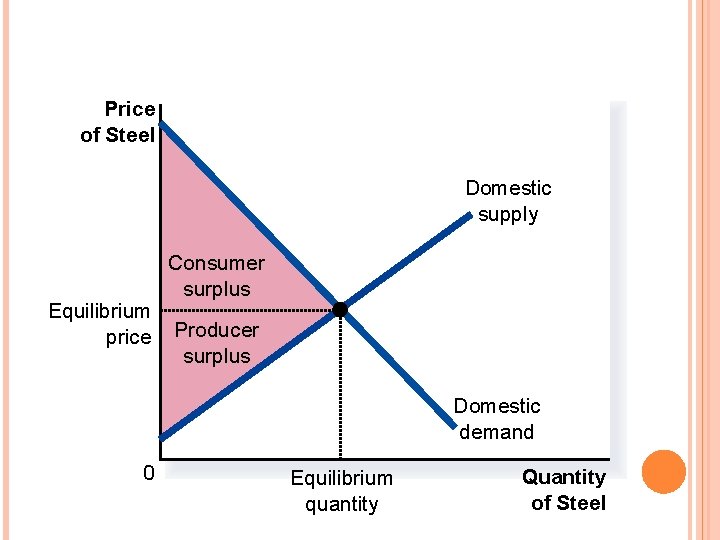
FIGURE 1 THE EQUILIBRIUM WITHOUT INTERNATIONAL TRADE Price of Steel Domestic supply Equilibrium price Consumer surplus Producer surplus Domestic demand 0 Equilibrium quantity Quantity of Steel Copyright © 2004 South-Western
IMPORTER OR EXPORTER? If the country decides to engage in international trade, will it be an importer or exporter of steel? The effects of free trade can be shown by comparing the domestic price of a good without trade and the world price of the good. The world price refers to the price that prevails in the world market for that good.
EXPORTER If a country has a comparative advantage, then the domestic price will be below the world price, and the country will be an exporter of the good.
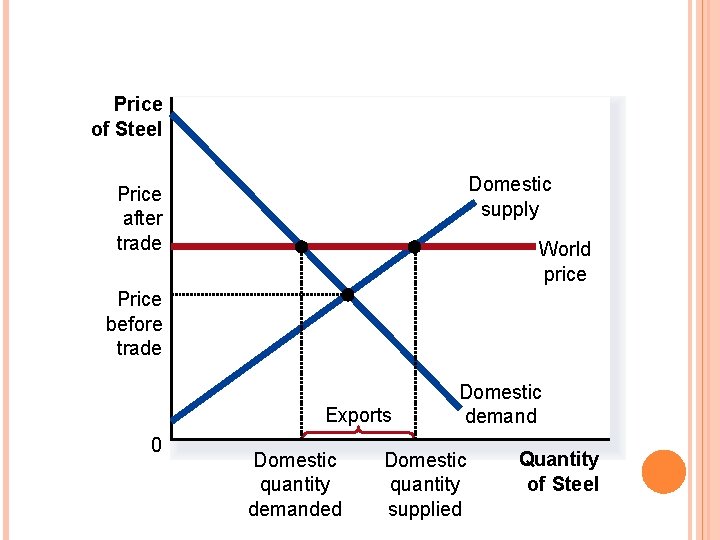
FIGURE 2 INTERNATIONAL TRADE IN AN EXPORTING COUNTRY Price of Steel Domestic supply Price after trade World price Price before trade Exports 0 Domestic quantity demanded Domestic demand Domestic quantity supplied Quantity of Steel Copyright © 2004 South-Western
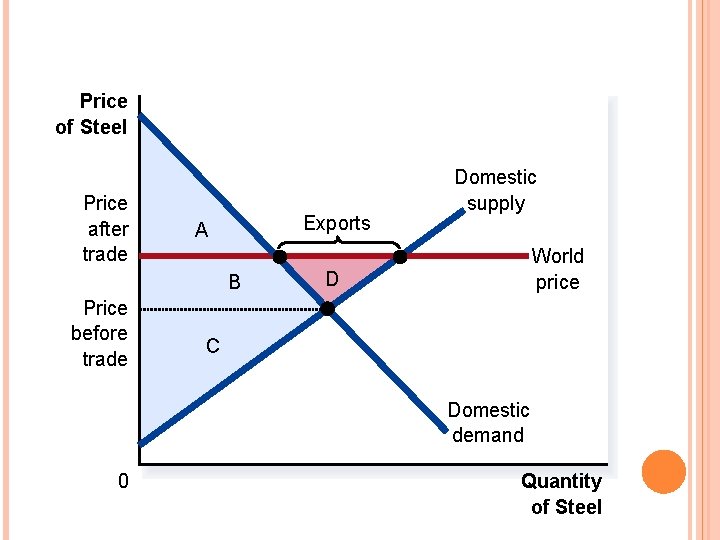
FIGURE 3 HOW FREE TRADE AFFECTS WELFARE IN AN EXPORTING COUNTRY Price of Steel Price after trade Exports A B Price before trade Domestic supply World price D C Domestic demand 0 Quantity of Steel Copyright © 2004 South-Western
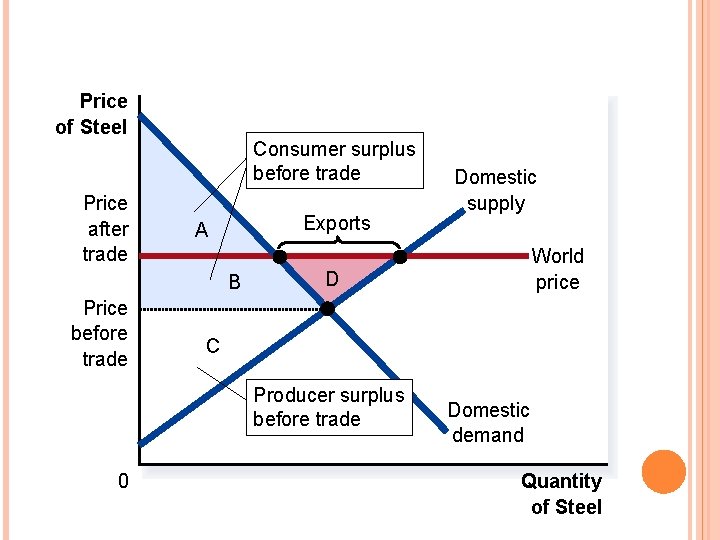
FIGURE 3 HOW FREE TRADE AFFECTS WELFARE IN AN EXPORTING COUNTRY Price of Steel Price after trade Consumer surplus before trade Exports A B Price before trade World price D C Producer surplus before trade 0 Domestic supply Domestic demand Quantity of Steel Copyright © 2004 South-Western
WINNERS AND LOSERS The analysis of an exporting country yields two conclusions: Domestic producers of the good are better off, and domestic consumers of the good are worse off. Trade raises the economic well-being of the nation as a whole.
IMPORTER If the country does not have a comparative advantage, then the domestic price will be higher than the world price, and the country will be an importer of the good.
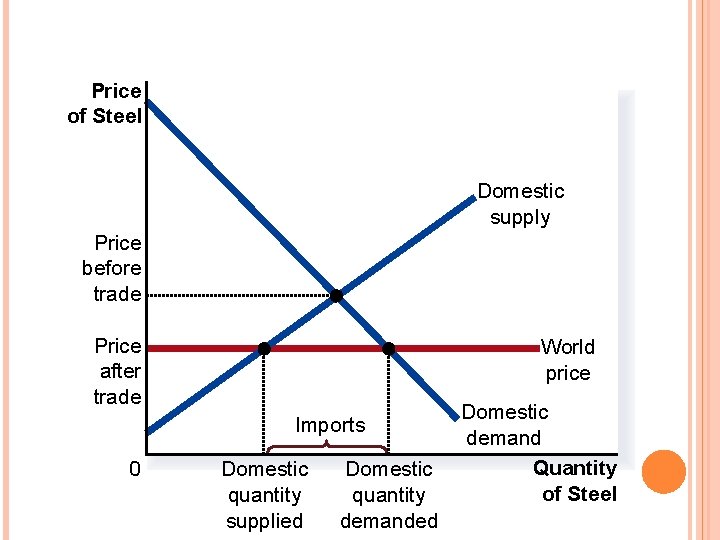
FIGURE 4 INTERNATIONAL TRADE IN AN IMPORTING COUNTRY Price of Steel Domestic supply Price before trade Price after trade World price Imports 0 Domestic quantity supplied Domestic quantity demanded Domestic demand Quantity of Steel Copyright © 2004 South-Western
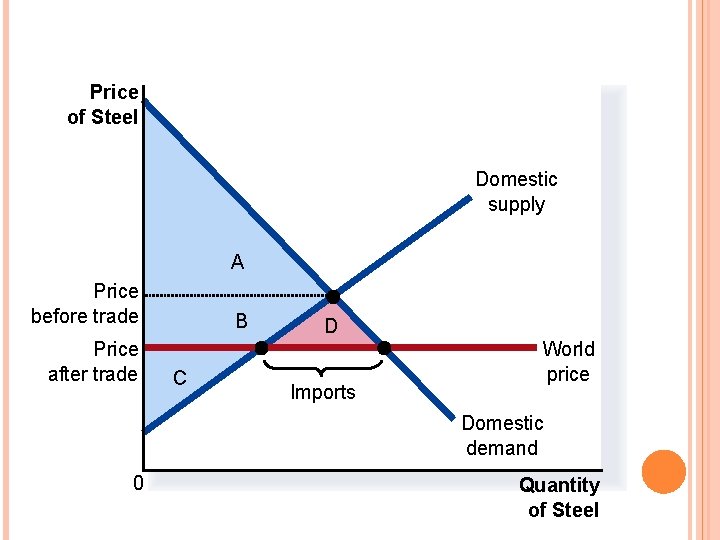
FIGURE 5 HOW FREE TRADE AFFECTS WELFARE IN AN IMPORTING COUNTRY Price of Steel Domestic supply A Price before trade Price after trade B C D Imports World price Domestic demand 0 Quantity of Steel Copyright © 2004 South-Western
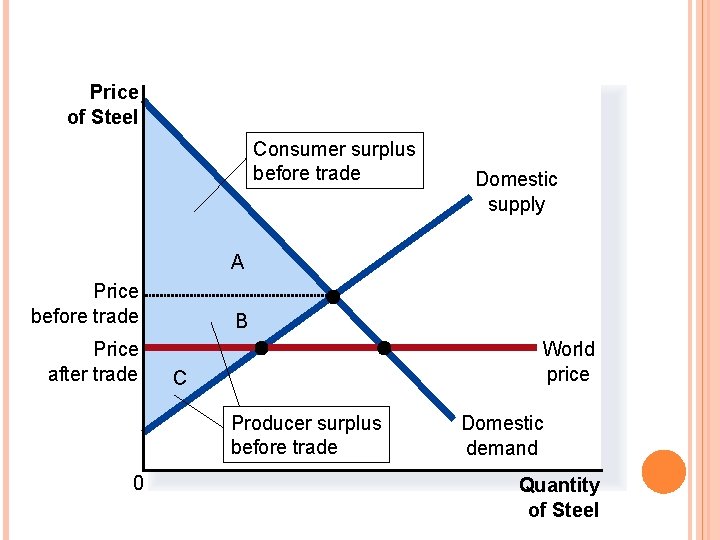
FIGURE 5 HOW FREE TRADE AFFECTS WELFARE IN AN IMPORTING COUNTRY Price of Steel Consumer surplus before trade Domestic supply A Price before trade Price after trade B World price C Producer surplus before trade 0 Domestic demand Quantity of Steel Copyright © 2004 South-Western
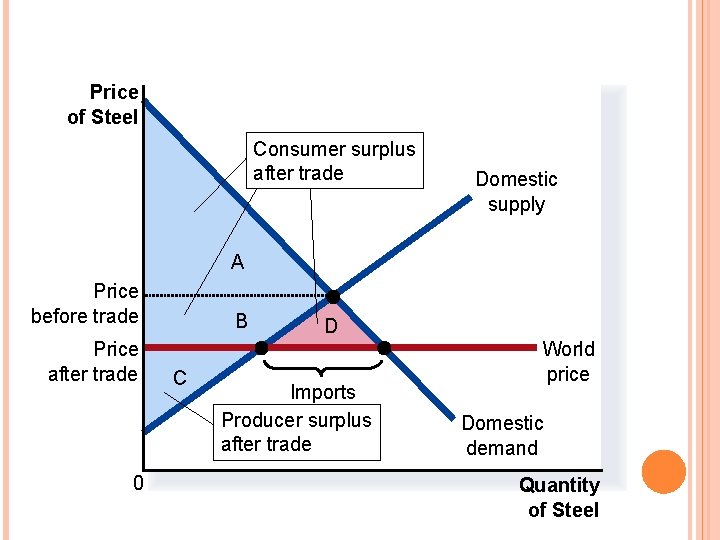
FIGURE 5 HOW FREE TRADE AFFECTS WELFARE IN AN IMPORTING COUNTRY Price of Steel Consumer surplus after trade Domestic supply A Price before trade Price after trade 0 B C D Imports Producer surplus after trade World price Domestic demand Quantity of Steel Copyright © 2004 South-Western
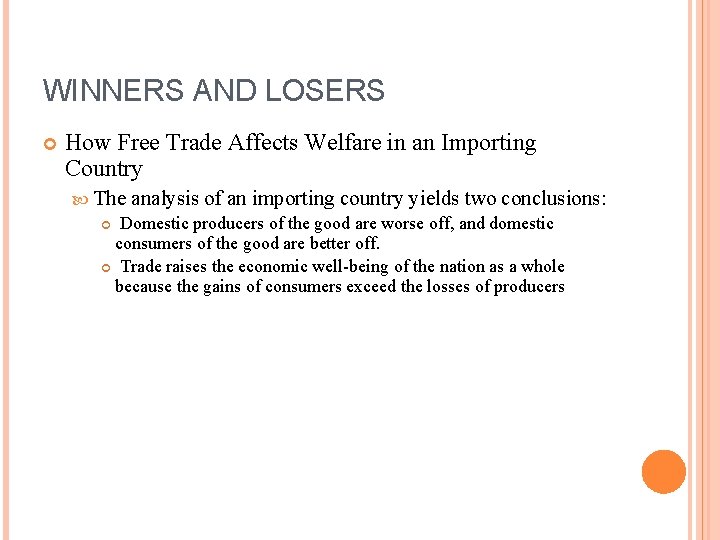
WINNERS AND LOSERS How Free Trade Affects Welfare in an Importing Country The analysis of an importing country yields two conclusions: Domestic producers of the good are worse off, and domestic consumers of the good are better off. Trade raises the economic well-being of the nation as a whole because the gains of consumers exceed the losses of producers
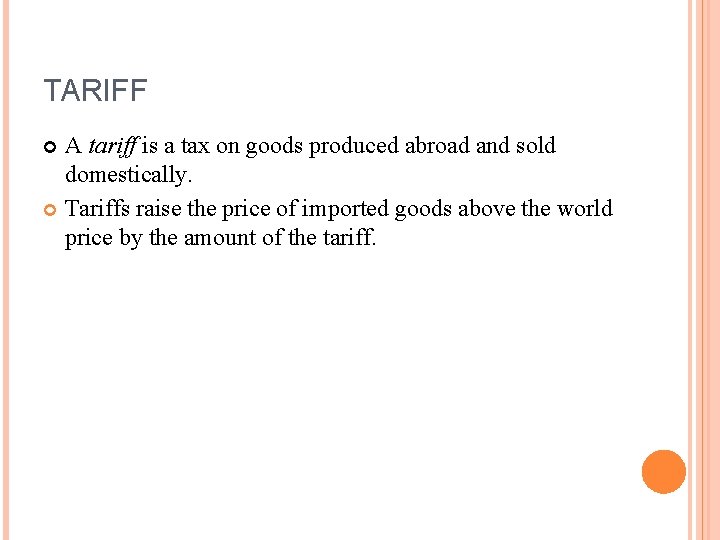
TARIFF A tariff is a tax on goods produced abroad and sold domestically. Tariffs raise the price of imported goods above the world price by the amount of the tariff.
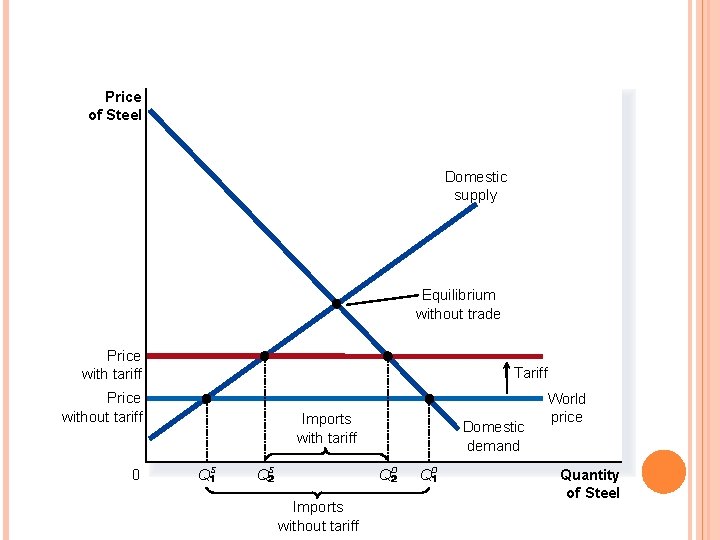
FIGURE 6 THE EFFECTS OF A TARIFF Price of Steel Domestic supply Equilibrium without trade Price with tariff Tariff Price without tariff 0 Imports with tariff S Q S Domestic demand D Q Q Imports without tariff D Q World price Quantity of Steel Copyright © 2004 South-Western
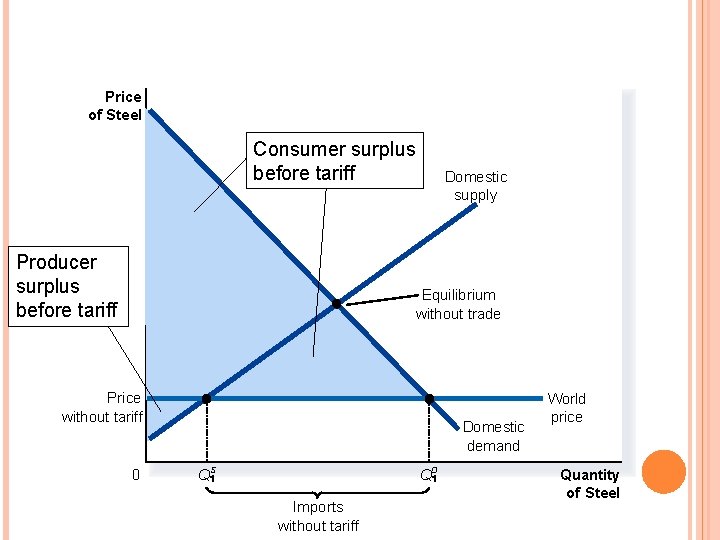
FIGURE 6 THE EFFECTS OF A TARIFF Price of Steel Consumer surplus before tariff Producer surplus before tariff Domestic supply Equilibrium without trade Price without tariff 0 Domestic demand S D Q Q Imports without tariff World price Quantity of Steel Copyright © 2004 South-Western
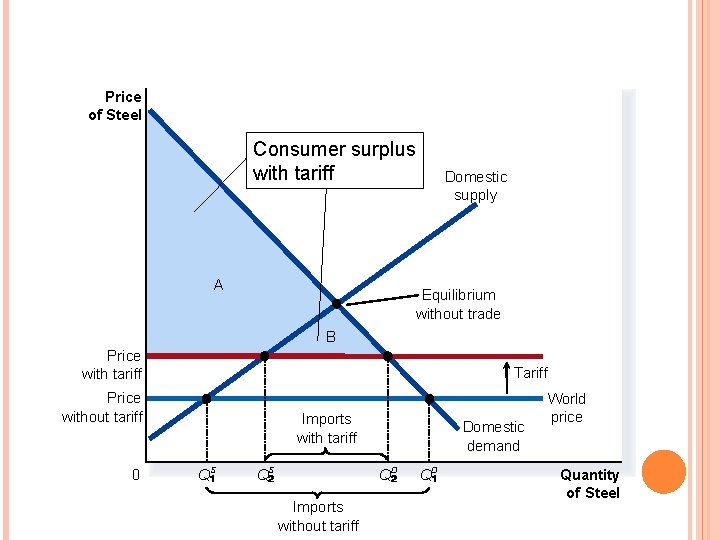
FIGURE 6 THE EFFECTS OF A TARIFF Price of Steel Consumer surplus with tariff A Domestic supply Equilibrium without trade B Price with tariff Tariff Price without tariff 0 Imports with tariff S Q S Domestic demand D Q Q Imports without tariff D Q World price Quantity of Steel Copyright © 2004 South-Western
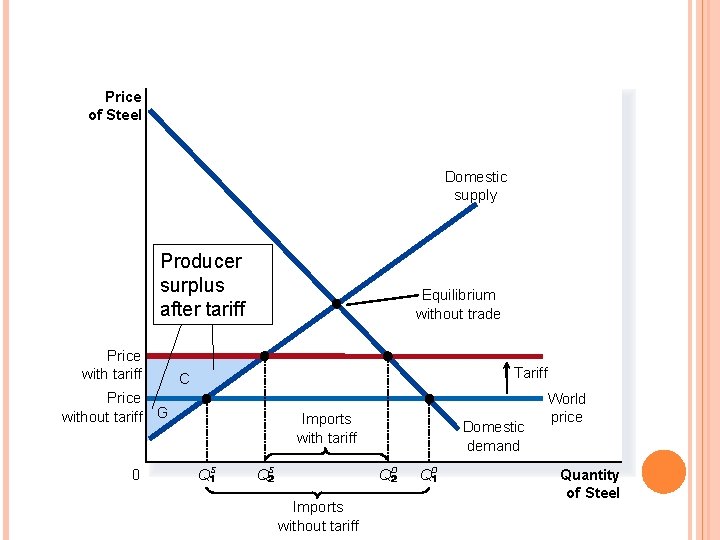
FIGURE 6 THE EFFECTS OF A TARIFF Price of Steel Domestic supply Producer surplus after tariff Price with tariff Equilibrium without trade Tariff C Price without tariff G 0 Imports with tariff S Q S Domestic demand D Q Q Imports without tariff D Q World price Quantity of Steel Copyright © 2004 South-Western
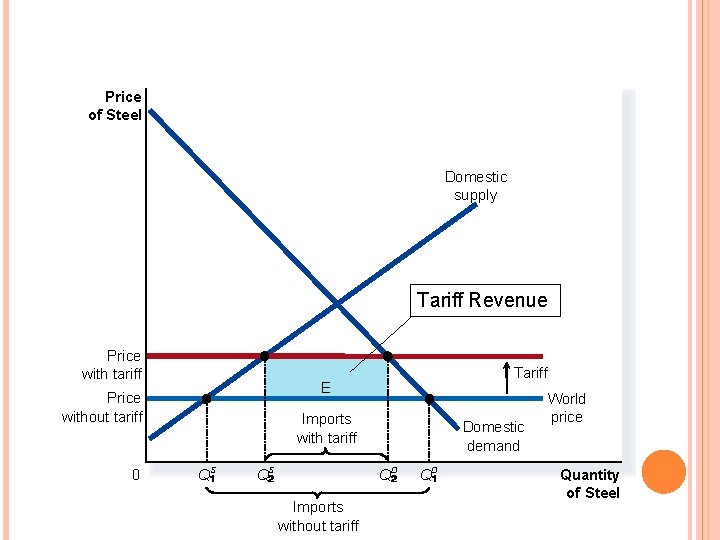
FIGURE 6 THE EFFECTS OF A TARIFF Price of Steel Domestic supply Tariff Revenue Price with tariff E Price without tariff 0 Tariff Imports with tariff S Q S Domestic demand D Q Q Imports without tariff D Q World price Quantity of Steel Copyright © 2004 South-Western
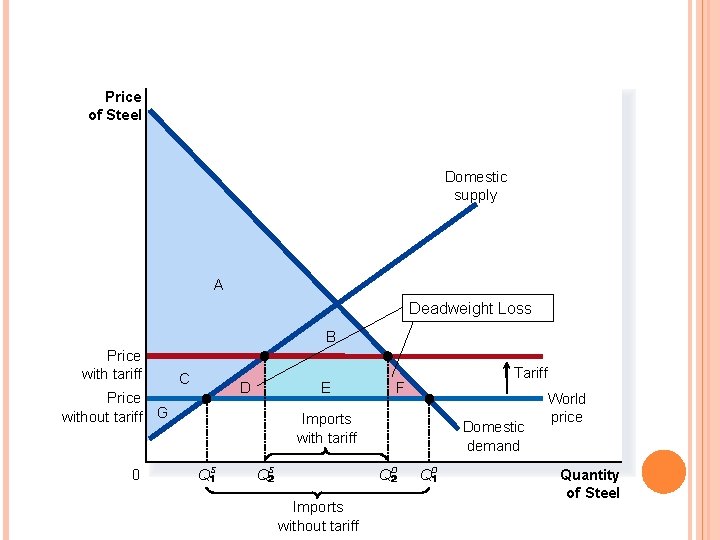
FIGURE 6 THE EFFECTS OF A TARIFF Price of Steel Domestic supply A Deadweight Loss B Price with tariff C D Price without tariff G 0 E Tariff F Imports with tariff S Q S Domestic demand D Q Q Imports without tariff D Q World price Quantity of Steel Copyright © 2004 South-Western
EFFECTS OF TARIFF A tariff reduces the quantity of imports and moves the domestic market closer to its equilibrium without trade. With a tariff, total surplus in the market decreases by an amount referred to as a deadweight loss.
IMPORT QUOTA An import quota is a limit on the quantity of a good that can be produced abroad and sold domestically.
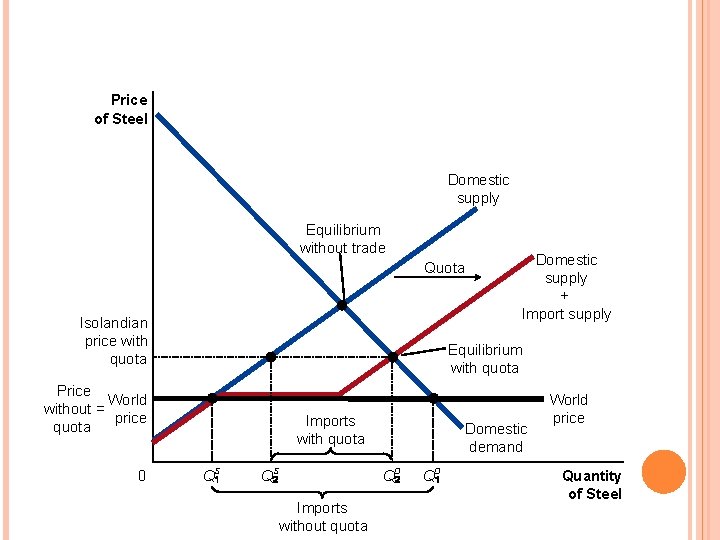
FIGURE 7 THE EFFECTS OF AN IMPORT QUOTA Price of Steel Domestic supply Equilibrium without trade Quota Isolandian price with quota Equilibrium with quota Price World without = price quota 0 Domestic supply + Import supply Imports with quota S Q S Domestic demand D Q Q Imports without quota D Q World price Quantity of Steel Copyright © 2004 South-Western
EFFECTS OF IMPORT QUOTA Because the quota raises the domestic price above the world price, domestic buyers of the good are worse off, and domestic sellers of the good are better off. License holders are better off because they make a profit from buying at the world price and selling at the higher domestic price.
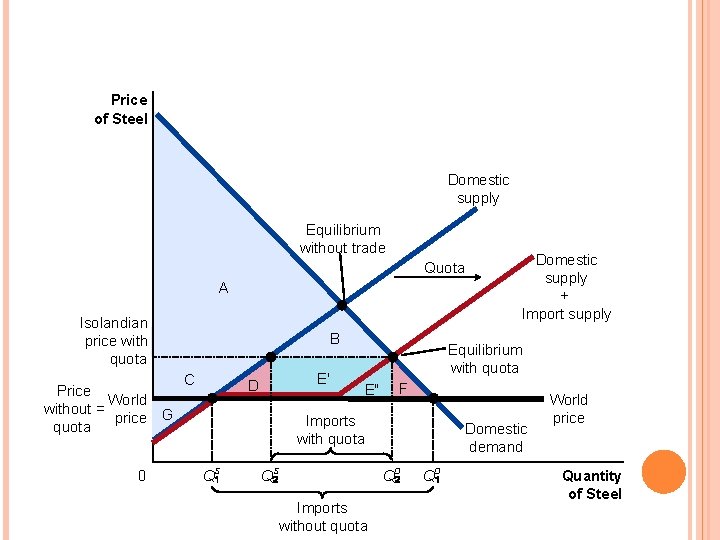
FIGURE 7 THE EFFECTS OF AN IMPORT QUOTA Price of Steel Domestic supply Equilibrium without trade Quota A Isolandian price with quota Price World without = price G quota 0 B C E' D Equilibrium with quota F E" Imports with quota S Q Domestic supply + Import supply S Domestic demand D Q Q Imports without quota D Q World price Quantity of Steel Copyright © 2004 South-Western
DEADWEIGHT LOSS OF QUOTA With a quota, total surplus in the market decreases by an amount referred to as a deadweight loss. The quota can potentially cause an even larger deadweight loss, if a mechanism such as lobbying is employed to allocate the import licenses.
LESSONS FROM TRADE POLICY Both tariffs and import quotas. . . raise domestic prices. reduce the welfare of domestic consumers. increase the welfare of domestic producers. cause deadweight losses.
- Slides: 29