
International Education Experience New Zealand Glenn Dunne MS


- Slides: 15
International Education Experience: New Zealand Glenn Dunne, MS 4
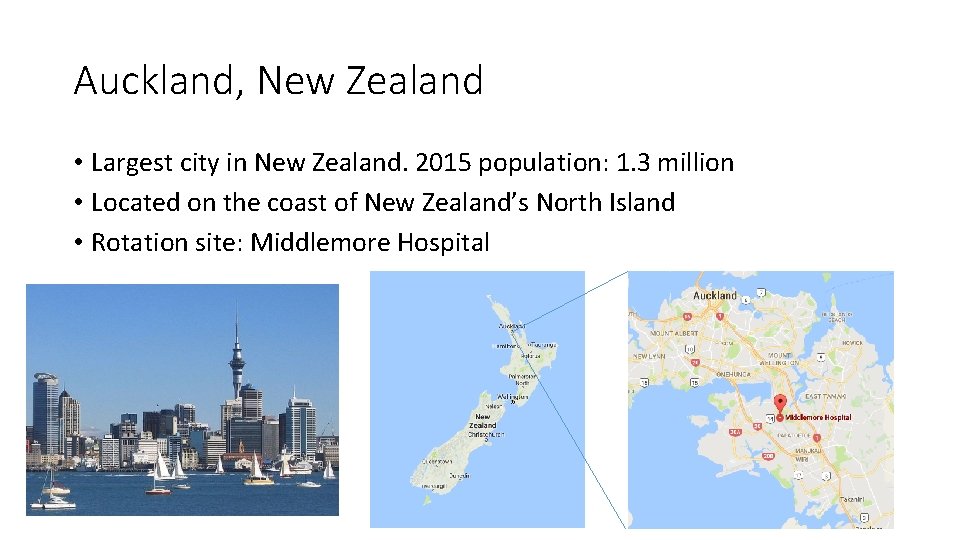
Auckland, New Zealand • Largest city in New Zealand. 2015 population: 1. 3 million • Located on the coast of New Zealand’s North Island • Rotation site: Middlemore Hospital
Rotation Site • Middlemore Hospital • 800 bed public hospital located in south Auckland, New Zealand • Approx. 91, 000 admissions per year; 354, 000 outpatient encounters • Provides wide range of services, encompassing primary care and specialty areas such as plastic surgery and burn care
Rotation Experience • Anesthesiology • Saw cases across wide range of specialties, such as general surgery, orthopedic surgery, plastic surgery, OBGYN. • Middlemore hospital largely covers “acute care” surgery. Elective cases tend to be covered at the nearby Manukau Surgery Centre. • Practice differences vs. United States • No nurse anesthetists • Metaraminol: α 1 -agonist with some β effect. Commonly used to prevent/treat hypotension • “Kiwi Ingenuity” – many New Zealanders embrace a do-it-yourself mentality. Unfortunately, this frequently results in injury. Middlemore has busy plastic/orthopedic surgery services.
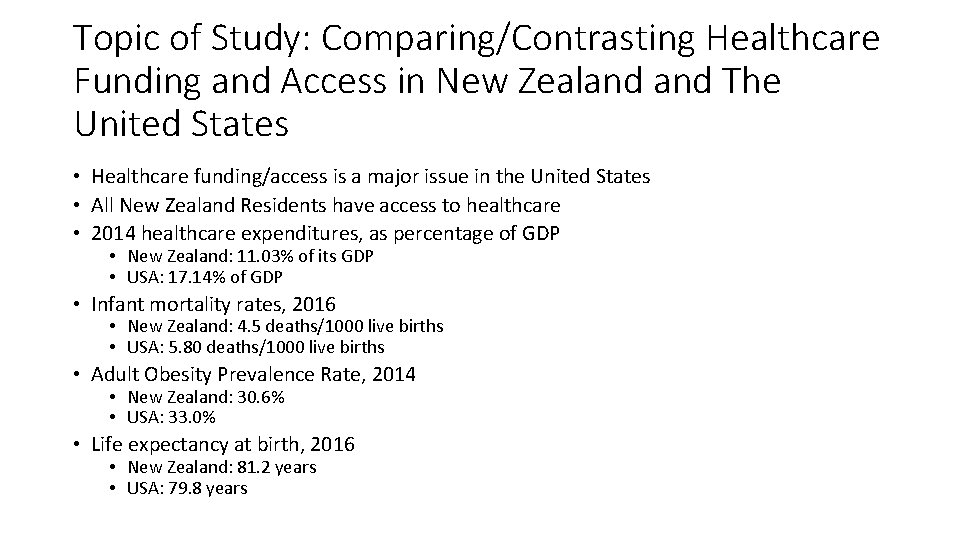
Topic of Study: Comparing/Contrasting Healthcare Funding and Access in New Zealand The United States • Healthcare funding/access is a major issue in the United States • All New Zealand Residents have access to healthcare • 2014 healthcare expenditures, as percentage of GDP • New Zealand: 11. 03% of its GDP • USA: 17. 14% of GDP • Infant mortality rates, 2016 • New Zealand: 4. 5 deaths/1000 live births • USA: 5. 80 deaths/1000 live births • Adult Obesity Prevalence Rate, 2014 • New Zealand: 30. 6% • USA: 33. 0% • Life expectancy at birth, 2016 • New Zealand: 81. 2 years • USA: 79. 8 years
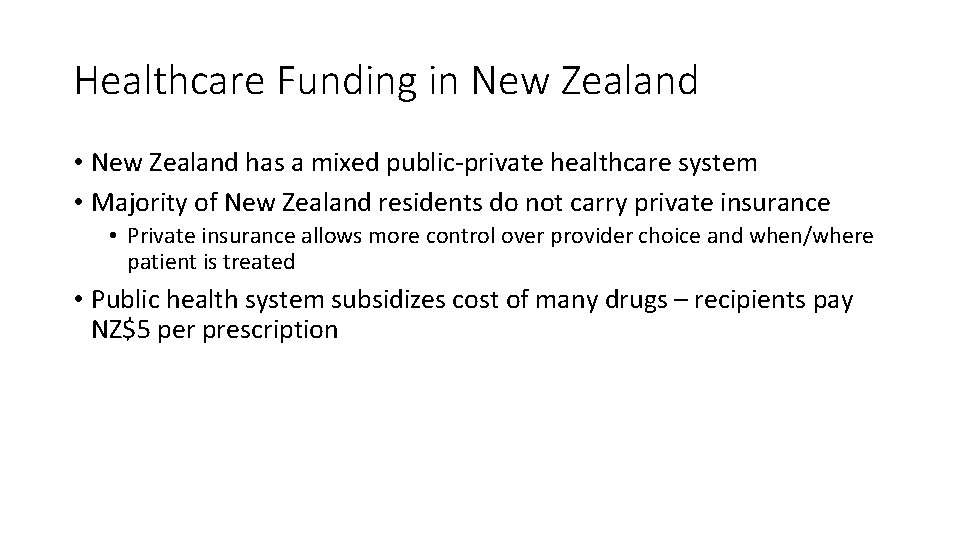
Healthcare Funding in New Zealand • New Zealand has a mixed public-private healthcare system • Majority of New Zealand residents do not carry private insurance • Private insurance allows more control over provider choice and when/where patient is treated • Public health system subsidizes cost of many drugs – recipients pay NZ$5 per prescription
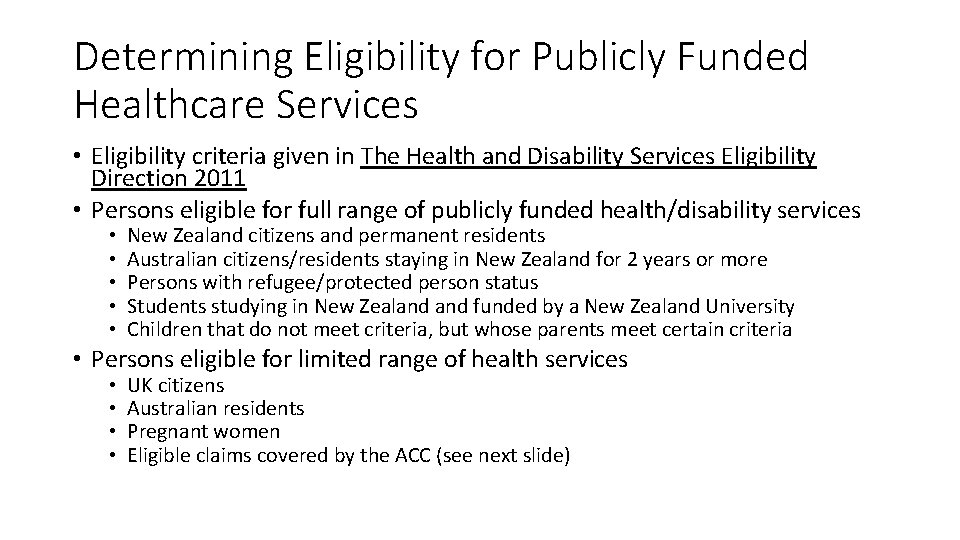
Determining Eligibility for Publicly Funded Healthcare Services • Eligibility criteria given in The Health and Disability Services Eligibility Direction 2011 • Persons eligible for full range of publicly funded health/disability services • • • New Zealand citizens and permanent residents Australian citizens/residents staying in New Zealand for 2 years or more Persons with refugee/protected person status Students studying in New Zealand funded by a New Zealand University Children that do not meet criteria, but whose parents meet certain criteria • Persons eligible for limited range of health services • • UK citizens Australian residents Pregnant women Eligible claims covered by the ACC (see next slide)
The ACC (No, not the Atlantic Coast Conference) “Accident Compensation Corporation” New Zealand has a universal no-fault accident injury compensation scheme Funded by taxes on employees, employers, petrol (gasoline), and motor vehicle license fees • New Zealand’s only provider of accident insurance (for both work and nonwork related injuries) • Covers all citizens, residents, and temporary visitors who suffer personal injuries • Multiple services covered, including direct treatment costs, compensation for lost wages, and cost of necessary home/vehicle modifications • •
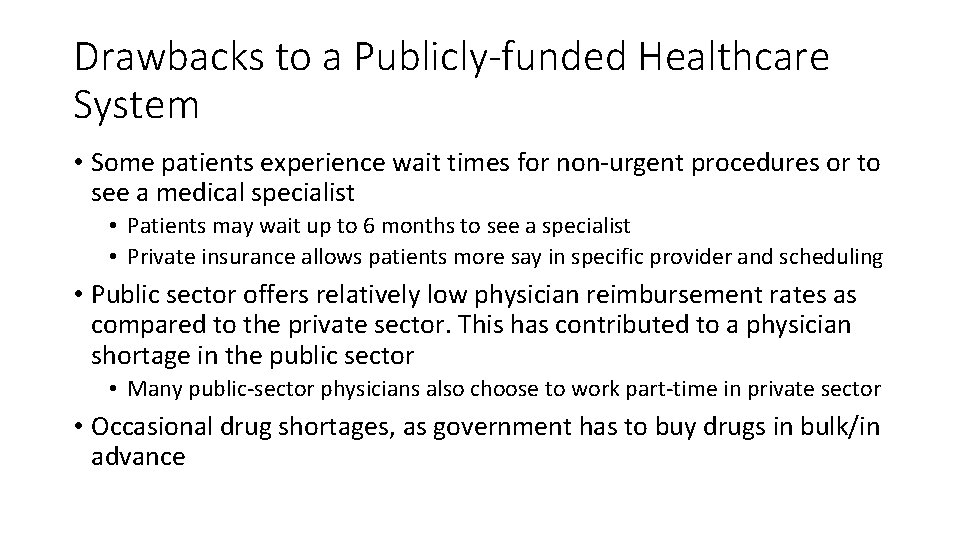
Drawbacks to a Publicly-funded Healthcare System • Some patients experience wait times for non-urgent procedures or to see a medical specialist • Patients may wait up to 6 months to see a specialist • Private insurance allows patients more say in specific provider and scheduling • Public sector offers relatively low physician reimbursement rates as compared to the private sector. This has contributed to a physician shortage in the public sector • Many public-sector physicians also choose to work part-time in private sector • Occasional drug shortages, as government has to buy drugs in bulk/in advance
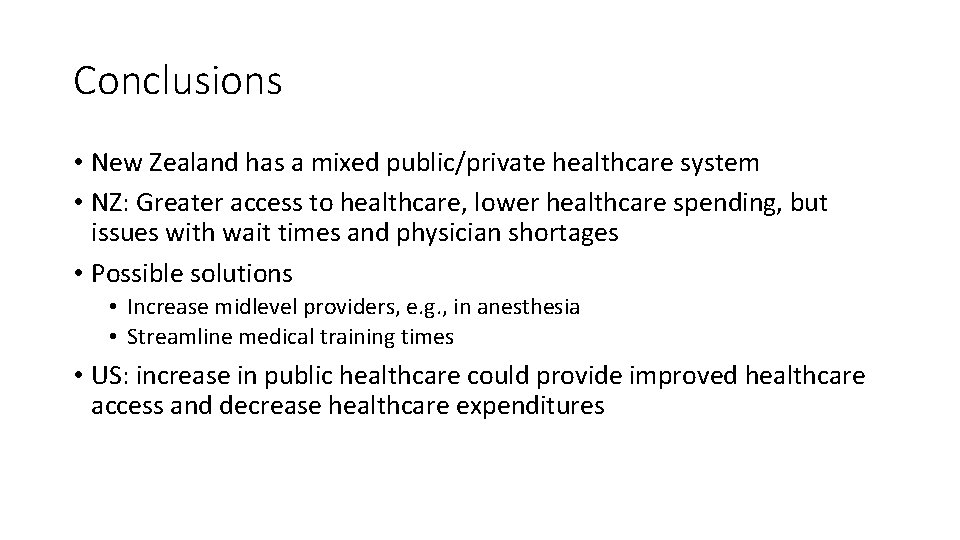
Conclusions • New Zealand has a mixed public/private healthcare system • NZ: Greater access to healthcare, lower healthcare spending, but issues with wait times and physician shortages • Possible solutions • Increase midlevel providers, e. g. , in anesthesia • Streamline medical training times • US: increase in public healthcare could provide improved healthcare access and decrease healthcare expenditures
Profound Clinical Experience • Patient with cardiovascular comorbidities undergoing orthopedic procedure • Anesthesia induction goes smoothly, but ~30 min. in to case, patient experiences episode of “ventricular tachycardia” • Code team called; determined that patient was actually in NSR and anesthesia workstation had faulty reading • Reminder to always consider “the whole clinical picture” rather than relying on one particular test or piece of equipment
Profound Cultural Experience • Maori (native New Zealanders) comprise ~15% of New Zealand’s population • Maori tend to have decreased rates of healthcare utilization and increased rates of obesity • One particular experience: Maori patient presenting for abscess drainage • Language barrier meant inadequate understanding of procedure steps • Patient experienced discomfort and confusion during the case, but expressed significant relief and gratitude for care after conclusion of procedure • Patient may have presented earlier if not for language barrier/relatively poor health literacy Ta moko, traditional Maori face marking
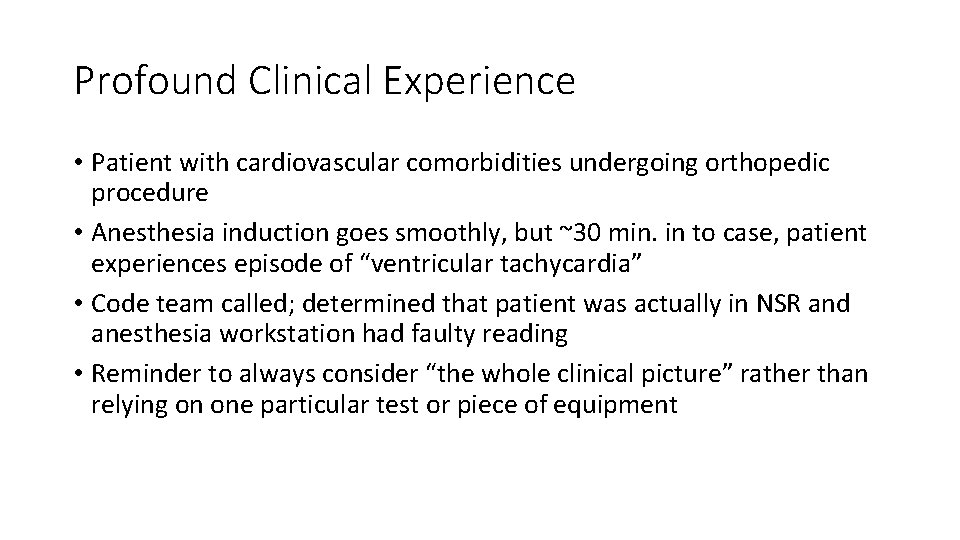
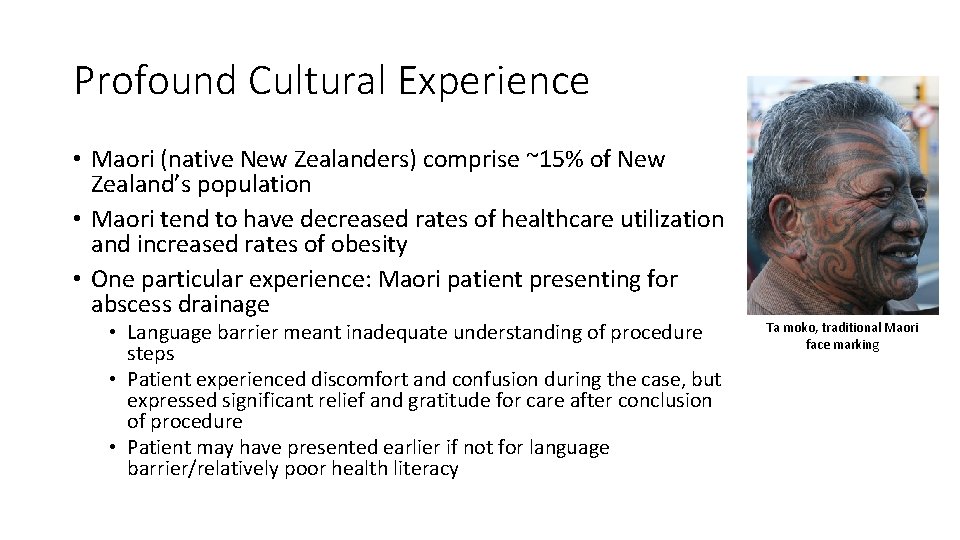
Aoraki/Mt. Cook National Park Tongariro Crossing
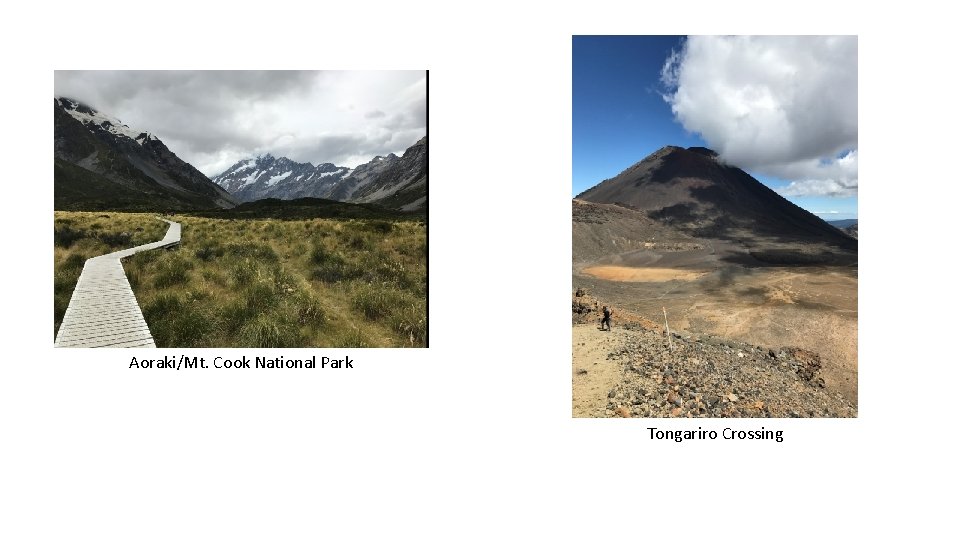
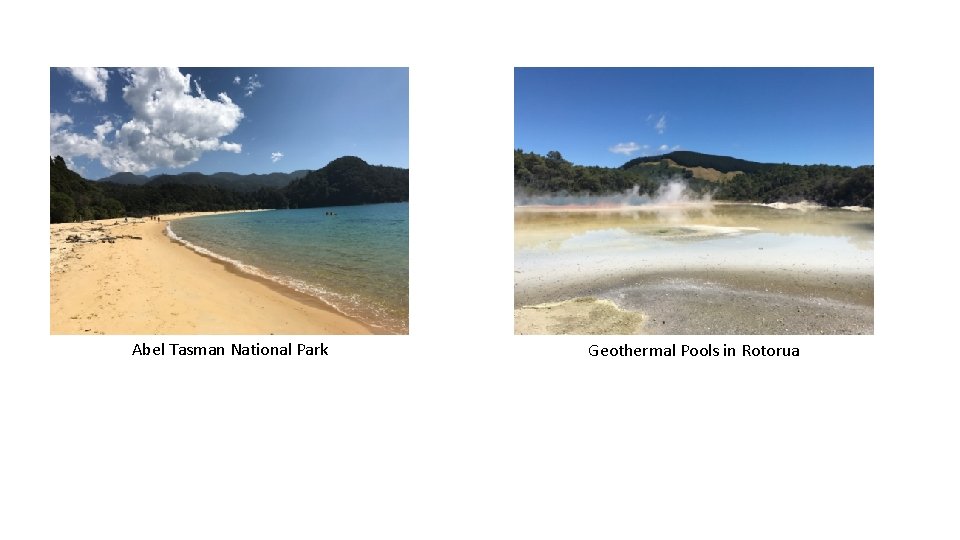
Abel Tasman National Park Geothermal Pools in Rotorua
References • https: //www. healthpoint. co. nz/middlemorehospital/? solo=support. Services&index=0 • http: //www. countiesmanukau. health. nz/assets/Uploads/Middlemore -Hospital. jpg • https: //www. newzealandnow. govt. nz/living-in-nz/healthcare • http: //www. acc. co. nz/about-acc/index. htm • https: //www. cia. gov/library/publications/the-worldfactbook/rankorder/2091 rank. html#nz • Interview with Dr. Stapelberg