
INTERNATIONAL BUSINESS An Asian Perspective Hill Wee Udayasankar
INTERNATIONAL BUSINESS An Asian Perspective Hill / Wee /Udayasankar
About the BOOK Part one • Introduction • Chapter 1 Globalization • Country Differences Part two • Chapter 2 National Differences in Political Economy • Chapter 3 Differences in Culture • Chapter 4 Ethics in International Business • The Global Trade and Investment Environment Part three • Chapter 5 International Trade Theory • Chapter 6 The Political Economy of International trade • Chapter 7 Foreign Direct Investment • Chapter 8 Regional Economic Integration
About the BOOK Part four Part five Part six • The Global Monetary System • Chapter 9 The Foreign Exchange Market • Chapter 10 The International Monetary System • Chapter 11 The Global Capital Market • The Strategy and Structure of International Business • Chapter 12 The Strategy of International Business • Chapter 13 The Organization of International Business • Chapter 14 Entry Strategy and Strategic Alliances • The Global Trade and Investment Environment • Chapter 15 Exporting, Importing, and Countertrade • Chapter 16 Global Production, Outsourcing, and Logistics • Chapter 17 Global Marketing and R&D • Chapter 18 Global Human Resource Management • Chapter 19 Accounting in the International Business • Chapter 20 Financial Management in the International Business
CHAPTER 3 Differences in Culture
Topics � Meaning of culture � Forces that lead to differences in social culture � The business and economic implications of differences in culture � How differences in social culture influence values in the workplace � An appreciation for the economic and business implications of cultural change
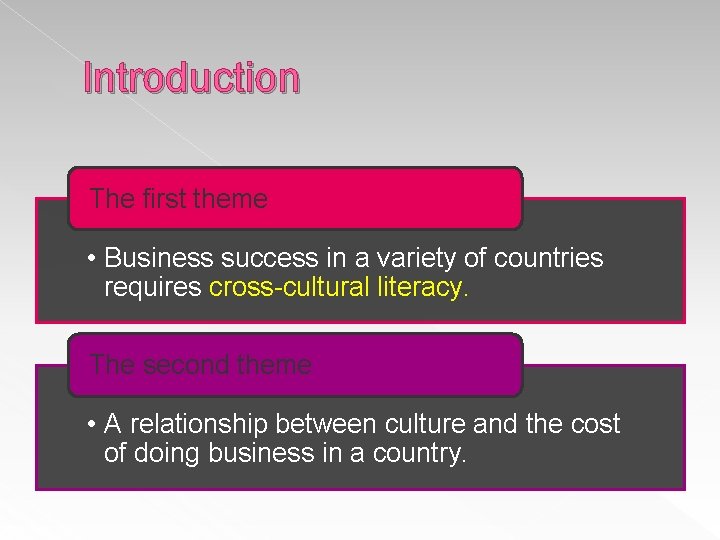
Introduction The first theme • Business success in a variety of countries requires cross-cultural literacy. The second theme • A relationship between culture and the cost of doing business in a country.
What Is Culture? � “the collective programming of the mind which distinguishes the members of one human group from” (Greet Hofstede) � “A system of ideas and argue that these ideas constitute a design for living” (Zvi Namenwirth and Robert Weber)
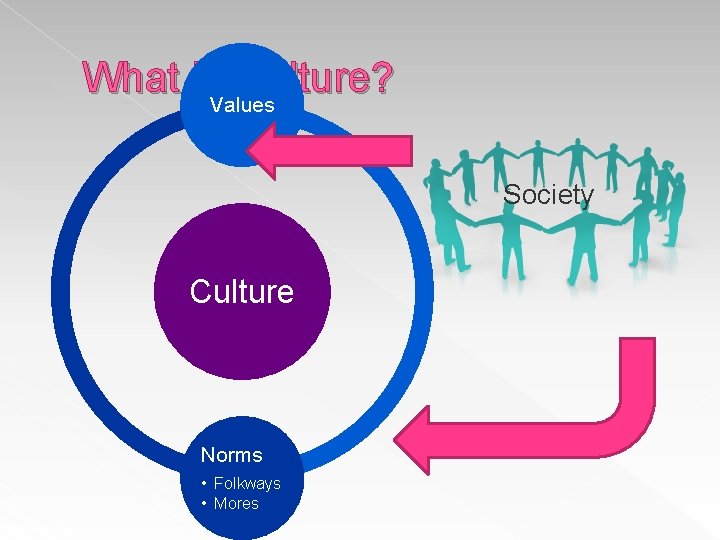
What Is. Values Culture? Society Culture Norms • Folkways • Mores
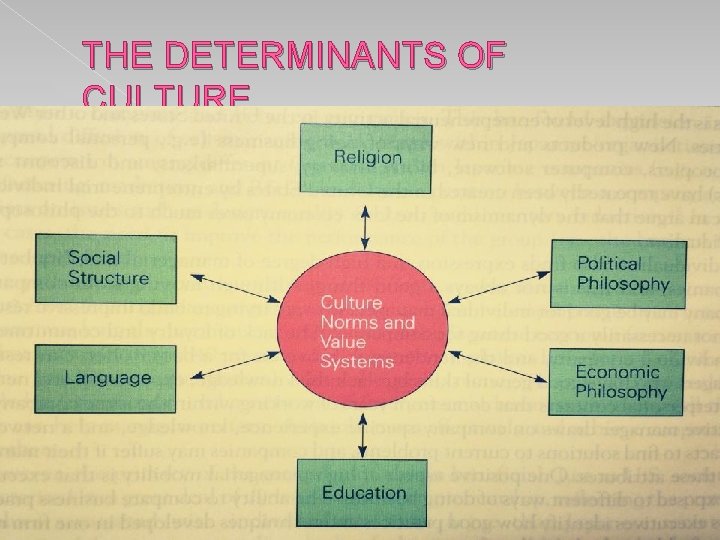
THE DETERMINANTS OF CULTURE
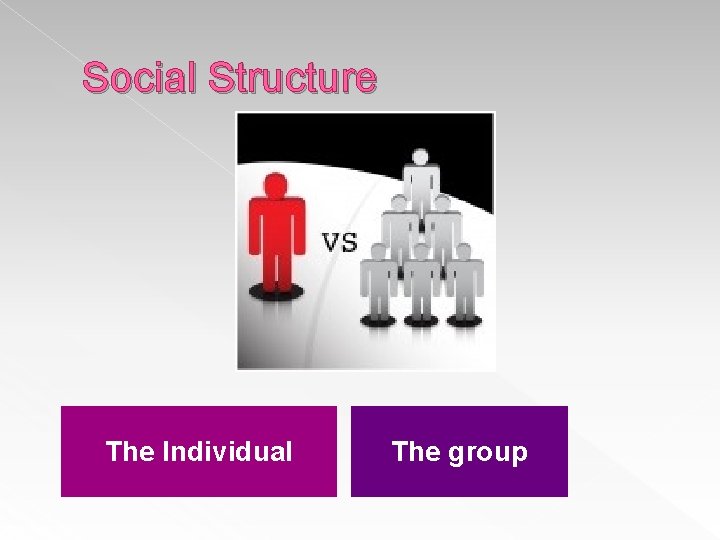
Social Structure The Individual The group
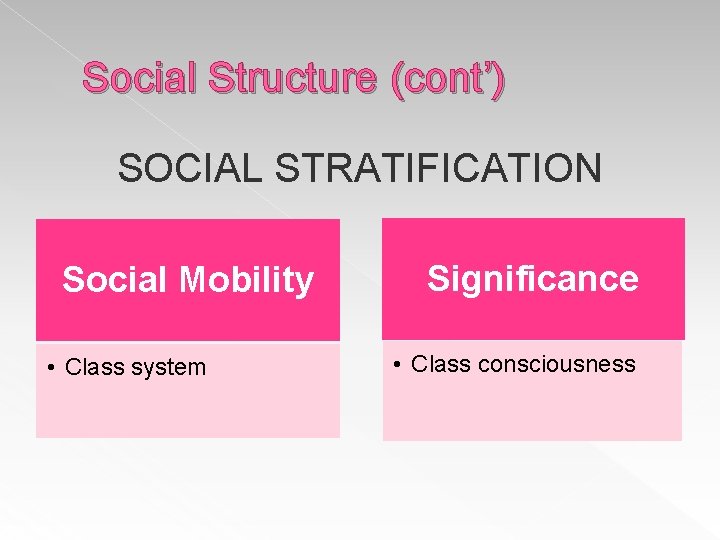
Social Structure (cont’) SOCIAL STRATIFICATION Social Mobility • Class system Significance • Class consciousness
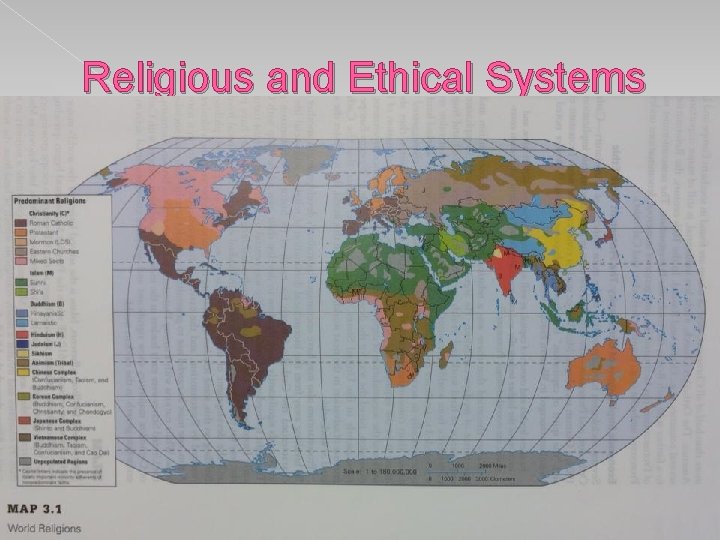
Religious and Ethical Systems
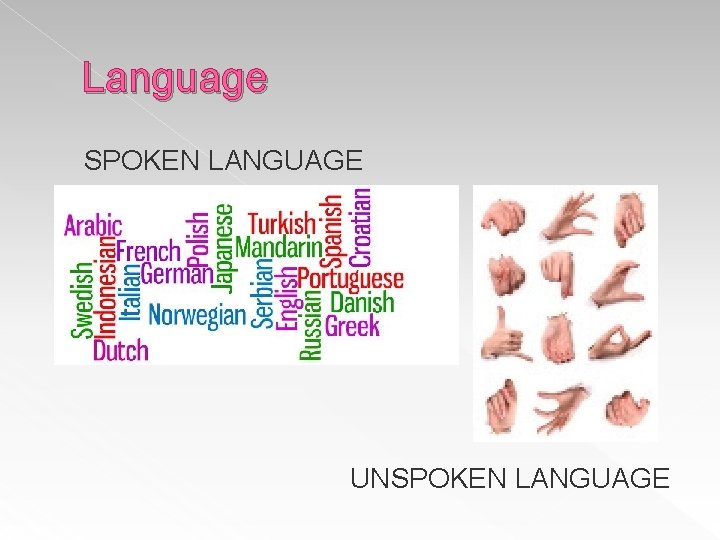
Language SPOKEN LANGUAGE UNSPOKEN LANGUAGE
Education Culture and the Workplace Power distance Uncertainty avoidance Individualism vs collectivism Masculinity vs femininity
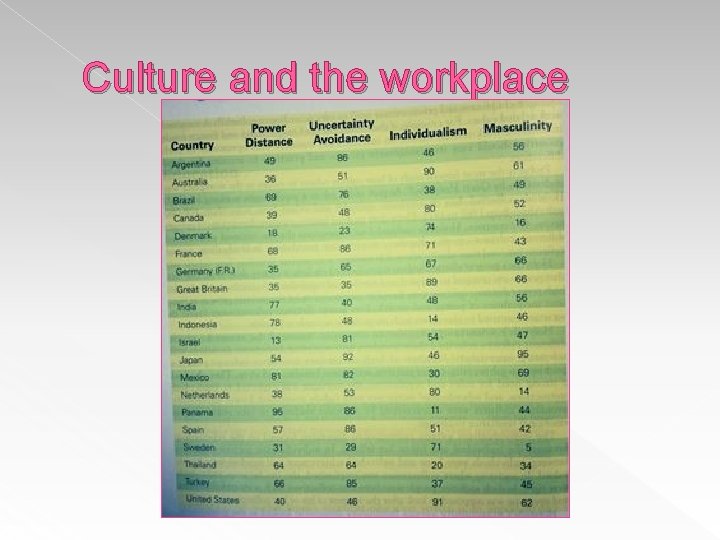
Culture and the workplace

Thank you very much for your attention
- Slides: 16