
INTERNATIONAL ART MOVEMENTS PAINTINGS and SCULPTURE ABSTRACT EXPRESSIONISM
INTERNATIONAL ART MOVEMENTS PAINTINGS and SCULPTURE
ABSTRACT EXPRESSIONISM KEY DATES: 1940 -1960 s • Emerging in the 1940 s in New York City and flourishing in the Fifties, Abstract Expressionism is regarded by many as the golden age of American art. The movement is marked by its use of brushstrokes and texture, the embracing of chance and the frequently massive canvases, all employed to convey powerful emotions through the glorification of the act of painting itself. • Some of the key figures of the movement were Jackson Pollock, Mark Rothko, Willem de Kooning, Robert Motherwell and Franz Kline.
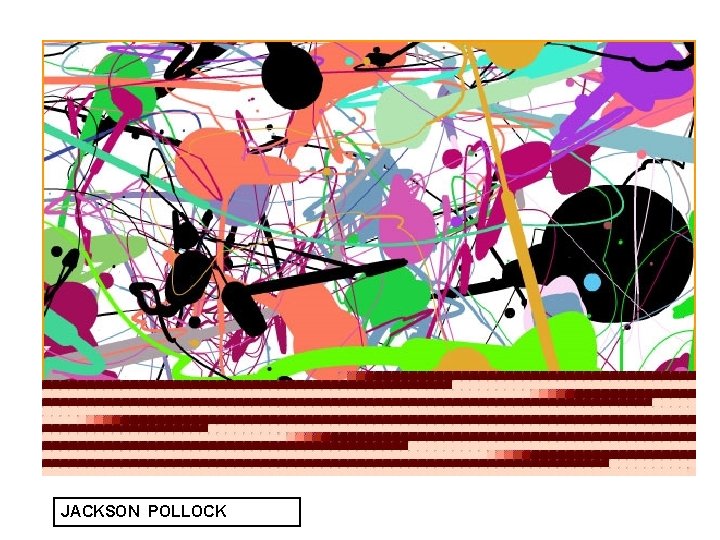
JACKSON POLLOCK
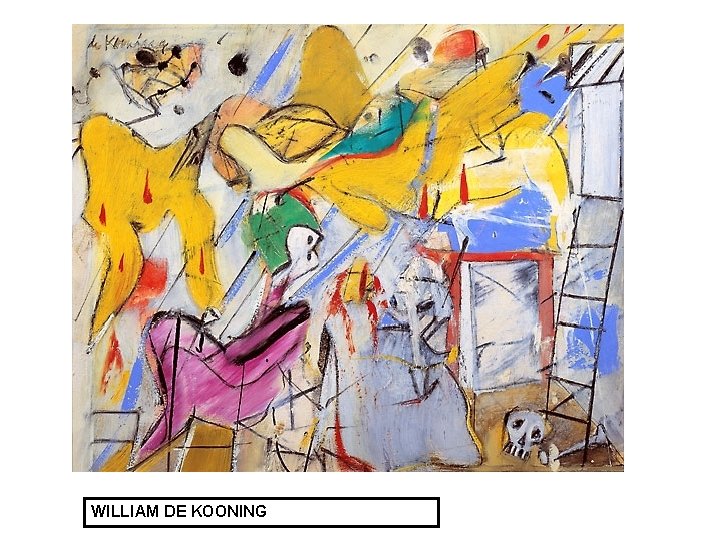
WILLIAM DE KOONING

MARK ROTHKO
ART NOUVEAU KEY DATES: late 1800 s • This describes a decorative style popular from the last decade of the 19 th century to the beginning of the First World War. It was characterized by an elaborate ornamental style based on asymmetrical lines, frequently depicting flowers, leaves or tendrils, or in the flowing hair of a female. It can be seen most effectively in the decorative arts, for example interior design, glasswork and jewellery. • However, it was also seen in posters and illustration as well as certain paintings and sculptures of the period. The leading exponents included the illustrators Aubrey Beardsley and Walter Crane in England; the architects Henry van de Velde and Victor Horta in Belgium; the jewellery designer René Lalique in France; the painter Gustav Klimt in Austria; the architect Antonio Gaudí in Spain; and the glassware designer Louis C.
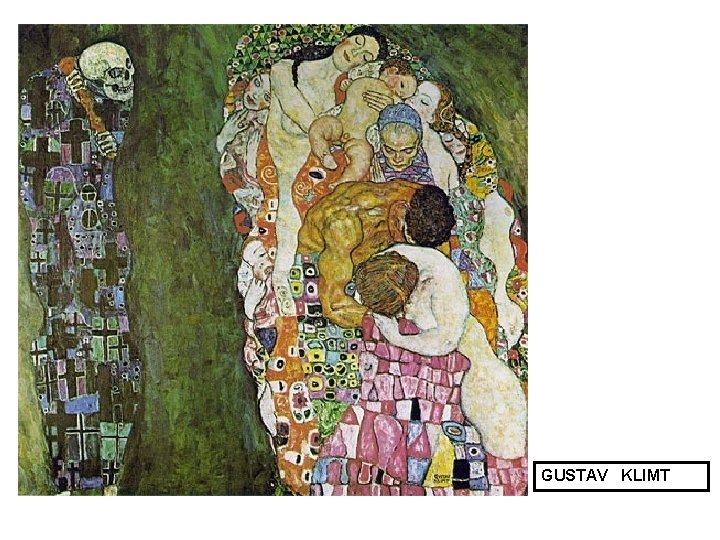
GUSTAV KLIMT
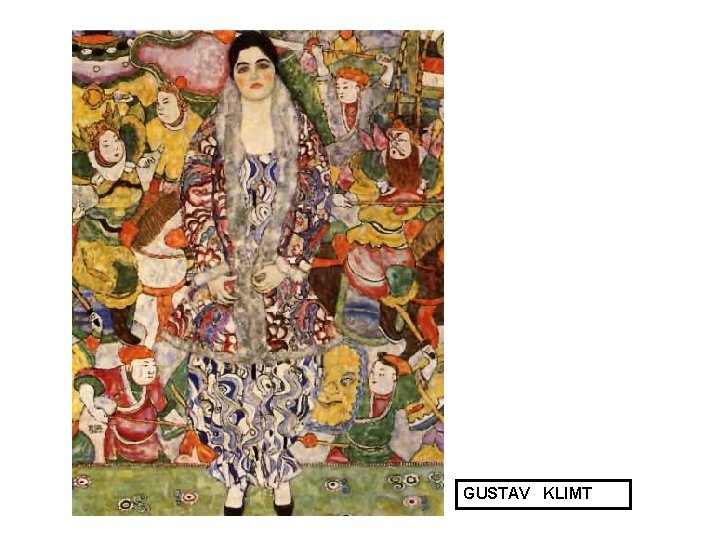
GUSTAV KLIMT
CUBISM KEY DATES: 1908 -1914 • The Cubist art movement began in Paris around 1907. Led by Pablo Picasso and Georges Braque, the Cubists broke from centuries of tradition in their painting by rejecting the single viewpoint. Instead they used an analytical system in which three-dimensional subjects were fragmented and redefined from several different points of view simultaneously. • The movement was conceived as 'a new way of representing the world', and assimilated outside influences, such as African art, as well as new theories on he nature of reality, such as Einstein's Theory of Relativity.
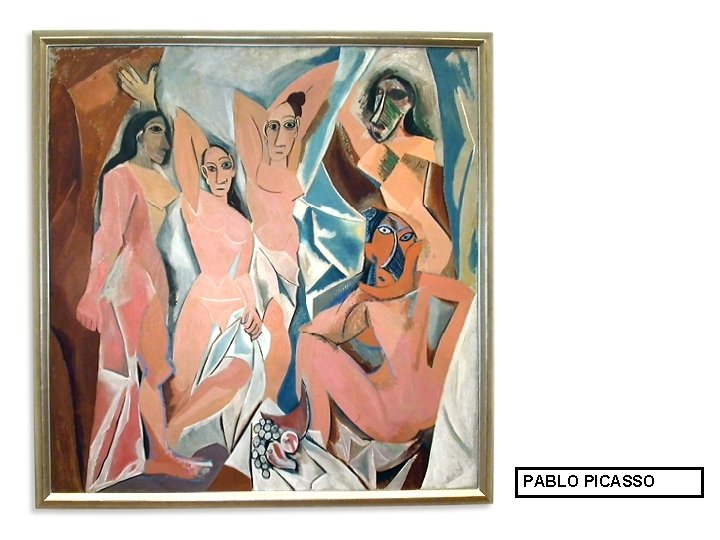
PABLO PICASSO
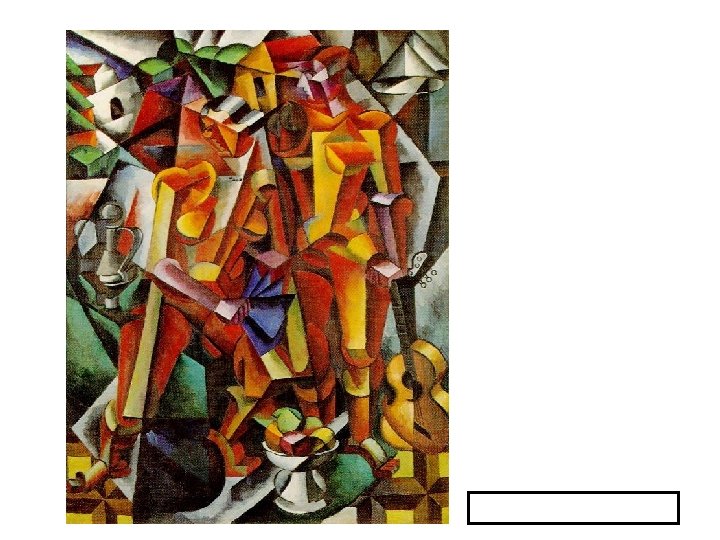
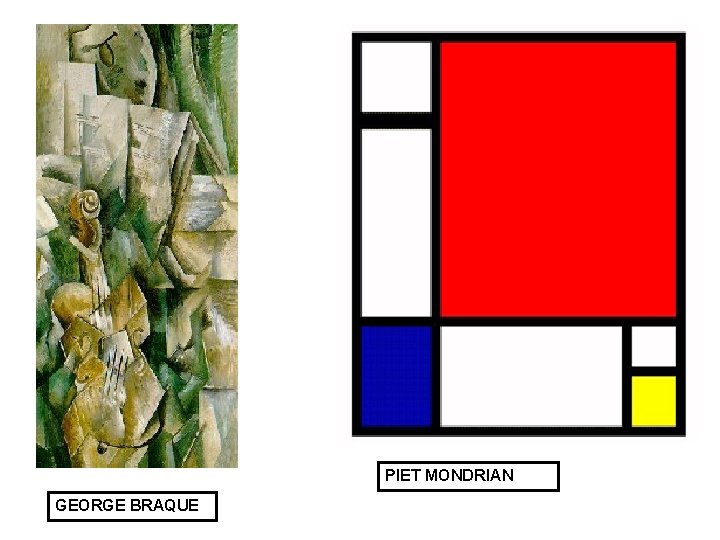
PIET MONDRIAN GEORGE BRAQUE
DADA KEY DATES: 1916 -1920 s • An international movement among European artists and writers between 1915 and 1922, characterised by a spirit of anarchic revolt. Dada revelled in absurdity, and emphasised the role of the unpredictable in artistic creation. • It began in Zürich with the French poet Tristan Tzara thrusting a penknife into the pages of a dictionary to randomly find a name for the movement. This act in itself displays the importance of chance in Dada art. Irreverence was another key feature: in one of Dada's most notorious exhibitions, organised by Max Ernst, axes were provided for visitors to smash the works on show.

MARCEL DUCHAMP
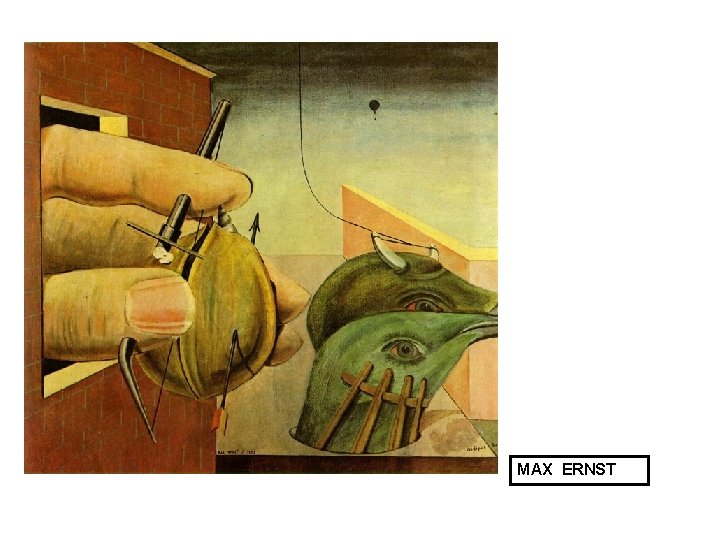
MAX ERNST
EXPRESSIONISM KEY DATES: 1905 -1925 • A term used to denote the use of distortion and exaggeration for emotional effect, which first surfaced in the art literature of the early twentieth century. When applied in a stylistic sense, with reference in particular to the use of intense colour, agitated brushstrokes, and disjointed space. Rather than a single style, it was a climate that affected not only the fine arts but also dance, cinema, literature and theatre. • Expressionism is an artistic style in which the artist attempts to depict not objective reality but rather the subjective emotions and responses that objects and events arouse in him. He accomplishes his aim through distortion, exaggeration, primitivism, and fantasy and through the vivid, jarring, violent, or dynamic application of formal elements.
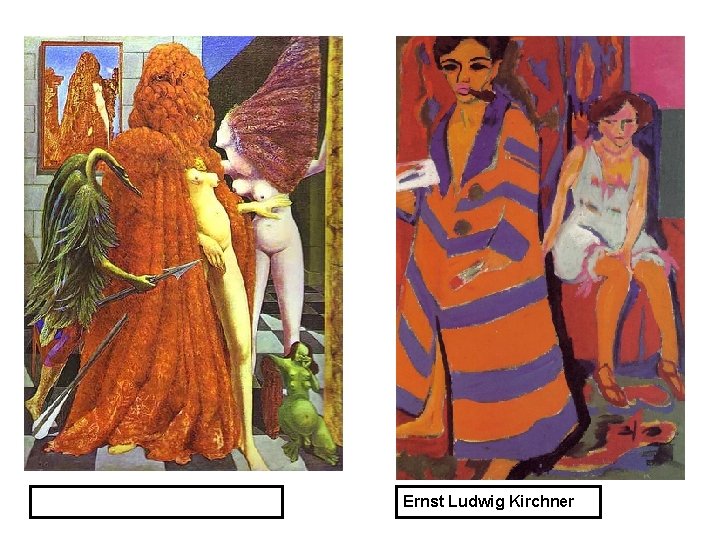
Ernst Ludwig Kirchner
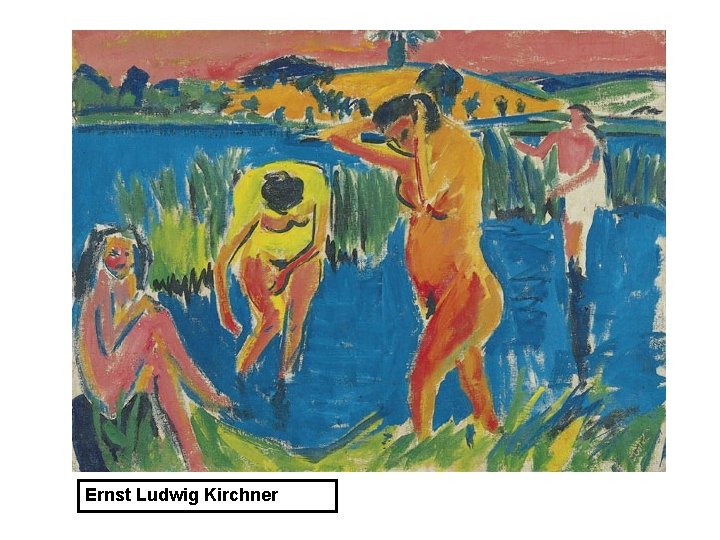
Ernst Ludwig Kirchner
Jean-Michel Basquiat • Jean-Michel Basquiat , 1960 -88, American painter, b. Brooklyn, N. Y. Born into a middle-class Haitian and Puerto Rican family, he was a 1980 s art star whose rise and fall were rapid, dramatic, and emblematic of the era. A rebel, high-school dropout, and part of the downtown New York scene, he was influenced by the violence of street life, the variety of African-American life, multiculturalism, and the emerging hip-hop culture. He was also strongly influenced by the life and work of Andy Warhol , who became his mentor, and by the work of such artists as Picasso , Matisse , and Cy Twombly.
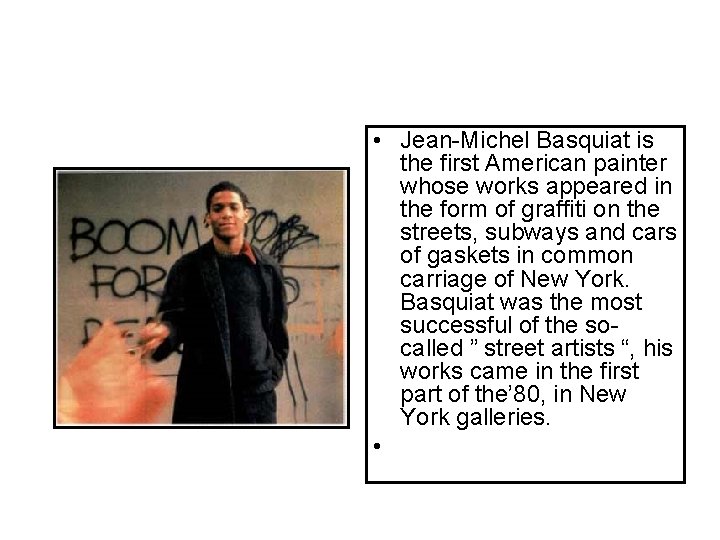
• Jean-Michel Basquiat is the first American painter whose works appeared in the form of graffiti on the streets, subways and cars of gaskets in common carriage of New York. Basquiat was the most successful of the socalled ” street artists “, his works came in the first part of the’ 80, in New York galleries. •
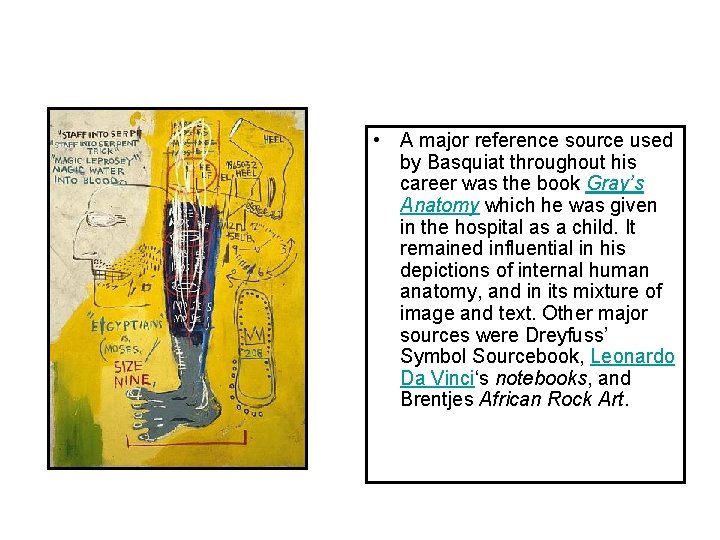
• A major reference source used by Basquiat throughout his career was the book Gray’s Anatomy which he was given in the hospital as a child. It remained influential in his depictions of internal human anatomy, and in its mixture of image and text. Other major sources were Dreyfuss’ Symbol Sourcebook, Leonardo Da Vinci‘s notebooks, and Brentjes African Rock Art.
Jean-Michel Basquiat • . Basquiat started as a graffiti artist, making images and writing slogans on the walls of buildings and on painted T -shirts, found-object assemblages, and paintings. In the early 1980 s he was "discovered" by the art establishment, and his vigorously spontaneous works in paint, collage, and crayon on unprimed canvas, featuring crude, angry, and rawly powerful figures and graffitilike written text, were much sought after by collectors. He died of a heroin overdose at the age of 27. By the early years of the 21 st cent. he was hailed as one of the finest American neoexpessionists of his era.
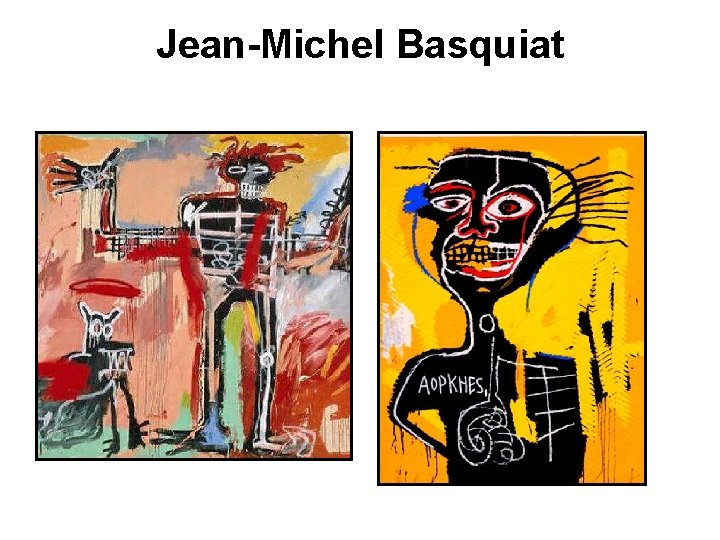
Jean-Michel Basquiat
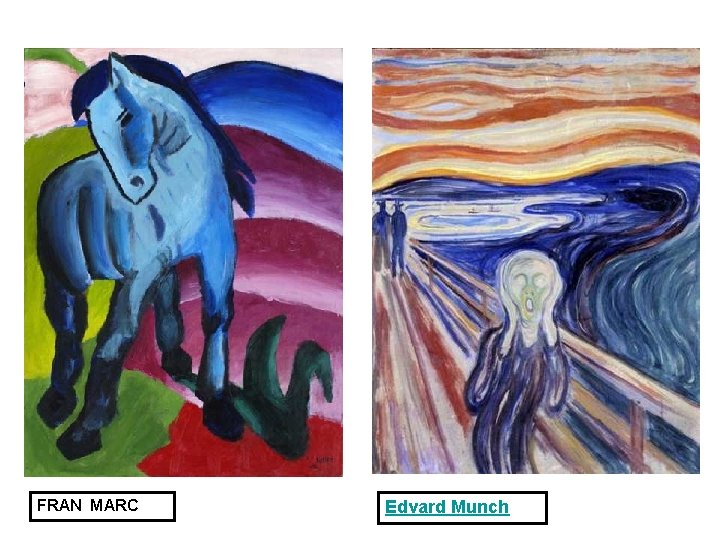
FRAN MARC Edvard Munch
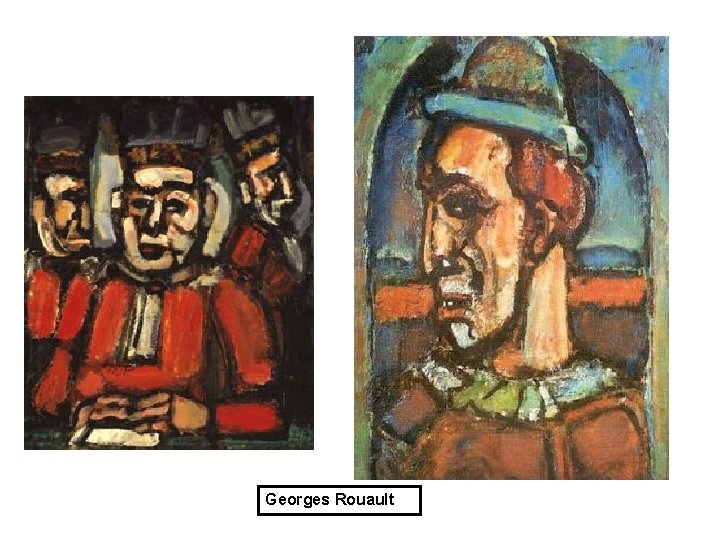
Georges Rouault
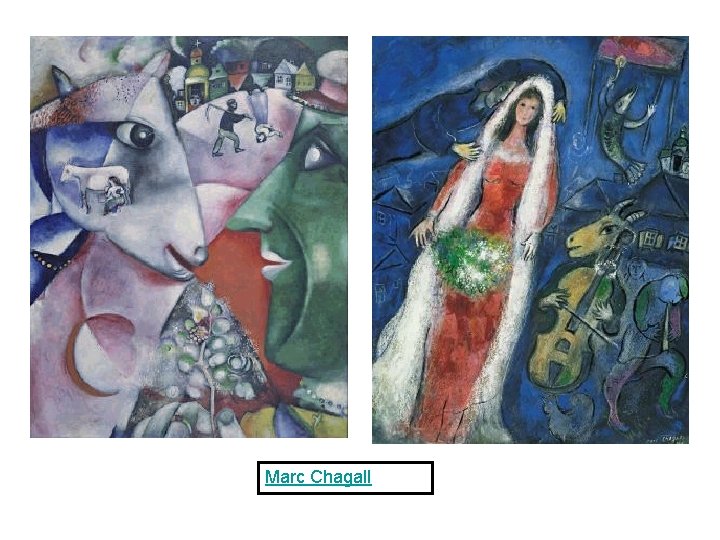
Marc Chagall
FAUVISM KEY DATES: 1905 -1908 • The first of the major avant-garde movements in European 20 th century art, Fauvism was characterised by paintings that used intensely vivid, non-naturalistic and exuberant colours. The style was essentially expressionist, and generally featured landscapes in which forms were distorted. The Fauves first exhibited together in 1905 in Paris. They found their name when a critic pointed to a renaissance-like sculpture in the middle of the same gallery as the exhibition and exclaimed derisively 'Donatello au milieu des fauves!' ('Donatello among the wild beasts!').
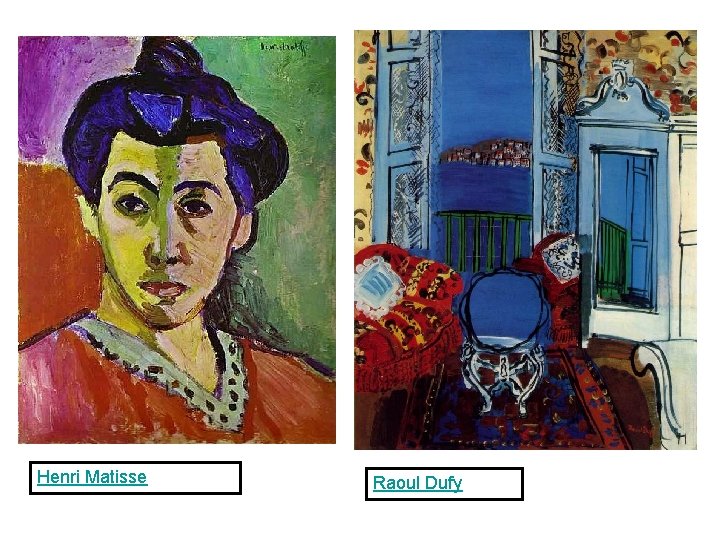
Henri Matisse Raoul Dufy
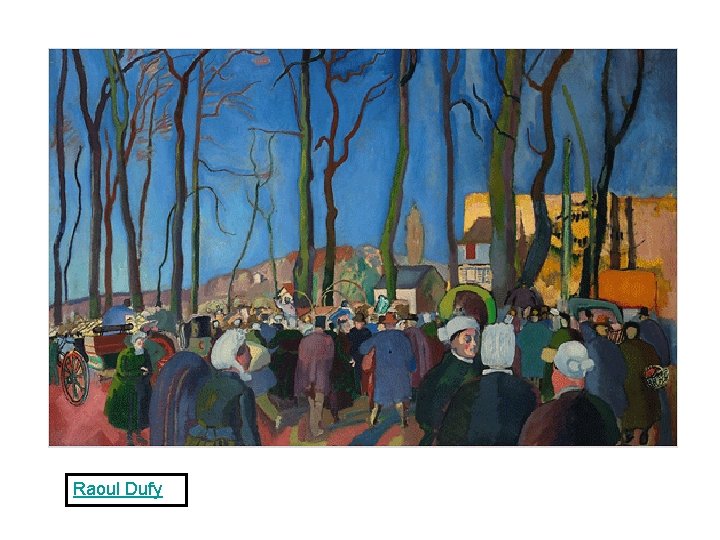
Raoul Dufy
IMPRESSIONISM KEY DATES: 1867 -1886 • A French 19 th century art movement which marked a momentous break from tradition in European painting. The Impressionists incorporated new scientific research into the physics of colour to achieve a more exact representation of colour and tone. • The sudden change in the look of these paintings was brought about by a change in methodology: applying paint in small touches of pure colour rather than broader strokes, and painting out of doors to catch a particular fleeting impression of colour and light.
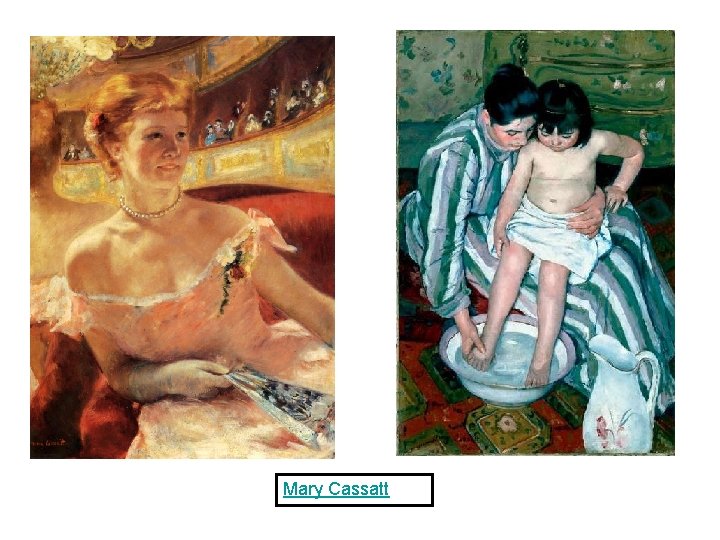
Mary Cassatt
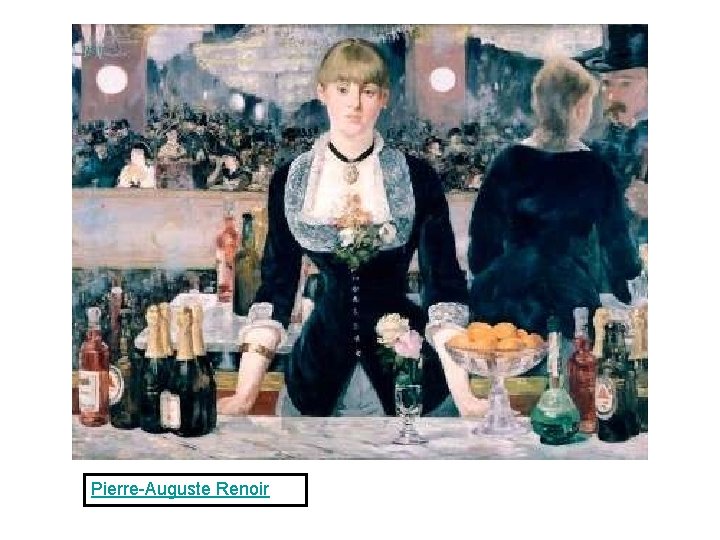
Pierre-Auguste Renoir
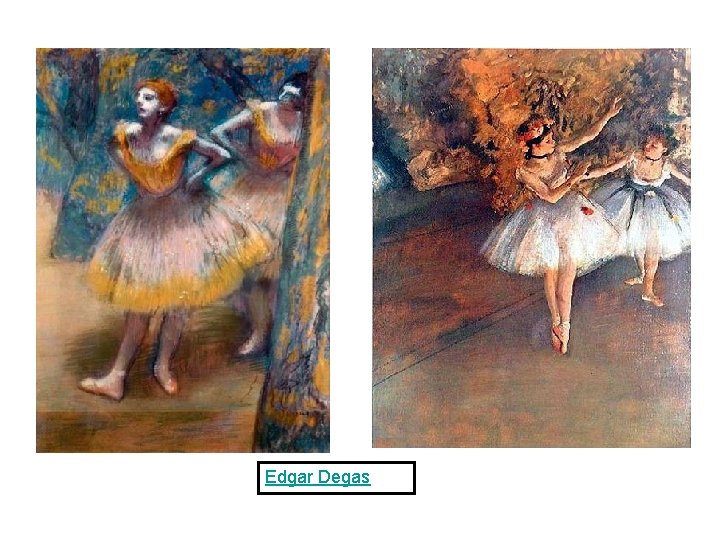
Edgar Degas
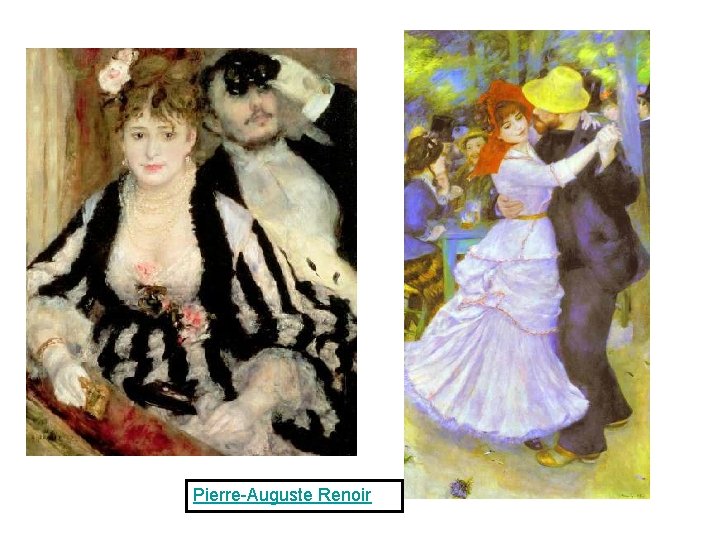
Pierre-Auguste Renoir
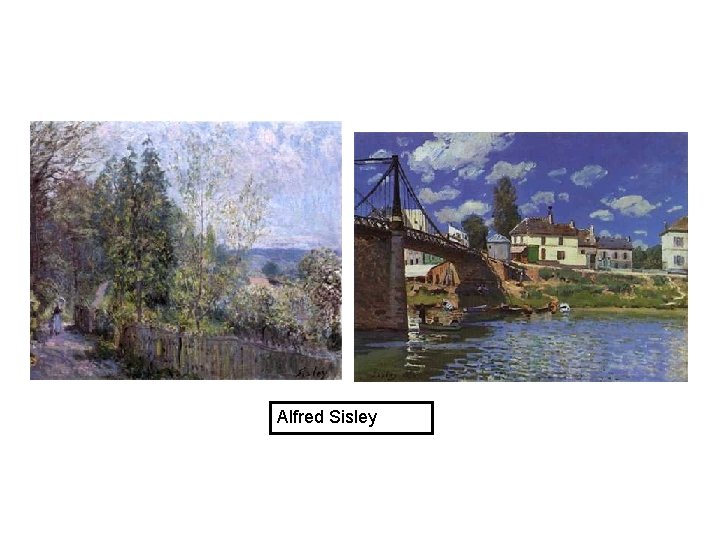
Alfred Sisley
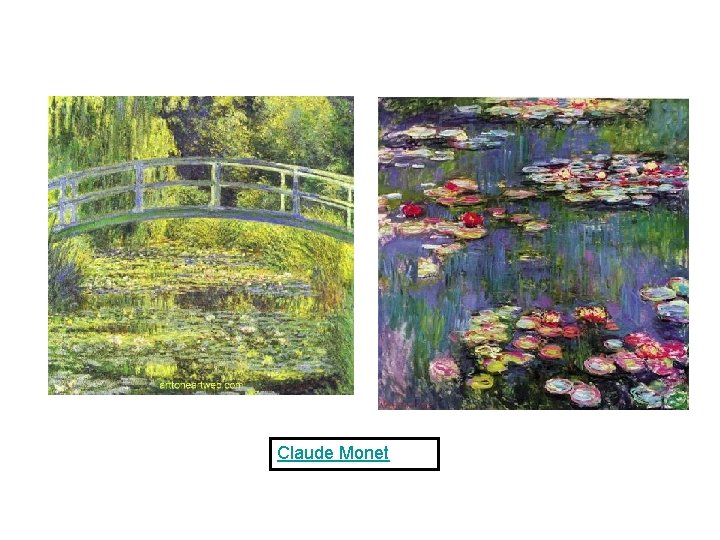
Claude Monet
POINTILLISM • Pointilism was developed from Impressionism and involved the use of many small dots of colour to give a painting a greater sense of vibrancy when seen from a distance. The equal size dots never quite merge in the viewer's perception resulting in a shimmering effect like one experiences on a hot and sunny day. One of the leading exponents was Seurat to whom the term was first applied in regard to his painting 'La Grand Jette' (1886). • Seurat was part of the Neo-Impressionist movement which included Camille Pissarro, Paul Gauguin, Henri Matisse, Henri de Toulouse. Lautrec and Paul Signac.
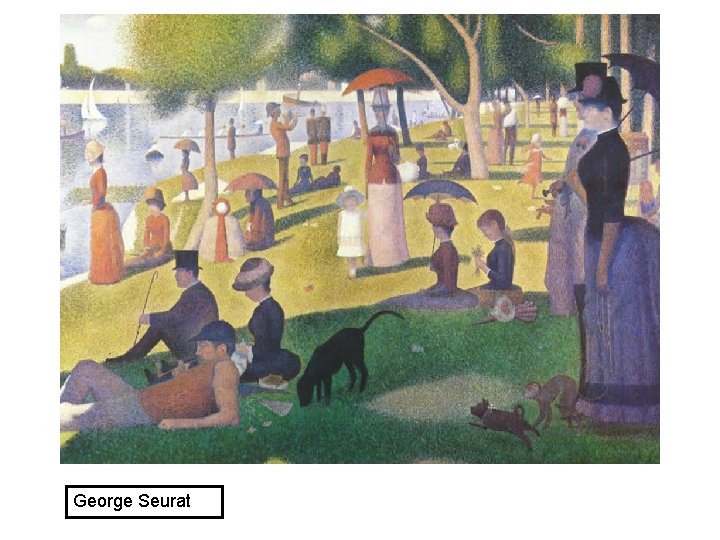
George Seurat
MINIMALISM KEY DATES: 1962 • Minimal Art emerged as a movement in the 1950 s and continued through the Sixties and Seventies. It is a term used to describe paintings and sculpture that thrive on simplicity in both content and form, and seek to remove any sign of personal expressivity. The aim of Minimalism is to allow the viewer to experience the work more intensely without the distractions of composition, theme and so on. • There are examples of the Minimalist theory being exercised as early as the 18 th century when Goethe constructed an Altar of Good Fortune made simply of a stone sphere and cube. But the 20 th century sees the movement come into its own.
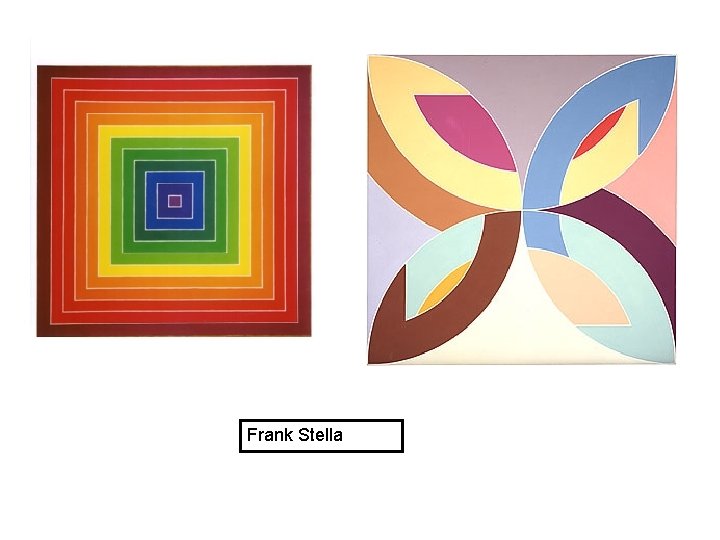
Frank Stella
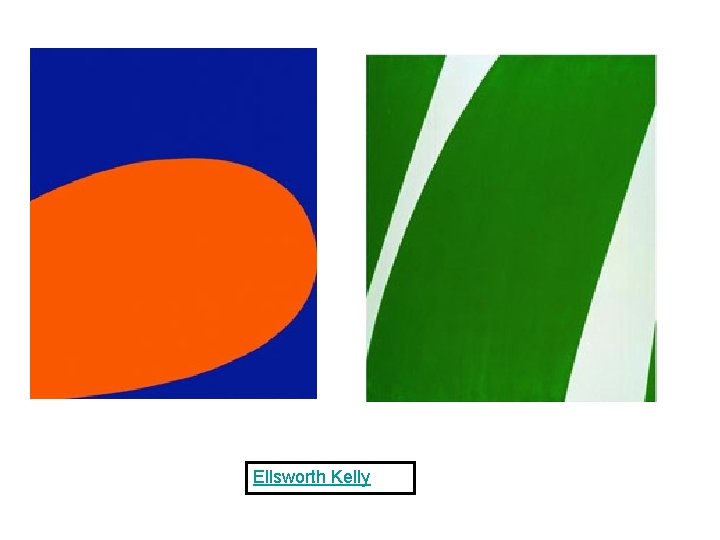
Ellsworth Kelly
MODERNISM KEY DATES: 1890 -1940 • Modernism was characterised by the deliberate departure from tradition and the use of innovative forms of expression that distinguish many styles in the arts and literature of the late nineteenth and the twentieth century. Modernism refers to this period's interest in new types of paints and other materials, in expressing feelings and ideas, in creating abstractions and fantasies, rather than representing what is real. This kind of art requires its audience to observe carefully in order to get some facts about the artist, his intentions, and his environment, before forming judgments about the work. Paul Cézanne is often called the 'Father of Modernism'.
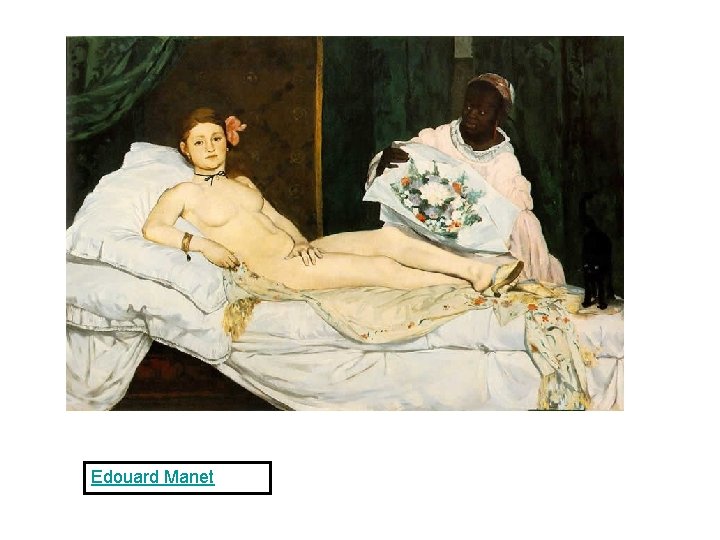
Edouard Manet
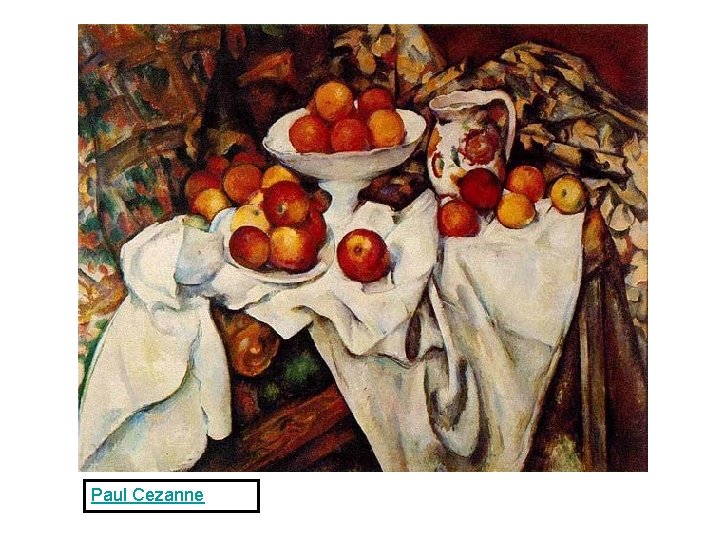
Paul Cezanne
POP ART KEY DATES: 1950 -1960 s • This movement was marked by a fascination with popular culture reflecting the affluence in post-war society. It was most prominent in American art but soon spread to Britain. In celebrating everyday objects such as soup cans, washing powder, comic strips and soda pop bottles, the movement turned the commonplace into icons. Pop Art is a direct descendant of Dadaism in the way it mocks the established art world by appropriating images from the street, the supermarket, the mass media, and presents it as art in itself.
• It was Andy Warhol, however, who really brought Pop Art to the public eye. His screen prints of Coke bottles, Campbell's soup tins and film stars are part of the iconography of the 20 th century. Pop Art owed much to dada in the way it mocked the established art world. By embracing commercial techniques, and creating slick, machine-produced art, the Pop artists were setting themselves apart from the painterly, inward-looking tendencies of the Abstract Expressionist movement that immediately preceded them. The leading artists in Pop were Andy Warhol, Roy Lichtenstein, Roy Hamilton, Jasper Johns, Robert Rauschenberg and Claes Oldenburg
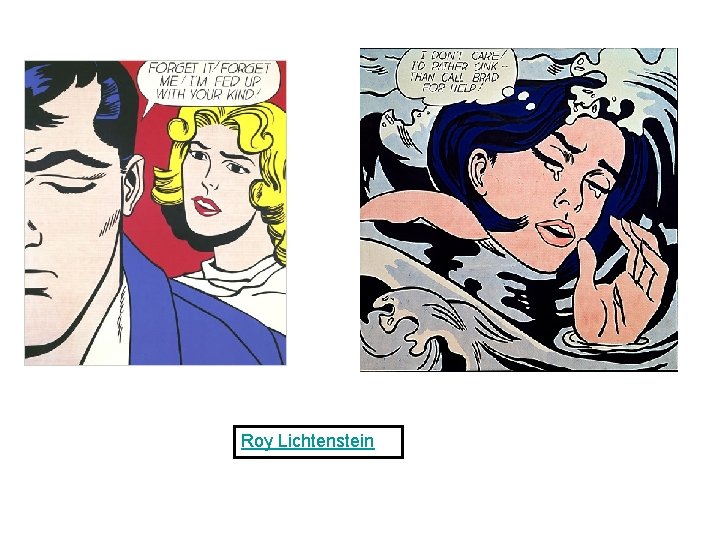
Roy Lichtenstein
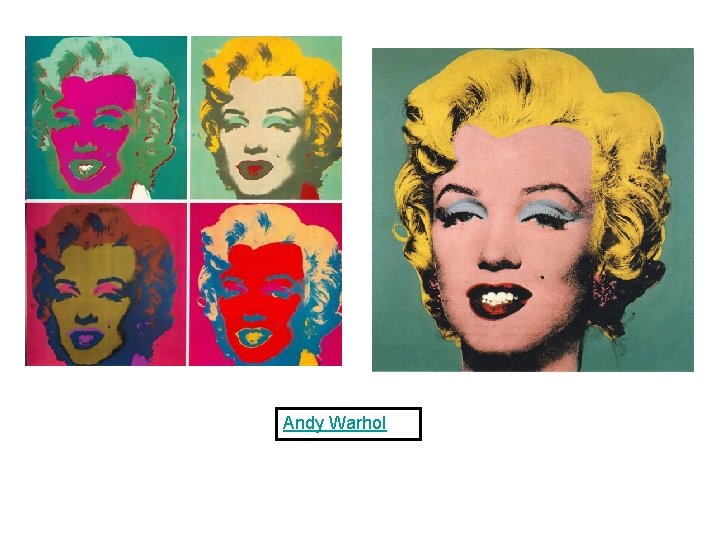
Andy Warhol
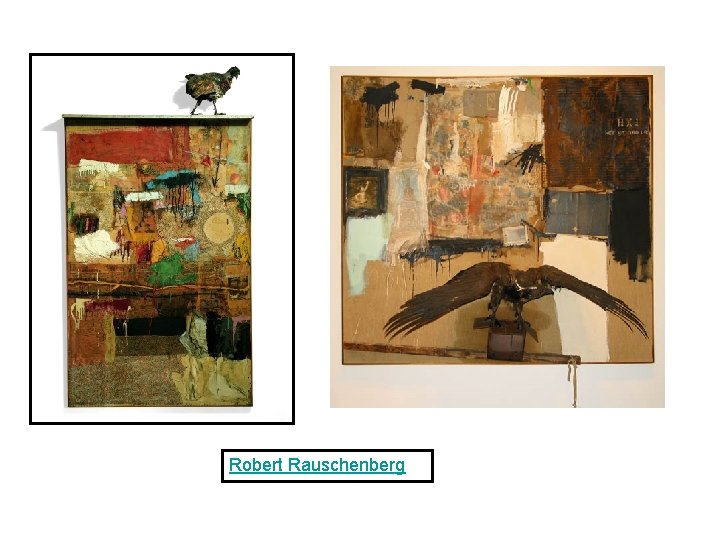
Robert Rauschenberg
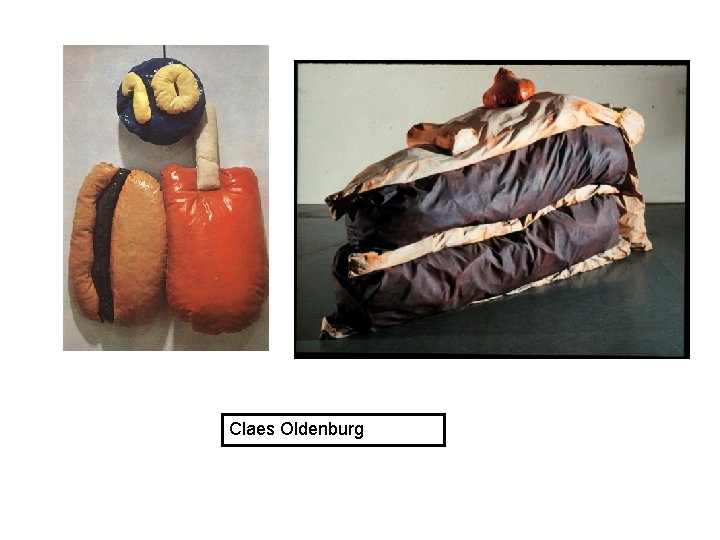
Claes Oldenburg
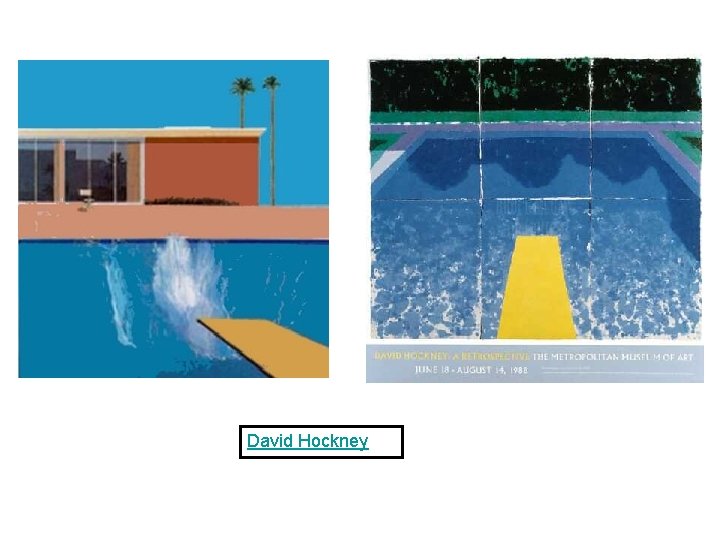
David Hockney
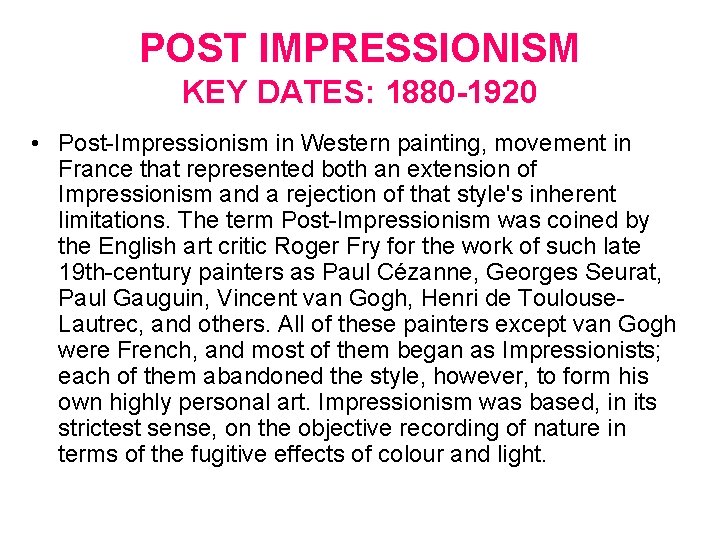
POST IMPRESSIONISM KEY DATES: 1880 -1920 • Post-Impressionism in Western painting, movement in France that represented both an extension of Impressionism and a rejection of that style's inherent limitations. The term Post-Impressionism was coined by the English art critic Roger Fry for the work of such late 19 th-century painters as Paul Cézanne, Georges Seurat, Paul Gauguin, Vincent van Gogh, Henri de Toulouse. Lautrec, and others. All of these painters except van Gogh were French, and most of them began as Impressionists; each of them abandoned the style, however, to form his own highly personal art. Impressionism was based, in its strictest sense, on the objective recording of nature in terms of the fugitive effects of colour and light.
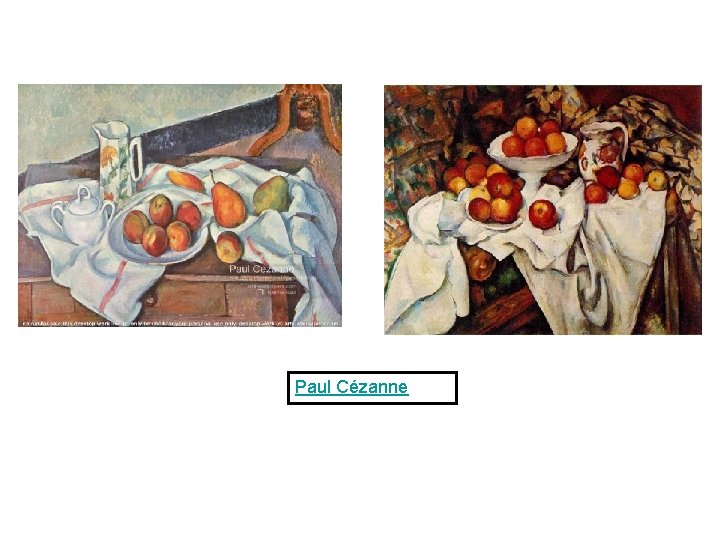
Paul Cézanne
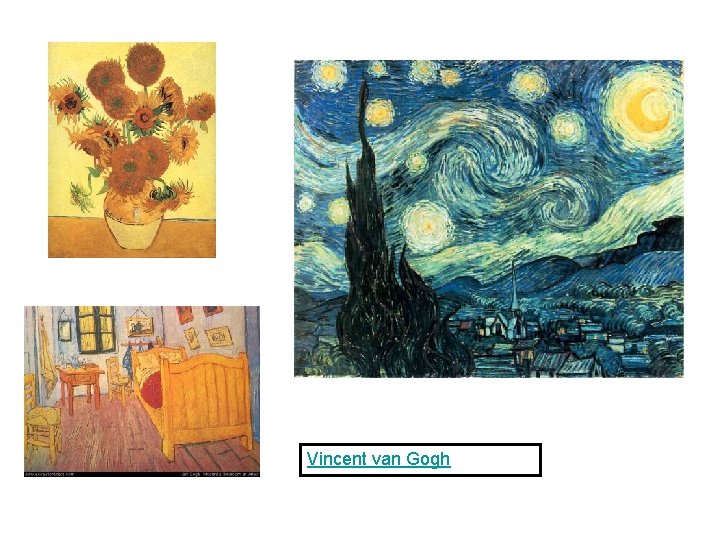
Vincent van Gogh
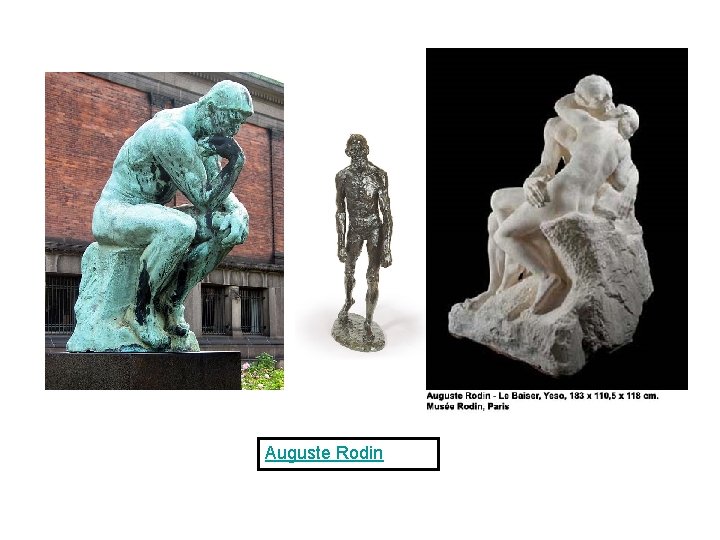
Auguste Rodin
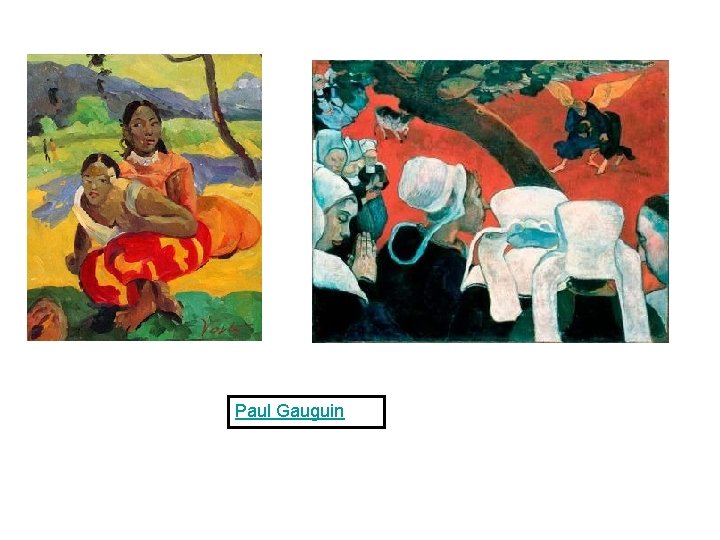
Paul Gauguin
POST MODERNISM KEY DATES: 1960 -present • The name given to a wide range of cultural phenomena, to characterise a move away from the 'highbrow' seriousness of modernism, preferring a more eclectic and populist approach to creativity. • The term came into common use in the 1970 s. It is used both as a 'stylistic' term and also as a period designation Paintings that have been described as Postmodernist include the work of Stephen Mc. Kenna and Carlo Mariani, also selected works by Peter Blake and David Hockney.
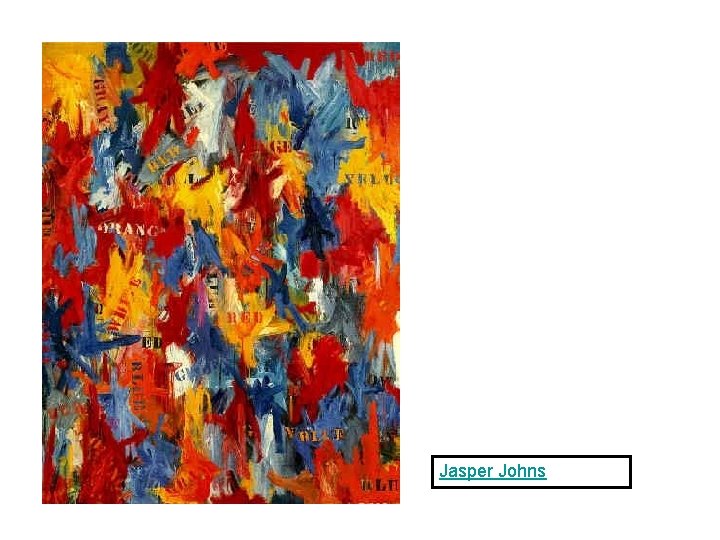
Jasper Johns
REALISM KEY DATES: 1830 -1870 • Realism, also known as the Realist school, was a mid-nineteenth century art movement and style in which artists discarded the formulas of Neoclassicism and theatrical drama of Romanticism to paint familiar scenes and events as they actually looked. Typically it involved some sort of sociopolitical or moral message, in the depiction of ugly or commonplace subjects. Daumier, Millet and Courbet were realists.
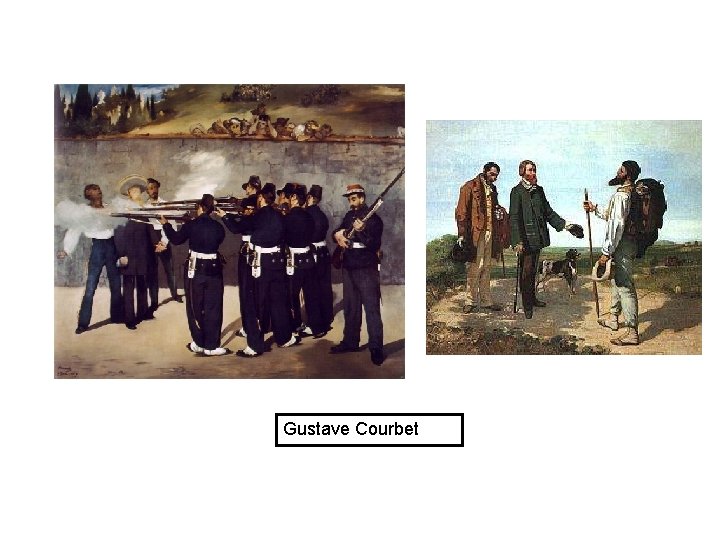
Gustave Courbet
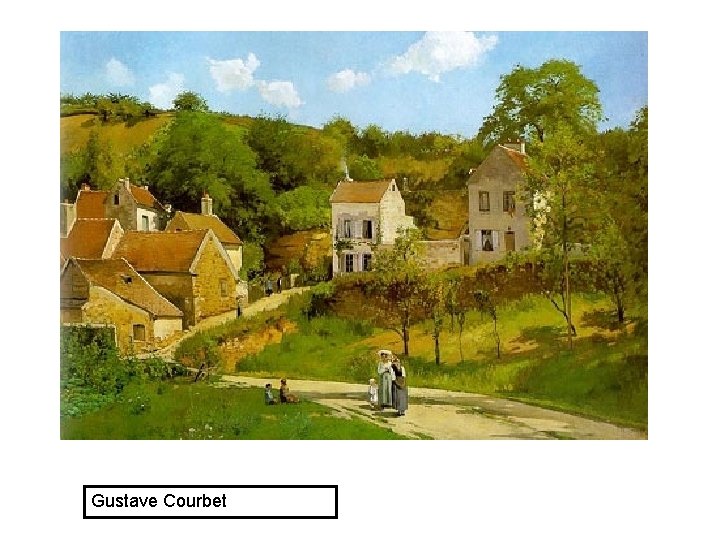
Gustave Courbet
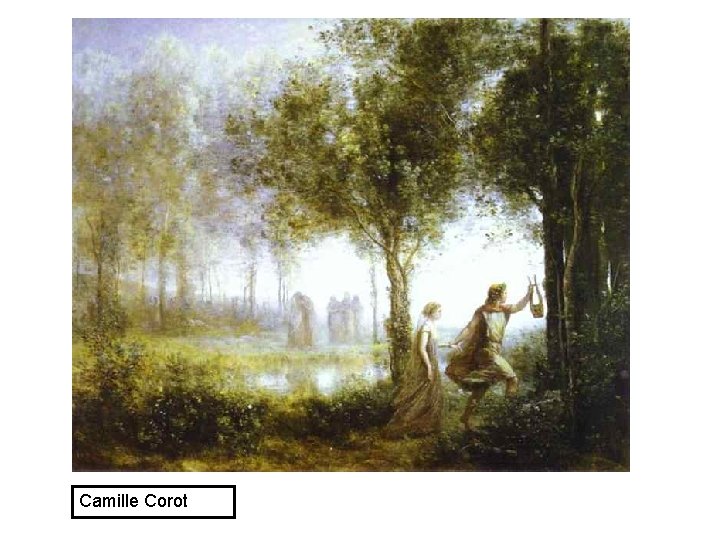
Camille Corot
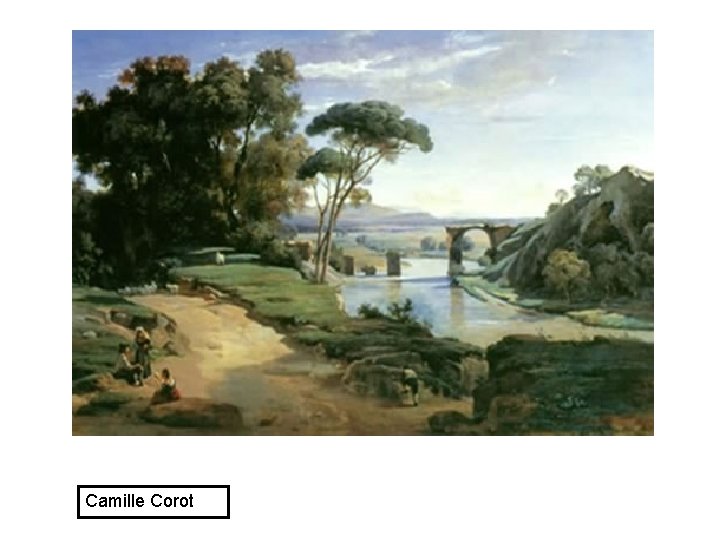
Camille Corot
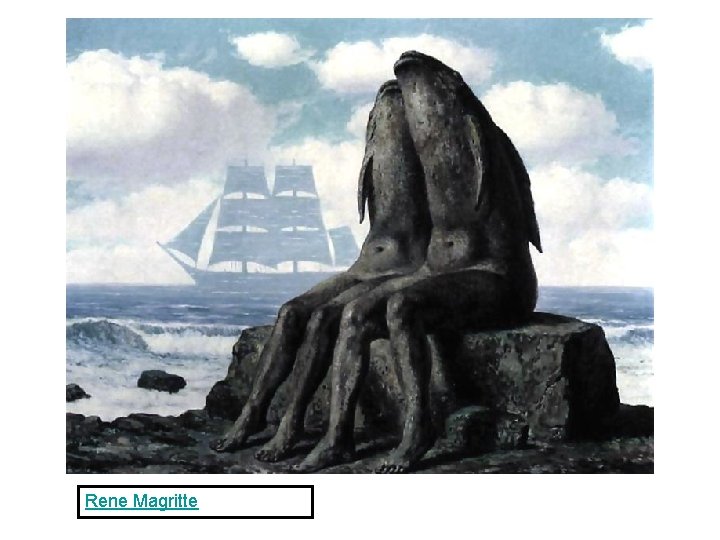
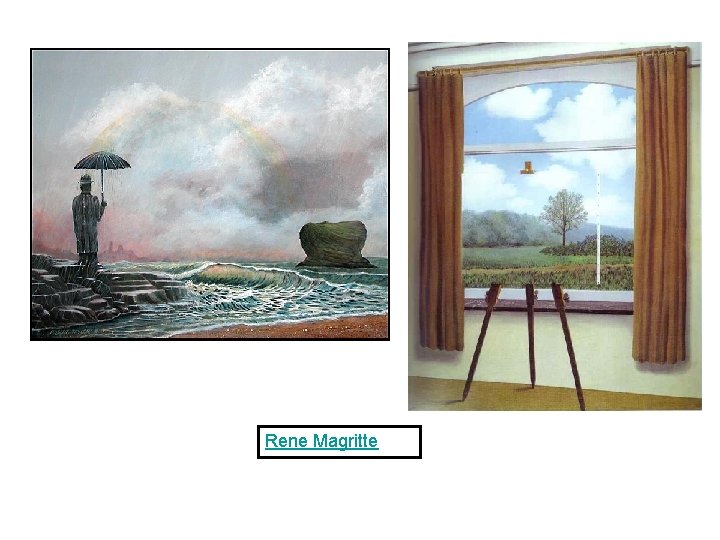
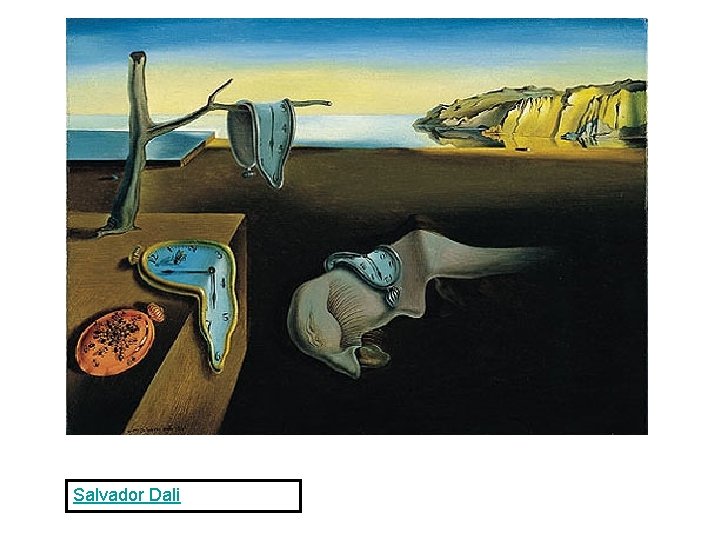
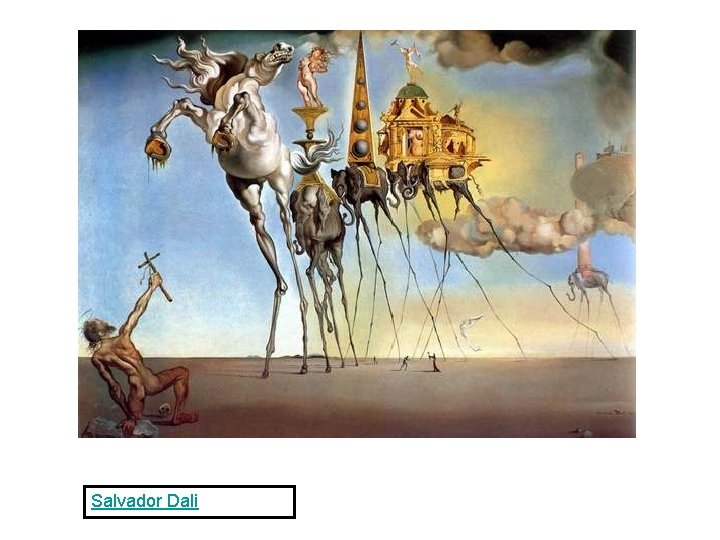
SURREALISM KEY DATES: 1920 -1930 s • A literary and art movement, dedicated to expressing the imagination as revealed in dreams, free of the conscious control of reason and convention. Surrealism inherited its anti-rationalist sensibility from Dada, but was lighter in spirit than that movement. Like Dada, it was shaped by emerging theories on our perception of reality, the most obvious influence being Freud's model of the subconscious.
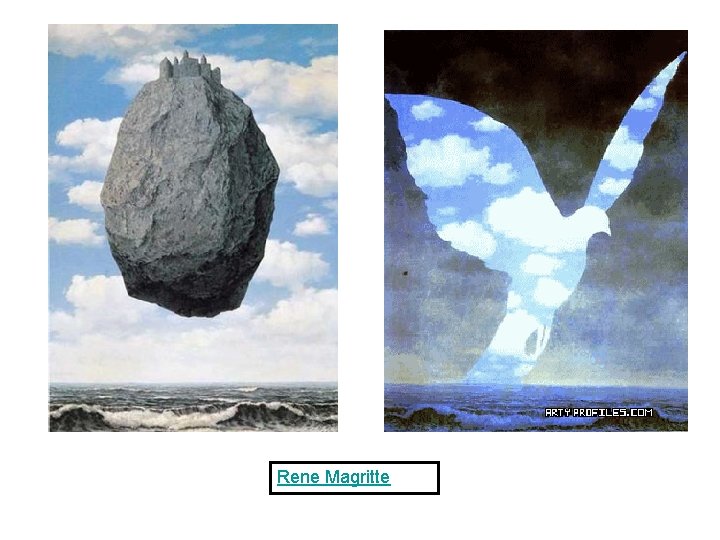
Rene Magritte
Rene Magritte
Rene Magritte
Salvador Dali
Salvador Dali
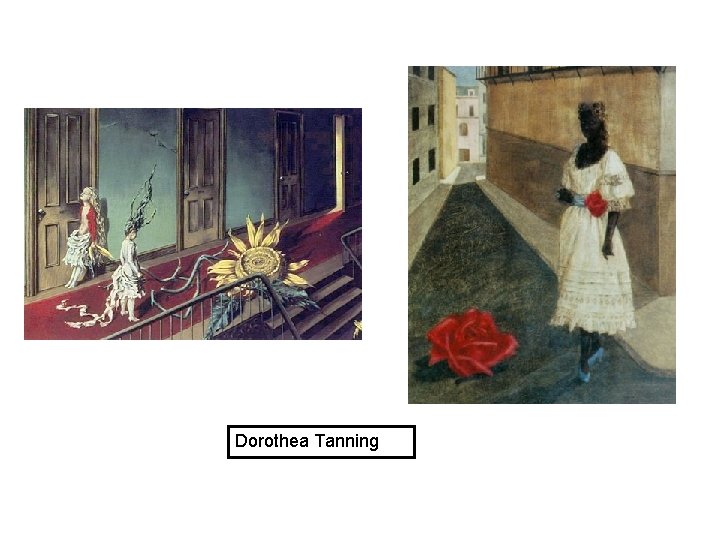
Dorothea Tanning
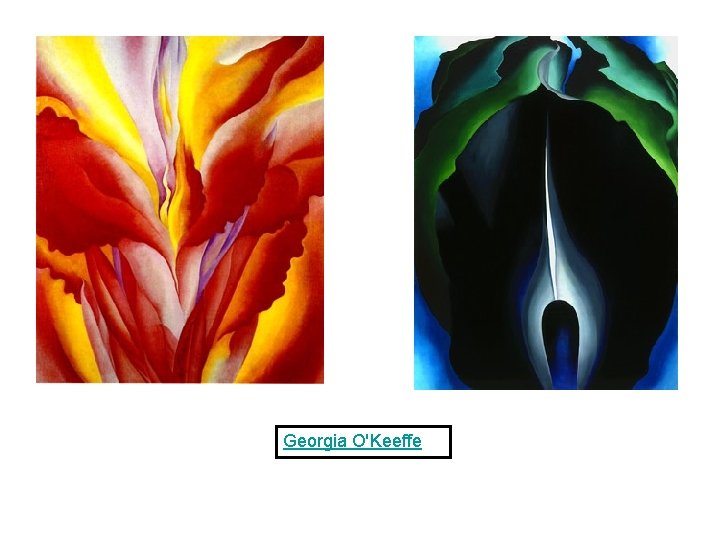
Georgia O'Keeffe
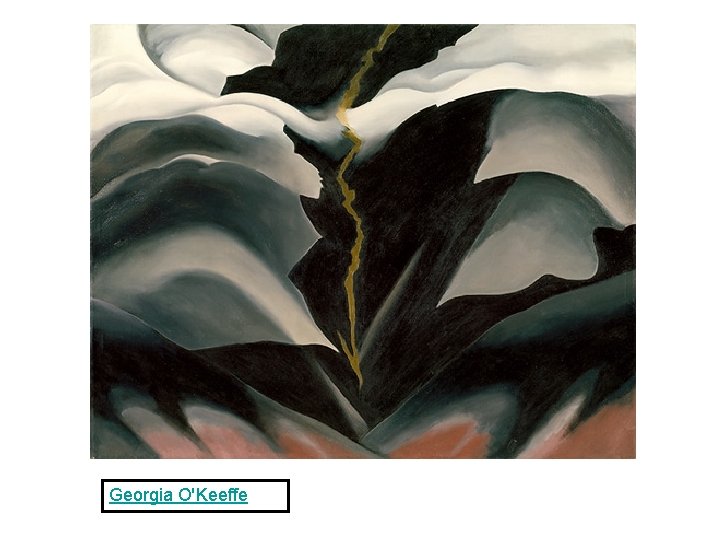
Georgia O'Keeffe
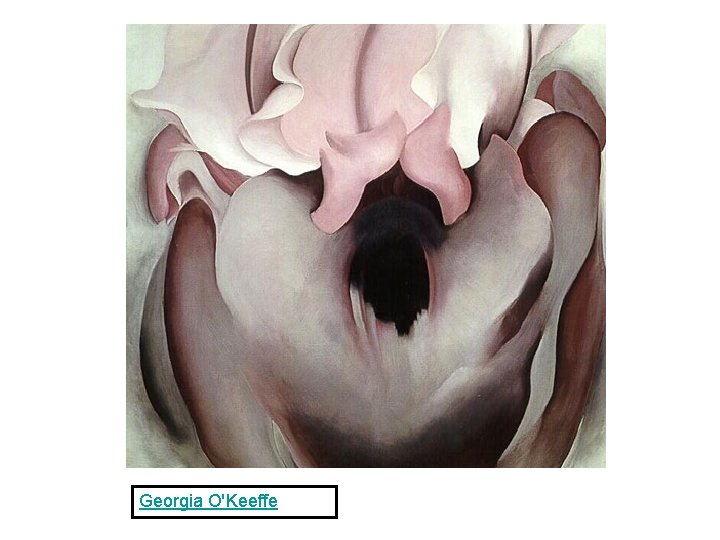
Georgia O'Keeffe
SYMBOLISM KEY DATES: 1885 -1910 • Symbolism began as a reaction to the literal representation of subjects preferring to create more suggestive and evocative works. It had its roots in literature with poets such as Baudelaire believing ideas and emotions could be conveyed not only through the meaning of words but also in their sound and rhythm. The styles of the Symbolist painters varied considerably, but they shared many of the same themes particularly a fascination with the mystical and the visionary.
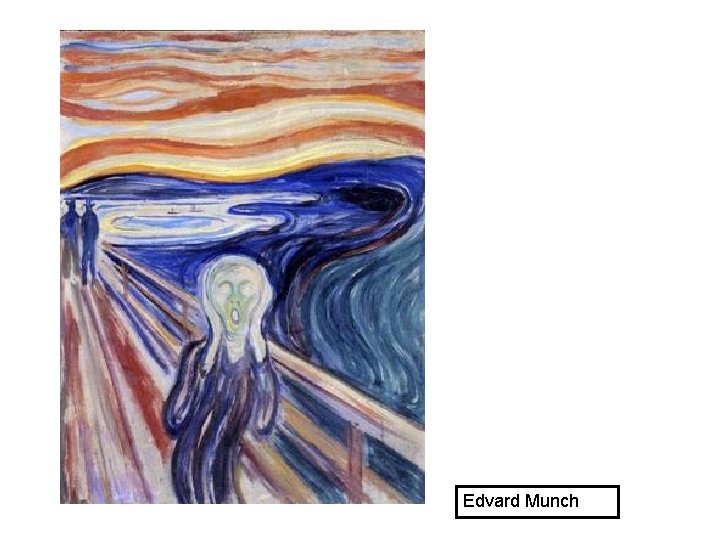
Edvard Munch
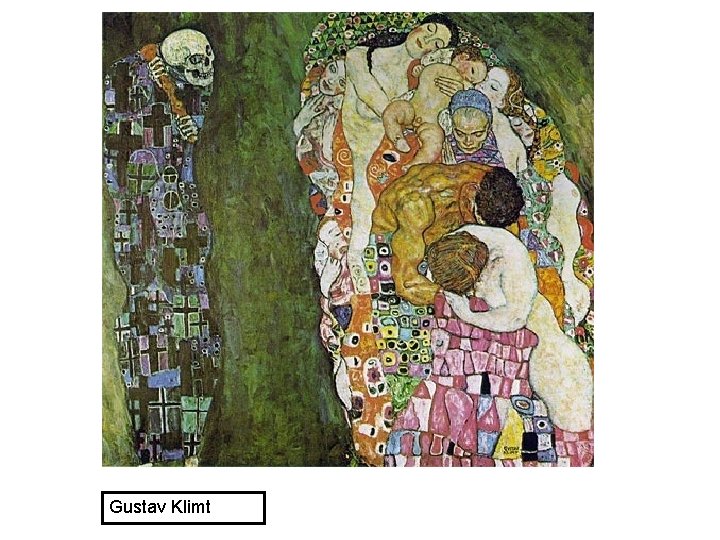
Gustav Klimt
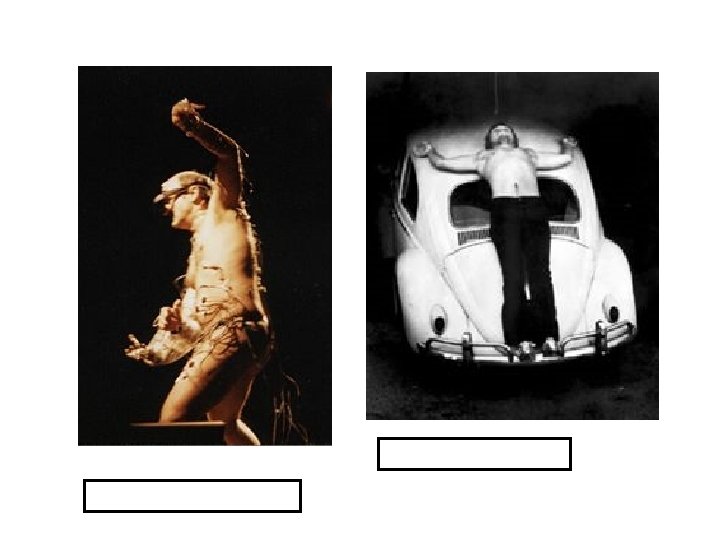
Performance art • Performance art is art in which the actions of an individual or a group at a particular place and in a particular time constitute the work. It can happen anywhere, at any time, or for any length of time. • Performance art can be any situation that involves four basic elements: time, space, the performer's body and a relationship between performer and audience. It is opposed to painting or sculpture, for example, where an object constitutes the work. Of course the lines are often blurred.
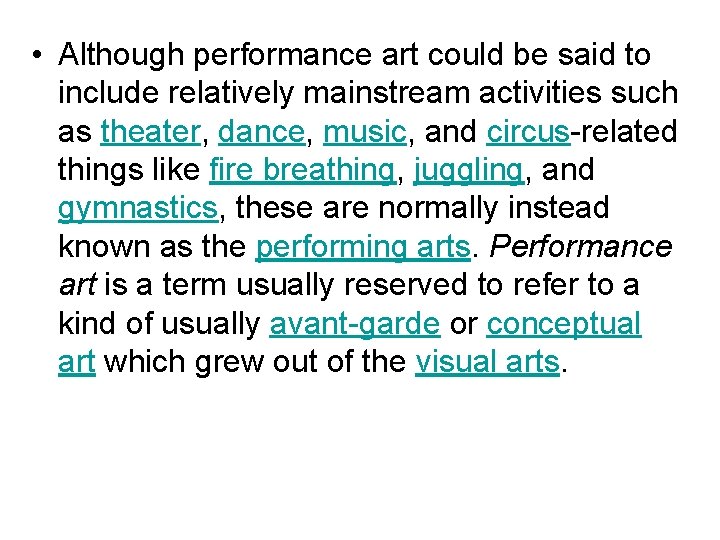
• Although performance art could be said to include relatively mainstream activities such as theater, dance, music, and circus-related things like fire breathing, juggling, and gymnastics, these are normally instead known as the performing arts. Performance art is a term usually reserved to refer to a kind of usually avant-garde or conceptual art which grew out of the visual arts.
- Slides: 80