
Intermetallics as innovative CRMfree materials Pavel Novak 1
- Slides: 23
Intermetallics as innovative CRM-free materials Pavel Novak 1, Lucyna Jaworska 2, Marcello Cabibbo 3 1 Department of Metals and Corrosion Engineering, University of Chemistry and Technology Prague, Technická 5, 16628 Prague. Czech Republic; panovak@vscht. cz 2 The Institute of Advanced Manufacturing Technology, Wroclawska 37 A, 30011 Krakow. Poland 3 DIISM/Università Politecnica delle Marche, Via Brecce Bianche, 60131 Ancona, Italy
Outline • Properties of intermetallics • Presented applications of intermetallics • High-temperature materials • Tool materials • Corrosion resistant materials • Biomaterials • Production of intermetallics
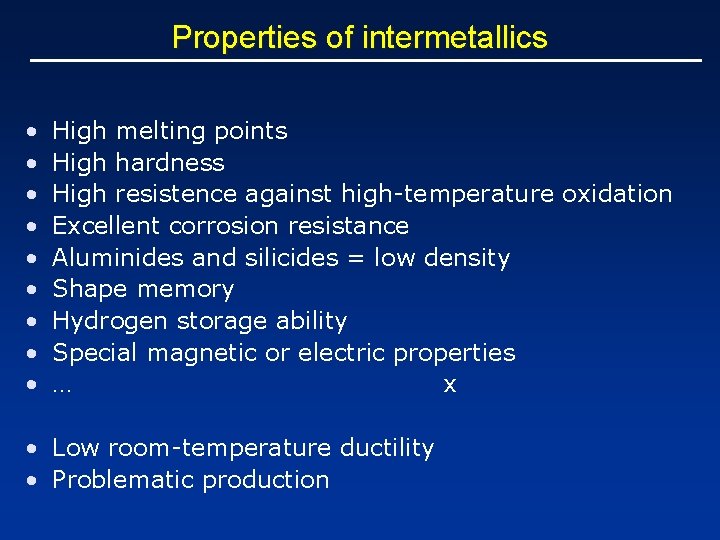
Properties of intermetallics • • • High melting points High hardness High resistence against high-temperature oxidation Excellent corrosion resistance Aluminides and silicides = low density Shape memory Hydrogen storage ability Special magnetic or electric properties … x • Low room-temperature ductility • Problematic production
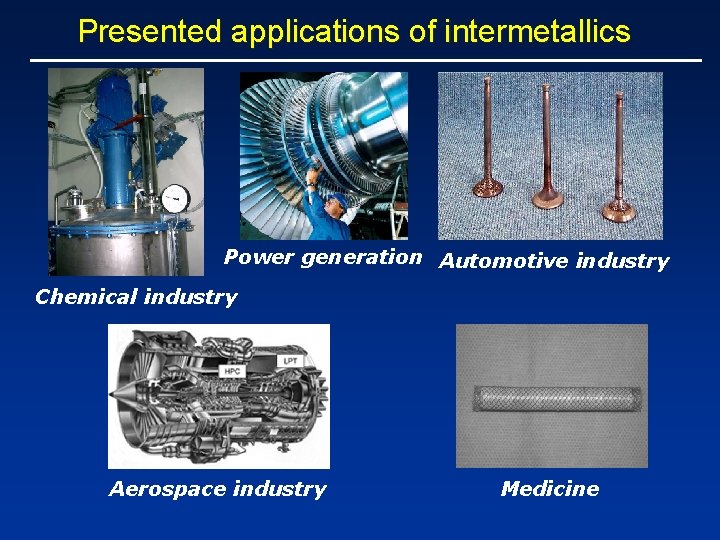
Presented applications of intermetallics Power generation Automotive industry Chemical industry Aerospace industry Medicine
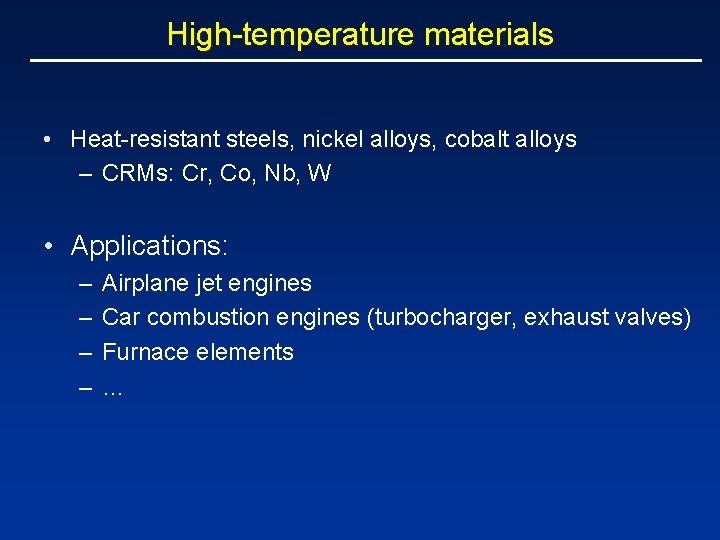
High-temperature materials • Heat-resistant steels, nickel alloys, cobalt alloys – CRMs: Cr, Co, Nb, W • Applications: – – Airplane jet engines Car combustion engines (turbocharger, exhaust valves) Furnace elements …
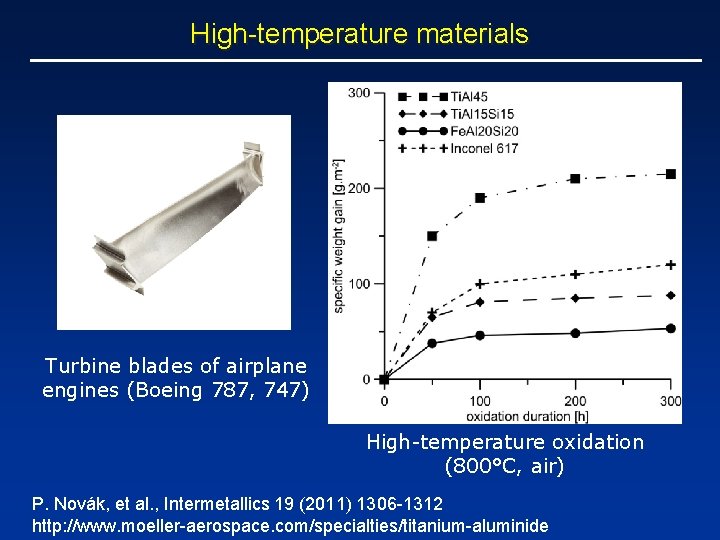
High-temperature materials Turbine blades of airplane engines (Boeing 787, 747) High-temperature oxidation (800°C, air) P. Novák, et al. , Intermetallics 19 (2011) 1306 -1312 http: //www. moeller-aerospace. com/specialties/titanium-aluminide
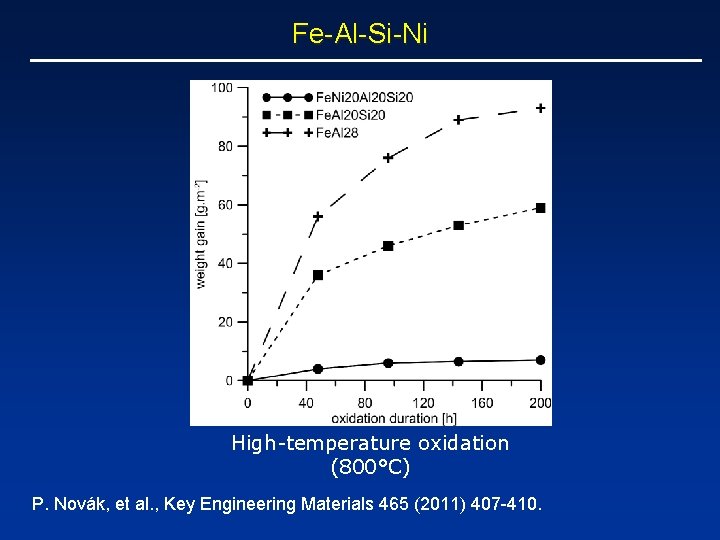
Fe-Al-Si-Ni High-temperature oxidation (800°C) P. Novák, et al. , Key Engineering Materials 465 (2011) 407 -410.
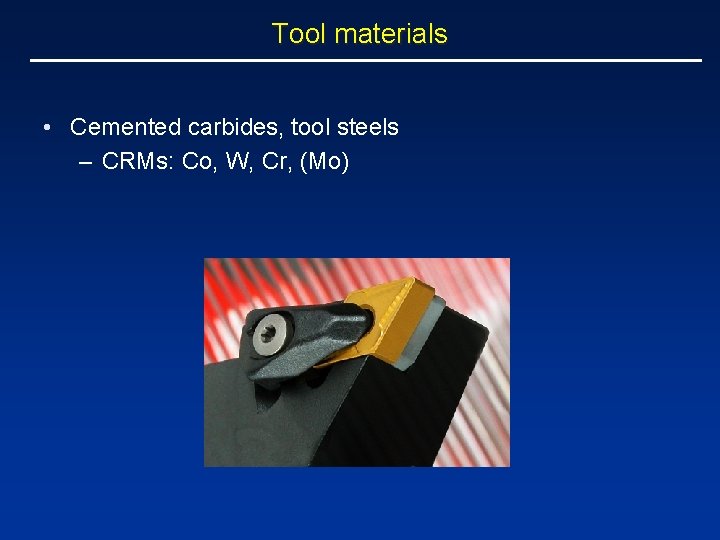
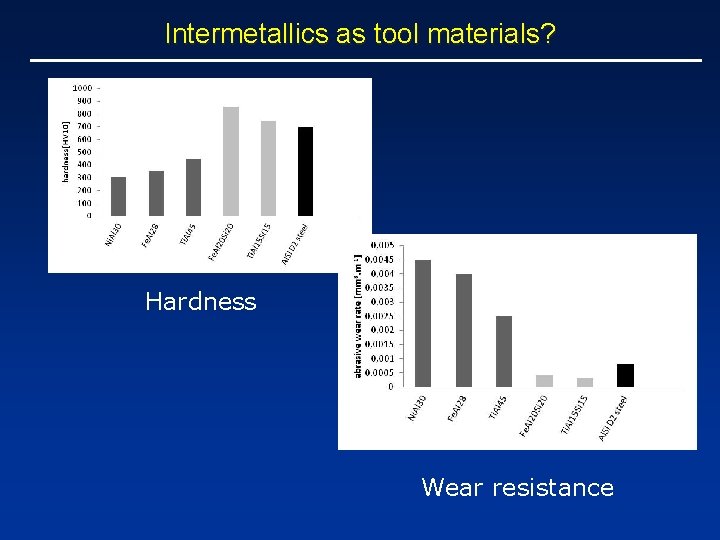
Tool materials • Cemented carbides, tool steels – CRMs: Co, W, Cr, (Mo)
Intermetallics as tool materials? Hardness Wear resistance
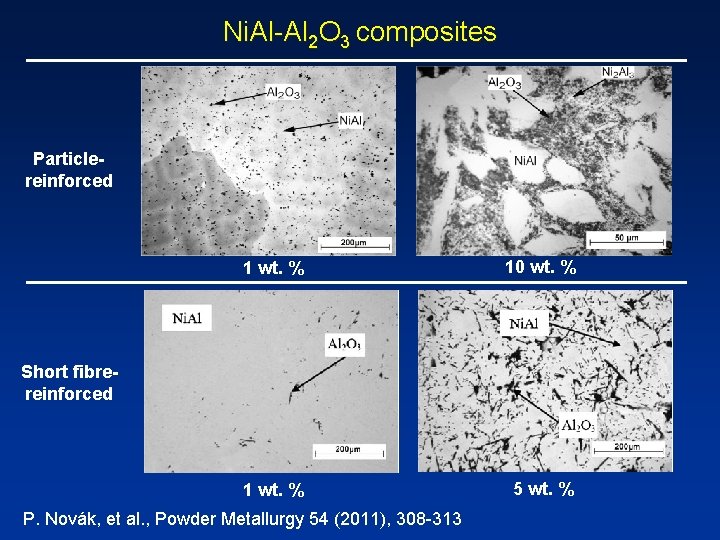
Ni. Al-Al 2 O 3 composites Particlereinforced 1 wt. % 10 wt. % 1 wt. % 5 wt. % Short fibrereinforced P. Novák, et al. , Powder Metallurgy 54 (2011), 308 -313
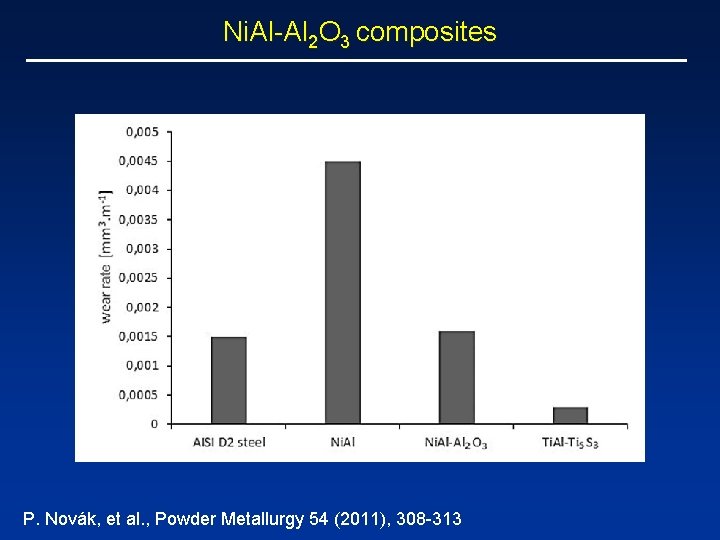
Ni. Al-Al 2 O 3 composites P. Novák, et al. , Powder Metallurgy 54 (2011), 308 -313
Corrosion-resistant materials • Stainless steels, nickel alloys • Contain CRMs: Cr, (Mo) • Applications: – – Chemical industry Car exhausts Kitchen tools Other aggressive environments
Corrosion-resistant materials • Intermetallics based on Fe-Al system – passivation by Al 2 O 3 at p. H > 3 • addition of Si – weaker passive layer at p. H > 2 • Intermetallics based on Ti-Al system – passivation by Al 2 O 3 and Ti. O 2 at p. H > 2 • addition of Si – less significant effect
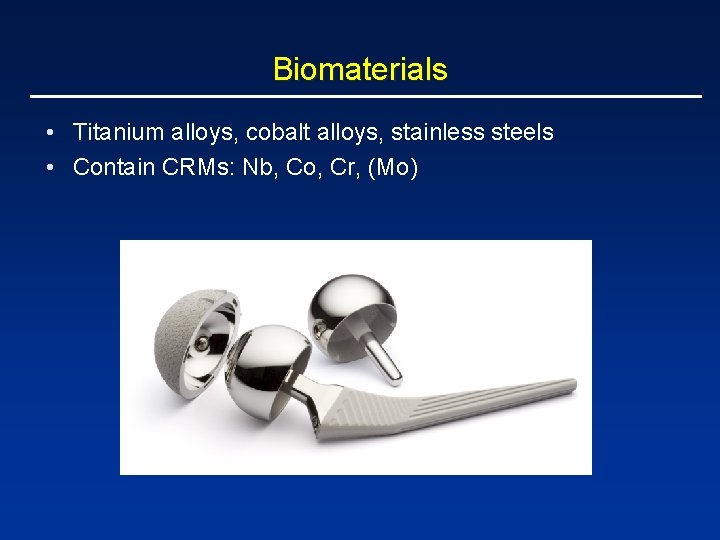
Biomaterials • Titanium alloys, cobalt alloys, stainless steels • Contain CRMs: Nb, Co, Cr, (Mo)
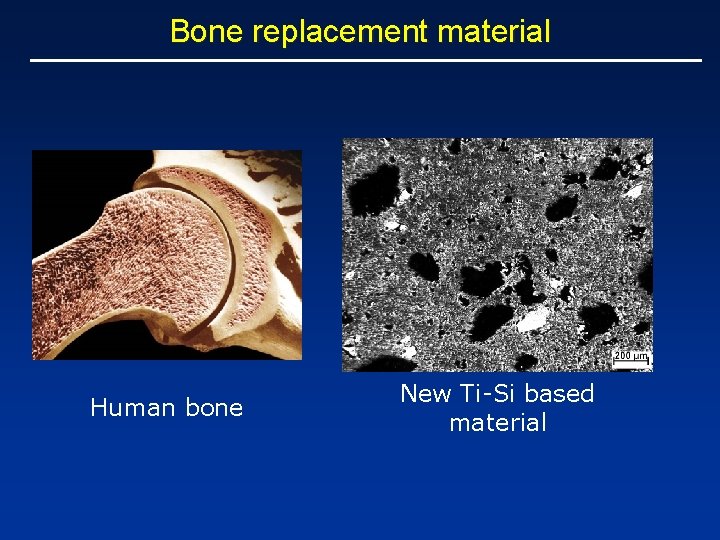
Bone replacement material Human bone New Ti-Si based material
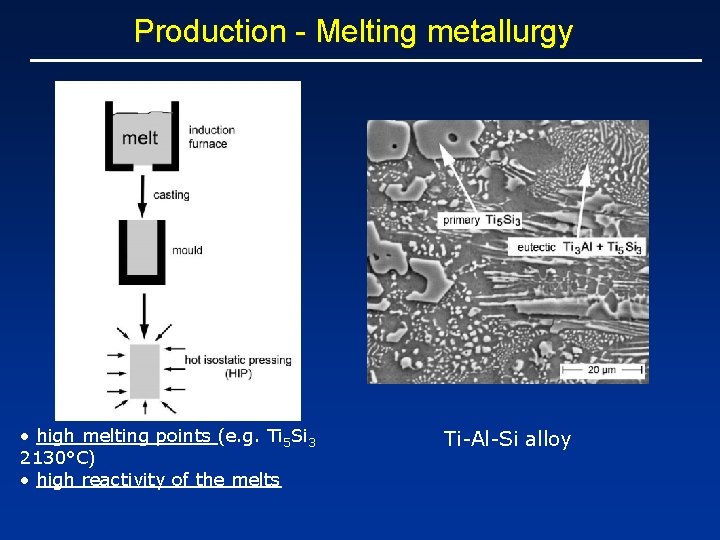
Production - Melting metallurgy • high melting points (e. g. Ti 5 Si 3 2130°C) • high reactivity of the melts Ti-Al-Si alloy
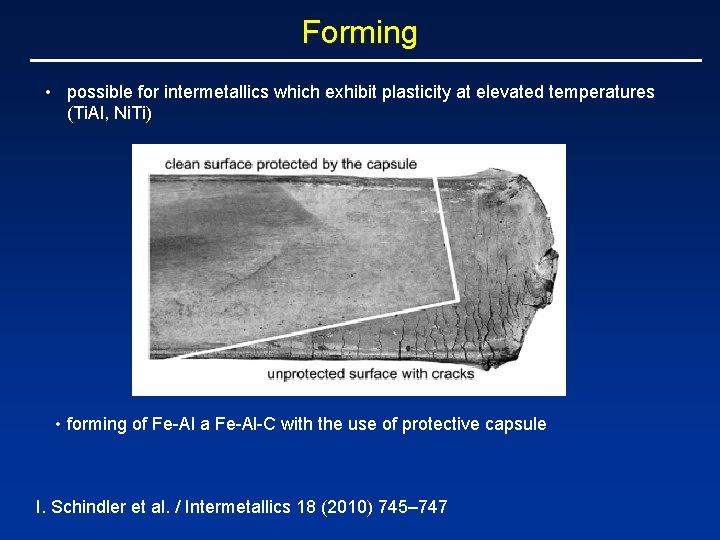
Forming • possible for intermetallics which exhibit plasticity at elevated temperatures (Ti. Al, Ni. Ti) • forming of Fe-Al a Fe-Al-C with the use of protective capsule I. Schindler et al. / Intermetallics 18 (2010) 745– 747
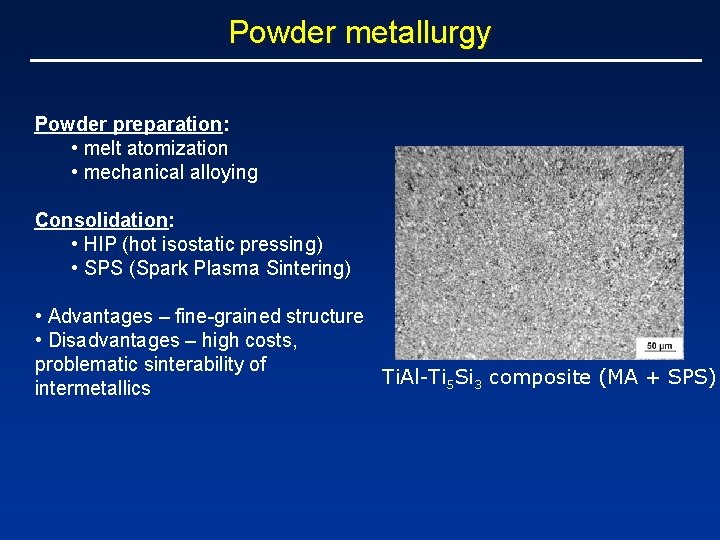
Powder metallurgy Powder preparation: • melt atomization • mechanical alloying Consolidation: • HIP (hot isostatic pressing) • SPS (Spark Plasma Sintering) • Advantages – fine-grained structure • Disadvantages – high costs, problematic sinterability of Ti. Al-Ti 5 Si 3 composite (MA + SPS) intermetallics
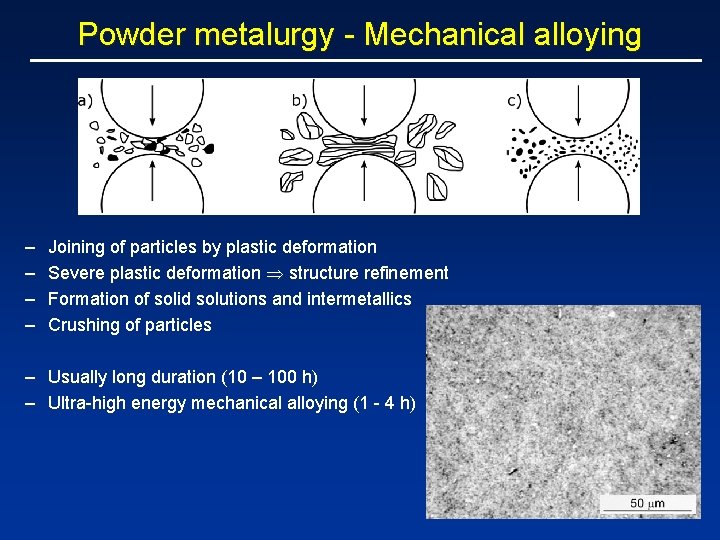
Powder metalurgy - Mechanical alloying – – Joining of particles by plastic deformation Severe plastic deformation structure refinement Formation of solid solutions and intermetallics Crushing of particles – Usually long duration (10 – 100 h) – Ultra-high energy mechanical alloying (1 - 4 h)
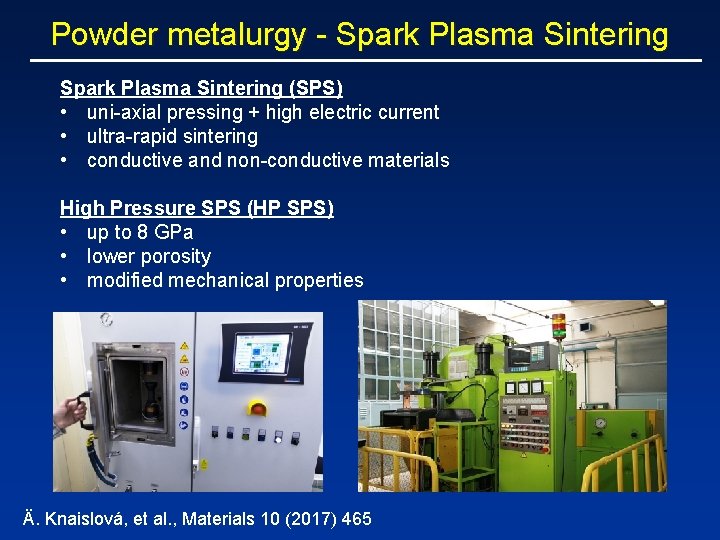
Powder metalurgy - Spark Plasma Sintering (SPS) • uni-axial pressing + high electric current • ultra-rapid sintering • conductive and non-conductive materials High Pressure SPS (HP SPS) • up to 8 GPa • lower porosity • modified mechanical properties Ä. Knaislová, et al. , Materials 10 (2017) 465
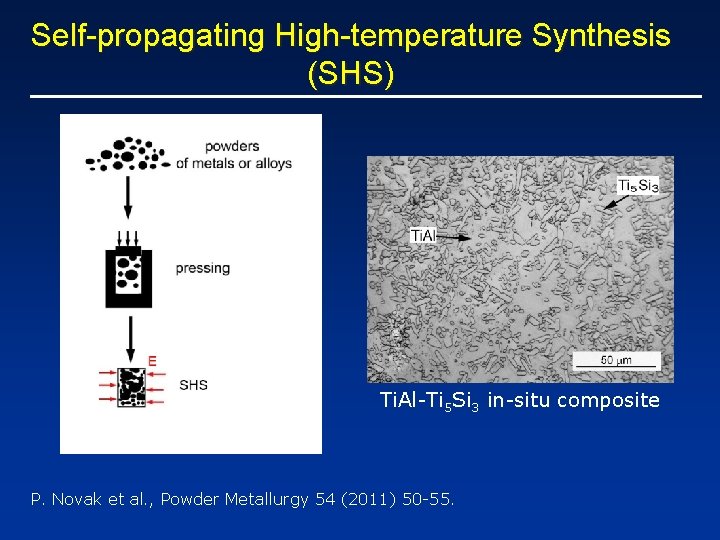
Self-propagating High-temperature Synthesis (SHS) Ti. Al-Ti 5 Si 3 in-situ composite P. Novak et al. , Powder Metallurgy 54 (2011) 50 -55.
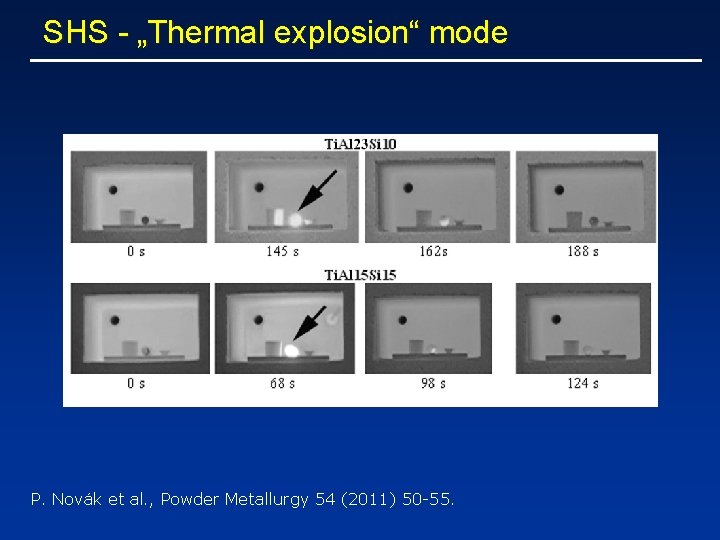
SHS - „Thermal explosion“ mode P. Novák et al. , Powder Metallurgy 54 (2011) 50 -55.
Conclusions • Intermetallics are already substituting CRM-containing materials in selected applications (jet engines, . . . ). • For more wide use, the extensive development is needed. • Positive reaction from industry required. Acknowledgement The international frame of the research was supported by COST Action CA 15102.